In an era defined by an unprecedented deluge of digital imagery, photo book company Mixbook has launched a significantly redesigned iOS application, coupled with an innovative "Memory Project," aimed at transforming how individuals manage, rediscover, and cherish their vast personal photo libraries. This strategic initiative directly confronts the modern challenge of digital photo overload, where countless precious memories are captured but often lost within immense archives, rarely revisited. The company’s ambition extends beyond simplifying photo book creation; it seeks to re-establish the profound connection between people and their life stories, bridging the gap between fleeting digital moments and lasting physical keepsakes.
Mixbook’s Strategic Pivot: Addressing the Digital Deluge
The proliferation of digital cameras and, more prominently, smartphones over the past two decades has fundamentally altered human interaction with photography. What was once a deliberate act, constrained by film rolls and development costs, has become an instantaneous, almost continuous process. The result is that many individuals possess tens, if not hundreds, of thousands of photographs and videos, scattered across various devices, cloud services, and hard drives. This digital abundance, while offering unparalleled convenience in capturing life’s moments, has paradoxically led to a form of digital amnesia, where the sheer volume makes it nearly impossible to organize, curate, or even remember the existence of many images. A 2023 study by Mylio Photos indicated that the average smartphone user takes over 6,000 photos per year, contributing to an ever-growing, unmanageable collection. Mixbook’s new iOS app is a direct response to this widespread problem, positioning itself as a solution for digital decluttering and meaningful memory curation.
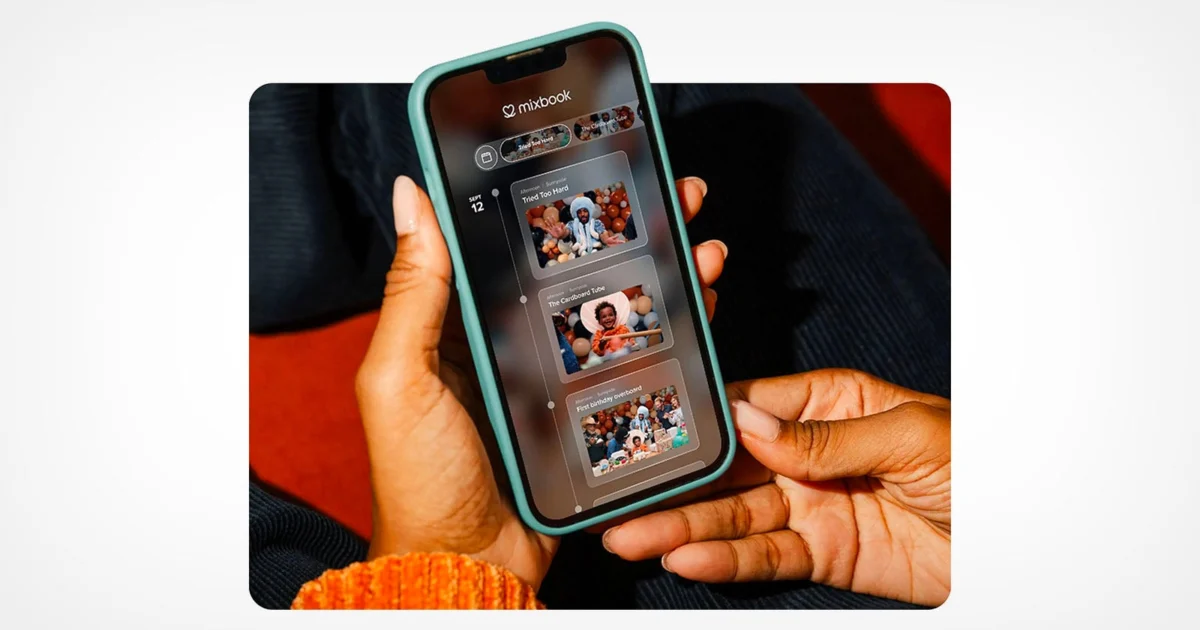
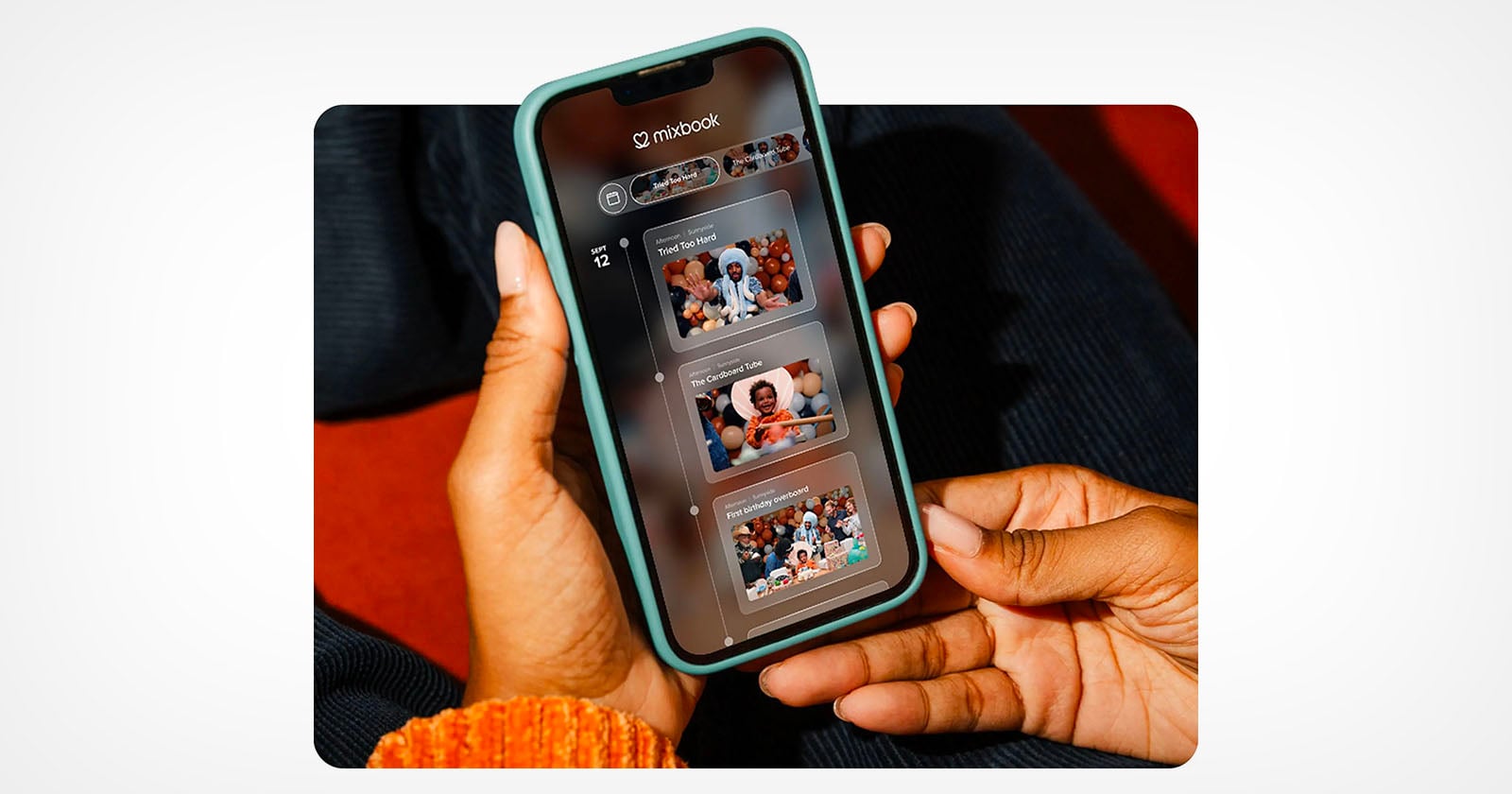
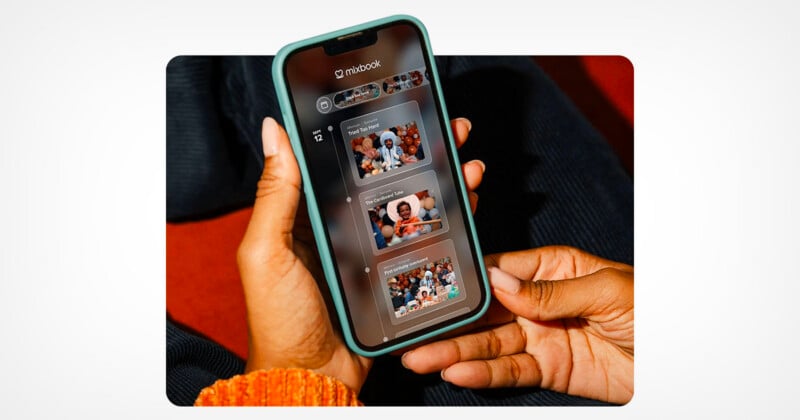
The core functionality of the redesigned app is built around intelligent organization and rediscovery. Utilizing advanced algorithms, the app sifts through users’ photo libraries, aiming to surface old photos that have long been buried. Crucially, it identifies and filters out duplicate images, a common culprit in digital clutter, thereby streamlining the user’s collection. The app then organizes the remaining shots into chronological, narrative-based timelines, designed to reflect the natural flow of life events. For instance, a family vacation taken a decade ago to California might be automatically grouped into its own distinct section. Similarly, photos and videos featuring specific individuals are identified and categorized, creating dedicated timelines for people, allowing users to trace the visual journey of loved ones over time. This sophisticated tagging and grouping mechanism moves beyond simple date-based sorting, aspiring to create a more intuitive and emotionally resonant browsing experience.
Introducing "Stories": A New Paradigm for Digital Storytelling
A standout feature of the new Mixbook app is the introduction of "Stories." These are interactive photo albums generated by built-in artificial intelligence, complete with automatically generated text and dynamic timelines. These AI-curated narratives are designed to bring a photo book-like experience directly to the phone, transforming static image collections into engaging, cohesive stories. The "Stories" feature can identify and group photos around specific themes, such as a child’s birthday party, an important holiday celebration, or a memorable trip. This automated storytelling capability is particularly valuable for users who lack the time or inclination to manually curate their memories, offering a streamlined path to reliving and sharing significant life events.
While professional photographers and dedicated enthusiasts often revel in the artistic and creative control involved in managing their extensive photo libraries and custom-designing intricate photo books, a vast segment of the population primarily seeks to experience and share their cherished memories with minimal effort. The laborious process of tracking down, selecting, and arranging images has historically been a significant barrier to creating photo books or even simply enjoying digital archives. Mixbook’s "Stories" aims to democratize this process, offering an accessible entry point for everyone to transform their digital snapshots into compelling personal narratives. The integration of AI text generation further enhances this, providing context and narrative flow that might otherwise be missing, thereby enriching the storytelling experience.
The Memory Project: A Scientific Approach to Personal Narratives
Beyond the technological enhancements, Mixbook has underscored its commitment to the deeper psychological and emotional aspects of memory preservation through its "Memory Project." This ambitious initiative involves a collaboration with cognitive psychologist Dr. Christie Chung, a Provost at Palo Alto University, who serves as Mixbook’s Memory Science Advisor. The project delves into the intricate relationship between memory, storytelling, and the human connection to images. It seeks to understand how individuals recall and relate to their past experiences through visual cues and how these memories contribute to personal identity and relationships.
At the heart of the Memory Project is Mixbook’s patent-pending memory technology. This innovative system leverages data extracted from photos, combined with contextual information provided by users, to intelligently surface and organize images into relevant and meaningful stories. By analyzing factors such as location data, timestamps, facial recognition, and event clustering, the technology aims to reconstruct the narrative arcs of users’ lives. A critical aspect emphasized by Mixbook is user privacy and control: the initial photo analysis is performed on-device, ensuring that sensitive data remains private. Users retain full control over what information they choose to share with the app, aligning with growing concerns about data security in personal applications. This scientific backing and privacy-first approach lend significant credibility to Mixbook’s efforts, differentiating it from purely algorithmic photo organization tools. The involvement of a cognitive psychologist highlights a deeper understanding of human memory formation and recall, aiming to create an app that not only organizes photos but also genuinely enhances the user’s ability to engage with their past.
Leadership Vision: Reconnecting with Life’s Defining Moments
Andrew Laffoon, Mixbook CEO and co-founder, articulates the profound vision behind these developments: "Our camera rolls hold the people and memories we care about most, but the stories behind those photos can easily get lost." This statement encapsulates the core problem Mixbook aims to solve – not just digital clutter, but the erosion of personal narratives. Laffoon emphasizes the company’s two-decade legacy in helping people preserve these stories through photo books. However, he points to a more expansive ambition with the new app: "But the real value of a memory is how it helps us understand our lives, reconnect with people we love, and hold onto the moments that shape us. This represents the next chapter for Mixbook: giving people a home to bring the stories of their lives back together across digital and print."
This vision underscores a shift from merely facilitating photo book creation to establishing Mixbook as a comprehensive platform for memory management and storytelling. It recognizes that the act of revisiting memories is crucial for emotional well-being, fostering connections, and understanding one’s personal journey. By providing a "home" for these stories, Mixbook aims to integrate the digital and physical realms of memory preservation, offering a seamless experience from on-screen interaction to tangible print products. This holistic approach reflects a growing trend in the digital economy where companies are moving beyond single-purpose tools to offer integrated solutions that address deeper human needs.
Business Model and Accessibility: Freemium Strategy for Broad Adoption
The new Mixbook app is available for download and use free of charge, reflecting a common freemium business model designed to attract a broad user base. While the core organizational and storytelling features are accessible without cost, an optional Mixbook+ subscription is offered for $10 per month. This premium tier provides expanded access to the advanced "Stories" tool, enabling users to create more elaborate and numerous narratives. Subscribers also benefit from watermark-free sharing and downloads, ensuring a clean and professional presentation of their curated memories. A significant incentive for Mixbook+ members is a $10 monthly credit toward print orders, effectively offsetting the subscription cost for those who regularly purchase physical photo books or other print products.
This tiered approach allows Mixbook to cater to different user needs and engagement levels. Casual users can benefit from the free organizational tools, while more dedicated users who value enhanced storytelling and regular printing are incentivized to subscribe. Photo books themselves remain free to design within the app, with physical books starting at an accessible price point of $14.99. This pricing structure is competitive within the photo printing industry, which has seen consistent growth driven by personalization trends. The global photo printing and merchandise market was valued at approximately $18 billion in 2022 and is projected to grow, indicating a robust demand for physical representations of digital memories. By making the creation process intuitive and the final product affordable, Mixbook aims to capture a larger share of this market.
Market Implications and Competitive Landscape
The launch of Mixbook’s new app and Memory Project has significant implications for the photo management and printing industry. It positions Mixbook not just as a photo book provider, but as a comprehensive memory platform, putting it in direct competition with a wider array of services. This includes general cloud storage solutions like Google Photos and Apple Photos, which offer their own rudimentary organizational and "memories" features, albeit without the same depth of narrative generation or seamless integration with high-quality print products. Dedicated photo book services like Shutterfly, Snapfish, and Blurb will also feel the pressure, as Mixbook aims to simplify the selection and design process significantly.
The emphasis on AI-driven storytelling and cognitive psychology also places Mixbook at the forefront of innovation in personalized digital experiences. As consumers become increasingly overwhelmed by digital content, tools that intelligently curate and contextualize personal data will gain considerable traction. Mixbook’s approach taps into the emotional value of memories, a powerful differentiator in a market often focused on pure utility or price. The company’s patent-pending memory technology could establish a competitive advantage, particularly if it proves highly effective in creating genuinely meaningful and accurate "Stories." The on-device analysis for privacy-sensitive features also aligns with evolving consumer expectations regarding data protection, a crucial factor in building trust.
The Future of Photo Management: A Hybrid Digital-Physical Ecosystem
Mixbook’s latest endeavors signal a broader trend towards a hybrid digital-physical ecosystem for memory preservation. While digital platforms offer unparalleled convenience for capture and sharing, the enduring appeal of tangible photo books and prints remains strong. There is a growing recognition that physical objects evoke a different, often more profound, emotional response than digital files. The act of holding a photo album, flipping through pages, and sharing it with loved ones creates a unique sensory experience that digital screens cannot replicate.
By focusing on making the journey from digital capture to physical product as effortless and intelligent as possible, Mixbook is responding to this dual demand. The app is designed to be more than just a tool for creating photo books; it is envisioned as a "new, better way for people to store their visual memories," whether they remain purely digital or culminate in a printed artifact. This holistic approach suggests a future where artificial intelligence acts as a personal archivist, sifting through the noise of digital life to highlight and contextualize the moments that truly matter, making them accessible and enjoyable in both digital and physical forms. This integration is crucial for the longevity of memories, ensuring they are not only preserved but actively engaged with, helping individuals to understand their lives, reconnect with loved ones, and cherish the moments that define their personal histories.
Conclusion: Empowering Users to Reclaim Their Visual Heritage
In conclusion, Mixbook’s redesigned iOS app and the accompanying Memory Project represent a significant evolution in the company’s mission and a compelling response to one of the most pervasive challenges of the digital age: the overwhelming volume of personal photos. By leveraging artificial intelligence for intelligent organization, narrative generation, and a scientific understanding of memory, Mixbook aims to empower users to reclaim their visual heritage. The strategic integration of a free app, a premium subscription model, and a streamlined path to high-quality print products positions Mixbook as a frontrunner in the evolving landscape of memory preservation. This initiative is not merely about creating photo books more easily; it’s about fostering a deeper, more meaningful engagement with one’s life story, ensuring that precious memories, whether digital or printed, continue to enrich and connect lives for generations to come.