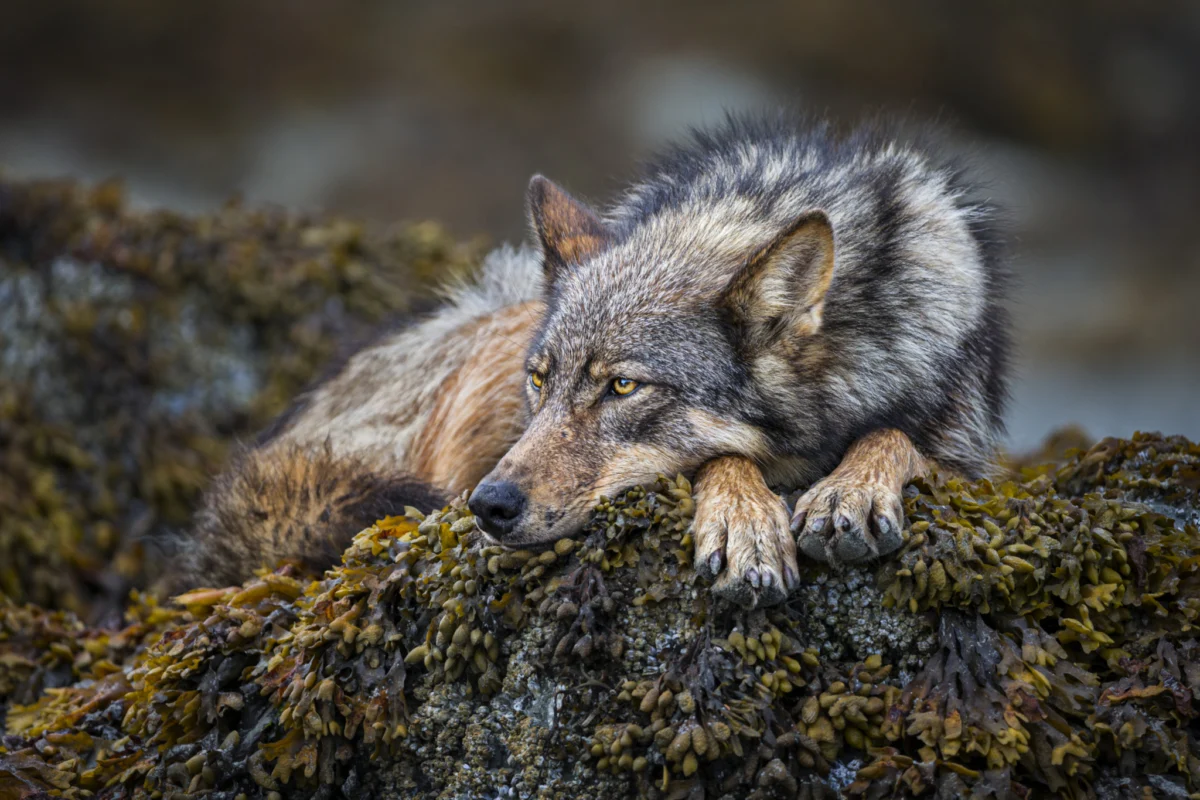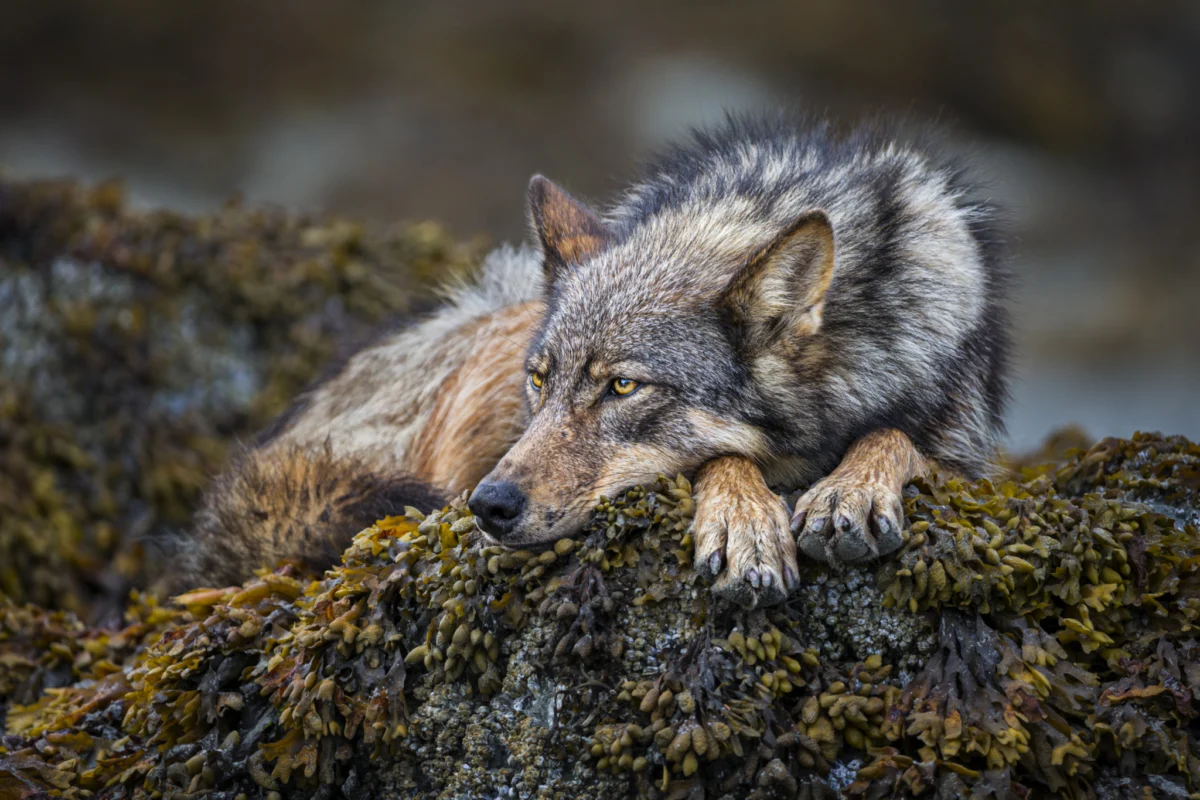
Thirty years ago, an expedition into the remote Barren Grounds, a starkly beautiful expanse of Canadian wilderness situated just 300 miles north of the Arctic Circle, offered a profound, firsthand encounter with the enduring power and misunderstood nature of the wolf. The author, undertaking a solo three-month journey covering over 600 miles on foot and 2,000 miles by canoe, sought not only to test personal endurance but also to photograph tundra wolves. This immersive experience, culminating in a patient, belly-crawling approach to a lone wolf whose "tawny eyes" and "silver face" emerged from the tangled willows, served as the genesis of a deeper understanding. It highlighted a stark contrast between the wild reality of these creatures and the persistent, often fearful, archetypes that permeate human culture.
The author’s subsequent encounters, which included periods of comfortable proximity to relaxed wolf packs, underscore a critical lesson learned over time: the earning of trust through intensive patience. This contrasts sharply with the ingrained societal perception of wolves as inherently dangerous predators. While attacks on humans by wolves are exceptionally rare, with only a handful documented across North America in the past century, the fictionalized image of the "big bad wolf" remains remarkably tenacious. This archetype, fueled by centuries of folklore, fairy tales, and popular media, continues to shape public perception, even as scientific understanding and ecological realities evolve. The enduring fear, often originating in childhood narratives like "Little Red Riding Hood," carries significant implications in an era of declining biodiversity, where the wolf can become a convenient scapegoat for broader ecological imbalances.
The Ecological Role of the Wolf: A Long and Complex History
For approximately 30,000 to 50,000 years, wolves have been an integral part of the North American ecosystem, predating the arrival of humans by millennia. Their presence has historically played a crucial role in maintaining ecological balance, acting as apex predators that regulate prey populations, influence vegetation patterns, and contribute to the overall health of their habitats. This deep evolutionary history stands in stark contrast to the relatively recent human impact on the continent’s landscapes.
However, as prey populations, such as deer, experience declines, wolves are frequently the immediate suspects. This tendency to blame the wolf overlooks the more pervasive and significant environmental degradation caused by human activities. The widespread destruction of natural habitats through deforestation, mining, oil and gas extraction, and the proliferation of infrastructure like roads has inflicted far more substantial harm on wildlife populations than wolves ever have. Despite this overwhelming evidence, the prevailing narrative often leans towards controlling and eliminating wolf populations as a solution to perceived ecological problems.
Government-Sanctioned Culls and Corporate Exploitation: A Cycle of Misguided Management
The practice of government-sanctioned wolf culls continues to be implemented as a method of wildlife "management" in various regions. These programs, often funded by taxpayers, aim to reduce wolf populations, ostensibly to protect livestock or to boost populations of game animals. In British Columbia, Canada, for example, the government has undertaken a controversial taxpayer-funded initiative to cull 4,000 wolves. This action, while presented as a conservation measure by some, is viewed by many wildlife biologists and conservationists as a misdirected effort that fails to address the root causes of ecological imbalance.
Simultaneously, corporate entities continue to pursue aggressive resource extraction projects, including oil dredging and copper mining. These industries often operate with significant environmental footprints, leading to habitat fragmentation, pollution, and direct threats to wildlife. The juxtaposition of government-led wolf extermination programs with the ongoing expansion of environmentally impactful industries raises serious questions about the true priorities in wildlife and land management. The belief that controlling and killing apex predators is the path to restoring nature appears to be a persistent, yet flawed, human tendency.
The Perils of Misinformation and the Need for a Paradigm Shift
The persistent archetype of the "big bad wolf" is not merely a cultural relic; it actively hinders effective conservation efforts. Fairy tales and folklore, while seemingly innocuous, contribute to a deeply ingrained fear and mistrust of these animals. This fear can translate into public support for harmful policies and a lack of empathy for wildlife. When biodiversity plummets, the wolf, as a highly visible predator, becomes an easy target for blame, diverting attention from the systemic issues that are truly driving species decline.
The author’s personal journey into the wilderness and subsequent interactions with wolves offer a powerful counter-narrative. They emphasize the "intensive course in patience" required to earn the trust of these naturally cautious animals. This underscores the importance of understanding animal behavior and respecting their intrinsic value, rather than projecting human fears and narratives onto them.
Data and Scientific Perspectives on Wolf Populations and Impacts
To contextualize the ongoing debates surrounding wolf management, it is crucial to examine available data. For instance, in the United States, wolf populations have seen a significant recovery since the implementation of the Endangered Species Act. The Northern Rocky Mountains Distinct Population Segment (DPS) of gray wolves, which includes populations in Idaho, Montana, and Wyoming, has grown substantially. According to data from the U.S. Fish and Wildlife Service, wolf populations in this region have exceeded recovery goals for many years. For example, by the end of 2022, Idaho reported an estimated 1,573 wolves, exceeding the state’s management goal. Montana reported an estimated 1,104 wolves, and Wyoming reported an estimated 300-500 wolves in the greater Yellowstone area. This recovery, however, has been met with ongoing controversy and attempts to delist wolves, allowing for increased hunting and trapping.
Conversely, concerns about livestock depredation by wolves, a primary justification for culling programs, are often cited. While depredation incidents do occur, studies have shown that the economic impact of wolf predation on livestock is relatively small compared to other causes of livestock loss, such as disease, weather, and other predators. For example, research in various regions has indicated that wolf-related livestock losses typically account for a fraction of a percent of the total livestock population. Implementing non-lethal deterrents, such as guardian animals, secure fencing, and herding practices, has proven effective in mitigating these conflicts.
Broader Implications for Human-Wildlife Coexistence
The continued vilification and targeted eradication of wolves have profound implications for the broader health of ecosystems and our relationship with the natural world. The absence or significant reduction of apex predators can lead to trophic cascades, where the overpopulation of prey species results in overgrazing, habitat degradation, and a decline in biodiversity for other plant and animal communities. The reintroduction of wolves in areas like Yellowstone National Park has provided a compelling case study of their positive ecological impact. Studies have documented how wolves have helped to restore willow and aspen stands by reducing elk populations, which in turn has benefited beaver populations, insect life, and songbirds.
The author’s plea to shift focus from blaming predators to addressing systemic threats resonates with the scientific consensus on conservation. The true drivers of biodiversity loss are habitat destruction, climate change, pollution, and unsustainable resource extraction. Until humanity holds itself accountable for the widespread damage inflicted upon landscapes and ecosystems, the cycle of misdirected conservation efforts and the perpetuation of harmful myths about wildlife will continue.
A Call for Understanding and Reconciliation
The hope lies in fostering a deeper understanding and appreciation for the intrinsic value of all species, including those that have been historically feared or misunderstood. The narrative of the wolf as a villain serves to perpetuate a destructive cycle, plunging us further into ecological crisis. By recognizing that every animal, regardless of its perceived role or the myths surrounding it, contributes to the intricate tapestry of life, we can begin to heal our fractured relationship with nature.
This requires a conscious effort to challenge ingrained biases, to embrace scientific evidence over folklore, and to advocate for policies that promote coexistence rather than conflict. The author’s personal journey serves as a powerful reminder of the transformative potential of direct experience and the profound wisdom that can be gained by "listening to the land." As Robin Wall Kimmerer aptly stated, "As we learn to listen to the land, we discover that we are not separate from it; we are part of it." Embracing this interconnectedness is the essential first step towards genuine conservation and the restoration of balance in our world. The persistent shadow of the "big bad wolf" can only be dispelled by the light of knowledge, empathy, and a commitment to a more harmonious future with the wild.