The enduring dialogue between art forms often reveals unexpected kinship, bridging centuries and mediums through shared principles of observation and expression. A profound connection exists between the groundbreaking Impressionist painters of the 19th century and the pioneering street photographers of the 20th, a link illuminated by their mutual embrace of innovation, a focus on the ephemeral nature of everyday life, and a revolutionary approach to light and color. This exploration delves into the parallels between these seemingly disparate artistic movements, drawing upon technological advancements, shifts in artistic education, evolving subject matter, critical reception, and the fundamental role of light.
The Genesis of Innovation: From Paint Tubes to Film Cassettes
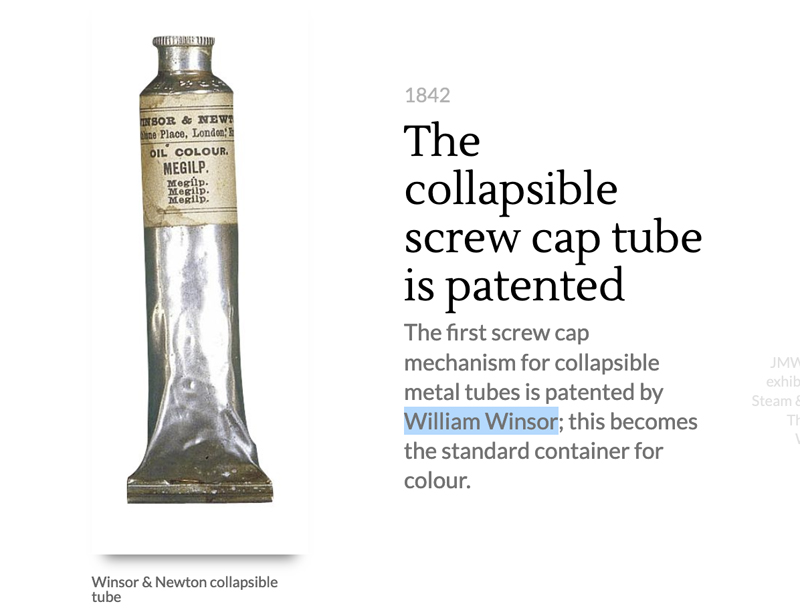
The trajectory of both Impressionism and street photography is inextricably tied to technological progress. For the Impressionists, the invention of the collapsible paint tube in 1841 by John Goffe Rand was a pivotal moment. Prior to this, artists were tethered to their studios, laboriously grinding pigments and mixing their own oil paints. This process was not only time-consuming but also limited by the availability and portability of pigments. The advent of the paint tube, and subsequently the industrial production of ready-made paints by companies like Winsor & Newton and Lefranc & Bourgeois, liberated artists from their studios. This newfound mobility allowed them to venture outdoors, directly engaging with the changing conditions of natural light and capturing fleeting moments in real-time. This practical innovation directly fueled the Impressionist movement’s emphasis on en plein air (outdoor) painting, enabling them to respond to the nuances of light and atmosphere as they perceived them.
A comparable revolution occurred in the nascent field of photography. Early photographic processes, such as the wet plate technique prevalent until the late 19th century, demanded that photographers prepare their light-sensitive chemicals immediately before each exposure. This necessitated the presence of a portable darkroom, making spontaneous outdoor photography a complex logistical challenge. Like the laborious mixing of paints, early photography was a demanding endeavor requiring significant chemical and optical knowledge.
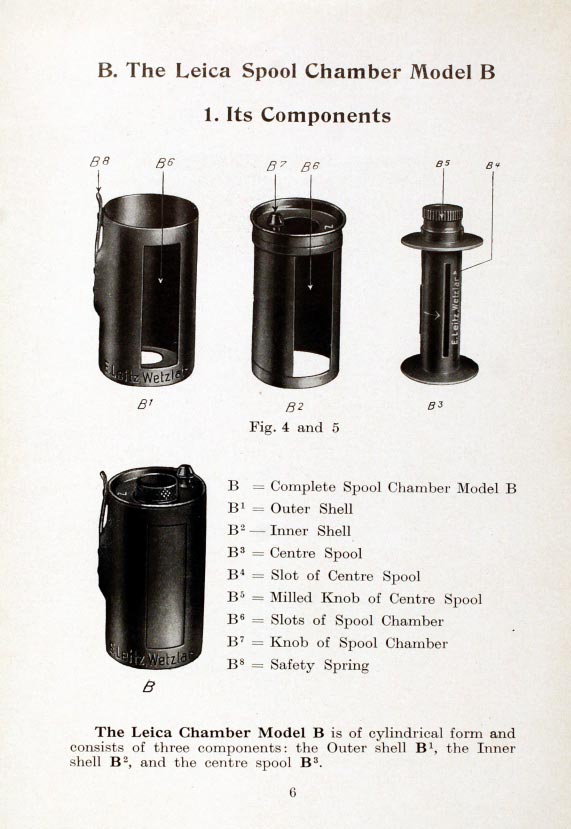
The introduction of ready-made dry plates and, crucially, flexible celluloid film, mirrored the impact of the paint tube. Photographers were no longer beholden to immediate darkroom access. This shift, coupled with the development of entirely new photographic materials, fostered an entirely new industry dedicated to producing accessible photographic supplies. A monumental leap forward for photography arrived in 1924 with the introduction of the reloadable film cassette by Leitz, coinciding with the development of the first practical 35mm camera. This integrated system dramatically enhanced the portability, efficiency, and accessibility of photography, democratizing the medium and paving the way for a generation of artists to capture life as it unfolded in the streets.
Mobility and the Democratization of Subject Matter
The liberation from studio constraints spurred by these technological advancements had a profound effect on artistic subject matter. The Impressionists, as a recognized group active primarily in Paris between the 1860s and 1890s, began to eschew traditional historical, mythological, and aristocratic portraiture. Instead, they turned their gaze towards the burgeoning modern world: bustling city streets, intimate cafés, theaters, parks, and the everyday lives of ordinary people. Their first independent exhibition in Paris in 1874 is widely considered the birth of Impressionism as a distinct artistic movement, showcasing a radical departure in what was deemed worthy of artistic depiction.
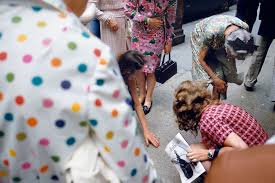
The first generation of street photographers, including luminaries like Henri Cartier-Bresson, Helen Levitt, William Klein, Joel Meyerowitz, Garry Winogrand, Lee Friedlander, Saul Leiter, Fred Herzog, William Eggleston, and Vivian Maier, followed a similar path, though often more independently. While they did not form a cohesive, manifesto-driven movement in the same way the Impressionists did, their collective work fundamentally transformed the representation of everyday life. They elevated the mundane – ordinary streets, anonymous passersby, fleeting moments, and the rhythms of daily existence – to the status of significant artistic subjects. This shared sensibility mirrored the Impressionists’ embrace of the commonplace, demonstrating that profound aesthetic experiences could be found not in grand narratives, but in the subtle, often overlooked details of urban existence.
A New Vanguard: Education Outside the Academy
A striking parallel emerges in the educational backgrounds of the pioneers in both movements. Many of the most influential Impressionists, including Claude Monet, Pierre-Auguste Renoir, Edgar Degas, and Camille Pissarro, deliberately diverged from the rigid structures of academic art education. While they received instruction through ateliers and private study, their distinctive styles were largely forged outside the official sanctioned systems. Edgar Degas, while an exception in completing formal academic training, highlights the trend of independent development.
This pattern is echoed in street photography. Many of its most impactful practitioners were largely self-taught. Ed van der Elsken, a prominent Dutch photographer, underwent a varied but incomplete formal education before immersing himself in the photographic scene in Paris, learning from established masters. Research into street photography, such as author Michiel van Mens’s study, "The Photographic Signature of the Street Photographer in Six Stylistic Characteristics," reveals that only a small fraction of renowned street photographers completed formal photographic education. Henri Cartier-Bresson and William Klein, for instance, attended art schools but not with the specific aim of becoming photographers. This phenomenon suggests that radical artistic innovation often flourishes when artists are willing to question established norms and forge their own paths, driven by observation and experimentation rather than prescribed curricula.
Subject Matter: The Poetry of the Ordinary
The Impressionists’ revolution extended beyond their technique to their choice of subject matter. They captured the transient beauty of modern life, finding artistic merit in scenes previously considered unworthy of serious attention. Their canvases became vibrant tapestries of urban existence, reflecting a new appreciation for the immediate and the ephemeral.
Similarly, the first generation of street photographers sought a fresh visual language to articulate the complexities of the urban environment. Photographers like Helen Levitt, Ernst Haas, Fred Herzog, and Luigi Ghirri placed everyday street life at the forefront of their work, capturing children at play, the intimacy of cafés, the geometry of parked cars, the allure of shop windows, and the vibrant glow of neon signs. Stephen Shore, in particular, pushed the boundaries by elevating almost any scene – from hotel rooms and bathrooms to parking lots and meals – into the realm of art. Through their lenses, the ordinary was rendered extraordinary, and the fabric of daily life became a legitimate and compelling artistic subject. This shared commitment to finding beauty and meaning in the familiar resonates deeply, underscoring the idea that profound artistic statements can arise from the quiet observation of everyday existence.
Critical Reception: From Ridicule to Reverence
The path of artistic innovation is rarely smooth, and both Impressionism and street photography faced initial resistance and misunderstanding from critics. The term "Impressionist" was originally coined by critic Louis Leroy in 1874 as a derogatory label, suggesting that the artists’ works were unfinished sketches, mere fleeting impressions. However, the artists embraced the term, transforming a dismissive insult into the name of a celebrated movement.
A similar narrative unfolded in the world of street photography. William Eggleston’s 1976 solo exhibition at the Museum of Modern Art (MoMA) in New York was met with widespread disbelief and criticism, with some dismissing his color photographs as casual "snapshots." This echoed the Impressionists’ struggle to have their work recognized as art. Photographers working with color, or focusing on seemingly mundane subjects, often faced challenges in securing exhibition opportunities. Many resorted to organizing independent slide shows and informal presentations to share their vision.
Looking back, the initial criticisms often appear misplaced. Eggleston’s images, like Monet’s paintings, were meticulously composed and thoughtfully executed, not accidental. The label "snapshot" was frequently used to diminish the artistic intent of street photographers, much like "Impressionist" was intended to critique the Impressionists. Over time, however, both terms became inextricably linked with significant artistic movements, demonstrating that what was once dismissed as incomplete or amateurish is now widely recognized as groundbreaking and influential.
The Transformative Power of Color
The evolution of pigments and their availability played a crucial role in the development of Impressionism. The expanded palette, made possible by the paint tube and industrial production, allowed Impressionists to experiment with color in unprecedented ways. They utilized colors not merely for descriptive accuracy but to convey mood, atmosphere, and their subjective perception of reality. The Impressionists’ sophisticated use of color, including their innovative application of violet to depict light and shadow, transformed painting.
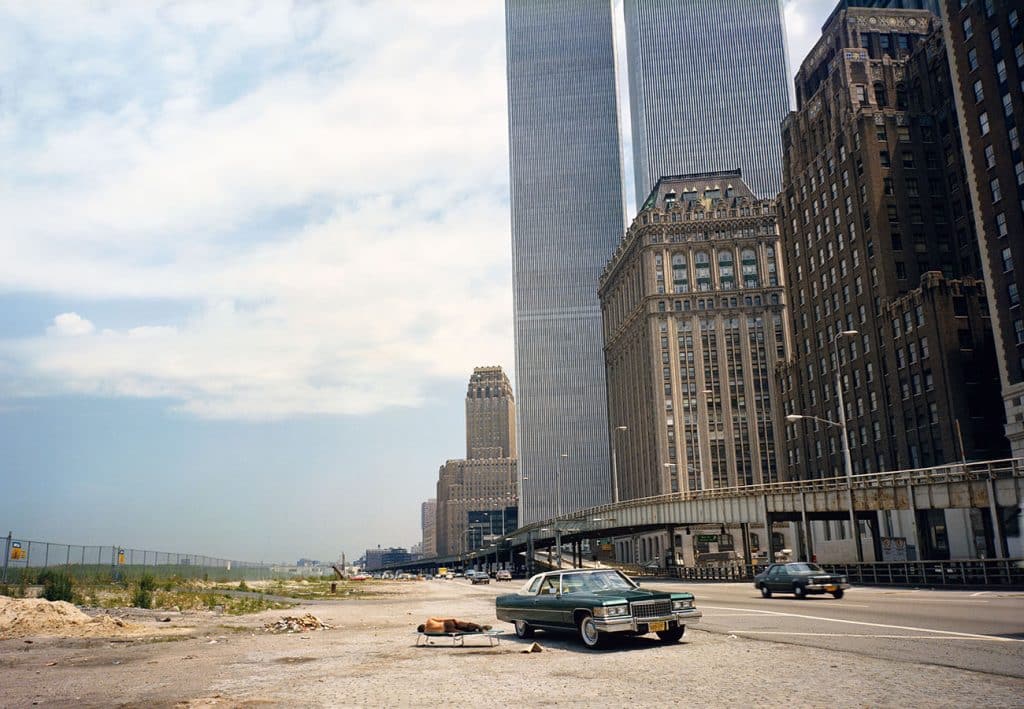
A compelling parallel can be drawn with the rise of color photography. Photographers such as Helen Levitt, Saul Leiter, Mitch Epstein, William Eggleston, and Fred Herzog deliberately embraced color at a time when black-and-white photography was still considered the standard for serious artistic expression. Eggleston’s pioneering work with the "dye transfer" process, which produced exceptionally rich and saturated colors, further pushed the boundaries of what was possible. Just as new pigments revolutionized painting, advancements in photographic technology, including the development of color film and printing processes, allowed photographers to move beyond mere documentation and harness color as a powerful expressive tool. This shift challenged the prevailing notion that color photography was primarily for commercial or amateur use, proving its capacity for profound artistic statement.
Light and Shadow: The Essence of Vision
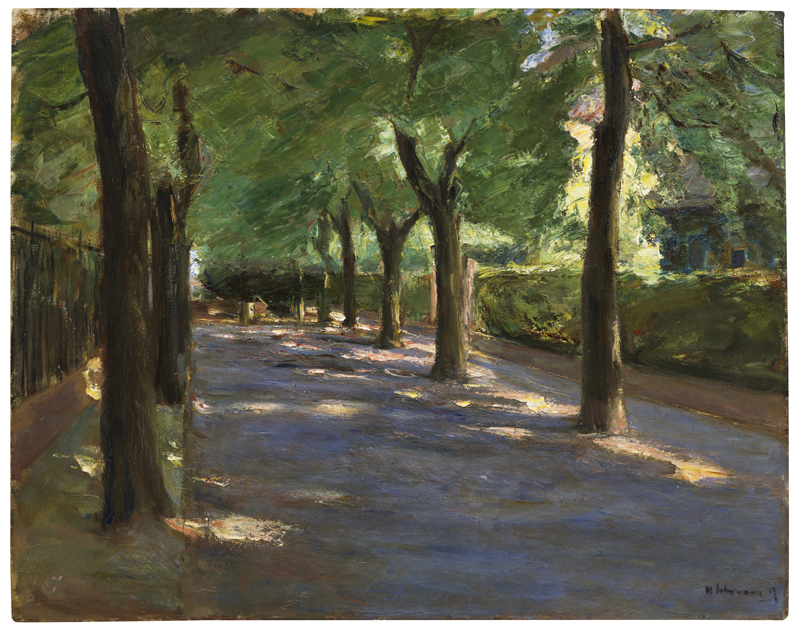
Light is the fundamental element in both painting and photography, but the way artists engage with it distinguishes their approaches. For the Impressionists, light itself often became the subject. Max Liebermann’s painting "Die Colomierstraße in Wannsee" (1917) exemplifies this, where the filtering sunlight through foliage transforms an ordinary road into a poetic scene. The true subject is not the landscape itself, but the play of light and shadow.
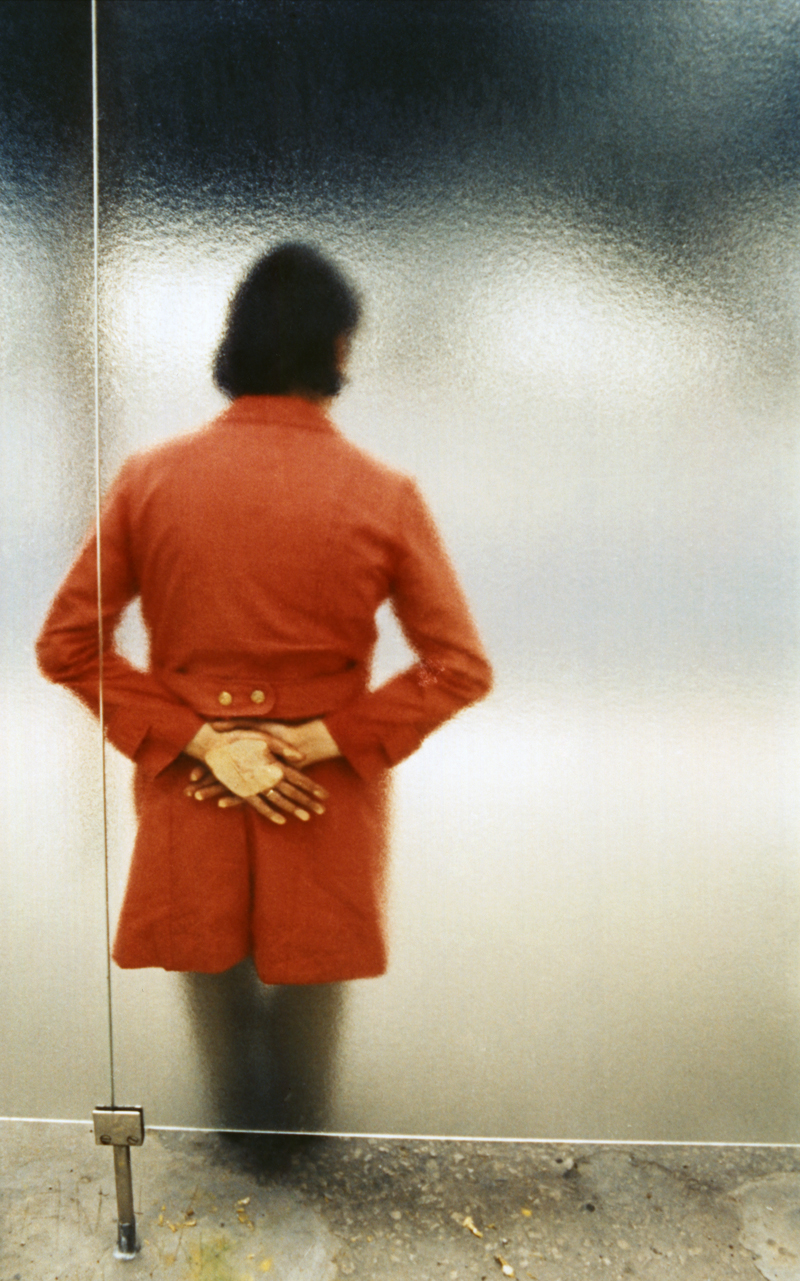
This fascination with light and its interplay with shadow is a hallmark of great street photography. Photographers like Helen Levitt, Mitch Epstein, Saul Leiter, William Eggleston, and Fred Herzog understood that contrast between light and darkness is crucial for rendering light visible and impactful. They employed color, shadow, and light not just to record a scene but to evoke emotion and create a palpable atmosphere. Extraordinary light, even on the most ordinary subject, has the power to transform it into something compelling. This enduring principle, that light is a creative force shaping our perception, connects the artistic endeavors of Impressionists and street photographers across time.
A Shared Legacy: Innovation, Observation, and Interpretation
The similarities between Impressionism and street photography are undeniable and deeply rooted. Both movements were born from technological innovation that democratized their respective mediums and freed artists from traditional constraints. Both saw pioneers who often learned their craft through observation and experimentation outside formal academic structures. Their subject matter converged on the richness and poetry of everyday life, transforming the mundane into the extraordinary.
Furthermore, both movements challenged prevailing critical opinions, with initial dismissals eventually giving way to widespread acclaim and recognition as seminal artistic developments. Their revolutionary use of color and light, not merely for representation but for interpretation and emotional resonance, forged new visual languages. The Impressionists, with their expanded palette, and street photographers, with their embrace of color, both demonstrated that artistic expression lies not just in depicting reality but in interpreting it through a unique and personal lens.
As contemporary street photographers, the lessons from these artistic forebears remain potent. The deliberate use of color, or indeed its strategic absence, shapes how viewers perceive a scene. Street photography is not solely about documenting events; it is about capturing the dynamic interplay of light within public spaces. The effective use of contrast, where shadows accentuate light, can imbue an image with power and depth. Moreover, the influence of technology continues to shape artistic expression, from the early paint tubes and film cassettes to today’s digital tools and algorithms. Artists who embrace these innovations, much like their predecessors, are poised to expand the boundaries of what art can be and how we perceive the world around us. The ongoing exploration of new technologies, coupled with a keen observational eye, remains the engine of artistic progress, as history consistently demonstrates.