The intersection of legacy digital hardware and modern photographic practice has seen a significant resurgence as enthusiasts and professionals alike revisit the unique aesthetic qualities of mid-2000s Charge-Coupled Device (CCD) sensors. During the recent August Bank Holiday weekend, a period characterized by peak domestic tourism in the United Kingdom, technical field evaluations of the Samsung Digimax L85 were conducted at Dawlish Warren, a prominent sand spit and Site of Special Scientific Interest (SSSI) located at the mouth of the Exe Estuary in South Devon. This exercise served as both a scoping mission for extended geographical documentation and a practical assessment of the L85’s specialized "Wide Angle" mode, a feature that exemplifies the experimental era of digital compact camera design.
Technical Evolution and the Samsung Digimax L85
Released in 2006, the Samsung Digimax L85 arrived during a transformative period in the digital imaging industry. At the time, Samsung was aggressively positioning itself against established Japanese giants such as Canon, Nikon, and Sony. The L85 was designed with a specific aesthetic philosophy, attempting to bridge the gap between the burgeoning digital market and the tactile, mechanical appeal of vintage rangefinder cameras. Constructed primarily of high-grade plastics but styled with the angularity and layout of a classic film camera, the L85 featured an 8.1-megapixel CCD sensor and a Schneider-Kreuznach Varioplan lens, a partnership intended to signal optical prestige.
The mid-2000s market reception of the L85 was polarized. While some critics praised its ergonomic controls and the inclusion of a high-resolution 2.5-inch LCD screen—then a luxury—others dismissed it as an "oddball" entry in a saturated market. However, in the contemporary context, the camera is increasingly valued for its CCD sensor. Unlike the Complementary Metal-Oxide-Semiconductor (CMOS) sensors dominant in today’s smartphones and mirrorless cameras, CCD sensors are frequently cited for their superior color depth and a perceived "filmic" quality in the way they handle highlights and shadows.
Geographical and Social Context: Dawlish Warren
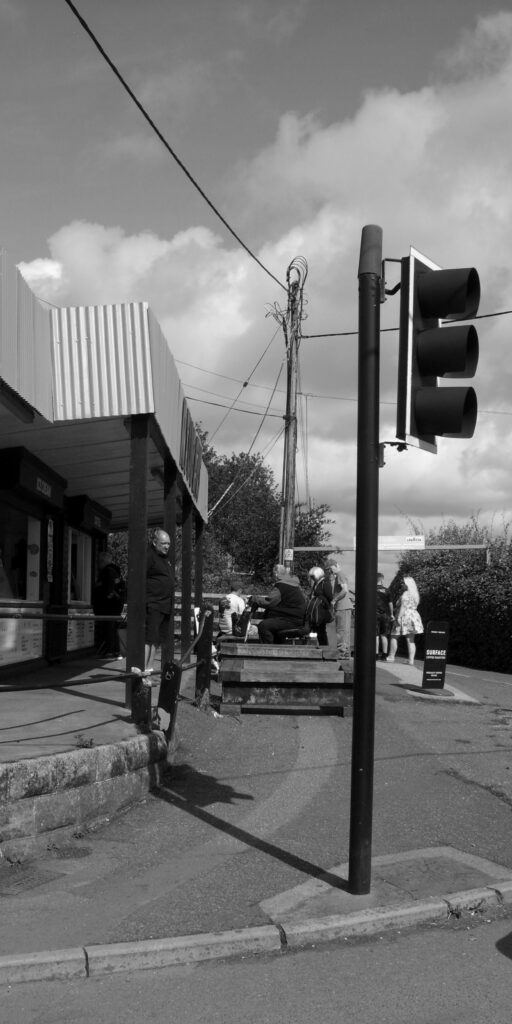
Dawlish Warren provides a complex, multifaceted environment for testing panoramic and wide-angle photographic capabilities. Situated on the western side of the Exe Estuary, directly opposite the more urbanized Exmouth, the Warren is a 500-acre sand spit that serves as a vital coastal defense and a diverse ecological habitat. According to data from the Teignbridge District Council, the area attracts nearly half a million visitors annually, particularly during the August Bank Holiday, which represents one of the busiest periods for the South Devon tourism sector.
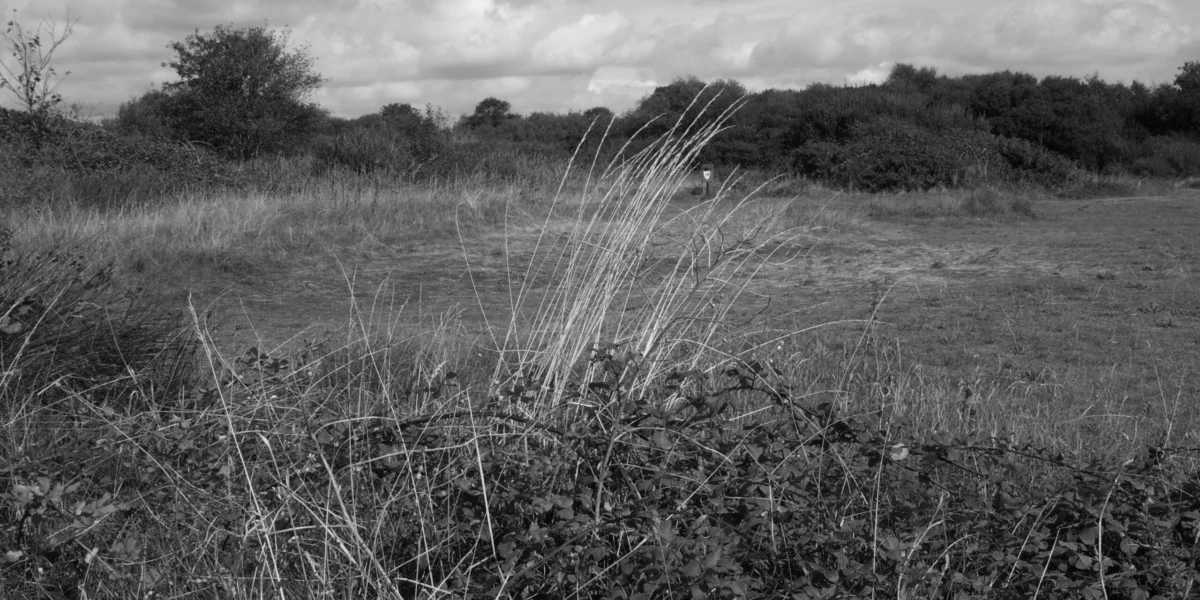
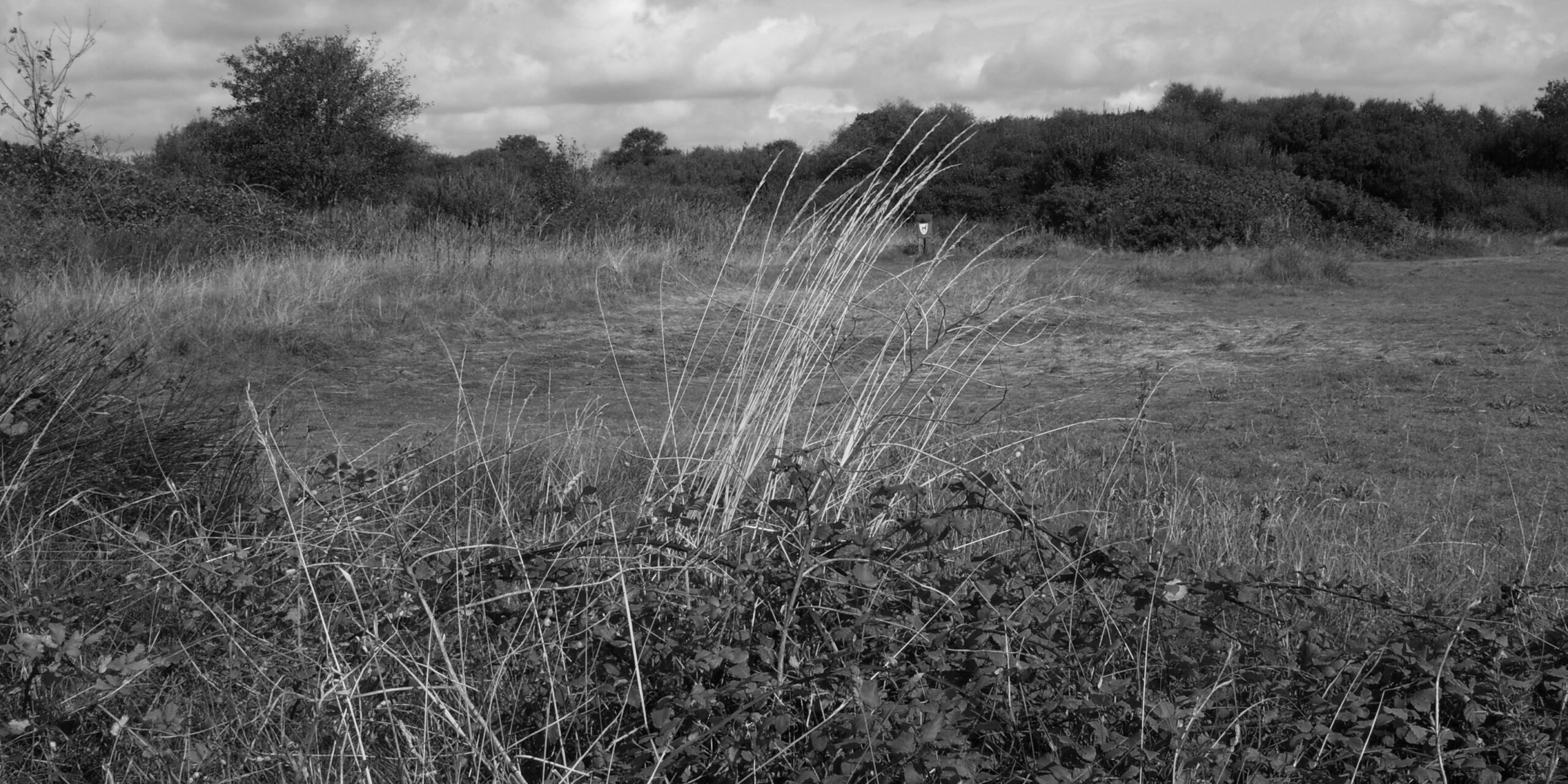
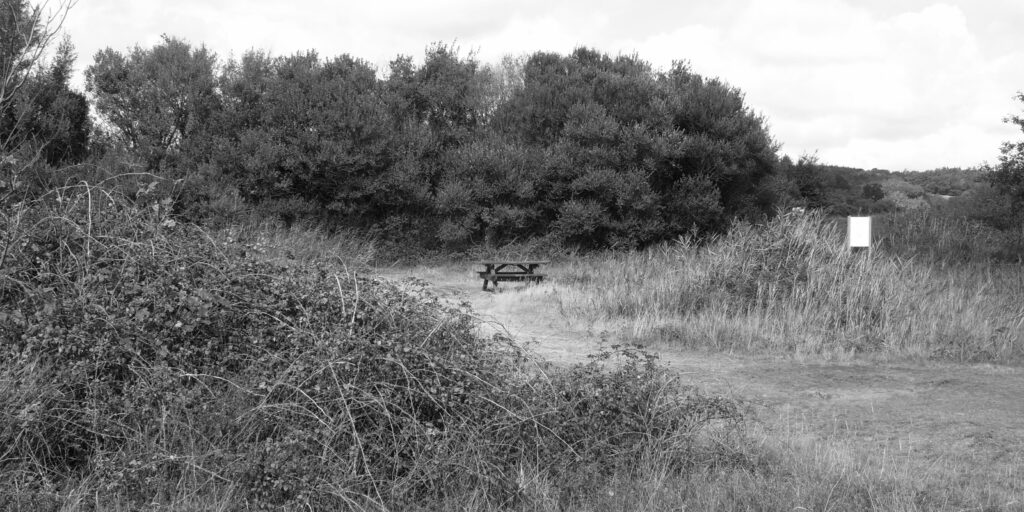
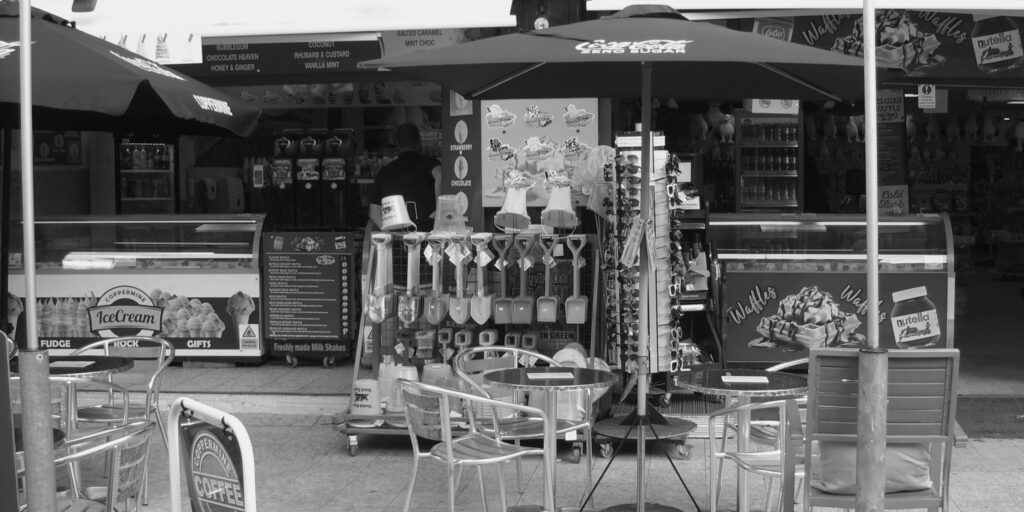
The area is defined by its internal contradictions: it functions simultaneously as a national nature reserve, a commercial funfair, a golf course, and a residential beach resort. For the photographer, this "glorious chaos" presents a challenge in composition. The wide-angle capabilities of the L85 were utilized to capture the juxtaposition of these disparate elements, from the mechanical structures of the "Miami Trip" and "Pirate Ship" funfair rides to the desolate, wind-swept picnic benches of the nature reserve.

Analysis of the Wide Angle Mode Mechanics
The Samsung Digimax L85 features a dedicated "W" setting on its physical mode dial, which activates the camera’s internal wide-angle or "pseudo-panoramic" function. In this mode, the camera transitions into an automated state, restricting the user’s ability to manually select aperture or shutter speed, though it maintains control over critical variables such as ISO sensitivity and white balance.
From a technical standpoint, the L85 achieves its wide-angle effect through internal sensor cropping rather than optical distortion or multi-shot stitching. The standard 8-megapixel output of 3264 x 2448 pixels (a 4:3 aspect ratio) is reduced to a 5-megapixel image measuring 3264 x 1632 pixels. This results in a 2:1 aspect ratio, which meets the minimum threshold for panoramic classification as defined by photographic theorists.
The process involves the removal of approximately 816 vertical pixels—408 each from the top and bottom of the frame. While this reduces the overall resolution, it provides the photographer with a real-time 2:1 preview on the LCD, allowing for more precise horizontal framing. The retention of the histogram display during this mode is a critical feature for exposure management, particularly in the harsh, high-contrast lighting conditions often found in coastal environments.
Chronology of the Field Evaluation
The evaluation was conducted as part of a cycling-based scoping exercise, a method chosen for its mobility and ease of access to the varied terrains of the sand spit.
- Initial Transit: The L85 was transported via cycling shirt pocket, highlighting the portability of 2006-era "compact" cameras compared to modern professional kits.
- Environmental Assessment: Upon arrival at Dawlish Warren, the site was analyzed for its "panoramic potential." The vast expanses of the Exe Estuary and the cluttered visual landscape of the commercial zone were identified as primary subjects.
- Image Acquisition: Shooting was conducted using the "W" mode to test the 2:1 ratio’s effectiveness in capturing the "chaos and natural wildness" of the area.
- Post-Processing: The raw digital files were processed using Shotwell, an open-source Linux photo management application. A deliberate decision was made to convert the images to monochrome, a move intended to emphasize the structural forms of the coastal architecture and the textures of the CCD sensor’s output, echoing the "authentic" look of traditional black-and-white film photography.
The CCD Aesthetic vs. Modern CMOS Standards
The resurgence of interest in cameras like the Samsung Digimax L85 is driven by a growing fatigue with the "perfect" but often sterile images produced by modern smartphone algorithms. Current mobile photography relies heavily on computational photography—HDR stacking, AI sharpening, and noise reduction—which can result in images that feel over-processed.
In contrast, the CCD sensor of the L85 offers a more linear response to light. When paired with the 2:1 wide-angle crop, the resulting images possess a cinematic quality that is difficult to replicate digitally without significant post-production. Industry analysts note that the secondary market for mid-2000s digicams has seen a price increase of 25% to 40% over the last 24 months, driven largely by a younger demographic seeking the "vintage digital" look.
Implications for Digital Preservation and Sustainability
The continued utility of the Samsung Digimax L85 raises important questions regarding electronic waste and the longevity of digital hardware. In an era where consumer electronics are often designed with planned obsolescence in mind, the fact that a 2006-model camera remains a viable tool for creative expression is significant.
The L85’s "pseudo-panoramic" mode, while primitive compared to the 360-degree stitching capabilities of a modern iPhone, encourages a more deliberate approach to composition. By forcing the photographer to work within the constraints of a fixed crop and limited resolution, the camera acts as a "sketchbook," a term frequently used by enthusiasts to describe low-stakes but high-creativity tools.
Broader Impact on the Photographic Community
The study of the L85’s performance at Dawlish Warren coincides with a broader community interest in panoramic photography. Recent publications within the enthusiast community, such as Gale Lee’s comprehensive review of panoramic theory, indicate a desire to move beyond the standard 3:2 or 4:3 frames. The 2:1 ratio provided by the L85 serves as an accessible entry point for photographers to explore wide-view compositions without the expense of specialized panoramic film cameras like the Hasselblad XPan or the Fuji GX617.
Furthermore, the use of Linux-based editing tools like Shotwell demonstrates a growing trend toward "minimalist" digital workflows. By eschewing heavy-duty subscription software in favor of basic management tools and light editing, photographers are reclaiming the process of image-making from the dictates of large software corporations.
Conclusion
The Samsung Digimax L85 remains a testament to a unique era of digital experimentation. Its "Wide Angle" mode, while technically a simple crop, offers a distinct visual perspective that remains relevant nearly two decades after its release. The field evaluation at Dawlish Warren confirms that when paired with the specific color science of a CCD sensor, these legacy devices are capable of capturing the complex intersections of nature and human commerce with a character that modern equipment often lacks. As the photographic community continues to re-evaluate "electronic history," the L85 stands as a prime example of how discarded technology can be repurposed into a sophisticated tool for contemporary visual storytelling.