In the dynamic realms of photography and videography, the manipulation of light transcends mere technicality, serving as the very bedrock of visual storytelling and artistic expression. While an array of advanced equipment and complex techniques often capture attention, mastering the art of illumination fundamentally hinges on a profound understanding of three core principles: Intensity, Quality, and Direction. These tenets, universally applied across natural and artificial lighting scenarios, empower visual artists to transition from merely capturing an image to meticulously crafting it, imbuing scenes with depth, emotion, and narrative clarity.
The Historical Evolution of Lighting Control
The journey to formalize these lighting principles is intertwined with the evolution of photography itself. Early pioneers in the mid-19th century were largely beholden to the sun’s whims, relying on abundant natural light to overcome the slow sensitivities of their photographic plates. As technology progressed, so did the ambition to control light. The late 19th century saw the advent of flash powder, a dangerous but revolutionary step towards artificial illumination, primarily addressing intensity. The early 20th century introduced more controlled electric lights, first incandescent bulbs, then specialized studio lamps, enabling nascent filmmakers and portrait photographers to experiment with light’s qualitative aspects and its placement.
The mid-20th century witnessed the proliferation of electronic flash (strobes) and tungsten hot lights, offering unprecedented power and consistency. This era cemented the need for a systematic approach to lighting, as practitioners gained greater control over their light sources. Educational institutions and industry pioneers began to codify the effects of light’s power, character, and angle, leading to the articulation of the very principles discussed today. Modern digital sensors, with their expansive dynamic range and low-light capabilities, coupled with highly sophisticated LED and strobe technologies, have only amplified the importance of these fundamentals, allowing for more nuanced and precise manipulation than ever before. Understanding this historical progression underscores that while tools change, the foundational principles remain constant, acting as the enduring grammar of visual light.
Intensity of Light: The Volume Control of Illumination
The intensity of light, often likened to a "volume knob," quantifies the sheer amount of light reaching the subject and, consequently, the camera’s sensor. It directly impacts the exposure of an image, determining its overall brightness or darkness. While seemingly the most straightforward of the three principles, its subtle control is crucial for achieving desired aesthetic and technical outcomes.
Technically, light intensity is measured in units like Lux (lumens per square meter) or foot-candles (lumens per square foot), though in photographic contexts, it’s more commonly understood in terms of its effect on exposure settings such as aperture, ISO, and shutter speed. For artificial light sources like studio strobes or continuous LEDs, intensity is typically adjusted via a power dial or digital controls, allowing for precise output regulation. In natural light scenarios, photographers manage intensity through techniques like using Neutral Density (ND) filters to reduce incoming light, adjusting camera ISO sensitivity, or waiting for different times of day when the sun’s intensity naturally changes.
A critical concept related to intensity is the Inverse Square Law. This fundamental physics principle dictates that the intensity of light radiating from a point source is inversely proportional to the square of the distance from the source. In simpler terms, if you double the distance between a light source and your subject, the light intensity reaching the subject decreases to one-quarter of its original strength. Conversely, halving the distance increases intensity by a factor of four. This law has profound implications for light falloff – the gradual decrease in light intensity as it travels further from its source. Understanding the Inverse Square Law allows photographers to control not just the overall brightness, but also the dramatic gradient of light across a scene, creating distinct areas of illumination and shadow that guide the viewer’s eye. For instance, placing a light source close to a subject creates a rapid falloff, emphasizing the subject while quickly darkening the background. Moving the light further away results in a more even illumination across the subject and background, though with significantly reduced overall intensity. Mastery of intensity, therefore, is not merely about achieving correct exposure but about shaping the distribution and visual impact of light within the frame.
Quality of Light: Shaping Character and Mood
The quality of light refers to the inherent characteristics of illumination that profoundly influence the mood, texture, and detail rendered in an image. This principle encompasses several crucial attributes, including the light’s hardness or softness, its color temperature, and its spectral properties. It is often the most nuanced and creatively impactful of the three principles, offering an expansive palette for visual artists.
-
Hard vs. Soft Light: This is perhaps the most discussed aspect of light quality, determined by the relative size of the light source to the subject.
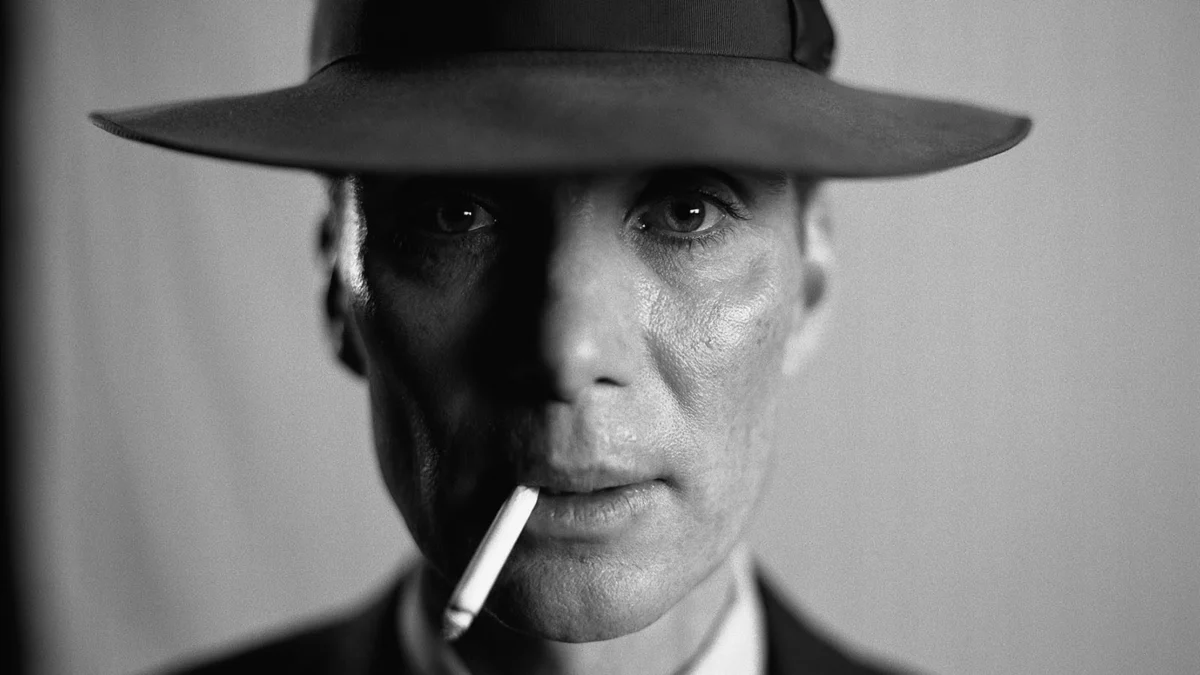
- Hard Light originates from a small light source (or a large source placed far away), creating sharply defined shadows with distinct edges and high contrast. Examples include direct sunlight on a clear day, an undiffused bare strobe, or a spotlight. Hard light emphasizes texture, shape, and drama, often used for powerful portraits or high-impact commercial imagery.
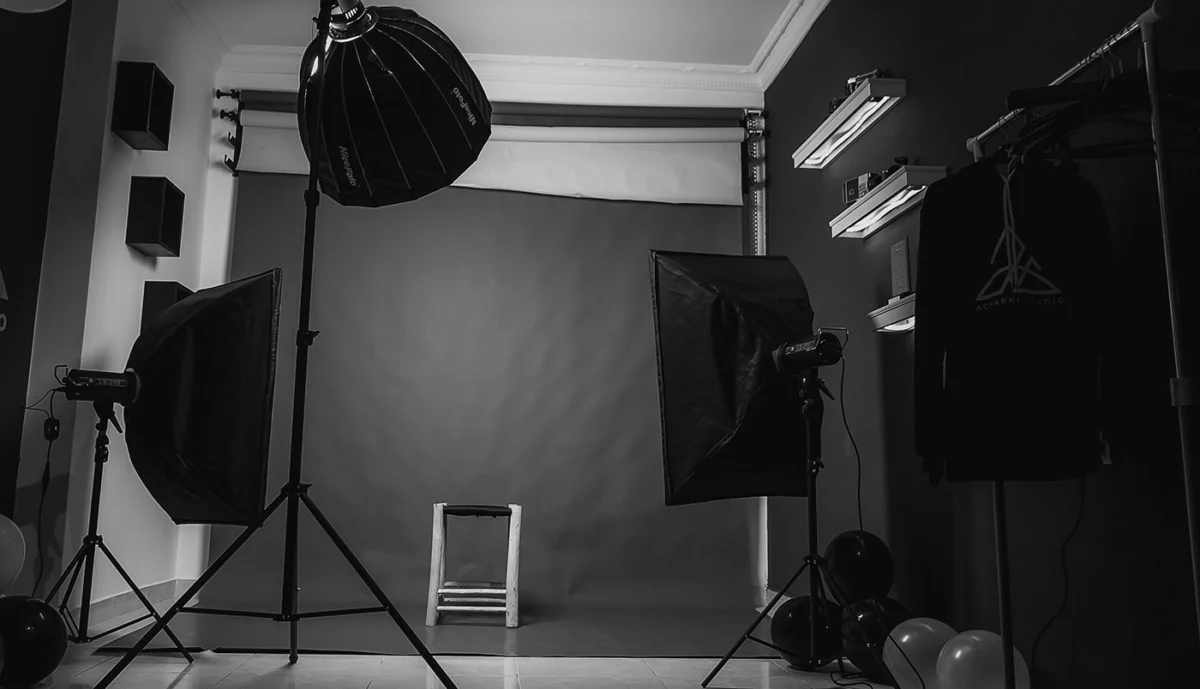
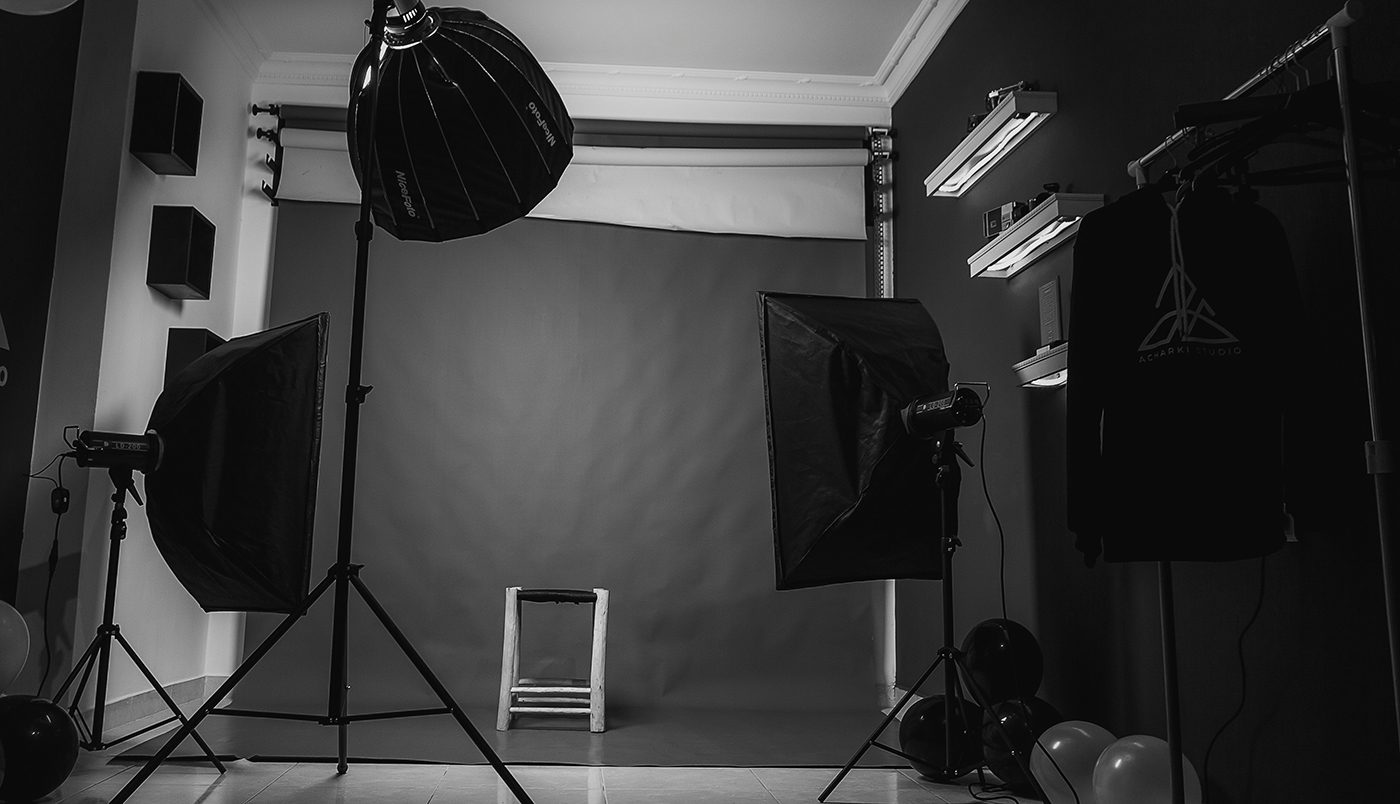
- Soft Light emanates from a large light source (or a small source placed very close to the subject), producing gradual transitions from light to shadow, with diffused edges and lower contrast. Overcast skies, large softboxes, or bounced light off a broad surface are examples. Soft light is flattering for portraits, minimizes skin imperfections, and creates a gentle, ethereal, or naturalistic mood. Modifiers like umbrellas, softboxes, diffusion panels, and scrims are specifically designed to transform hard light sources into softer ones by effectively increasing their apparent size.
-
Color Temperature: Measured in Kelvin (K), color temperature describes the warmth or coolness of a light source. Lower Kelvin values (e.g., 2000K-3000K) indicate warmer, more orange/yellow light (like candlelight or tungsten bulbs), while higher values (e.g., 5500K-6500K) signify cooler, more blue light (like daylight or electronic flash). Understanding color temperature is vital for achieving accurate white balance, creating specific moods, or intentionally introducing color casts for creative effect. RGB LEDs offer even finer control, allowing for a spectrum of custom colors beyond traditional white light.
-
Spectral Quality and Color Rendering Index (CRI): Beyond just color temperature, the spectral quality of a light source refers to how completely it renders the full spectrum of colors. The Color Rendering Index (CRI) is a measure, from 0 to 100, of a light source’s ability to reveal the true colors of objects compared to natural light. A high CRI (90+) is crucial in professional photography and videography, especially for fashion, product, and art reproduction, as it ensures accurate color representation without unsightly color shifts or dullness. Poor spectral quality can lead to muddy colors or an unnatural appearance, regardless of correct white balance.

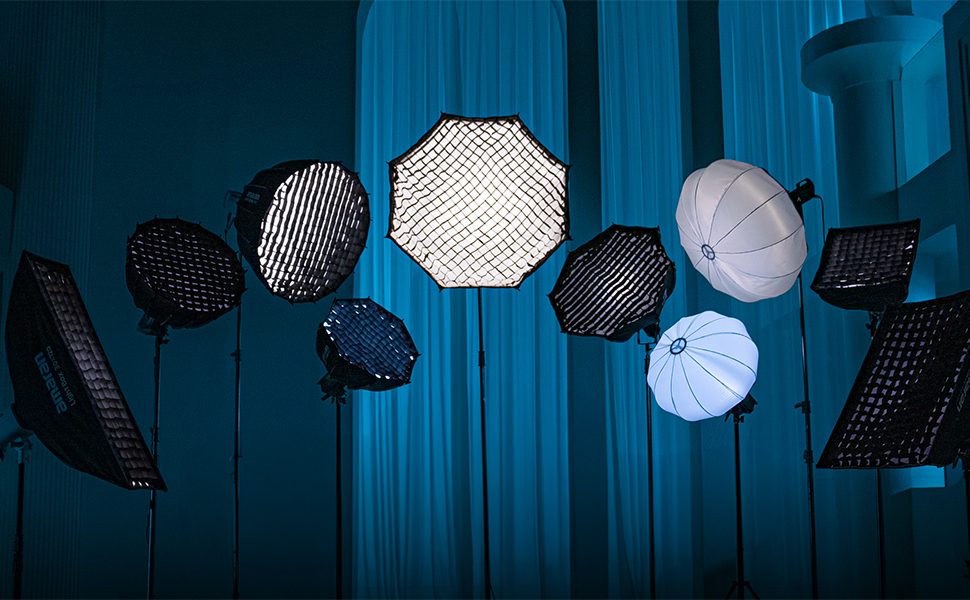
The choice of light modifier plays a pivotal role in shaping light quality. Reflective silver umbrellas produce more specular, contrasty light, while white translucent umbrellas or softboxes yield softer, more diffused illumination. Grids and snoots restrict light spread, creating more controlled pools of light, while parabolic reflectors offer a unique blend of softness and punch, highly prized by many professionals for their distinct light falloff. The vast array of modifiers available underscores the complexity and creative potential inherent in manipulating light quality, making it a constant area of innovation and discussion among visual artists.
Direction of Light: Sculpting Form and Defining Space
The direction of light, the third fundamental principle, refers to the spatial relationship between the light source, the subject, and the camera. This is arguably the most powerful tool for creating a sense of depth, volume, and three-dimensionality in a two-dimensional medium. The angle from which light strikes a subject dictates how shadows are cast, revealing or obscuring details, and thereby sculpting form and defining the spatial relationships within the frame.
-
Key Angles and Their Effects:
- Frontal Lighting (On-axis): Light placed directly in front of and often close to the camera. It minimizes shadows, creating a flat, evenly lit appearance. While useful for identification (e.g., passport photos), it can strip subjects of dimension and texture.
- Side Lighting: Light positioned to the side of the subject, creating strong shadows and highlights that emphasize texture and contour. This direction is excellent for revealing form and adding drama. Depending on the exact angle, it can create "broad lighting" (lighting the side of the face turned towards the camera, making it appear wider) or "short lighting" (lighting the side of the face turned away from the camera, creating a slimmer appearance).
- Top Lighting: Light coming from directly above the subject. This often mimics natural overhead sun, creating shadows under the brow, nose, and chin. It’s generally considered a natural and flattering direction, especially for portraiture (e.g., "butterfly lighting" where a small shadow under the nose resembles a butterfly).
- Backlighting (Rim Lighting): Light positioned behind the subject, creating a luminous outline or "rim" of light that separates the subject from the background. This adds depth, highlights hair or edges, and can create a dramatic or ethereal effect.
- Bottom Lighting (Underlighting): Light coming from below the subject. This is highly unnatural in most contexts and often creates unsettling or menacing shadows, frequently used in horror or dramatic scenarios to evoke unease ("monster lighting").
-
Common Lighting Patterns: Professional photographers often employ specific lighting patterns, which are combinations of light direction and intensity, to achieve predictable and aesthetically pleasing results:
- Rembrandt Lighting: Characterized by a small triangle of light on the shadowed cheek, created by a main light placed at a 45-degree angle to the subject and slightly above eye level. It adds depth and drama, reminiscent of the Dutch master’s paintings.
- Split Lighting: Divides the face exactly in half, with one side lit and the other in shadow. It creates a strong, dramatic mood.
- Loop Lighting: Similar to Rembrandt but with the nose shadow creating a small loop, not touching the cheek shadow. It’s a slightly softer, more common portrait light.
The direction of light is instrumental in conveying mood and narrative. Upward light can signify danger or the supernatural, while downward light often feels natural or contemplative. Side light emphasizes ruggedness and character, whereas backlight can romanticize or isolate a subject. When analyzing lighting breakdowns in film or photography, the discussion often revolves around the precise angles and positions of light sources relative to the subject and camera, frequently using degrees to map out the placement on a two-dimensional plane (horizontal rotation) and a third dimension (vertical height). This meticulous approach allows visual artists to sculpt light and shadow, transforming flat images into compelling, three-dimensional visual experiences that resonate with viewers on a deeper, often subconscious, level.
Expert Consensus and Broader Implications
Leading educators and seasoned professionals across the visual media landscape universally emphasize that mastery of Intensity, Quality, and Direction is not merely a technical prerequisite but the cornerstone of creative freedom. Photography academies, film schools, and professional workshops consistently place these three principles at the forefront of their curricula, underscoring their foundational importance. As renowned lighting designer Don Blair once articulated, "Light is the language of the lens." This sentiment is echoed by countless cinematographers and photographers who attest that understanding how light behaves is far more critical than possessing the latest, most expensive equipment.
The implications of this foundational knowledge extend far beyond the technical realm. For aspiring photographers and videographers, internalizing these principles provides a robust framework for problem-solving on set, allowing them to adapt to diverse environments and achieve consistent, high-quality results. It fosters a critical eye, enabling artists to deconstruct and analyze the lighting in existing works, from classic paintings to contemporary films, thereby enriching their own creative vocabulary.
Furthermore, a deep understanding of light allows for intentional artistic expression. It empowers creators to convey specific emotions—drama through hard, directional light; serenity through soft, even illumination; mystery through strategic shadow—and to guide the viewer’s gaze with precision. In commercial applications, mastery ensures products are presented optimally, portraits convey desired personalities, and narratives are visually compelling. In documentary work, it enables the sensitive capture of reality while maintaining aesthetic integrity.
In an era of increasingly sophisticated digital tools, the temptation might be to rely on post-production to "fix" lighting issues. However, industry experts maintain that achieving optimal lighting in-camera through the application of these three principles remains paramount. Not only does it produce superior results, but it also streamlines the post-production workflow, saving time and resources. Ultimately, the ability to consciously manipulate the intensity, quality, and direction of light is what transforms a mere recording into a deliberate act of visual artistry, distinguishing the craftsperson from the casual observer and cementing their role as a true visual storyteller.