The Shift Toward Multi-Textural Fleet Branding
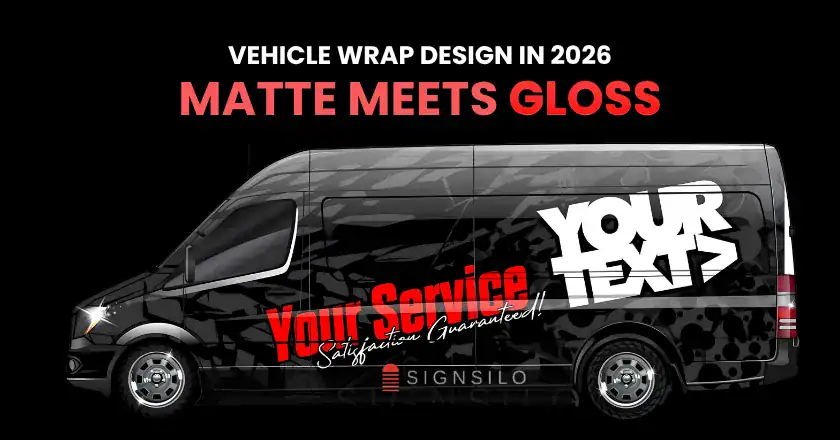
For the past decade, vehicle wrap trends have largely fluctuated between two extremes: the high-shine, paint-mimicking finish of gloss vinyl and the stealthy, non-reflective allure of ultra-matte films. However, market analysis of the vehicle graphics industry suggests that the "all-or-nothing" approach to texture is losing its effectiveness in a saturated visual environment. The 2026 trend identifies a "functional hybridity" where designers use the juxtaposition of light-absorbing matte surfaces and light-reflecting gloss accents to guide the viewer’s eye toward specific brand assets, such as logos, contact information, or unique selling propositions.
This evolution is driven by the realization that a single-texture wrap often fails to perform across all lighting conditions. In high-glare environments, such as mid-day sun in urban corridors, full-gloss wraps can become nearly illegible due to specular reflection. Conversely, full-matte wraps, while excellent at maintaining legibility, can appear flat or "muddy" under overcast skies or low-light conditions, failing to grab the attention of passersby. By combining both, designers create a dynamic surface that reacts to light in a way that preserves information while maximizing visual impact.
A Chronology of Vehicle Wrap Innovation
The journey to the hybrid finishes of 2026 can be traced through several distinct eras of automotive film technology:
- The Decal Era (1990s – Early 2000s): Initial vehicle branding was limited to simple cut-vinyl lettering and small spot decals. The focus was purely on identification rather than aesthetics.
- The Digital Print Revolution (Mid-2000s): The advent of wide-format inkjet printers allowed for full-vehicle coverage with complex photographic imagery, though these were almost exclusively finished with a standard gloss laminate for protection.
- The Matte and Satin Boom (2010 – 2018): Influenced by the luxury car market and "stealth" aesthetics, matte black and satin finishes became a dominant trend. This era introduced the industry to the idea that "less shine" could mean "more prestige."
- The Texture and Special Effect Phase (2019 – 2024): Manufacturers began introducing carbon fiber textures, brushed metals, and color-shifting films. Designers started experimenting with "layering" these films, though the process remained labor-intensive and expensive.
- The Hybrid Integration Era (2025 – 2026): The current phase sees the refinement of "spot-lamination" and multi-finish printing. Software and hardware now allow for the precise alignment of different textures, making hybrid wraps a viable and cost-effective solution for large-scale commercial fleets.
The Science of Light Diffusion and Readability
The primary motivator for the hybrid trend in 2026 is the practical science of outdoor readability. When light hits a glossy surface, it reflects at a concentrated angle, creating a "hot spot" of glare. If a company’s phone number or URL is located within that hot spot, it becomes invisible to the human eye and camera sensors alike.
By utilizing a matte base for the "information zones" of a vehicle, designers ensure that light is diffused evenly across the surface. This creates a consistent background that maintains high contrast for typography. Meanwhile, applying gloss finishes to the brand’s iconography or decorative accents allows those elements to "pop" when the vehicle moves, creating a shimmering effect that draws the eye without compromising the legibility of the essential text.

Industry data suggests that hybrid-textured branding can increase the "effective impression time"—the duration a pedestrian or driver can clearly read a vehicle’s information—by up to 30% in direct sunlight compared to traditional high-gloss wraps.
Technical Implementation and Design Resources
The execution of these advanced designs requires a level of precision that exceeds traditional wrapping techniques. Designers must account for the physical contours of the vehicle while ensuring that the transition between matte and gloss occurs at logical breaks in the bodywork or graphic elements.
To facilitate this, professional resources like SignSilo have become foundational to the workflow of modern wrap shops. SignSilo provides a comprehensive suite of digital assets specifically engineered for the vehicle graphics industry. These include:
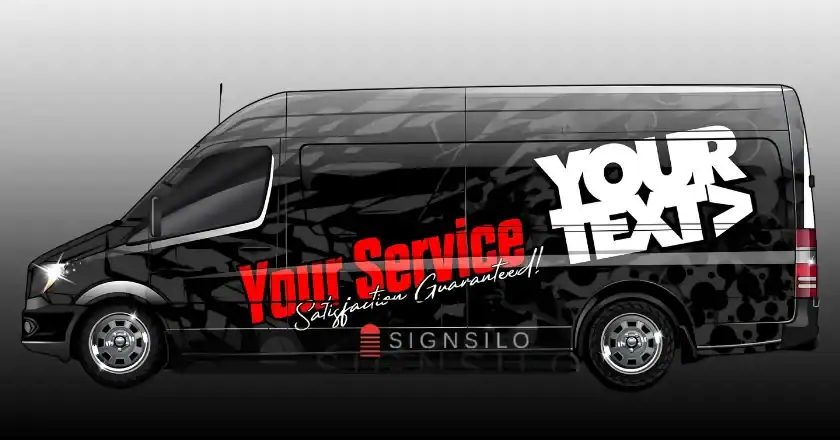
- Precision Vehicle Templates: Highly accurate, to-scale blueprints of thousands of vehicle models, allowing designers to map out texture transitions with millimeter accuracy before a single inch of vinyl is cut.
- High-Resolution Vector Graphics: Scalable artwork that maintains crisp edges, which is vital when creating the sharp boundaries required for matte-on-gloss overlays.
- High-Quality Stock Photography: Visual assets used for full-color digital prints that serve as the base layer for hybrid finishes.
- Wraps and Textures: Pre-designed patterns that can be digitally manipulated to simulate how different finishes will interact on a 3D surface.
The accessibility of these resources has democratized high-end design. Small-to-medium-sized print shops can now produce fleet branding that rivals the quality of global agencies by leveraging these production-ready assets.
Market Accessibility and Pricing Structures
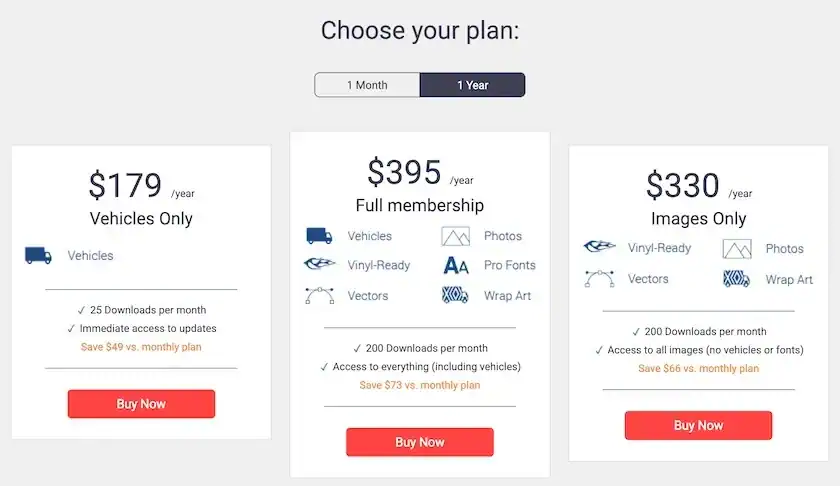
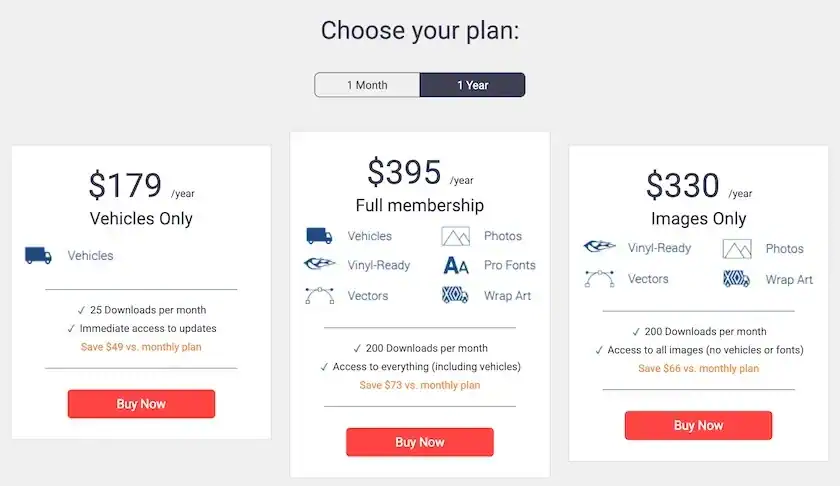
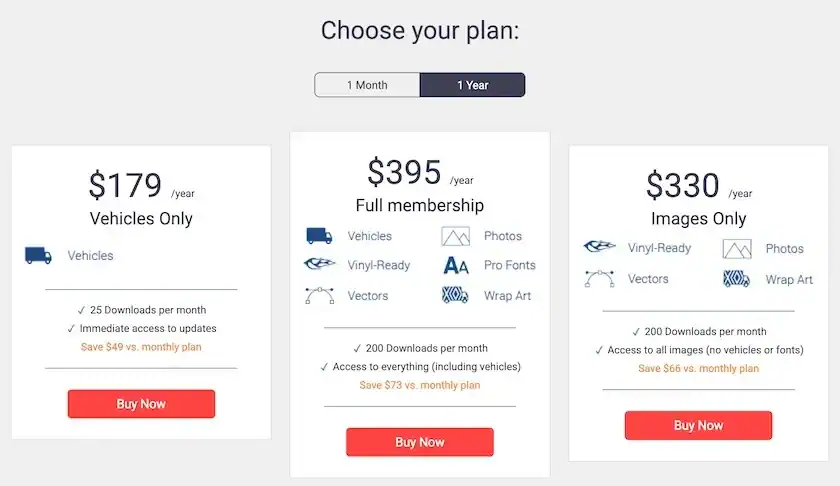
As the demand for complex wraps grows, the industry has shifted toward more transparent and scalable pricing models for design assets. SignSilo’s current subscription tiers reflect the diverse needs of the 2026 market:
- The Single (1 Month) at $39: Targeted at freelance designers or shops with a one-off project requiring specific high-quality assets.
- The Professional (1 Year) at $149: Designed for consistent production environments, providing a steady stream of 25 downloads per month.
- The Premium (1 Year) at $199: The industry standard for high-volume wrap shops, offering 50 downloads per month and full access to the library of templates and vectors.
Furthermore, the availability of "free tester files" allows professionals to verify the compatibility of these assets with their specific printing and cutting hardware, reducing the risk of technical failure during the application of complex hybrid wraps.

Broader Impact on Fleet Management and ROI
For fleet managers, the move toward hybrid surfaces is an investment in Return on Investment (ROI). A vehicle wrap is a mobile billboard that operates 24/7. If that billboard is illegible for four hours of the day due to sun position, the ROI is diminished. By adopting the 2026 hybrid standard, companies are ensuring their message is "always on."
Moreover, there is a psychological component to the hybrid aesthetic. In a marketplace where many commercial vehicles look identical, the sophisticated interplay of textures signals a brand’s attention to detail and modernism. This "premium feel" can influence consumer perception, associating the brand with quality and innovation.
Future Projections: Beyond 2026
As we look past 2026, the hybrid surface trend is expected to evolve further with the integration of "smart films." Industry insiders speculate that the next generation of wraps may include light-reactive elements that change their level of matte or gloss based on UV exposure, or even integrated LED filaments that allow for subtle illumination within the gloss accents.
For now, the combination of matte and gloss remains the pinnacle of functional design. It represents a mature industry that has moved past the novelty of "wrapping everything" and into a phase of strategic, science-based visual communication. By utilizing professional toolkits and understanding the physics of light, the wrap industry is turning every vehicle into a highly efficient, high-visibility asset that stands out in the increasingly crowded visual landscape of the modern world.