Owls, with their silent flight, piercing gaze, and nocturnal mystique, represent one of nature’s most compelling subjects for wildlife photographers. These enigmatic raptors hold a profound allure, drawing us to unravel the secrets of their existence and appreciate their intricate beauty. Owl photography serves as a powerful medium to showcase their captivating characteristics, inherent grace, and profound elegance, deepening our collective fascination with these creatures. By combining a thorough understanding of owl habitats and behaviors with specialized photographic techniques, individuals can significantly enhance their opportunities to encounter and immortalize these magnificent birds in enchanting photographs, while adhering to critical ethical considerations.
The Ecological Significance and Conservation Imperative
Owls are not merely subjects of aesthetic admiration; they play vital roles as apex predators across diverse ecosystems worldwide. Comprising approximately 200 species within the order Strigiformes, owls are crucial for maintaining ecological balance by regulating rodent and insect populations. Their presence often indicates a healthy ecosystem. However, many owl species face increasing threats, including habitat loss due to deforestation and urbanization, pesticide use, climate change, and human disturbance. For instance, the Spotted Owl in North America is critically endangered due primarily to logging of old-growth forests, while European Barn Owls suffer from habitat fragmentation and rodenticides.

Wildlife photographers, by capturing and sharing compelling images of owls, contribute significantly to conservation efforts. These photographs raise public awareness about the beauty and vulnerability of these birds, inspiring greater support for their protection. However, this artistic pursuit carries a profound responsibility. Ethical photography practices are paramount to ensure that the act of photographing does not inadvertently harm the owls or their environment. The challenge lies in balancing the desire for stunning imagery with an unwavering commitment to the well-being of the subject.
Strategies for Locating Owls: A Blend of Research and Fieldcraft

Owls exhibit remarkable adaptability, inhabiting a vast array of environments from dense forests and expansive plains to arid deserts, rugged canyons, frozen tundras, wetlands, and even the periphery of densely populated cities. This widespread distribution means that, regardless of geographical location, there is a high probability of owl species residing nearby, making them accessible subjects for dedicated photographers throughout all seasons. However, accessibility does not equate to ease of discovery; many owls are master camouflagers and possess secretive natures.
The initial step in successful owl photography is meticulous research into the local avian fauna. Identifying the specific owl species present in one’s region is crucial. Numerous free resources, including ornithological databases, local birding group forums, and library guides, offer invaluable insights into local owl populations. Understanding their relative abundance provides a baseline, but true success hinges on delving deeper into their feeding habits, preferred daytime roosts, nocturnal versus diurnal activity patterns, seasonal migration routes, and breeding behaviors. For example, while Great Horned Owls are common throughout North and Central America, their exceptional camouflage often renders them almost invisible to the casual observer. Similarly, Tawny Owls, widespread across Europe, are notoriously difficult to spot due to their size and reclusive demeanor. Equipping oneself with this species-specific knowledge dramatically improves the chances of a successful encounter.

The Rhythms of the Night and Day: A Chronological Approach
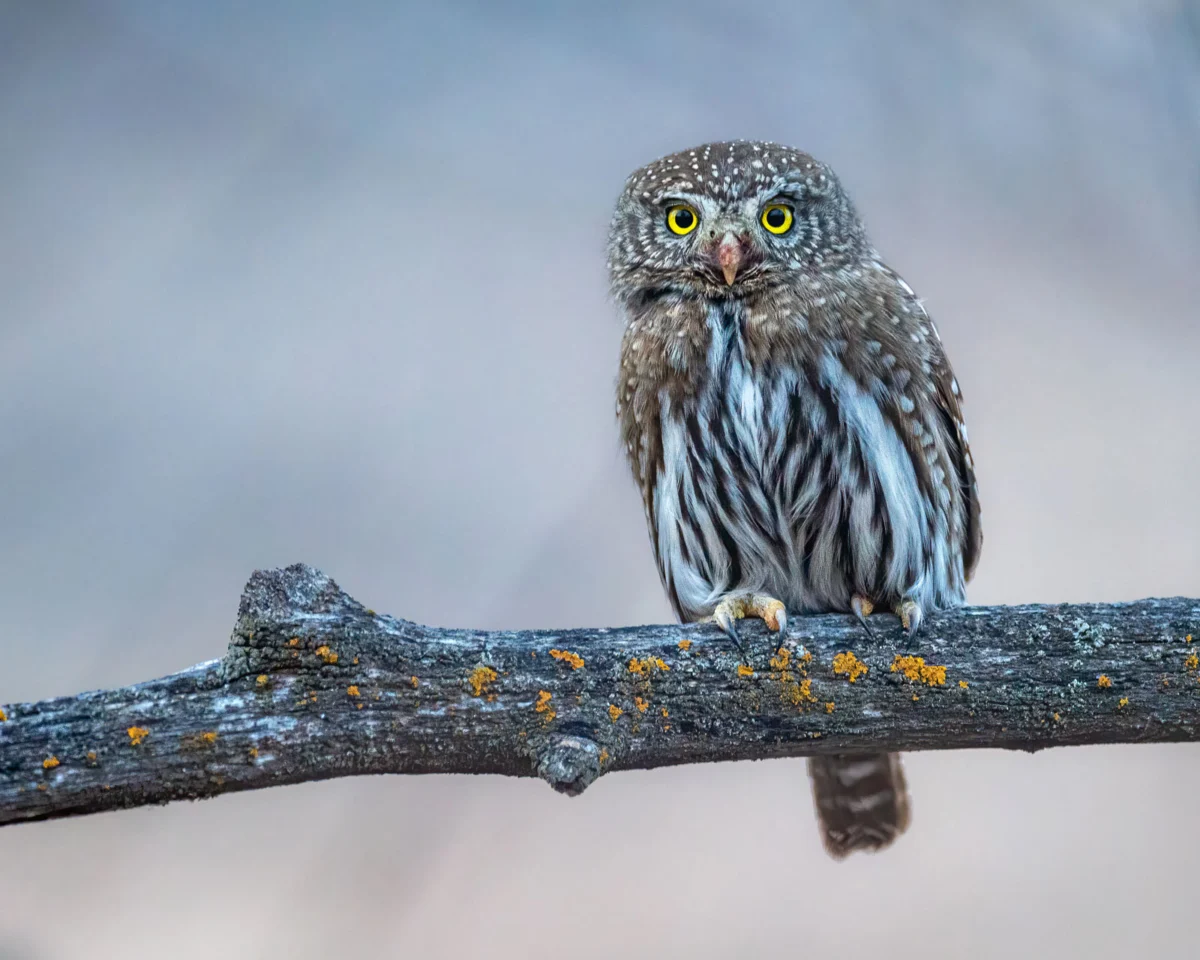
While the popular perception casts owls as exclusively nocturnal hunters, many species, particularly those relying heavily on eyesight, are crepuscular (active at dawn and dusk) or even diurnal. Burrowing Owls, Northern Hawk Owls, Little Owls, Pearl-spotted Owlets, and many pygmy owl species regularly hunt during daylight hours, often perching conspicuously to scan the landscape for prey. For the majority of owls, however, the golden hour leading into twilight marks the transition from daytime roosting to active hunting.

A key fieldcraft technique involves listening for their distinctive calls or hoots at sunset or shortly thereafter. Consistent listening expeditions can reveal regular calling patterns and locations, indicating nearby roosts. During these periods, photographers should scan tree canopies, focusing on identifying any unusual shapes that break the natural lines of the branches. Over time, the eye and mind become trained to instinctively recognize potential owl forms. In low-light conditions, searching for silhouettes against the fading sky can be effective. Owls typically roost at least halfway up a tree, rarely in the very treetops, and often move to the tree edges as evening light recedes.
Once a specific area yields owl activity, consistent return visits are essential. Owls that are heard calling at night are often not far from their daytime roosts. If a food source is abundant, an owl might utilize the same roosting tree, or even the same branch, for extended periods. During daytime searches, focus on dense stands of trees that offer good cover from above. Evidence such as "whitewash" – droppings on branches or the ground – or regurgitated owl pellets, which contain undigested fur and bones, are tell-tale signs of an active roost.

Ethical Imperatives in the Field
Crucially, any interaction with owls must prioritize their welfare. During the day, owls are typically resting and sleeping, making them highly vulnerable to disturbance. Approaching too closely can cause stress, forcing them to expend valuable energy, potentially abandoning their roost, or even disrupting their breeding cycle. A general guideline suggests maintaining a distance of 75 to 100 feet. If an owl exhibits nervous movements – shifting, looking directly at the photographer, or showing signs of agitation – the photographer is too close and must immediately retreat.

Using long telephoto lenses is not just a photographic advantage; it’s an ethical necessity, allowing for intimate shots from a respectful distance. Standing directly beneath an owl and pointing a camera upwards should be avoided, as it creates an uncomfortable and potentially threatening posture for the bird. Furthermore, baiting techniques, such as using live or dead prey to lure an owl, are strictly unethical. Such practices habituate owls to human presence, create unnatural hunting behaviors, and can ultimately jeopardize their survival in the wild. The goal of wildlife photography is to document natural behavior, not to manipulate it.
Essential Equipment for Captivating Imagery

Photographing owls, particularly in their preferred low-light conditions, demands specific equipment and a nuanced understanding of camera settings. A robust long telephoto lens is indispensable. Lenses ranging from 300mm to 600mm are commonly recommended. This focal length allows photographers to maintain a safe distance from the owl while still filling the frame with the subject. The advantage of distance, especially when owls perch higher than the photographer, is the ability to create images that appear to be taken at eye level, offering a more engaging perspective than an upward-angled shot.
Given that much owl photography occurs at dawn, dusk, or even after dark, lenses with wide maximum apertures (e.g., f/2.8, f/4, or f/5.6) are highly advantageous. A wide aperture maximizes the light-gathering capability of the lens, enabling faster shutter speeds, which are critical for freezing motion and achieving sharp images in low light. When shooting, photographers should start with the widest aperture available to maximize light, then gradually stop down to a smaller aperture if increased depth of field is desired and lighting conditions permit. High ISO performance on modern camera bodies is also a significant asset, allowing for clean images even in challenging light.

While not strictly mandatory, a sturdy tripod or monopod is immensely helpful. Owls, when not actively hunting, tend to remain relatively static on their perches. Supporting a heavy camera and lens combination on a tripod for extended periods prevents fatigue and ensures the camera is always ready to capture subtle movements or a sudden flight. For flight shots, many photographers detach the camera from the tripod to allow for greater maneuverability. A remote shutter release, either wired or wireless, is also invaluable in low-light scenarios, eliminating camera shake caused by pressing the shutter button, thereby ensuring maximum sharpness at slower shutter speeds.
Unique Photographic Opportunities and Compositional Mastery

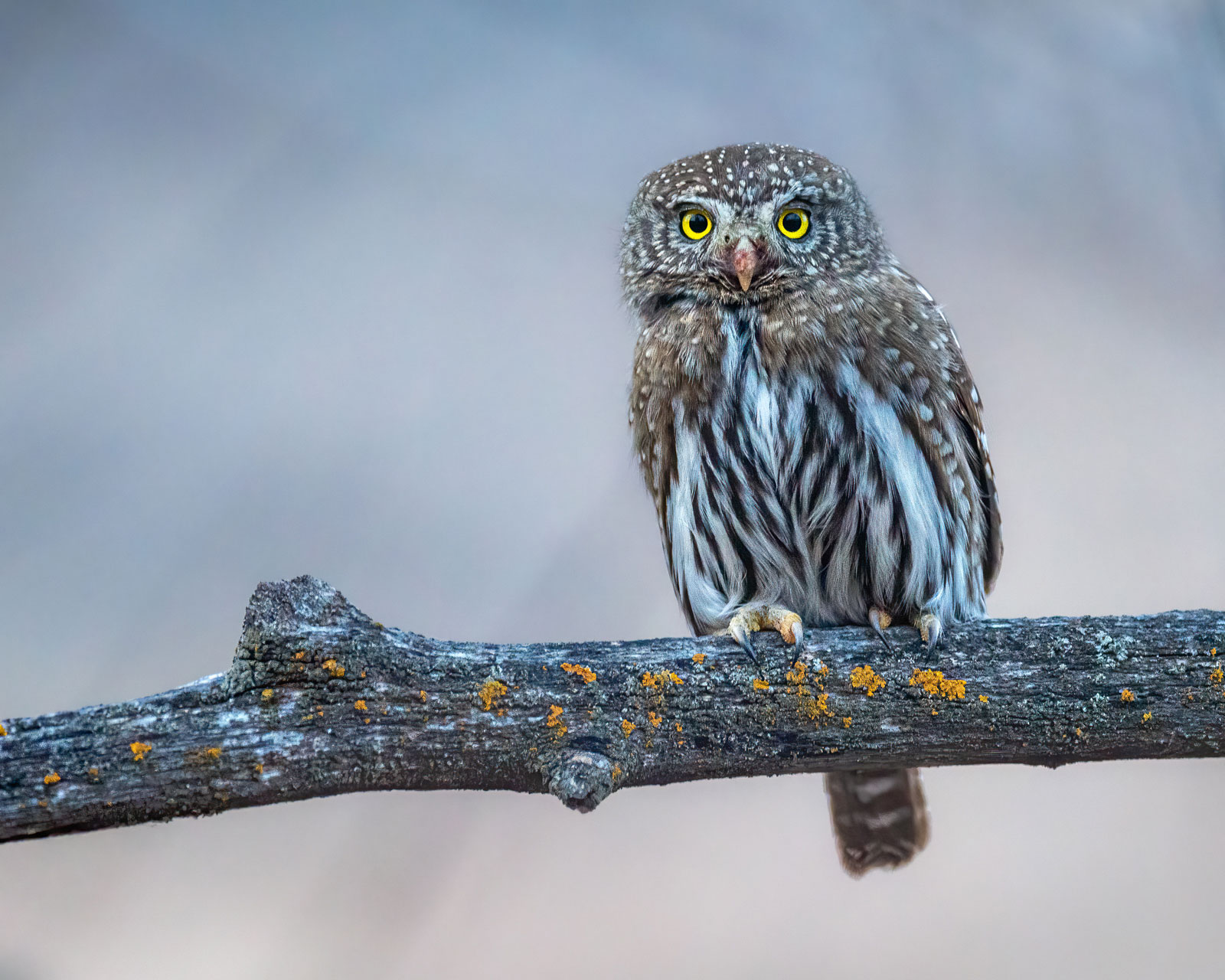
Owls present a plethora of unique characteristics that translate into distinctive photographic opportunities. Their prominent facial discs, which act as parabolic reflectors to funnel sound to their ears, create a strong central point of interest in portraits. These facial features, along with their large, often captivating eyes, are typically within the same focal plane, simplifying focusing. Photographers should strategically compose shots to highlight these features, allowing them to provide balance within the frame.
Another surprising feature is the often-hidden length of many owls’ legs. Species like Short-eared Owls possess remarkably long legs beneath their dense plumage, which become comically yet functionally exposed during flight or when grappling with prey. Capturing these moments, showcasing the powerful talons and the mechanics of their hunting, adds significant interest and narrative to an image. Furthermore, owls boast impressive wingspans relative to their body size. Flight shots should aim to capture these wings fully extended, emphasizing their power and silent grace. Opportunities for backlighting, where the light shines through the translucent flight feathers, can create breathtaking and ethereal effects.

In perching situations, even static scenes offer dynamic compositional potential. When an owl is found resting in a secluded forest, the primary objective is to capture its essence without disturbance. Photographers should reposition themselves to find the best line of sight that minimizes distracting elements in the background. Often, a cluttered forest background can detract from the subject. Achieving a clean, blurred background, ideally with pleasant bokeh, helps the owl stand out. This might involve careful angling or utilizing a shallow depth of field. Conversely, some compositions can deliberately feature the owl as a smaller element within a broader habitat shot, provided the environmental context itself is visually pleasing and free of harsh highlights or excessive clutter.
Exposure settings are critical for impact. When a lighter-toned owl is set against a dark, forested backdrop, careful metering to correctly expose the highlights without blowing them out will often result in a naturally dark, featureless background that makes the owl pop. This requires minimal post-processing. Considering both foreground and background elements – perhaps a prominent branch or leading lines that draw the viewer’s eye to the owl – can transform a simple portrait into a compelling narrative.

Capturing Owls in Flight: Anticipation and Precision
The pinnacle of owl photography for many is capturing these magnificent birds in full flight. This requires immense patience and an intimate understanding of their hunting behaviors. When observing an owl around sunset, it is reasonable to anticipate that it will eventually take flight to begin its nightly hunt. This is the moment to remove the camera from the tripod, ready for dynamic action. Backing up further from the owl provides more space to accommodate its wide wingspan, preventing clipped wings in the frame. This increased distance also enhances the owl’s comfort, potentially encouraging it to fly in the photographer’s direction.

Learning the specific hunting strategies of different owl species is invaluable. Great Grey Owls, for instance, are known for their sudden, precise drops from perches onto prey hidden beneath snow. Short-eared Owls, conversely, engage in graceful, buoyant flights over open fields, methodically scanning the ground below. Knowing these behaviors allows photographers to anticipate movement, position themselves strategically, and be prepared for the critical moment of a hunting dive or a change in direction.
For flight shots, a fast shutter speed, typically 1/1600 of a second or higher, is recommended to ensure reliable sharpness, though experienced photographers might experiment with slower speeds to introduce a subtle motion blur for artistic effect. Owls, particularly larger species, often fly with a relatively predictable trajectory, moving from one perch to the next while searching for prey. This predictability allows photographers to anticipate their flight path and pre-focus. Continuous shooting mode is essential to capture a sequence of images, increasing the chances of freezing dynamic wing positions or erratic movements.

The Significance of Image Orientation
A fundamental decision in the field is the image orientation: horizontal (landscape) or vertical (portrait). This choice profoundly influences how a scene’s energy and narrative are conveyed. If an owl is captured mid-flight, moving horizontally across the frame, a horizontal orientation typically best conveys its movement and the breadth of its wingspan. Conversely, a tall, perched owl, especially with interesting compositional elements above or below it, might be best represented in a vertical orientation. For symmetrical, face-on portraits, a square crop can often create a powerful, balanced image. Experimenting with different orientations in the field and considering various cropping options in post-processing software allows for maximum creative flexibility and ensures the most impactful representation of the moment.

Conclusion: The Enduring Pursuit of the Enigmatic
The pursuit of owl photography is a journey that transcends mere image capture; it is an immersive experience in nature, demanding patience, respect, and a deep appreciation for the wild. The time spent researching, scouting, and waiting for an owl is not merely a precursor to photography but an integral, rewarding part of the experience itself. While owls may be challenging subjects to locate compared to many other bird species, the eventual encounter often yields unparalleled photographic opportunities.

By approaching these magnificent creatures with an unwavering commitment to ethical practices – respecting their space, minimizing disturbance, and understanding their delicate needs – photographers are rewarded not only with unique and memorable images but also with a profound connection to the natural world. This responsible engagement ensures that the art of owl photography continues to contribute positively to their conservation, allowing future generations to marvel at these silent guardians of the night.