The intersection of vintage analog technology and contemporary landscape photography recently converged on the Yorkshire coast as a rare roll of expired Agfapan 25 was utilized to document the rugged terrain of Flamborough Head and the maritime industry of Bridlington. This specific photographic endeavor highlights a growing movement among enthusiasts to reclaim and utilize "legacy" film stocks—emulsions that have long since been discontinued but remain viable through careful preservation. The project, conducted by photographer Mark Ellerby, serves as a case study in the longevity of silver halide technology and the unique aesthetic properties of ultra-low-speed black and white films.

Technical Specifications and Equipment Selection
The primary instrument for this coastal documentation was the Pentax ME Super, a classic 35mm single-lens reflex (SLR) camera produced by Asahi Pentax between 1979 and 1984. Known for its compact form factor and its pioneering use of electronic push-button manual shutter speed control, the ME Super remains a staple for film photographers who value portability without sacrificing the versatility of the Pentax K-mount system.
Paired with the camera body was the Pentax SMC 35mm f/3.5 lens. Within the community of Pentax collectors and users, this specific lens is often cited for its exceptional sharpness and high-contrast rendering. Unlike its faster counterpart, the f/2.8 version, the f/3.5 model is frequently lauded on platforms such as Pentax Forums for its optical consistency and lack of distortion. Acquired for approximately £100, the lens represents a cost-effective yet high-performance solution for wide-angle landscape and street photography.

The central variable of this shoot, however, was the film: a single roll of Agfapan 25. This film stock, which expired over a quarter-century ago, belongs to a class of professional-grade emulsions known for extremely fine grain and high resolving power. Because the film possesses an ISO rating of only 25, it is two stops slower than the standard "slow" film (ISO 100). Such low sensitivity typically necessitates the use of a tripod or exceptionally bright lighting conditions to avoid motion blur. However, during the summer months in Northern England, the ambient light levels—even on overcast days—provide sufficient illumination for handheld photography at wider apertures.
The Heritage of Agfapan and the Chemistry of Aging
Agfapan 25, later rebranded as APX 25, was produced by Agfa-Gevaert, a titan of the European photographic industry based in Leverkusen, Germany. Before the company’s photographic division faced insolvency in 2005, Agfapan was regarded by many professionals as the gold standard for architectural and landscape work where detail was paramount. The film’s emulsion was designed to provide a "linear" tonal response, meaning it could capture a wide range of shades from deep black to brilliant white without losing detail in the extremities.
The viability of film that expired 25 years ago is largely dependent on storage conditions. High-speed films (ISO 400 and above) are highly susceptible to cosmic radiation and heat, which cause "base fog"—a degradation of the image quality characterized by a loss of contrast and increased grain. Conversely, low-speed films like Agfapan 25 are remarkably resilient. When stored in a refrigerated environment, as this specific roll was, the chemical degradation of the silver halide crystals is significantly slowed. This preservation allows the film to retain its original sensitivity and contrast characteristics decades after its official "best before" date.
Chronology of the Coastal Documentation
The photographic expedition was centered on two primary locations: Flamborough Head and the harbor town of Bridlington. The chronology of the shoot followed the natural progression of the coastline, beginning with the dramatic geological formations of the East Riding of Yorkshire.

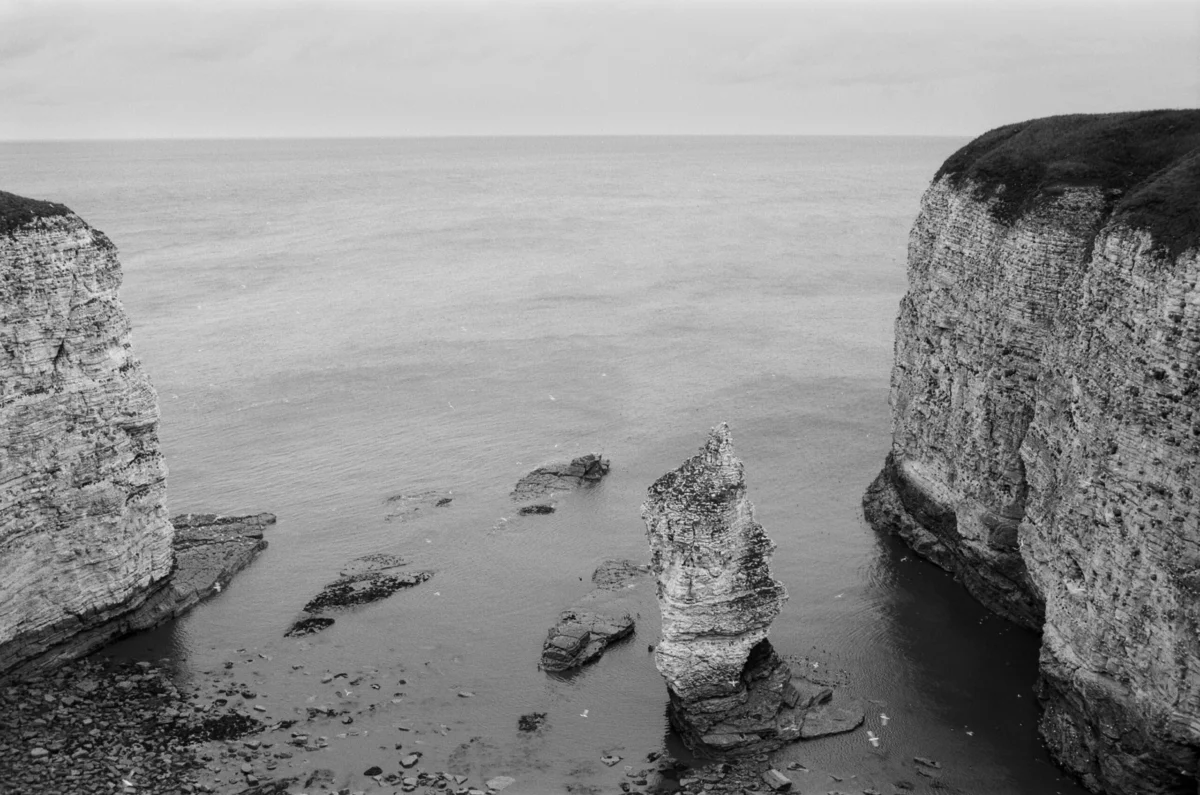
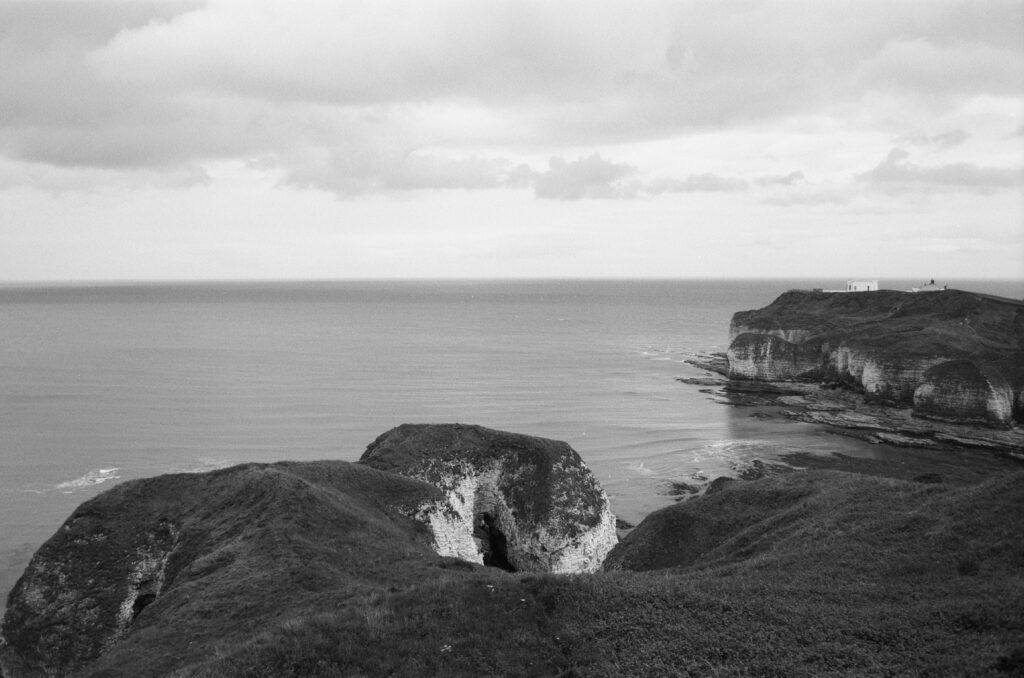
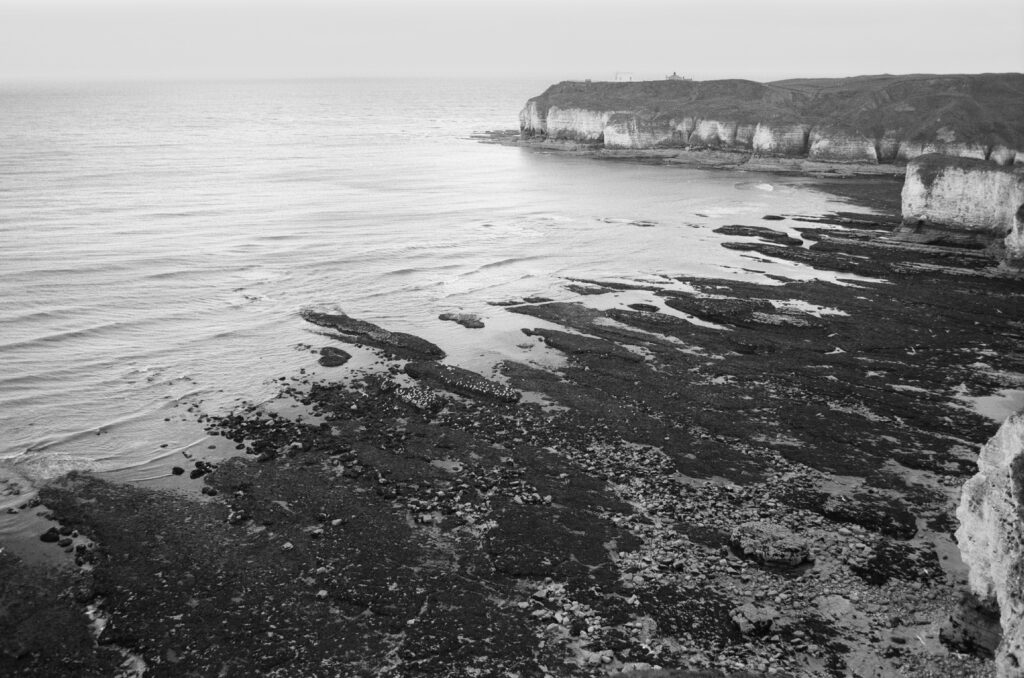
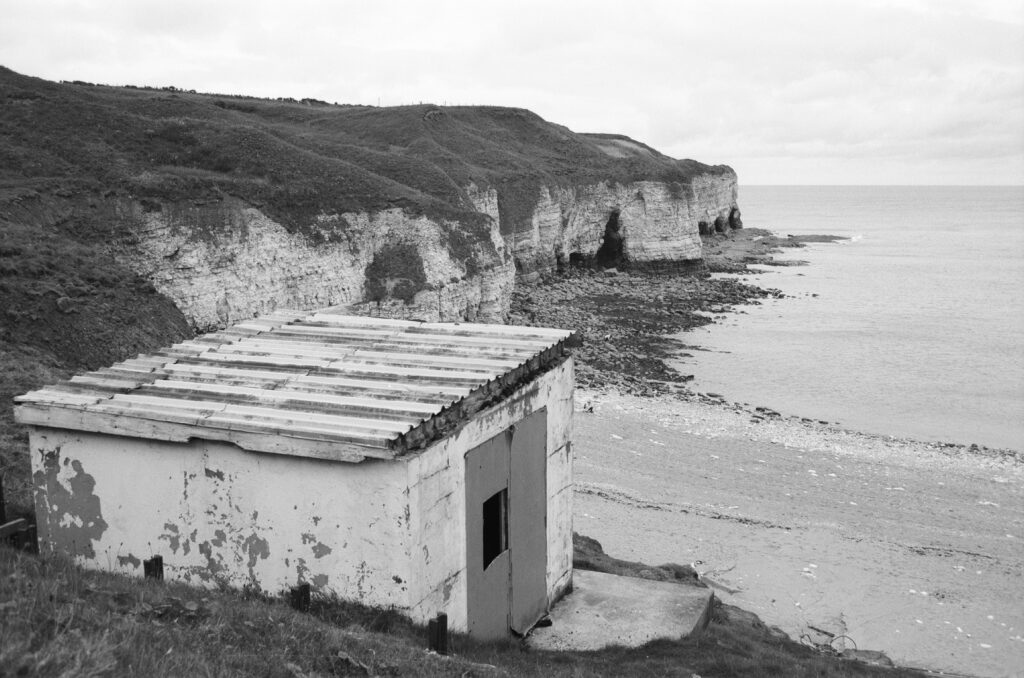
- Flamborough Head and North Landing: The initial exposures focused on the sea stacks and chalk cliffs. Flamborough Head is a Site of Special Scientific Interest (SSSI) and is renowned for its unique white chalk cliffs, which are the only such formations in the North of England. The photographer utilized the Agfapan 25 to capture the "exposed rocks at low tide," where the fine-grained emulsion could resolve the intricate textures of the maritime geology.
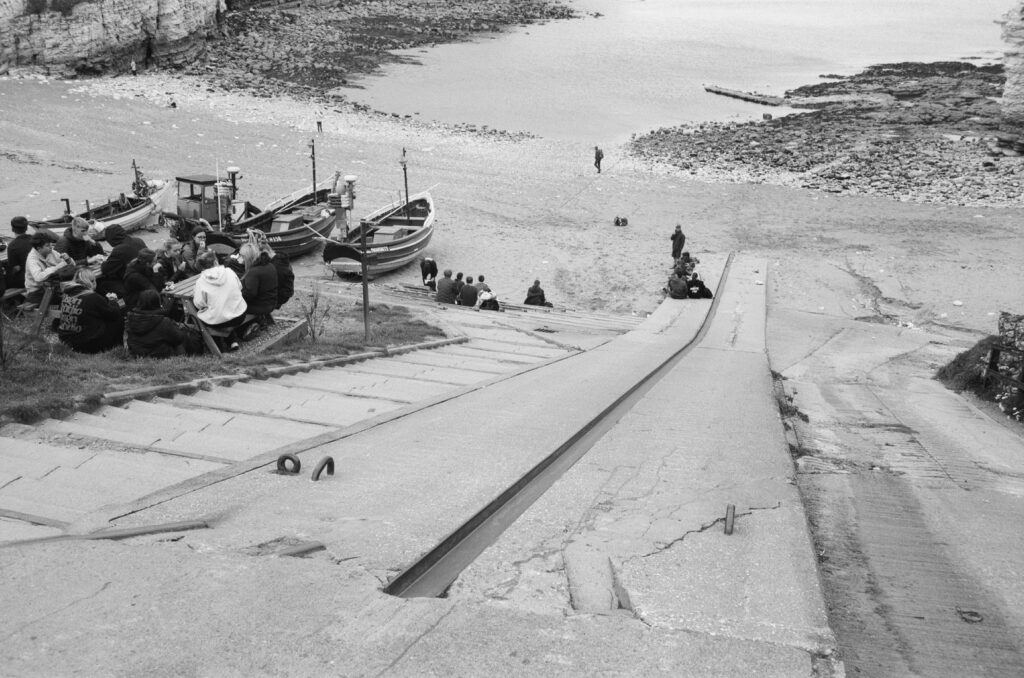
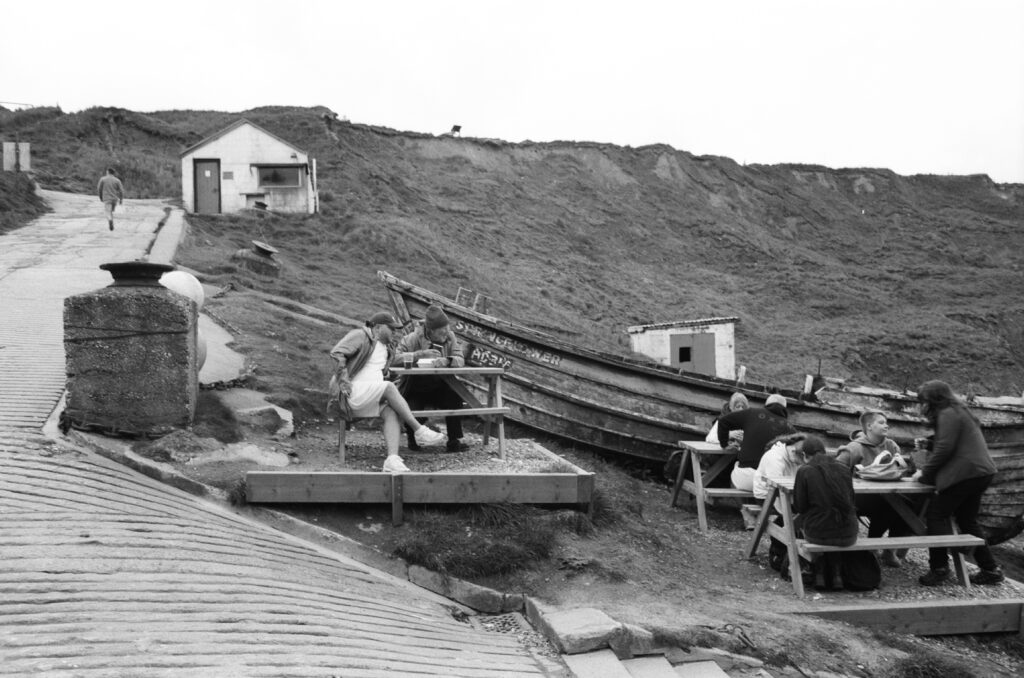
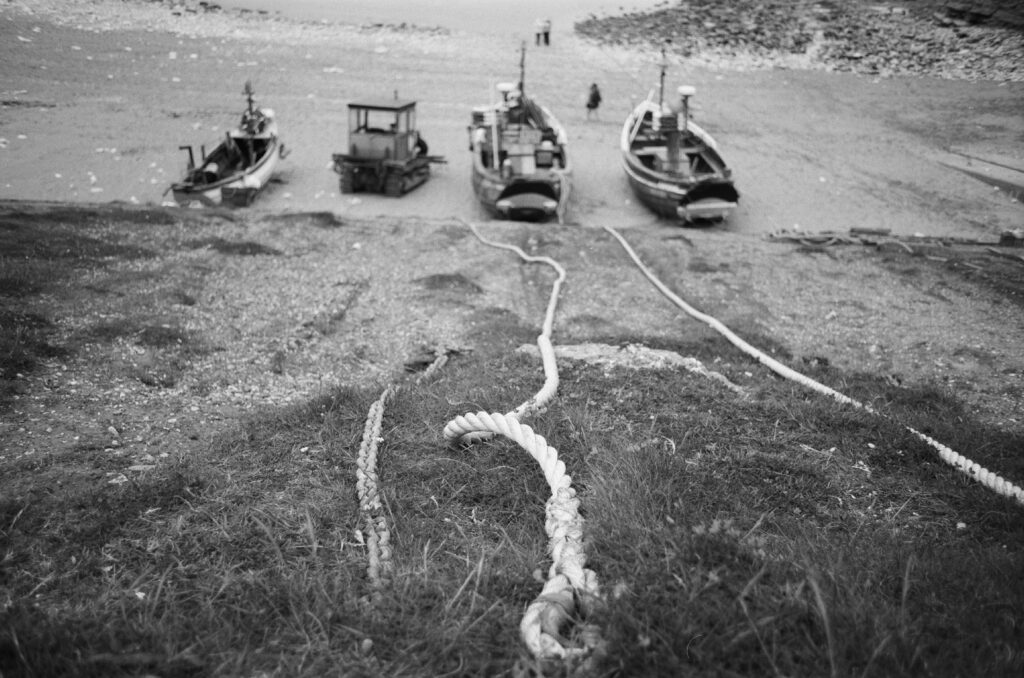
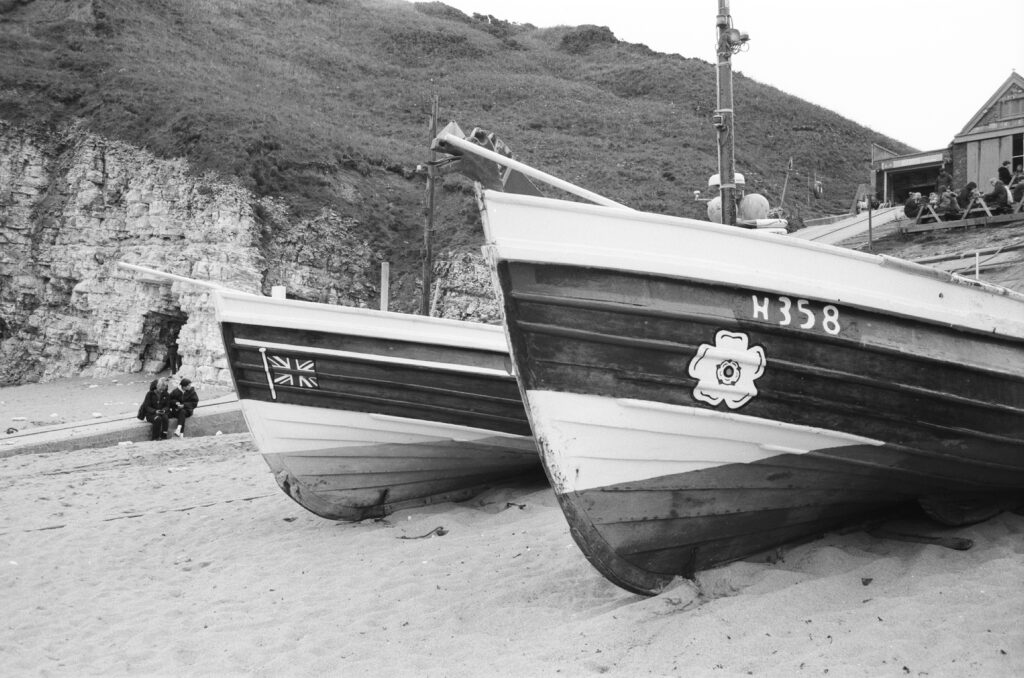
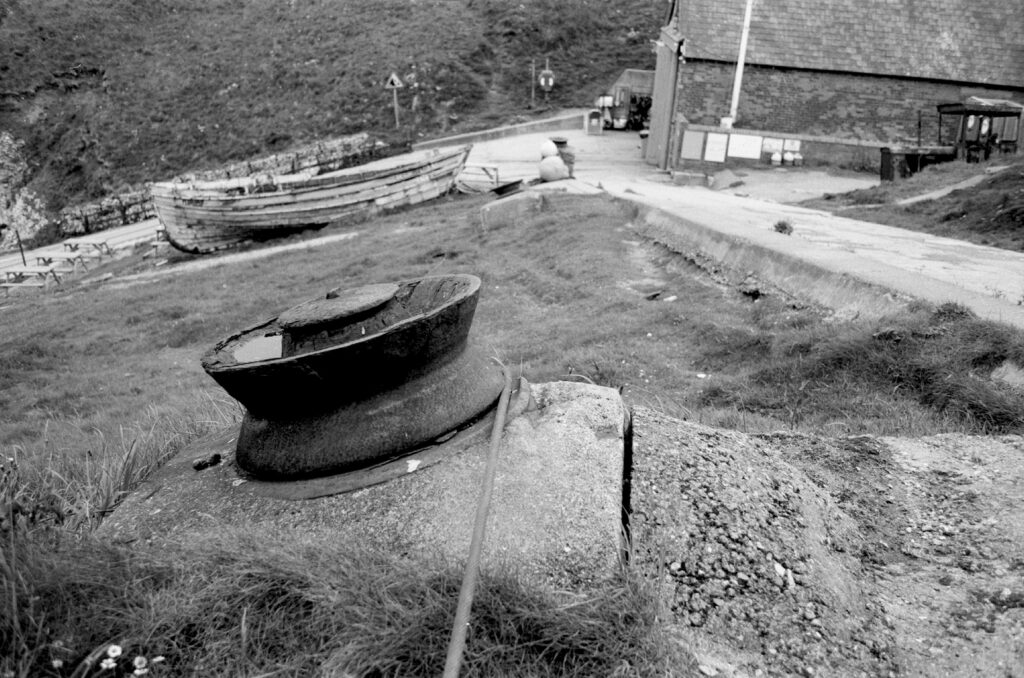
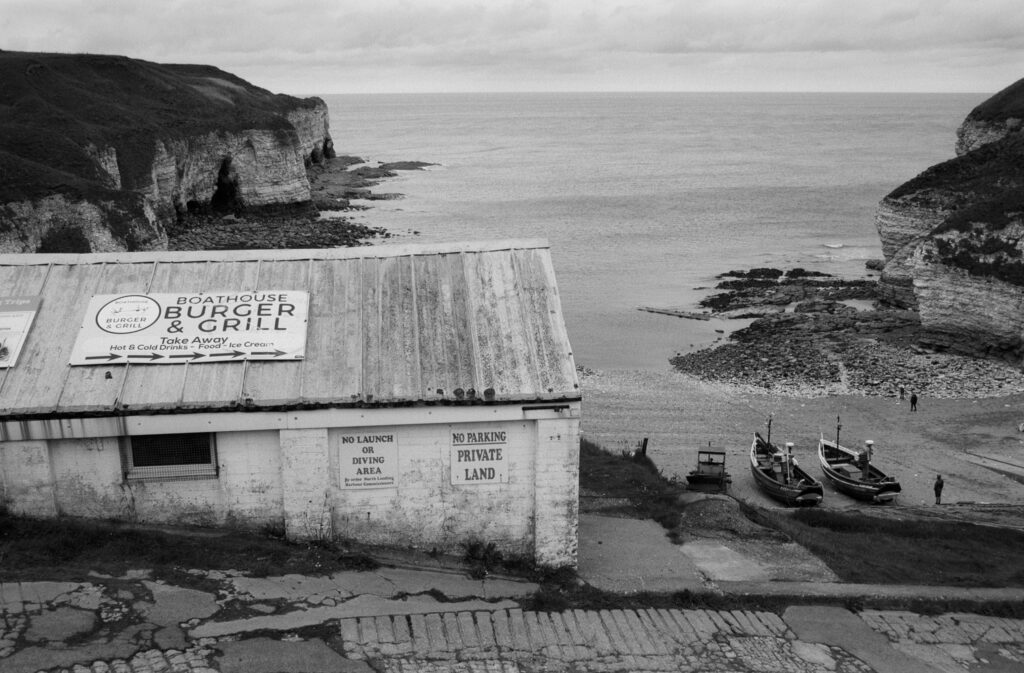
- North Landing Maritime Activity: Moving inland toward the cove at North Landing, the focus shifted to the human element of the coast. Subjects included a "burger and grill" establishment, the winch roads used for hauling boats up the steep incline, and various huts and tractors. These images provide a sociological snapshot of the Yorkshire tourism and fishing infrastructure.
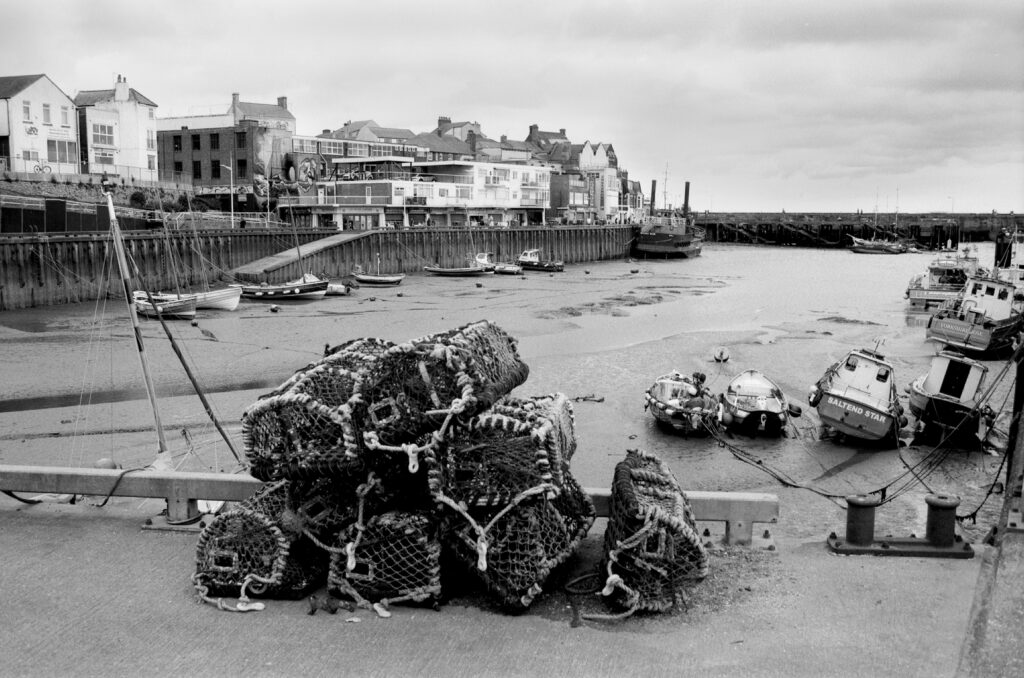
- Bridlington Harbour: The final segment of the roll was dedicated to the working harbor of Bridlington. Known as the "Lobster Capital of Europe," Bridlington’s harbor is a dense environment of lobster pots, fishing nets, and industrial workspaces. The photographer captured details such as "fisherman’s workplace windows" and stacks of maritime equipment, emphasizing the utilitarian beauty of the port.
- The Unexpected Diptych: At the conclusion of the roll, a technical anomaly occurred. In an attempt to squeeze a 37th exposure out of the 36-exposure roll, the film overlapped. During the scanning process, this resulted in an "unexpected diptych"—two images partially merged into one. In the context of contemporary film photography, such "accidents" are often celebrated for their artistic spontaneity.
Aesthetic Analysis and Tonal Rendering
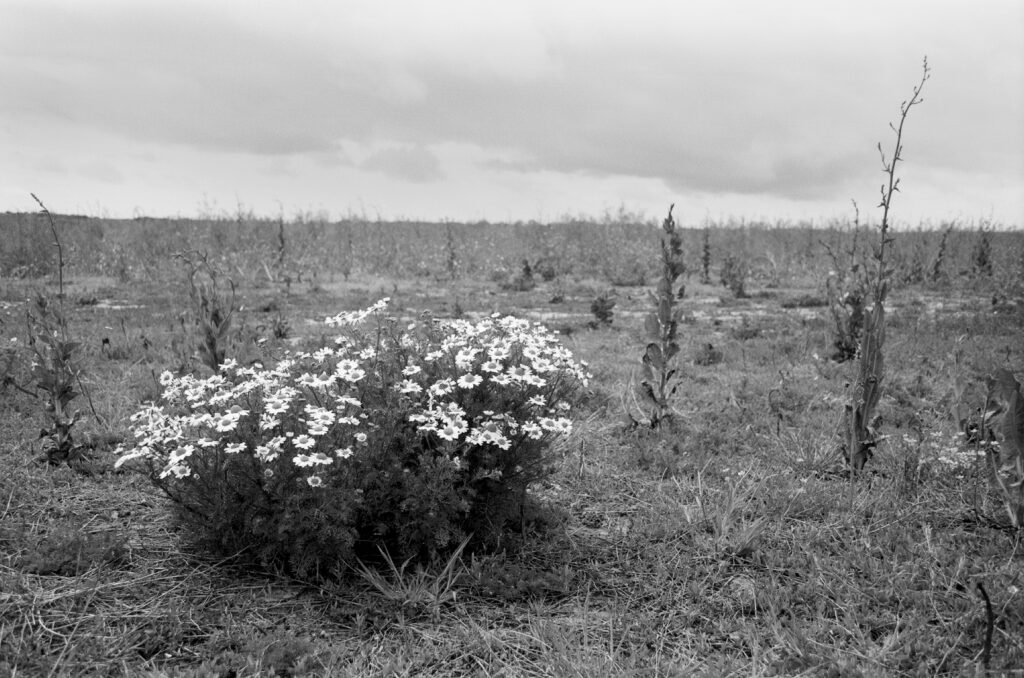
The results of the shoot confirm the enduring quality of Agfa’s emulsion technology. Despite the age of the film, the images exhibited what the photographer described as "smooth delicate tonality." In an era dominated by digital sensors that often produce hyper-saturated and overly sharpened images, the Agfapan 25 provides a distinct visual counterpoint.
Technical analysis of the images reveals several key characteristics:
- Edge Acutance: The SMC Pentax 35mm lens, combined with the low-ISO film, produced high edge acutance, meaning the borders between light and dark areas are sharp and well-defined without the "halos" often seen in digital sharpening.
- Luminance Detail: The film successfully captured the subtle gradations in the white chalk cliffs and the rusted textures of the North Landing huts.
- Shadow Retention: Despite the inherent contrast of the Yorkshire coast, the shadows in the lobster pot and harbor images retain significant detail, suggesting that the film’s latitude—its ability to handle overexposure or underexposure—remained intact.
The photographer opted not to manipulate the images through digital post-processing, such as "pushing" the contrast or adjusting "Levels" in software. This decision highlights a "purist" approach to analog photography, where the goal is to showcase the inherent characteristics of the medium rather than the capabilities of modern editing suites.
Broader Implications for the Analog Film Industry
The successful use of expired Agfapan 25 is more than a personal hobbyist achievement; it reflects broader trends in the global photographic market. Since 2010, there has been a documented resurgence in the sales of film cameras and emulsions. According to industry reports, Kodak Alaris and Ilford Photo have seen steady growth in demand, driven largely by a younger demographic seeking a "tangible" and "authentic" creative process.
However, the scarcity of stocks like Agfapan 25 poses a challenge. As original batches of high-quality vintage films are exhausted, the market for "new-old stock" (NOS) has seen prices skyrocket. A single roll of well-preserved Agfapan or Kodachrome can now fetch significant sums on secondary markets like eBay or specialized analog retailers.
Furthermore, the environmental and economic context of the Yorkshire coast adds a layer of documentary value to these images. The fishing industry in Bridlington and the natural beauty of Flamborough are subject to constant change due to economic shifts and coastal erosion. Documenting these locations on a "lost" film stock creates a dual sense of nostalgia—capturing a contemporary scene using the literal chemistry of the past.
Conclusion
The project concluded with a philosophical reflection on the ephemeral nature of both the medium and the moment. With no more Agfapan 25 in his possession, the photographer noted the importance of appreciating the singular experience of using rare materials. This sentiment—"don’t be sad that it ended, just be glad it happened"—resonates with the wider analog community, where the finite nature of film rolls encourages a more deliberate and thoughtful approach to the act of creation.
As digital technology continues to evolve toward higher resolutions and artificial intelligence-driven enhancements, the quiet, chemical reliability of a 25-year-old roll of German film remains a testament to the engineering excellence of the 20th century. The images of Flamborough Head and Bridlington stand as a permanent record of a specific day on the Yorkshire coast, rendered with a level of detail and tonal grace that modern technology struggles to replicate.