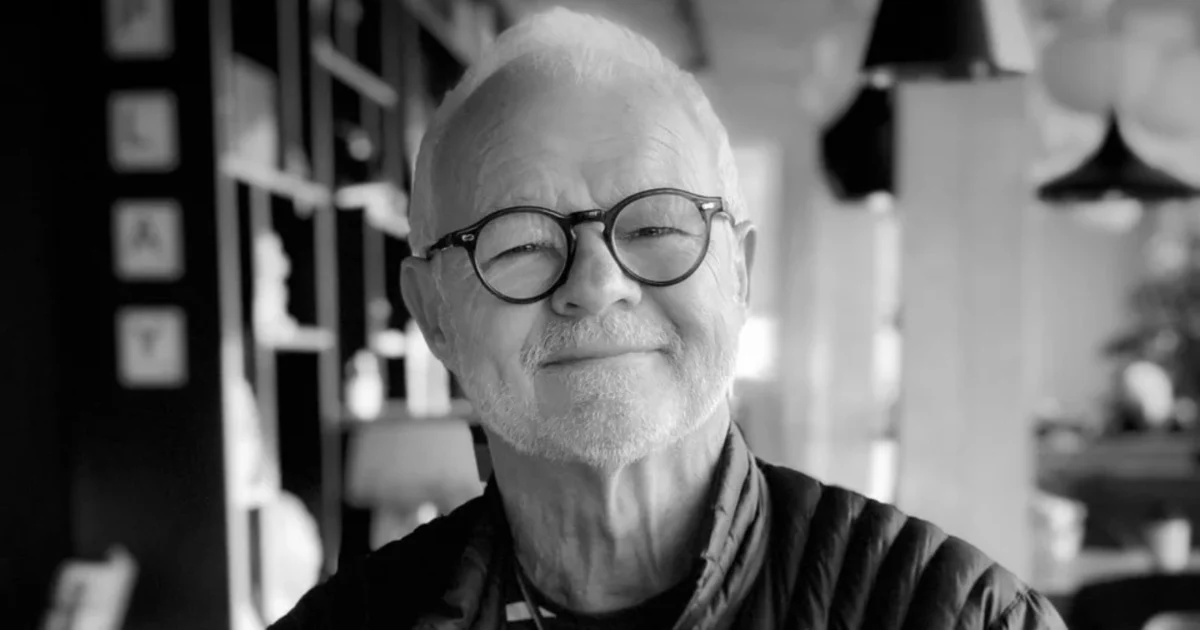
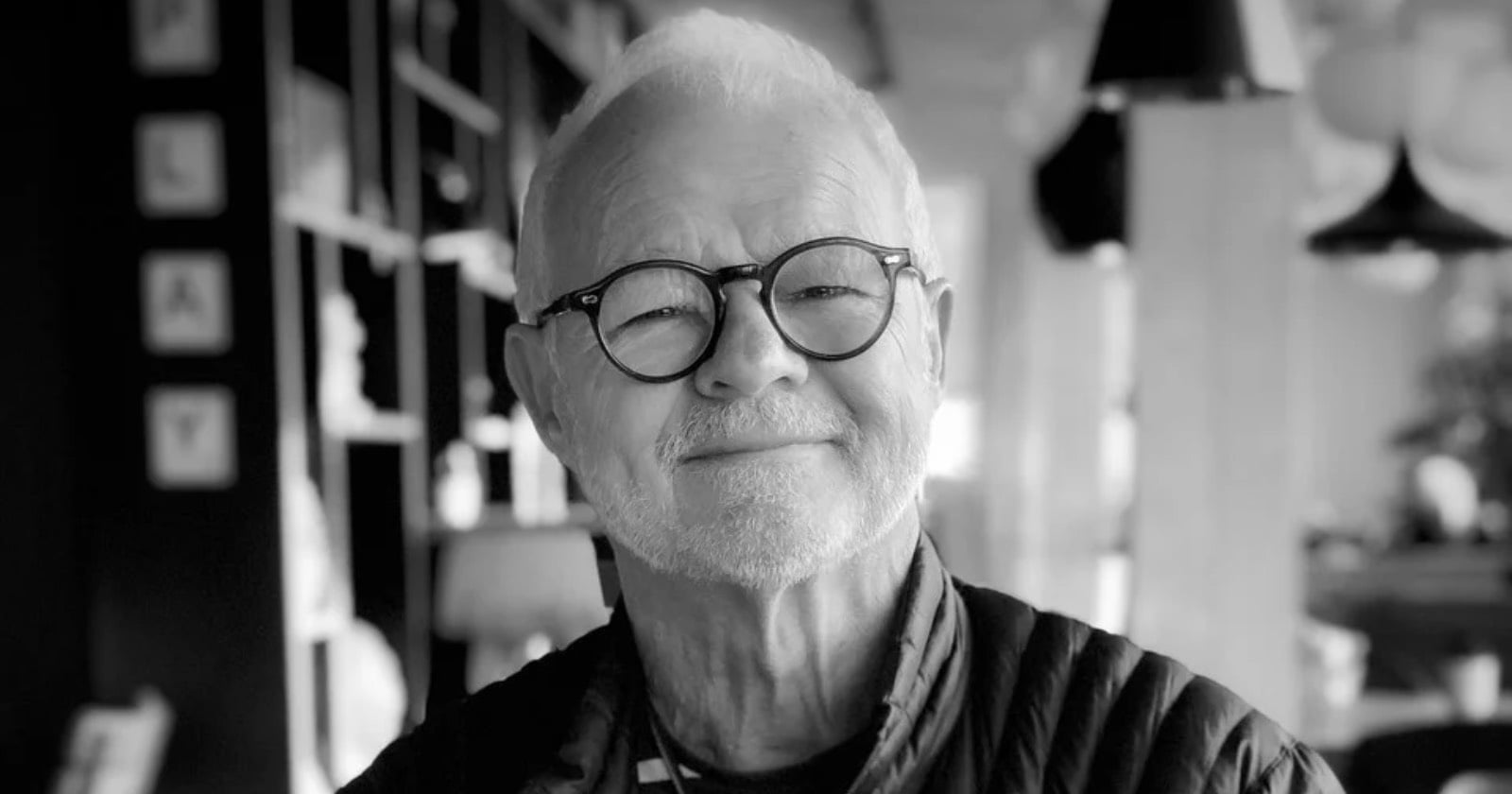
Rodney Charters, the acclaimed New Zealand-born director of photography whose groundbreaking visual contributions profoundly shaped the aesthetic of modern television, passed away suddenly at the age of 80 on September 13 in Amsterdam. Charters was most celebrated for his indelible work on the Fox hit drama 24, where he served as the primary cinematographer for an astounding 184 episodes across the series’ first eight seasons, effectively defining the show’s signature "aggressive camera style" that captivated audiences and critics alike. His passing marks the departure of a true innovator whose influence continues to resonate throughout the television landscape.
The Architect of 24‘s Visual Identity
Born in New Zealand, Rodney Charters quickly rose to prominence in the demanding world of television production, eventually becoming synonymous with the high-octane, real-time thriller 24. From its premiere in 2001 to the conclusion of its eighth season in 2010, Charters was instrumental in establishing the drama’s distinctive and revolutionary visual language. He photographed all but eight episodes of the show’s initial run, a remarkable testament to his consistent vision and tireless dedication. Furthermore, his involvement extended to the 2008 telefilm 24: Redemption, which bridged the gap between seasons, and he even stepped into the director’s chair for three of the eight episodes he did not photograph, showcasing his multifaceted talents and deep understanding of the series’ narrative and aesthetic requirements.
24 revolutionized episodic television with its unique real-time format, following federal agent Jack Bauer, portrayed by Kiefer Sutherland, through increasingly catastrophic 24-hour periods. Each 24-episode season unfolded precisely in real time, with an ever-present ticking clock serving as a relentless auditory and narrative driver. To visually complement this unprecedented narrative structure, Charters developed a dynamic and immersive cinematography style that broke sharply from traditional television conventions of the era.
The American Society of Cinematographers (ASC), an organization Charters was a proud member of, lauded his contributions, describing his work on 24 as an "aggressive camera style." This approach was characterized by its liberal use of handheld camerawork, which imbued scenes with an immediate, visceral urgency. Rapid whip pans and sudden snap zooms became iconic hallmarks, mirroring the frenetic pace and unpredictable nature of the show’s plot. This innovative visual grammar not only enhanced the tension and immediacy but also effectively placed the viewer directly within the unfolding chaos, making them feel like active participants rather than passive observers. His work became inextricably linked with the very look and feel of 24, particularly as the series honed its fast-moving approach to filming action sequences and intense dialogue exchanges.
A Career Forged in Light and Shadow: Charters’ Journey
Rodney Charters’ profound understanding of light, composition, and narrative storytelling through the lens was deeply rooted in his formative years. He often described his upbringing as being "raised in the darkroom," a direct consequence of his father’s profession as both a portrait photographer and a filmmaker. This early, immersive exposure to the technical and artistic intricacies of image-making provided Charters with an unparalleled foundation, shaping his vision and fostering a lifelong passion for the craft. Growing up surrounded by cameras, developing chemicals, and the magic of projection instilled in him an intuitive grasp of visual storytelling that would define his extensive career.
Before his transformative tenure on 24, Charters had already built a formidable reputation within the television industry. His filmography demonstrates a versatility and commitment to pushing visual boundaries across various genres. From 1997 to 2000, he served as the director of photography for 57 episodes of NBC’s science fiction drama The Pretender. This series, which followed a genius with the ability to assume any identity, offered Charters opportunities to explore diverse visual palettes and adapt his style to different narrative settings within each episode. His work on The Pretender likely honed his ability to maintain visual consistency while embracing episodic variation, a skill that would prove invaluable on 24.
Following The Pretender, Charters continued his foray into science fiction, shooting 19 episodes of the second season of Roswell. This teen drama with sci-fi elements presented a different set of visual challenges, requiring a blend of grounded realism with fantastical elements. These experiences prior to 24 showcased his adaptability and his growing expertise in creating compelling visual narratives within the constraints and opportunities of episodic television. By the time he joined the team behind 24, Charters possessed a wealth of experience and a refined artistic sensibility, ready to tackle a project that demanded unprecedented visual innovation.
Innovating on Set: The Philosophy Behind the Lens
Charters’ approach to cinematography on 24 was not merely about employing specific camera techniques; it was rooted in a distinct philosophy of production that prioritized fluidity, authenticity, and narrative immersion. In a February 2004 interview with American Cinematographer magazine, quoted by the American Society of Cinematographers, Charters articulated this methodology, stating, "We’ve evolved to the point where we always shoot a scene in its entirety — it’s never broken into setups." This departure from the traditional television production model, where scenes are meticulously broken down into numerous individual shots and angles, allowed for a more organic and continuous performance from the actors. It also facilitated a dynamic camera approach that could follow the action rather than dictate it, contributing significantly to the show’s signature kinetic energy.
He further elaborated on their unique process: "We shoot two directions on every scene. We shoot one direction first, after it’s been blocked and staged by the cast privately, without even me present, which is a little uncommon in television." This unconventional method granted the actors a rare degree of freedom to develop their blocking and interactions organically, fostering a sense of realism and spontaneity. When Charters and the crew were brought in, they would then adapt their camera strategy to capture the already established performance. This collaborative, actor-centric approach often led to "pleasant surprises," as Charters noted, allowing for serendipitous moments that enhanced the authenticity of the scenes.
A particularly insightful directive came from executive producer-director Stephen Hopkins, who challenged Charters with the mantra: "Look at the scene and imagine where the camera would never be, and that’s where I want it." This bold instruction epitomized the creative spirit behind 24, pushing Charters and his team to defy conventional cinematography rules and seek out unconventional, often more impactful, perspectives. It encouraged a sense of visual discovery and a willingness to break established norms to achieve a truly unique and immersive viewing experience. This philosophy directly contributed to the "aggressive" and "documentary-like" feel that became a hallmark of the series, distinguishing it sharply from its contemporaries. The synergy between Charters’ technical mastery, his innovative production philosophy, and the visionary guidance of the showrunners created a fertile ground for groundbreaking visual storytelling.
Emmy Recognition and Critical Acclaim
The revolutionary visual style Charters helped craft for 24 did not go unnoticed by the industry. His exceptional work garnered him two prestigious Emmy Award nominations for Outstanding Cinematography for a Single-Camera Series. The first nomination came in 2005 for the episode "Day 4: 6:00 A.M. – 7:00 A.M.," and the second followed in 2006 for "Day 5: 7:00 A.M. – 8:00 A.M." These nominations were significant, reflecting not only the high quality of his craft but also the broader recognition that television cinematography was evolving into an art form demanding the same level of respect as feature film work.
During the early to mid-2000s, the landscape of television was undergoing a profound transformation. While cable dramas were beginning to push creative boundaries, network television was still largely dominated by more traditional production values. 24, with Charters’ innovative cinematography, stood out as a beacon of cinematic ambition on a major broadcast network. His nominations highlighted a growing appreciation for cinematographers who were capable of imbuing episodic television with a distinct visual signature and a consistent, high-quality aesthetic that could elevate the entire production. Although he did not take home the Emmy, the nominations cemented his status as a leading figure in the field and affirmed the profound impact his visual contributions had on one of the decade’s most influential shows.
Beyond CTU: A Diverse Filmography
Rodney Charters’ career extended far beyond the confines of the Counter Terrorist Unit. His work on 24 concluded in 2010, but his contributions to television cinematography continued seamlessly. From 2011 to 2013, he served as the director of photography for the first three seasons of the critically acclaimed Showtime drama Shameless. This project presented a stark contrast to the high-stakes world of 24. Shameless, a gritty, darkly comedic family drama set in working-class Chicago, required a different visual approach – one that felt more grounded, raw, and observational, yet still imbued with Charters’ characteristic energy. His ability to adapt his style to suit the narrative and tone of Shameless demonstrated his immense versatility and his enduring relevance in an ever-evolving industry.
His filmography also includes a wide array of other notable television shows and pilots, showcasing a consistent demand for his talent across diverse genres. He contributed to series such as Nashville, Burn Notice, and The Big C, among many others. This extensive body of work underscores his reputation as a highly sought-after cinematographer, known for his ability to translate complex narratives into compelling visual experiences, always maintaining a meticulous attention to detail and an unwavering commitment to artistic excellence. His post-24 career solidified his legacy not just as the "DP of 24" but as a versatile craftsman capable of elevating any project he touched.
Legacy and Impact on Television Cinematography
Rodney Charters’ passing leaves a significant void in the world of cinematography, but his legacy endures as a pivotal figure who helped redefine the visual language of modern television. His work on 24, in particular, served as a blueprint for a new era of episodic storytelling. Before 24, much of network television adhered to a more static, conventional approach to camerawork. Charters’ "aggressive camera style" – with its handheld immediacy, whip pans, and snap zooms – broke these conventions, proving that dynamic, cinematic visuals could not only be achieved on a television schedule and budget but could also significantly enhance narrative impact.
His influence can be observed in countless subsequent television dramas and thrillers that adopted similar kinetic camera movements, faster editing rhythms, and a more immersive, almost documentary-like aesthetic. He contributed to the broader trend of "cinematic television," where the visual quality of episodic series began to rival that of feature films. Charters’ innovative methods helped elevate the craft of television cinematography, inspiring a generation of directors of photography to experiment and push creative boundaries within the medium.
While direct statements from all his colleagues and actors are not always publicly available upon such news, the profound impact of his work on a show as globally recognized as 24 suggests an immense respect and admiration from those who worked alongside him. Kiefer Sutherland, the iconic lead of 24, often spoke about the intense, collaborative environment on set, and Charters was undoubtedly a central figure in shaping that experience. His dedication to capturing performances authentically and innovatively surely fostered deep professional bonds. The American Society of Cinematographers’ announcement of his death underscores the high esteem in which he was held by his peers, recognizing his significant contributions to the art and science of cinematography.
Rodney Charters was more than just a cinematographer; he was a visual storyteller who understood the power of the camera to shape perception, heighten emotion, and drive narrative. His willingness to challenge norms and embrace unconventional techniques made 24 a visual benchmark and solidified his place in the pantheon of television innovators. As the industry continues to evolve, Charters’ pioneering spirit and his iconic visual contributions will remain a lasting inspiration, a testament to a career dedicated to illuminating stories with light, shadow, and movement. He leaves behind a body of work that continues to captivate and influence, ensuring that his vision will live on through the countless frames he meticulously crafted.