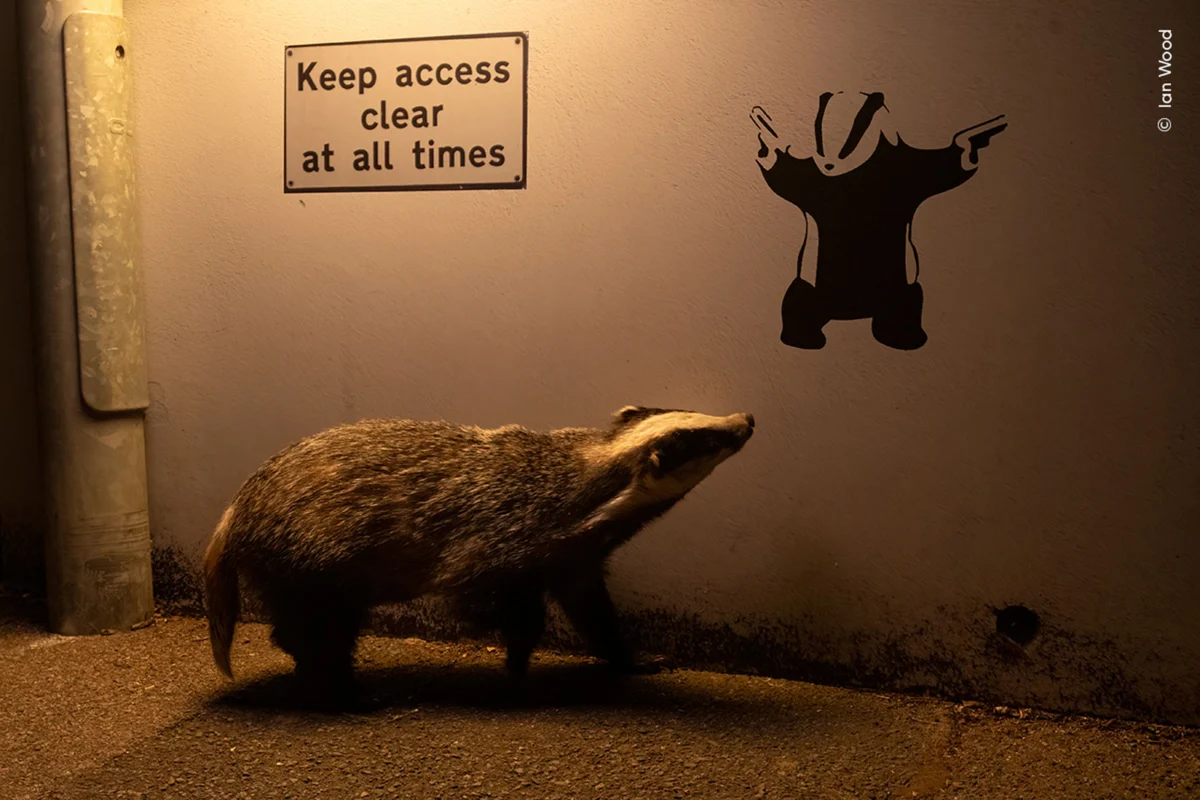
British photographer Ian Wood has been awarded the prestigious Wildlife Photographer of the Year People’s Choice Award for 2024 for his compelling image, "No Access." The photograph, a perfectly timed capture of a Eurasian badger pausing beneath a stark piece of graffiti in St Leonards-on-Sea, England, resonated deeply with a global audience, earning the top spot in the tenth edition of this highly competitive public vote. Wood’s image not only celebrates a poignant moment of urban wildlife but also subtly underscores critical conservation issues, particularly concerning badger populations in the UK.
The winning photograph depicts a common Eurasian badger (Meles meles), instantly recognizable by its distinctive black and white striped head, ambling along a pavement at night. Its gaze is directed upwards, seemingly contemplating the bold, red spray-painted words "NO ACCESS" emblazoned on a wall. The scene is illuminated solely by the ambient glow of a lamppost, casting long shadows and lending a dramatic, almost theatrical quality to the encounter between wild nature and the urban landscape. The composition is masterful, framing the badger against the stark backdrop of human infrastructure, making the graffiti a central, albeit unintended, narrative element. The image’s power lies in its immediate visual appeal combined with its layered symbolism, inviting viewers to ponder the complex relationship between humans and the creatures sharing their spaces.
The Story Behind the Lens: A Photographer’s Dedication
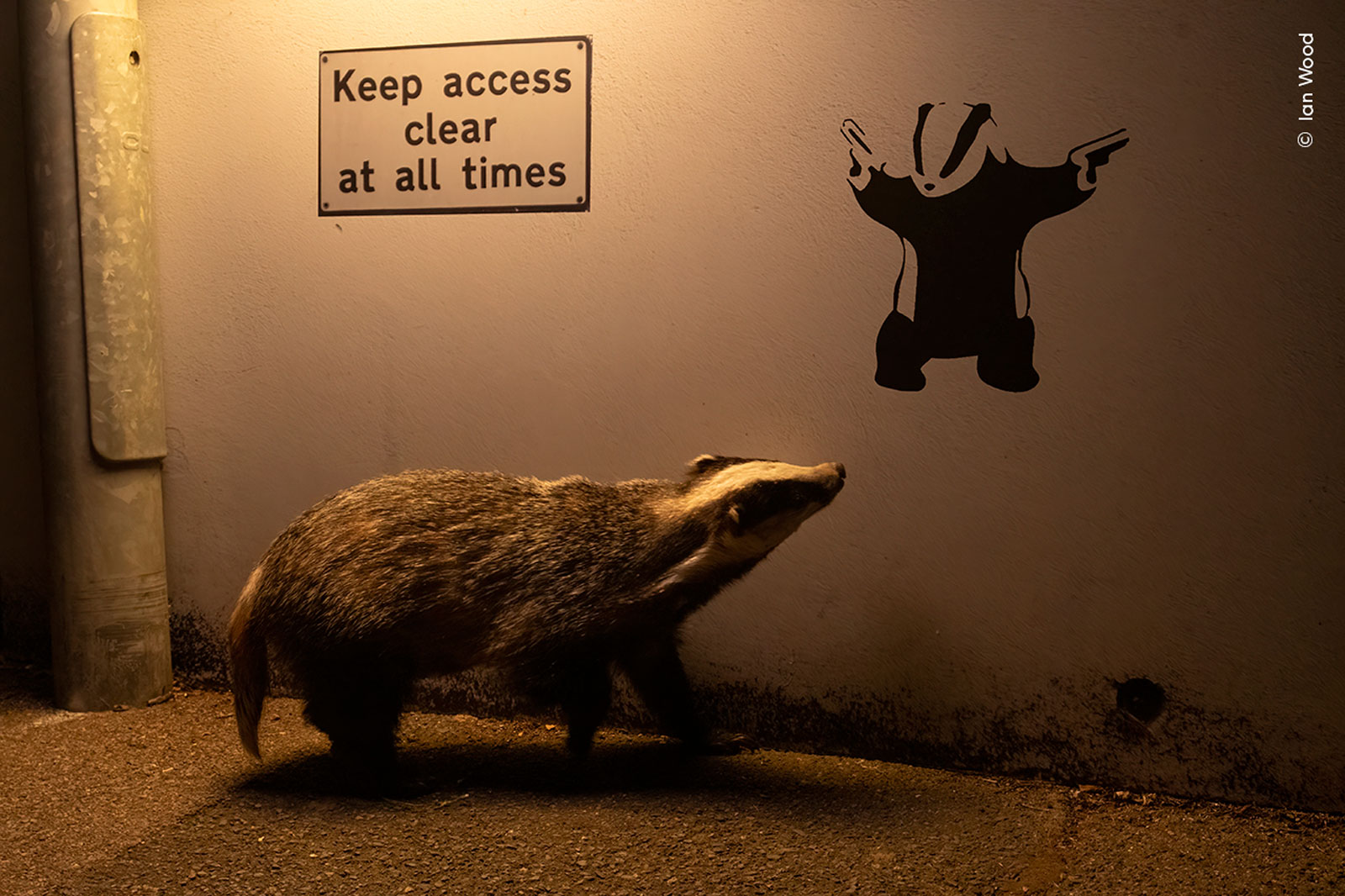
Ian Wood’s journey to capturing "No Access" is a testament to patience, local knowledge, and a keen eye for narrative potential. Residing in rural Dorset, Wood is deeply invested in wildlife and conservation, particularly focused on re-wilding efforts to enhance local habitats. His awareness of the challenges faced by British wildlife, especially badgers, fueled his photographic endeavors. The genesis of "No Access" came from observing local residents in St Leonards-on-Sea leaving food scraps for urban foxes. This practice inadvertently attracted other nocturnal foragers, including badgers from a nearby sett, drawing them into more frequent interaction with human environments.
Upon noticing a badger’s regular nocturnal patrol along a specific stretch of pavement adorned with the now-famous graffiti, Wood recognized a unique photographic opportunity. He strategically set up a small hide at the roadside, patiently waiting for the opportune moment. The low-light conditions, with only a lamppost offering illumination, presented technical challenges but ultimately contributed to the photograph’s evocative atmosphere. Wood’s dedication paid off, resulting in an image that is both aesthetically striking and profoundly thought-provoking. This meticulous approach, combining observation, technical skill, and an understanding of animal behavior, is characteristic of award-winning wildlife photography.
A Record-Breaking Public Vote
The 2024 People’s Choice Award witnessed an unprecedented level of engagement. Out of 25 nominated images, a staggering total of over 76,000 votes were cast by wildlife photography enthusiasts and nature lovers from across the globe. This record participation highlights the growing public interest in wildlife photography and its capacity to connect people with the natural world. The People’s Choice Award, now in its tenth year, serves as a crucial component of the wider Wildlife Photographer of the Year competition, offering a democratic platform for the public to voice their favorite images from a curated selection by the Natural History Museum, London, and an international judging panel. It acts as a powerful barometer of public sentiment, often elevating images that combine aesthetic beauty with an impactful story or message.

Dr. Douglas Gurr, Director of the Natural History Museum, underscored the significance of Wood’s win: "Ian’s flawlessly timed image offers a unique glimpse of nature’s interaction with the human world, underscoring the importance of understanding urban wildlife. His exceptional photograph serves as a powerful reminder that local nature and wildlife, often just outside our homes, can inspire and captivate us." Gurr’s statement emphasizes the educational and inspirational role of such photography, particularly in highlighting the often-overlooked biodiversity thriving within human-dominated landscapes.
Beyond the Frame: The Shadow of the Badger Cull
While "No Access" is celebrated for its artistic merit and charming depiction of a badger, Ian Wood himself revealed a deeper, more somber message embedded within the image. "The outpouring of badger love since my photo was nominated for the People’s Choice Award has been beautifully overwhelming. Finding out that it has won is truly humbling," Wood stated. However, he quickly pivoted to the critical context: "There is a darker side to this image. I live in rural Dorset where I’m on a re-wilding mission to enhance habitats for a huge array of wildlife. The badger cull – which is still ongoing – has decimated their numbers and I fear that unless the cull is stopped, we’ll only see badgers in urban settings in several parts of England."
Wood’s powerful commentary draws attention to the highly contentious badger cull policy in England. Initiated in 2013, the cull aims to control the spread of bovine tuberculosis (bTB) in cattle, with badgers identified as a reservoir for the disease. The policy has been met with widespread scientific and public opposition, with conservation organizations and animal welfare groups arguing against its effectiveness and ethical implications. Critics contend that the cull is not only inhumane but also potentially counterproductive, displacing badgers and leading to further spread of the disease. Proponents, primarily within the agricultural sector and government, maintain that culling is a necessary measure to protect livestock and the farming industry.
The ongoing debate is complex, involving scientific uncertainty, economic pressures, and deep ethical considerations regarding wildlife management. Wood’s fear that badgers might become increasingly confined to urban environments due to rural culling highlights a potential long-term ecological shift and underscores the pressing need for a re-evaluation of current conservation strategies. By linking his award-winning photograph to this critical issue, Wood transforms "No Access" from a mere snapshot into a potent symbol of conservation advocacy, aiming to leverage its widespread recognition to ignite public discourse and push for policy change. This adds a significant layer of social and environmental impact to the photograph’s artistic value.
A Glimpse at Other Highly Commended Masterpieces
While "No Access" claimed the top prize, four other images captivated the global audience, earning the distinction of "Highly Commended." These images represent the diverse beauty and challenges of the natural world, showcasing the extraordinary talent of wildlife photographers.
-
"Earth and Sky" by Francisco Negroni: This unforgettable capture from Chile presents a breathtaking spectacle. It features a double lenticular cloud, an atmospheric phenomenon, dramatically illuminated at nightfall by the incandescent lava flow from the Villarrica volcano. Negroni’s image is a powerful testament to the raw, untamed forces of nature, combining celestial grandeur with terrestrial might. The vibrant interplay of light and shadow against the dark volcanic landscape creates a mesmerizing scene that is both awe-inspiring and slightly terrifying, reminding viewers of the planet’s dynamic geological processes.
-
"Edge of Night" by Jess Findlay: An action shot of remarkable precision, Findlay’s photograph depicts a ghostly barn owl (Tyto alba) exiting through the hayloft window of a derelict barn, embarking on its nocturnal hunt. The blurred motion of the owl against the static, decaying structure creates a sense of fleeting beauty and purposeful movement. Barn owls are iconic inhabitants of rural landscapes, often associated with old buildings, and this image perfectly encapsulates their secretive, elegant nature as they transition from day’s rest to night’s foraging. The photograph captures a moment of instinct and survival, beautifully framed by the remnants of human activity.
-
"Whiteout" by Michel d’Oultremont: From Belgium, d’Oultremont’s image presents a stoat (Mustela erminea) in its winter white coat, sitting upright to survey its snowy territory. The stoat’s camouflage is so effective that it blends almost perfectly into the pristine white landscape, making it a master of stealth. The photograph not only highlights the animal’s remarkable adaptation to its environment but also its alertness and predatory instincts. The minimalist composition, dominated by white and subtle textures, draws the viewer’s eye to the small, yet powerful, presence of the stoat, emphasizing the delicate balance of life in harsh winter conditions.
-
"Spiked" by David Northall: This intriguing and visceral photograph captures a bloodied but determined honey badger (Mellivora capensis) returning to finish off a Cape porcupine (Hystrix africaeaustralis). The porcupine had evidently put up a fierce defense earlier, leaving its mark on the badger. Northall’s image offers a stark, unfiltered look at the brutal realities of survival in the wild. Both honey badgers and porcupines are renowned for their tenacity, and this confrontation between two formidable species is a testament to the relentless struggle for existence. The photograph is a powerful narrative of resilience, pain, and the unyielding drive to survive in the natural world.
These highly commended images, alongside Wood’s winning entry, collectively demonstrate the breadth and depth of talent within the wildlife photography community and the diverse stories waiting to be told through the lens. They serve as a powerful reminder of the beauty, ferocity, and delicate balance of ecosystems across the globe.

The Wildlife Photographer of the Year: A Legacy of Conservation
The Wildlife Photographer of the Year competition, developed and produced by the Natural History Museum, London, stands as one of the most prestigious and long-running wildlife photography events globally. For six decades, it has served as a vital platform, shining a light on inspiring and impactful stories from the natural world. Its core mission is to create advocates for our planet by using photography’s unique emotive power to connect people with nature. The competition welcomes entries from amateur and professional photographers of all ages and from every corner of the world, fostering a global community united by a passion for wildlife and conservation.
The selection process is rigorous, beginning with tens of thousands of submissions. For the 60th competition, nearly 60,000 images were entered, from which the Natural History Museum and an international judging panel meticulously curated the shortlist for the People’s Choice Award, as well as the broader categories of the main competition. This multi-stage evaluation ensures that only the most technically proficient, aesthetically compelling, and narratively significant images are recognized.
The competition not only celebrates exceptional photography but also plays a crucial role in conservation efforts. By showcasing the beauty, vulnerability, and resilience of wildlife, it raises awareness about environmental challenges and inspires action. Winning or being commended in this competition can significantly elevate a photographer’s profile and amplify the message embedded within their work, turning photographs into catalysts for change.

Exhibition and Future Horizons
The winning image, "No Access," by Ian Wood, along with the four "Highly Commended" photographs, will be proudly displayed both online and on the interactive voting screens within the flagship exhibition at the Natural History Museum, London. The exhibition is open to the public until June 29, 2025, offering visitors a chance to experience these powerful images firsthand and engage with the stories they tell. This extended exhibition period ensures maximum public accessibility and continued engagement with the conservation messages these photographs convey.
Looking ahead, the judging process for the 61st Wildlife Photographer of the Year competition is already underway, with an international panel of experts currently evaluating new submissions. The winners of this next edition will be announced at the annual awards ceremony, scheduled to take place at the Natural History Museum, London, in October 2025. This continuous cycle of competition, recognition, and exhibition ensures that the Wildlife Photographer of the Year remains a dynamic and influential force in both the art world and the realm of global conservation.
Ian Wood’s "No Access" is more than just a captivating photograph; it is a timely narrative on coexistence, a call to attention regarding urban wildlife, and a poignant commentary on critical conservation issues. As audiences around the world admire the artistry and story of this winning image, it serves as a powerful reminder of the fragile beauty of the natural world and our collective responsibility to protect it.