Photojournalism and street photography, while often sharing the same urban canvases and relying on candid observation, represent fundamentally distinct photographic genres with divergent intentions, ethical frameworks, and audience expectations. Photojournalism’s primary mandate is to inform, documenting news and events with a commitment to accuracy, context, and factual storytelling. Its output is frequently intended for media outlets, adhering to stringent ethical standards that emphasize objectivity and minimize manipulation. In contrast, street photography delves into the everyday, capturing candid, often artistic images of urban life. It prioritizes mood, composition, humor, juxtaposition, and the spontaneous moment, frequently embracing ambiguity and inviting viewers to ponder.
Both disciplines, however, are built upon a foundation of candid shooting, keen observational skills, and an acute awareness of the “decisive moment”—that fleeting instant when all elements align to create a compelling image. Yet, the ultimate intent behind the lens is where the divergence becomes pronounced. Photojournalists are driven by the imperative to inform their audiences and serve as a repository of evidence, meticulously preserving factual accounts. Street photographers, conversely, are guided by their personal vision, seeking aesthetic expression, social commentary, and the infusion of elements like humor, be it lighthearted or dark, and the evocative power of juxtaposition.
The legal and ethical landscapes also differ significantly. Photojournalists operate within established editorial guidelines and navigate complex consent rules, particularly when dealing with sensitive stories or vulnerable subjects. Street photographers, while not immune to ethical considerations, are generally guided by evolving privacy norms and the broader pursuit of artistic freedom, often operating in a self-regulated sphere.
Despite these distinctions, the practical application of both genres can intersect. A street photograph, captured spontaneously, might coincidentally document a newsworthy event, thus acquiring a photojournalistic dimension. Conversely, a photojournalistic image might adopt the aesthetic sensibilities characteristic of street photography, employing a more artistic or evocative approach. Understanding the core goals of each genre is crucial for clarifying their respective approaches, responsibilities, and the expectations of their intended audiences. This fundamental difference in purpose informs distinct practices and ethical considerations.
The Art of the Fleeting Moment: Street Photography’s Serendipitous Nature
Great street photography is often a testament to serendipity and impeccable timing. It requires the capture of fleeting, unplanned moments, where composition, light, and expression converge with near-perfect precision. This demands a photographer’s constant presence in the urban environment, possessing lightning-fast reflexes and a healthy dose of luck. The street photographer acts as a visual poet of the everyday, finding profound meaning and aesthetic beauty in the seemingly mundane. They must simultaneously achieve narrative cohesion through strong visual design—composition, contrast, and mood—while imbuing a single frame with implied storytelling. This contrasts with photojournalism, which can build narratives across sequences of images and explanatory captions.
In contrast, photojournalism often involves a more structured approach, with coverage frequently staged or organized around known events and predictable reporting beats. While spontaneity can occur, the fundamental framework is often pre-defined by the news cycle. The very nature of street photography, relying on the unpredictable flow of urban life, necessitates a different kind of preparedness and an openness to the unexpected.
Subjectivity Versus Objectivity: Evaluating "Greatness" in Photography
The criteria for evaluating “greatness” also diverge significantly. Street photography is heavily judged on personal vision, originality, and emotional resonance. This inherently subjective landscape makes it challenging to achieve universal consensus, leading to a more fluid and individualistic standard of what constitutes exceptional work. The photographer’s unique perspective and their ability to evoke a personal response from the viewer are paramount.
Photojournalism, on the other hand, has more clearly defined factual and editorial criteria. Accuracy, relevance, and adherence to journalistic principles guide the assessment of successful outcomes. The impact of a photojournalistic image is often measured by its ability to inform, educate, and provoke thought on factual matters, with an emphasis on its contribution to public understanding of events.
Ethical Considerations: Navigating Truth and Artistic Freedom
The ethical considerations within each genre, while both requiring awareness, operate on different scales of obligation. Photojournalism carries stricter, often institutionally enforced obligations to truthfulness and the avoidance of harm. The potential impact of misinformation or exploitative imagery in a news context is significant, leading to rigorous editorial oversight and adherence to professional codes of conduct.
Street photography, while demanding careful consideration of artistic freedom and respect for subjects, is largely a self-regulated domain. The photographer must strike a personal balance between their creative impulses and the ethical implications of their actions. This self-governance underscores the personal responsibility inherent in the practice.
The Visual Landscape: Examples and Context
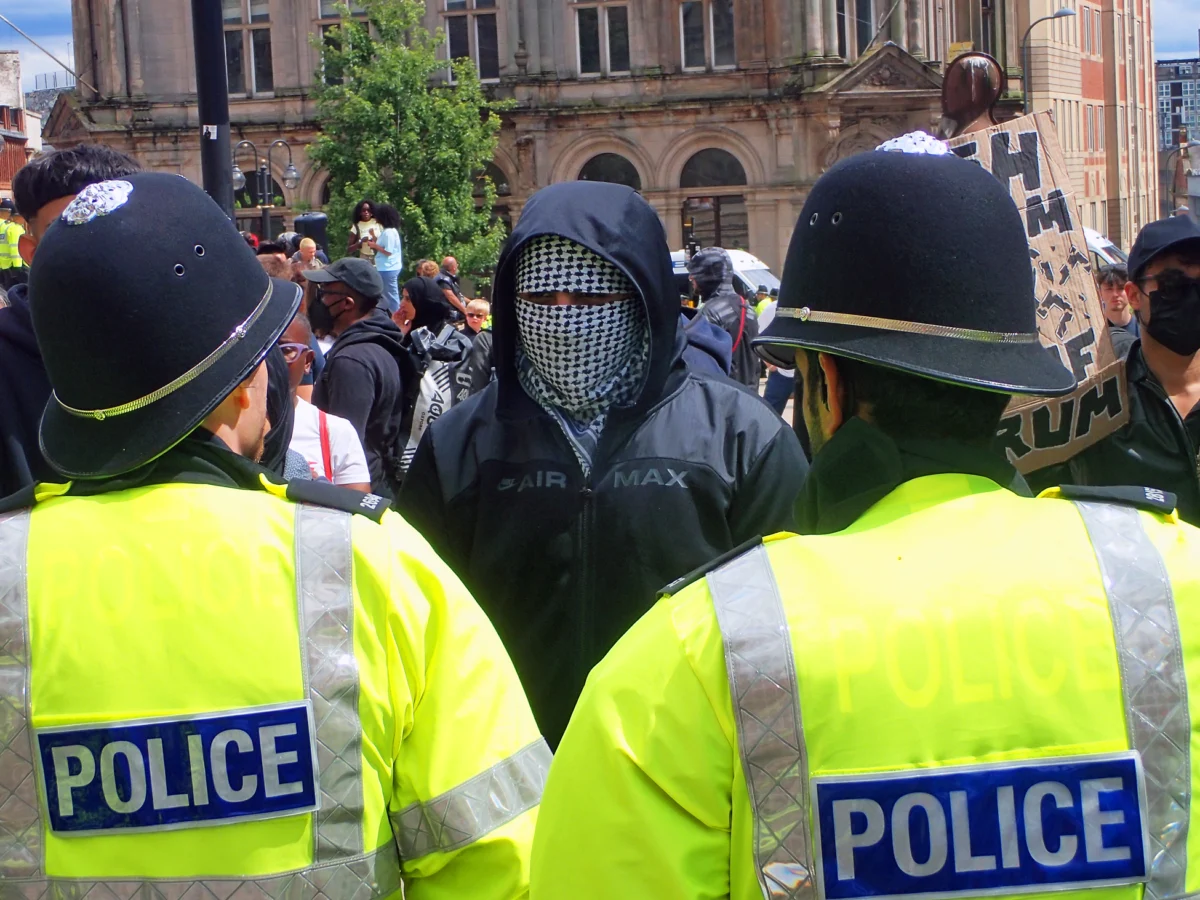
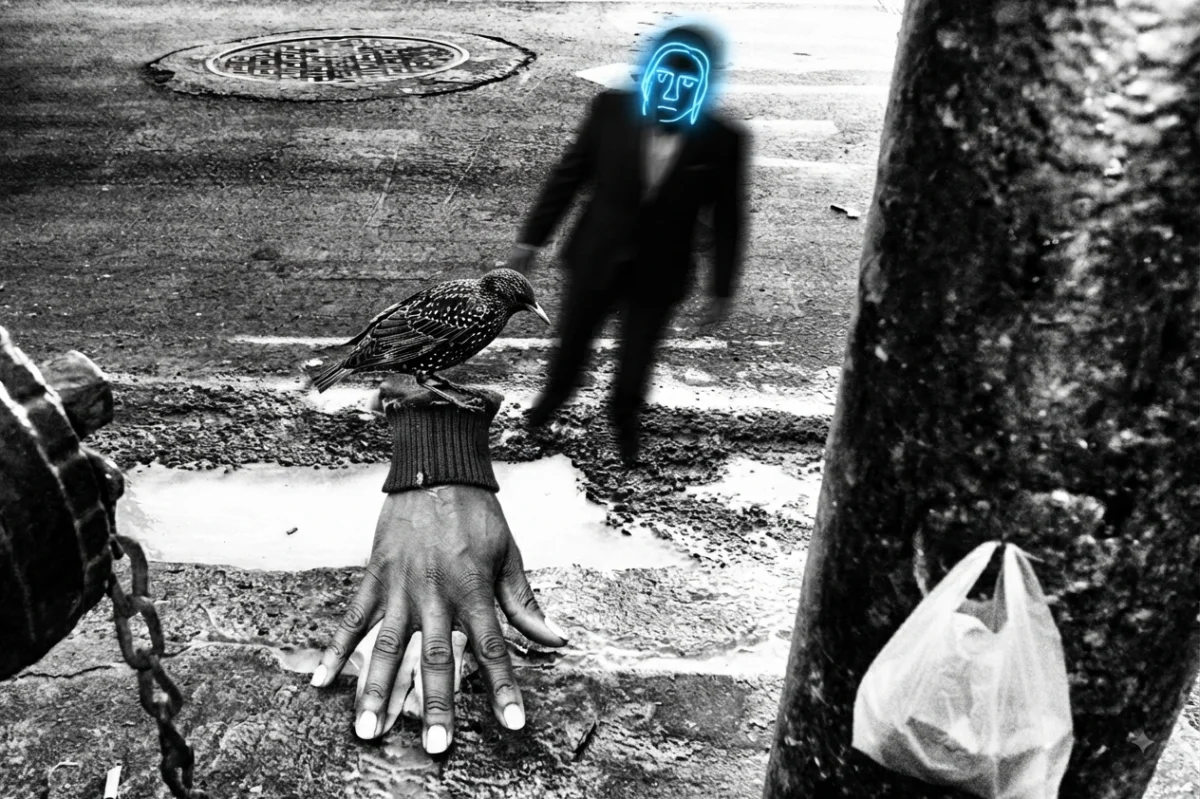
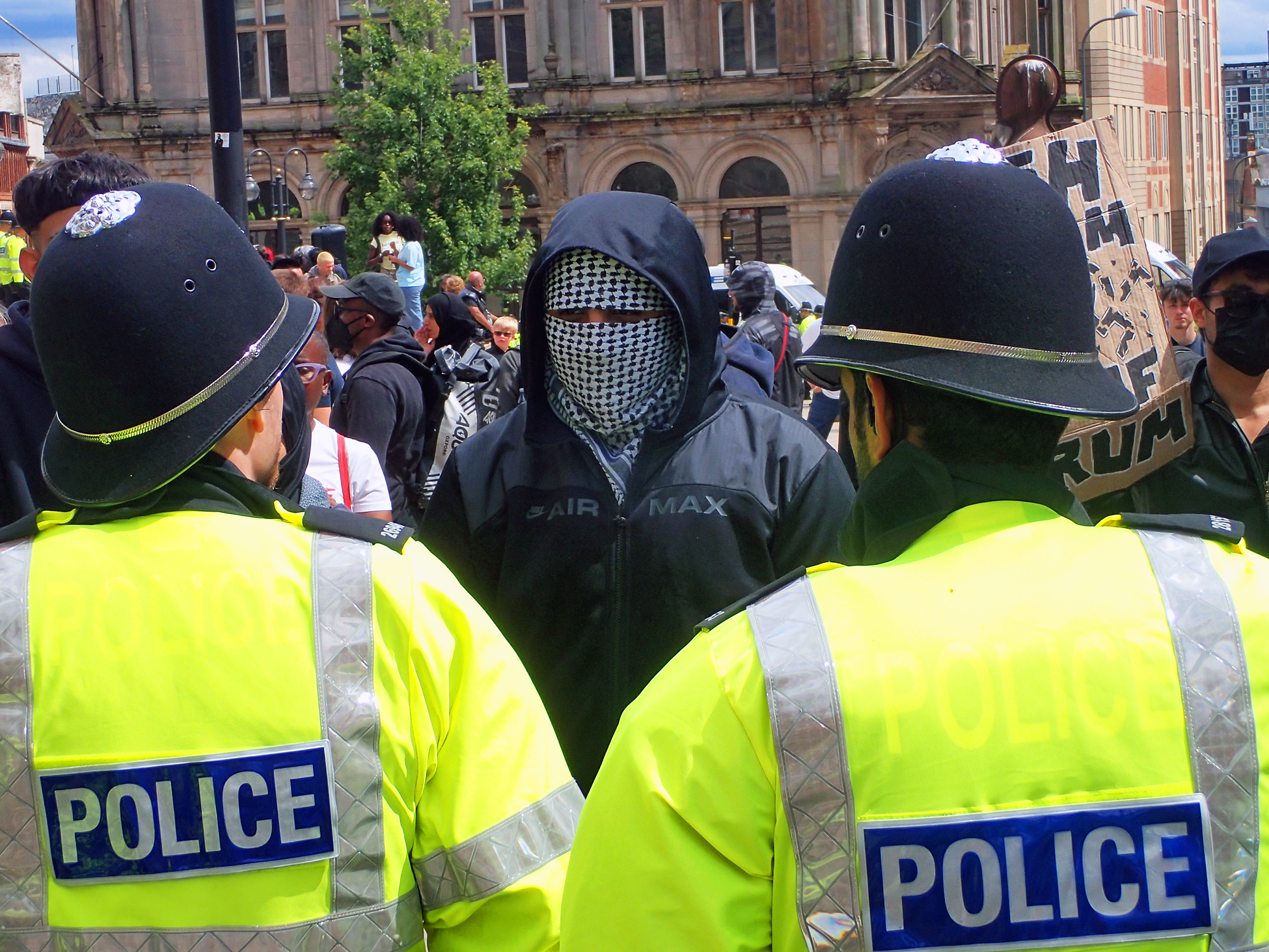
The accompanying images, both by Johnny Mobasher, offer glimpses into the realm of street photography. The first image, "Birmingham Demonstration," likely captures a moment of public gathering and expression. Without further context, one can infer the presence of social or political discourse, a common theme in street photography that often reflects the pulse of a community. The composition, lighting, and the expressions of individuals within the frame would contribute to its narrative and emotional impact. The second image, "Street Photography CASH," suggests a more abstract or symbolic representation, potentially playing with visual cues related to commerce, value, or even critique. The title itself invites interpretation and highlights the often layered meanings embedded in street photography.
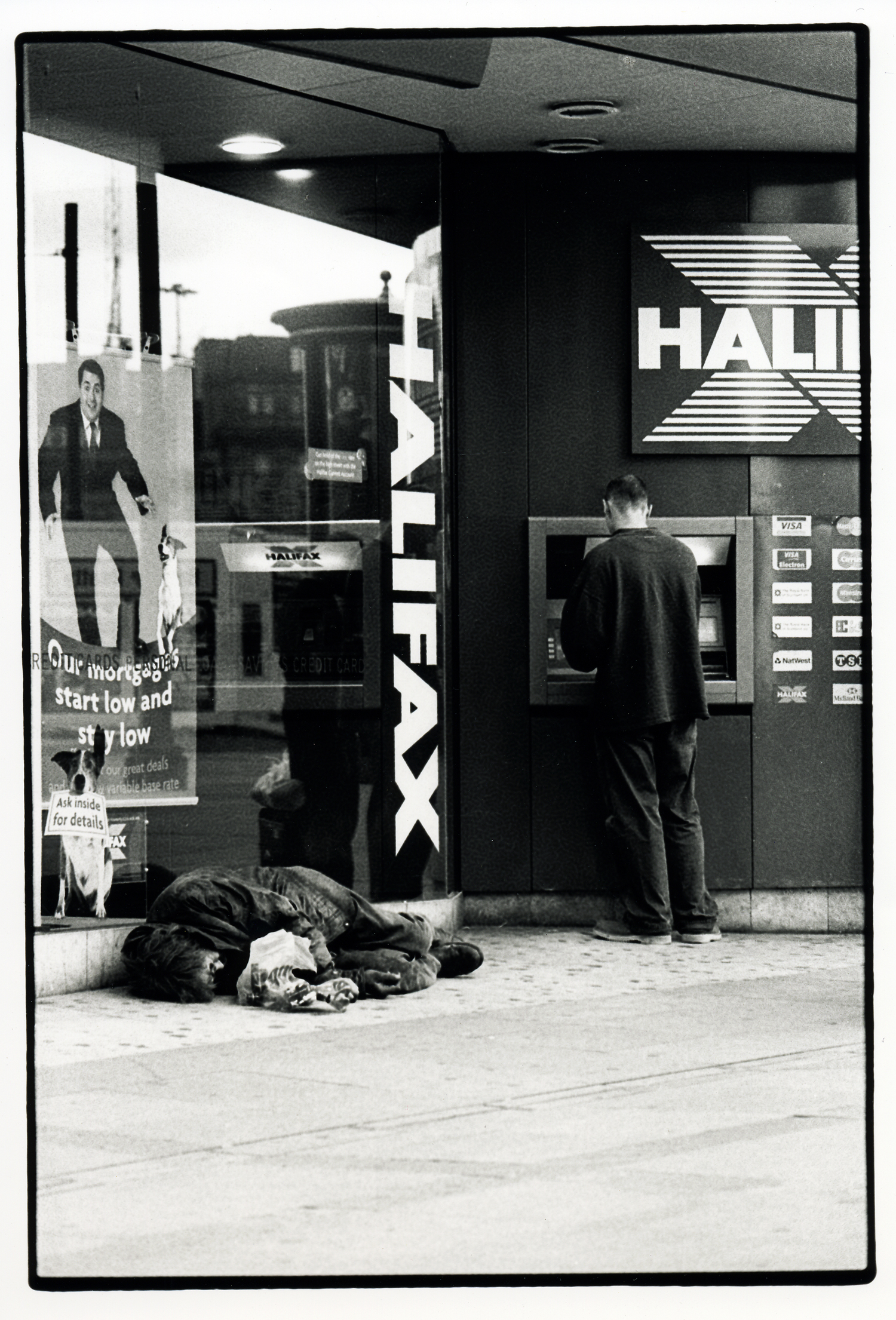
These images, while not explicitly presented as photojournalistic accounts, demonstrate the capacity of street photography to document aspects of human experience and urban life that can resonate with broader societal themes. The photographer’s ability to isolate these moments, imbue them with aesthetic quality, and provoke thought is central to the genre.
Broader Implications and the Evolving Nature of Visual Storytelling
The distinction between street photography and photojournalism is not always a rigid dichotomy. As visual storytelling evolves, the lines can blur. The rise of independent online platforms and the democratization of image-making tools have allowed for a greater cross-pollination of styles and intentions. A compelling street photograph can gain significant traction and influence public perception, much like a traditional news photograph. Conversely, photojournalists increasingly employ artistic techniques to engage audiences with complex issues.
The core difference, however, remains the primary intent. Photojournalism serves the public’s right to know, grounded in factual reporting. Street photography serves the artist’s vision, exploring the human condition and the urban environment through a subjective lens. Both are vital forms of visual expression, enriching our understanding of the world in distinct but complementary ways. The ongoing dialogue between these genres reflects the dynamic and ever-evolving landscape of photography in the 21st century. As technology advances and societal narratives shift, the principles and practices of both photojournalism and street photography will undoubtedly continue to adapt, challenging us to consider new ways of seeing and understanding the world around us.