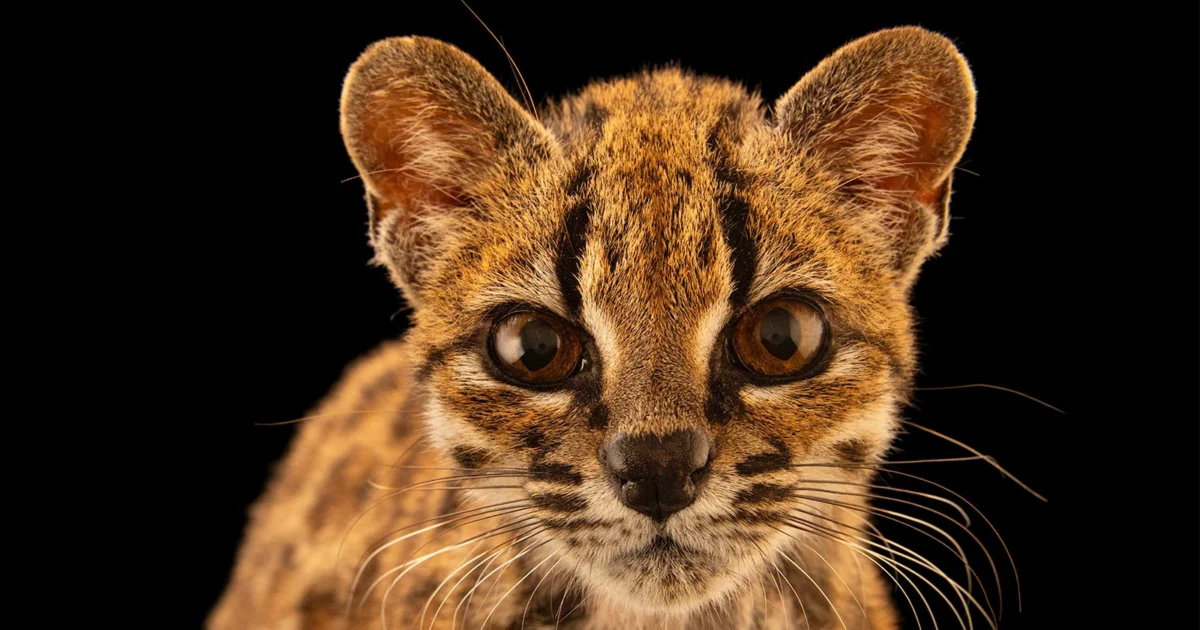
A decade-long scientific quest, sparked by the rescue of a seemingly "weird cat" in the Bolivian Andes, has culminated in a monumental discovery: the formal identification of a new living cat species, Leopardus tilcayo. This landmark announcement, published in the esteemed journal Current Biology, marks the first time in over 100 years that scientists have officially named and described an entirely new feline species to science, underscoring the enduring mysteries of Earth’s biodiversity and the critical importance of ongoing exploration and conservation efforts.
The journey began in 2016 when National Geographic Explorer and biologist Paola Nogales-Ascarrunz received a call from a local wildlife sanctuary in Bolivia, reporting an unusual feline. What began as a biologist’s intrigue has since unfolded into a captivating narrative of perseverance, advanced genetic analysis, and international collaboration, culminating in the recognition of a creature previously unknown to the scientific community. This discovery not only adds a new member to the diverse Leopardus genus, which includes various small wild cats across the Americas, but also highlights the incredible, often hidden, biodiversity of the South American continent.
The Genesis of a Discovery: From Rescue to Recognition
The story of the Tilcayo cat, or Leopardus tilcayo, traces back to a serendipitous encounter on a remote forest road in the Bolivian Andes. A local man, traversing the rugged terrain, stumbled upon a tiny kitten, alone and vulnerable. Believing it to be a stray domestic cat, he took it in, offering it shelter and care. As the kitten matured, however, its distinctive features began to emerge, hinting at a wilder lineage. Its unique markings and temperament soon convinced its rescuer that this was no ordinary housecat. Recognizing its wild nature and the need for specialized care, the man made the commendable decision to surrender the animal to the Senda Verde wildlife sanctuary, located in Coroico, Bolivia.
Senda Verde, a sanctuary renowned for its dedication to rescuing and rehabilitating wild animals, became the initial haven for this enigmatic feline. It was here that Paola Nogales-Ascarrunz, a leading scientist and the founder of the Programa de Investigación de Félidos Bolivia (Bolivian Felids Research Program), first encountered the cat. Her initial observation in 2016 was one of immediate fascination. As a specialist in Bolivian felids, Nogales-Ascarrunz possessed a keen eye for subtle distinctions among species. The "weird cat" presented a perplexing blend of familiar and unfamiliar traits, prompting her to document it extensively. "I took a hundred pictures of it," she recalled, reflecting on her initial captivation. "I was so fascinated." Yet, even with her extensive knowledge, the true significance of this particular animal remained, at that time, an unrevealed secret.
For years, the cat at Senda Verde was informally referred to, and even tentatively classified, as a member of Leopardus tigrinus, also known as the oncilla or tiger cat. This species is known for its elusive nature and presence in various parts of South America, including Bolivia. The similarity in general appearance, particularly the spotted coat pattern, led to this initial assumption. However, Nogales-Ascarrunz’s meticulous approach to scientific inquiry would eventually challenge this preliminary identification.
A Decade of Dedication: The Scientific Unraveling
The path from initial intrigue to formal species designation is rarely swift, often requiring years of dedicated research, comparative analysis, and rigorous peer review. The case of Leopardus tilcayo is a prime example of this exhaustive process. For Nogales-Ascarrunz, the turning point came in 2019, several years after her first encounter. While working on a comprehensive booklet detailing Bolivia’s wild cat species, she revisited her 2016 photographs of the mysterious Senda Verde feline. It was during this detailed review that a critical realization dawned upon her. The cat’s morphological characteristics – its specific facial structure, ear shape, and the precise pattern and density of its spots – seemed inconsistent with the known variations of Leopardus tigrinus. "This is so wrong," she distinctly remembers thinking, recognizing a crucial discrepancy.
This intuition, born from years of field experience and observation, spurred a renewed push for deeper investigation. Nogales-Ascarrunz, recognizing the need for specialized expertise in genetic analysis, sought collaboration with leading researchers in the field. She teamed up with geneticist Eduardo Eizirik from Pontifical Catholic University of Rio Grande do Sul in Brazil, a renowned expert in felid genetics, and Jonas Lescroart, a co-author of the study from the University of Antwerp in Belgium. This interdisciplinary team embarked on a comprehensive genetic analysis of tissue samples from the Senda Verde cat, alongside samples from known Leopardus species across South America.
The genetic analysis involved advanced techniques, including the sequencing of both mitochondrial and nuclear DNA. Mitochondrial DNA (mtDNA) is particularly useful for tracing maternal lineages and understanding population histories, while nuclear DNA provides a broader picture of an individual’s genetic makeup and species-level distinctions. The results were conclusive and astonishing: the cat from Senda Verde possessed a unique genetic signature, distinct enough from all other known Leopardus species to warrant its classification as an entirely new species. This was not a reclassification of a subspecies or a validation of a previously suspected but unconfirmed species; it was a discovery of a creature wholly new to science.
The extensive genetic data, combined with careful morphological comparisons, provided irrefutable evidence for Leopardus tilcayo‘s distinct identity. The formal naming process, which follows strict international codes of zoological nomenclature, was then initiated, culminating in the publication in Current Biology. The chosen name, Leopardus tilcayo, pays homage to its leopard-like spots and its connection to the indigenous cultures of the region, specifically referencing a term that may evoke its unique spotted pattern.
Physical Characteristics and Ecological Niche
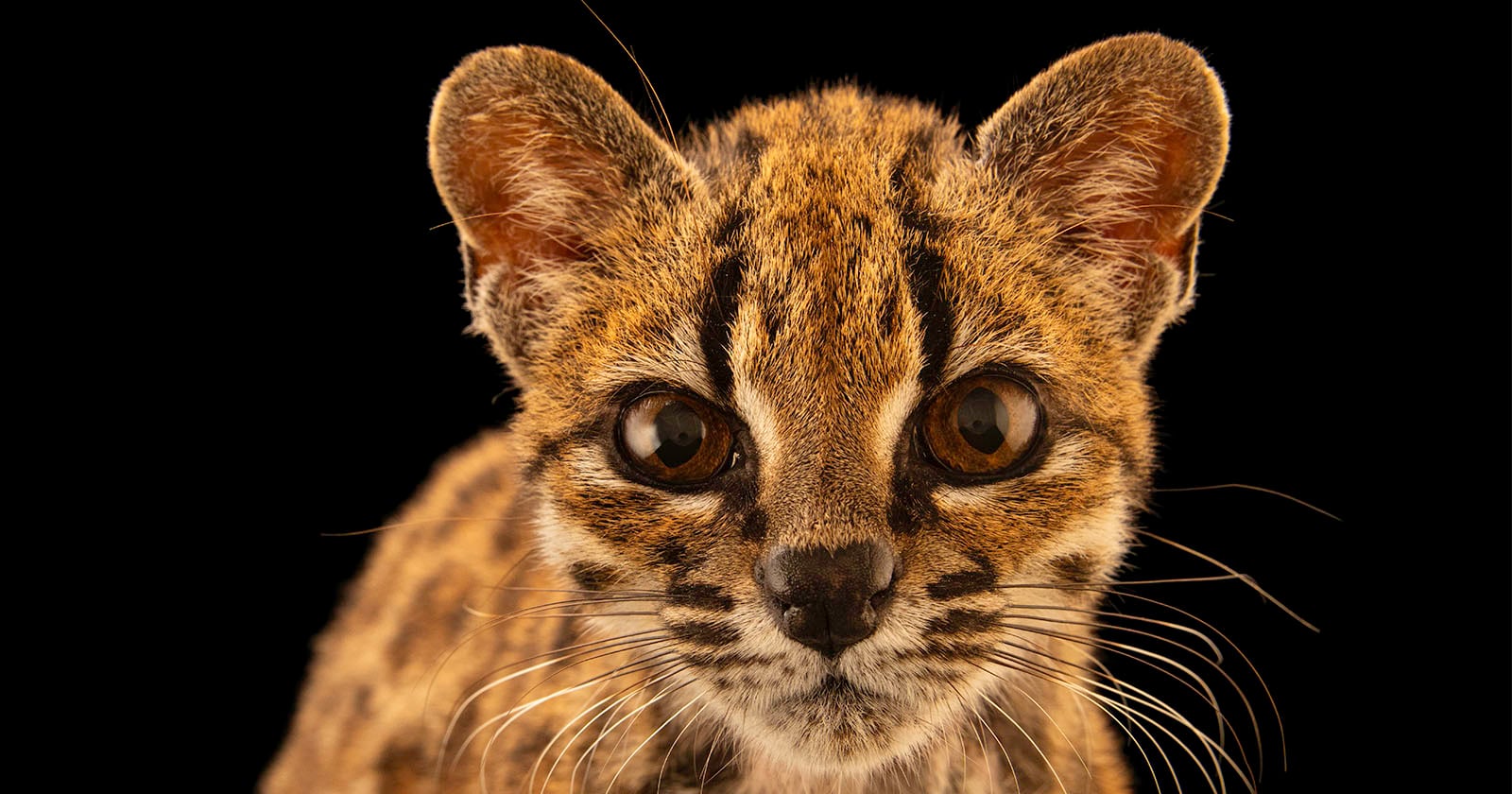
The newly identified Leopardus tilcayo is a strikingly beautiful, albeit diminutive, wild cat. Its most distinguishing features include a small, somewhat "scrunched-up" face, short, rounded ears, and remarkably long whiskers that likely aid in navigating its environment. Weighing just a few pounds, it is significantly smaller than an average domestic cat, making it one of the smallest wild cat species in the Americas. Its most eye-catching attribute, however, is its coat: a stunning pattern of leopard-like spots that gives it its common name and taxonomic descriptor. These spots are crucial not only for camouflage in its natural habitat but also as a key identifier distinguishing it from closely related species.
While the specific ecological niche of Leopardus tilcayo is still largely unknown, its presence in the Bolivian Andes suggests an adaptation to montane forest environments. The Leopardus genus generally comprises small to medium-sized cats typically found in diverse habitats across Central and South America, from dense tropical rainforests to arid scrublands. Species like the ocelot (Leopardus pardalis), margay (Leopardus wiedii), and Geoffroy’s cat (Leopardus geoffroyi) exhibit a range of adaptations to their respective environments, often being arboreal or terrestrial hunters of small prey. Given its size, Leopardus tilcayo is likely an opportunistic predator, preying on small mammals, birds, reptiles, and insects. Further field research will be essential to precisely delineate its diet, territorial behavior, reproductive strategies, and preferred microhabitats.
Bolivia: A Hotbed of Biodiversity and Conservation Challenges
Bolivia is celebrated as one of the world’s most biodiverse countries, a mega-diverse nation characterized by a dramatic range of ecosystems, from the towering peaks of the Andes to the sprawling Amazon basin and the vast Chaco plains. This incredible ecological diversity supports an astonishing array of flora and fauna, many of which are endemic to the region. The discovery of Leopardus tilcayo underscores the fact that even in extensively studied taxonomic groups like felids, significant biological surprises still await.
However, this rich biodiversity is under severe threat. Habitat destruction due to deforestation for agriculture, illegal mining, logging, and infrastructure development is rampant. Climate change exacerbates these pressures, altering ecosystems and pushing species to the brink. The illegal wildlife trade also poses a significant danger, particularly to charismatic species like wild cats. The very existence of Senda Verde wildlife sanctuary is a testament to the ongoing challenges, as it continually receives animals impacted by human activities.
The discovery of a new species in such a threatened landscape carries a profound message, as highlighted by geneticist Eduardo Eizirik. "Showing the general public that even in a flagship group such as cats… there are still new species to be discovered may transmit an important message," Eizirik stated. "There are many undiscovered species out there in the world, and they are at risk of disappearing before we even discover them." This sentiment resonates deeply within the scientific and conservation communities, emphasizing the urgent need for accelerated research and robust protection measures.
Implications for Conservation and Future Research
The formal identification of Leopardus tilcayo is merely the first step in a much longer journey towards understanding and protecting this remarkable feline. With its new status, a cascade of research questions and conservation imperatives now arise. Scientists must embark on extensive field studies to determine its precise geographic range, estimate population sizes, identify specific threats, and understand its role within its ecosystem. Without this fundamental ecological knowledge, effective conservation strategies cannot be developed.
The immediate implications for conservation are significant. Prior to its formal description, Leopardus tilcayo existed in a taxonomic limbo, making it impossible to assess its conservation status under international frameworks such as the IUCN Red List of Threatened Species. Now, the groundwork can be laid for such assessments, which are crucial for attracting funding, implementing protective legislation, and establishing protected areas. Given the general threats to small wild cats in South America, it is highly probable that Leopardus tilcayo will be classified as threatened or endangered once sufficient data is collected.
The Programa de Investigación de Félidos Bolivia, founded by Nogales-Ascarrunz, will undoubtedly play a pivotal role in these future endeavors. Their work, alongside international partners, will be critical in mapping the cat’s distribution, understanding its genetic diversity across its potential range, and engaging local communities in conservation efforts. Community involvement is paramount, as local populations often hold invaluable traditional ecological knowledge and are key stakeholders in sustainable land use practices.
A Place in the Photo Ark: Raising Global Awareness
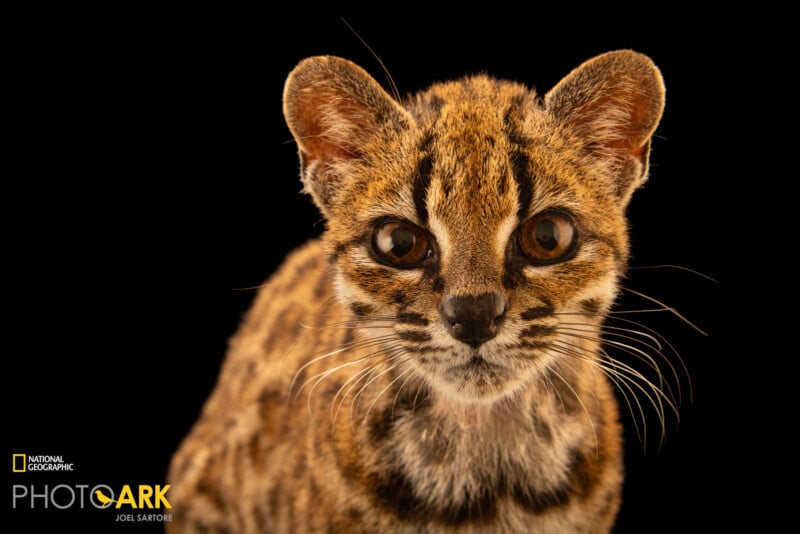
The global significance of Leopardus tilcayo‘s discovery was further amplified by its immediate inclusion in National Geographic’s celebrated Photo Ark project. Renowned photographer Joel Sartore, the visionary behind the Photo Ark, traveled to Senda Verde to capture the striking portrait of the first identified member of this new species – the very kitten found on the forest road a decade ago.
The Photo Ark is a monumental undertaking aimed at documenting every species living in the world’s zoos and wildlife sanctuaries, creating an archive of global biodiversity. More than just a collection of stunning images, it serves as a powerful tool for raising public awareness about biodiversity loss and inspiring action. By featuring Leopardus tilcayo so promptly, National Geographic ensures that this newly discovered species receives immediate global attention, elevating its profile and potential for conservation support from the outset. Sartore’s captivating images, with their signature black backgrounds that emphasize the animal’s unique beauty and individuality, will introduce the Tilcayo cat to millions worldwide, fostering a sense of wonder and urgency.
This pivotal moment in feline genetics and conservation serves as a potent reminder that our planet still holds countless secrets. The discovery of Leopardus tilcayo is a triumph of scientific dedication and a beacon of hope, demonstrating that even in an age of unprecedented environmental change, there are still new wonders to be found and protected. It underscores the profound responsibility humanity bears to safeguard the natural world, ensuring that these newly unveiled treasures, and countless others yet to be discovered, can thrive for generations to come. The adorable and special Tilcayo cat now stands as a symbol of the enduring magic of biodiversity and the critical work that lies ahead.