Brazil’s Lençóis Maranhenses National Park, a UNESCO World Heritage site, has captivated visitors with its extraordinary landscape of vast, undulating sand dunes interspersed with crystal-clear freshwater lagoons. This unique ecosystem, located in the northeastern corner of Brazil, offers a breathtaking spectacle that has inspired artists and nature enthusiasts for generations. Initially intended as a brief stopover on a journey to Patagonia, the park’s unparalleled beauty transformed the experience into a profound artistic exploration, highlighting the intricate relationship between natural artistry and human perception.
A Unique Geological and Ecological Marvel
The Lençóis Maranhenses, meaning "The Sheets of Maranhão," covers an expansive area of approximately 1,550 square kilometers (600 square miles). Its defining characteristic is the immense expanse of white sand dunes, which, during the rainy season (typically from January to June), become dotted with thousands of temporary freshwater lagoons. These lagoons, formed by the accumulation of rainwater in the depressions of the dunes, create a stunning mosaic of turquoise and emerald waters against the stark white of the sand. The contrast is further amplified by the relentless Brazilian sun, which imbues the landscape with a dazzling brilliance.
The park’s eastern border is defined by over 65 kilometers (40 miles) of coastline, punctuated by traditional fishing villages that offer a glimpse into the human history and adaptation to this unique environment. The Atlantic Ocean meets the dunes here, creating a dynamic interface between land and sea. Inland, the landscape is a complex tapestry. Winding, tannin-colored river systems, such as the Black River and the Parnaíba River, snake through the dunes, their inky waters carrying dissolved organic matter from decaying vegetation, which imparts a rich hue to the water. These rivers often flow towards the sea, further shaping the sandy terrain. To the west, the desert-like environment gradually transitions into cerrado (savanna-like grasslands) and forests before giving way to agricultural lands, showcasing a remarkable ecological gradient.
The Evolution of Landscape Photography in Lençóis Maranhenses
The sheer scale and dynamic nature of the Lençóis Maranhenses present a unique challenge and opportunity for photographers. Historically, capturing such vastness often required the use of traditional aerial photography, involving flights in cramped Ultralights or Cessnas with doors removed to allow for unobstructed views. However, the advent of drone technology and unmanned aerial vehicles (UAVs) has revolutionized the possibilities for capturing this landscape. Drones allow photographers to maintain a delicate balance: flying low enough to discern intricate details and textures within the dunes and lagoons, while simultaneously encompassing the full, sweeping panorama of the park.
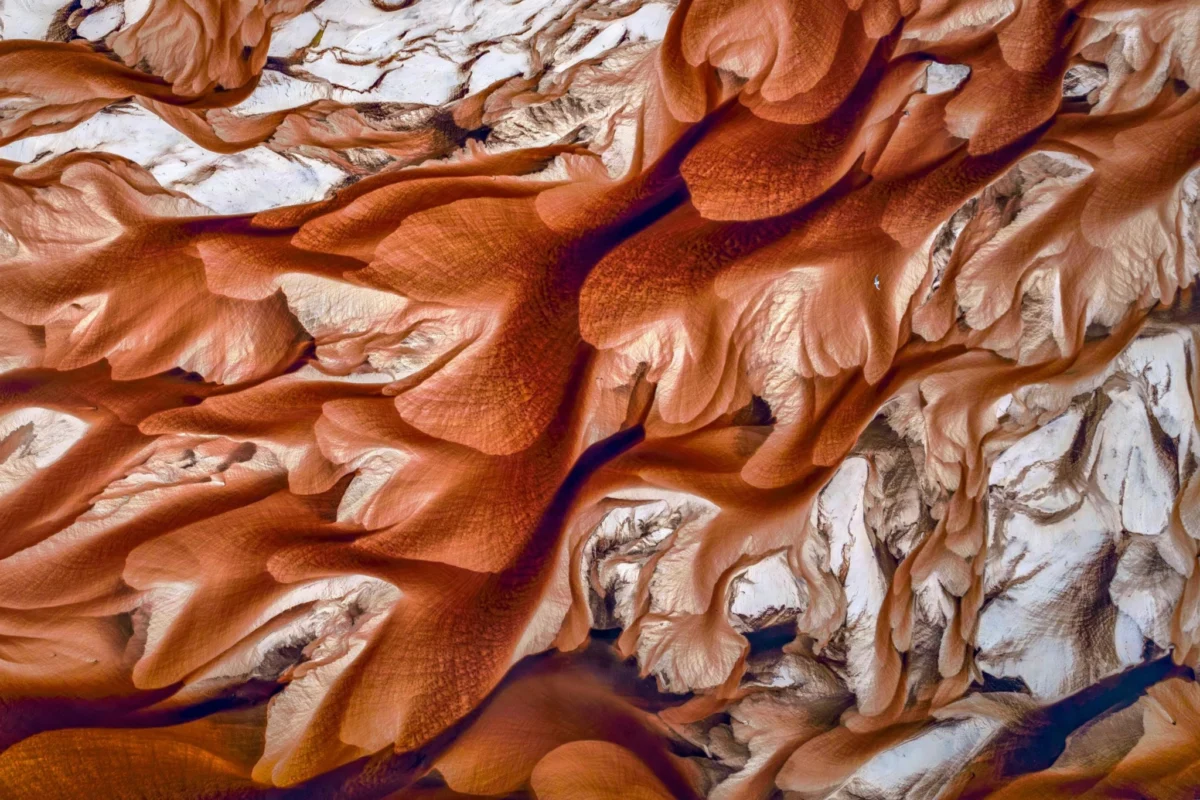
This technological advancement has enabled a new perspective on the park’s ever-shifting canvas. The wind plays a crucial role in constantly reshaping the dunes, toppling delicate sand peaks and stirring the glassy waters of the lagoons. The interplay of light and shadow across the undulating terrain creates a dynamic visual narrative. The colors are particularly striking: the brilliant white of the silica sand, the deep blues and greens of the lagoons, and the rich, earthy tones of the tannin-stained rivers. These colors, refracted and reflected across the landscape, create a painterly effect, akin to a vast, natural masterpiece. The photographer’s lens, guided by the drone, can then follow these patterns, revealing new compositions from every angle and altitude, a dizzying yet exhilarating pursuit of capturing the Earth’s artistry.
Historical Context: Humanity’s Quest to Replicate Nature
The human impulse to observe, interpret, and replicate the beauty of the natural world is ancient, stretching back to the earliest forms of human expression. The cave paintings of Chauvet Cave in France, dating back approximately 30,000 years to the Aurignacian period, are a testament to this innate drive. These remarkable artworks depict animals with astonishing detail and accuracy, demonstrating a profound connection between early humans and their environment.
Throughout history, artists across diverse cultures and epochs have dedicated their lives to studying and capturing the nuances of nature. From the meticulous botanical illustrations of the Renaissance to the dramatic landscapes of the Romantic era, the pursuit has been to translate the three-dimensional reality of the natural world into a two-dimensional representation. Even with the sophisticated tools of contemporary digital photography, the challenge of fully capturing nature’s complexity remains. The question of how an image can convey the profound depth of a planetary vista or the intricate structure of a cell’s nucleus underscores the inherent limitations of any artistic medium in fully replicating the entirety of natural phenomena.

The UNESCO Designation and Conservation Efforts
The designation of Lençóis Maranhenses National Park as a UNESCO World Heritage site in 2002 underscores its global significance and the need for its preservation. This recognition highlights the park’s Outstanding Universal Value, acknowledging its unique geological formations, ecological processes, and breathtaking aesthetic qualities. The designation also brings increased international attention to conservation efforts within the region.
Timeline of Recognition and Key Features:
- 1981: Lençóis Maranhenses was established as a National Park, marking the initial step towards formal protection.
- 2002: The park was officially inscribed as a UNESCO World Heritage Site, recognizing its unique natural beauty and ecological importance.
- Ongoing: The park continues to be a subject of scientific research focused on its hydrology, dune dynamics, and biodiversity, as well as conservation initiatives aimed at managing tourism and protecting its fragile ecosystem.
The park’s unique environment is characterized by a delicate balance. The rain-fed lagoons are ephemeral, existing only during the wetter months. As the dry season progresses, the water levels recede, and the lagoons eventually disappear, leaving behind the vast expanse of sand. This cyclical nature is a crucial aspect of the park’s ecological dynamism.
Supporting Data and Ecological Significance
- Area: Approximately 1,550 square kilometers (600 square miles).
- Dune Formation: The dunes are formed by wind-blown sand, primarily derived from the Parnaíba River delta.
- Lagoon Formation: Seasonal rainfall accumulates in depressions between dunes, creating temporary freshwater bodies.
- Biodiversity: Despite the seemingly arid landscape, the park supports a surprising array of life, particularly within the lagoons. Fish species adapted to these temporary environments, such as the "peixe-rei" (kingfish), have developed remarkable survival strategies, including burrowing into the sand to survive the dry periods. Birdlife is also abundant, with migratory species often seen utilizing the park’s resources.
- Water Quality: The lagoons are known for their exceptional water quality, with some exhibiting temperatures around 29°C (84°F) during the peak season.
Tourism and Its Implications
The growing popularity of Lençóis Maranhenses National Park presents both opportunities and challenges. Tourism is a vital source of income for local communities, many of whom are involved in guiding, hospitality, and transportation services. However, the influx of visitors also necessitates careful management to prevent environmental degradation.
Inferred Reactions and Analysis:
- Local Communities: Residents of the fishing villages along the coast likely view tourism as a double-edged sword. While it provides economic benefits, there is a growing awareness and concern regarding the potential impact of increased foot traffic and infrastructure development on the delicate dune ecosystem and water sources. Collaborative efforts between park authorities and local communities are crucial for sustainable tourism development.
- Environmental Agencies: Brazilian environmental protection agencies and UNESCO are keenly aware of the fragility of the Lençóis Maranhenses. Their focus is on implementing and enforcing regulations that limit visitor numbers in sensitive areas, promote responsible tourism practices, and invest in research to better understand and protect the park’s unique environmental processes. The ongoing challenge is to balance the economic benefits of tourism with the imperative of long-term ecological preservation.
- Photographers and Artists: For creative professionals, the park represents an unparalleled source of inspiration. However, the increasing accessibility, especially through drone technology, also raises ethical considerations. There is a responsibility to capture the beauty of the landscape without causing disturbance to wildlife or the environment. The emphasis shifts from mere documentation to a more conscious and respectful portrayal of nature’s grandeur.
The Enduring Power of Nature’s Artistry
The experience of witnessing the Lençóis Maranhenses is profoundly moving, akin to encountering a living, breathing work of art. The vastness, the dynamic interplay of light and form, and the ephemeral nature of the lagoons combine to create a landscape that is both awe-inspiring and humbling. It serves as a powerful reminder of the planet’s capacity for creation and the intricate beauty that can emerge from seemingly simple elements.
The photographer’s endeavor to capture this beauty, however challenging, is a testament to humanity’s enduring fascination with the natural world. As Vincent van Gogh eloquently put it, "…and then, I have nature and art and poetry, and if that is not enough, what is enough?" The Lençóis Maranhenses offers precisely this confluence of natural splendor, artistic inspiration, and the poetic resonance of a landscape that exists in a state of perpetual, breathtaking transformation. The privilege of attempting to translate this magnificence into a tangible form, even if an imperfect echo, remains a deeply rewarding pursuit, connecting us more profoundly to the planet we inhabit.