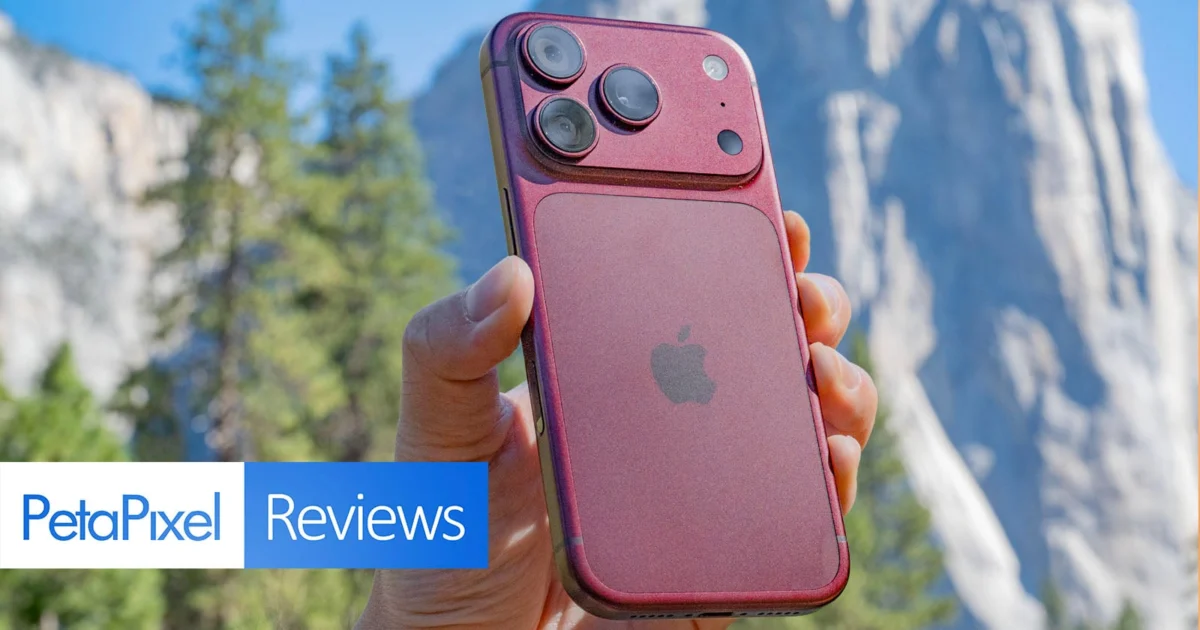
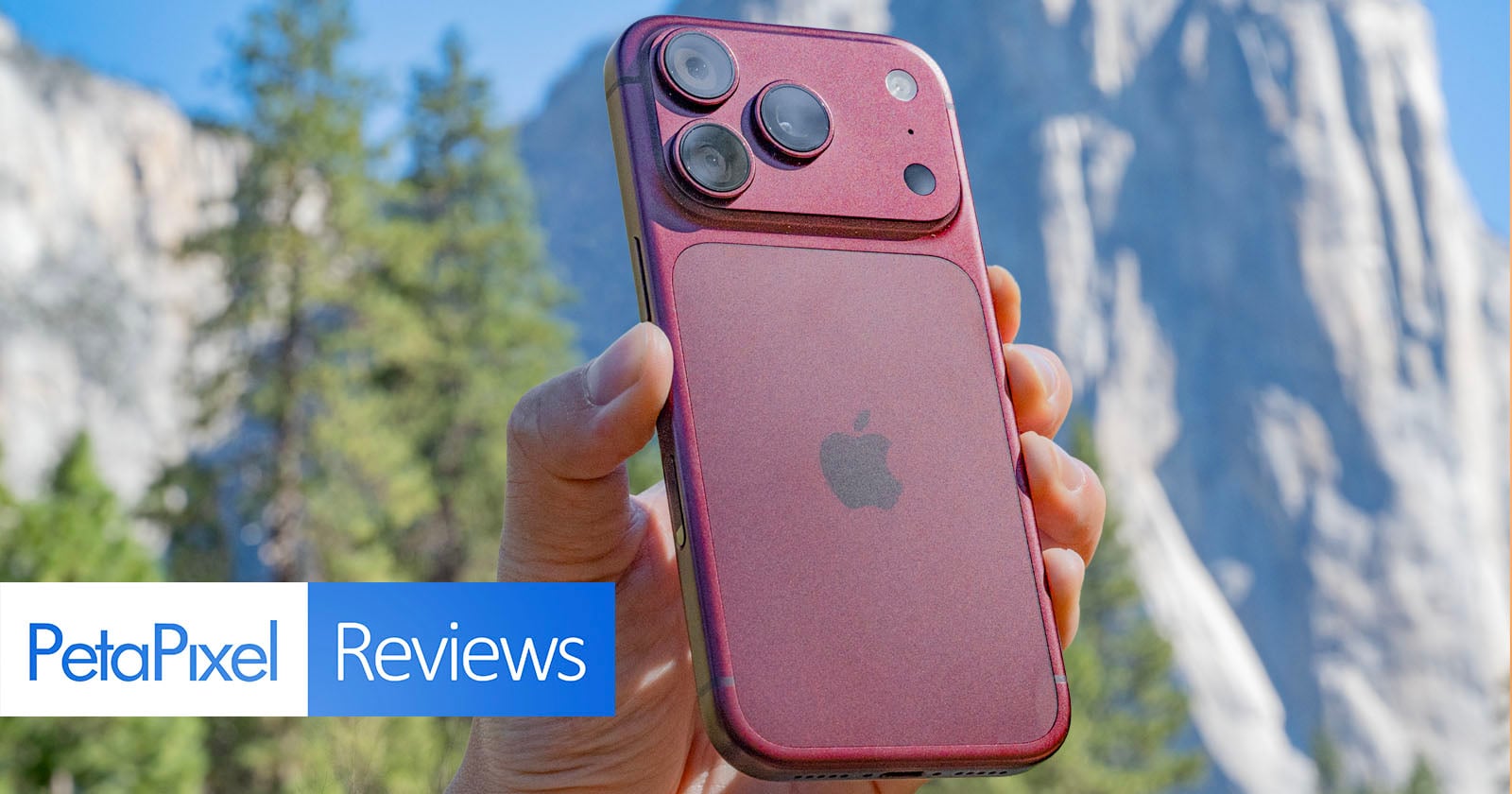
Initial reactions to Apple’s iPhone 18 Pro keynote presentation often registered a sense of understatement. Announcements of variable aperture and enhanced texture controls seemed, on the surface, to represent merely incremental advancements in a market accustomed to annual, yet often subtle, smartphone upgrades. However, after extensive hands-on testing, involving the capture of approximately 1,000 photographs and hours of video, a deeper analysis reveals that these seemingly minor updates collectively deliver a markedly improved photographic and videographic experience.
Initial Reception and Overcoming Skepticism
The launch of the iPhone 18 Pro and Pro Max was met with a degree of skepticism, largely because some of its headline features—such as variable aperture, photographic styles akin to film simulations, and content authenticity systems—are not entirely novel concepts in the broader smartphone or digital imaging landscape. Competitors have explored similar functionalities in the past, often with limited success or eventual discontinuation. This history contributed to the initial perception that Apple was merely repackaging existing ideas.

However, a characteristic Apple strategy involves refining existing technologies and integrating them into a cohesive, user-friendly ecosystem that amplifies their practical utility. This approach appears to be a core tenet of the iPhone 18 Pro series. The enhancements, while perhaps not groundbreaking in isolation, demonstrate Apple’s commitment to evolving the mobile imaging experience through thoughtful implementation and computational integration. The practical application of these features suggests a significant step forward in making advanced photographic controls accessible and effective for a wide user base, from casual photographers to serious content creators.
Design Philosophy and Physical Iteration
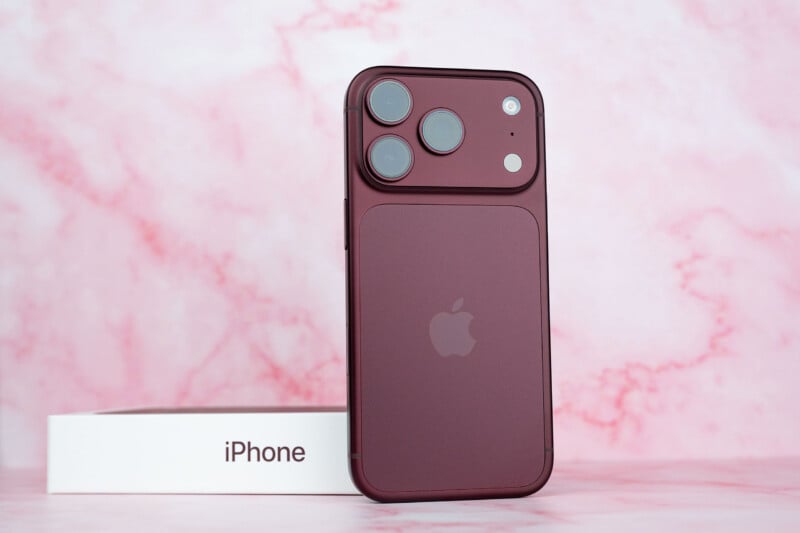
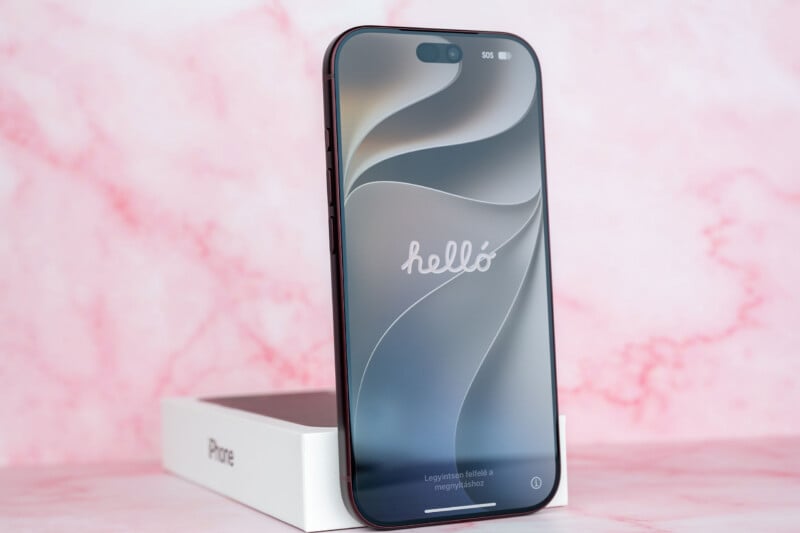
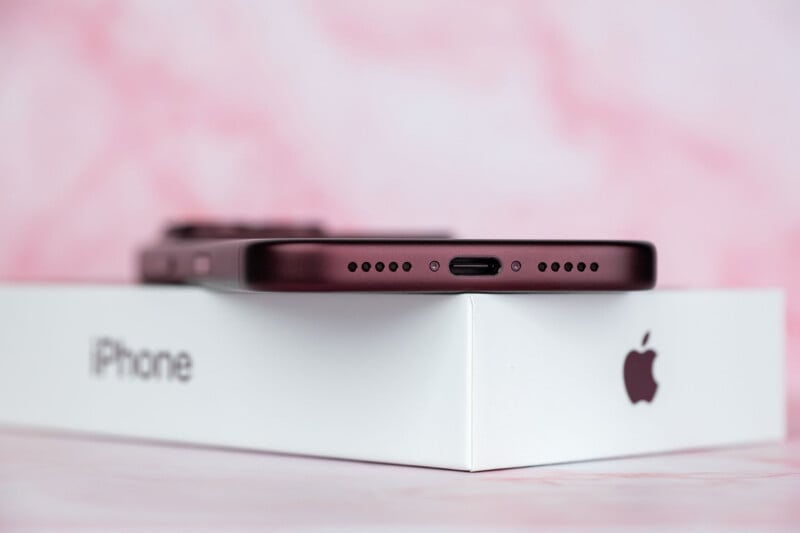
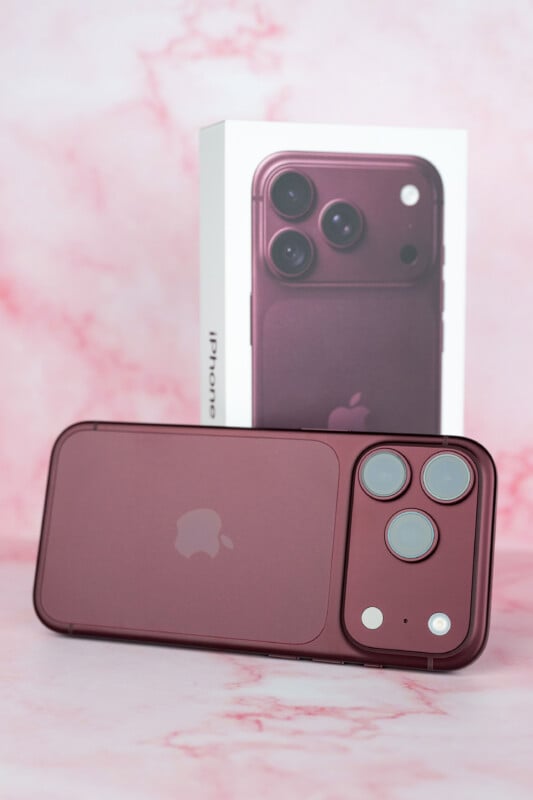
A contributing factor to the iPhone 18 Pro series’ "iterative" feel is its physical design, which remains largely identical to the preceding iPhone 17 Pro models. This marks a departure from Apple’s more frequent aesthetic overhauls in previous years. While some might interpret this as a lack of innovation, the decision carries a distinct pro-consumer advantage: existing cases and accessories from the iPhone 17 Pro series remain compatible. This not only offers convenience for users upgrading from the previous generation but also aligns with broader environmental considerations by reducing manufacturing waste and encouraging longer accessory lifespans.
The primary external alteration lies in the refreshed color palette, introducing burgundy, glacier, silver, and black. The dark burgundy serves as the flagship color, replacing the distinctive orange of the iPhone 17 Pro. While color preference is subjective, early feedback suggests the burgundy hue leans more towards purple, lacking the vibrant red undertones often associated with the color. The glacier option offers a subtle alternative, but for many, the new black variant presents the most appealing choice for its timeless appeal.
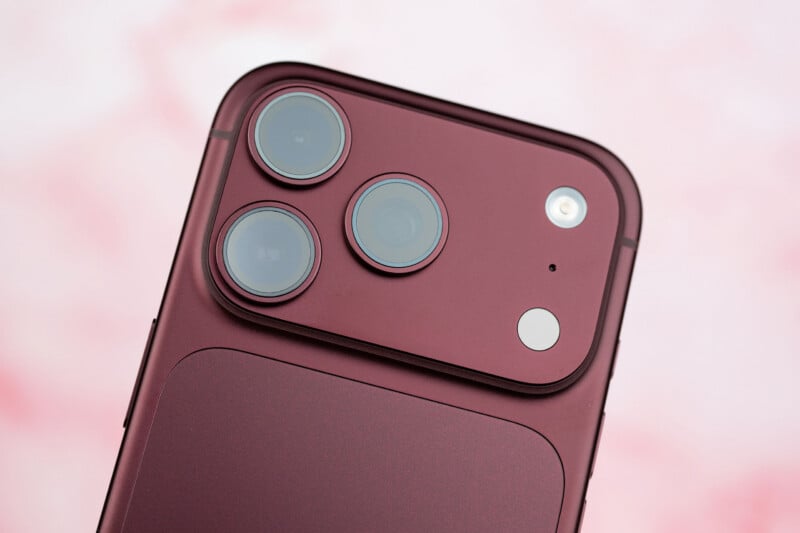
Internally, hardware modifications are primarily concentrated on refining existing capabilities rather than introducing entirely new imaging components. The 48-megapixel main camera retains its resolution but features a significant upgrade to its variable aperture mechanism. This allows for a wider maximum aperture of f/1.48 (a half-stop increase from the previous generation) and the ability to stop down to f/4. The telephoto and ultra-wide lenses, however, remain unchanged. The main sensor’s hardware changes are also linked to the new Apple Reference Image system, rather than direct light-capturing capacity improvements.
A notable observation during testing revealed that when not manually controlled, the iPhone 18 Pro’s main camera dynamically and steplessly adjusts its aperture across the entire f/1.48 to f/4 range, optimizing for scene conditions. This contrasts with the main camera app’s manual mode, which offers four distinct aperture options. The potential for stepless aperture control is a significant technical achievement and opens avenues for third-party developers to offer more granular control in future camera applications.
Further internal refinements include a redesigned processor architecture, mirroring Apple’s M-series chips with integrated memory, and an improved vapor chamber for more efficient and even heat dissipation. These changes contribute to sustained performance under heavy loads, such as extended video recording or intensive computational photography tasks. While the device did exhibit noticeable warming during prolonged use in bright sunlight, it never reached uncomfortable temperatures, and the heat distribution across the device was remarkably uniform, confirming Apple’s design goals.
Despite these advancements, the ultra-wide camera and the display received no discernible upgrades. The ultra-wide lens, in particular, continues to be perceived as the weakest link in the iPhone 18 Pro’s camera array, underscoring a consistent area for potential improvement in future iterations.
The Breakthrough in Photography: Variable Aperture
The inclusion of variable aperture in the iPhone 18 Pro’s main camera was initially met with considerable skepticism, given the historical precedent of other smartphone manufacturers (including Xiaomi, Sony, and Samsung) introducing and subsequently abandoning similar features. The fundamental question was the practical utility of aperture control on a small-sensor smartphone, where depth of field manipulation is inherently limited.
Apple’s implementation, however, is strategically driven by two key photographic considerations. Firstly, a wider aperture (f/1.48) significantly enhances low-light performance by allowing more light to reach the sensor. Secondly, Apple recognized that shooting wide open can introduce a reduction in image sharpness, particularly towards the edges of the frame—a common optical characteristic even in professional full-size camera lenses. To mitigate this trade-off and provide optimal image quality across various conditions, the variable aperture allows the camera to intelligently or manually stop down.
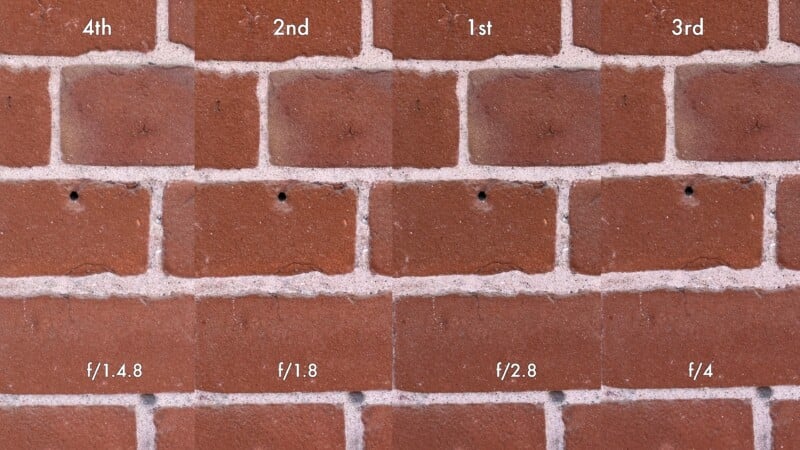
Sharpness analysis revealed that while the f/1.48 aperture significantly improves low-light gathering, it results in a slight decrease in overall sharpness, especially at the image periphery, compared to the f/1.8 setting of the iPhone 17 Pro. The lens achieves peak sharpness at f/2.8, with a minor dip at f/4 due to diffraction, a physical phenomenon that reduces sharpness at very small apertures. The ranking of sharpness, from sharpest to softest, was observed as f/2.8, f/1.8, f/4, and f/1.48.
Beyond managing sharpness, variable aperture unlocks creative possibilities previously unavailable in iPhone photography. The ability to stop down allows for the creation of natural sun stars (or starburst effects) from bright light sources. While the f/1.8 setting produced the most aesthetically pleasing sun stars with well-defined points, caution is advised when the sun is directly in the frame, as the perennial issue of lens ghosting (manifesting as a visible purple blob) persists, albeit diminishing at narrower apertures. The star effect is particularly effective for pinpoint reflections in street photography or for enhancing evening scenes with artificial lights.
While the impact on depth of field is less pronounced than with larger camera systems, the variable aperture provides photographers with greater control over exposure and creative effects, making it a genuinely useful addition rather than a mere gimmick.

Software Innovations: Redefining Mobile Photography
The iPhone 18 Pro introduces five pivotal software enhancements that collectively reshape the mobile photography experience: Pro Controls, a redesigned image processing pipeline supporting Photographic Styles and the new Texture options, an improved autofocus tracking algorithm, and the Apple Reference Image content authenticity system.

Pro Controls: Empowering the Photographer
The long-awaited introduction of Pro Controls within the native camera app is a significant development, finally granting photographers more granular control over critical exposure parameters. Accessible through a customizable menu, users can now manually adjust shutter speed, aperture, and white balance. This move signals a shift in Apple’s historical reluctance to expose complex controls, aiming to balance approachability with professional utility.
A key omission, however, is manual ISO control. Apple explains this decision by citing the extensive computational photography processes, which involve blending multiple exposures, making direct ISO manipulation technically complex within their current framework. While understandable from an engineering perspective, the absence of ISO control remains a drawback for photographers seeking complete manual oversight, particularly for situations demanding the lowest possible ISO for optimal image quality, such as landscape photography or controlled testing environments.
Complementing these controls is the inclusion of a histogram, a crucial tool for accurate exposure assessment. This feature can be easily toggled on/off and repositioned on the screen, offering real-time feedback on tonal distribution. For consistent manual shooting, users must also activate "Preserve Settings" in the device’s main settings menu to prevent the camera app from resetting controls between uses.
Photographic Styles & Texture: Beyond Filters
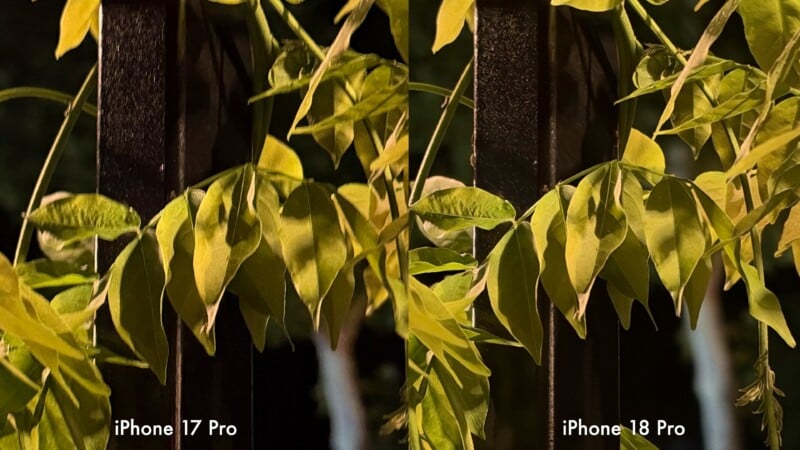
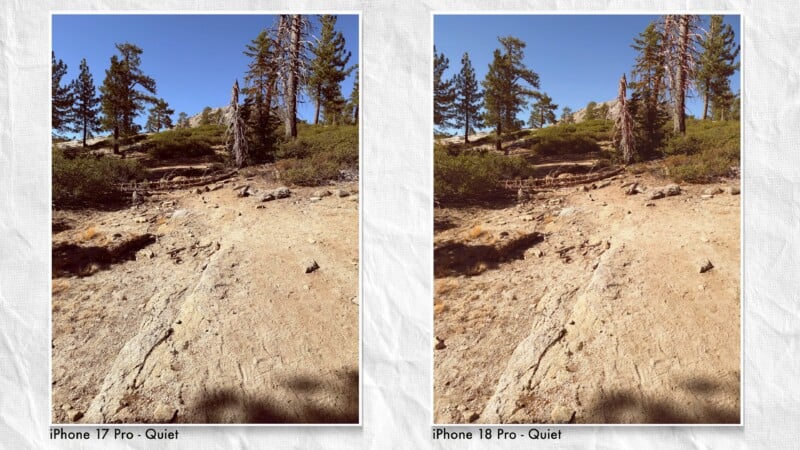
The image processing pipeline in the iPhone 18 Pro has been re-engineered, leading to a noticeable evolution in how Photographic Styles are applied. These styles, which Apple introduced several years ago as an intelligent alternative to simple filters, now offer a more sophisticated "look" that adapts dynamically to the scene, delivering a distinct vibe compared to the iPhone 17 Pro. This represents a further refinement away from basic color grading towards a more nuanced, context-aware aesthetic.

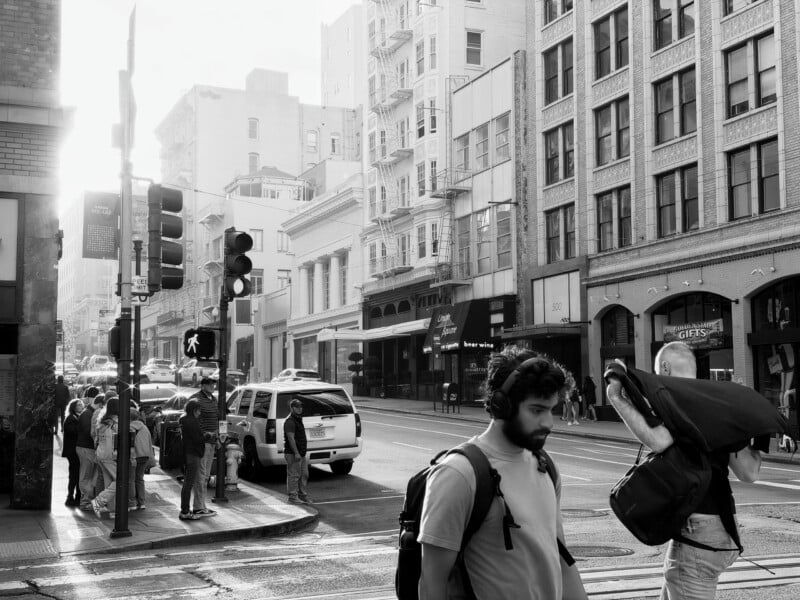
The most impactful addition within the Styles interface is the "Texture" tab, featuring options like Soft Skin, Glow, and Film (with Grain). Initially, these options might evoke skepticism, reminiscent of often-overdone beauty filters or artificial effects. However, Apple’s implementation demonstrates remarkable restraint. Soft Skin, even at its maximum setting, produces a believable and pleasing result. Glow subtly softens highlights, proving particularly effective on skin hot spots.
The "Film" texture, when combined with "Grain," aims to emulate the aesthetic of analog photography. It subtly introduces halation in high-contrast areas, reduces dynamic range, and gently diminishes highlight detail, mimicking the inherent characteristics and limitations of film. The "Grain" feature, which reduces sharpness and adds visual texture, is intelligently applied by Apple’s algorithms to each image. While the absence of a user-adjustable grain slider is a curious omission given the adjustability of other Texture options, the default level is generally well-judged. Grain is automatically enabled with the Film Texture but can be toggled independently or applied to other Texture options.

It’s important to note that Photographic Styles, including the new Texture options, are exclusively available when capturing HEIF (High Efficiency Image File Format) files. They are not compatible with JPEG or RAW formats, as Apple requires the HDR reference data embedded in HEIF files to apply these evaluative, per-photo styles effectively.
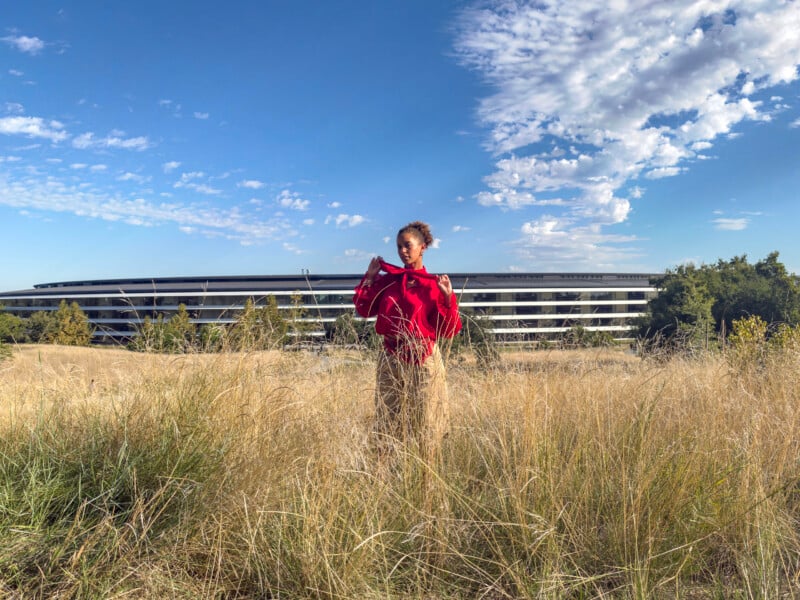
While Portrait Mode continues to offer simulated background blur, the variable aperture does not fundamentally alter its core function. For optimal results in Portrait Mode, it is generally recommended to use the sharpest native aperture (f/2.8) and allow the depth map to generate the desired bokeh, as shooting at the widest or narrowest apertures will sacrifice native sharpness.
Curiously, a new "Smart Take" feature, which automatically captures group photos when the phone is propped up, is debuting on the iPhone Duo but is absent from the Pro series. While Apple cites the Pro’s lack of an integrated stand as the reason, the underlying processing capability is shared, suggesting a software-based limitation that could potentially be addressed.
Advanced Autofocus Tracking
The iPhone 18 Pro introduces a highly impressive autofocus tracking system. Activated by a double-tap on any detected subject (human or otherwise), the system initiates tenacious tracking that rivals professional mirrorless cameras. Once locked, the autofocus demonstrates remarkable "stickiness," maintaining focus even if the subject briefly exits and re-enters the frame, or if other subjects pass in front. This level of persistence is a significant advancement in smartphone autofocus technology.
However, there are some operational caveats. The iPhone’s burst photo mode is incompatible with tracking, as it locks focus at the initiation of the burst. Additionally, while the main camera can achieve rapid burst rates, the frames per second decrease when using the telephoto lens, though tracking performance remains excellent. Despite these minor limitations, the autofocus tracking on the iPhone 18 Pro represents a best-in-class performance for smartphones.
Apple Reference Image: The Future of Authenticity
In an era grappling with deepfakes and misinformation, Apple introduces "Reference Image" as its proprietary solution for content authenticity verification, distinct from the broader Content Authenticity Initiative’s C2PA standard. Apple’s decision to develop its own system stems from concerns about the susceptibility of C2PA implementations to forgery.
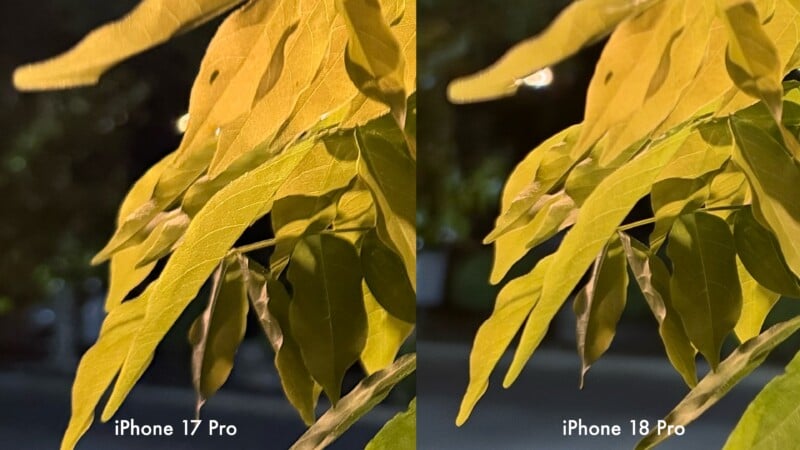
Reference Image requires separate activation in the Settings menu and functions exclusively within its dedicated capture mode, meaning not all photos taken on an iPhone will carry this data. Crucially, it is currently limited to the main camera, providing authenticity data only for 1x and 2x zoom shots. Once a Reference Image is created, any subsequent modifications are meticulously tracked and accessible via a separate metadata button, offering a clear before-and-after view of alterations. At launch, support for viewing Reference Image data is confined to the iPhone 18 Pro, with plans for broader compatibility across computers and web browsers in the future. This technology marks a significant step towards verifiable digital media, with profound implications for journalism, digital forensics, and general trust in online content.
Elevating Videography: Strategic Enhancements

Apple has consistently led the industry in smartphone videography, and the iPhone 18 Pro introduces several significant changes, particularly within the default camera app. The inclusion of Pro Controls for video is a major development, addressing a long-standing desire for manual exposure control within Apple’s native application. This is particularly impactful for videographers who rely on features unique to the default app, such as advanced audio mix options, Cinematic Mode, and superior in-camera stabilization, which often outperforms third-party alternatives like Apple’s own Final Cut Camera.
Manual control over aperture and shutter speed in video is highly beneficial. However, the omission of ISO control presents a more substantial challenge for videographers than for photographers. When shooting in Apple Log format, maximizing dynamic range necessitates shooting at base ISO. Without manual ISO control, videographers cannot guarantee they are operating at this optimal setting, potentially compromising highlight and shadow detail.

The variable aperture, while initially met with skepticism for still photography, proves genuinely useful for video. The f/1.48 to f/4 range offers nearly four stops of exposure control. In 4K video, the effects of diffraction at f/4 and softness at f/1.48 are far less noticeable than in still images, making the entire aperture range practical. However, for bright outdoor shooting, external ND filters remain necessary to achieve cinematic shutter speeds. The ability to stop down is also valuable for close-up product shots, where a shallower depth of field might be undesirable. The stepless adjustment of the aperture mechanism, while currently limited to four discrete steps in the default app, holds significant potential for granular control in professional third-party video applications.
The new autofocus tracking system is arguably even more impactful for videography. Its tenacity and ability to maintain focus even when a subject leaves the frame (a feature found only in select mirrorless cameras with advanced subject detection) is exceptional. The intuitive double-tap to initiate tracking and single-tap for locked focus offers flexibility. However, the interface could be improved with clearer subject highlighting, especially when subjects are close to the frame edges. A notable drawback is that tracking resets every time video recording is stopped, requiring re-engagement for each new clip—a minor inconvenience that could likely be addressed via a firmware update.

Cinematic Mode also sees an important update: depth map recording is now automatic when shooting standard video with the main camera, allowing users to apply or adjust cinematic effects post-capture. While this offers flexibility, the mode remains limited to the main camera and continues to exhibit artificial-looking edge halos around subjects, even when digitally stopped down.
Market Positioning and Alternatives

The iPhone 18 Pro and Pro Max represent a significant, albeit subtly delivered, upgrade. The enhanced photographic and videographic capabilities, particularly the Pro Controls, variable aperture, advanced tracking, and refined Photographic Styles, collectively deliver a superior content creation experience. These changes are most profoundly felt by users directly engaged in capturing photos and videos, transforming the iPhone into an even more capable tool for serious creators.
For consumers considering an upgrade, the iPhone 17 Pro remains a compelling alternative, especially given its identical physical design and likely reduced price point. Its distinctive orange color may also appeal to those seeking a more vibrant aesthetic. Additionally, Apple’s upcoming iPhone Duo, while not primarily focused on camera prowess, could offer a different content consumption experience worth considering for its unique form factor.
Outside the Apple ecosystem, the Xiaomi 17 Pro stands out as a mature camera system, particularly when paired with its dedicated camera case and advanced LOFIC sensor. Its photographic output is excellent, and its video capabilities are strong, though perhaps a slight step behind Apple’s latest. The Google Pixel 11 Pro, conversely, leverages AI heavily for its imaging features and offers notable improvements to its telephoto lens and software enhancements like Magic Capture. However, its video capabilities lag behind both Apple and Xiaomi.
Conclusion and Recommendation

Despite an initial keynote presentation that might have left some feeling underwhelmed, the Apple iPhone 18 Pro and Pro Max deliver substantial and meaningful advancements in both photography and videography. The integration of genuinely useful features like variable aperture, comprehensive Pro Controls, refined Photographic Styles with innovative Texture options, and a class-leading autofocus tracking system elevates the device beyond mere incremental improvement.
The overall photographic experience feels distinctly more capable and creatively empowering. For users upgrading from an iPhone two or three generations old (e.g., the 16 series), the iPhone 18 Pro will undoubtedly feel like a transformative leap. For those transitioning from the immediate predecessor, the iPhone 17 Pro, the full appreciation of these subtle yet impactful differences may emerge only after extended use, as the older interface and less refined features begin to feel comparatively restrictive.

In conclusion, the Apple iPhone 18 Pro and Pro Max are highly recommended. Apple has successfully taken established concepts and, through meticulous engineering and software integration, implemented them in a way that significantly enhances the mobile content creation workflow, making it a powerful tool for a diverse range of users.