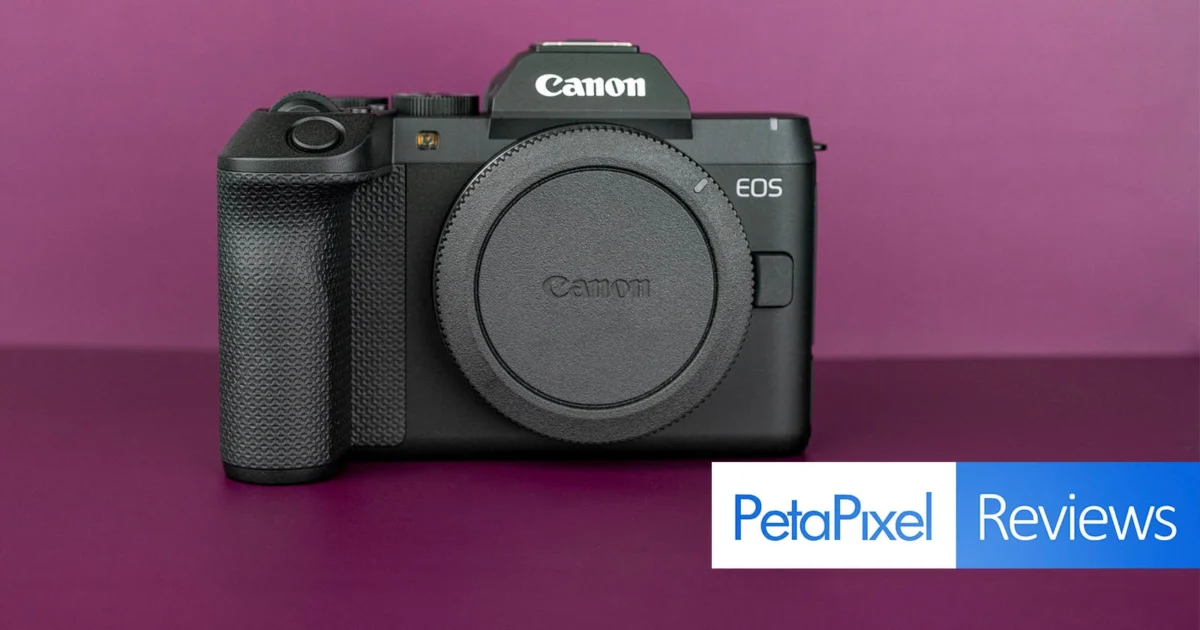
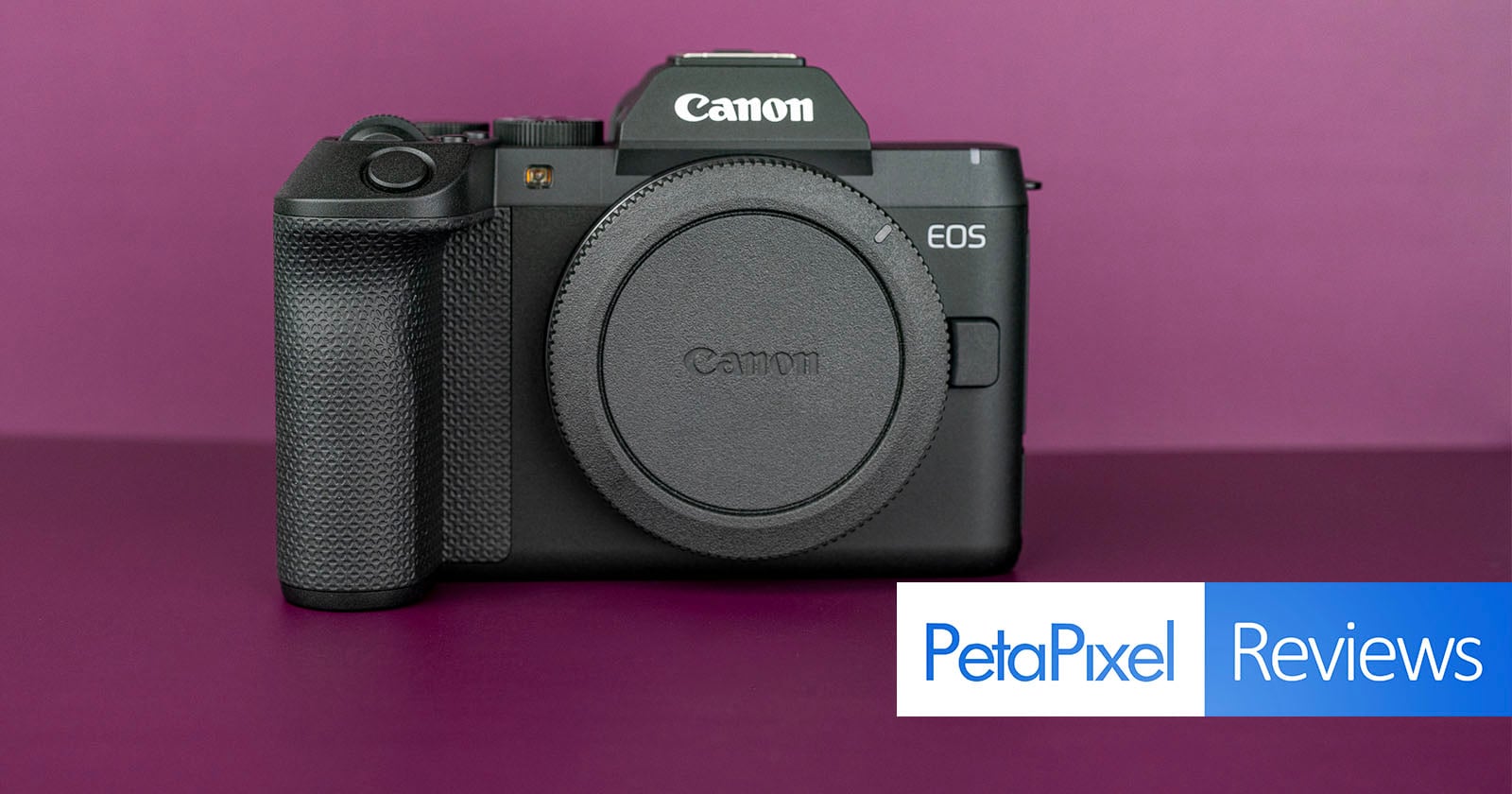
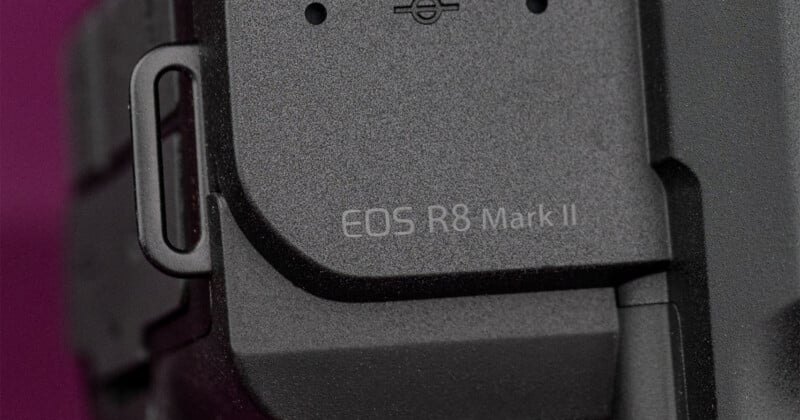
The highly anticipated Canon EOS R8 Mark II has officially been unveiled, marking a significant evolution in Canon’s full-frame mirrorless camera lineup. Despite a strikingly angular new design that departs notably from its predecessor, the R8 II retains the core ethos of the original R8: delivering robust performance in a compact, accessible package. Positioned as a powerful entry-point into Canon’s full-frame mirrorless ecosystem, this latest iteration promises substantial improvements that enhance both photographic and videographic capabilities, aiming to appeal to a broad spectrum of users from aspiring enthusiasts to seasoned content creators.
A Bold Design Reimagined: Bridging Past and Future Aesthetics
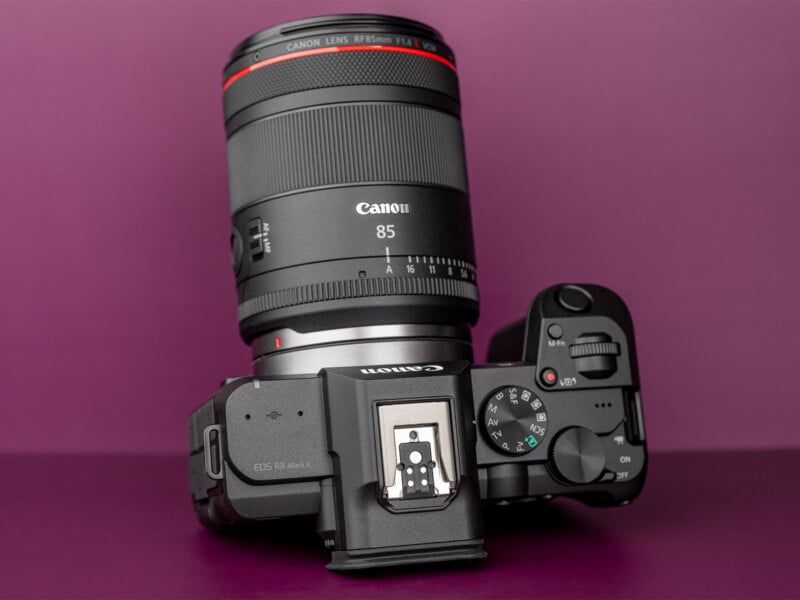
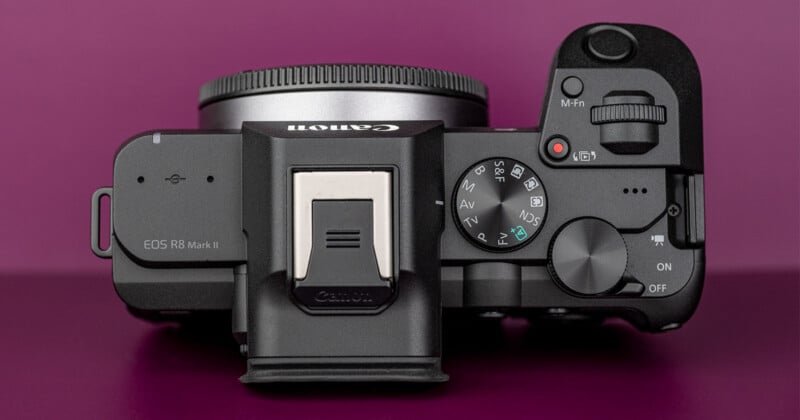
The most immediate and striking aspect of the Canon EOS R8 Mark II is its radical aesthetic overhaul. While the original R8 maintained the familiar, smoothly contoured lines characteristic of the EOS R series, the Mark II embraces a distinctly angular, almost retro-futuristic design. This departure has ignited considerable discussion within the photographic community, with reactions ranging from strong appreciation for Canon’s willingness to innovate to initial surprise at the deviation from established design language.

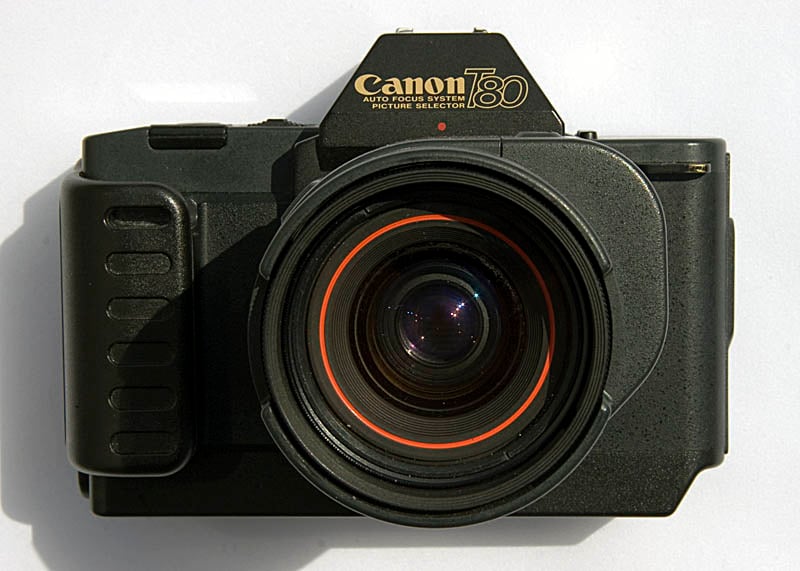
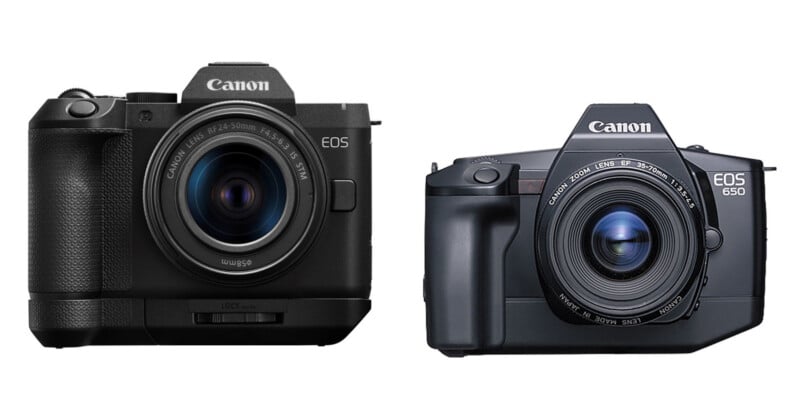
Canon itself has acknowledged these design influences, drawing parallels between the R8 II’s squared-off body and prominent, angular viewfinder housing to historical models. Notably, the company references the 1987 EOS 650, the pioneering camera that launched the revolutionary EOS system and marked Canon’s 50th anniversary. This historical nod suggests a conscious effort to imbue the R8 II with a sense of heritage while pushing contemporary boundaries. Some observers have also noted a resemblance to the 1985 Canon T80, Canon’s first autofocus-equipped 35mm SLR, which similarly featured a pronounced, angular prism. This strategic design choice reflects Canon’s intent to forge a distinct visual identity for the R8 II, potentially signaling a new design direction for future models or a specialized aesthetic for particular segments of its lineup.
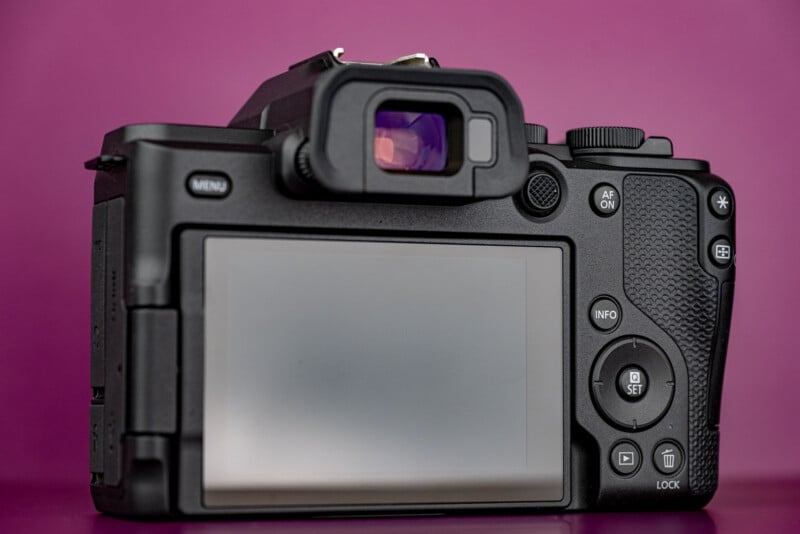
From a tactile perspective, the R8 II’s handling generally aligns with the comfortable and intuitive ergonomics for which Canon mirrorless cameras are known. Despite the visual shift, users familiar with the EOS R system will find the placement of essential dials and controls largely consistent, ensuring a smooth transition. A significant ergonomic enhancement in the Mark II is the inclusion of an autofocus joystick, a feature conspicuously absent in the original R8. This dedicated control greatly improves the speed and precision of AF point selection, a critical advantage for dynamic shooting scenarios and a highly requested feature by users. The previous R8’s stills/video mode switch, located on the top deck, has been integrated into the power switch on the R8 II, a minor but functional re-arrangement that maintains operational efficiency.

The R8 II maintains its predecessor’s display specifications, featuring a 2.36-million-dot electronic viewfinder (EVF) and a 3-inch vari-angle touchscreen LCD with 1.62 million dots. While the EVF provides a perfectly adequate viewing experience, the rear LCD, though versatile due to its vari-angle articulation, can present challenges in extremely bright ambient light conditions, a common observation that Canon may address in future iterations.
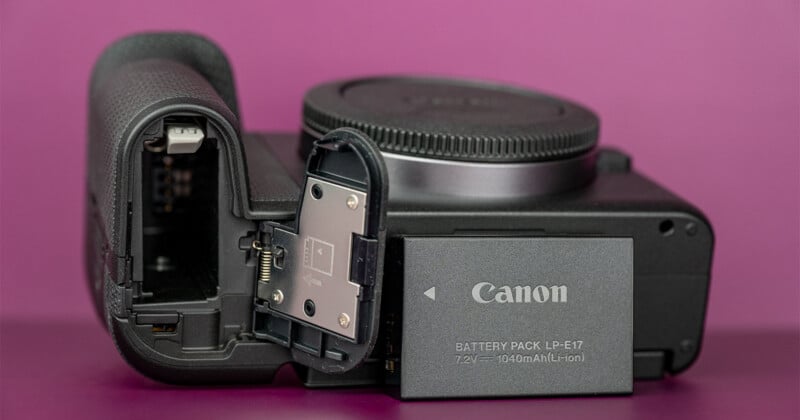
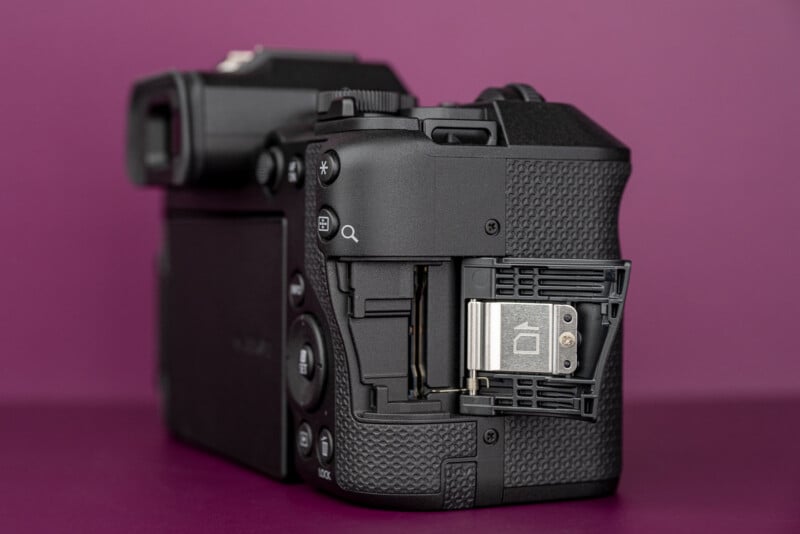
To further enhance comfort and grip, especially when using larger lenses, Canon has introduced an optional extension grip for the R8 II. This $99.99 accessory, while not providing additional battery power, significantly improves the camera’s ergonomics without adding excessive bulk or weight. Testing with the grip demonstrated enhanced stability and comfort, although the camera remains well-balanced and manageable without it. A practical design improvement related to this is the relocation of the single UHS-II SD card slot to the side of the camera body, ensuring accessibility even when the extension grip is attached. The battery compartment, housing the smaller LP-E17 battery, remains at the bottom, accessible with the grip attached.
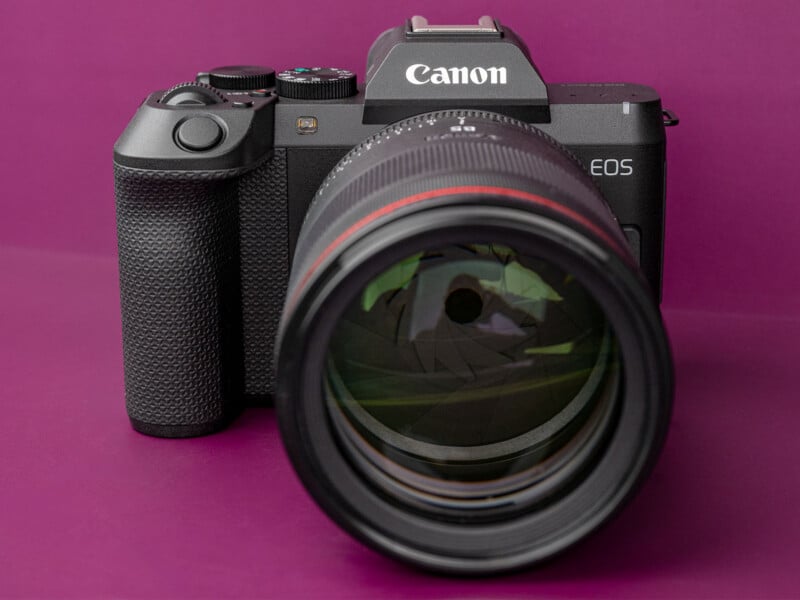
Physically, the R8 II is marginally larger and heavier than its predecessor, a trade-off for its enhanced feature set. Measuring approximately 131.4 x 90 x 79.7 millimeters (5.17 x 3.54 x 3.13 inches) and weighing 546 grams (1.2 pounds), it’s a slight increase from the original R8’s 132.5 x 86.1 x 70mm (5.21 x 3.38 x 2.75 in.) and 461 grams (just over a pound). This additional heft is largely attributed to a crucial new addition: in-body image stabilization (IBIS). The integration of IBIS represents a significant leap forward, providing up to 8 stops of stabilization with compatible RF lenses, drastically improving low-light performance and handheld shooting versatility across a wider range of shutter speeds and focal lengths. This feature alone positions the R8 II as a more versatile and capable tool for a broader array of photographic disciplines.
Unyielding Image Quality from a Proven Sensor
The Canon EOS R8 Mark II leverages the same highly regarded 24.2-megapixel full-frame CMOS image sensor found in both the original R8 and the more advanced EOS R6 Mark II. This strategic choice by Canon ensures a predictable yet consistently high standard of image quality, characterized by excellent detail rendition, robust dynamic range, and faithful color reproduction. While the sensor itself is not new, its continued use underscores its proven capabilities and suitability for a camera aimed at delivering professional-grade results in an accessible format.
Due to the camera’s pre-production status during initial testing, comprehensive pixel-level analysis of final image quality was not feasible. However, based on the established performance of this sensor in previous models, confident conclusions can be drawn. At its base ISO of 100, the R8 II produces sharp, clean images with ample latitude for post-processing, making it a reliable choice for diverse photographic genres.
A notable characteristic inherited from its predecessor is the absence of a mechanical shutter. The R8 II relies primarily on an electronic first-curtain shutter (EFCS) for most standard shooting and a fully electronic shutter for its highest burst rates. While a fully electronic shutter can sometimes introduce dynamic range compromises, EFCS largely mitigates these issues in typical usage scenarios. While EFCS can, in specific circumstances, lead to minor distortions or clipping in out-of-focus areas (bokeh) near the frame edges, this remains a relatively minor concern for the vast majority of users and shooting conditions. The benefits of a simpler, lighter shutter mechanism often outweigh these infrequent visual artifacts.
Performance at higher ISO sensitivities remains impressive, a testament to the sensor’s design and Canon’s image processing prowess. Images captured at ISO 3200 exhibit a fine, consistent grain structure that is aesthetically pleasing rather than distracting, allowing for confident shooting in challenging low-light environments without significant degradation in quality. The extended ISO range, reaching up to 102,400, offers extreme flexibility for niche situations, though optimal results are typically achieved within the native or slightly expanded range.
While the imaging pipeline may not introduce groundbreaking novelty, which might be perceived by some as "unexciting" compared to cameras featuring newer, higher-resolution sensors like the R6 III’s 33-megapixel unit, its reliability and consistent output are undeniable strengths. The R8 II excels at producing high-quality RAW files that provide extensive flexibility for professional-grade editing, along with sufficient resolution for large prints and detailed crops.
For users who prefer to minimize post-processing, the R8 II offers an expanded suite of 16 in-camera Color Filters for JPEG capture. These creative styles, including "Negative Filmtone" and "Positive Filmtone," allow photographers to apply distinct looks directly in-camera, providing an immediate creative outlet without delving into complex editing software. This feature aligns with Canon’s philosophy of making sophisticated tools approachable for beginners while still offering advanced functionality.
Advanced Performance and Precision Autofocus
The Canon EOS R8 Mark II is engineered to be highly user-friendly without sacrificing advanced performance capabilities. It incorporates features designed to ease the transition for photographers migrating from smartphones or entry-level cameras, offering intuitive controls and assistive modes that empower users to grow with their camera. This balance of accessibility and depth ensures that the R8 II is not a "dumbed-down" camera but rather one that supports evolving creative ambitions.
A key performance upgrade lies in its continuous shooting capabilities. Like its predecessor, the R8 II boasts an impressive shooting speed of up to 40 frames per second (FPS) when utilizing its electronic shutter. Crucially, the Mark II significantly improves buffer depth, allowing for approximately 30% more RAW photos or nearly 60% more JPEGs to be captured in a single burst compared to the original R8. This enhanced buffer capacity is vital for capturing fast-moving subjects in sports, wildlife, or action photography, minimizing missed shots due to buffer limitations. The trade-off for this extreme speed is the reliance on the electronic shutter, which can introduce some dynamic range limitations and rolling shutter effects in certain scenarios, but these are generally considered acceptable compromises for the burst performance gained.
Further bolstering its appeal for action photographers, the R8 II features Pre-Continuous Shooting mode, also operating at 40 FPS. This intelligent function buffers images before the shutter button is fully pressed, capturing moments that might otherwise be missed due to human reaction time. This is particularly advantageous for unpredictable subjects like wildlife or decisive moments in sports.
The autofocus system in the R8 II is powered by Canon’s acclaimed Dual Pixel CMOS AF II. This advanced system provides 100% autofocus area coverage, ensuring precise focusing across the entire frame. It also benefits from an improved algorithm compared to the original R8’s system, leading to even faster, more accurate, and more reliable subject tracking. The AI-powered subject detection capabilities are comprehensive, efficiently identifying and tracking humans (eyes, face, head, body), animals (dogs, cats, birds, horses), and vehicles (cars, motorcycles, trains, aircraft). In practical use, the autofocus system demonstrates exceptional accuracy and tenacity, maintaining focus on moving subjects with impressive consistency, even in challenging lighting conditions. The addition of the AF joystick further refines the user’s ability to quickly and intuitively direct the autofocus, making precise composition and tracking more fluid.
Robust Video Capabilities for Hybrid Creators
The Canon EOS R8 Mark II significantly elevates its video recording capabilities, positioning itself as a compelling choice for hybrid photographers and videographers. Recognizing the growing demand for advanced video features in accessible full-frame cameras, Canon has packed the R8 II with enhancements that cater to burgeoning content creators.
Central to its video prowess is the ability to record oversampled 4K video at up to 60 frames per second without any crop. This means videographers can capture stunningly detailed 4K footage that utilizes the full width of the sensor, providing a wider field of view and superior image quality compared to cropped 4K modes found in some competitors. For those venturing into slow-motion capture, the R8 II offers Full HD (1080p) recording at an impressive 180 frames per second, complete with audio recording – a feature often omitted in high-frame-rate modes.
The R8 II also supports Canon Log 3 (C-Log 3) gamma profile, which provides a significantly wider dynamic range, allowing for greater flexibility in color grading during post-production. This professional-grade feature is crucial for matching footage with other cameras and achieving cinematic looks.
The integration of 5-axis in-body image stabilization (IBIS) is a game-changer for video, offering enhanced handheld stability that drastically reduces camera shake. This is further complemented by Canon’s dynamic digital stabilization modes. By introducing a slight crop factor, these digital stabilization algorithms effectively eliminate the characteristic shifting or wobbling often seen at the edges of digitally stabilized footage, delivering smoother, more professional-looking results without the need for external gimbals in many situations.

Despite these advancements, there are a few minor limitations. The histogram, a critical tool for exposure monitoring, disappears once video recording commences, making precise metering during shooting more challenging. Additionally, while Canon promotes a "Cinema View" feature, it primarily functions as a simple 2.35:1 aspect ratio crop, which can easily be achieved in post-production. Its utility is further diminished by the inability to use it concurrently with the C-Log 3 profile, limiting its practical application for serious videography.
Overall, the Canon EOS R8 Mark II delivers a comprehensive and powerful video platform. Its combination of uncropped 4K 60p, high-frame-rate 1080p, C-Log 3, robust autofocus, and the dual benefit of IBIS and digital stabilization makes it an affordable yet highly capable tool for anyone looking to produce high-quality video content or delve deeper into videography. The inclusion of the new Color Filters can also be applied to video, offering quick creative looks for those who prefer an in-camera workflow.

Usability and Power Considerations
The Canon EOS R8 Mark II’s usability is significantly bolstered by several key improvements, most notably the inclusion of in-body image stabilization (IBIS). This feature not only enhances image sharpness in still photography, particularly at slower shutter speeds, but also provides a more stable viewing experience through the viewfinder, which is especially beneficial when using longer telephoto lenses. This makes the R8 II a much more versatile camera for a wider range of shooting conditions and styles compared to its non-stabilized predecessor.

However, one area where the R8 II maintains its predecessor’s characteristics, and potentially its biggest limitation, is its continued reliance on the smaller LP-E17 battery. While Canon states that the Mark II benefits from a more efficient processor leading to improved battery life, the inherent capacity of the LP-E17 remains a constraint for extended shooting sessions. For photographers planning all-day shoots or intensive video recording, carrying at least one, if not two, spare batteries is highly recommended. This is a common point of contention for users of Canon’s more compact full-frame mirrorless cameras, as larger batteries found in models like the R6 II offer significantly greater endurance.
The repositioning of the single UHS-II SD card slot to the side of the camera body is a welcome practical improvement, ensuring easy access for card changes even when the camera is mounted on a tripod or equipped with the optional extension grip. While a single card slot may be a point of concern for professional users who prioritize redundancy for critical work, it is a common specification for cameras in this price and market segment, reflecting its positioning for enthusiasts and advanced hobbyists.

Despite the polarizing design, the R8 II fundamentally maintains the intuitive and comfortable "Canon feel" in its control layout and overall handling. The addition of the autofocus joystick, coupled with IBIS, represents undeniable functional improvements that enhance the user experience across various shooting scenarios. The camera strikes a commendable balance between offering advanced features and maintaining an approachable interface, making it suitable for both those new to full-frame photography and experienced users seeking a capable, lightweight alternative.
Market Positioning and Competitive Landscape
The Canon EOS R8 Mark II is strategically positioned within Canon’s mirrorless lineup and the broader full-frame market. While it incorporates many advanced features derived from the EOS R6 Mark II, it carefully avoids directly encroaching upon the territory of higher-tier models like the R6 III (if we consider a future R6 III with the new 33MP sensor mentioned in the article). The R8 II lacks certain professional-grade specifications, such as a fully mechanical shutter or the rumored higher-resolution sensor, which differentiates it from its more expensive siblings.
However, for its target audience – photographers seeking their first full-frame camera or an accessible, high-performance hybrid body – the R8 II checks the most important boxes. It offers a compelling blend of image quality, speed, and versatility without the premium price tag of professional-grade equipment. At its launch price of $1,899, it presents a significant value proposition, especially considering the added IBIS and autofocus enhancements over its predecessor.

Comparing it to alternatives, the original Canon EOS R8, now available for around $1,349, remains an option, but the Mark II’s substantial improvements, particularly IBIS and the AF joystick, justify its higher price point for most users. For those not tied to full-frame or the Canon ecosystem, several strong competitors exist:
- Nikon Z5 II: Priced competitively at around $1,596 (after a $250 instant savings), the Nikon Z5 II offers a similar blend of affordability and full-frame capabilities. It features a 24.3MP sensor, 5-axis IBIS, and robust ergonomics, making it a direct rival for those without existing lens investments or brand loyalty.
- Sony a7 IV: An older but still highly capable option, the Sony a7 IV can be found on sale for around $2,000 (after a $500 discount). It boasts a higher-resolution 33-megapixel sensor and a wealth of enthusiast-level features, often used for professional work, offering a more resolution-rich alternative for a slightly higher investment.
- Panasonic Lumix S5 II: For hybrid creators prioritizing video features, the Panasonic Lumix S5 II, at $1,900, is a strong L-Mount contender. It offers advanced video recording capabilities, including phase-detect autofocus and impressive stabilization, making it particularly attractive for videocentric workflows.
- Canon EOS R7: While an APS-C model, the R7 is a high-end option within Canon’s cropped-sensor lineup, offering excellent speed and advanced features. However, its "long in the tooth" status suggests it might be due for an update, and it doesn’t offer the full-frame advantage of the R8 II.
The R8 II’s ability to "grow with you" is a key aspect of its appeal. It’s an approachable camera for beginners, offering intuitive modes and in-camera creative options, yet it possesses the advanced controls, professional-grade image quality, and sophisticated video capabilities that allow users to develop their skills and tackle more demanding projects without feeling limited by their equipment. This blend of accessibility and headroom for growth is precisely what an "entry-level" full-frame camera should deliver.
Conclusion: A Meaningful Evolution for Canon’s Accessible Full-Frame
The Canon EOS R8 Mark II represents a significant and compelling evolution within Canon’s mirrorless ecosystem. While its bold, angular design might spark debate, its functional enhancements are unequivocally positive. The integration of in-body image stabilization (IBIS), the highly practical autofocus joystick, and substantial improvements in buffer performance for high-speed shooting collectively elevate the R8 II far beyond its predecessor.

Leveraging the proven 24.2-megapixel full-frame sensor and the sophisticated Dual Pixel CMOS AF II system, the R8 II delivers consistently high-quality stills and robust video performance, including uncropped 4K 60p and C-Log 3 for professional grading. Despite the minor drawbacks of a single card slot and the smaller LP-E17 battery, these are largely overshadowed by its comprehensive feature set and competitive pricing at $1,899.
The R8 II successfully navigates the delicate balance of being an approachable camera for those new to full-frame photography while providing enough advanced capabilities and creative freedom to satisfy more experienced users. It is a camera designed to empower users to expand their photographic and videographic horizons without feeling constrained by their gear. For anyone seeking a highly capable, accessible full-frame mirrorless camera that promises long-term utility, the Canon EOS R8 Mark II stands out as a strong recommendation, representing a meaningful stride forward for Canon in the competitive mirrorless market.