Yellowstone National Park, a beacon of natural wonder spanning 2.2 million acres across Wyoming, Montana, and Idaho, is currently grappling with an unprecedented challenge: a record-setting volume of litter accumulating within its ecologically sensitive hydrothermal areas. Park staff, whose duties encompass a vast array of essential conservation and operational tasks, have reported collecting over 20,100 individual pieces of trash from iconic geothermal features such as Old Faithful, the Midway Geyser Basin, and the historically significant Morning Glory Pool. This alarming figure, documented as of early this month, represents the highest quantity of foreign material ever removed from these delicate ecosystems, underscoring the escalating pressures faced by one of America’s most cherished national parks.
The findings were brought to public attention through the Yellowstone Volcano Observatory’s (YVO) latest weekly Caldera Chronicles post, a regular publication detailing geological activity and related observations within the park. The report, subsequently highlighted by DPReview, revealed a diverse and often perplexing array of items, with a notable concentration of photography equipment, particularly lens caps. This situation not only poses significant environmental risks but also brings into sharp focus the complex interplay between massive visitor numbers and the imperative of wilderness preservation.
The Delicacy of Yellowstone’s Hydrothermal Features
Yellowstone’s hydrothermal features are globally unique, representing the world’s largest and most diverse collection of geysers, hot springs, mudpots, and fumaroles. These geothermal marvels are sustained by a complex subterranean plumbing system connected to the Yellowstone supervolcano, driving superheated water to the surface. Their vibrant colors, often attributed to thermophilic microorganisms, and their powerful geysers like Old Faithful, draw millions of visitors annually. However, this very popularity, coupled with the inherent fragility of these ecosystems, creates a constant vulnerability to human impact.
The introduction of foreign materials, regardless of their composition, can have profound and often irreversible consequences. As the Yellowstone Volcano Observatory explicitly states, "Foreign material of any kind can damage or permanently alter a hydrothermal feature, whether from clogging its water supply, blocking or diverting its runoff channel, or polluting it with chemicals and sediment." This scientific assessment highlights the multi-faceted threat posed by litter, extending beyond mere aesthetic blight to fundamental ecological disruption.
A prime historical example of such damage is the Morning Glory Pool in the Upper Geyser Basin. Once celebrated for its vivid blue hue, reminiscent of the morning glory flower, the pool underwent a dramatic color transformation in the 20th century. This change was directly attributed to visitors consistently throwing coins, rocks, and other debris into its depths. The accumulation of these objects, particularly sediment and chemical contaminants, partially blocked the circulation of hot water and altered the pool’s temperature, leading to a shift in the dominant microbial communities. The cooler water favored orange and yellow bacteria, gradually obscuring the pool’s iconic blue, a stark visual testament to human impact. The ongoing efforts to remove debris are, in part, a response to preventing similar fates for other pristine features.
A Closer Look at the Debris: From Lens Caps to Life’s Detritus
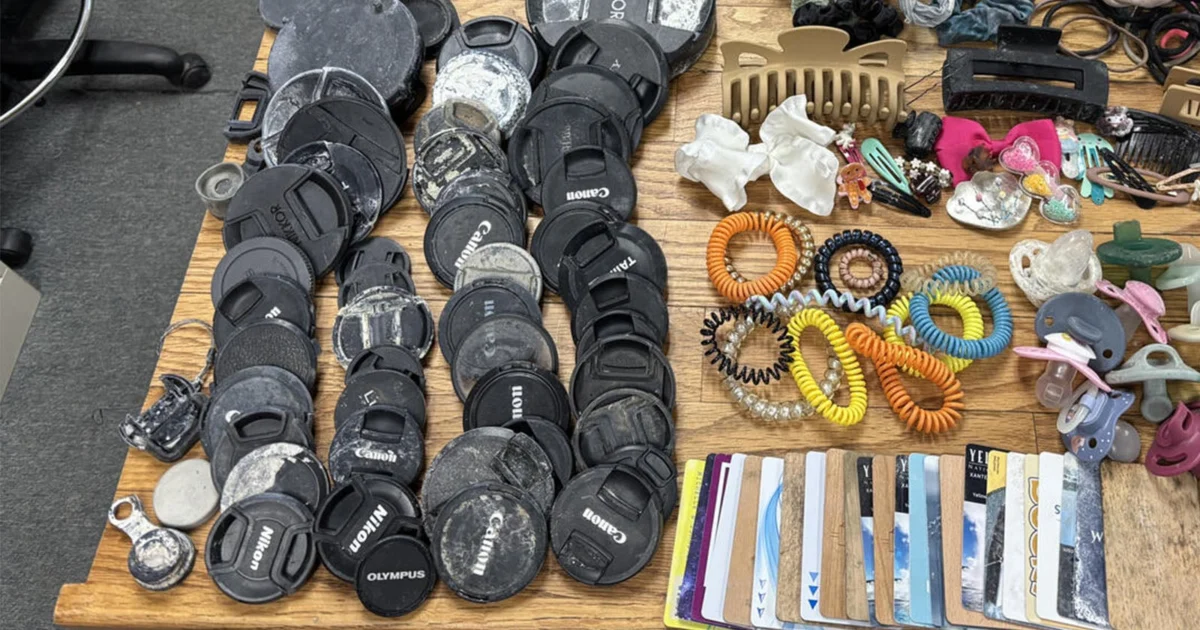
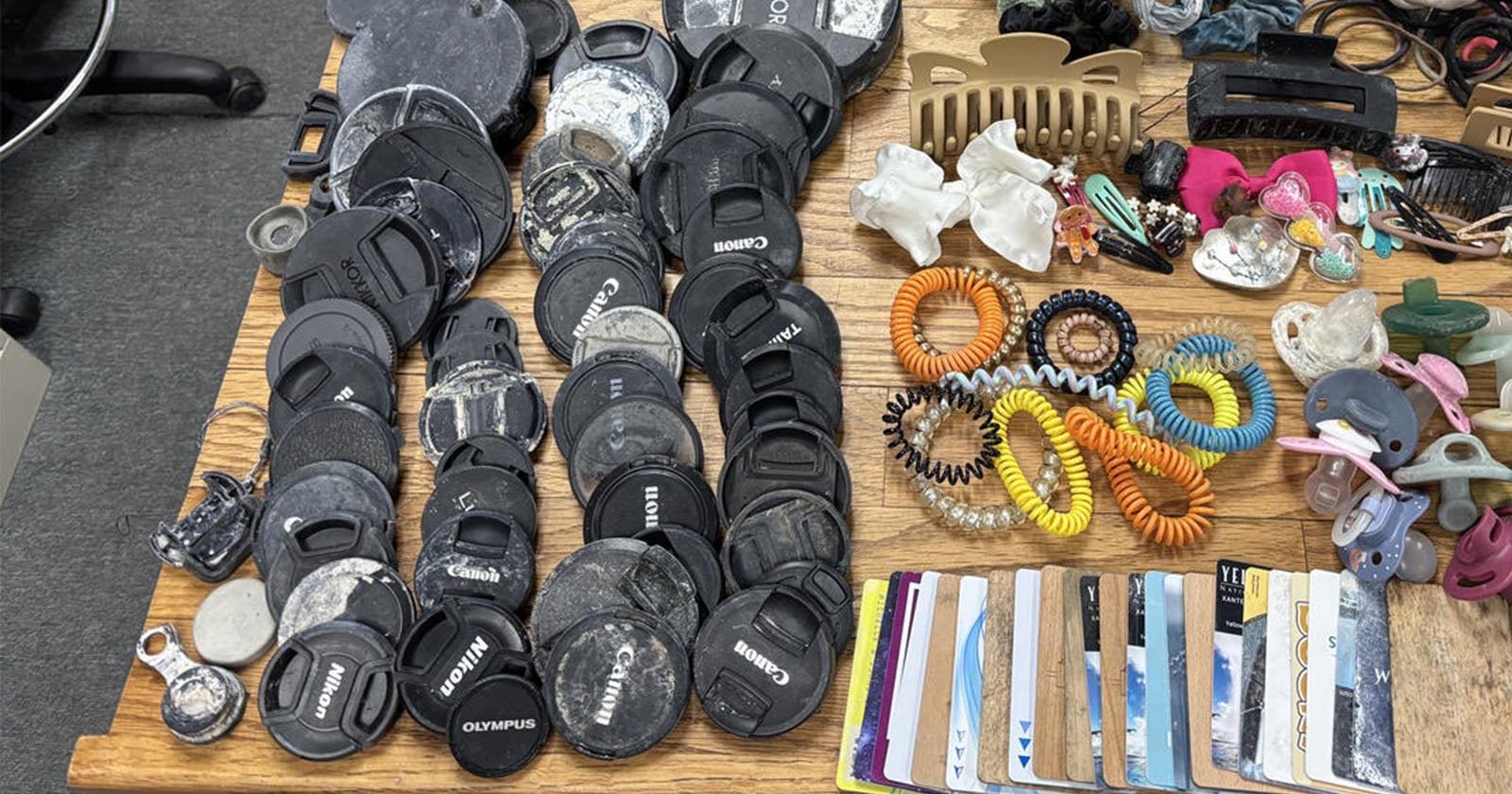
The comprehensive cleanup operation, spearheaded by Yellowstone’s Geology team, cataloged the myriad items retrieved from these sensitive areas. The sheer volume and variety of the collected trash paint a vivid picture of the challenges faced by park management. Among the more frequently encountered items are, perhaps surprisingly to some, lens caps. The team reported collecting 54 lens caps, a significant figure that underscores the prevalence of photography in the park and the accidental loss of equipment by visitors focused on capturing its beauty. The images released by the park showcase a mix of brands, including Nikon and Canon, alongside camera body caps, binocular caps, and even a lens hood, suggesting that no piece of photographic gear is entirely immune to the forces of wind or gravity.
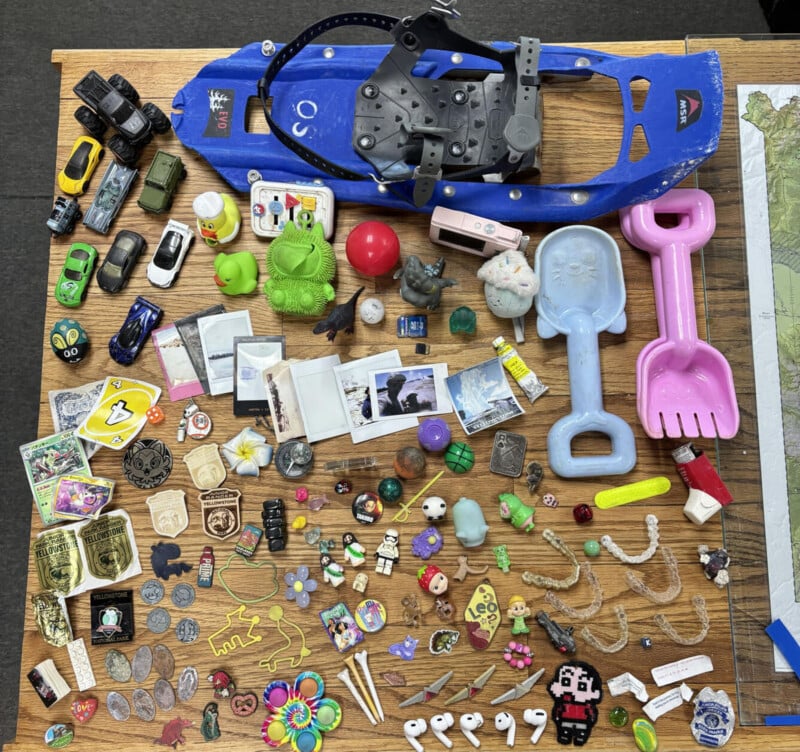
Beyond camera accessories, the collection included a staggering 280 hats, ranging from everyday baseball caps to more novelty items like a World Cup hat and a Roblox bucket hat. These items, once cleaned, are intended for donation to local organizations, representing a small silver lining in an otherwise concerning situation. Other peculiar finds included pacifiers, hair accessories, plastic cards, toy cars, small figurines, and even plastic dental aligners, illustrating the broad spectrum of personal effects that inadvertently—or intentionally—find their way into the springs.
A particularly troubling category of discovery involves currency. The team recovered $18 worth of coins this summer, a clear indication that some visitors perceive the geothermal pools as "wishing wells" rather than fragile geological formations. This practice, while seemingly innocuous, introduces metallic elements and other contaminants into the water, further disrupting the delicate chemical balance of these features. Furthermore, seven instant prints were retrieved, suggesting moments captured by visitors that were subsequently lost to the elements.
The "Why": Accidental Losses vs. Intentional Disregard
The reasons behind the accumulation of debris are multifaceted, ranging from genuine accidents to deliberate acts of littering. Yellowstone National Park attracts approximately 4.5 million visitors annually, a number that has seen significant growth over recent decades. With such a massive influx of people, even a small percentage of accidental drops or careless actions can lead to substantial accumulation.
Accidental Drops: Many items, particularly lighter objects like hats, tissues, and lens caps, are often lost due to strong winds prevalent in many open areas of the park. Visitors, engrossed in the scenery or photographing wildlife, may not secure their belongings adequately. Other items might slip from pockets or bags while leaning over boardwalks to view features. The park explicitly advises photographers against attempting to retrieve dropped lens caps or other items from geothermal areas due to the extreme temperatures, unstable ground, and potential for severe injury. The dangers associated with these features, including scalding hot water and fragile sinter formations, make any attempt at self-retrieval highly perilous.
Intentional Littering: Unfortunately, a segment of visitors knowingly discards trash. This can stem from a lack of environmental awareness, a disregard for park regulations, or a misguided belief that these natural features are receptacles for wishes or discards. The coins found are a direct testament to the "wishing well" misconception, while other items might be abandoned out of laziness or a failure to locate proper trash receptacles. This behavior not only degrades the natural beauty of the park but also undermines the collective efforts to preserve it.
Environmental and Ecological Implications
The environmental implications of this record-breaking trash accumulation extend far beyond aesthetics. The unique chemistry and biology of Yellowstone’s hydrothermal systems are incredibly sensitive to external influences.
- Chemical Pollution: Items like coins, plastics, and certain fabrics can leach chemicals into the hot spring waters. Metals can introduce heavy elements, while plastics can break down into microplastics, altering the water’s chemical composition and potentially harming the unique microbial life that thrives in these extreme environments. These microorganisms, known as extremophiles, form the base of the food web in these unique ecosystems and play a critical role in the colorful appearance of many springs.
- Physical Alteration: Larger items can physically obstruct the vents and runoff channels of geysers and hot springs. Blocked vents can alter eruption patterns, reduce water flow, or even lead to the cessation of activity. The accumulation of sediment from disintegrating debris can also fundamentally change the physical characteristics of a feature, as seen with Morning Glory Pool.
- Habitat Disruption: Even seemingly inert items can disrupt delicate microbial mats and other fragile habitats. The physical presence of foreign objects can inhibit the growth of these organisms or create artificial substrates that favor non-native species, leading to ecological imbalances.
- Safety Hazards: Beyond the direct environmental impact, some debris can also pose safety risks to both visitors and wildlife. Sharp objects, for instance, could injure animals, and the mere presence of large amounts of litter detracts from the wilderness experience the park aims to provide.
Park Management’s Ongoing Battle and Official Responses
The Yellowstone National Park staff, particularly the Geology team responsible for monitoring and managing the park’s geothermal resources, are at the forefront of this ongoing battle. Their efforts to remove over 20,100 pieces of trash this year highlight an extraordinary dedication to conservation, but also signal a growing strain on resources. The labor involved in safely retrieving items from hazardous hydrothermal areas is considerable, requiring specialized knowledge and equipment, and diverting staff from other crucial duties.
The park employs a multi-pronged approach to address the issue:
- Direct Removal: The most immediate and visible action is the physical removal of debris. This is a continuous, labor-intensive process, often performed under challenging and dangerous conditions.
- Public Education Campaigns: Yellowstone National Park, in conjunction with organizations like the Yellowstone Volcano Observatory, consistently issues public advisories and educational materials. These initiatives aim to inform visitors about the fragility of the park’s ecosystems, the dangers of approaching hydrothermal features, and the importance of responsible behavior.
- "Leave No Trace" Principles: The park actively promotes the "Leave No Trace" ethos, a set of outdoor ethics that encourage minimal impact on natural environments. Key tenets include disposing of waste properly, respecting wildlife, and leaving what you find. For hydrothermal areas, this translates to staying on designated boardwalks and trails, securing belongings, and never throwing anything into the features.
- Enforcement: While the emphasis is on education, park rangers are authorized to enforce regulations regarding littering and staying on designated paths. Violations can result in fines or other penalties.
The official messaging from the Yellowstone Volcano Observatory team is clear and direct: "Curious how you can help? If you’re traveling through Yellowstone National Park, especially in hydrothermal areas, make sure to ‘stash your trash’ – put wrappers, tissues, and other easily windblown items deep in your pockets, a bag, or, even better, a trash can! If you’re adventuring in a windy area, consider tightening or taking off your hat. And remember, trails and boardwalks keep you safe, so stay on the path!" This statement encapsulates the core preventative measures visitors can take to mitigate the problem.
Broader Implications and the Future Outlook
The record amount of trash collected in Yellowstone’s hydrothermal areas is not an isolated incident but rather a microcosm of broader challenges facing national parks and protected areas worldwide. As global tourism continues to expand, the delicate balance between providing public access to natural wonders and preserving these environments for future generations becomes increasingly precarious.
The economic cost of cleanup operations, the ecological damage, and the erosion of the wilderness experience are significant implications. For Yellowstone, maintaining the integrity of its geothermal features is paramount, not only for scientific study but also for its status as a UNESCO World Heritage site and a symbol of American conservation.
The data from Yellowstone serves as a powerful reminder that every visitor plays a critical role in conservation. The future health of these irreplaceable natural treasures hinges on individual responsibility and collective adherence to ethical wilderness practices. While park staff will continue their tireless efforts, the long-term solution lies in fostering a deeper understanding and respect for the environment among the millions who seek to experience its majesty. The ongoing narrative from Yellowstone’s geothermal basins is a call to action for mindful tourism and a renewed commitment to preserving the pristine beauty of our planet’s most extraordinary landscapes.