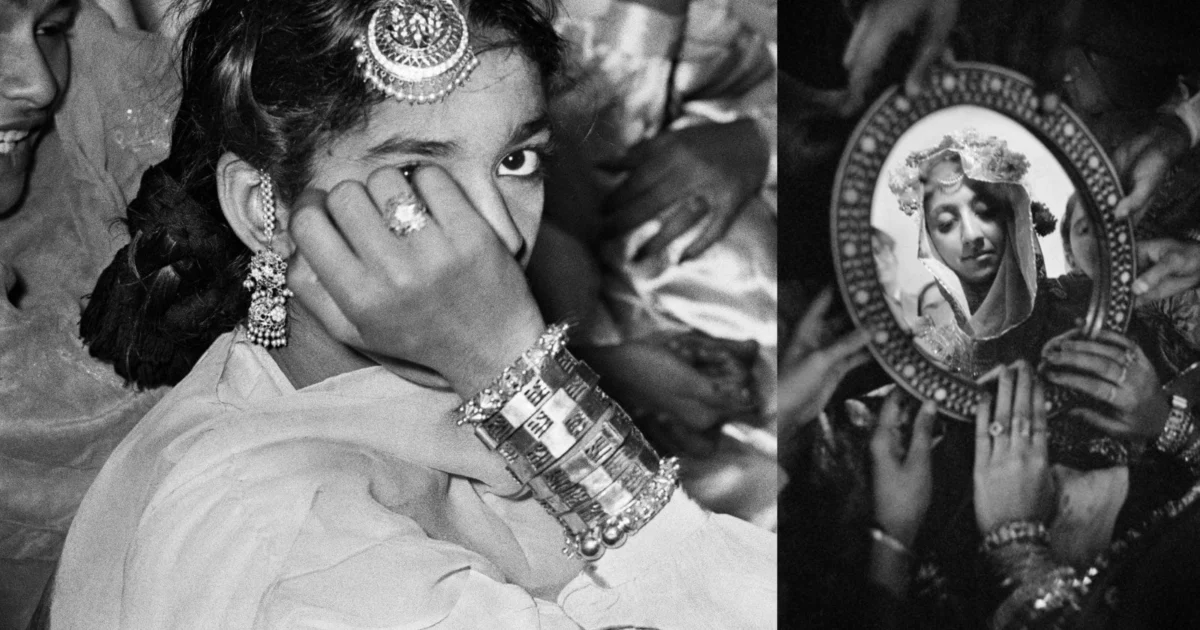
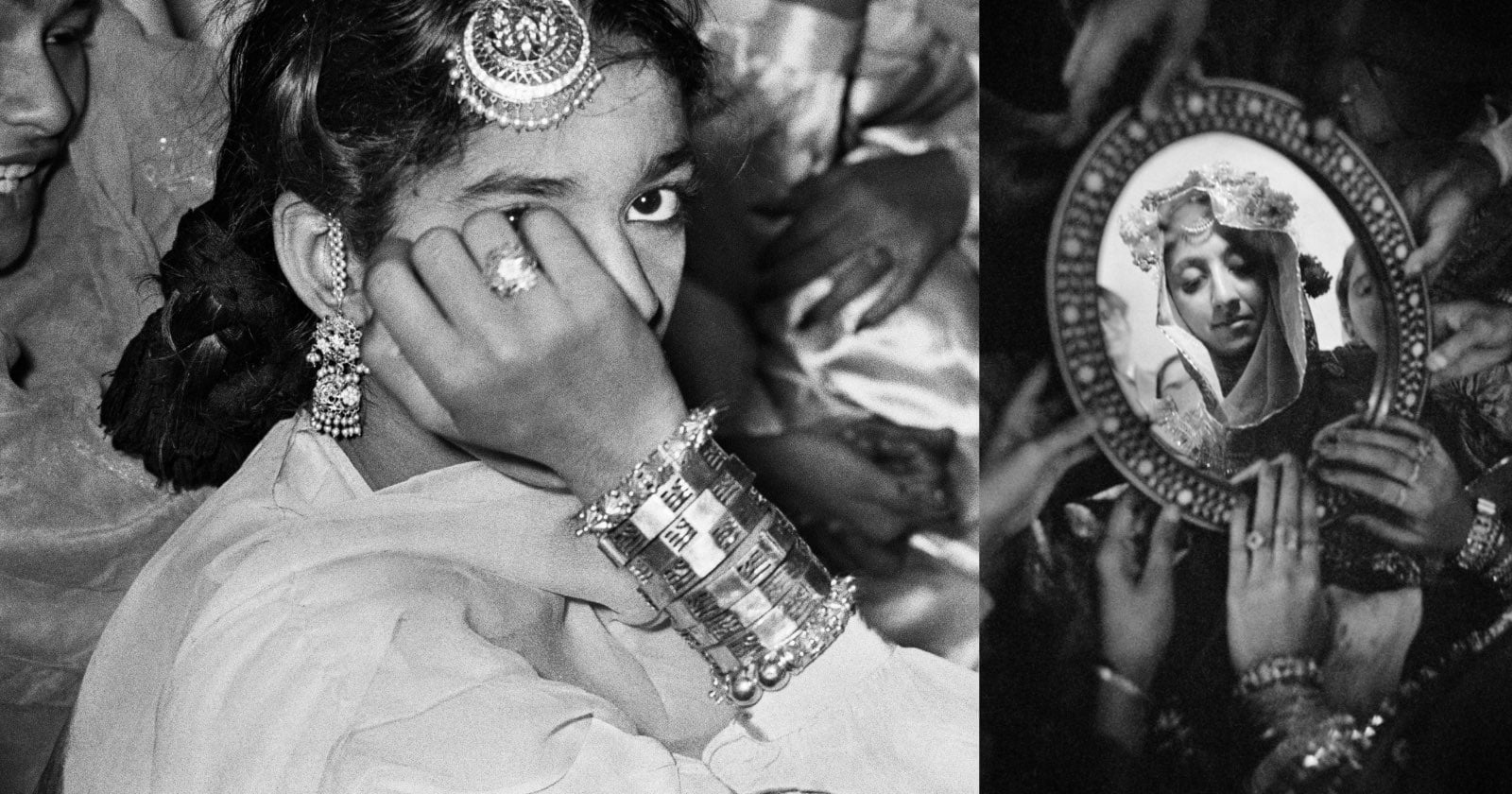
A newly released volume, Frank Horvat. The Birth of a Photographer / La naissance d’un regard, published by Kehrer Verlag, offers an unprecedented exploration into the foundational work of the late Frank Horvat, tracing his impactful two-year photographic odyssey through India and Pakistan in the early 1950s. This pivotal period, which Horvat himself described as "the true starting point of my journey as a photographer," is revealed through approximately 100 black-and-white images, many of which are being presented collectively for the first time, illuminating the profound influence this experience had on the artist who would become one of the most innovative and celebrated fashion photographers of his era.
Early Life and the Genesis of a Photographer
Born in 1928 in Abbazia, Italy (now Opatija, Croatia), Frank Horvat’s early life was marked by the tumultuous backdrop of World War II. As a young Hungarian Jewish refugee, he found asylum in Switzerland, a period that subtly began to shape his worldview and artistic inclinations. It was during this time that he first encountered Indian soldiers, a meeting that sparked a nascent curiosity about the subcontinent, laying the groundwork for a future journey that would define his artistic trajectory. Horvat’s early exposure to diverse cultures and the complexities of human experience, even before picking up a professional camera, instilled in him a unique sensitivity and an empathetic lens through which he would later capture the world.
His passion for photography blossomed in the immediate post-war years. While the broader world was still grappling with recovery, Horvat, a keen observer, began to hone his skills. Unlike many of his contemporaries who might have followed more conventional paths, Horvat displayed an early penchant for experimentation and a drive to push the boundaries of photographic expression. It was this pioneering spirit that would lead him to embrace the nascent reportage techniques and the then-revolutionary 35mm film camera, tools that would become central to his distinctive style.
The Subcontinental Odyssey: 1952-1954
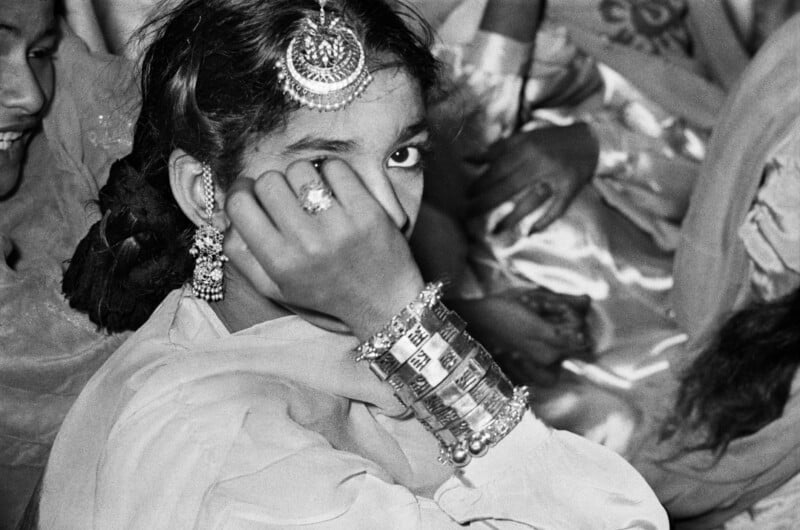
In 1952, at the relatively young age of 25, Horvat embarked on a transformative expedition to India and Pakistan. These nations, having gained independence just five years prior in 1947, were still navigating the complexities of nation-building, cultural identity, and societal transformation in the wake of British colonial rule and the partition that created Pakistan. This timing provided Horvat with a unique opportunity to document societies in flux, capturing moments of profound historical and cultural significance.
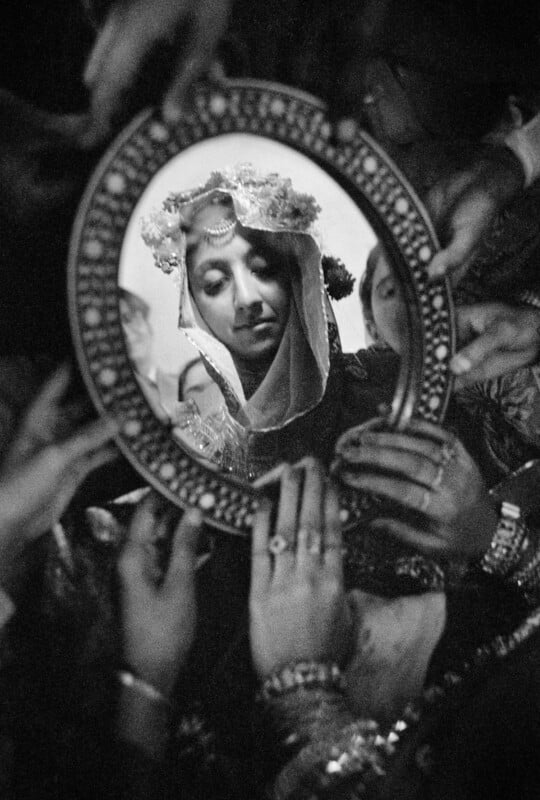
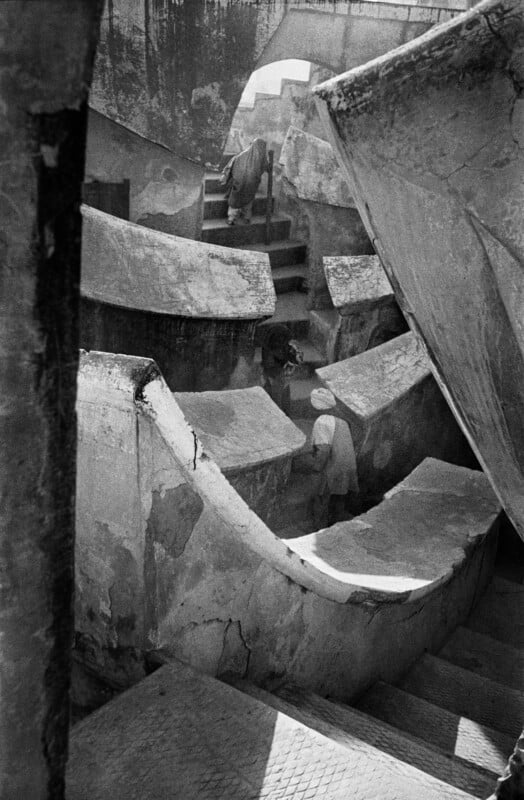
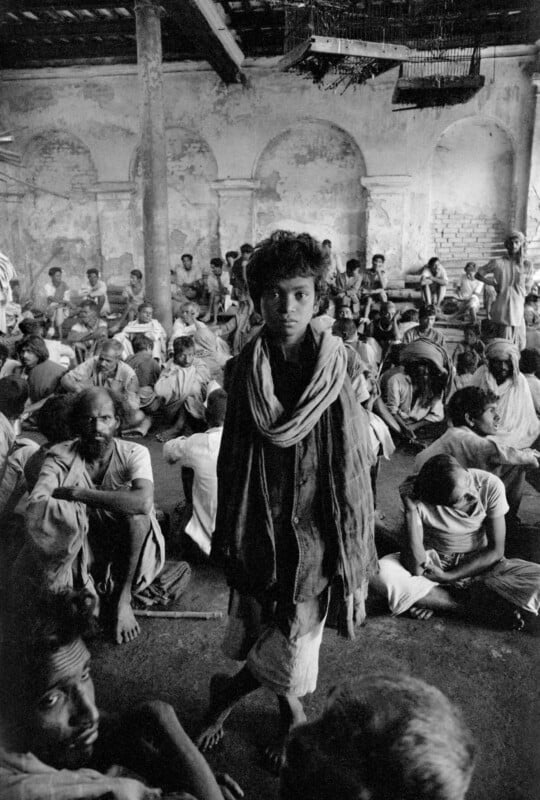
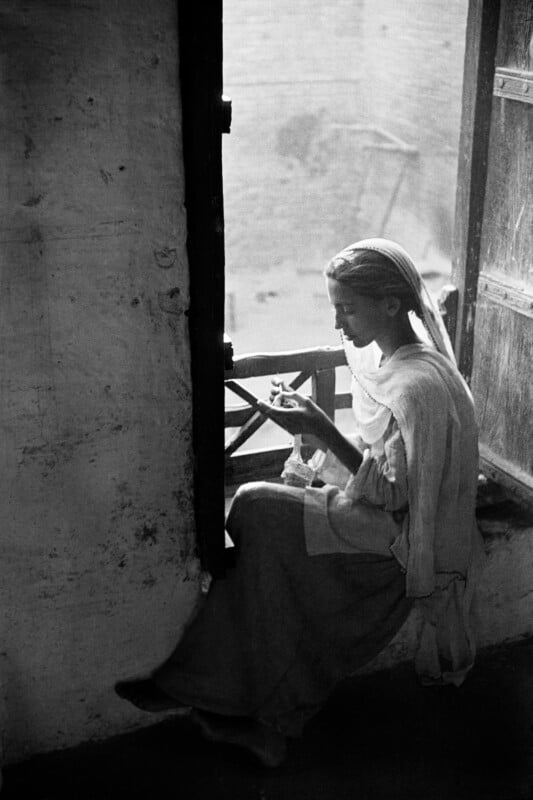
His two-year sojourn was not merely a tourist’s gaze but a deeply immersive experience. Horvat traversed diverse landscapes, from the bustling bazaars of Lahore, Pakistan, to the ancient astronomical instruments of Jantar Mantar in New Delhi, India, and the serene, yet intense, spiritual gatherings in Bihar. He photographed the everyday lives of people – women engaged in needlework in Karachi, men in contemplative prayer in Bombay, and the poignant gathering of beggars in Calcutta. Each frame captured a slice of life, imbued with a raw authenticity that transcended mere documentation. His images from this period, such as the evocative "Red-light district of Hira Mandi, Lahore, Pakistan, 1952" or "Husband discovering the face of his wife in a mirror, Lahore, Pakistan, 1952," showcase an intimate engagement with his subjects, revealing stories beyond the surface.
This journey proved to be a crucible for Horvat’s photographic methodology. He embraced the flexibility and immediacy of the 35mm camera, allowing him to capture candid moments and dynamic street scenes with a spontaneity that was then uncommon in many photographic genres. His approach mirrored that of photojournalists, seeking to tell stories through unposed, naturalistic imagery, a technique he would later famously adapt to the world of high fashion. The images from this period are characterized by their striking compositions, mastery of light and shadow, and an unwavering commitment to human dignity, even amidst poverty or vulnerability.
The "True Starting Point" and International Recognition
Upon his return from the subcontinent, Horvat’s work quickly garnered international attention. His photographs from India and Pakistan were published in prestigious European and American publications, signaling the emergence of a significant new talent. This early recognition validated his unconventional approach and provided the impetus for his subsequent groundbreaking career.
A testament to the profound impact and artistic merit of his early work came in 1955 when Edward Steichen, the legendary curator of photography at The Museum of Modern Art (MoMA) in New York, selected one of Horvat’s images for the landmark exhibition, The Family of Man. The chosen photograph, a compelling portrait of a bride taken in Pakistan in 1952, stood alongside works by some of the greatest photographers of the 20th century. Steichen’s decision to include Horvat’s image in an exhibition that celebrated the universality of human experience was a powerful endorsement of his ability to capture profound emotion and cultural nuance. The Family of Man, which toured the world and was seen by millions, solidified Horvat’s reputation on a global scale and placed his nascent career firmly within the canon of modern photography. This inclusion not only brought his work to a vast audience but also underscored the timeless quality of his observations from India and Pakistan.
Horvat himself reflected on this period with profound clarity, stating, "It seems to me that these images ‘go beyond the subject’, and more generally, that this trip was the true starting point of my journey as a photographer." This statement encapsulates the transformative nature of his experiences, suggesting that his time in South Asia was not merely a photographic assignment but a foundational education in seeing, understanding, and depicting the human condition.
Pioneering Fashion Photography with a Photojournalistic Eye
While the original article highlights Horvat’s later renown in fashion photography, the new book Frank Horvat. The Birth of a Photographer vividly demonstrates how his experiences in India and Pakistan were instrumental in shaping this iconic style. In the mid-1950s, when Horvat transitioned into fashion, the industry was largely dominated by studio photography, characterized by static poses, artificial lighting, and a detachment from real-world contexts. Horvat, influenced by his photojournalistic expeditions, revolutionized this landscape.
He was among the first artists to infuse fashion photography with the dynamism and authenticity of reportage. By taking models out of the studio and onto the streets, into everyday environments, and employing the flexible 35mm camera, he introduced a sense of narrative and naturalism previously unseen. His fashion images often felt like stolen moments, capturing movement, emotion, and interaction, much like his documentary work from India and Pakistan. This innovative approach, deeply rooted in his early ethnographic explorations, lent his fashion photographs an unparalleled vitality and realism, blurring the lines between art, journalism, and commercial photography. He worked for prestigious publications such as Vogue, Harper’s Bazaar, Life, and Stern, leaving an indelible mark on the visual language of fashion.
Later Career and Enduring Legacy
Horvat’s photographic opus extended far beyond fashion. His curiosity and artistic drive led him to explore photojournalism, portraiture, landscape, nature, and sculpture throughout his extensive career. He briefly joined the esteemed American picture agency Magnum Photos, a collective of documentary photographers known for their uncompromising vision, further cementing his status as a serious photojournalist.
In the 1970s, Horvat relocated to Paris, a vibrant hub for artistic innovation, where he continued to evolve his practice. He was an early adopter of new technologies, embracing digital cameras and Photoshop with an open mind, demonstrating a lifelong commitment to experimentation and adaptation. His willingness to explore new tools and techniques ensured that his work remained fresh and relevant across several decades.
Horvat returned to India in 1962, nearly a decade after his initial, formative journey. This return trip provided another layer of insight, allowing him to revisit themes and perhaps observe the changes that had unfolded in the rapidly developing nation. Images from this later trip, such as "Beggar assembly, Calcutta, India, 1962" and a striking low-angle shot of men in dhotis in Calcutta, further enrich the narrative of his engagement with the region, showcasing a continued sensitivity and depth of observation.
Frank Horvat continued to photograph, publish, and exhibit his work until his passing in 2020 at the age of 92. His legacy is multifaceted: a fashion photography pioneer, a keen documentarian, and an artist who consistently challenged conventions. The new book, Frank Horvat. The Birth of a Photographer / La naissance d’un regard, serves as a crucial retrospective, not just of his early work, but of the very genesis of his unique artistic voice. It allows contemporary audiences and future generations to understand the foundational experiences that underpinned the creative journey of a master photographer whose influence continues to resonate within the photographic world. This collection offers a compelling narrative of how an immersive journey to a distant land, undertaken by a young, aspiring artist, could fundamentally alter the course of an entire career and, in turn, leave an enduring mark on the history of photography.
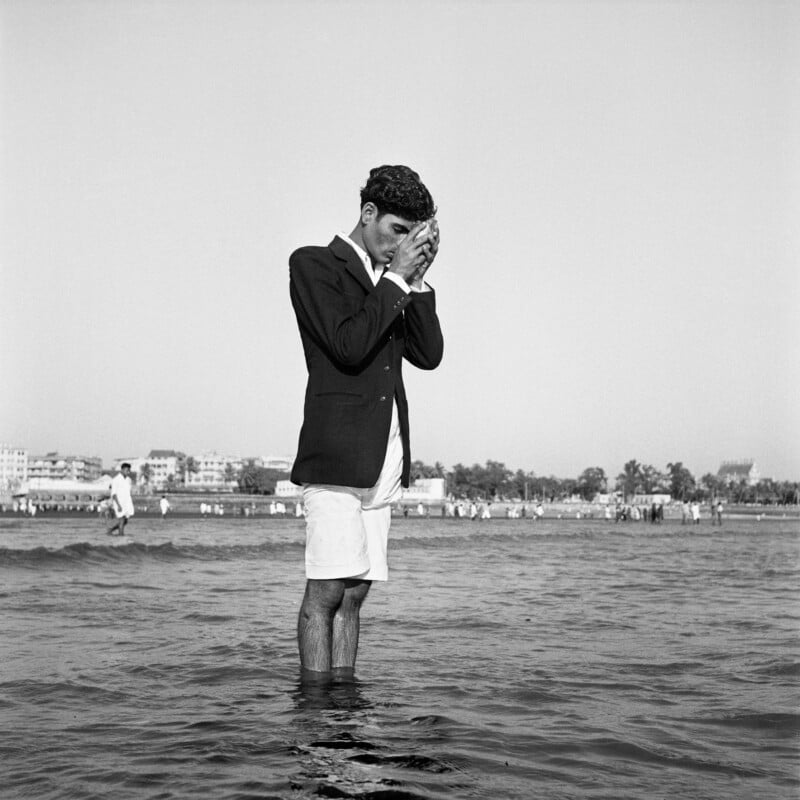
The publication, available through Kehrer Verlag, provides a vital resource for scholars, enthusiasts, and anyone interested in the evolution of photography and the profound impact of cultural exchange on artistic development. Its release underscores the timeless relevance of Horvat’s vision and the enduring power of images to capture the essence of humanity across time and geography.