In a significant contribution to the discourse on visual craftsmanship, acclaimed photographer and educator Zach Sutton has released a comprehensive article detailing the three immutable principles of lighting: Intensity, Quality, and Direction. Published on March 2, 2026, the piece emphasizes that mastery of these foundational elements, rather than reliance on advanced equipment, is paramount for anyone aspiring to excel in photography and videography, transforming mere picture-taking into the deliberate crafting of compelling images. This publication arrives at a time when visual content dominates digital landscapes, underscoring the critical need for robust lighting education.
The Enduring Significance of Lighting in Visual Media
The role of lighting in visual arts has evolved dramatically since the dawn of photography and cinema. Initially constrained by natural light and rudimentary artificial sources, practitioners have continually pushed the boundaries of illumination to sculpt scenes, evoke emotions, and convey narratives. From the chiaroscuro of Renaissance painters influencing early cinematographers to the sophisticated multi-light setups of contemporary studios, understanding how light behaves has always been the cornerstone of visual storytelling. Today, with the proliferation of high-definition cameras in nearly every device and the insatiable demand for engaging content across social media, e-commerce, and entertainment, the ability to manipulate light effectively is more crucial than ever. Industry reports indicate a consistent year-over-year growth in the visual content market, projected to reach hundreds of billions of dollars by the end of the decade, driving a parallel demand for skilled professionals proficient in visual aesthetics, particularly lighting. This makes expert insights, such as those provided by Sutton, invaluable for both burgeoning artists and seasoned veterans navigating an increasingly competitive landscape.
Deconstructing the Core Principles: An In-Depth Look
Sutton’s framework categorizes the principles into a logical hierarchy, facilitating a structured approach to learning and application. This systematic breakdown serves as a vital educational tool, moving beyond anecdotal advice to provide a concrete methodology for light manipulation.
1. Intensity of Light: The Foundation of Exposure Control
Referred to as the "volume knob" of light, intensity dictates the sheer quantity of light reaching the subject and, consequently, the exposure settings of the camera. While conceptually the simplest of the three principles, its correct application forms the bedrock of a well-exposed image. For studio strobes and continuous light sources, intensity is typically adjusted via physical dials or digital controls, allowing for precise output regulation. In natural light scenarios, photographers and videographers adapt by utilizing tools such as Neutral Density (ND) filters to reduce incoming light or by modifying camera settings like ISO, aperture, and shutter speed. For instance, a higher ISO increases the camera’s sensitivity to light, effectively making the scene brighter without altering the light source’s actual intensity. Similarly, a wider aperture (smaller f-number) allows more light to enter the lens, increasing exposure.
While fundamental for achieving proper exposure, Sutton notes that intensity is often the least significant factor in shaping the aesthetic quality of light. Its primary function is quantitative, ensuring that enough light is present for the sensor to capture an image without underexposure or overexposure. However, even subtle shifts in intensity can impact mood; a brightly lit scene might convey openness and joy, while a dimly lit one could suggest mystery or solemnity. According to a 2023 study on visual perception, images with optimally balanced exposure are perceived as significantly more professional and engaging, highlighting the foundational importance of intensity control.
2. Quality of Light: Sculpting Mood and Texture
The quality of light is arguably the most nuanced and creatively impactful of Sutton’s three principles, encompassing aspects that profoundly influence the mood, texture, and overall feel of an image. This principle addresses whether light is hard or soft, its color temperature, and how modifiers interact with the light source.
- Hard vs. Soft Light: The primary determinant of light quality is the relative size of the light source to the subject. A small light source (like the sun on a clear day or an unmodified flash) creates hard light, characterized by sharp, well-defined shadows and high contrast. This quality can convey drama, strength, or harshness. Conversely, a large light source (such as an overcast sky or a flash diffused through a large softbox) produces soft light, resulting in gentle transitions from light to shadow, minimal contrast, and a flattering, often ethereal aesthetic. This is frequently preferred for portraits due to its ability to smooth skin tones and minimize harsh lines.
- Color Temperature and Balance: Light also possesses a color temperature, measured in Kelvin (K). Daylight typically ranges from 5000K to 6500K (cool blue), incandescent bulbs are around 2700K to 3200K (warm orange), and studio strobes are usually daylight-balanced. The advent of RGB (Red, Green, Blue) LED lights has further expanded creative possibilities, allowing for a vast spectrum of colored illumination. Manipulating color temperature can dramatically alter the emotional resonance of a scene, from the starkness of cool blue light to the warmth and intimacy of golden hour tones.
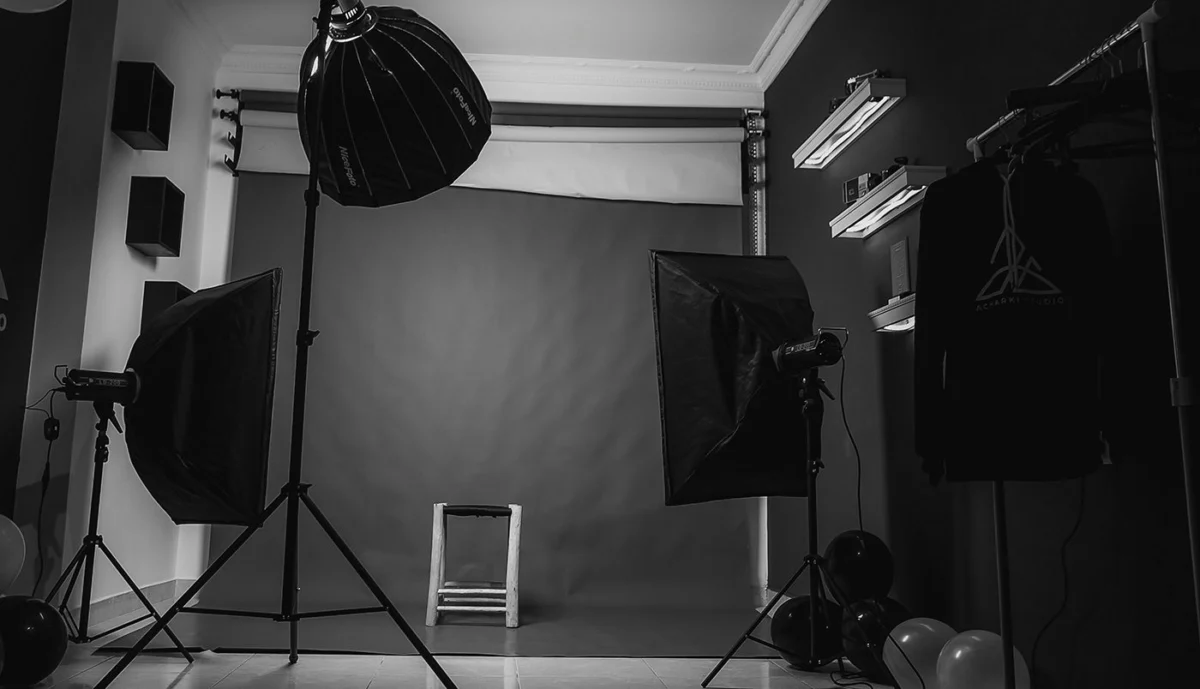
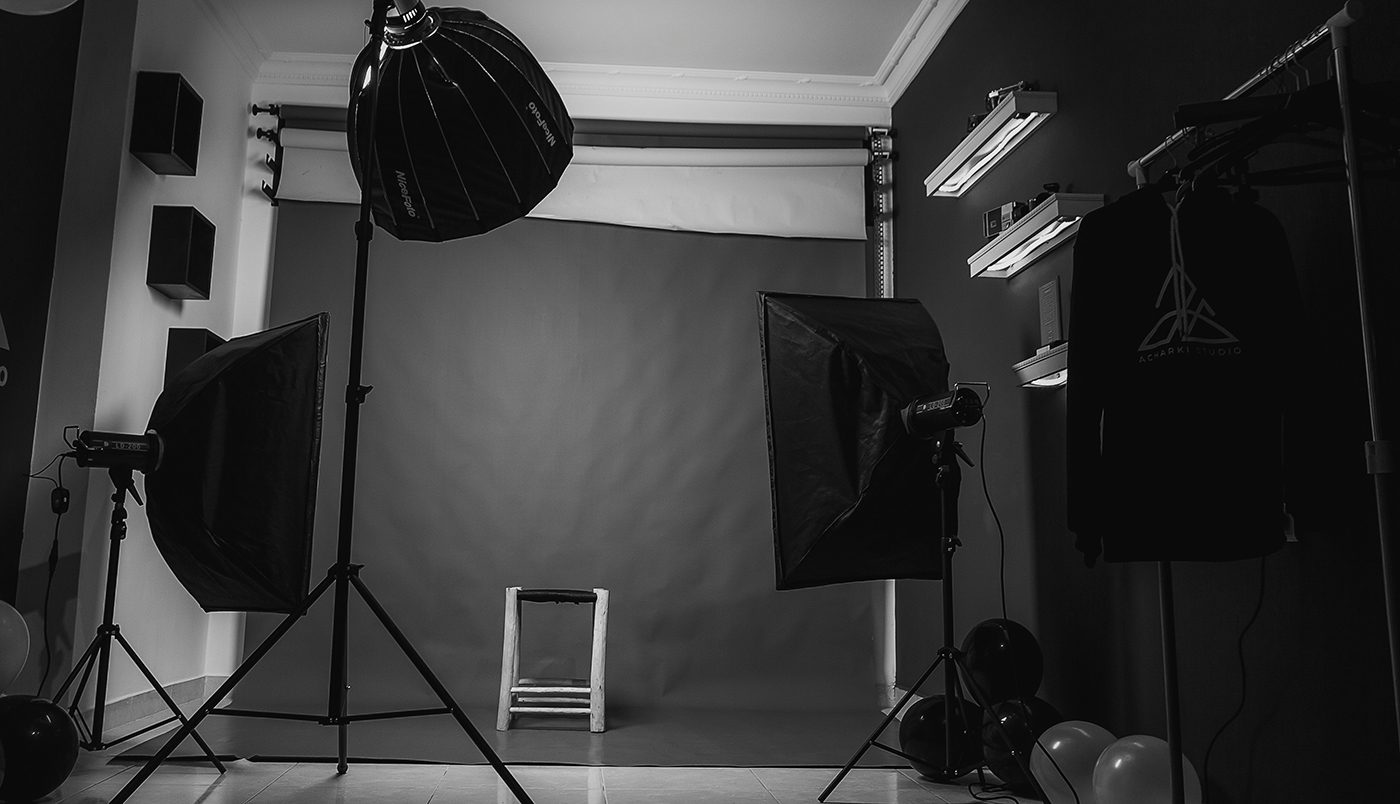
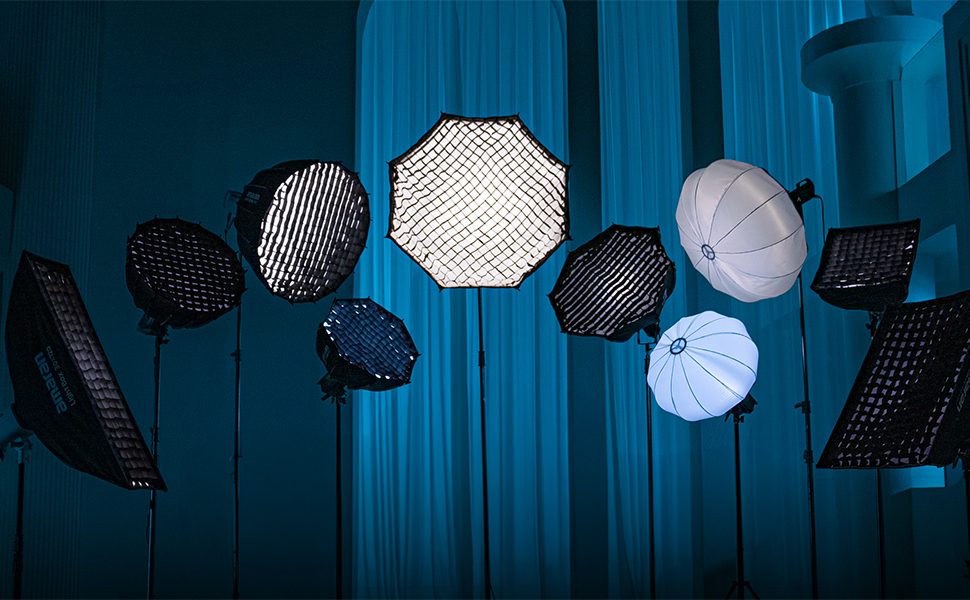
- Light Modifiers and Specularity: The choice of light modifier directly impacts light quality. Highly reflective silver umbrellas or parabolic reflectors produce more specular light, characterized by punchy highlights and increased contrast, often used to add sparkle or crispness. In contrast, soft white umbrellas, diffusers, or large softboxes scatter light more broadly, reducing specularity and creating softer, more even illumination. The internal design of light heads, such as recessed versus bulb heads, also influences the throw pattern and inherent quality of light, leading professionals to develop strong preferences for specific tools. Sutton specifically highlights the Parabolic 45 reflector as a personal favorite, illustrating the deep connection practitioners form with modifiers that consistently deliver desired results. This area of lighting generates continuous discussion and innovation within the industry, with manufacturers constantly refining designs and professionals lamenting the discontinuation of beloved products.
3. Direction of Light: Sculpting Form and Depth

The direction of light, referring to the light source’s position relative to the camera and subject, is the most potent tool for creating a sense of depth, three-dimensionality, and visual interest. It dictates where highlights fall and shadows are cast, fundamentally defining the subject’s form and separation from the background.
- Naturalistic vs. Dramatic Placement: Generally, overhead lighting is considered the most naturalistic, mimicking the sun’s position and producing shadows that are familiar and comforting to the human eye. This approach avoids what Sutton describes as "uncanny valley" effects, where unnatural shadow patterns can make a subject appear unsettling or artificial. However, intentionally defying these conventions can be incredibly effective for dramatic or stylized outcomes. For instance, bottom-up lighting, often associated with horror films, can distort facial features and create a menacing atmosphere.
- Defining Form and Volume: By positioning light from the side, a photographer can emphasize contours and texture, separating the subject from the background and giving it volume. Backlighting, where the light source is behind the subject, creates a rim light that outlines the subject, adding a sense of depth and separation, often used for dramatic effect or to create a halo. Frontal lighting, while straightforward, can flatten a subject, reducing dimensionality unless carefully controlled.
- The "Rules" and Intentional Deviation: While general guidelines exist (e.g., placing the main light at a 45-degree angle to the subject for classic portraiture), true mastery involves understanding these "rules" to know when and how to break them with intention. The creative application of directional lighting is evident in iconic cinematic scenes and photographic works, where a specific light placement becomes integral to the narrative. Educational resources frequently illustrate directional concepts using diagrams showing light sources at various degrees around a subject on a two-dimensional plane, with additional indicators for overhead, straight-on, or below positions to convey three-dimensional placement.
The Synergy of Principles: Crafting Visual Narratives
Crucially, Sutton emphasizes that these three principles do not operate in isolation. The art of lighting lies in their synergistic manipulation. A photographer might choose a soft light quality (large source) positioned from the side (direction) with a specific intensity to create a flattering yet dramatic portrait. Or, a filmmaker might use hard, directional backlighting at a high intensity to create a sense of overwhelming power for a character. This iterative process of adjusting intensity, quality, and direction, whether with sophisticated studio equipment or by simply repositioning a subject relative to a window, is what distinguishes skilled visual artists. The principles apply universally, regardless of the light source being a high-powered LED strobe, a natural sunset, or even a simple desk lamp. Natural light, as Sutton notes, is constantly shifting in intensity, quality, and direction, requiring adaptable observational skills from the artist.
Educational Impact and Industry Implications
Zach Sutton’s articulated framework provides an invaluable resource for education in visual arts. Leading educational institutions in photography and cinematography often structure their curricula around these very tenets, recognizing that a deep theoretical understanding underpins practical application. Professional organizations within the visual media industry consistently advocate for a strong theoretical foundation in lighting, as it directly correlates with the ability to produce high-caliber, adaptable work across diverse projects.
For aspiring professionals, understanding these principles accelerates learning and fosters a more intuitive approach to problem-solving on set. For content creators, who often operate with limited resources, this knowledge empowers them to maximize the potential of available light, elevating the production value of their work. The implications extend to marketing and advertising, where precise control over light helps shape brand perception, highlight product features, and connect with target audiences on an emotional level. In the competitive visual content ecosystem, a solid grasp of intensity, quality, and direction is not merely an advantage but a fundamental requirement for success.
The Future of Illumination in Visual Media
As technology continues to advance, introducing innovations like AI-powered lighting systems, sophisticated virtual production stages, and increasingly versatile LED arrays, the foundational principles of intensity, quality, and direction remain timeless. These new tools serve to expand the means by which these principles can be applied, offering greater control, efficiency, and creative freedom, rather than rendering the principles obsolete. The ability to program complex lighting sequences or simulate natural light within a virtual environment still relies on an understanding of how these three elements combine to create a desired visual outcome. Ultimately, technology is a facilitator; the artistry resides in the informed manipulation of light itself.
Zach Sutton’s recent publication serves as a timely reminder that amidst the rapid advancements in camera technology and digital post-production, the mastery of fundamental lighting principles remains the cornerstone of compelling visual communication. His structured approach offers a clear pathway for anyone seeking to move beyond simply capturing images to truly crafting them, ensuring that the power of light continues to be harnessed effectively in the ever-evolving world of visual media.