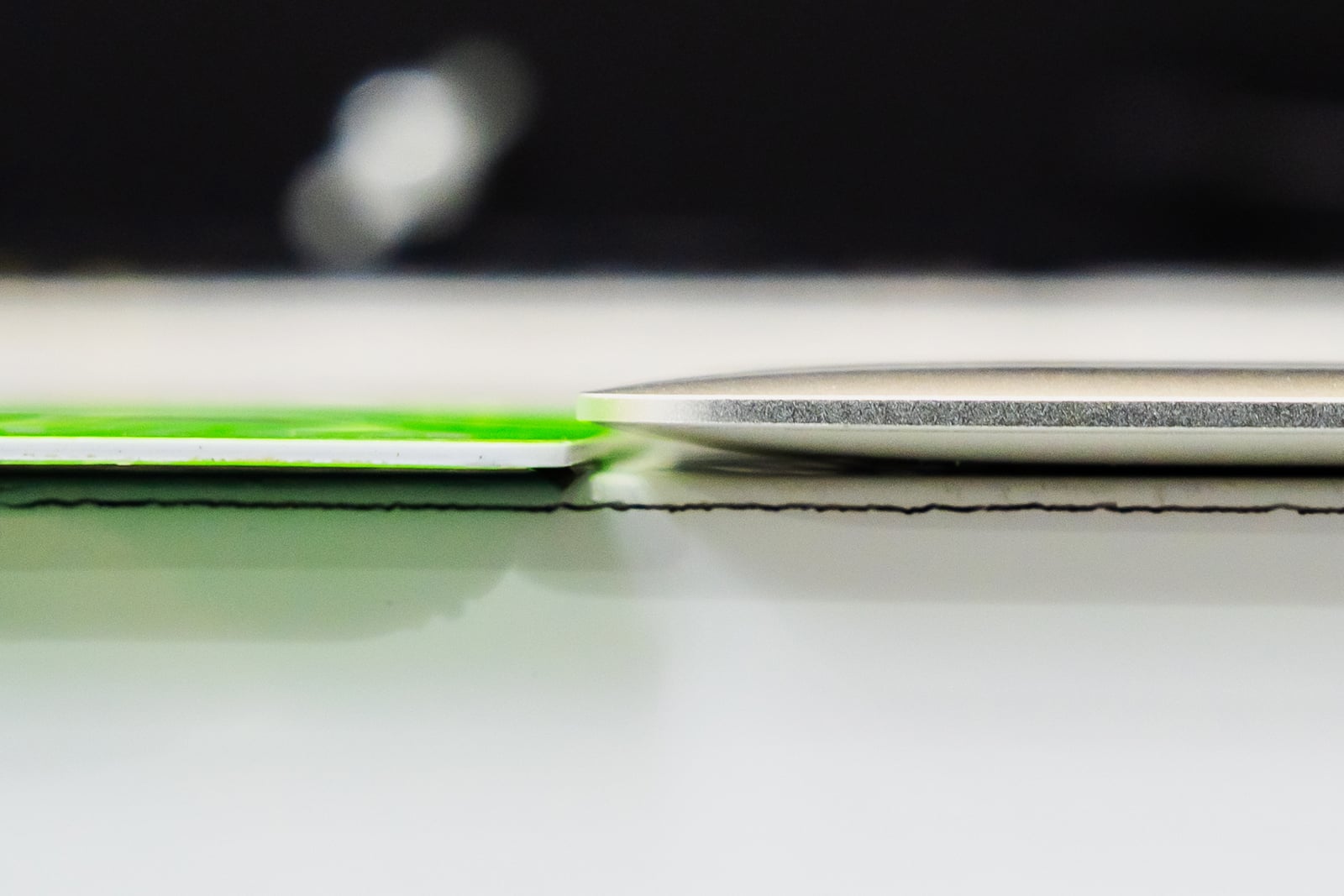
At the prestigious IFA 2026 technology exhibition, Lexar, a global leader in flash memory solutions, unveiled the Lexar Muse, a groundbreaking portable SSD positioned to revolutionize mobile content creation and data management. Billed as the "world’s thinnest portable SSD," the Muse integrates seamlessly with modern smartphones, particularly the latest iPhone models, offering unparalleled portability and professional-grade performance for videographers, photographers, and digital nomads. This innovative device shaves down to an astonishing one millimeter at its thinnest point and weighs a mere 40 grams, making it exceptionally compact—thin enough to comfortably fit alongside banking and ID cards in a wallet sleeve.
A Paradigm Shift in Portable Storage Design
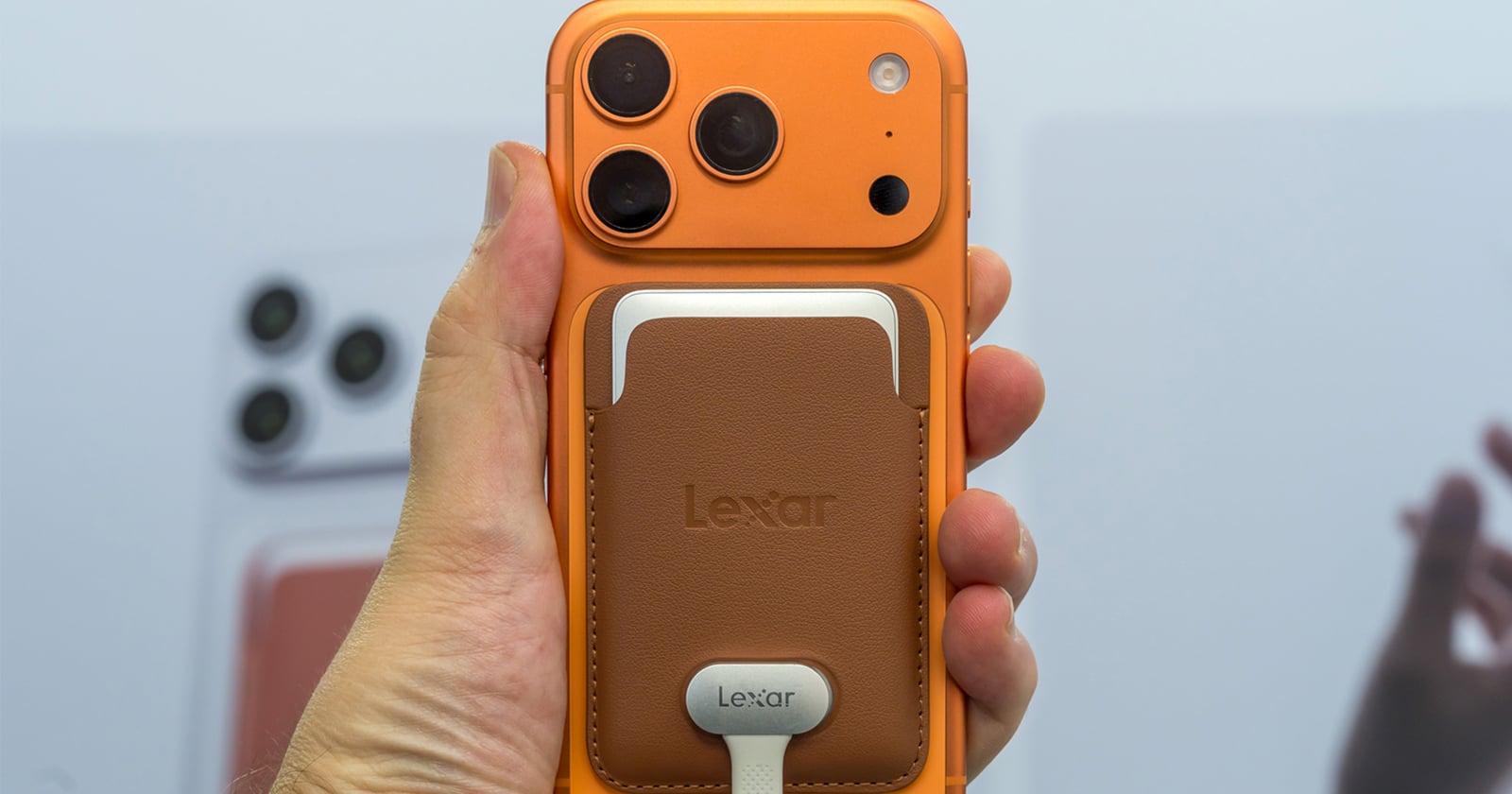
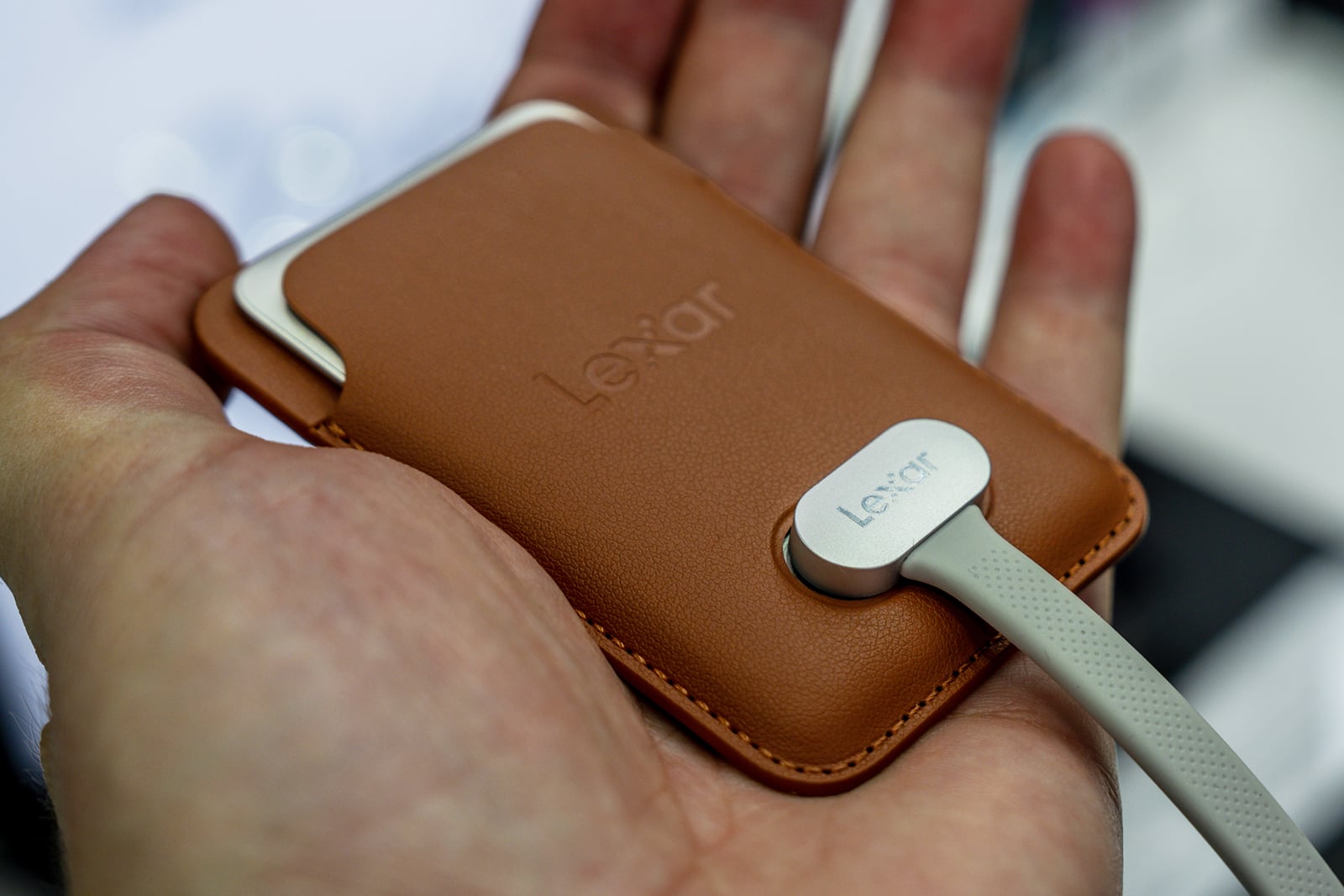
The Lexar Muse distinguishes itself immediately through its radical design philosophy. While many portable SSDs are compact enough to be stowed in a bag, none have matched the Muse’s svelte profile or its integrated MagSafe compatibility. Upon initial inspection, the Muse’s aesthetic evokes the sleekness of a premium card wallet or an executive business card. Its true utility, however, unfolds when paired with its specialized MagSafe sleeve, transforming it into an indispensable tool that remains unobtrusively attached to the rear of a smartphone. This design choice represents a significant departure from traditional portable drives, which often present as bulky external peripherals that can hinder ergonomic handling during mobile shoots.
The engineering behind the Muse’s ultra-slim form factor is a testament to advanced manufacturing and component miniaturization. Even at its thickest point, the drive measures just 3.8 millimeters, tapering to an almost imperceptible 1 millimeter at its edges. This extreme thinness is achieved through a precision-machined unibody enclosure crafted from a single piece of metal. Within this elegant shell lies an ultra-thin printed circuit board (PCB) meticulously designed to accommodate high-density NAND flash memory stacking, alongside a tightly integrated internal structure that maximizes space efficiency. This intricate assembly allows the Muse to defy the conventional bulk associated with external storage solutions, feeling remarkably different from any other SSD on the market.
Proprietary Connectivity for Enhanced Reliability
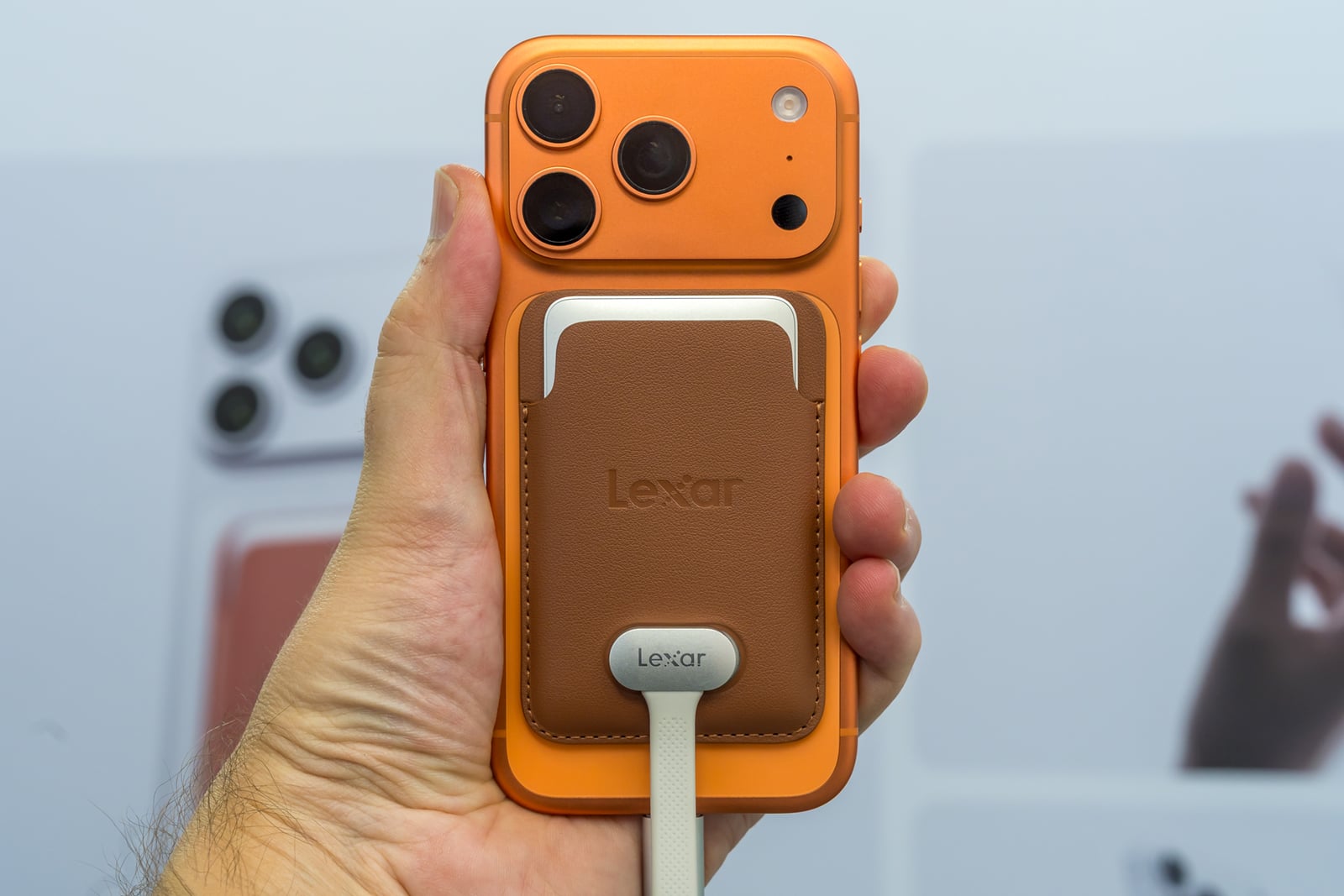
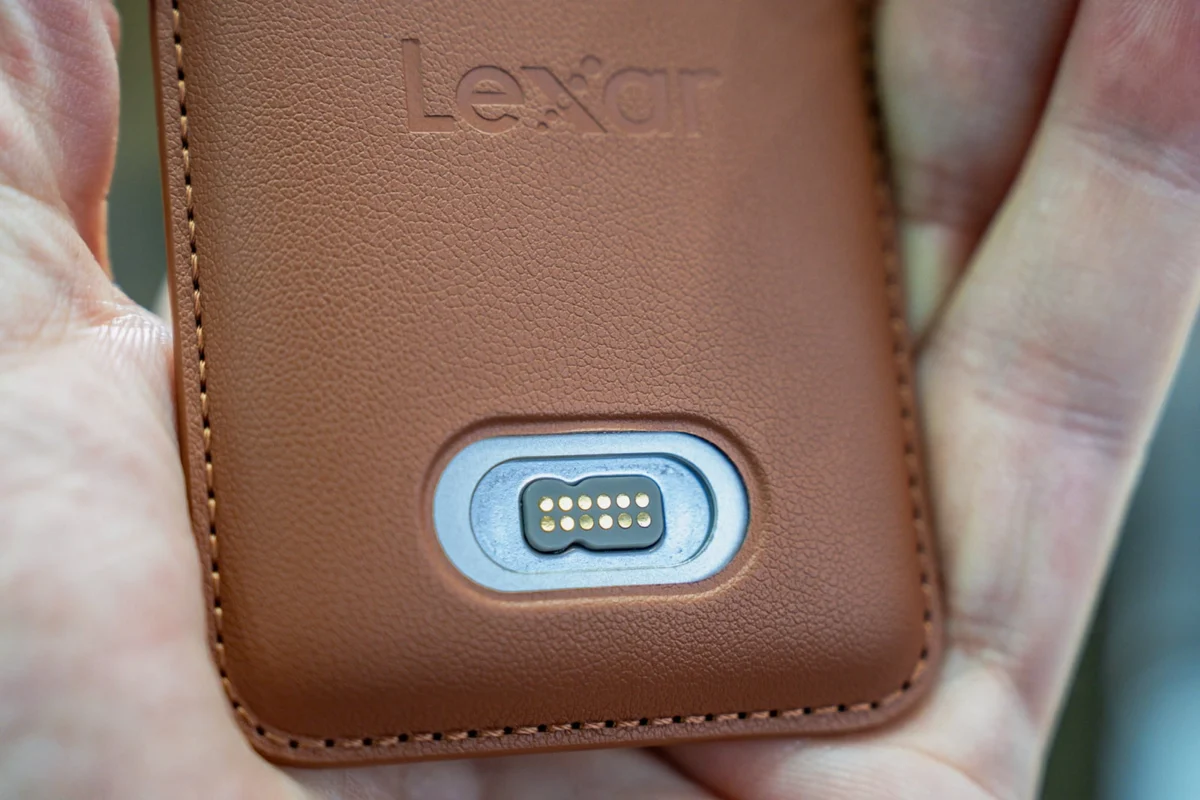
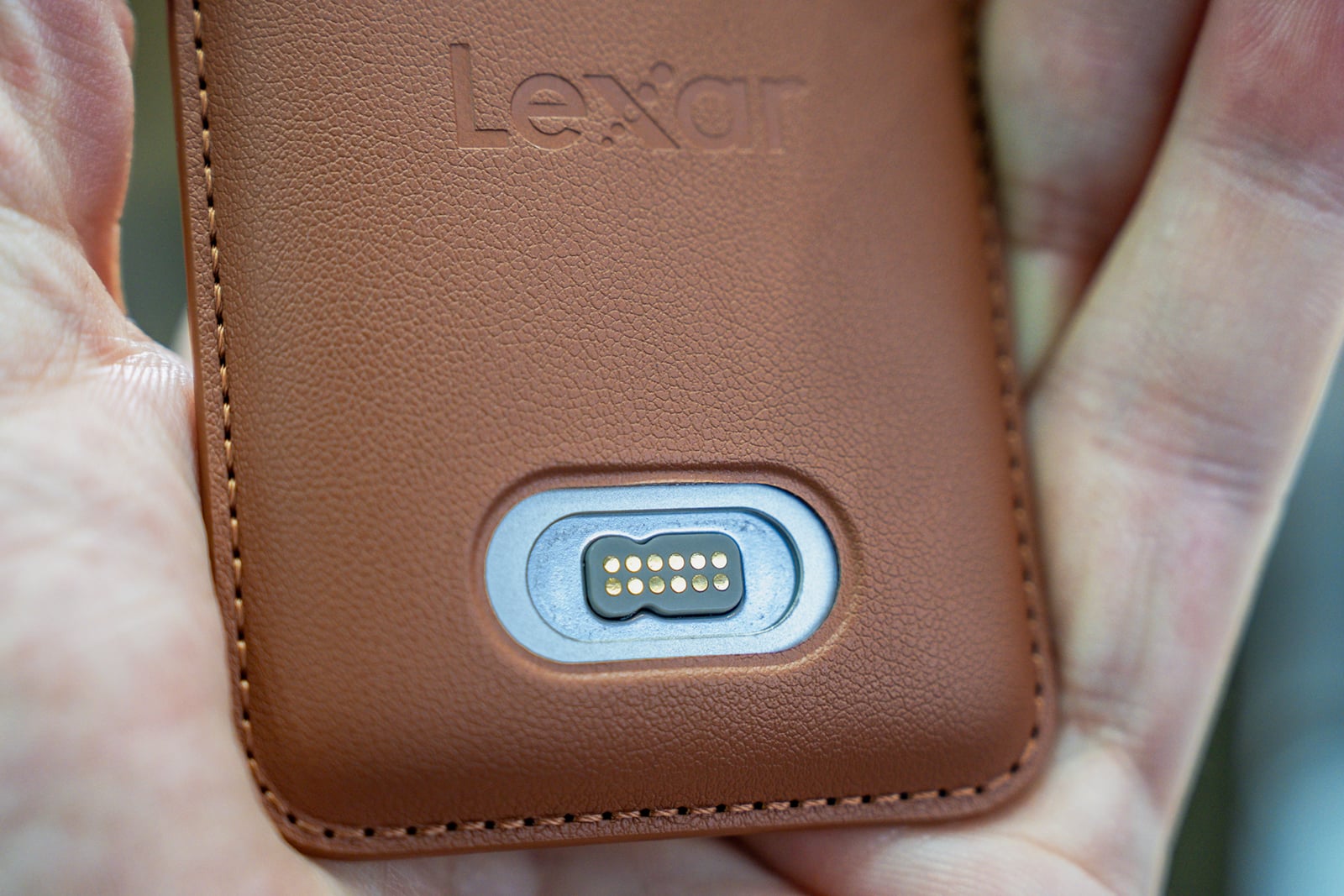
In a strategic move to optimize its slim profile and ensure robust connectivity, Lexar has opted for a proprietary PogoPin magnetic data connection on the Muse, rather than a standard USB-C port. This unique interface pairs with Lexar’s included SnapLink Magnetic Cable. One end of the cable features a magnetic connector that latches securely onto the Muse via spring-loaded pins and N52-grade neodymium magnets, ensuring precise alignment and a steadfast connection. The other end terminates in a universal USB-C connector, allowing it to plug into the host device, such as a smartphone, tablet, or computer.
While the adoption of a proprietary port might initially raise concerns about cable universality—meaning users cannot simply grab any off-the-shelf USB-C cable—Lexar emphasizes the enhanced reliability and user experience offered by the SnapLink system. The magnetic connection minimizes wear and tear on the port, provides a strong, consistent data link, and simplifies attachment, especially in fast-paced shooting environments. This deliberate design choice underscores Lexar’s commitment to creating a cohesive and dependable ecosystem for mobile creators. The specialized sleeve plays a crucial role in this setup, providing a secure magnetic attachment point to the phone, effectively integrating the drive into the device’s form factor. This means users only need to keep the SnapLink cable readily available, connecting it only when initiating data transfers or embarking on a ProRes video recording session.
Engineered for the iPhone Ecosystem and Beyond
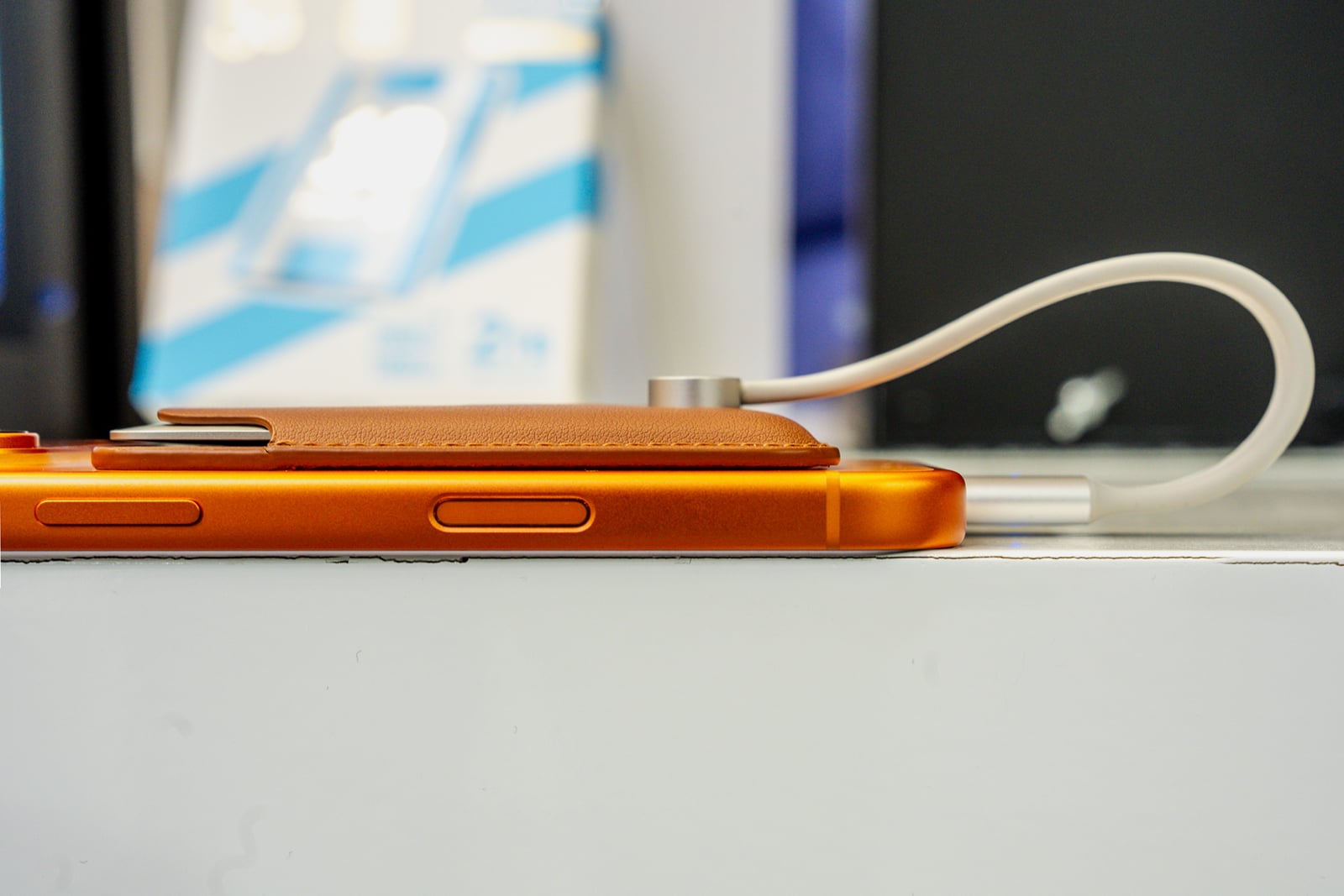
The Lexar Muse is meticulously engineered to complement the Apple ecosystem, particularly the iPhone, which has emerged as a powerful tool for professional content creation. The device’s MagSafe-compatible sleeve attaches effortlessly to MagSafe-enabled iPhones or cases, ensuring the drive remains firmly in place. It’s important to note that while magnetic attachment is broadly compatible, direct drive functionality and external recording capabilities are tied to specific iPhone models. The Muse requires a USB-C-equipped iPhone, specifically models from the iPhone 15 series or later, to function.
This tight integration fundamentally transforms the mobile content creation workflow. Instead of dealing with a conventional drive dangling precariously from a cable, the Muse rides securely on the back of the phone, transforming the combined setup into a single, unified unit. This ergonomic advantage is critical for "run-and-gun" scenarios, such as capturing impromptu interviews, documenting travel experiences, or recording live events, where managing cable slack or juggling multiple devices can be impractical or disruptive. The ability to shoot handheld video without the encumbrance of a separate, loosely attached drive significantly enhances user comfort and operational fluidity, allowing creators to focus entirely on capturing the moment.
Beyond its physical integration, the Muse delivers performance that aligns with the demands of professional mobile videography. Lexar rates the drive for impressive read speeds of up to 1,050 MB/s and write speeds of up to 1,000 MB/s. These figures place the Muse firmly within the performance ballpark of established USB 3.2 Gen 2 portable drives, a remarkable achievement given its significantly smaller and lighter footprint. This combination of speed and portability is particularly crucial for handling demanding media formats.
Unlocking Professional ProRes Video Capabilities
One of the Muse’s most compelling features is its robust support for direct external recording of Apple ProRes video. ProRes, a high-quality, lossy video compression format developed by Apple, is widely adopted in professional video production for its excellent image fidelity and editing-friendly nature. Recording in ProRes, especially at higher resolutions and frame rates, generates enormous file sizes that can quickly exhaust a phone’s internal storage. The Muse directly addresses this bottleneck, allowing iPhone users to shoot longer clips without interruption, by offloading footage directly to the external SSD.
Specifically, external ProRes recording through Apple’s native Camera app requires an iPhone 15 Pro or a later Pro model. For the most demanding specifications, such as 4K resolution at a buttery-smooth 120 frames per second, the Muse is compatible with the cutting-edge capabilities of iPhone 16 Pro and iPhone 17 Pro models. This capability positions the Muse as an essential accessory for professional filmmakers and serious content creators who leverage the advanced camera systems of the latest iPhones. It effectively transforms the iPhone into a more versatile and capable production camera, extending its recording time and expanding creative possibilities.
The utility of the Muse extends beyond direct recording. It serves as an invaluable tool for transferring files between an iPhone, iPad, and Mac, facilitating seamless workflows across Apple devices. Users can easily offload their phone’s camera roll for backup purposes, or keep an entire editing project stored on the drive, allowing them to pick up their work across different devices without constantly transferring large files. While actual transfer speeds will vary based on the connected device and connection specifics, the Muse’s high-speed performance ensures efficient data handling. Furthermore, for quick sharing, files stored on the Muse can be accessed directly from the iPhone and sent via AirDrop, maintaining a streamlined digital workflow. Lexar also confirms that its dedicated app provides automatic backup functionality, further simplifying data management and safeguarding valuable footage.
Broadening Horizons: Compatibility and Market Impact
While optimized for the iPhone, the Lexar Muse Ultra-Slim Portable SSD boasts a broader level of compatibility, extending its utility to other USB-C devices. Compatible Android phones can also leverage the drive, though magnetic attachment capabilities will depend on the specific phone model or case. Crucially, direct recording to the Muse on Android devices is contingent upon the Android camera app supporting external USB storage recording. For instance, the Samsung Galaxy S26 Ultra offers a setting to save directly to external storage when recording with Samsung’s proprietary APV codec, including Log footage optimized for color grading. On other Android phones, users can still transfer files to the Muse after recording, even if direct external recording isn’t natively supported by their camera app.
The Muse also functions as a versatile general-purpose drive, easily integrating into desktop workflows. Plugging it into a Mac or a compatible Windows PC via its USB-C connection allows users to work directly from the drive, keeping their phone free or charged, and providing a flexible storage solution for any computing environment. This dual functionality—specialized mobile content creation tool and conventional portable storage—underscores the Muse’s comprehensive design.
Lexar plans to release the Muse in two capacities: 512GB and 1TB, with availability commencing in Q4 2026. Regional availability may vary. While pricing details were not disclosed at IFA 2026, the advanced engineering, proprietary connectivity, and specialized MagSafe integration suggest a premium positioning within the portable SSD market.
The introduction of the Lexar Muse arrives at a pivotal moment in the technology landscape. Industry analysts project a continued exponential growth in the mobile content creation market, fueled by the rising popularity of social media platforms, the creator economy, and the increasing capabilities of smartphone cameras. The global portable SSD market is similarly expanding, with demand for compact, high-performance, and durable storage solutions showing no signs of slowing. Lexar’s Muse directly addresses these market trends by offering a product that not only meets but anticipates the evolving needs of mobile-first creators.
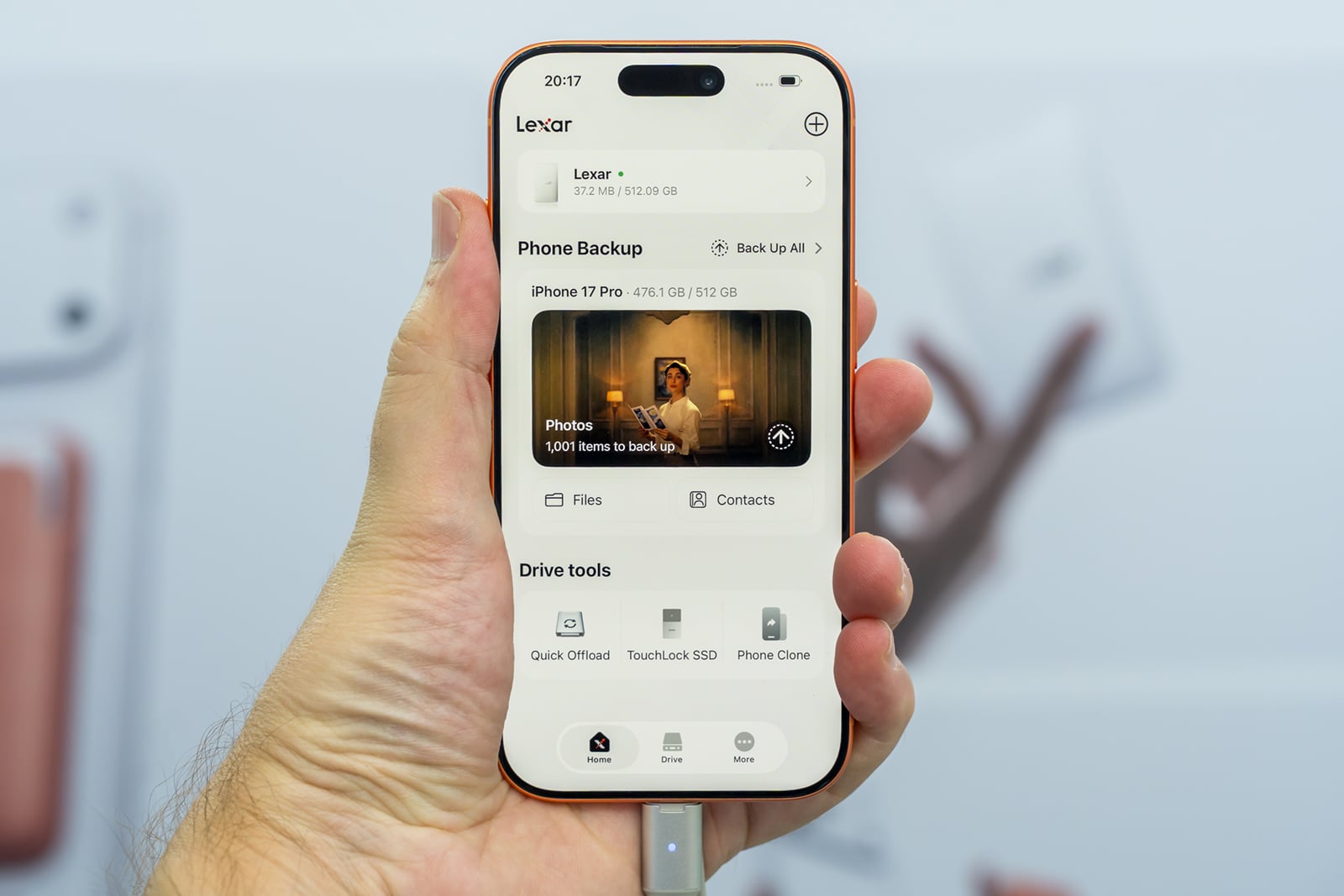
For a mobile videographer, a dedicated travel creator, or anyone assembling a lightweight, phone-centric production kit, the ability to keep a high-capacity, high-speed drive seamlessly attached to the phone may outweigh the minor inconvenience of a proprietary cable. It represents a fundamental shift from carrying external storage as a separate item to integrating it as an extension of the mobile device itself. This level of integration matters significantly in dynamic shooting environments, where efficiency and ergonomics directly impact the quality and feasibility of capturing content.
In conclusion, the Lexar Muse Ultra-Slim Portable SSD is more than just a storage device; it is a statement of intent from Lexar, pushing the boundaries of what portable storage can be. By combining an impossibly thin and light design with MagSafe compatibility, robust performance, and critical support for professional video formats like Apple ProRes, the Muse is poised to become an indispensable tool for the next generation of mobile content creators. Its debut at IFA 2026 signals a future where external storage is no longer an afterthought but an integral, ergonomic component of the mobile creative workflow.