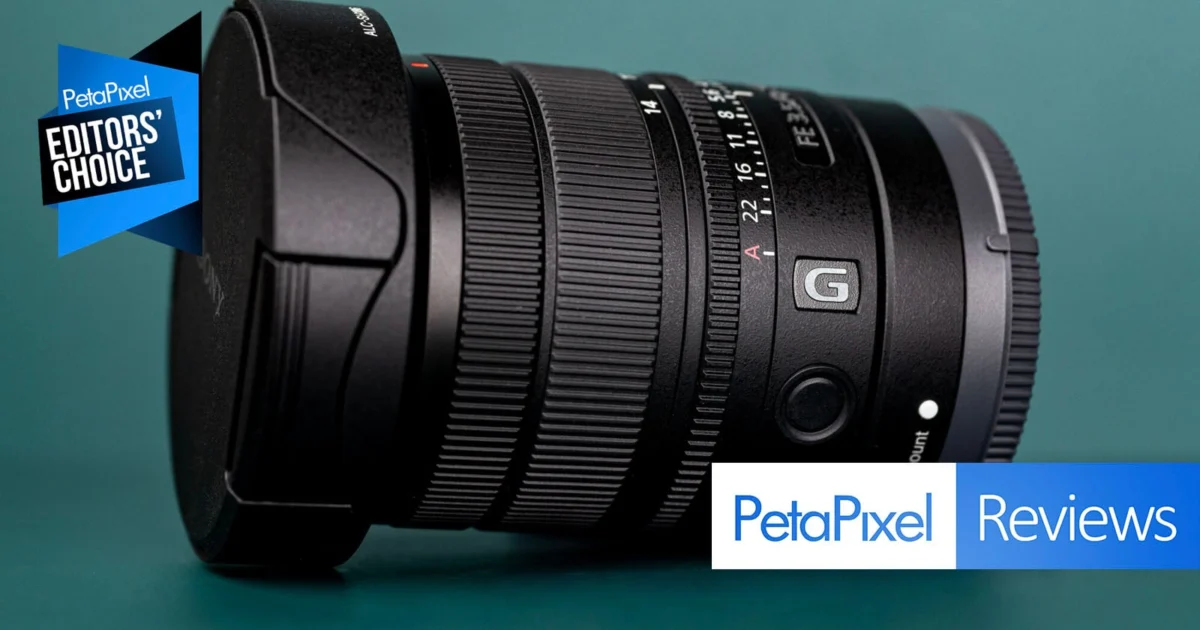
After a protracted absence spanning two decades, Sony has finally addressed the longstanding demand from its E-mount user base for a first-party full-frame fisheye lens. The Japanese electronics and imaging giant has unveiled the FE 8-14mm f/3.5 Fisheye G, a sophisticated zoom lens priced at $1,600 that integrates many of Sony’s cutting-edge optical and mechanical technologies. This release marks a significant moment for "fisheye fans" within the Sony ecosystem, who have largely relied on third-party offerings or adapted legacy lenses to achieve the distinctive ultra-wide aesthetic. The last full-frame fisheye lens bearing the Sony badge was a 16mm optic designed for the now largely superseded A-mount, highlighting the substantial gap this new G-series lens is designed to fill.

The introduction of the FE 8-14mm f/3.5 G is not merely an addition to Sony’s expansive lens catalog; it represents a strategic move to complete a specialized segment of its full-frame E-mount lineup. For years, E-mount users seeking the extreme perspectives offered by fisheye lenses had limited choices, predominantly manual focus options from independent manufacturers. While some of these third-party lenses provided affordable entry points, they often lacked the seamless integration, advanced autofocus capabilities, and robust build quality associated with Sony’s premium G and G Master series. This new lens, therefore, signals Sony’s commitment to providing a comprehensive and high-performance solution for every photographic and videographic niche, particularly those involved in action sports, immersive content creation, and experimental photography.
A Historical Perspective on Sony’s Fisheye Offerings
To fully appreciate the significance of the FE 8-14mm f/3.5 G, one must consider the historical context of fisheye lenses within Sony’s photographic heritage. The last native full-frame fisheye lens, a 16mm prime for the A-mount, was released approximately 20 years ago. This period predates the widespread adoption of mirrorless camera technology and the establishment of the E-mount as a dominant force in the professional imaging market. The A-mount, derived from Minolta’s legacy, served a different era of DSLRs, and its lenses, while often optically competent, were not designed for the compact form factors and advanced electronic communication protocols of modern mirrorless systems.
The subsequent shift to the E-mount with the NEX series and later the groundbreaking Alpha 7 full-frame mirrorless cameras saw Sony prioritize foundational lenses like standard zooms, telephotos, and popular primes. Specialized optics, such as fisheyes, often took a backseat, leaving a void that third-party manufacturers eagerly stepped into. Brands like Laowa offered compelling manual-focus fisheye zooms, such as their 8-15mm f/2.8, which, despite its fully mechanical nature and optical compromises in sharpness compared to a modern AF lens, provided a much-needed option for E-mount photographers. The success and persistent demand for such alternatives likely played a role in Sony’s decision to re-enter this segment with a first-party, technologically advanced solution.
Unpacking the Fisheye Zoom: Circular vs. Diagonal Perspectives
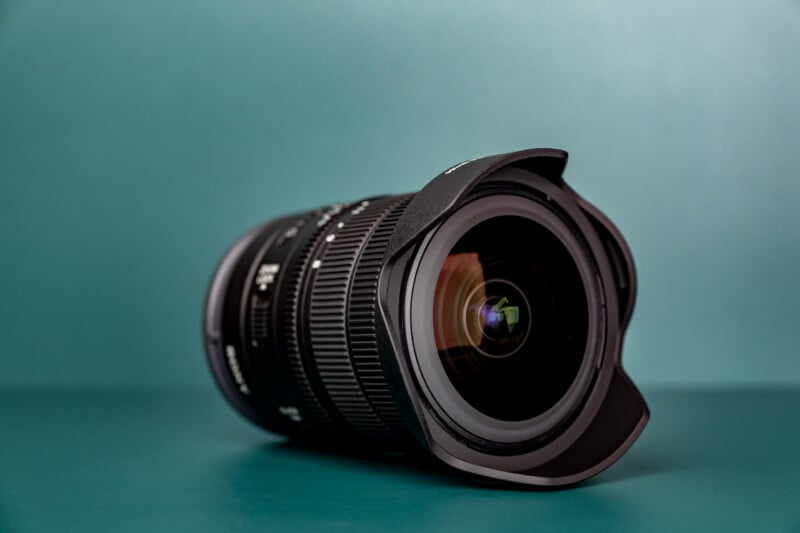
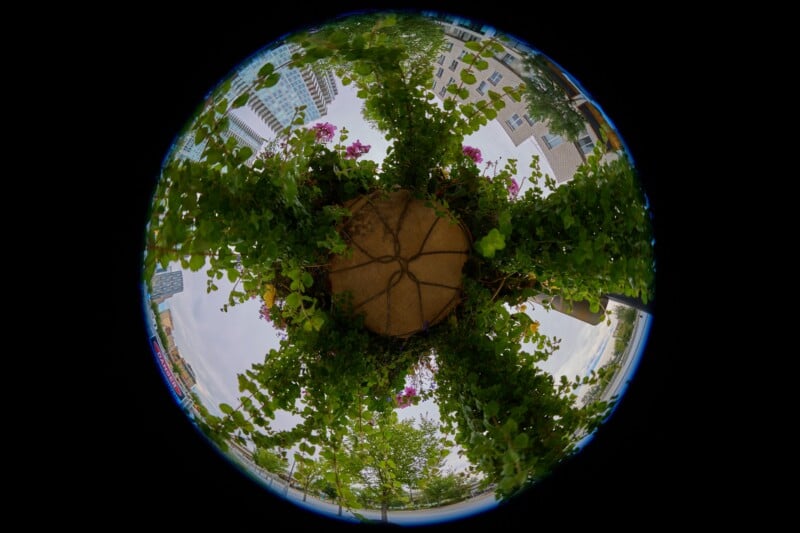
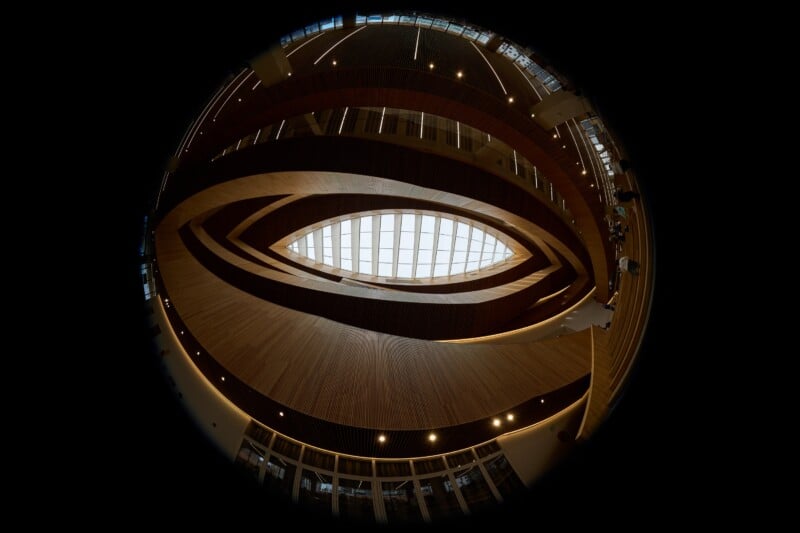
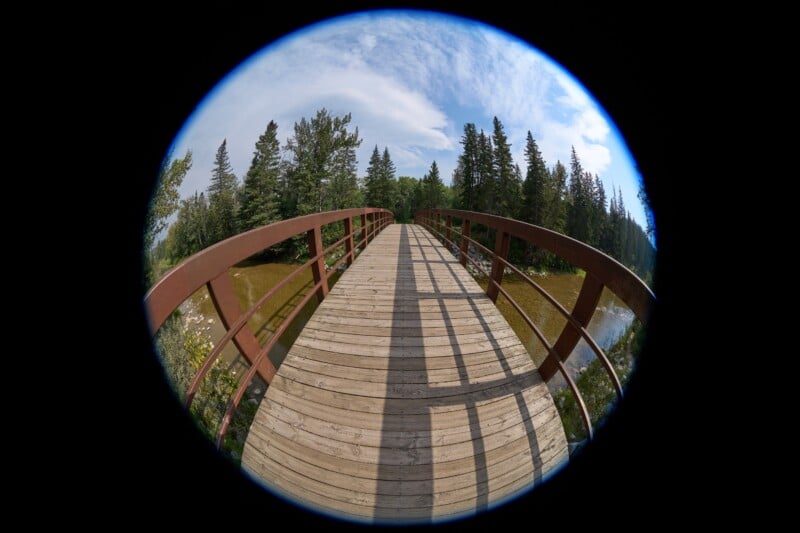
The "zoom" functionality of the FE 8-14mm f/3.5 G is perhaps its most intriguing and distinct characteristic, effectively offering two primary lens types within a single compact body. At its widest setting of 8mm, the lens delivers a dramatic circular fisheye effect. This extreme field of view captures an immense, hemispherical perspective, rendering a circular image that only fills the central portion of the full-frame sensor, leaving a substantial black vignette around the edges. This aesthetic is highly distinctive, often used for artistic, surreal, or immersive compositions where the boundary of the image is explicitly circular.
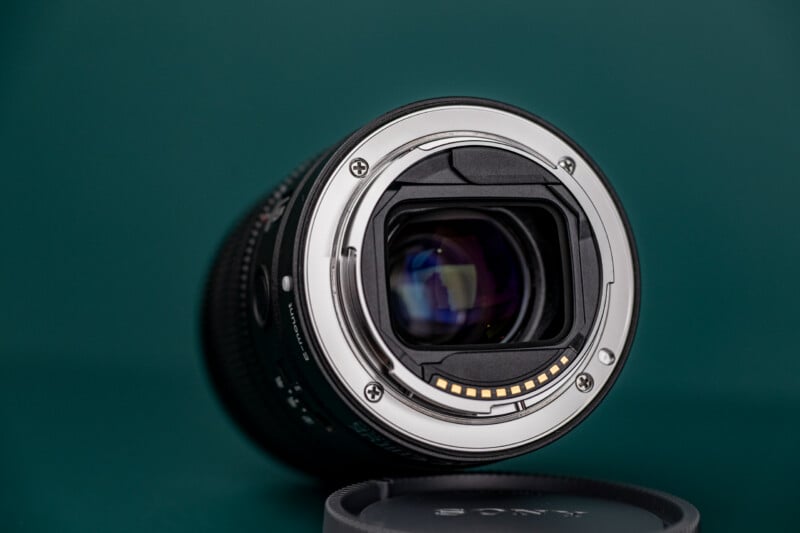
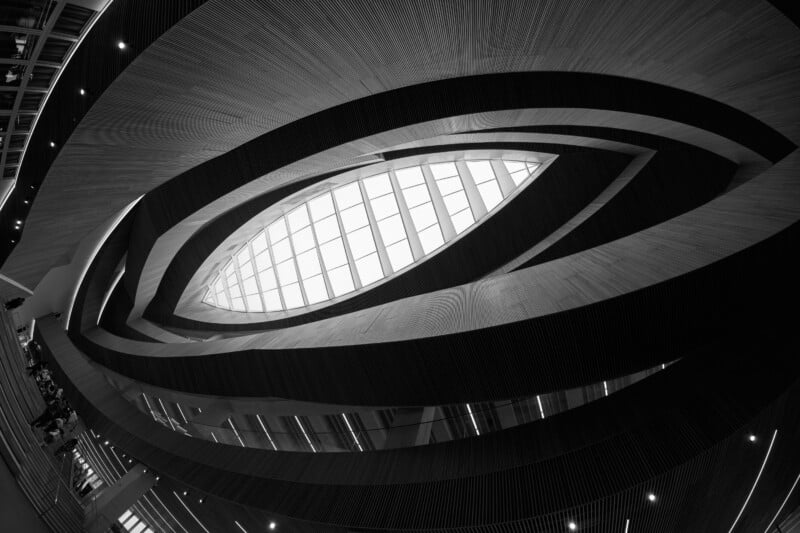
Conversely, zooming in to 14mm transforms the lens into a full-frame diagonal fisheye. At this focal length, the image fills the entire sensor, providing complete coverage without the circular vignette. While still offering a remarkably wide and curvilinear perspective typical of fisheye lenses, the 14mm setting allows for more traditional rectangular framing. The field of view is reduced compared to 8mm, but the full sensor coverage makes it versatile for a broader range of applications, from exaggerated architectural shots to dynamic landscape photography.
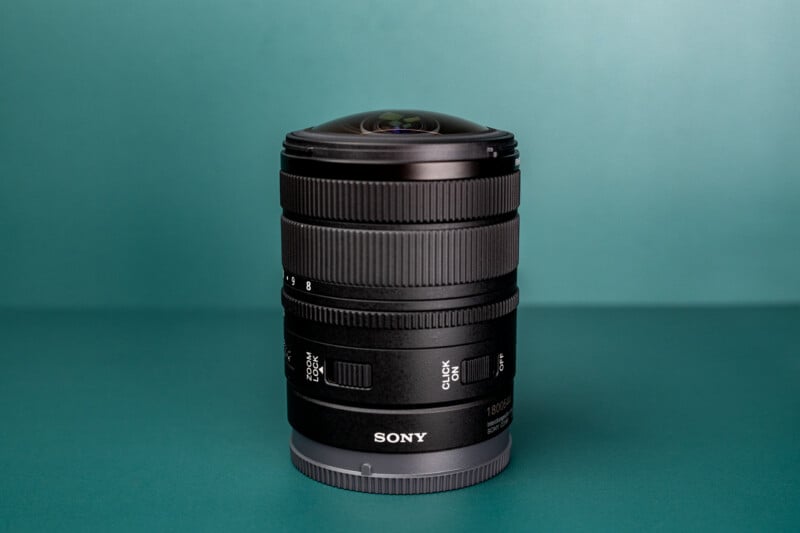
It is crucial for users to understand that the intermediate focal lengths between 8mm and 14mm are, as the review notes, "largely useless." In these ranges, the lens produces significant vignetting without achieving a clean circular image, nor does it provide full sensor coverage. This design choice implies that the FE 8-14mm f/3.5 G is best approached as a lens with two distinct, usable focal lengths – 8mm and 14mm – rather than a continuous, traditional zoom where every millimeter in between offers a unique, desirable perspective. This nuanced understanding is key to maximizing its creative potential and managing expectations regarding its operational characteristics.
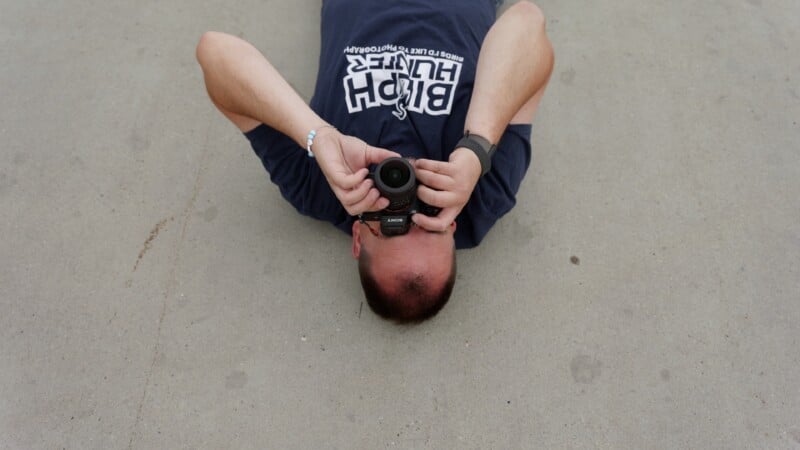
Design Innovations and Ergonomic Excellence

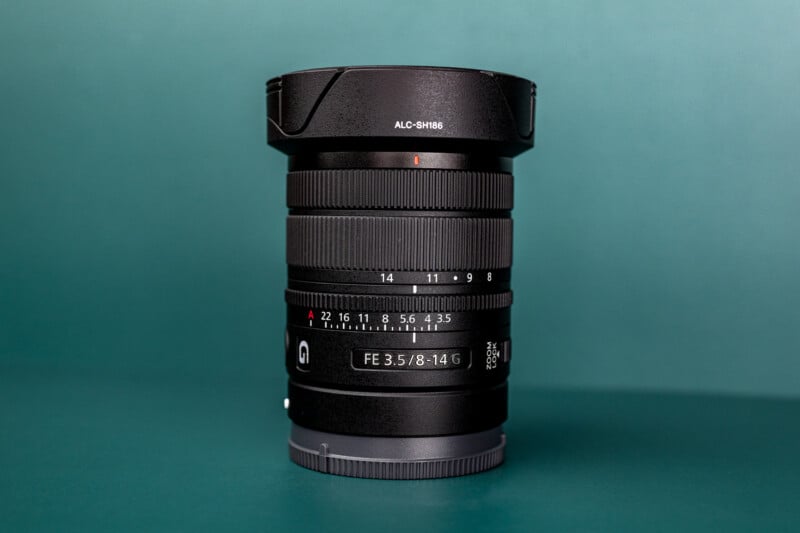
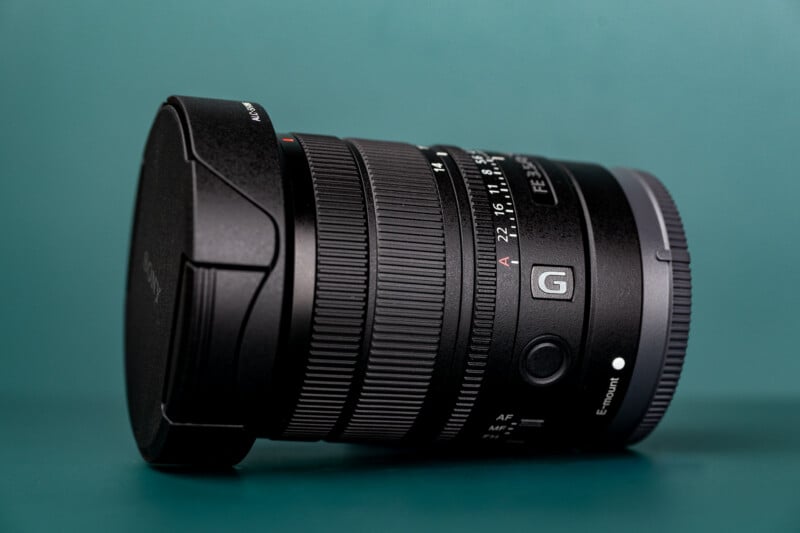
Sony has packed the FE 8-14mm f/3.5 G with a suite of modern features and ergonomic refinements, underscoring its professional-grade aspirations. Despite its advanced capabilities, the lens maintains a remarkably compact and lightweight profile, tipping the scales at just 314 grams (11.1 ounces). This portability is a significant advantage for users who prioritize mobility, especially those engaged in action sports, travel, or handheld videography.

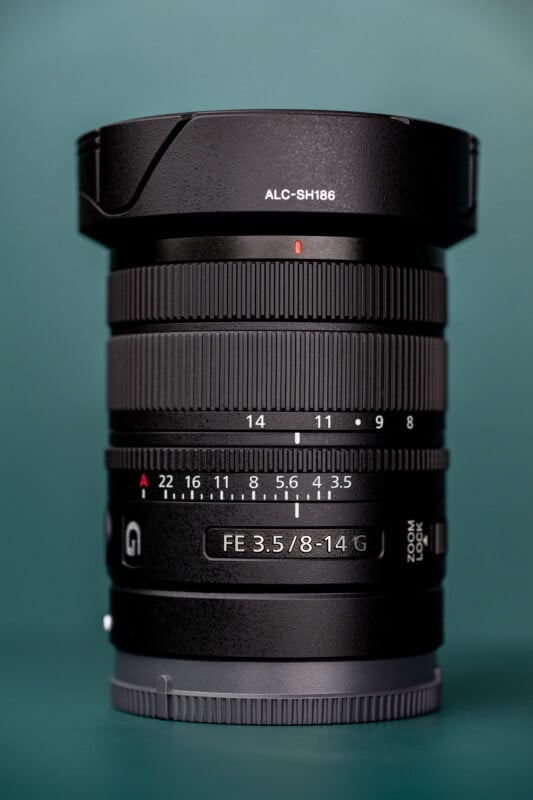
The physical controls are thoughtfully designed, catering to both photographers and videographers. A well-damped, though slightly loose, manual focus ring is positioned forward, allowing for precise tactile control. Behind it lies a beautifully stamped zoom ring, offering smooth operation. A standout feature is the proper aperture ring, which can be toggled between a "clicky" mode, preferred by photographers for distinct aperture stops, and a "de-clicked" mode, ideal for videographers seeking silent and seamless aperture adjustments during recording. This ring also includes an auto position lock, allowing the camera body to control the aperture if desired.

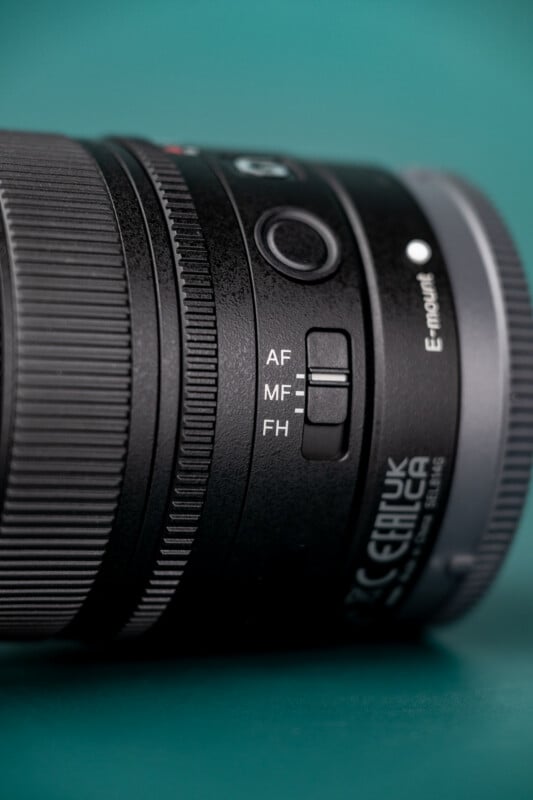
Several design innovations are unique to this particular fisheye zoom. A removable hood is included, providing effective stray light reduction when shooting at the 14mm end. However, it must be removed at wider focal lengths to prevent additional, undesirable vignetting. Adjacent to the familiar MF/AF switch, Sony has introduced a "FH" (Focus Hold) setting. This function allows users to lock the focus at its current position, a particularly valuable tool for applications like virtual reality (VR) and 3D production where consistent focus is paramount. Furthermore, a new Zoom Lock mechanism is incorporated, enabling users to secure the lens at either 8mm or 14mm, thereby preventing accidental shifts into the less practical intermediate focal ranges. The overall build quality is robust, featuring a degree of weather sealing, making the lens suitable for outdoor adventures and challenging environmental conditions.
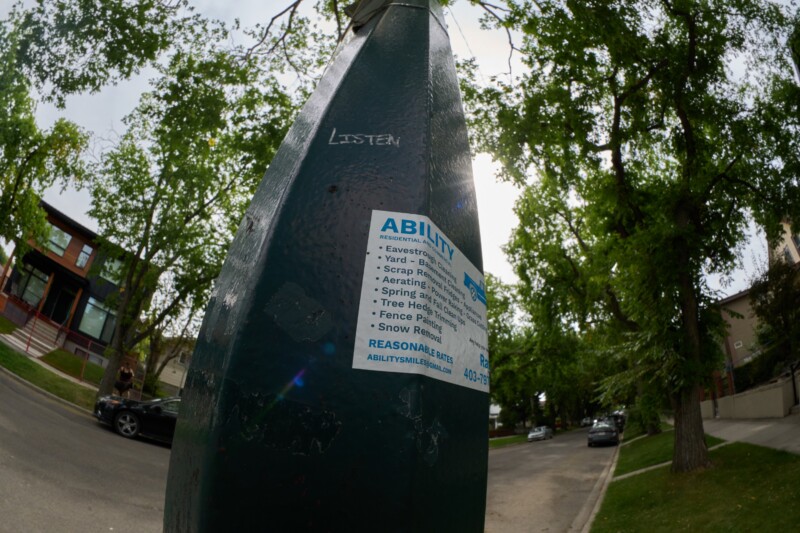
Performance in the Field: Speed, Sharpness, and Optical Nuances
The performance of the Sony FE 8-14mm f/3.5 G is a testament to Sony’s engineering prowess, particularly in the realm of autofocus and optical clarity. The lens utilizes two linear motors, which, while not the top-tier XD linear motors found in Sony’s flagship G-Master lenses, still deliver exceptionally snappy and smooth autofocus performance. The review highlights its ability to transition rapidly from macro distances to infinity, making it highly adept at capturing fast-moving subjects, such as those encountered in action sports like skateboarding. This rapid and precise AF capability significantly enhances the lens’s usability compared to purely mechanical alternatives.
While not a macro lens, the FE 8-14mm f/3.5 G offers a respectable 0.22x magnification ratio at 14mm, allowing for surprisingly close-up shots. This proximity can yield distinctive, exaggerated perspectives, though users must be mindful of potential lens shadow casting on subjects. Flare control, a critical aspect for ultra-wide lenses that often include bright light sources like the sun, is commendably managed. Minor ghosting may appear when heavily stopped down, but overall contrast remains strong, ensuring vibrant images even in challenging lighting conditions.

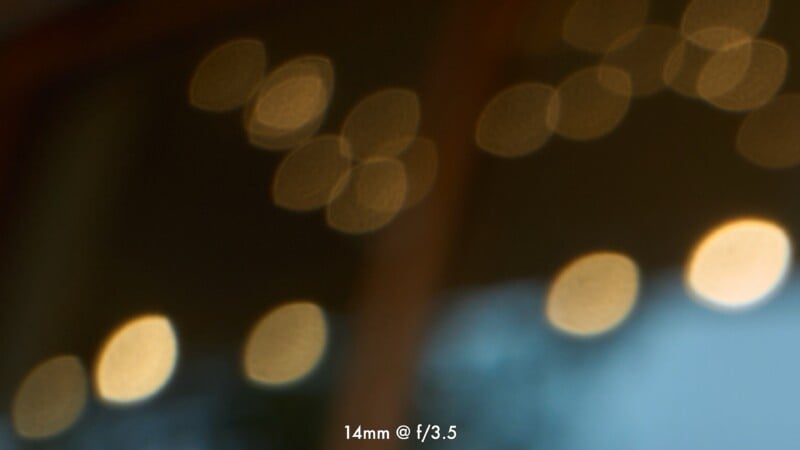
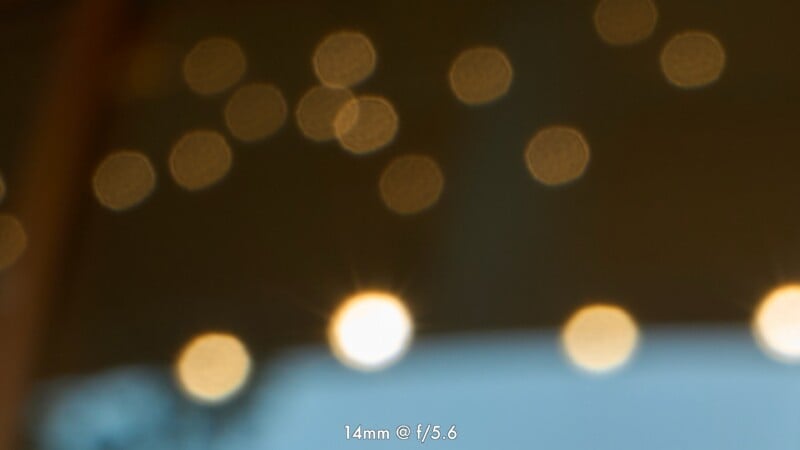
Bokeh, or the quality of out-of-focus areas, is generally not a primary concern for fisheye lenses due to their inherently massive depth of field. However, for close-up shots taken wide open, the lens produces a soft background or foreground. The specular highlights, when present, can appear somewhat "nervous," exhibiting a "soap bubble effect" and "onion rings." While noted, this characteristic is largely inconsequential for the typical applications of a fisheye lens. For videographers, focus breathing—the change in field of view when focus shifts—is a relevant factor. The FE 8-14mm f/3.5 G exhibits some minor breathing, but it is sufficiently subtle not to be overtly distracting to viewers.
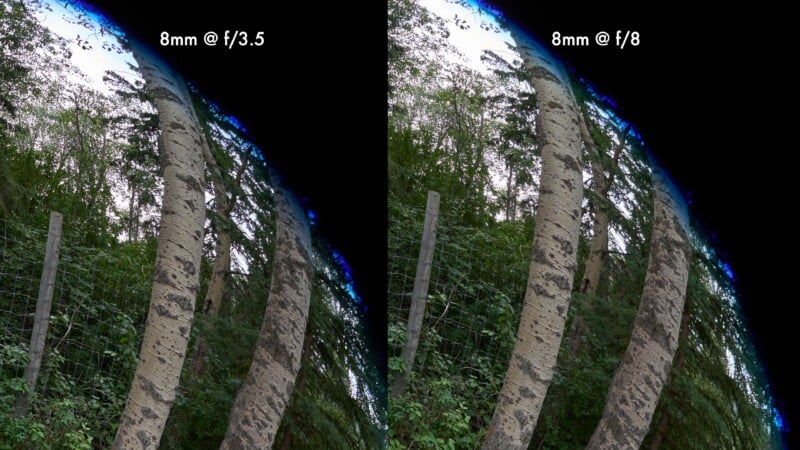
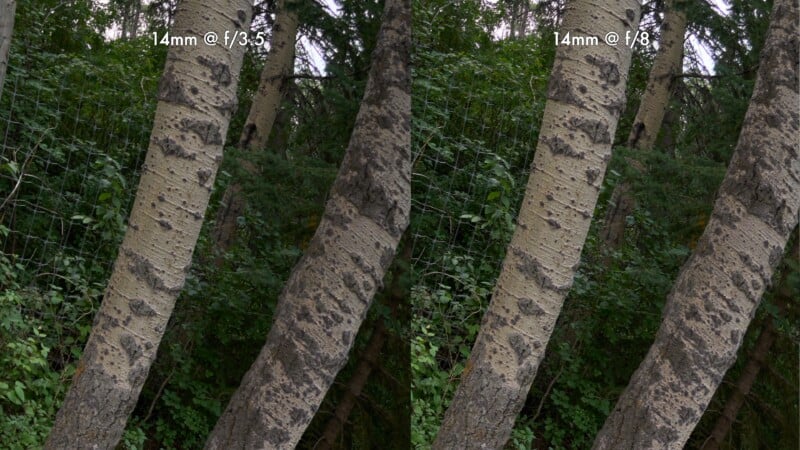
In terms of sharpness, the lens performs admirably across its usable focal lengths. At 8mm, center sharpness is described as "extreme" even wide open at f/3.5, with minimal improvement upon stopping down. The corners, while already significantly distorted by the fisheye effect, show very minor softness at f/3.5, which sharpens considerably by f/8. A similar pattern is observed at 14mm: the center is very sharp wide open, and the corners are quite good, improving slightly at f/8. This consistent sharpness throughout the frame and focal range makes the lens well-suited for high-resolution camera bodies such as Sony’s Alpha 7R series and the Alpha 1, allowing photographers to capture a wealth of detail. An interesting optical nuance is a thin blue halo that can appear outside the capture area at 8mm, which, while aesthetically pleasing to some, can be easily removed in post-processing for those who prefer a cleaner edge.

Market Implications and Competitive Landscape
The launch of the Sony FE 8-14mm f/3.5 Fisheye G carries significant implications for the E-mount ecosystem and the broader market for specialized optics. At a price point of $1,600, it positions itself as a premium offering, reflecting its advanced features, robust construction, and native E-mount integration. This pricing strategy suggests Sony is targeting professionals and serious enthusiasts who demand uncompromised performance and modern conveniences.

When considering alternatives, the competitive landscape for full-frame fisheye zooms in E-mount is relatively sparse. The primary direct competitor is the Laowa 8-15mm f/2.8, which, at approximately $699, offers a more affordable entry. However, the Laowa is a fully mechanical lens, lacking autofocus and electronic communication with the camera body. While it boasts a brighter f/2.8 aperture, it is also noted to be "considerably softer throughout the range" compared to the Sony. The Sony’s fast autofocus, electronic controls, and superior optical performance provide a "much more modern experience" that justifies its higher price for users prioritizing speed, precision, and image quality, especially in dynamic shooting scenarios.
Other potential alternatives typically involve adapting DSLR-designed fisheye zooms, such as the Canon EF 8-15mm f/4 or the Nikkor AF-S 8-15mm. While these lenses are optically capable, adapting them to E-mount introduces variables such as autofocus performance inconsistencies, potential loss of electronic features, and added bulk from the adapter. The native design of the Sony FE 8-14mm f/3.5 G ensures seamless communication with Sony Alpha bodies, guaranteeing optimal performance and a streamlined user experience.
Conclusion: A Fun and Functional Specialist Lens
The Sony FE 8-14mm f/3.5 G is more than just a new lens; it is a statement of Sony’s commitment to delivering a complete and cutting-edge lens ecosystem for its E-mount users. It fills a long-standing void, bringing modern advancements like fast autofocus, precise electronic controls, and excellent optical characteristics to the niche world of fisheye photography and videography. The "zoom" functionality, effectively offering both circular and diagonal fisheye perspectives, adds significant versatility, enabling creators to explore a wide range of dramatic visual styles.

For videographers and filmmakers, the fast and smooth autofocus, coupled with minimal focus breathing, makes it an attractive tool for capturing immersive and dynamic footage. Action sports photographers will undoubtedly appreciate its ability to keep pace with rapid movement. And for those utilizing high-resolution sensors, the lens’s impressive sharpness ensures that every detail, however distorted by the fisheye effect, is rendered with clarity.
The decision to invest in the $1,600 FE 8-14mm f/3.5 G ultimately hinges on the user’s creative needs and priorities. For dedicated fisheye enthusiasts, professionals seeking to leverage the full capabilities of their modern Sony cameras, or creators involved in VR and 3D production, the lens’s advanced features and superior performance readily justify its cost. It provides a level of integration and reliability that older, mechanical, or adapted alternatives simply cannot match, allowing photographers and videographers to focus more on their artistic vision and less on the technical challenges of specialized optics. For those less committed to the unique fisheye aesthetic, more affordable, albeit less feature-rich, options remain available. However, for those who truly love the distinctive world of fisheye imagery, the Sony FE 8-14mm f/3.5 G offers an unparalleled, modern, and highly rewarding experience.