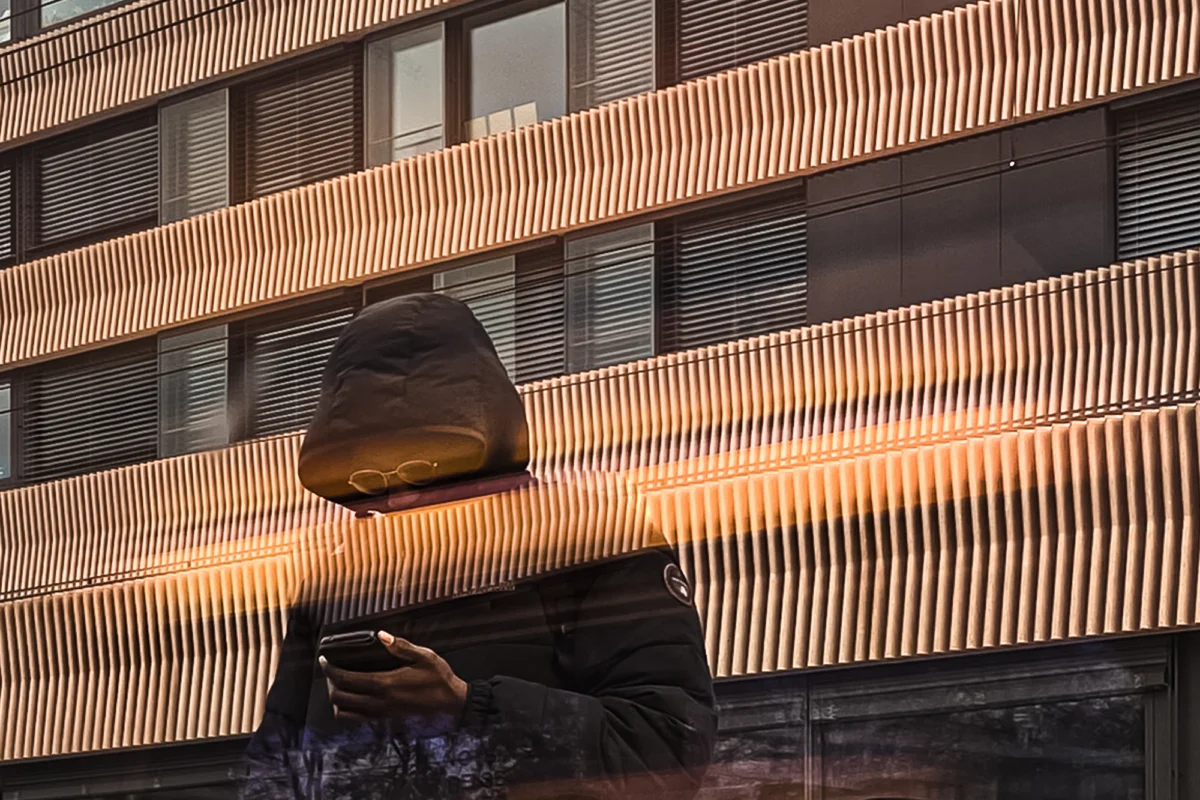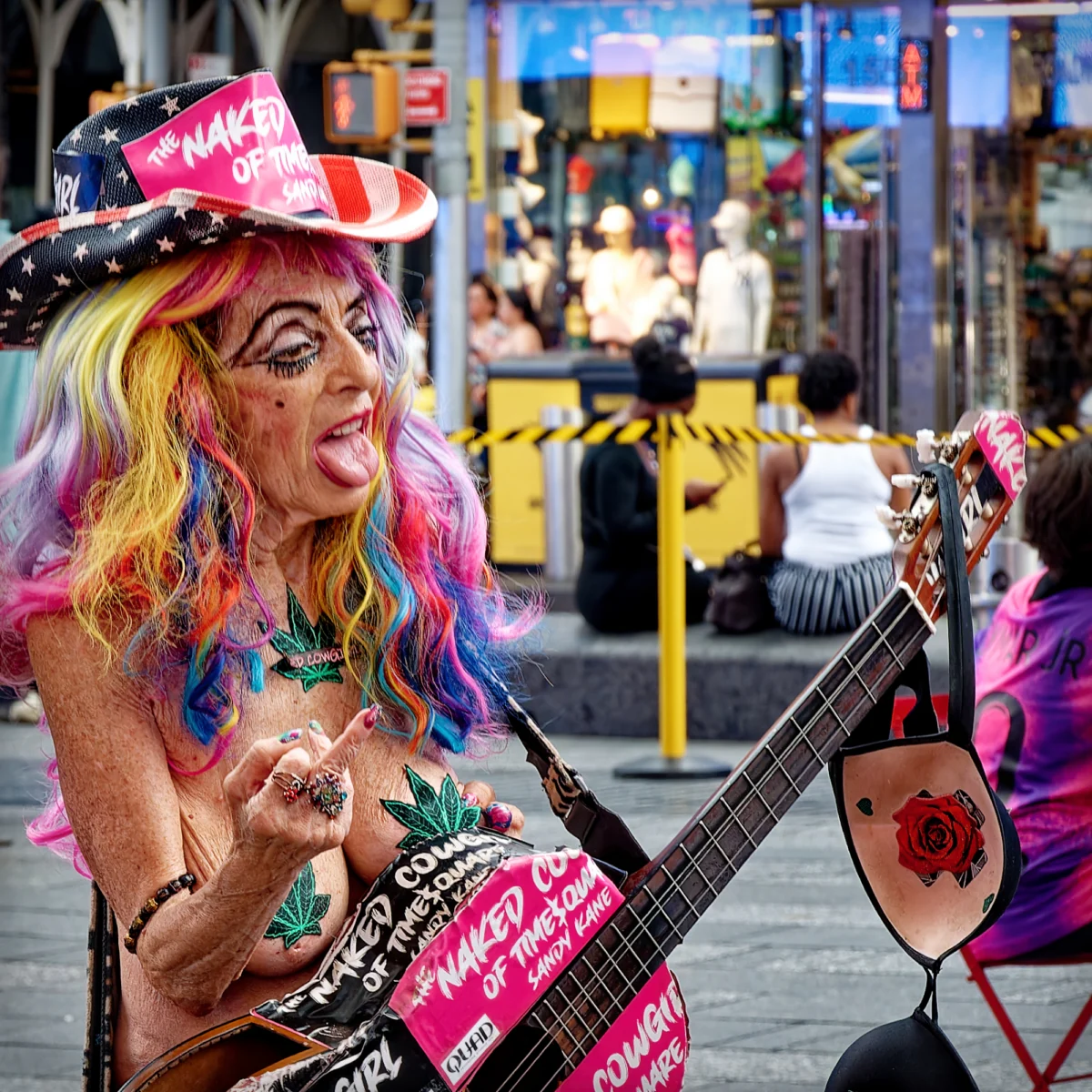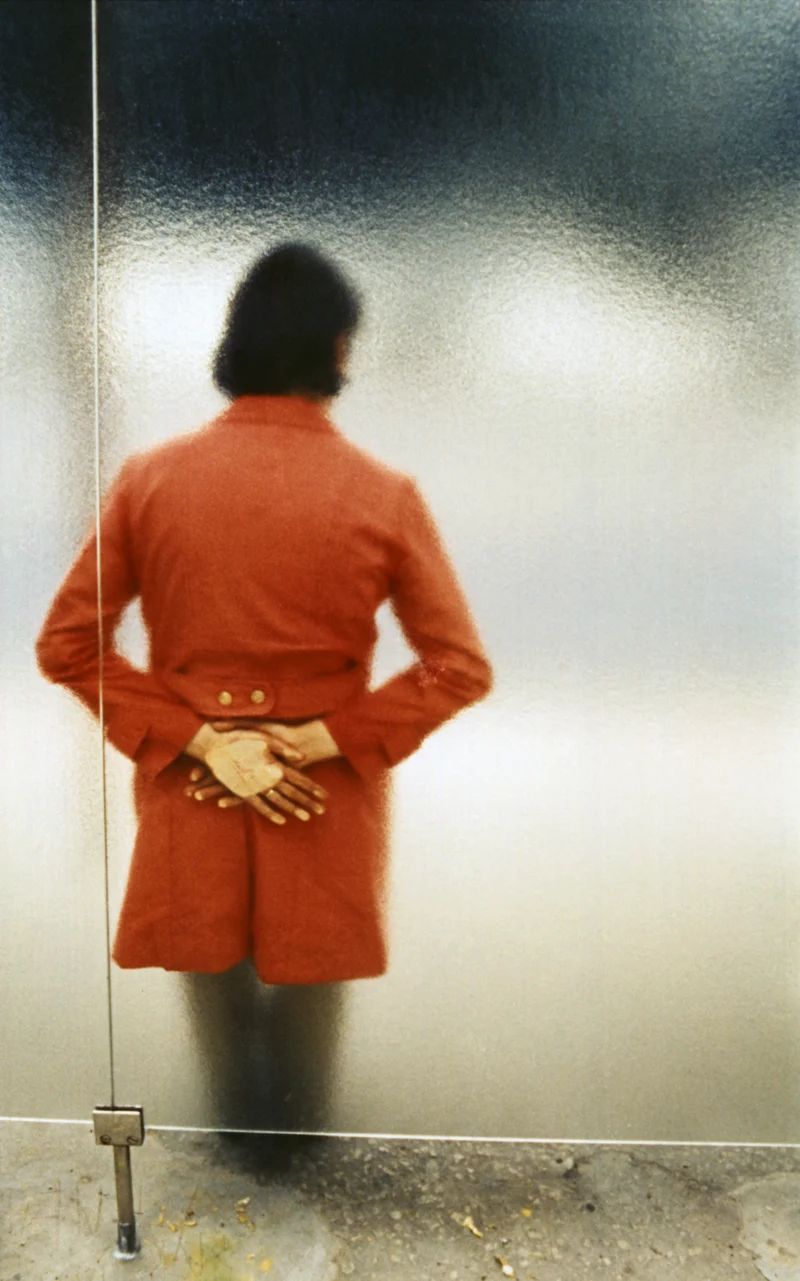
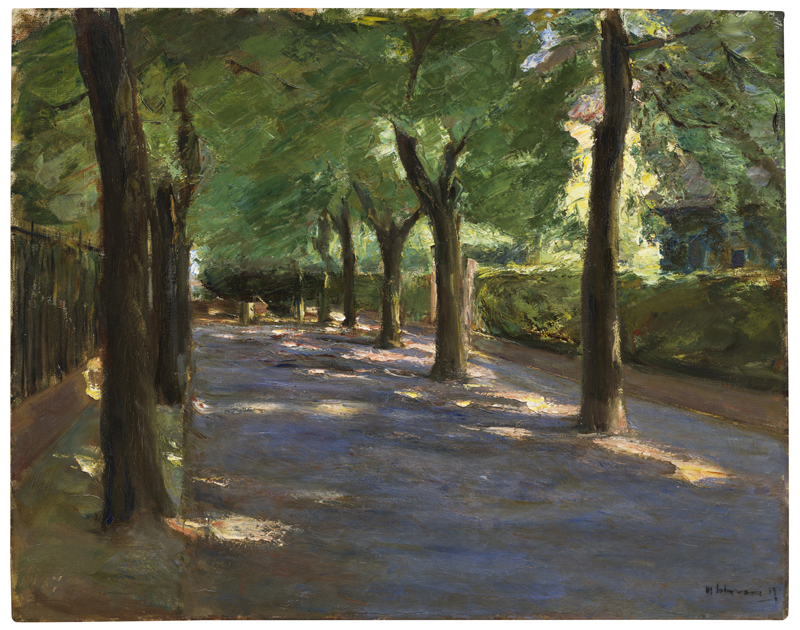
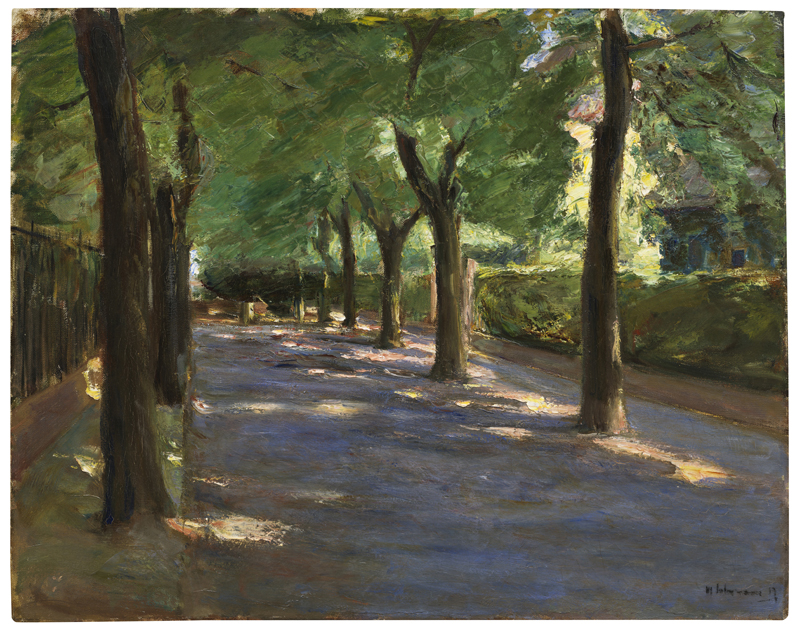
The profound parallels between the Impressionist movement in painting and the emergence of street photography reveal a shared visual language forged by technological innovation, a redefinition of subject matter, and a unique approach to light and color. This exploration, initially sparked by an observation of Max Liebermann’s 1917 painting "Die Colomierstraße in Wannsee," unveils how artists across different eras and mediums have leveraged advancements to capture the ephemeral essence of everyday life, transforming artistic perception and practice.
The Genesis of a Visual Revolution: Technological Catalysts
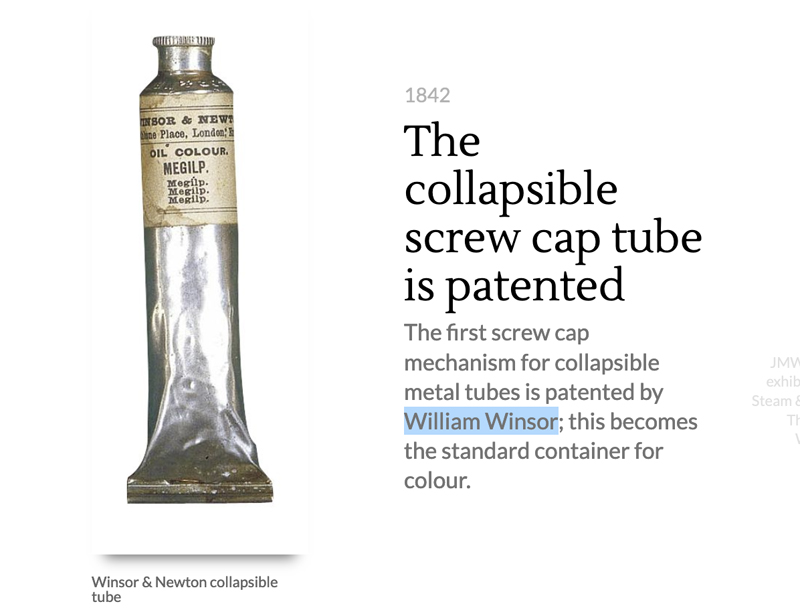
The mid-19th century marked a pivotal era for painting with the invention of the collapsible paint tube in 1841 by John Goffe Rand. This seemingly simple innovation revolutionized the artist’s workflow. Prior to this, painters were tethered to their studios, painstakingly grinding pigments and mixing their own oil paints. This process was not only time-consuming but also limited by the availability and stability of pigments. The advent of pre-packaged, portable paint tubes liberated artists from the studio, enabling them to venture outdoors and engage directly with the ever-changing nuances of natural light and color.
This newfound mobility directly fueled the Impressionist movement. Artists like Claude Monet, Camille Pissarro, and Pierre-Auguste Renoir could now directly observe and translate the fleeting effects of light on landscapes, cityscapes, and everyday scenes. Their work, characterized by loose brushstrokes and an emphasis on capturing the immediate visual impression, became a direct response to this technological enabler. Companies like Winsor & Newton and Lefranc & Bourgeois capitalized on this demand, establishing a new industry around artist materials and expanding the available palette of colors significantly.
A similar narrative of technological enablement unfolds in the history of photography. For much of its early existence, photography was a complex and demanding process. The wet plate collodion process, prevalent until the late 19th century, required photographers to prepare and sensitize glass plates immediately before exposure, often necessitating a portable darkroom. This made spontaneous outdoor photography a logistical challenge.
The introduction of ready-made dry plates and, subsequently, flexible celluloid film, mirrored the impact of the paint tube. Photographers were freed from the laborious preparation of materials, gaining unprecedented mobility and freedom to capture life as it unfolded. A critical development arrived in 1924 with the introduction of the reloadable film cassette and the practical 35mm camera by Leitz. This combination democratized photography, making it more accessible, portable, and efficient than ever before. This technological leap was instrumental in paving the way for the emergence of street photography as a distinct genre, allowing photographers to move fluidly through urban environments and document daily life with unprecedented immediacy.
Redefining the Canvas: Subject Matter and the Everyday
The liberation from studio constraints led both Impressionists and early street photographers to a profound reevaluation of subject matter. The Impressionists deliberately turned away from traditional historical, mythological, and religious themes, which had dominated academic art for centuries. Instead, they found artistic merit in the mundane realities of modern life: bustling Parisian streets, bustling cafés, theaters, parks, and the lives of ordinary people. This shift marked a significant departure, elevating everyday experiences to the realm of fine art. Their style, characterized by capturing fleeting moments with rapid brushwork, often resembled candid snapshots, a visual language that resonated with the spontaneity of life itself.
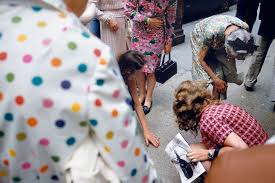
The first generation of street photographers, while not forming a cohesive, organized movement in the same vein as the Impressionists, similarly championed the ordinary as extraordinary. Photographers such as Henri Cartier-Bresson, Helen Levitt, William Klein, Joel Meyerowitz, Garry Winogrand, Lee Friedlander, Saul Leiter, Fred Herzog, William Eggleston, and Vivian Maier, though often working independently, collectively transformed how everyday life was depicted. They recognized the artistic potential in anonymous passersby, the rhythms of daily existence, fleeting moments, and the seemingly unremarkable urban landscape. Cafés, parked cars, shop windows, neon signs, and children at play became their chosen subjects, mirroring the Impressionists’ embrace of the commonplace.
Stephen Shore, for instance, pushed this concept to its limits, finding artistic significance in hotel rooms, bathrooms, and even his own meals. This expansion of subject matter underscored the belief that profound artistic statements could arise from the most humble and overlooked aspects of human experience. Both movements demonstrated that the true subject of art could be the lived reality of the world around us, rather than idealized or historical narratives.

The Dance of Light and Shadow: A Shared Fascination
Perhaps the most compelling connection between Impressionism and street photography lies in their shared fascination with light. For the Impressionists, light was not merely an element to illuminate a subject; it became a subject in itself. Max Liebermann’s "Die Colomierstraße in Wannsee" exemplifies this. While the painting depicts a country road, the true subject is the dappled sunlight filtering through the leaves, transforming the scene into something poetic. The contrast between the shaded areas and the illuminated patches of light creates a palpable atmosphere and draws the viewer’s eye, making the light itself the protagonist.
This paradox – that light is most intensely perceived through its opposite, shadow – is a fundamental principle that resonates deeply within street photography. Photographers like Helen Levitt, Mitch Epstein, Saul Leiter, William Eggleston, and Fred Herzog understood that the interplay of light and shadow was crucial for creating mood, depth, and emotional impact. They utilized these elements not just to record a scene but to imbue it with a specific feeling or atmosphere. The quality of light could transform an ordinary street corner into a compelling visual narrative.
Later generations of street photographers, including Stephen Shore, Ed van der Elsken, and Alex Webb, continued to explore this dynamic. Their work often features light as a dominant force, demonstrating that even the most mundane subjects can be elevated when illuminated by extraordinary light. For both Impressionists and street photographers, light is not merely a technical necessity but a powerful creative tool that shapes perception and interpretation.
The Palette of Perception: Color and Innovation
The advent of the paint tube and industrial pigment production provided Impressionists with a richer and more diverse palette. They enthusiastically embraced these new possibilities, experimenting with colors to convey emotion and subjective experience rather than strict adherence to naturalistic representation. The Impressionists’ use of violet, for example, was not merely descriptive but a tool to depict light, atmosphere, and shadow, adding depth and luminosity to their canvases. They recognized that color was a language of interpretation, not just description.
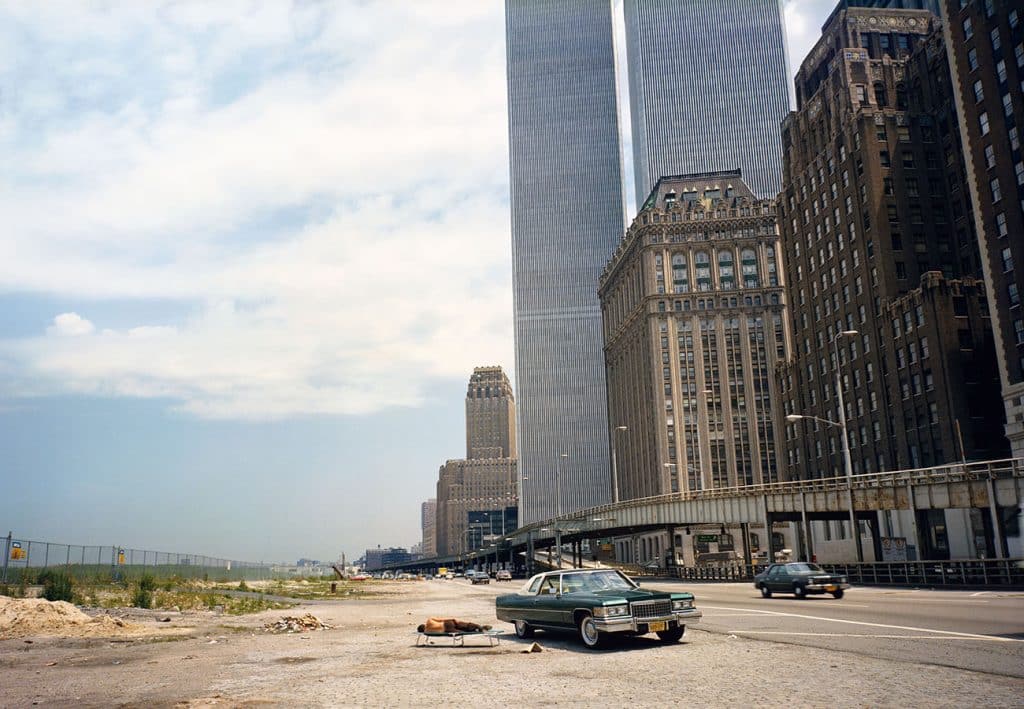
A parallel can be drawn with the rise of color photography. At a time when black-and-white photography was considered the standard for serious art, photographers like Helen Levitt, Saul Leiter, Mitch Epstein, William Eggleston, and Fred Herzog deliberately embraced color. William Eggleston, in particular, was a pioneer, utilizing the dye-transfer process to achieve exceptionally rich and saturated colors. This was a technically demanding and expensive method, highlighting the dedication and artistic vision required to push the boundaries of color in photography.
Just as new pigments and technologies expanded the possibilities for painters, advances in photographic materials and printing processes allowed photographers to move beyond mere documentation and use color as a powerful expressive tool. The vibrant palettes of Eggleston, Epstein, and Leiter, and later photographers like Vivian Maier and Martin Parr, demonstrate how color could be employed to shape mood, guide attention, and transform ordinary scenes into evocative visual experiences. For these artists, color was a means of interpreting the world, not just recording it.
Challenging Conventions: Education and Critical Reception
A striking commonality between Impressionism and street photography is the unconventional educational paths of many of their pioneers. Many Impressionists, despite their profound impact, did not complete formal academic training, often consciously distancing themselves from the rigid rules of art academies. They learned through observation, experimentation, and informal instruction within artist circles.
Similarly, many influential street photographers were largely self-taught. Ed van der Elsken, for example, pursued various forms of education but never obtained a formal diploma, instead learning through hands-on experience and mentorship. Michiel van Mens’ research into street photography signatures reveals that only a small fraction of renowned street photographers completed formal photography education. This pattern suggests that artistic innovation often thrives outside traditional educational structures, where individuals are free to develop unique visual languages and challenge established norms.
The critical reception of both movements also shares a parallel narrative of initial dismissal followed by eventual widespread acclaim. The term "Impressionist" was originally coined by critic Louis Leroy as a derogatory label, implying that the paintings were unfinished sketches. The artists, however, embraced the term with pride, transforming a criticism into an emblem of their movement.
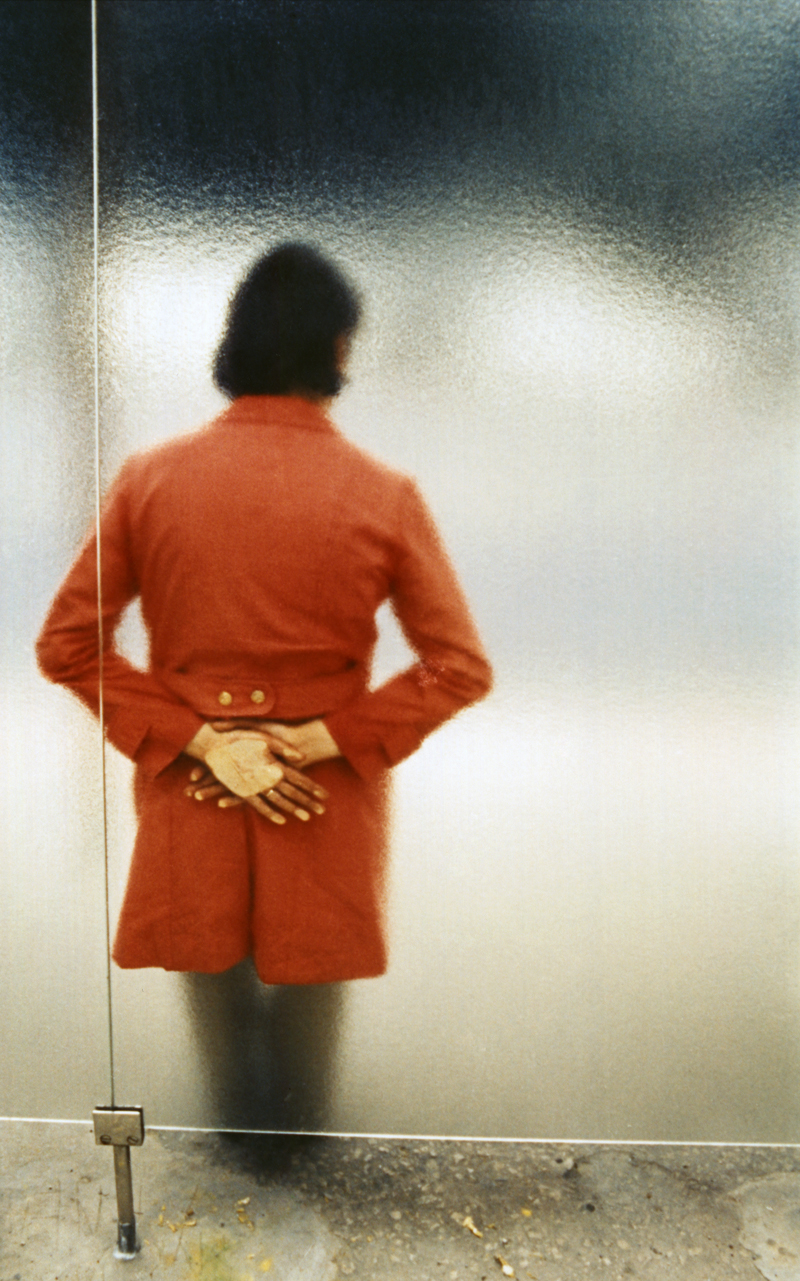
Street photography faced a similar fate. William Eggleston’s 1976 solo exhibition at MoMA was met with disbelief and criticism, with some dismissing his photographs as mere "snapshots." This label, like "Impressionist," was intended to diminish the artistic merit of the work, suggesting a lack of intentionality and artistic rigor. Photographers working in color or focusing on everyday subjects often struggled for recognition and exhibition opportunities. However, history has shown the misplaced nature of this criticism. Eggleston’s photographs, like Monet’s paintings, are meticulously composed and thoughtfully executed. Over time, what was once dismissed as careless or incomplete has become recognized as groundbreaking, influential, and artistically significant.
The Enduring Legacy: A Contemporary Lens
The legacy of Impressionism and street photography continues to influence contemporary artists. As Michiel van Mens notes, today’s street photographer is a "colorist of everyday life," shaping viewers’ experiences through deliberate use of color, or a considered lack thereof. The emphasis on photographing light in public spaces, understanding that light’s visibility is amplified by shadow, remains a core principle.
The role of technology in shaping artistic perception is also more relevant than ever. Just as new pigments and technologies empowered the Impressionists, contemporary artists are exploring the possibilities offered by digital tools, software, algorithms, and artificial intelligence. The ability to enhance images through post-processing, much like the Impressionists experimented with new pigments, allows photographers to strengthen light, deepen shadows, and emphasize particular colors to create specific moods and expressive power.
The history of art demonstrates a recurring pattern: technological innovations, initially met with skepticism, ultimately expand creative possibilities and challenge existing artistic paradigms. Artists who embrace these new tools, driven by curiosity and a desire to explore familiar subjects in unfamiliar ways, often pave the path for future artistic progress. Whether it’s the paint tube of the 19th century or the digital tools of the 21st, the fundamental drive for artistic expression, fueled by technological advancement and a keen observation of the world, remains a constant. The enduring parallels between Impressionism and street photography serve as a powerful reminder that artistic innovation often flourishes at the intersection of tradition and transformation.