Lighting in photography stands as one of the most vital elements for any aspiring or seasoned photographer to master, frequently serving as the critical differentiator between a merely good photograph and one that is truly spectacular. It is the invisible force that sculpts form, defines mood, enhances texture, and guides the viewer’s eye, fundamentally shaping how a subject is perceived. Without a profound understanding of light and its myriad properties, a photographer is merely recording; with it, they become a visual storyteller, capable of evoking emotion and revealing hidden beauty.
The journey to photographic mastery inherently involves an intimate relationship with light. Whether the objective is to capture the ephemeral golden hues of a sunrise painting a vast landscape, the intricate interplay of dramatic shadows within a dense forest canopy, or the striking silhouette of wildlife backlit by a setting sun, the ability to effectively understand, predict, and harness light is paramount. This foundational skill not only elevates technical execution but also unlocks profound creative potential, enabling photographers to transcend mere documentation and craft images that resonate deeply with their audience. This comprehensive guide delves into the nuances of lighting across various nature photography genres, offering insights and techniques to empower every photographer to take their work to unprecedented heights.
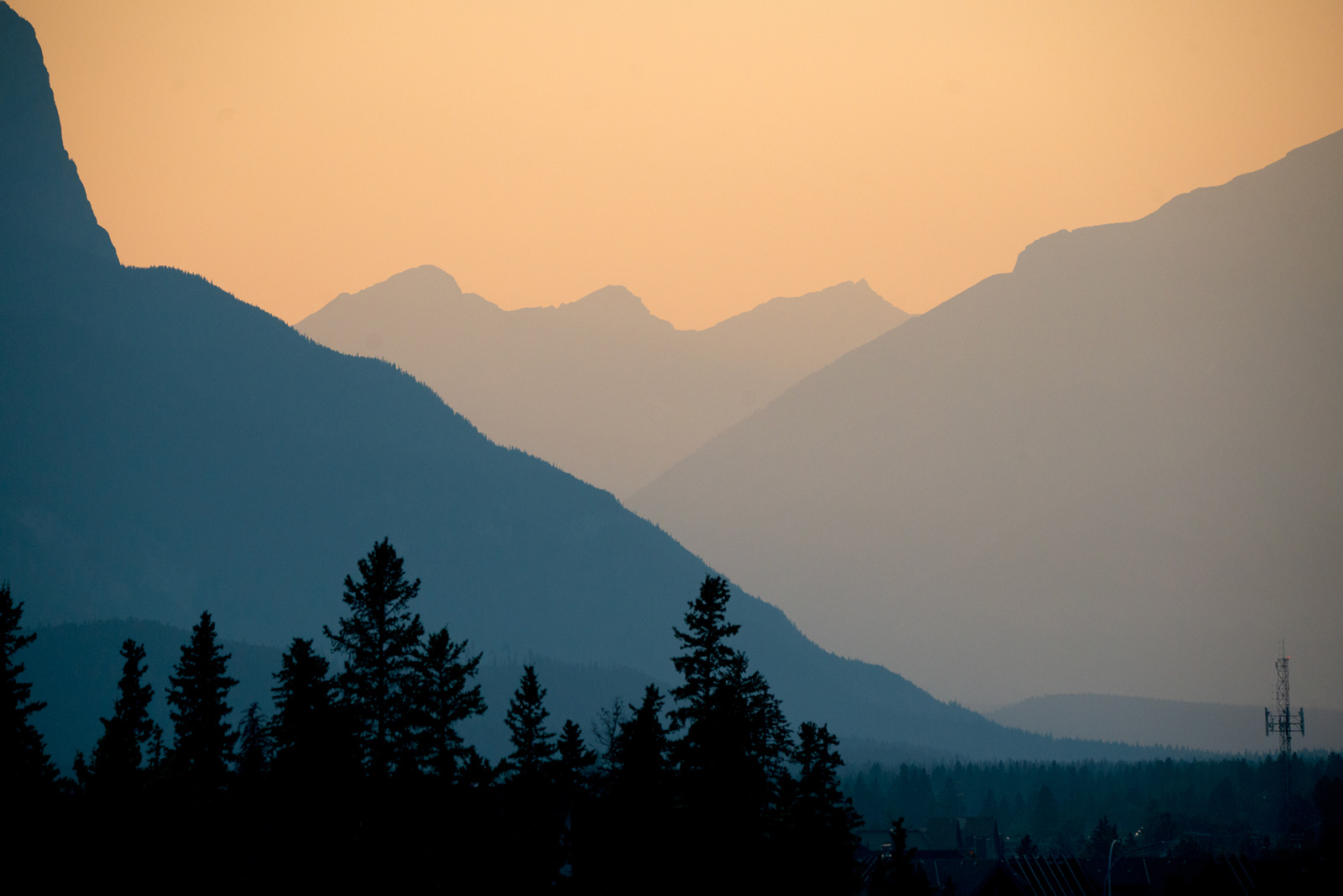
The inherent physics of light dictates its interaction with subjects and environments, influencing everything from color rendition to perceived depth. Understanding the direction of light – whether it’s frontal, side, back, or top-down – is crucial. Frontal light tends to flatten a subject but reveals maximum detail and color saturation. Side lighting, conversely, accentuates texture and form by creating pronounced shadows and highlights, adding a three-dimensional quality. Backlighting, often challenging, can produce dramatic rim light effects or powerful silhouettes, separating the subject from its background. The quality of light, categorized as hard or soft, depends on the size of the light source relative to the subject and its distance. A small, distant source (like the midday sun) yields hard light with sharp, defined shadows, emphasizing contrast. A large, diffused source (like an overcast sky or an open shade) produces soft light with gentle transitions and minimal shadows, ideal for subtle details and vibrant colors. Furthermore, color temperature, measured in Kelvin, determines the warmth or coolness of light, ranging from the cool blues of twilight to the warm oranges of the golden hour. Mastering these properties allows a photographer to not just react to existing light but to actively anticipate and manipulate it to achieve a desired artistic vision.
Lighting in Wildlife Photography: Capturing the Elusive Glow
Creating images of wildlife that genuinely stand out in a crowded visual landscape necessitates a deep understanding of how light interacts with living subjects, the unique qualities it possesses in natural environments, and the strategic methods to harness it. Wildlife photography, by its very nature, often presents unpredictable scenarios where control over the environment is minimal. This makes the photographer’s ability to interpret and utilize available light all the more critical. The ethical imperative to not disturb animals for the sake of a photograph further underscores the reliance on natural light and the photographer’s skill in working within its constraints.

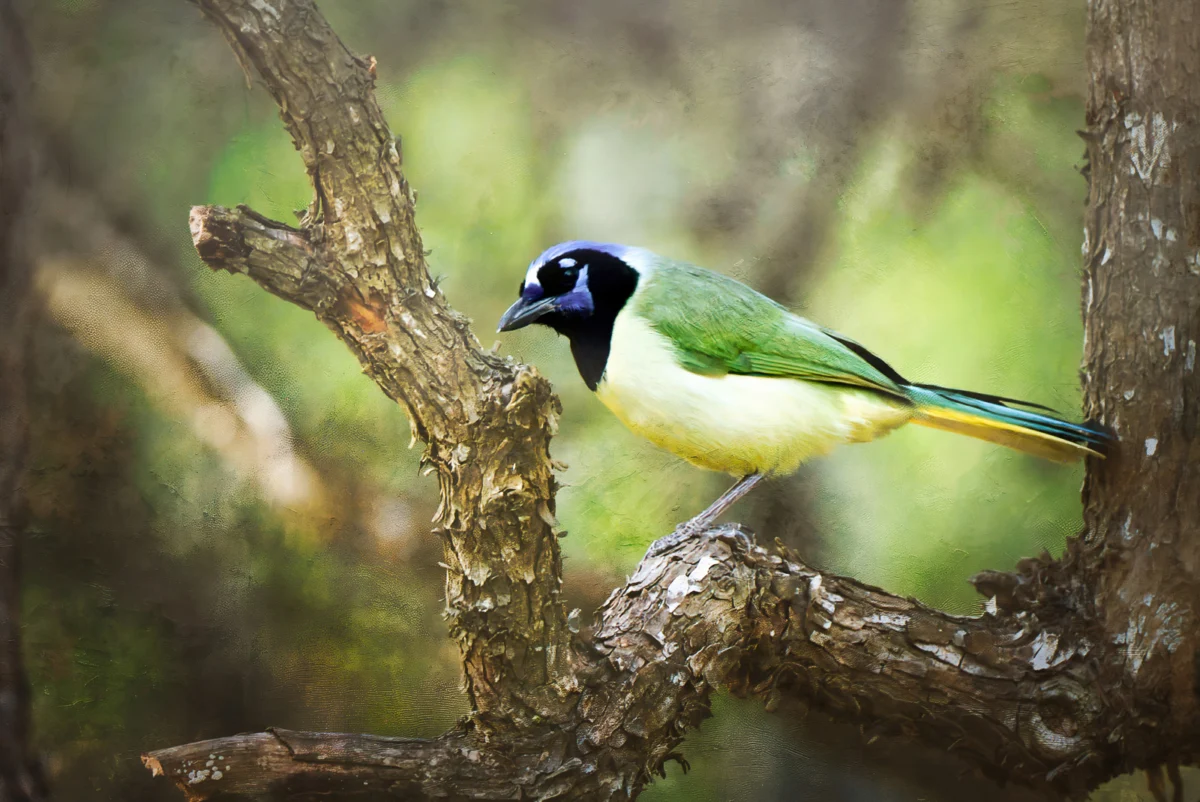
Optimal lighting for wildlife frequently occurs during the "golden hours"—the periods shortly after sunrise and before sunset. During these times, the sun is low on the horizon, casting a soft, warm, and directional light that sculpts the animal’s form, reveals texture in its fur or feathers, and often creates captivating catchlights in its eyes. This low-angle light also helps separate the subject from a potentially busy background, enhancing visual impact. Backlighting, while challenging due to potential exposure issues and lens flare, can be incredibly effective for creating dramatic silhouettes or ethereal rim lighting that outlines the subject against a brighter backdrop, emphasizing its shape and presence. Side lighting is excellent for highlighting the contours and textures of an animal, giving it a three-dimensional quality. In contrast, overcast conditions, though often perceived as less dramatic, provide beautifully diffused, even light that is perfect for capturing vibrant colors and intricate details without harsh shadows, particularly effective for subjects in forested areas or close-up portraits. Mastering these techniques allows wildlife photographers to gain a deeper understanding of light’s relationship to their subjects, transforming ordinary encounters into extraordinary photographic moments.
Lighting in Landscape Photography: Sculpting the Earth’s Canvas
For landscape photographers, understanding lighting extends far beyond mere exposure settings; it is the very essence of composing and conveying the grandeur and mood of a scene. One of the most powerful skill sets a landscape photographer can cultivate is the acute ability to identify, meticulously plan for, and deftly adapt to the perpetually shifting tapestry of natural lighting conditions. A landscape is a static subject, but the light that illuminates it is anything but, undergoing constant transformation from dawn to dusk, and with every passing cloud or storm front.

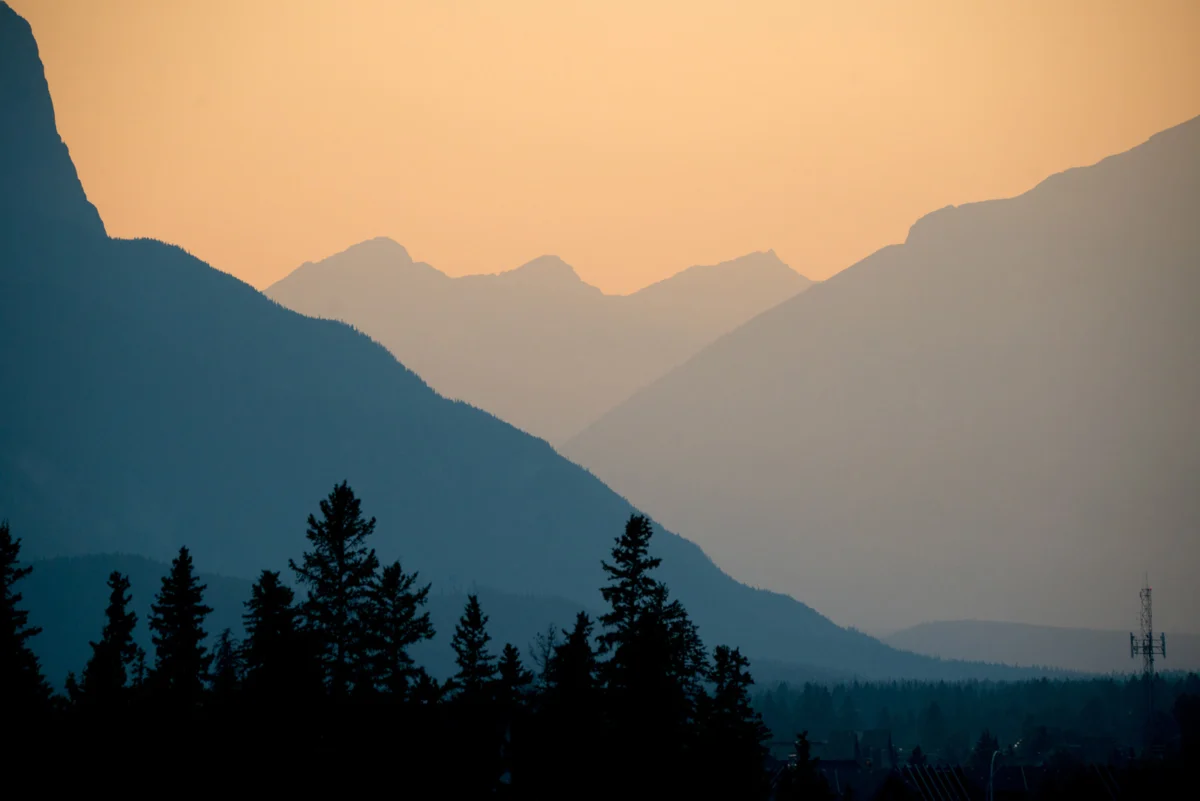
The "golden hours" are, once again, revered in landscape photography, but for distinct reasons. The low angle of the sun during these times creates long, dramatic shadows that can be used as leading lines, guiding the viewer’s eye through the frame and emphasizing the topography of the land. The warm color temperature adds a sense of serenity or drama, depending on the scene. The "blue hour," preceding sunrise and following sunset, offers a different kind of magic, bathing the landscape in cool, ambient light with a profound sense of calm and mystery, often ideal for urban landscapes or scenes with artificial lighting that contrasts with the deep blue sky. Overcast days, often dismissed by novices, provide a giant softbox, rendering scenes with diffused light that is excellent for forests, waterfalls, and intimate landscapes where subtle colors and textures are paramount. Stormy conditions, with their dramatic skies and breaks in the clouds, can create pockets of intense, directional light that highlight specific elements, adding immense drama and contrast. Planning is crucial here; photographers often use apps to predict sun paths, moon phases, and cloud cover, scouting locations to understand how light will fall at different times of day. This foresight allows them to strategically position themselves to harness the light, using it not just to illuminate but to compose, evoke emotion, and tell the story of the land.
Lighting in Underwater Photography: Illuminating the Deep Blue
Learning how to find, create, and effectively utilize light in the underwater realm presents a unique and often formidable challenge, yet it is arguably the most essential skill for making underwater photography truly stand out. The aquatic environment profoundly alters light, necessitating specialized techniques and equipment to capture the vibrant colors and intricate details of marine life and seascapes. Water acts as a powerful filter, absorbing light wavelengths differentially; red light is absorbed first, even in shallow depths, followed by orange, yellow, and green, leaving only blue and green light to penetrate deeper. This phenomenon explains why underwater scenes often appear monochromatic blue-green to the naked eye.

To counteract light attenuation and color loss, underwater photographers rely heavily on artificial light sources, primarily strobes (underwater flashes) and continuous video lights. Strobes are indispensable for "bringing back" the lost colors, adding contrast, and freezing the motion of fast-moving subjects. The placement of strobes is critical; positioning them to the side of the camera, angled slightly outwards, helps to illuminate the subject while minimizing backscatter (light reflecting off particles in the water). For wide-angle scenes in shallower waters, ambient light can still play a significant role, with photographers timing their dives for optimal sun angles to capture sunbursts or dramatic natural light effects. For subjects closer to the surface, where some natural light still penetrates, careful management of white balance—either through manual settings, color filters, or post-processing—is vital to ensure accurate color rendition. As photographers venture deeper or into caves, ambient light diminishes rapidly, making powerful artificial illumination even more crucial. Mastering these techniques, from understanding light absorption to strategically deploying strobes, transforms underwater imagery from murky observations into breathtaking glimpses of an alien world, whether capturing majestic ocean giants on shallow dives or revealing the delicate intricacies of creatures found during deep-water blackwater photography.
Lighting for Macro Photography: Unveiling Hidden Worlds
Whether the subject is a minuscule amphibian, an intricate insect, or the delicate textures found within a dewdrop, lighting remains an absolutely critical element in macro photography. Operating at extreme magnifications introduces unique challenges, including an extremely shallow depth of field and often significantly reduced available light at such close working distances. The scale of the subject means that even minor shifts in light can drastically alter the final image.

Natural, diffused light is often the preferred starting point for macro photographers. Overcast days or open shade provide soft, even illumination that minimizes harsh shadows and highlights, allowing for the capture of subtle details and rich colors. However, relying solely on natural light can be limiting, especially for subjects hidden in dense foliage or during less-than-ideal weather. This is where artificial light sources become indispensable. Dedicated macro flashes, often in the form of ring flashes or twin flashes mounted on the lens, provide precise and controllable illumination. Ring flashes offer even, shadowless light, ideal for scientific documentation or highlighting fine textures. Twin flashes, which can be angled independently, allow for more directional lighting, creating shadows that add depth and dimension to the tiny subjects. The use of small reflectors and diffusers is also common, helping to bounce or soften light precisely where needed. For instance, a small piece of white card can act as a reflector to fill in shadows, while a translucent material can diffuse direct sunlight. Managing the background is another key aspect; how light interacts with the elements behind the subject can either enhance or detract from the main focus. Furthermore, techniques like focus stacking, which combine multiple images focused at different depths, often require consistent lighting across all shots to ensure seamless integration. By mastering these lighting strategies, macro photographers can effectively overcome the inherent challenges of their genre, transforming the unseen into visually stunning revelations of nature’s microscopic wonders.
In Conclusion: The Ever-Evolving Art of Light
Regardless of the specific subject matter—be it the sweeping grandeur of a mountain range, the fleeting moment of a bird in flight, the silent ballet of marine life, or the intricate beauty of a dew-kissed leaf—lighting is unequivocally the most crucial element to master for creating memorable and standout images. It is the language through which photographers communicate, the brush with which they paint, and the tool by which they imbue their work with emotion and narrative.

The guides and principles outlined above offer a foundational understanding, but the true mastery of light is an ongoing journey of observation, experimentation, and adaptation. It demands an acute awareness of the environment, a technical proficiency with equipment, and an artistic vision to foresee how light will transform a scene. Photographers are encouraged to continuously study light in all its forms, from the dramatic contrasts of a stormy sky to the gentle embrace of diffused fog, and to actively practice applying these insights in their fieldwork. By consciously seeking out, understanding, and harnessing the immense power of lighting, photographers can consistently elevate their work, transforming mere snapshots into profound visual statements that captivate and inspire. We eagerly anticipate witnessing how you utilize light in your photographic endeavors; do not hesitate to share your illuminated images with the broader photographic community.