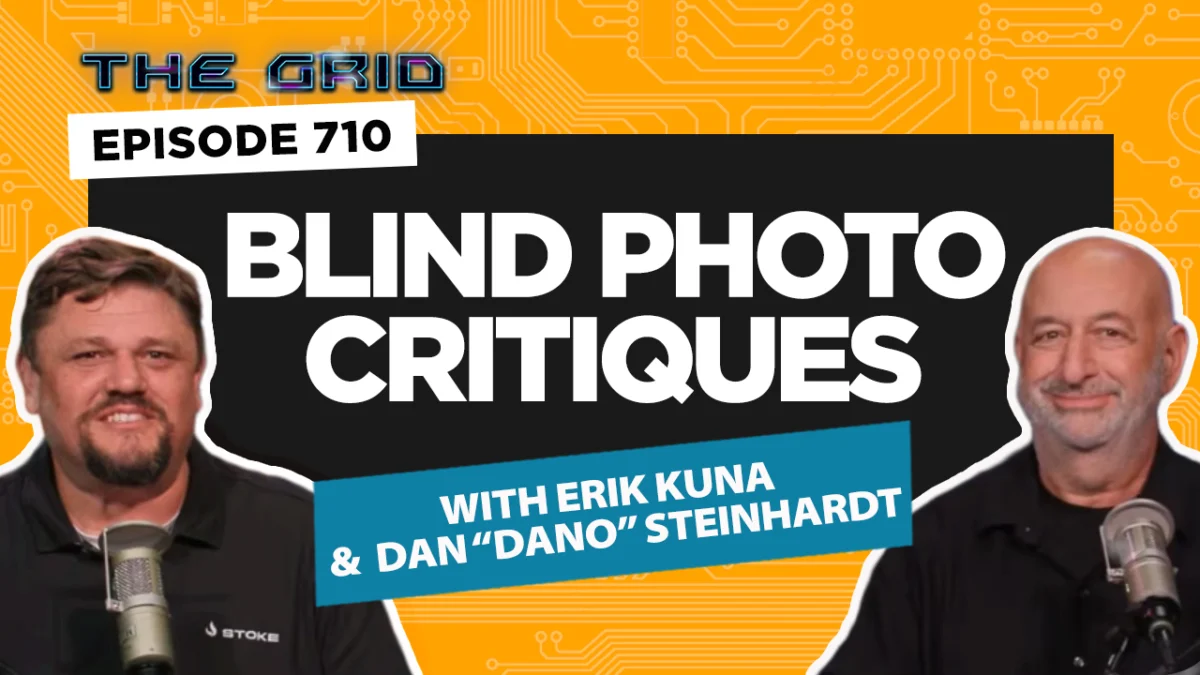
This week, the widely acclaimed photography webcast The Grid, produced by KelbyOne, delivered another highly anticipated installment of its "Blind Photo Critiques" segment, featuring seasoned photography educators Erik Kuna and Dan "Dano" Steinhardt. Episode 710, now available for replay, offered a comprehensive review of diverse photographic genres, ranging from the intricacies of street photography and the technical demands of astrophotography to the nuanced artistry of wildlife, travel, sports, portraiture, and architectural photography. The central theme that consistently emerged throughout the critiques underscored the critical role of a strong post-processing workflow in effectively guiding the viewer’s gaze and enhancing the narrative power of an image.
A Deep Dive into Visual Storytelling Through Editing
Kuna and Steinhardt, both renowned for their practical teaching styles and extensive experience, meticulously dissected submitted photographs without prior knowledge of their creators, ensuring an unbiased and purely merit-based evaluation. This format allows for an objective assessment of composition, exposure, focus, and—crucially—the impact of post-production. Across the varied submissions, a recurring principle crystallized: a photograph’s ultimate effectiveness is often determined not just by the moment it was captured, but by the subsequent strategic decisions made in the editing suite. The hosts provided actionable advice on several key areas, including the art of cropping to eliminate distracting elements, the judicious manipulation of light to sculpt subjects and create depth, identifying stronger shooting angles even within existing frames, and the transformative concept of discovering a "photo within the photo" through thoughtful re-composition.
The episode was particularly rich in demonstrating practical editing techniques essential for any photographer looking to elevate their craft. Discussions and live demonstrations covered selective sharpening to emphasize critical details, the classic darkroom techniques of dodging and burning adapted for digital workflows to control luminosity, the strategic application of gradients to balance exposures or enhance skies, and the subtle power of vignettes to draw attention to the main subject. One segment, in particular, provided a compelling live edit, showcasing how a seemingly simple crop combined with a carefully applied vignette could dramatically alter a photograph’s composition, effectively eliminating peripheral distractions and refocusing the viewer’s attention precisely where the photographer intended. This highlighted a core tenet of the session: impactful editing does not always necessitate complex, time-consuming manipulations. Often, a few thoughtful and well-executed adjustments within software like Adobe Lightroom are sufficient to transform an image and unlock its full potential.
The Grid: A Pillar of Photography Education
The Grid has been a cornerstone of online photography education for over a decade, establishing itself as a leading weekly webcast for photographers of all skill levels. Launched by KelbyOne, a global leader in online creative education, the show typically features prominent instructors and industry experts discussing a wide array of topics, from gear reviews and shooting techniques to advanced editing tutorials and business strategies for photographers. Hosted primarily by figures like Scott Kelby, Erik Kuna, and Larry Becker, The Grid has consistently provided accessible, high-quality content that demystifies complex photographic concepts and inspires its vast international audience. The show’s longevity, evidenced by its 710th episode, speaks volumes about its sustained relevance and the demand for practical, expert-led instruction within the photography community.
KelbyOne, founded by renowned photographer and author Scott Kelby, emerged from a vision to democratize photography and creative software education. Since its inception, the platform has grown into a comprehensive resource offering thousands of courses, tutorials, and resources across photography, Photoshop, and Lightroom. Its commitment to delivering practical, results-oriented training has fostered a global community of learners, from aspiring hobbyists to seasoned professionals. The "Blind Photo Critiques" segment, a recurring and highly popular feature on The Grid, perfectly embodies KelbyOne’s pedagogical philosophy: provide objective, constructive feedback in a supportive environment, enabling photographers to learn from real-world examples and apply insights directly to their own work. This commitment to continuous learning and improvement is a hallmark of the KelbyOne brand.
Expert Voices: Erik Kuna and Dan "Dano" Steinhardt
Erik Kuna and Dan Steinhardt are well-regarded figures within the photography education landscape, both having extensive careers marked by their photographic prowess and their ability to effectively impart knowledge. Erik Kuna, known for his dynamic teaching style and expertise across multiple genres, particularly astrophotography and landscape photography, brings a technical yet artistic perspective to his critiques. His background as a content creator and educator for KelbyOne provides him with a deep understanding of common photographic challenges and effective solutions. His insights often bridge the gap between technical execution and artistic vision, encouraging photographers to think beyond mere capture.
Dan "Dano" Steinhardt complements Kuna’s insights with his extensive experience, often focusing on the nuances of lighting, composition, and the emotional connection within an image. Steinhardt’s practical approach and his ability to break down complex concepts into digestible advice make him a favorite among viewers. His contributions to The Grid and KelbyOne’s broader educational offerings consistently emphasize the foundational principles that underpin compelling photography, irrespective of the genre. Together, their combined expertise offers a balanced and comprehensive perspective during the critiques, covering both the technical precision and the artistic flair required to produce outstanding images.
The Pedagogy of Blind Critiques: Learning from the Unseen
The "Blind Photo Critiques" format is more than just an entertaining segment; it’s a powerful pedagogical tool. By anonymizing the submissions, the hosts and viewers are forced to evaluate the image purely on its merits, free from any preconceptions about the photographer’s reputation or equipment. This fosters a focus on the fundamental elements of photography: composition, light, exposure, storytelling, and the impact of post-processing. Viewers gain invaluable insights by observing how seasoned professionals dissect images, identify areas for improvement, and suggest concrete solutions. It teaches critical thinking about one’s own work and the work of others, promoting a deeper understanding of visual communication.
The specific critiques offered in Episode 710 underscored several universal principles. For instance, in street photography, the ability to crop out extraneous elements can transform a cluttered scene into a focused narrative. In astrophotography, selective sharpening and dodging/burning can accentuate celestial details that might otherwise be lost in the vastness of the night sky. For portraits, a subtle vignette can draw the eye directly to the subject’s eyes, enhancing emotional impact. Architectural shots benefit immensely from careful perspective correction and judicious use of gradients to balance uneven lighting. These examples illustrate that while genres vary, the underlying principles of effective post-processing remain consistent.
The Transformative Power of Thoughtful Adjustments
The episode’s emphasis on the idea that "you don’t always need a complicated edit" resonates deeply with photographers at all stages of their journey. In an era where advanced photo editing software offers an overwhelming array of tools and filters, there’s a common misconception that more complex edits equate to better results. Kuna and Steinhardt effectively countered this, demonstrating that mastery often lies in the thoughtful application of fundamental adjustments. A simple crop can redefine the narrative. A precise dodge and burn can sculpt light and shadow, adding dimensionality. A well-placed gradient can balance exposures that were challenging to capture in-camera. These techniques, when applied with intention, often yield more impactful results than overly processed images that lose their natural appeal.
This pragmatic approach empowers photographers to embrace post-processing without feeling intimidated. It reinforces the idea that editing is an extension of the creative process, a final opportunity to refine and perfect the visual story. By showcasing how minimal, targeted adjustments can yield significant improvements, The Grid encourages photographers to approach their editing with purpose and an understanding of how each tool contributes to the overall artistic vision.
Broader Impact and Implications for the Photography Community
The latest "Blind Photo Critiques" episode on The Grid represents more than just another segment; it signifies KelbyOne’s ongoing commitment to fostering a globally informed and skilled photography community. By making such expert-level instruction freely available on platforms like YouTube, KelbyOne ensures that essential educational resources are accessible to a broad audience, breaking down geographical and financial barriers to learning. This accessibility is crucial in an evolving digital landscape where visual literacy and technical proficiency are increasingly vital.
The discussions around guiding the viewer’s eye through editing have significant implications for visual communication as a whole. In a world saturated with imagery, the ability to create photographs that not only capture attention but also direct it purposefully is a powerful skill. These critiques equip photographers with the tools to craft more compelling narratives, whether for personal projects, client work, or journalistic endeavors. The episode serves as a powerful reminder that while technology advances, the core principles of effective visual storytelling, enhanced by strategic post-processing, remain timeless. It encourages photographers to view their craft holistically, from the initial vision and capture to the final, polished presentation, underscoring that every step in the process contributes to the ultimate impact of an image.