The Fujifilm XF200mm f/2 R LM OIS WR super-telephoto prime lens has emerged as a definitive tool for professional motorsport photographers operating within the Fujifilm X-Series ecosystem, distinguishing itself with a combination of exceptional optical performance, robust construction, and advanced features tailored for high-speed action. While versatile zoom lenses like the Fujifilm XF100-400mm f/4.5-5.6 R LM OIS WR provide essential coverage and flexibility, the XF200mm f/2 represents a specialized commitment to image quality and speed, particularly in challenging trackside conditions. Its integration into professional workflows, especially when paired with high-performance bodies such as the Fujifilm X-H2S, underscores Fujifilm’s strategic push into professional-grade sports photography.
Technical Overview and Precision Engineering
The Fujifilm XF200mm f/2 R LM OIS WR is a significant entry in the X-mount lineup, offering an angle of view equivalent to approximately 305mm on a full-frame system. This focal length is strategically chosen for motorsport applications, allowing photographers to capture distant subjects with impactful compression and isolation. The lens is further enhanced by an included XF 1.4x TC WR teleconverter, which extends the effective focal length to roughly 427mm (full-frame equivalent) while maintaining a respectable maximum aperture of f/2.8. Crucially, the integration of this teleconverter is designed to have no discernible impact on either optical fidelity or autofocus performance, a testament to Fujifilm’s engineering precision.
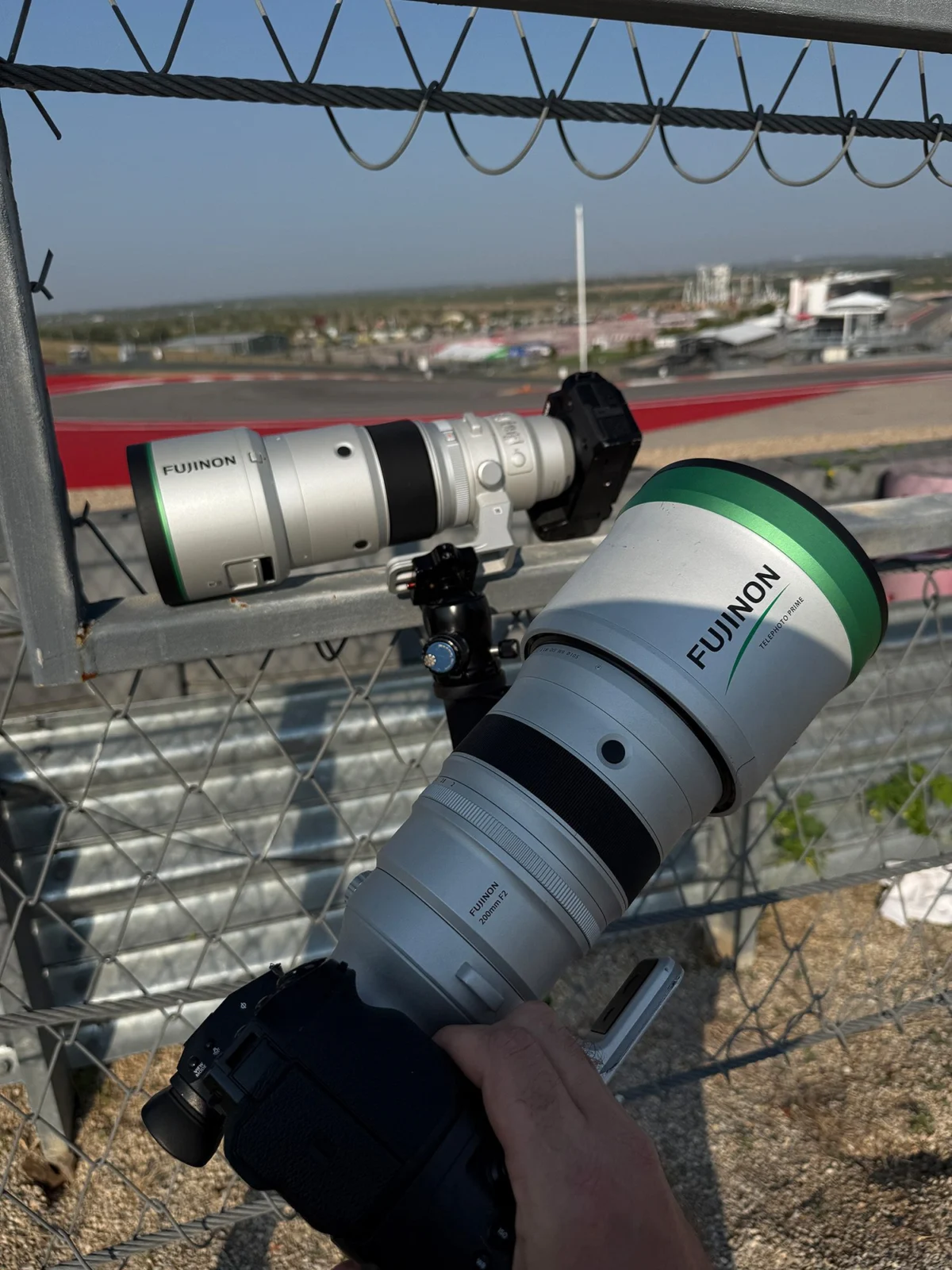
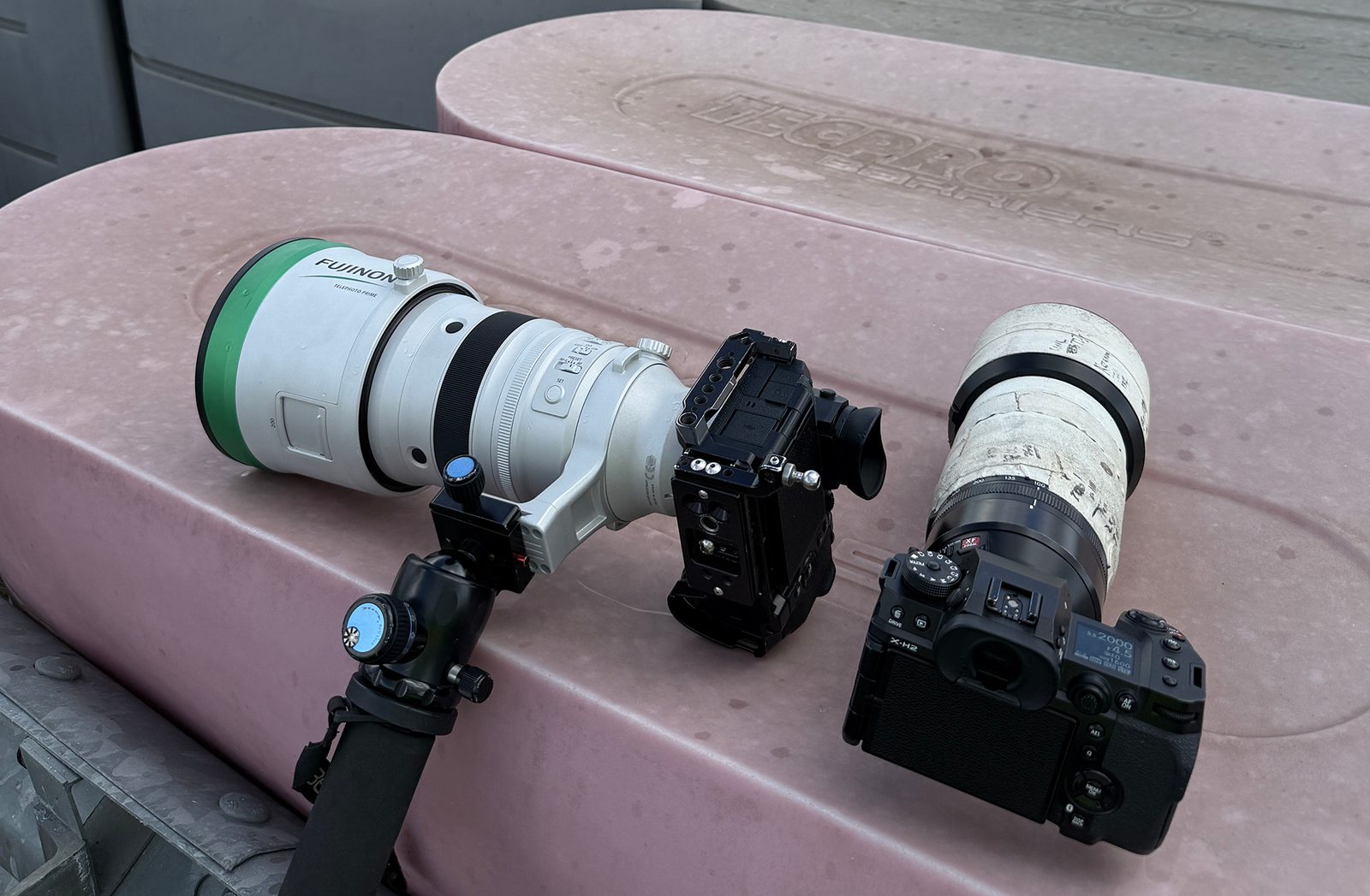
Physically, the lens makes a robust statement, designed to withstand the rigors of professional use. Its full-metal construction ensures durability, while its matte silver coating is a deliberate and practical design choice. This finish significantly minimizes heat absorption during prolonged exposure to direct sunlight, a common occurrence at outdoor sporting events, thereby mitigating the risk of heat-induced image degradation or thermal expansion affecting optical alignment.
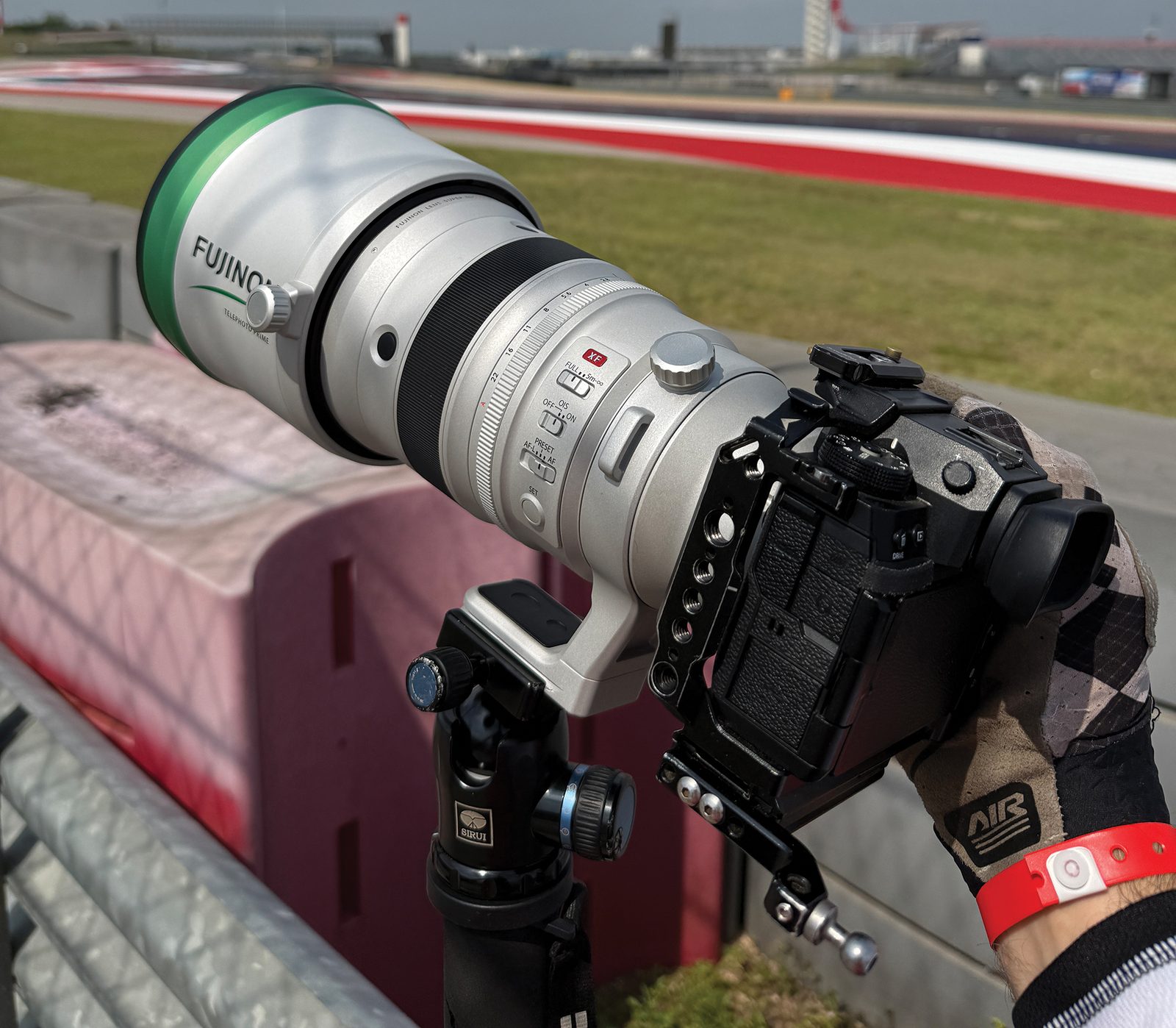
The autofocus system is powered by a sophisticated twin linear motor, engineered for both rapid and near-silent operation. This speed is critical for tracking subjects moving at triple-digit speeds, ensuring precise focus acquisition and continuous tracking without distracting noise. Complementing this is a highly effective built-in optical image stabilization (OIS) system, rated at five stops. This stabilization is invaluable for maintaining sharp images when shooting handheld, especially during dynamic panning shots or in situations where tripod use is impractical or restricted. The ability to achieve stable shots at slower shutter speeds enhances creative possibilities and extends usability in varying light conditions.
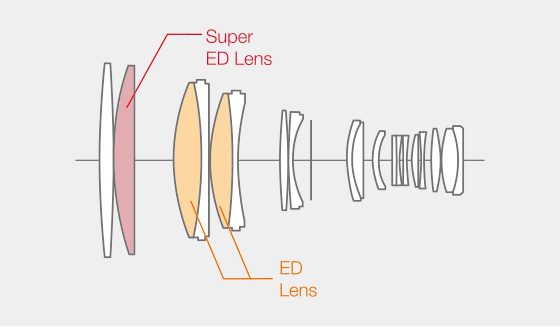
Optically, the XF200mm f/2 reflects a no-compromise design philosophy. It comprises 19 elements arranged in 14 groups, an intricate construction that includes one Super ED element and two ED (Extra-low Dispersion) elements. These specialized glass types are meticulously incorporated to effectively control and minimize chromatic aberration, ensuring images exhibit pristine color accuracy and sharpness across the frame. The lens is fully weather-sealed, offering protection against dust and moisture, which is essential for unpredictable outdoor environments. The front element features a fluorine coating, a practical innovation that repels water, dirt, and smudges, simplifying cleaning and maintaining optical clarity during fast-paced shooting sessions. The nine rounded aperture blades contribute to the production of smooth, circular bokeh, a highly desirable characteristic for isolating subjects and creating aesthetically pleasing out-of-focus backgrounds. For precise exposure control, the lens incorporates a one-third EV step aperture ring, providing tactile and intuitive adjustments. An integrated rotating tripod collar, complete with strap attachment points, further underscores its professional intent, offering balanced support and ease of handling on monopods or tripods.
Unrivaled Performance in the Field: The X-H2S Partnership
In the demanding environment of a race track, the performance of a camera-lens combination is paramount. Professional motorsport photographers frequently rely on dual camera bodies to cover various angles and focal lengths. The XF200mm f/2, when paired with the Fujifilm X-H2S, establishes what many consider to be the most formidable lens-and-body combination within the Fujifilm X Series. This pairing unlocks an exceptional level of speed, autofocus reliability, clarity, and sharpness that translates into an almost effortless shooting experience, even when subjects are hurtling past at extreme velocities. The X-H2S’s stacked-sensor design and advanced autofocus algorithms synergize perfectly with the XF200mm f/2’s rapid focusing capabilities, minimizing missed shots—a critical factor when capturing fleeting moments in motorsport.

While the XF200mm f/2 also performs commendably on the Fujifilm X-H2, which boasts a higher resolution sensor, empirical observations indicate that autofocus acquisition and consistency are markedly superior on the X-H2S. For subjects characterized by rapid, unpredictable movements, this difference in performance is significant, directly impacting the success rate of capturing decisive moments. The X-H2S’s faster readout speeds and more sophisticated subject tracking contribute to a more responsive and accurate focusing experience, making it the preferred choice for this specialized application.
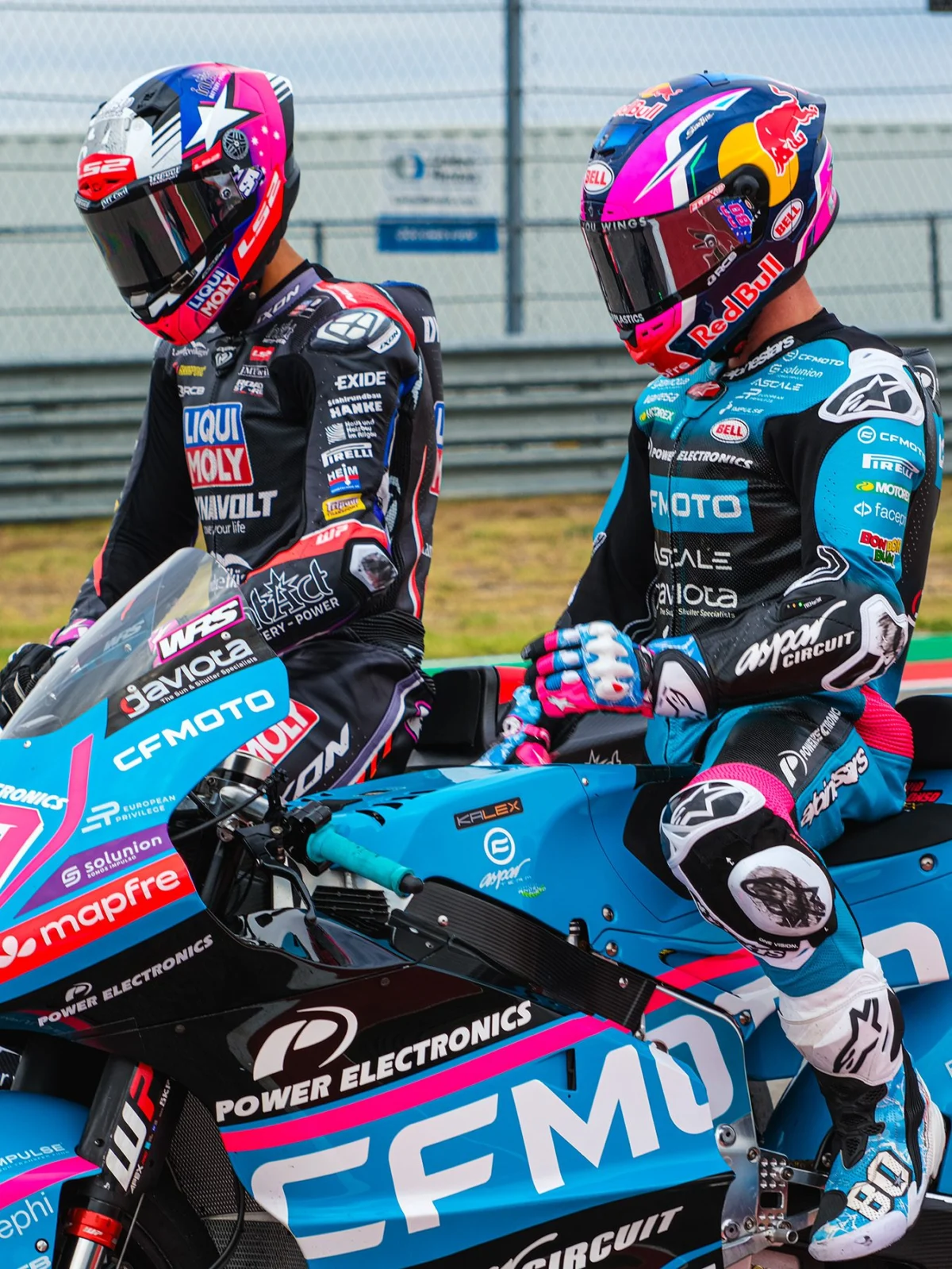
Adopting a dedicated super-telephoto prime lens like the XF200mm f/2 often involves an initial acclimation period. Photographers typically spend time at the track identifying optimal vantage points and refining their technique to maximize the lens’s fixed focal length. This discipline, common among professionals utilizing prime lenses, allows for a deeper understanding of composition and timing. Once this rhythm is established, the photographic output often becomes profoundly rewarding. Reviewing images captured with this lens frequently elicits strong positive reactions due to the exceptional subject-background separation. At its wide-open aperture of f/2, the lens renders bokeh that is both rich and creamy, effectively melting away distracting backgrounds while maintaining critical sharpness on the primary subject. This characteristic is particularly valuable in motorsport, where backgrounds can often be visually complex or cluttered.

Several design elements of the XF200mm f/2 enhance its practical usability in the field. The programmable autofocus buttons located on the lens barrel are genuinely useful, providing an additional stable point of interaction, especially during handheld shooting. These buttons can be customized for various functions, streamlining workflow. The lens hood is another noteworthy feature: generously sized, rigidly constructed, and secured with a pressure screw, it offers substantial protection against flare and physical impact. For professional motorsport photographers, a common technique involves cupping the edge of the hood when using a monopod, providing additional stability and control.
Practical Considerations and Strategic Investment
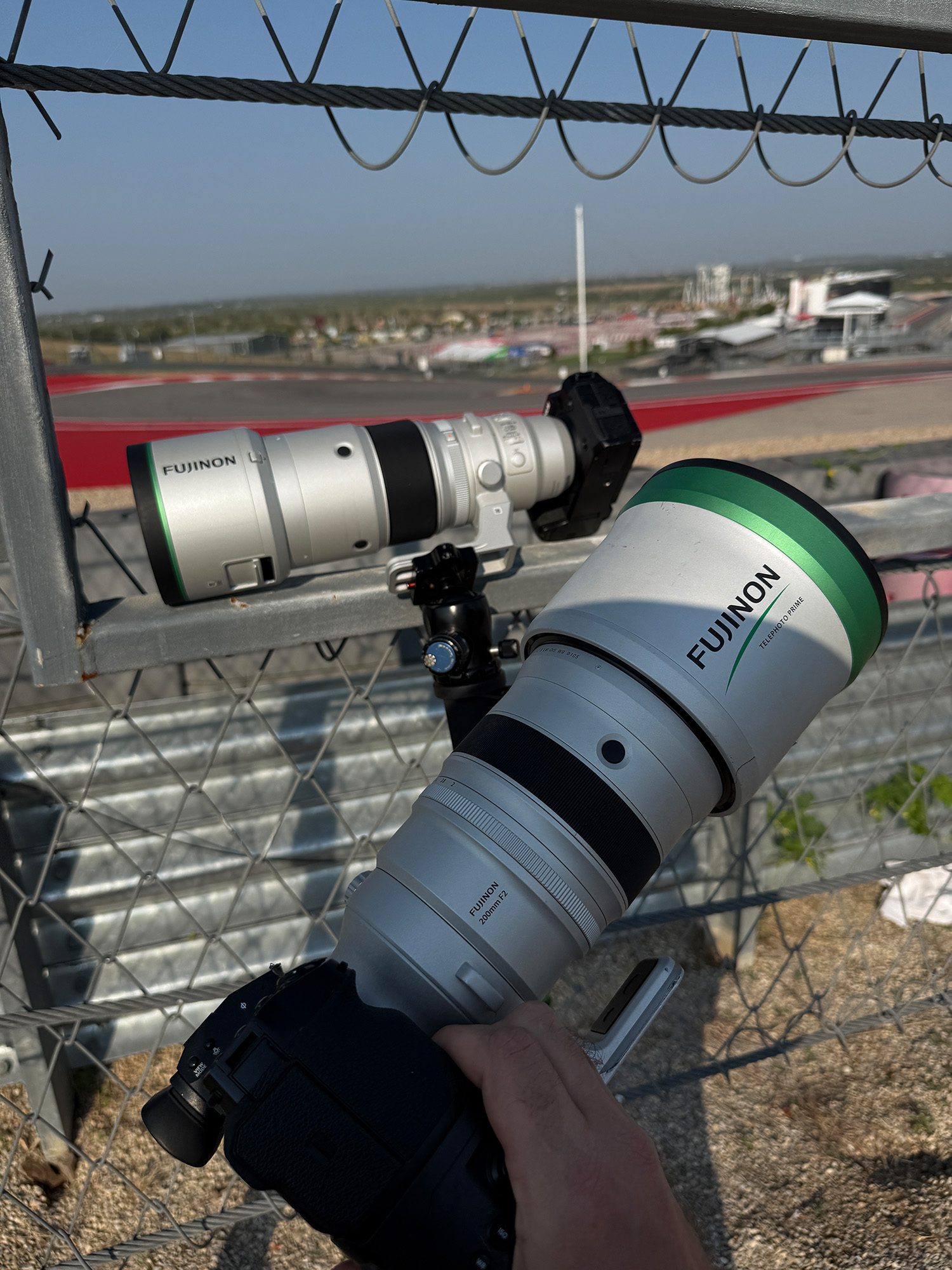
While the XF200mm f/2’s optical prowess is undeniable, its physical attributes necessitate practical considerations for professional users. Weighing approximately 2,265 grams (around 5 pounds), the lens is substantial. While manageable for short periods of handheld shooting, a monopod becomes a welcome and often necessary companion during extended shooting days. The physical strain of prolonged handheld operation, particularly when executing dynamic speed panning shots, can be considerable, making ergonomic support crucial for maintaining peak performance and minimizing fatigue.
Another practical consideration is the substantial front element, which requires specialized 105mm filters. Given that the lens retails at approximately $6,000, the investment in a dedicated filter kit represents a significant additional cost. Professional photographers often build a comprehensive filter collection early on, including a UV filter for constant protection of the front element, a circular polarizer for managing reflections and enhancing color saturation in bright trackside conditions, and a variable neutral density (ND) filter. A high-stop variable ND filter, such as a 3-stop or 6-stop, is particularly useful for allowing wide-open aperture shooting (f/2) in intense daylight conditions, enabling maximum subject isolation and creative control over depth of field without overexposing the image.

Market Positioning and Broader Implications
The XF200mm f/2’s market perception extends beyond just motorsport; it is often discussed in the context of commercial and wildlife photography. However, for motorsport photographers, it occupies a unique niche. It has been aptly described as an "umami lens," a term suggesting it imparts an unparalleled and distinct "flavor" or quality to images that cannot be replicated by other lenses within the Fujifilm lineup. It is not typically the first lens a photographer acquires, nor is it the most versatile in terms of focal length range. Instead, it strategically becomes an essential third or fourth lens in a professional kit, deployed specifically when conditions demand its unique attributes.

For situations requiring broad flexibility in the paddock or across various trackside positions, zoom lenses such as the Fujifilm XF50-140mm f/2.8 R LM OIS WR or the aforementioned XF100-400mm f/4.5-5.6 R LM OIS WR remain the workhorses, handling the majority of coverage. However, when light levels diminish, when exquisite background rendering is paramount, or when absolute clarity and sharpness are the overriding priorities, the XF200mm f/2 emerges as the undisputed champion. Its large aperture allows for faster shutter speeds in low light, freezing action more effectively, while its optical design delivers a level of micro-contrast and detail that sets images apart.
The XF200mm f/2 is not a lens that every photographer needs, but for those who commit to its specialized capabilities, the regret of ownership is virtually non-existent. For professional Fujifilm shooters deeply entrenched in motorsport photography, this lens represents the pinnacle of what the X-Series system can offer in terms of optical excellence and performance for fast-action subjects. Its consistent integration into professional kits signifies its indispensable role, solidifying Fujifilm’s position as a serious contender in the high-stakes world of professional sports imaging. The investment in such a specialized prime lens is a testament to a photographer’s dedication to maximizing image quality and delivering distinctive visual narratives, pushing the boundaries of what is achievable with the X-mount system.