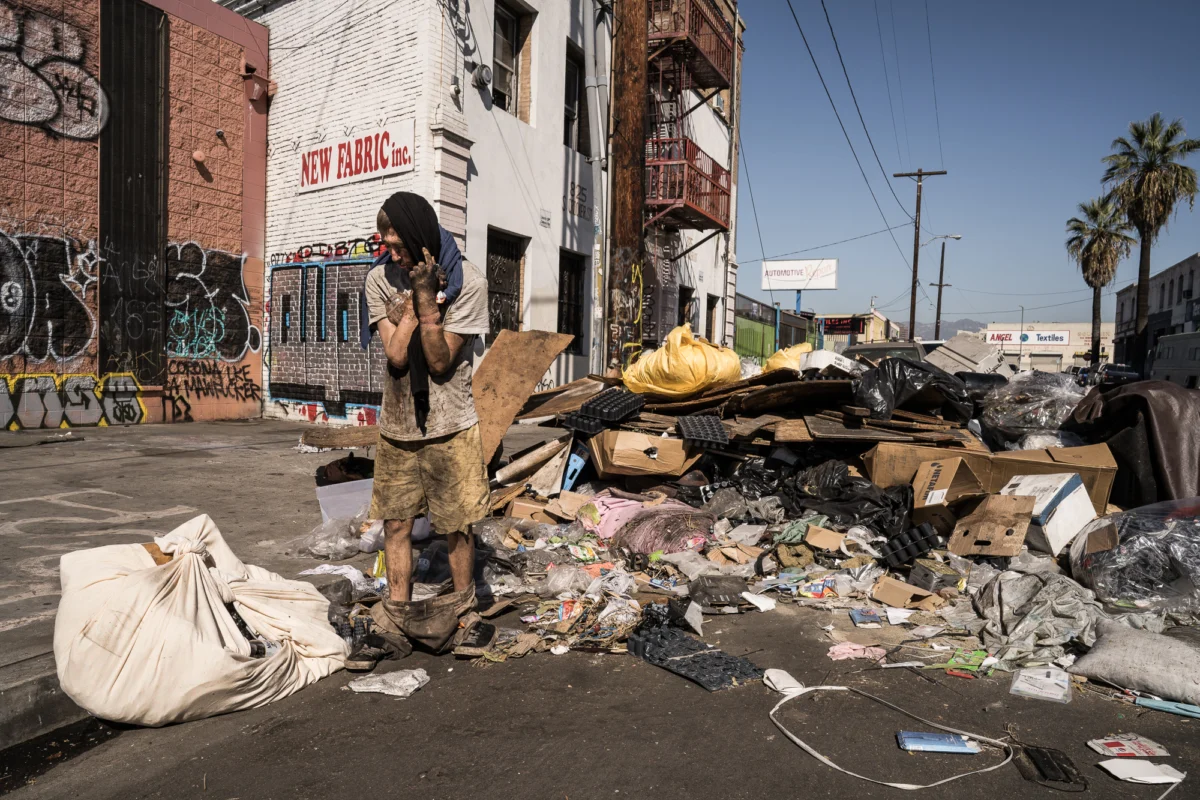
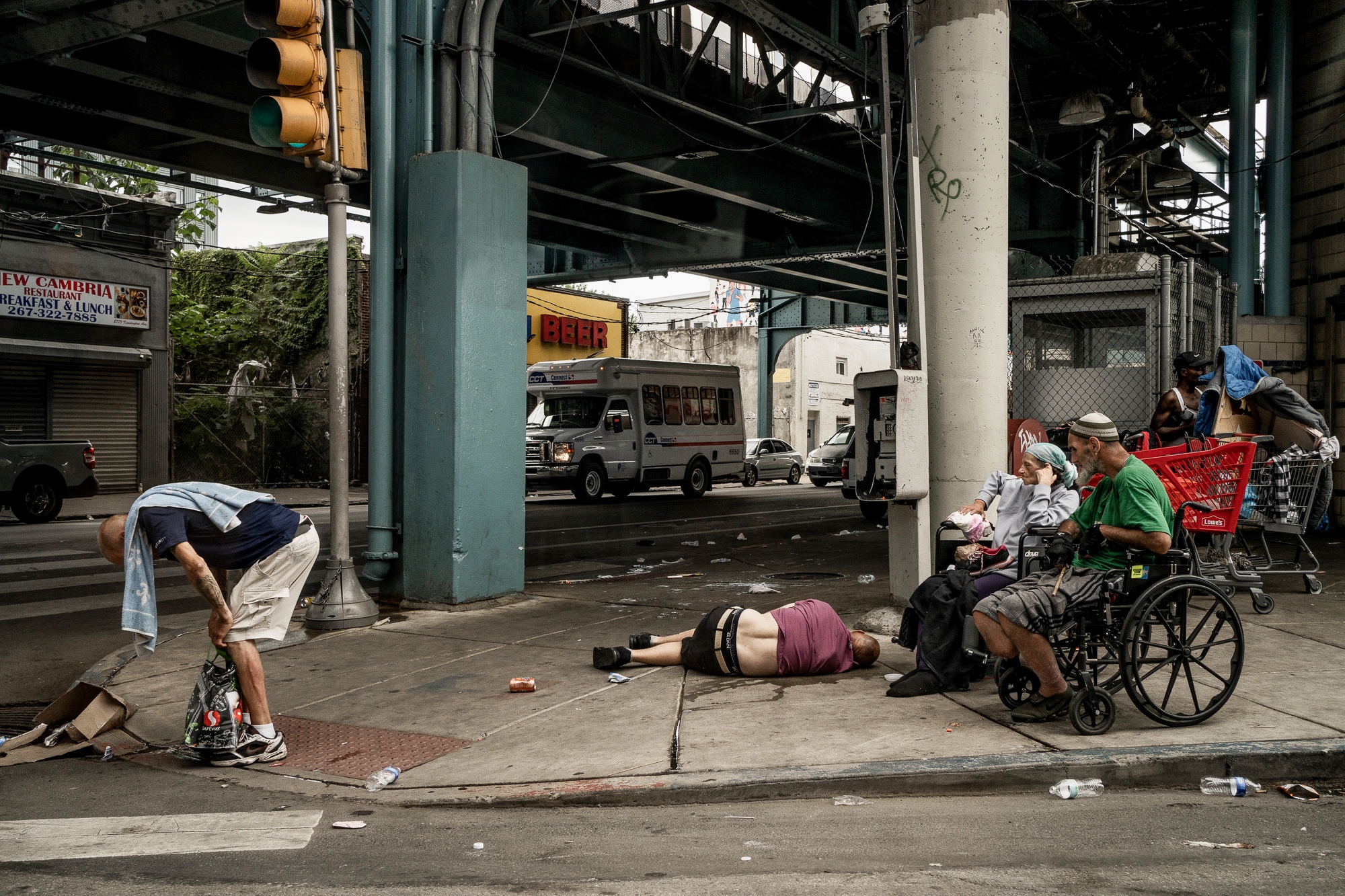
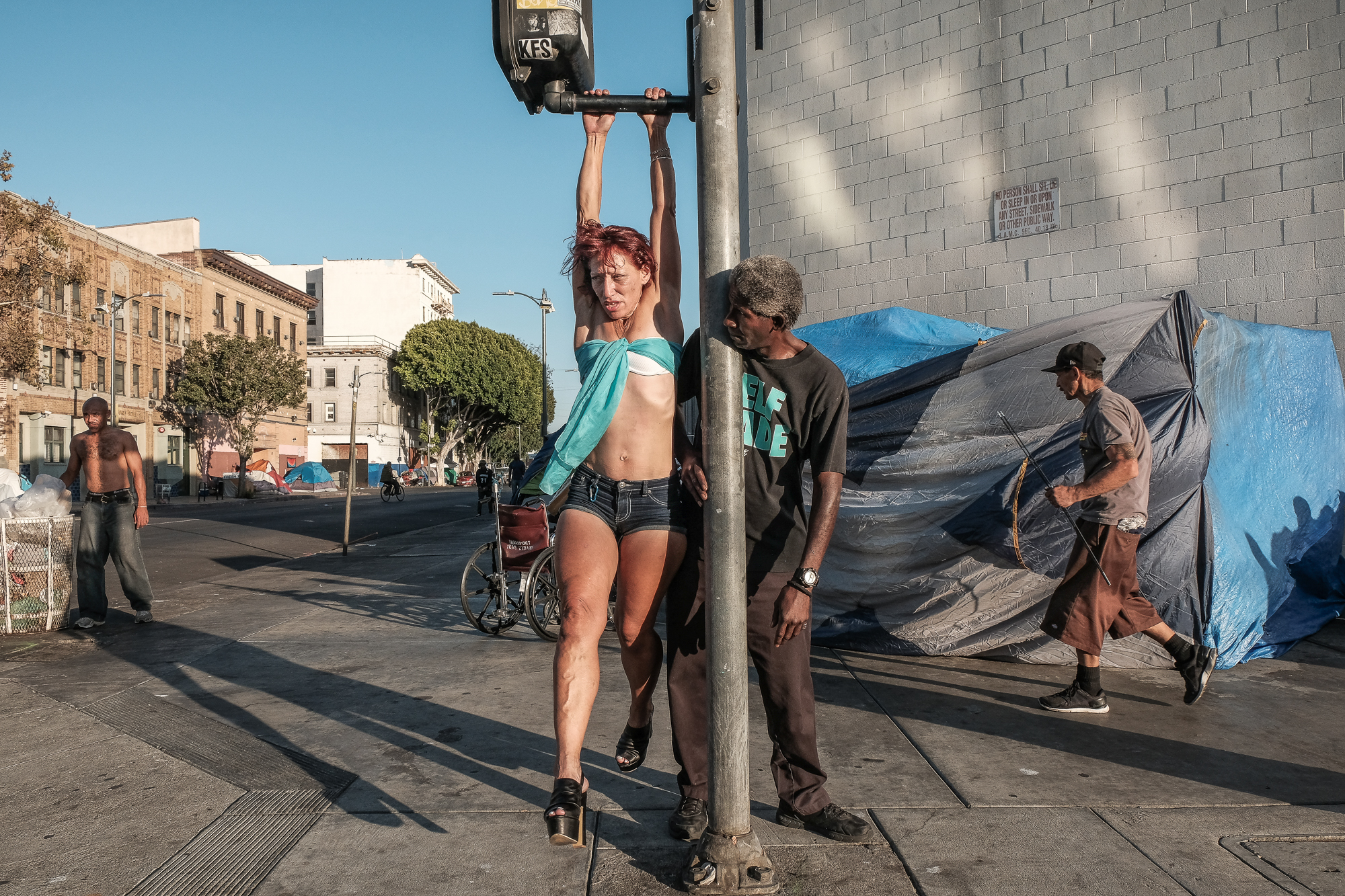
Eight years after offering a visceral glimpse into the realities of Skid Row, photographer Suzanne Stein’s latest body of work, focused on Kensington, Philadelphia, has culminated in the exhibition "US: Slow Code" at the Verena Kerfin Gallery in Berlin. This extensive project, which Stein describes as her largest and most sustained, delves into the devastating opioid epidemic and the subsequent, harrowing xylazine crisis that has ravaged the community. However, Stein’s intention transcends mere documentation of addiction; she aims to portray Kensington as a complex, living entity, not solely a symbol of societal decay.
Stein’s commitment to capturing the multifaceted nature of Kensington is evident in her approach. "I photographed the entire neighborhood: the families who live there, the streets, the memorials to gunshot victims and overdose victims, the storefronts, the corners, the ordinary moments, and the broader atmosphere of a community under enormous pressure," Stein stated in a recent interview. "The people suffering on the street are part of the story, but they are not the whole story." This holistic perspective is what drew the attention of the Verena Kerfin Gallery, whose introduction to the exhibition poignantly described Stein’s work: "She does not work on images that soothe. She works on images that unsettle."
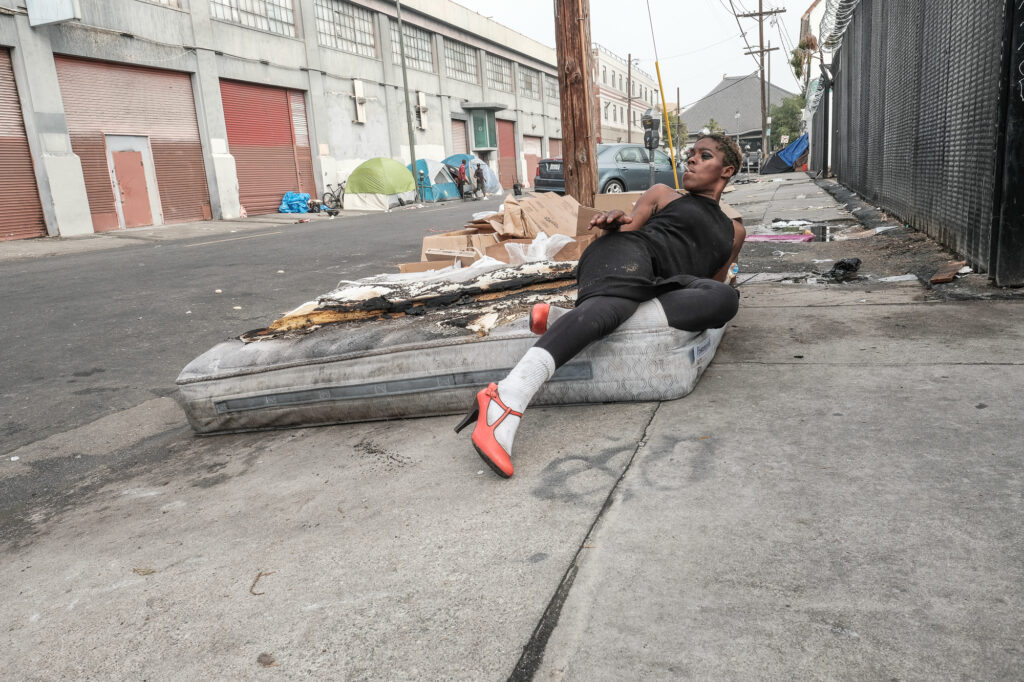
The gallery’s framing of Kensington as "the form misery takes when it is organized inside a wealthy state: visible enough to serve as a deterrent, invisible enough to remain politically consequence-free" underscores a critical societal paradox. Poverty, in this context, is not merely an absence of wealth but a deliberate arrangement that allows individuals to live and die amidst its harsh realities while the surrounding world maintains its routines. This exhibition, therefore, serves as a stark indictment of systemic neglect and the selective invisibility of suffering within affluent societies.
A Courageous Selection of Unsettling Truths
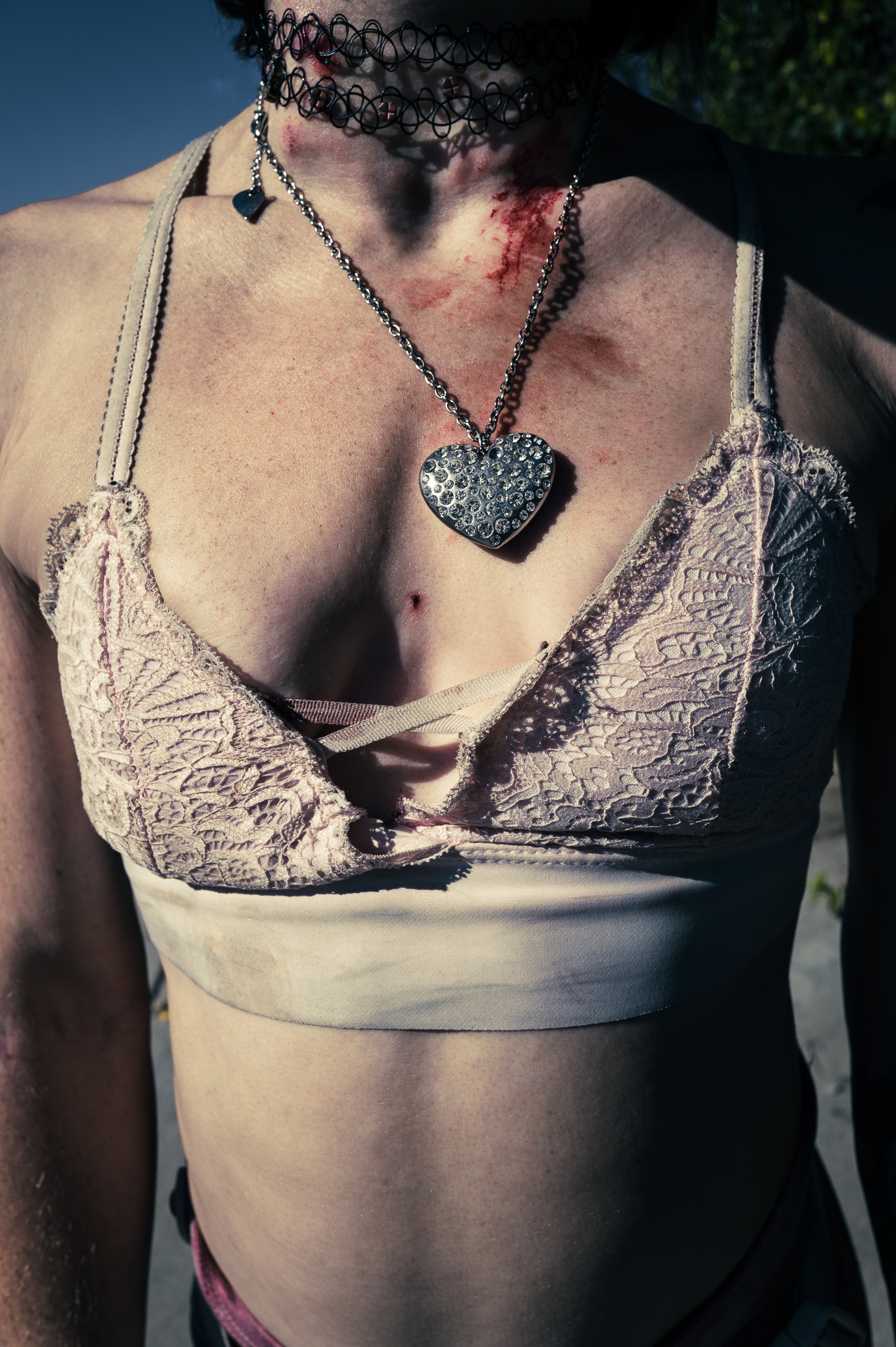
The exhibition "US: Slow Code" features a carefully curated selection of Stein’s work, a choice she attributes to the gallery’s discerning vision. "Verena made a very specific and courageous selection of images," Stein remarked. While she provided a shortlist, the gallery’s final edit zeroed in on photographs depicting individuals in states of incapacitation or physical distress, using this powerful imagery to convey a broader narrative of abandonment in the United States. Stein noted that such stark portrayals, while critically important, would likely face significant obstacles to exhibition or publication within the U.S.
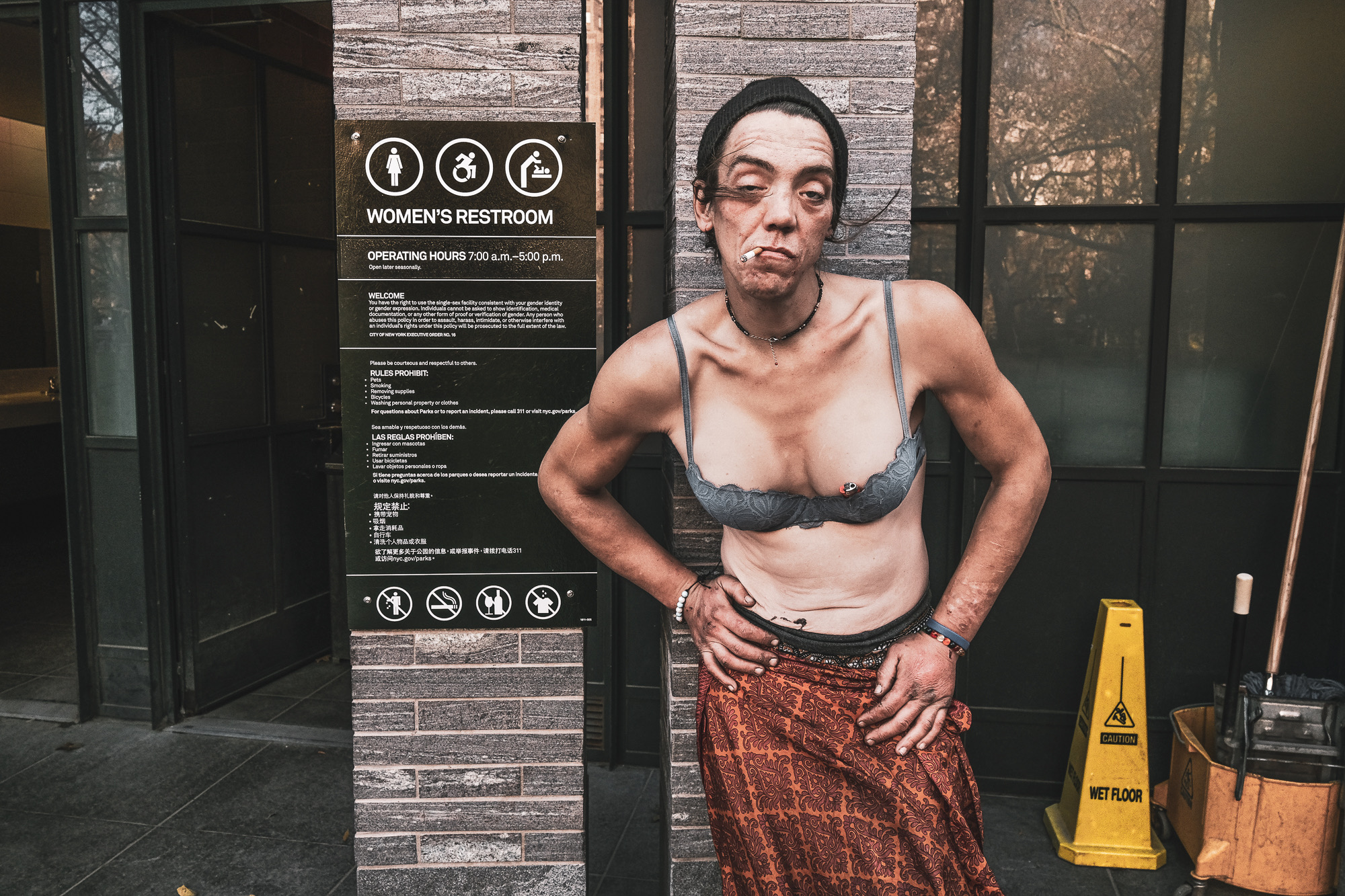
Although unable to attend the Berlin exhibition in person, Stein engaged with attendees through a video installation, discussing her motivations, methodology, and the profound messages embedded within her photographs. The positive reception, with visitors spending considerable time with the images, affirmed the impact of her challenging work. "I was told that people were very interested, that they stayed with the images, and that they spent real time in the gallery. That meant a lot to me, especially because the work is difficult and asks something of the viewer," she shared.
The Personal Toll of Documenting Trauma
Stein’s immersive three-year project in Kensington, while pivotal to her artistic development, has also left indelible personal imprints. The constant exposure to physical danger, extreme negativity, and the sheer weight of human suffering took a significant emotional and physical toll. "I met people and witnessed situations that did not reinforce positive feelings about humanity. That is difficult to say, but it’s true. The work took a long time to recover from emotionally and physically… When you are surrounded by trauma, decay, violence, addiction, strong odors, disturbing sights, and constant emotional intensity, it seeps into you."
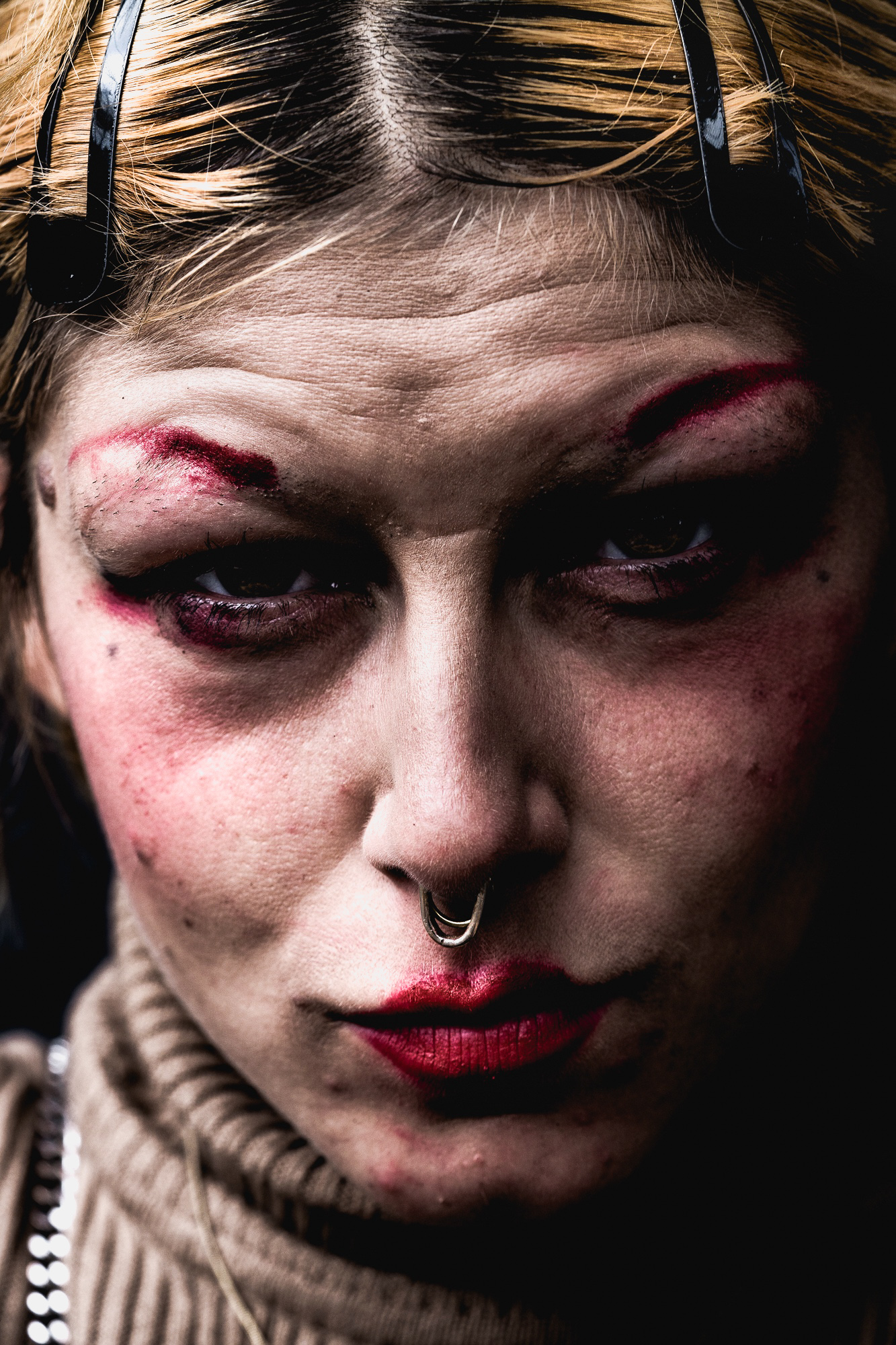
While she has shifted away from direct documentation of addiction in the same manner, Stein remains committed to addressing critical social issues. Her focus is now on exploring the aftermath of crises, such as the stories of parents who have lost children to overdose or families striving to rebuild their lives. This evolution in her work allows her to maintain a connection to the narrative while offering a different, yet equally vital, perspective.
The challenges of photographing such sensitive realities are amplified by societal resistance. "It is a very complicated subject to photograph, especially because photographers who look at it honestly are often vilified. There is a deep resistance to seeing what is actually happening on American streets," Stein observed, contrasting it with the "much more sanitized version" often presented by mainstream media.
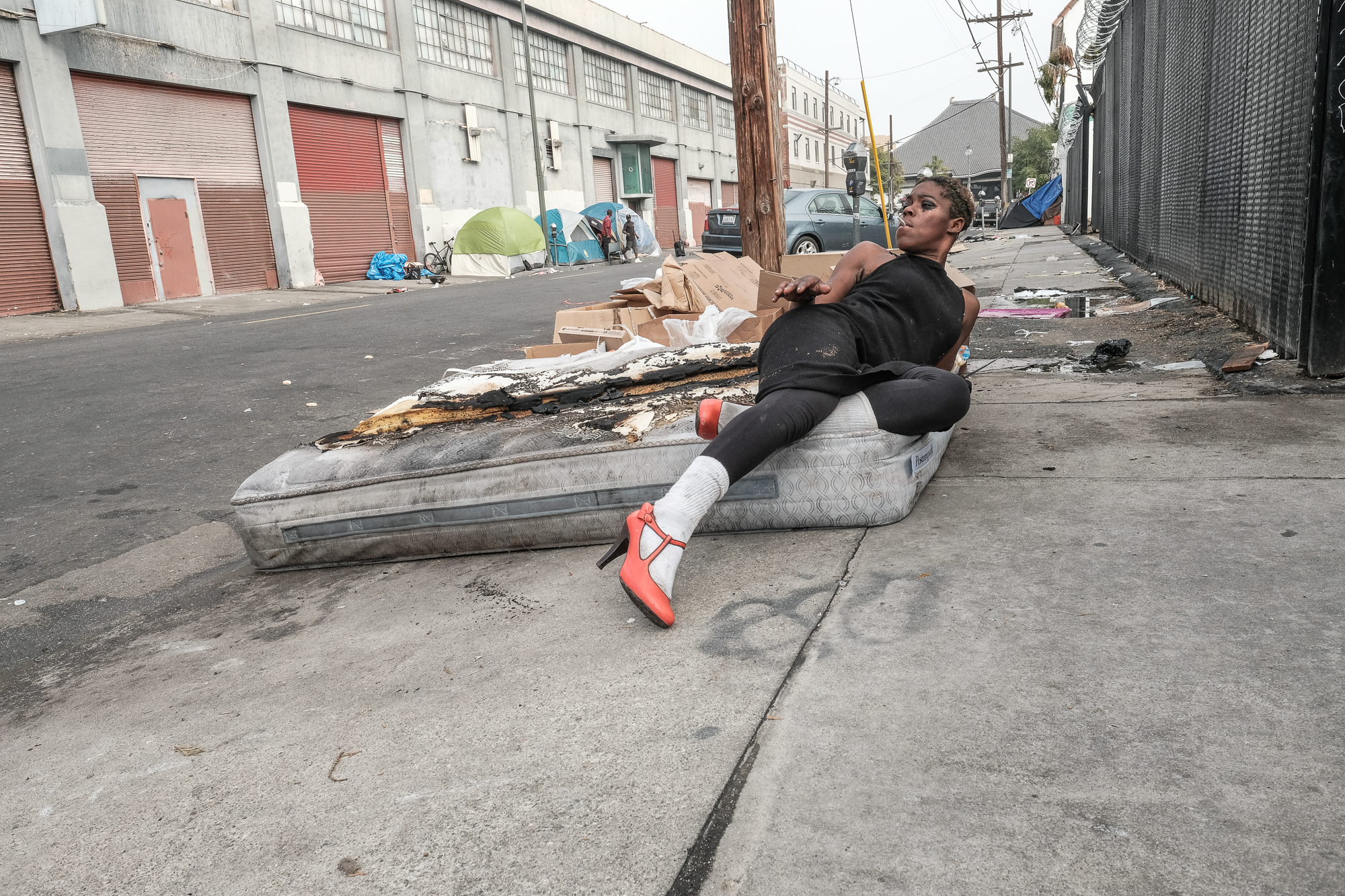
The Genesis of Stein’s Unflinching Gaze
Stein’s compulsion to document the marginalized and the suffering is deeply rooted in her personal experiences. She candidly admits to having navigated her own share of profound distress, including financial instability, single-handedly raising a son on the autism spectrum, and a family history marked by alcoholism and addiction. This personal familiarity, she believes, allows her to approach these difficult subjects with a unique empathy and a drive to confront rather than avert her gaze.
The emotional and psychological cost of her work is undeniable. "Even if you are there to tell a story, and even if you understand what you are doing intellectually, it still affects your nervous system and your outlook," she reflected. The frustration of witnessing ongoing crises with minimal societal response has, at times, led to a more negative outlook.
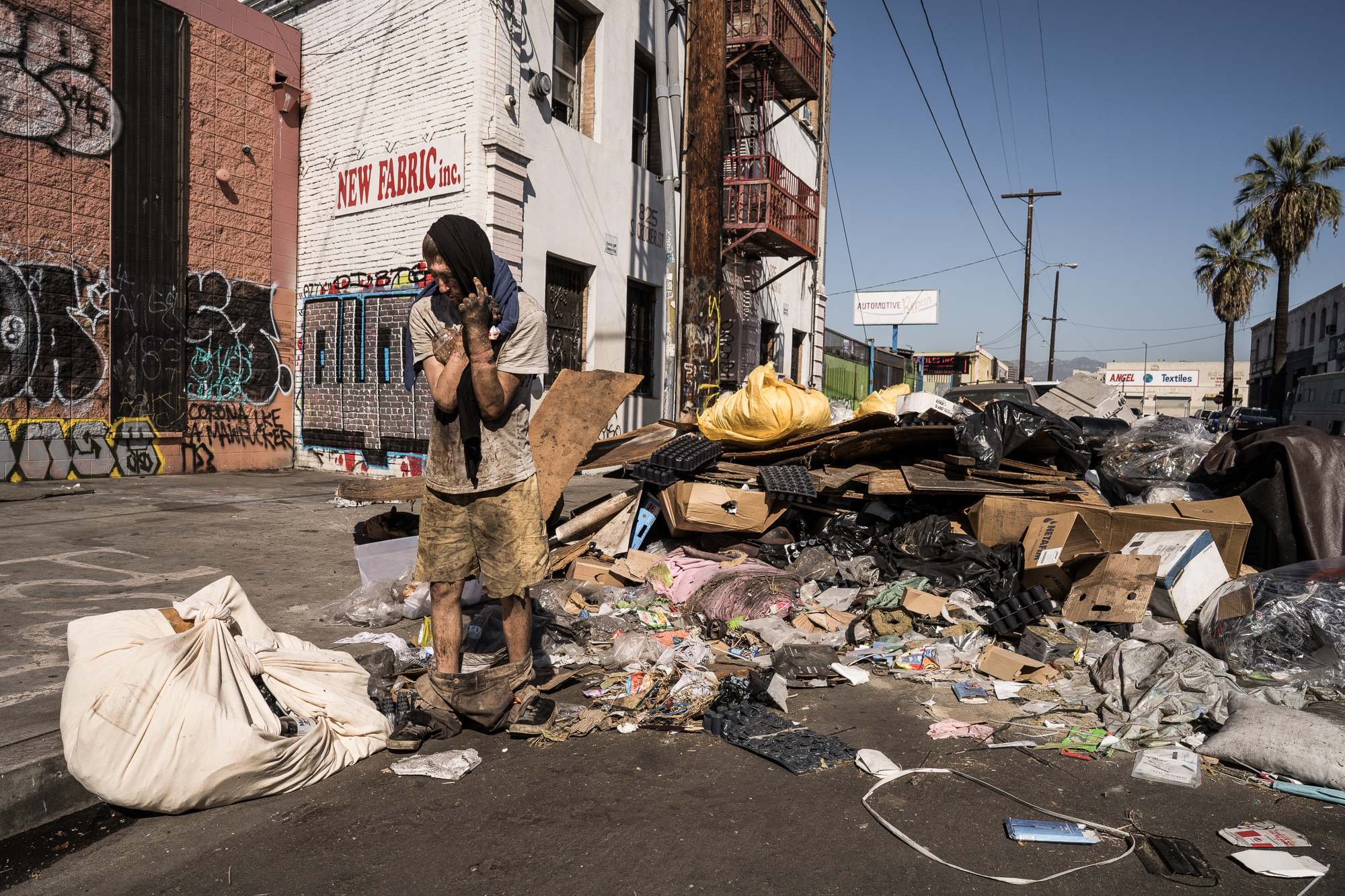
A significant divergence marks her experiences in Kensington compared to her earlier work in Skid Row. While Skid Row also presented immense challenges, including witnessing severe exploitation and violence, Stein recalls forming meaningful connections with individuals who possessed remarkable spirit, humor, and character. Kensington, however, presented a different landscape. "The drugs there, and the particular conditions on those streets, seemed to hollow people out in a different way," she observed. The pervasive criminality, exploitation, and desperation made it difficult to sustain hope and faith in humanity. This experience has profoundly altered her outlook, and she is still in the process of moving past it, seeking to regain a sense of hope and belief in people.
Challenging the "Poverty Porn" Discourse
The debate surrounding "poverty porn" in documentary and street photography is a contentious one. Stein actively rejects the term, viewing it as a tool to stifle important conversations about societal ills. She argues that such labels can be used to shame photographers who strive to raise awareness about difficult realities. While acknowledging that photographers are not above criticism and that the line between exploitation and information can be perilously thin, she insists on the need for rigorous photographic attention to issues within the U.S., comparable to that given to international conflict zones.
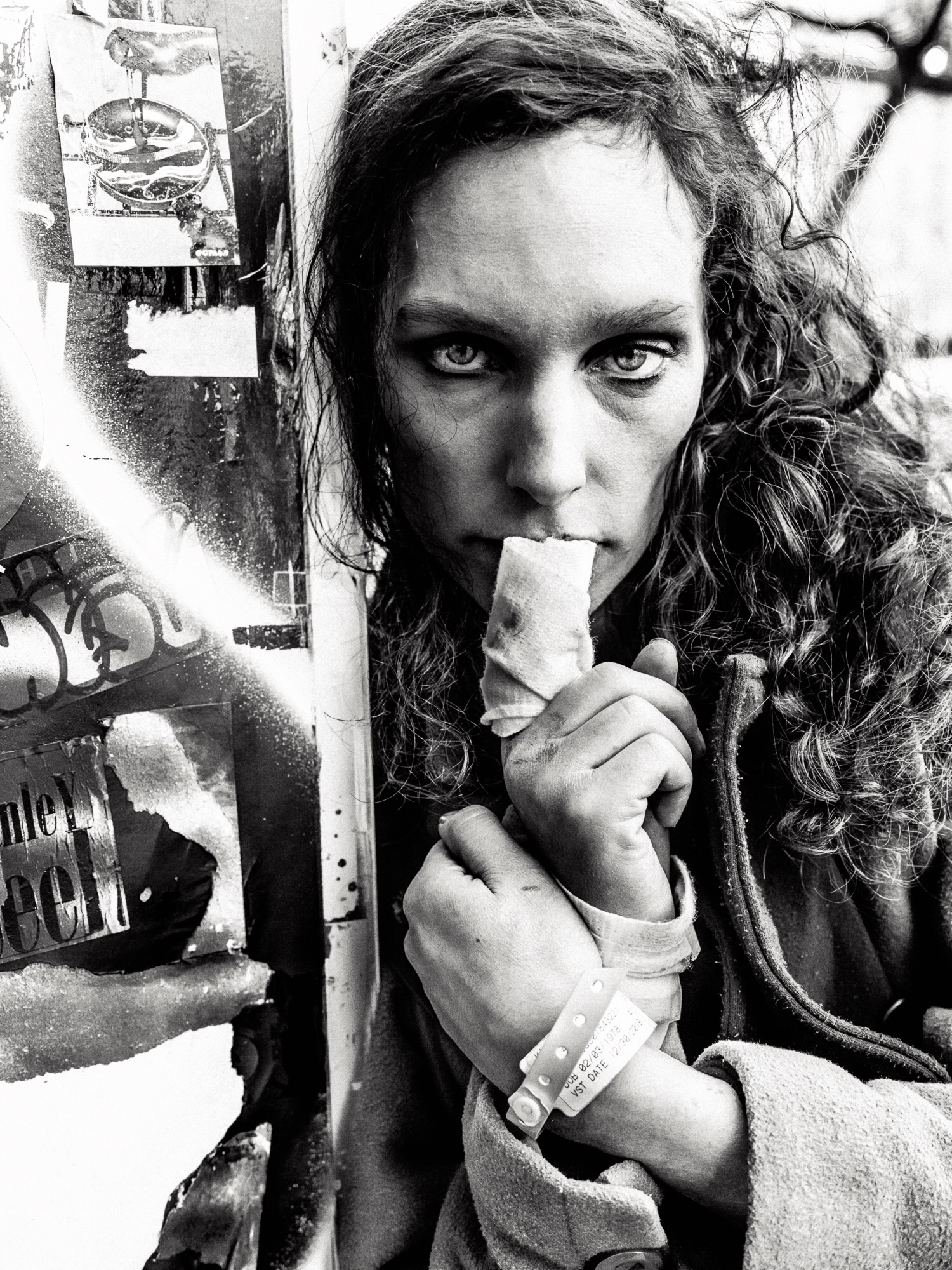
"When you photograph anyone in distress, whether they are in Gaza, Ukraine, Sudan, Syria, Kensington, or Skid Row, you are walking a very fine line between exploitation and information," Stein stated. She advocates for applying the same critical lens to domestic crises as to international ones, arguing that these issues deserve to be seen with equal seriousness.
The Unsettling Tenderness of a Shared Moment
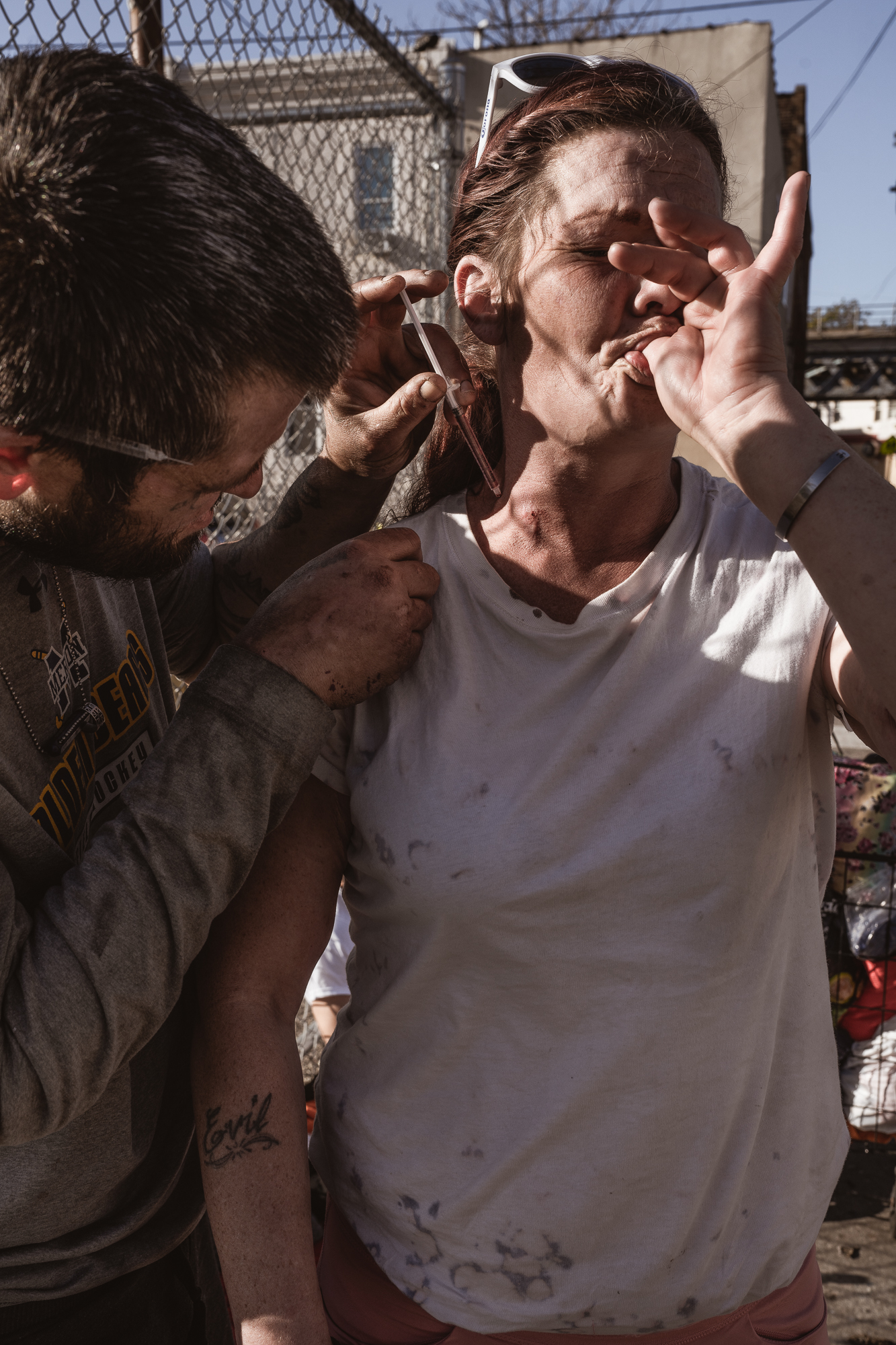
One of the most striking images featured in "US: Slow Code" depicts Crystal injecting fentanyl and xylazine into her neck, aided by Mike. This photograph, according to Stein, encapsulates the complex and often contradictory nature of human experience in the face of extreme adversity.
"Before I went to Kensington, I had never seen people inject into the neck before," Stein recounted. The commonality of this practice in Kensington, often necessitated by the exhaustion of usable veins in the arms, signals a desperate stage of addiction. She has witnessed the dangerous consequences of such injections, including collapses and the need for emergency medical intervention.
The practice also highlights a disturbing micro-economy of addiction, where individuals, sometimes for a fee, assist others in administering drugs. This is particularly relevant for younger addicts who may be hesitant or unable to inject themselves. In the case of Crystal and Mike, Mike’s intervention prevented Crystal from enduring severe withdrawal symptoms. This act, though occurring within the brutal context of drug use, also revealed an element of intimacy and trust between them. "That contradiction is part of what makes the photograph important to me," Stein explained.
The access Stein achieved to photograph this intimate, yet harrowing, moment is a testament to the trust she cultivated within the community. "That kind of access does not come from parachuting in. It comes from being present, from spending time, from not treating people like grotesque spectacle."
Furthermore, a subtle gesture in the photograph—Crystal’s thumb in her mouth—adds another layer of meaning. Initially perceived as a self-soothing, childlike act, Stein later understood its functional purpose: to make the neck vein more visible for injection. This dual interpretation—vulnerability and mechanics of addiction—makes the image profoundly compelling. "It contains tenderness, danger, dependence, trust, and horror all at once," Stein concluded.
Art That Confronts the Unseen
The Verena Kerfin Gallery’s exhibition reinforces Stein’s belief that "art begins precisely where others do not want to look, or cannot look." However, Stein also acknowledges the deeply personal nature of artistic creation, shaped by individual experiences and perspectives. She embraces the diversity of artistic expression, recognizing that lighter, more decorative art holds its own validity.
For her own work, Stein aims to blend artistic sensibility with documentary rigor to dismantle biases. She criticulates prevalent forms of photography, including war photography and popular street photography, for often reinforcing existing narratives or relying on superficial tropes. "When I photograph places like Kensington, Skid Row, or people living on the margins, I’m trying to look past the attractive narrative, past the acceptable narrative, and show what is actually there."
While appreciating the opportunity to exhibit her work in galleries, Stein desires greater accessibility. She envisions her photographs reaching broader audiences in public spaces, reaching young people and those who need to see beyond the "filtered version of reality" often presented by contemporary culture, a reality increasingly shaped by censorship, algorithms, and institutional gatekeeping.
Stein’s creative process is driven by instinct and the unfolding of stories encountered in her daily observations. She is drawn to individuals and situations that possess "social intensity, emotional intensity, or personal intensity," and then follows these threads.
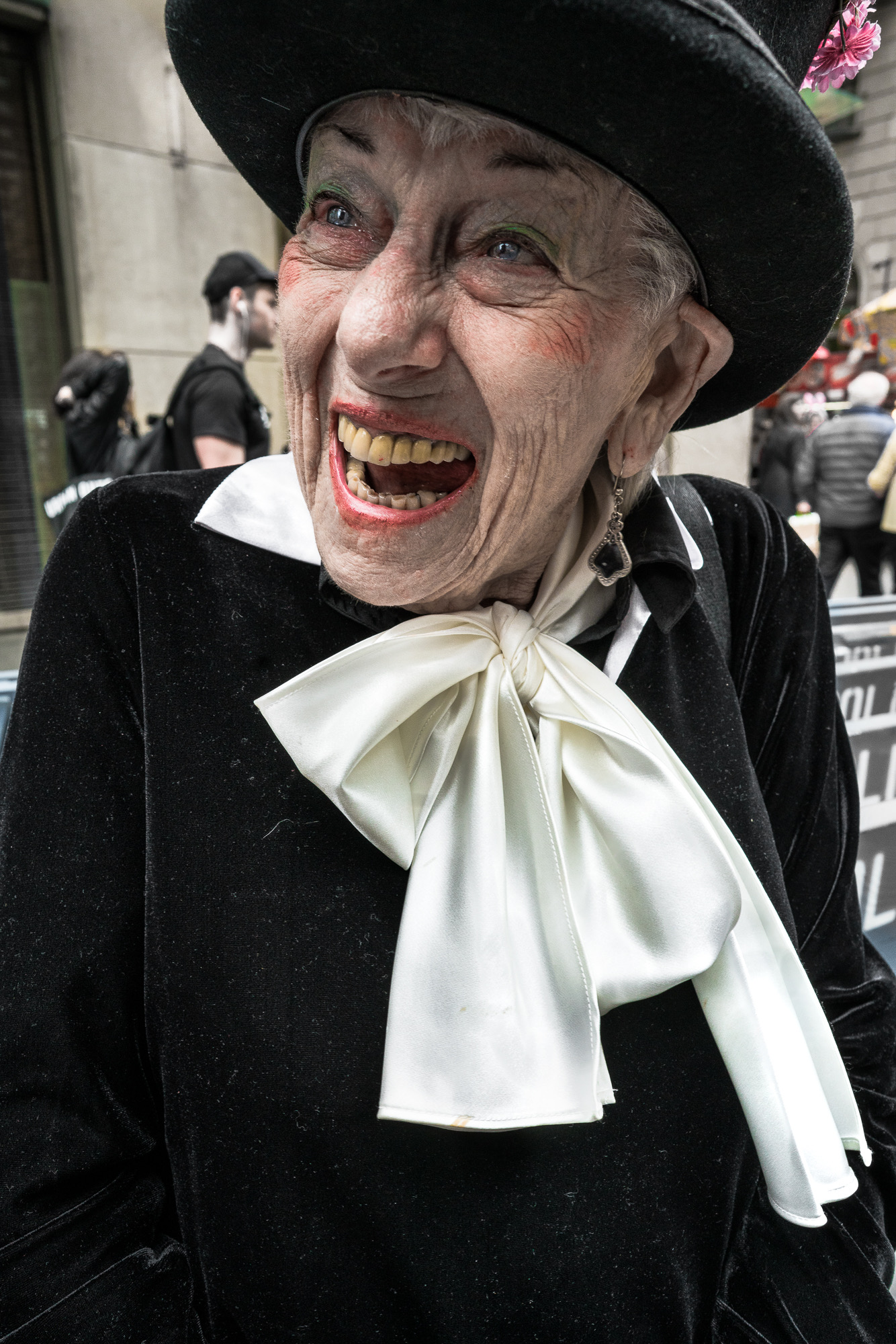
While addiction will likely remain a theme in her work, Stein is also exploring other facets of street photography that allow for lighter, yet equally compelling, narratives. "Street photography feels lighter to me, even though I can still tell serious stories through it," she said. "But it also allows for humor, strangeness, beauty, and everyday life." This renewed engagement with street photography offers a pathway to explore diverse human experiences while maintaining her commitment to impactful storytelling.
Suzanne Stein’s website: https://www.suzannesteinphoto.com/
Verena Kerfin Gallery’s "US: Slow Code" exhibition: https://verenakerfingallery.com/exhibitions/detail/212_usslowcode
Follow Suzanne Stein on Instagram: https://www.instagram.com/suzanne_stein