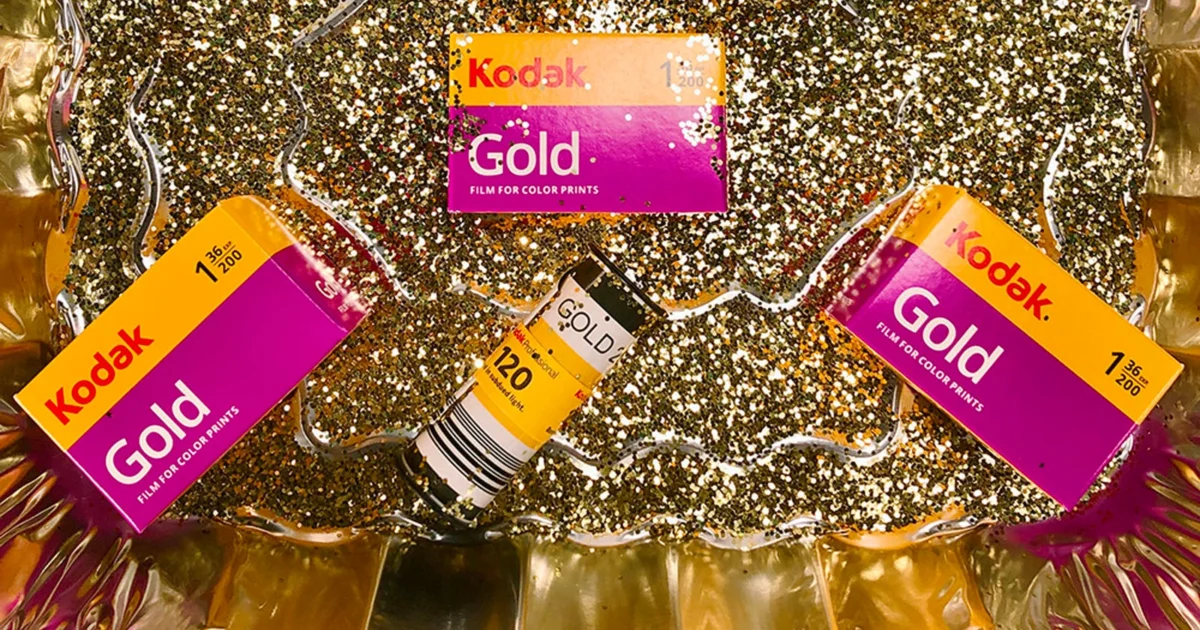
In the ever-evolving landscape of photographic emulsions, where professional-grade films often dominate discourse and market perception, Kodak Gold 200 stands as a remarkable paradox. Simultaneously one of the most popular and yet persistently underappreciated color negative films, Gold 200 continues to serve as a cornerstone for both burgeoning analog enthusiasts and seasoned photographers seeking a reliable, cost-effective, and aesthetically pleasing option. This detailed examination delves into the film’s historical context, technical attributes, market positioning, and its significant role in the contemporary resurgence of film photography.
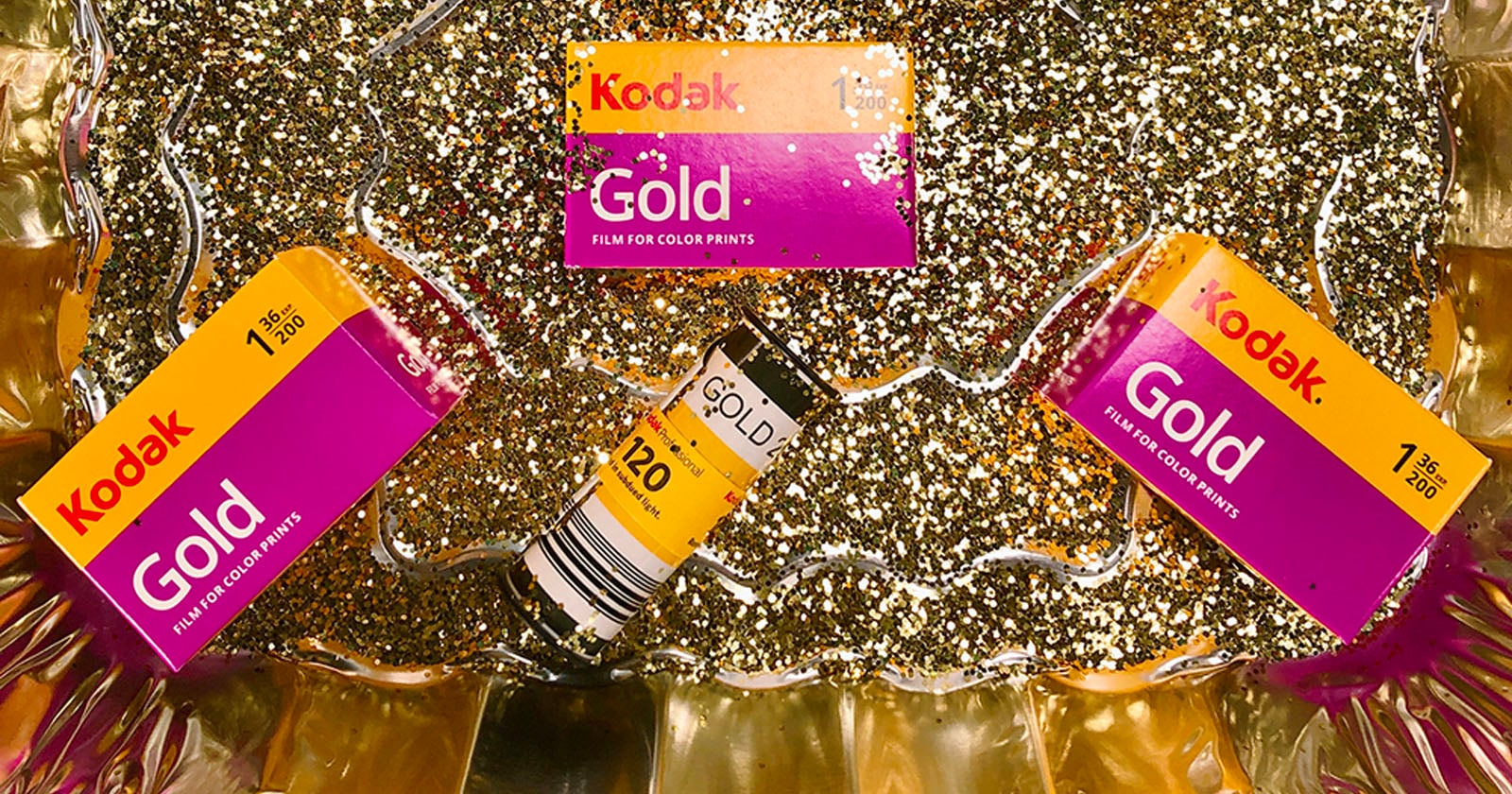
The Genesis and Evolution of Kodak Gold 200
Kodak Gold 200 was first introduced in 1988, emerging during a period when film photography was at its commercial zenith. Designed explicitly as a "consumer-grade" color negative film, its primary objective was to offer a high-quality yet affordable option for everyday photographers. This positioning was crucial in an era where point-and-shoot cameras were ubiquitous, and families regularly documented their lives on film. Over its more than three-decade tenure, Gold 200 has undergone several refinements, with its current iteration representing the seventh generation of the emulsion, rolled out in 2007. These continuous improvements underscore Kodak’s commitment to maintaining the film’s relevance and performance in a competitive market.
The "consumer" designation for Kodak Gold 200 implies two fundamental characteristics that have defined its success: accessibility and affordability. Unlike its professional counterparts such as Portra or Ektar, which are often priced at a premium and typically found in specialized photographic stores, Gold 200 was engineered for widespread distribution. This meant it had to be readily available in supermarkets, drugstores, and general merchandise outlets, ensuring that anyone could pick up a roll without a specialized trip. This omnipresence, combined with its attractive price point, cemented its status as an approachable entry point into film photography for millions globally.
Technical Performance Beyond Its Price Tag
Despite its classification as a consumer film, Kodak Gold 200 consistently delivers results that often exceed expectations. This challenges a common misconception that "consumer" equates to "inferior" in the photographic realm. While it may not boast the ultra-fine grain or the exceptionally wide exposure latitude of professional films, its performance metrics are robust and well-suited for a broad range of photographic applications.
One of the key technical aspects often discussed in film photography is graininess. Kodak utilizes a metric known as the Print Grain Index (PGI) to quantify the perceptual amount of grain in a film. This index is derived by assessing the visual graininess of a print, typically a 4×6 inch print, viewed at a standard distance of 14 inches. A PGI score of 25 is generally considered the lower visual limit of graininess, meaning anything below this is virtually imperceptible to the average viewer. Higher numbers indicate greater levels of perceived grain.

Kodak Gold 200 registers a PGI score of 44. To contextualize this, professional films like Portra 160 have a PGI of 28, and Portra 400 scores 37. Even Portra 800, known for its higher speed and consequently more pronounced grain, has a PGI of 48. This data reveals that Gold 200 is indeed grainier than Portra 160 and 400, approaching the grain characteristics of Portra 800. However, it is crucial to emphasize that grain is not inherently a defect. For many photographers, film grain is a desirable aesthetic quality, contributing to the tactile, organic feel of analog images. It imparts texture and character that digital images often lack, making the trade-off for a lower cost film acceptable, and even preferable, for certain artistic visions. The slightly coarser grain of Gold 200 can, in fact, enhance the nostalgic or vintage quality often sought after by film photographers.
The Distinctive Color Palette of Kodak Gold 200
Beyond grain, the color rendition is another defining characteristic of any film emulsion. Kodak Gold 200 is renowned for its vibrant yet faithful color reproduction, striking a balance between natural accuracy and a distinctive, warm aesthetic often referred to as the "Kodak look." Its colors are generally bright, sharp, and clear, contributing to images that feel lively and engaging.

Specific hues appear to particularly benefit from Gold 200’s rendering. Blues, for instance, are often depicted with remarkable cleanliness and crispness, making it an excellent choice for seascapes, skies, and any scene where cool tones are prominent. Reds and oranges exhibit a pleasing "pop," adding vibrancy without oversaturation, which is ideal for capturing skin tones, sunsets, and autumn foliage. Greens, while rendered accurately, tend to be slightly less vibrant and more muted compared to some other films. This characteristic can be advantageous in certain landscape scenarios, providing a more subdued and earthy feel, as exemplified by a staff member’s experience photographing the brown and ochre-dominated landscapes of the Faroe Islands in spring, where Gold 200 rendered these subtle tones with rich depth.
This particular color science positions Kodak Gold 200 as a versatile film suitable for a wide array of subjects, from portraits and street photography to landscapes and everyday snapshots. Its inherent warmth and pleasing color rendition contribute significantly to its enduring appeal, offering a classic analog aesthetic that resonates with many photographers.

The Film Market Dynamics: A Historical Perspective and Modern Resurgence
The trajectory of consumer films like Kodak Gold 200 is inextricably linked to the broader history and evolution of the photographic market. In the late 20th century, film was the undisputed medium for photography. Brands like Kodak and Fujifilm competed fiercely, offering a range of films from professional to consumer grades. Films like Agfa Vista, mentioned in the original context, were popular low-cost options that garnered significant affection from users due to their excellent value proposition. The discontinuation of such beloved films, like Agfa Vista around 2016, left a void in the market and forced many labs and photographers to seek alternatives. It was during this period that films like Kodak Gold 200 and UltraMax stepped up to fill the gap, demonstrating their consistent quality and reliability.
The advent of digital photography in the late 1990s and early 2000s marked a precipitous decline in film sales. Many predicted the complete demise of analog photography. However, contrary to these predictions, the past decade has witnessed a remarkable resurgence of interest in film. This renaissance is driven by several factors:

- Nostalgia: A longing for the tangible and often romanticized aesthetic of film.
- Tactile Experience: The deliberate process of shooting on film, from loading the camera to waiting for development, offers a distinct and rewarding experience.
- Unique Aesthetics: The distinctive grain, color palettes, and inherent imperfections of film provide an artistic character often sought after by contemporary photographers.
- Digital Fatigue: A counter-movement against the overwhelming immediacy and perceived perfection of digital imagery.
In this revitalized market, Kodak Gold 200 plays a crucial role. Its affordability and widespread availability make it an ideal "gateway" film for newcomers to analog photography, allowing them to experiment without a significant financial commitment. For experienced film shooters, it serves as a reliable workhorse, proving that high-quality results don’t always require premium prices. The continued production and availability of Gold 200 demonstrate Kodak’s understanding of this market segment and their strategic commitment to providing accessible film options.
The Lab Perspective: Consistency in Printing and Scanning
One often-overlooked aspect of film quality, particularly from the end-user’s perspective, is its consistency in printing and scanning. Photo lab technicians, who handle countless rolls of various emulsions, deeply appreciate films that are predictable and consistent in their processing characteristics. As noted, films like the discontinued Agfa Vista were popular among labs precisely because they were "easy to print."

Kodak Gold 200 shares this highly valuable trait. Its consistent chemical properties and emulsion structure mean that labs can achieve reliable and repeatable results, regardless of the specific equipment or the individual technician’s proficiency. This consistency translates directly into benefits for the photographer:
- Predictable Results: Photographers can expect a consistent look and feel across their rolls, even if processed at different labs or at different times.
- Optimized Scanning: Films that scan consistently allow labs to develop streamlined workflows, leading to better quality digital files and potentially faster turnaround times.
- Reduced Variables: For those learning to shoot film, having a consistent film stock eliminates one variable in the often-complex process of analog photography, allowing them to focus on composition, exposure, and artistic expression.
This dedication to consistency is not an accidental byproduct; it is a deliberate engineering choice by Kodak. The company has historically invested significant research and development into ensuring their films, including consumer lines, perform reliably throughout the entire photographic workflow, from exposure to final print or scan. This attention to detail differentiates Kodak films in the market and reinforces their reputation for quality, even at lower price points.

Broader Implications and Future Outlook
The sustained popularity and underappreciated qualities of Kodak Gold 200 carry several significant implications for the film photography community and the industry at large.
For Photographers: Gold 200 democratizes film photography. Its affordability removes a significant barrier to entry, enabling more individuals to explore the medium. This fosters creativity and experimentation, allowing photographers to focus on the art rather than the cost of materials. For seasoned professionals, it offers a high-performing backup or a creative tool for projects where the specific "Gold look" is desired, or where budget constraints are a factor.

For Photo Labs and Retailers: The consistent demand for Gold 200 provides a stable product line for labs and film retailers. Its reliability in processing ensures customer satisfaction, which is vital for businesses operating in the niche film market. Its ubiquity means it’s a foundational product that can attract customers who might then explore other film stocks or lab services.
For Kodak: Gold 200 serves as a crucial component of Kodak Alaris’s (the company responsible for Kodak film products) portfolio. It acts as an entry-level product that can introduce new users to the Kodak ecosystem, potentially leading them to explore other Kodak professional films as their skills and preferences evolve. Maintaining a strong consumer film presence also reinforces Kodak’s historical legacy and brand recognition in a market segment that continues to demonstrate surprising resilience. The challenge for Kodak, as with all film manufacturers, is balancing production capacity with fluctuating demand and managing raw material costs to keep films like Gold 200 accessible.

The call for Kodak to release Gold in other formats, such as 4×5 large format, as humorously suggested by enthusiasts, highlights the film’s strong reputation and the desire for its unique aesthetic in different photographic contexts. While such a move might be economically challenging for a consumer-grade emulsion, it underscores the deep appreciation photographers hold for this particular film stock.
In conclusion, Kodak Gold 200 is far more than just an inexpensive, readily available film. It is a testament to Kodak’s enduring commitment to quality across its product lines, a reliable workhorse for countless photographers, and a vital enabler of the ongoing analog photography renaissance. Its distinctive color palette, acceptable grain, and consistent performance make it a "sneaky good film" that consistently delivers excellent images steeped in a classic color film look. As film photography continues its vibrant comeback, Kodak Gold 200 undoubtedly deserves its permanent, prominent spot on shelves and in the cameras of photographers worldwide.