Following a recent examination of the camera technologies instrumental in crafting Oscar-nominated films, this article shifts focus to another, equally vital yet often less scrutinized, pillar of cinematic excellence: lighting. While cameras provide the canvas, it is the masterful manipulation of light that paints the mood, defines characters, and guides the audience’s emotional journey. This exploration delves into the intricate lighting techniques and sophisticated tools employed to create the visually arresting scenes that have garnered critical acclaim in recent television and film productions, offering a detailed breakdown designed to foster a deeper appreciation for the art of cinematography.
The Unseen Architects of Atmosphere: The Role of Cinematography and Lighting
The visual language of cinema is profound, and at its heart lies the interplay of light and shadow. While the brand and model of a camera might generate considerable discussion among enthusiasts, the nuanced application of lighting is arguably a more complex and impactful aspect of filmmaking. Cinematographers, often referred to as Directors of Photography (DPs), are the chief visual artists on a film set, responsible for translating the director’s vision into compelling imagery. Their expertise extends far beyond mere exposure; it encompasses shaping the narrative through light, defining spatial relationships, accentuating performances, and evoking specific emotional responses from the viewer.
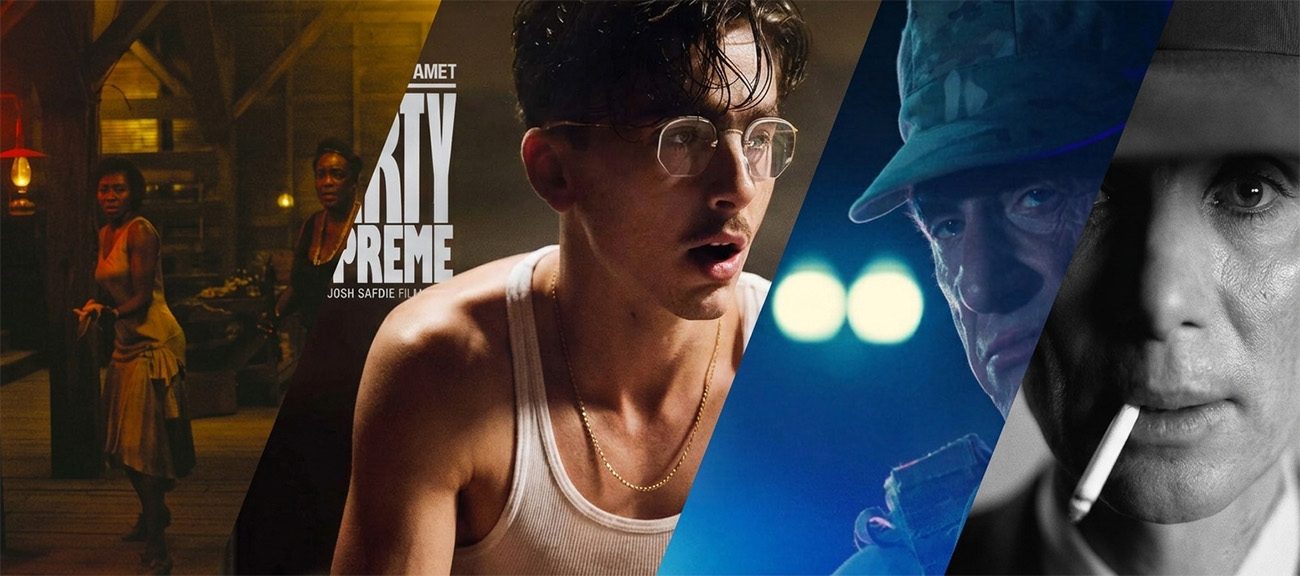
The difficulty in discerning the precise lighting setups of acclaimed scenes underscores the specialized skill of these professionals. Unlike camera models, which are frequently cataloged and discussed, the intricate diagrams and equipment lists for complex lighting schemes are rarely made public. This proprietary knowledge, honed over years of experience and artistic intuition, is precisely why top cinematographers command significant compensation – they are not merely technicians but highly sought-after artists whose creative decisions profoundly influence a film’s aesthetic and narrative power. Their work involves a meticulous understanding of physics, optics, color theory, and psychology, all combined to craft every frame with deliberate intent.
Bridging the Gap: Tools for Lighting Deconstruction
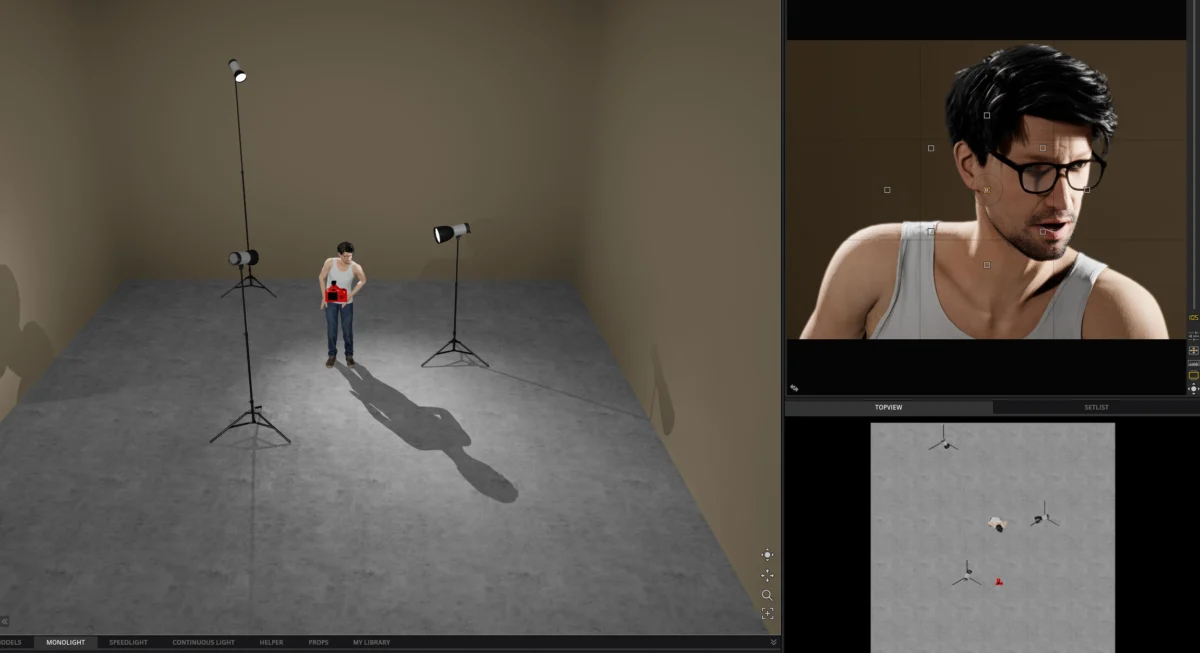
Recognizing the challenge in accessing detailed lighting breakdowns, this analysis aims to demystify the process through practical deconstruction. The intent is to encourage a broader audience, from aspiring filmmakers to dedicated cinephiles, to engage in similar analytical exercises. To facilitate this, the lighting diagrams presented herein were meticulously crafted using set.a.light 3D. This specialized 3D modeling software offers an intuitive platform for simulating lighting environments, allowing users to deduce complex setups and build precise diagrams for both still photography and video production. Its utility lies in its ability to visualize light placement, modifiers, and their resulting effects, providing an invaluable educational resource for understanding the principles of cinematic lighting. This tool enables a systematic approach to breaking down scenes, transforming abstract observations into concrete, replicable setups, thereby making the often-elusive art of lighting more accessible for study.
Case Study 1: "Marty Supreme" – The Power of Hard Light in Character Portrayal
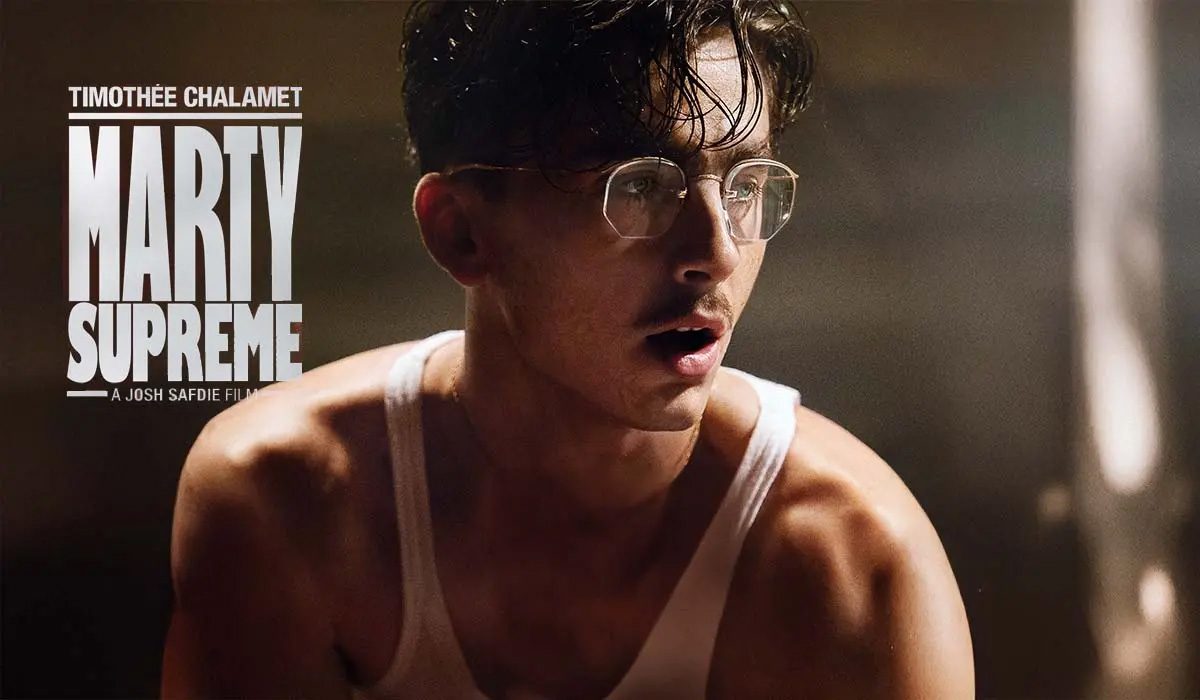
Original Image: Marty Supreme – Key Advert Image
The promotional imagery for "Marty Supreme," a film often praised for its intense character studies and raw aesthetic, exemplifies the dramatic impact of hard lighting. The visual evidence, particularly the sharp, defined specular highlights and the stark, undiffused shadows, strongly indicates a deliberate choice to employ harder light sources. Observable details, such as the crisp shadow cast by the subject’s nose and the distinct lines under his glasses, reinforce this conclusion. This lighting choice is not arbitrary; it serves to sculpt the subject’s features, emphasizing contours and creating a sense of gravitas and intensity, aligning with the film’s likely thematic elements of conflict or struggle.
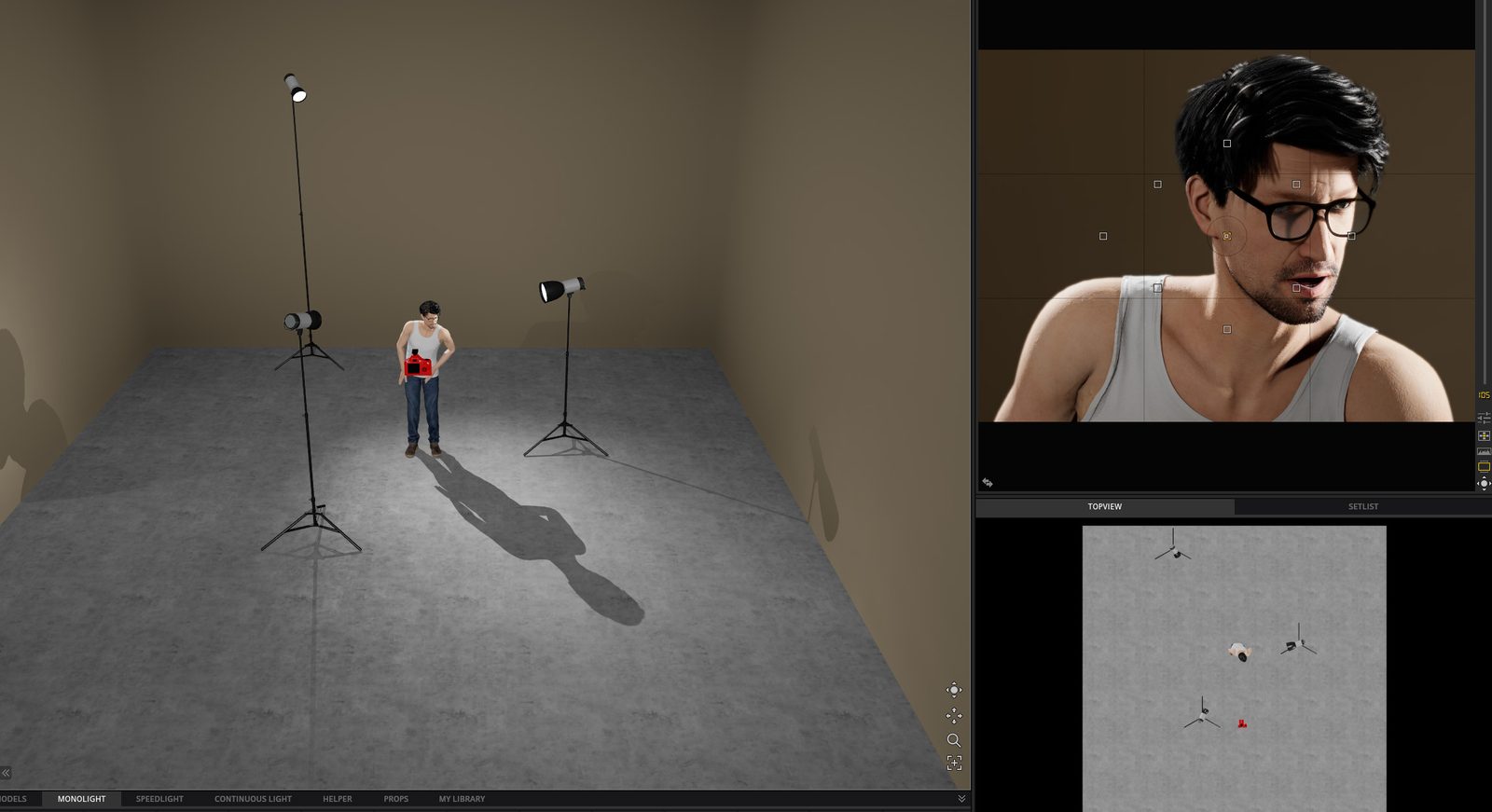
To replicate this visually striking effect, a three-light setup, devoid of diffusion, was employed. The primary light source, a hard key light, likely positioned slightly off-axis to camera left, defines the primary illumination on the subject’s face, creating the prominent shadows. For the distinctive rim light visible on the subject’s right side, a gridded light was utilized. Grids are essential modifiers that restrict the spread of light, focusing it into a narrower beam. This precision allowed for the targeted illumination of both the subject’s shoulder and the precise highlight on his face, adding separation from the background and emphasizing his silhouette. A similar gridded light was placed on the opposite side, contributing to the prevalent stark backlighting characteristic of the film’s overall visual style, creating a dramatic edge around the subject. Finally, a fill light was strategically positioned camera left. While the overall look leans towards high contrast, a subtle fill light is crucial to prevent the shadow side of the face from becoming completely underexposed, ensuring that emotional nuances in the subject’s expression remain visible without compromising the hard light aesthetic. The absence of diffusion across all lights ensures the crispness of shadows and highlights, contributing to the powerful, almost graphic quality of the image, mirroring the film’s gritty narrative.
Lighting Diagram: Marty Supreme – Lighting 1
Case Study 2: "Sinners" – Crafting Mood with Multi-Colored Illumination
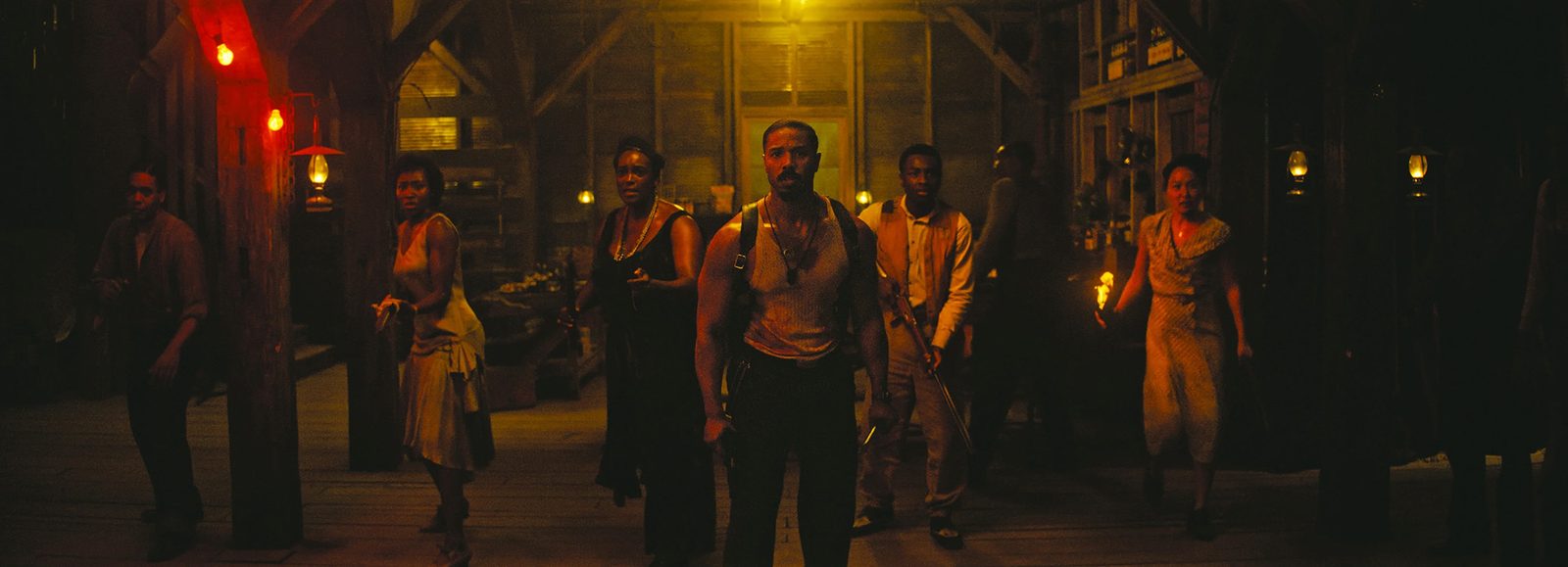
Original Image: Sinners – Key Group Scene
The critically acclaimed drama "Sinners" utilizes lighting as a powerful narrative tool, particularly in pivotal scenes such such as this key group shot. This specific moment, often highlighted for its cinematic impact, is a masterclass in atmospheric lighting, predominantly lit by a combination of practical fire sources and strategically placed red and orange bulbs. The scene’s success lies in its expert use of multicolored illumination to forge a potent mood, enhancing the narrative tension and emotional weight. The warm, fiery hues inherently suggest danger, passion, or introspection, immersing the audience in the characters’ psychological states.
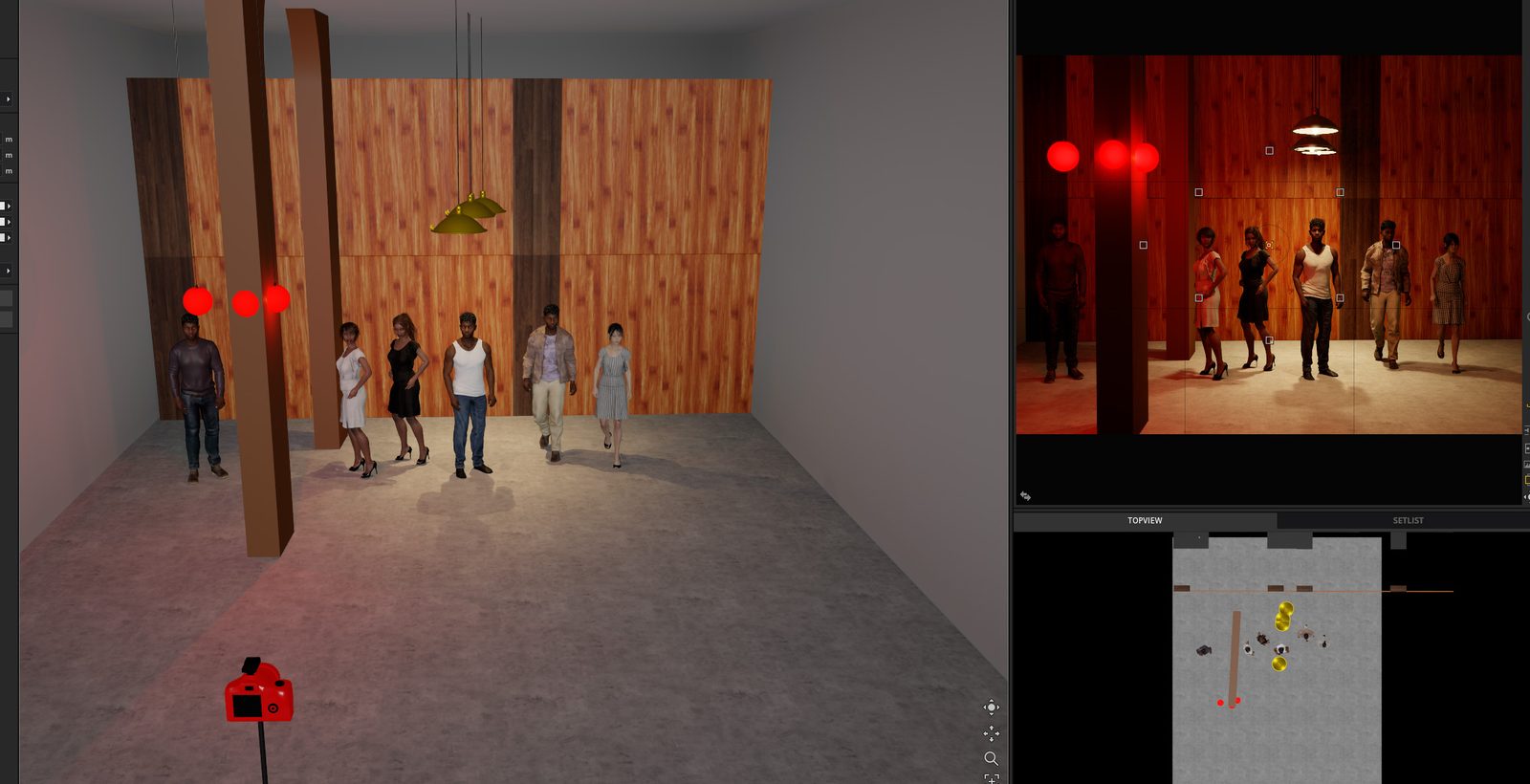
Given its interior setting, the deconstruction began with modeling the architectural elements of the building. The structural features are integral to the shot, not only framing the subjects but also adding significant depth and context to the scene’s composition. Understanding the environment allows for more accurate light placement, considering how light interacts with surfaces and creates reflections or shadows. The subjects were then strategically placed in a staggered pattern, a technique that creates visual contrast in their bodies and faces, ensuring each individual is distinct while contributing to the overall group dynamic. The lighting reference points from the original scene guided the placement of the artificial light sources. It is highly probable that sophisticated RGBWW LED fixtures, such as the Aputure Accent B7c bulbs mentioned, or similar high-quality color-tunable lights, were used to precisely match the vibrant red and orange spectra seen in the film. These modern lights offer unparalleled control over color temperature and saturation, enabling cinematographers to achieve specific emotional palettes. Once the basic placement of these lights was established, the subsequent adjustments focused on refining their power output. This iterative process of fine-tuning intensity ensures that the artificial lights seamlessly blend with or enhance the practical firelight, achieving the desired balance of illumination and shadow that defines the scene’s intense and captivating mood.
Lighting Diagram: Sinners – Lighting 1
Case Study 3: "Oppenheimer" – Drama Through Contrast and Catchlights
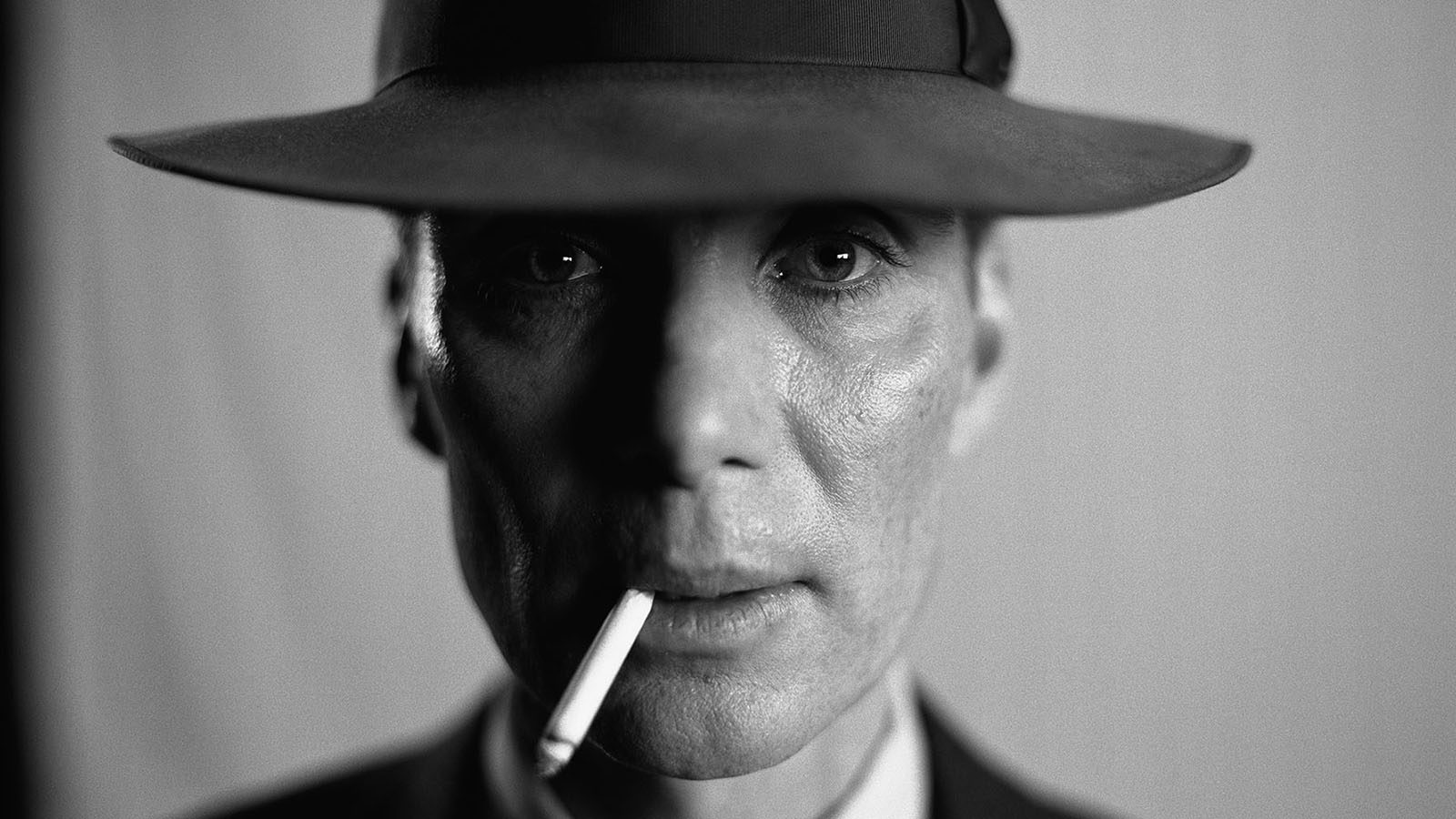
Original Image: Oppenheimer – Hero Shot
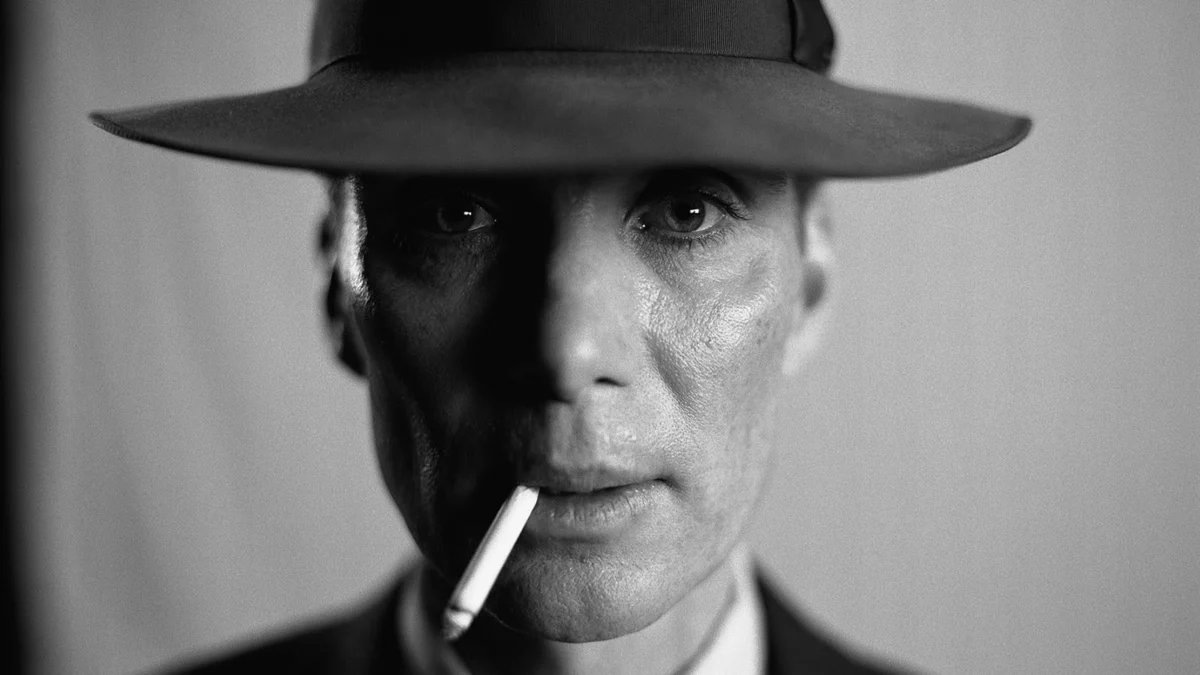
The biopic "Oppenheimer," a film celebrated for its profound exploration of scientific genius and moral dilemma, featured this iconic hero shot of Cillian Murphy extensively in its promotional campaigns. The image masterfully employs high contrast between rim lighting and split lighting shadows to inject a palpable sense of drama, perfectly encapsulating the complex and often tormented character of J. Robert Oppenheimer. The subtle yet impactful catchlights in his eyes are not merely aesthetic details; they are critical elements that add layers of emotion and character, drawing the viewer into his introspective gaze.
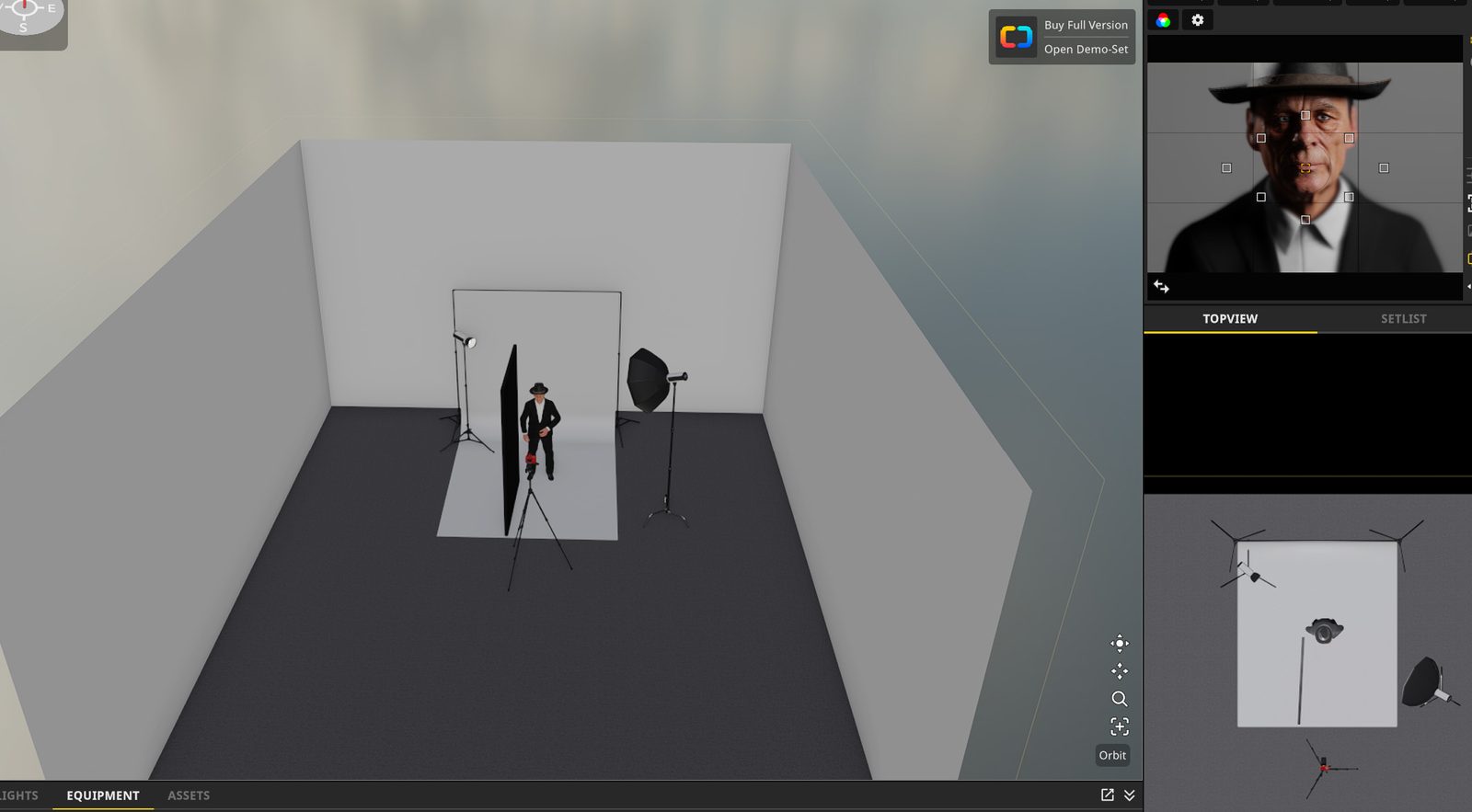
To meticulously reconstruct this dramatic portrait, the primary illumination was achieved using a relatively small, gridded Octobox positioned from camera right. The choice of an Octobox, with its octagonal shape, produces a naturally pleasing, slightly larger catchlight than a standard reflector, which is vital for conveying the depth of emotion in Oppenheimer’s eyes. The inclusion of a grid on the Octobox is paramount; it precisely controls the light spill, preventing it from broadly illuminating the scene and instead directing a focused beam onto the subject. This controlled hard light creates the sharp delineation of light and shadow characteristic of split lighting, emphasizing the contours of Murphy’s face and adding to the high-contrast aesthetic. To further enhance this contrast and deepen the shadows, a black blocking board was positioned in close proximity to the subject, camera left. Blocking boards (or flags) are essential tools for absorbing or preventing light from reaching specific areas, thereby sculpting shadows and increasing the dramatic range between highlights and dark tones. Finally, a bare light, stripped of any diffusion or modification, was placed behind and to the left of the subject. This strategic placement ensures that a distinct, powerful rim light graces the left side of his profile, providing separation from the background and adding another layer of visual intensity, culminating in a shot that is both technically brilliant and emotionally resonant, reflecting the gravitas of the film’s subject.
Lighting Diagram: Oppenheimer – Lighting 1
Case Study 4: "One Battle After Another" – Narrative Through Dynamic Night Lighting
Original Image: One Battle After Another – Lockjaw Scene
"One Battle After Another," the recipient of this past year’s Best Picture award, stands as a benchmark in modern cinematography and storytelling. While much of the film drew praise for its evocative use of natural light in extensive on-location shoots, its night scenes, particularly those featuring Sean Penn’s formidable antagonist, Lockjaw, were equally impactful. These nocturnal sequences were crucial in establishing tension and exploring the darker facets of the narrative. This specific scene, featuring Lockjaw, exemplifies the film’s deliberate and effective use of harder light sources to underscore its dramatic intensity. The pronounced shadows on Sean Penn’s face are a clear indicator of this preference for hard light, which serves to emphasize his character’s ruggedness and the grim circumstances of the scene.
The deconstruction began with establishing harsh rim lights on each side of the subject. One of these rim lights was notably blue in color, a deliberate choice to simulate the pulsating, cold illumination emanating from a police car, subtly signaling the presence of law enforcement or impending conflict in the background. This color choice is not merely decorative; it integrates environmental storytelling directly into the lighting design. Following the setup of these defining rim lights, a bare light was introduced to the front, positioned as a subtle fill. This light was powered down significantly to soften, rather than eliminate, the deep shadows cast on Penn’s face by the primary hard lights. Its purpose was to prevent the complete loss of detail in the shadow areas, ensuring that the character’s expression remained discernible while maintaining the scene’s overall high-contrast, dramatic aesthetic. Furthermore, a key visual characteristic of this scene is the presence of distinctive horizontal lens flares on the right side of the frame. This effect is a hallmark of anamorphic lenses, which compress a wider field of view onto a standard sensor, then decompress it in post-production. Anamorphic lenses are celebrated for their unique optical qualities, including oval bokeh and elongated flares, which contribute significantly to a film’s "cinematic" look, adding texture and depth to the visual narrative and further enhancing the film’s critically acclaimed visual style.
Lighting Diagram: Lockjaw – Lighting 1
The Broader Implications: Elevating Visual Literacy and Industry Craft
This analytical exercise extends beyond mere technical dissection; it serves as a powerful tool for elevating visual literacy among audiences and aspiring creatives alike. By actively deconstructing the lighting of acclaimed productions, viewers can develop a more profound appreciation for the intricate artistry and deliberate choices that shape cinematic experiences. For students and emerging professionals in filmmaking and photography, these breakdowns offer invaluable practical insights, bridging the gap between theoretical knowledge and real-world application. Understanding how master cinematographers use light to sculpt form, define mood, and advance storytelling is fundamental to developing one’s own visual voice.
The continuous evolution of lighting technology, from the versatility of modern LED panels and intelligent fixtures to the enduring relevance of traditional HMI and tungsten units, constantly reshapes the possibilities for DPs. Yet, the core principles of light manipulation remain timeless. As film production becomes increasingly accessible, the role of the seasoned cinematographer—who possesses not only technical prowess but also an intuitive understanding of human emotion and narrative—becomes even more critical. Their ability to transcend technology and craft light into meaning is what truly differentiates a well-shot scene from a masterpiece. This ongoing dialogue between artistic vision and technical execution ensures that cinematography remains a vibrant and essential craft in the ever-evolving landscape of visual media.
This examination highlights that the magic of cinema is often found in the meticulous details, particularly in the unseen ballet of light. By engaging with these visual analyses, enthusiasts are invited to look beyond the surface and truly see the artistry that brings stories to luminous life. For those inspired to experiment with lighting in their own creative endeavors, a comprehensive array of professional lighting equipment is readily available for rental, providing the tools necessary to begin sculpting light and shadow into compelling narratives.