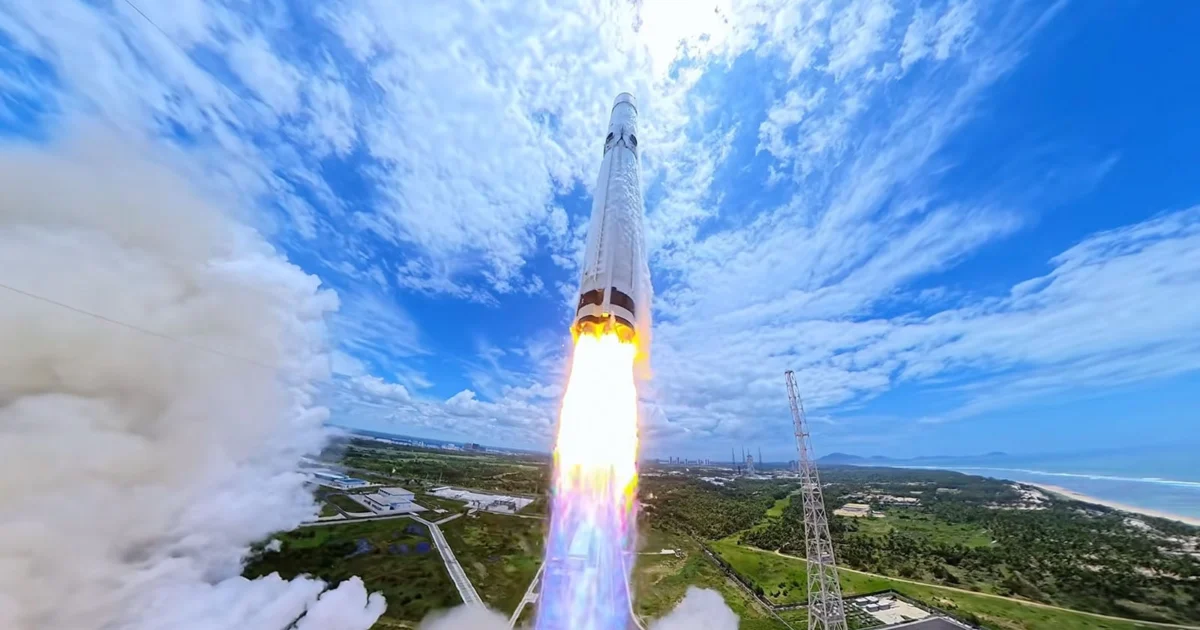
Last week, global drone and action camera titan DJI captured widespread attention by releasing a captivating video recorded using its Osmo Action 6 cameras, strapped to a rocket ship for an extraordinary ascent and descent. This high-stakes stunt, demonstrating the durability and imaging prowess of DJI’s latest action camera, immediately set a new benchmark in extreme videography. Predictably, DJI’s formidable commercial and legal adversary, Insta360, has not remained a passive observer. In a swift and direct counter-move, Insta360 has unveiled its own ambitious rocket launch video, signaling an intensified battle for supremacy in the fiercely competitive action camera market.
A Deep-Rooted Rivalry Takes to the Skies
The relationship between DJI and Insta360 can accurately be described as a fierce rivalry, a competitive dynamic that extends far beyond mere market competition into a more profound technological and strategic contest. As aptly characterized by publications like Digital Camera Life, calling them "bitter rivals" might even be an understatement, given the palpable tension and aggressive innovation stemming from their competition. While definitive proof that Insta360’s latest video is a direct, calculated response to DJI’s recent rocket footage remains circumstantial, the precise timing of its release, shortly after DJI’s, strongly suggests a deliberate counter-strategy. This tit-for-tat dynamic is a hallmark of their ongoing struggle for market dominance and technological leadership.
The rivalry is not new, tracing back years with various product launches, marketing campaigns, and even legal skirmishes. A notable instance includes DJI’s lawsuit against Insta360 for alleged violations of multiple Osmo Pocket patents, highlighting the intellectual property battles that underpin their commercial contest. These legal confrontations underscore the companies’ determination to protect their innovations and maintain their competitive edge.
Market Dynamics and Geopolitical Headwinds
Historically, DJI has enjoyed a significant market share advantage, establishing itself as a dominant force in both the drone and action camera sectors. However, the landscape is shifting, particularly concerning DJI’s operational challenges within the expansive U.S. market. Mounting regulatory scrutiny, geopolitical tensions, and concerns over data security have presented substantial headwinds for the Chinese tech giant. These issues, which have included discussions around potential restrictions or bans on Chinese-made technology in critical infrastructure and government applications, have inadvertently created a substantial opening for competitors.
Insta360 has seized upon this opportunity with remarkable agility and strategic foresight. The Federal Communications Commission (FCC) giving Insta360 a clearer path to operate and expand in the U.S. market has been a significant boon, allowing the company to aggressively pursue market share gains. This strategic window is one that Insta360 is demonstrably unwilling to overlook, leveraging every opportunity to challenge DJI’s long-held dominance.
DJI’s "Milestone" vs. Insta360’s "Absolutely Cooked" Resilience
The specifics of each company’s rocket videography venture highlight distinct approaches and underline their respective marketing narratives. DJI’s offering was an impressive nine-minute spectacle, meticulously documenting the entire journey of a LandSpace Zhuque-3 reusable rocket’s ascent into space and its eventual return to Earth. This ambitious project reportedly utilized a dozen Osmo Action 6 cameras strategically mounted to the rocket, capturing a comprehensive, multi-angle perspective of the mission. DJI touted this achievement as a "milestone," emphasizing the cameras’ unmodified performance under extreme conditions.
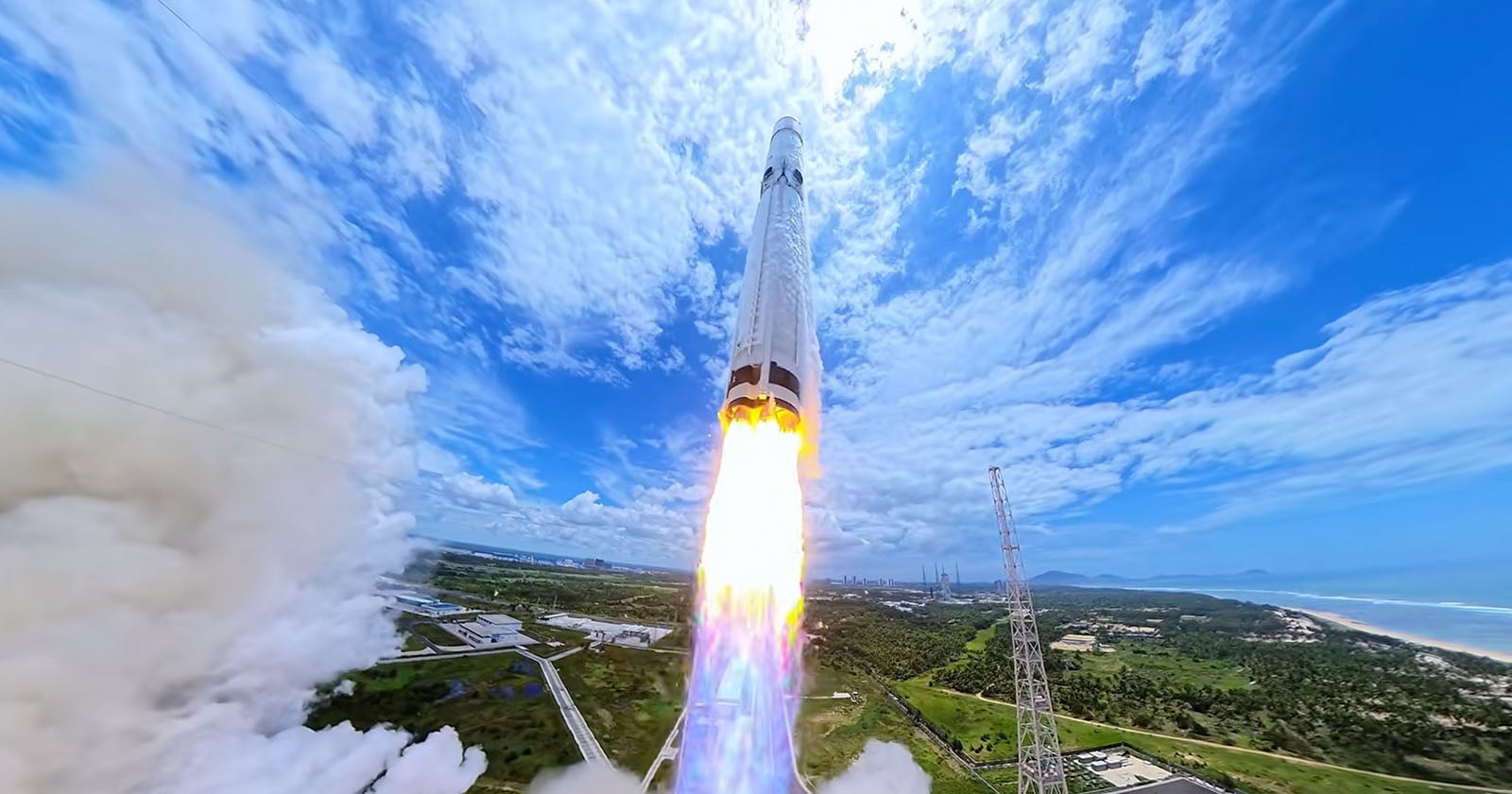
Insta360, in contrast, released a much shorter, dynamic supercut. Their video showcased footage from multiple rocket launches, captured by a diverse array of Insta360 cameras. This included their popular 360-degree models like the X5 and X6, alongside the advanced Insta360 Ace Pro 2 action camera, a product co-engineered with the legendary German optics firm Leica. While DJI focused on a single, long-form narrative of one launch, Insta360 opted for a montage, demonstrating the versatility and resilience of its broader product line across various launch events.
A particularly striking element of Insta360’s video was its candid portrayal of some cameras that were "absolutely cooked" by the immense heat and forces generated during launch. Despite their visibly decimated state, these cameras successfully secured the desired footage. This willingness to showcase battle-scarred equipment is a rare and compelling marketing tactic in the camera industry, powerfully illustrating the cameras’ extreme durability and commitment to delivering the shot, no matter the cost to the hardware. It speaks volumes about the engineering robustness of their products, reassuring consumers about their ability to withstand punishing environments.
Strategic Alliances: Leica vs. Hasselblad
The competitive spirit between DJI and Insta360 extends beyond product features and marketing stunts into strategic partnerships with prestigious photography brands. Insta360’s collaboration with Leica for the Ace Pro 2 is not merely a technical alliance but a significant strategic maneuver. It allows Insta360 to tap into Leica’s unparalleled reputation for optical excellence and precision engineering, lending an air of professional credibility and premium quality to its action camera line. This move directly echoes DJI’s own strategic acquisition of the venerable Swedish camera manufacturer Hasselblad in 2017.
DJI’s acquisition of Hasselblad was a clear statement of intent, aiming to elevate its imaging capabilities and brand prestige within the professional photography and cinematography markets. By integrating Hasselblad’s expertise, DJI sought to enhance the image quality of its high-end drones and cameras, appealing to discerning professionals. Insta360’s partnership with Leica can be seen as a direct counter, a move to challenge DJI’s narrative of superior imaging quality through a similar, albeit different, form of collaboration with a revered European optical powerhouse. These alliances underscore a broader competition for brand perception, technological superiority, and market segment capture, extending beyond the action camera category into the wider realm of advanced imaging solutions.
Engineering Under Extreme Duress: Beyond the Hype
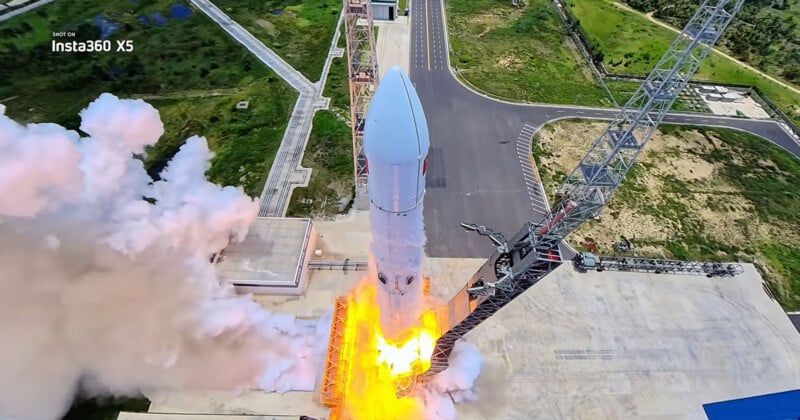
Beyond the captivating visuals and marketing spectacle, these rocket launch videos serve as profound testaments to the engineering prowess and ruggedness of modern action cameras. Mounting cameras on a rocket, particularly near its engines, subjects them to an onslaught of extreme conditions: temperatures reaching thousands of degrees Celsius, intense vibrations, immense G-forces during acceleration, acoustic shockwaves capable of causing structural damage, and the vacuum of space. The ability of these off-the-shelf cameras, without special modifications, to not only survive but also capture high-quality footage under such duress is a significant technical achievement.
DJI’s "milestone" claim for the Osmo Action 6 underscores its confidence in the camera’s thermal management, structural integrity, and electronic resilience. Similarly, Insta360’s demonstration of cameras that were physically damaged but still yielded footage speaks to the robust data recording and storage mechanisms, ensuring that even if the external casing fails, the crucial data remains intact. This resilience is a critical selling point for action cameras, which are designed for adventurers, extreme sports enthusiasts, and professionals operating in challenging environments. The rocket launches effectively simulate and surpass many of these conditions, providing an ultimate stress test that few other scenarios can replicate.
Implications for the Consumer and the Future of Videography
The "space race" between DJI and Insta360, while ostensibly a marketing battle, carries significant implications for consumers and the broader landscape of videography technology. Firstly, such intense competition invariably drives innovation. Each company is compelled to push the boundaries of what their cameras can achieve in terms of image quality, stabilization, durability, and user experience to outmaneuver the other. This translates directly into better, more capable products for consumers.
Secondly, these extreme demonstrations instill a high degree of confidence in the brands’ products. If a camera can withstand the rigors of a rocket launch, consumers can be assured of its performance in more conventional, albeit still challenging, scenarios like diving, mountaineering, or motorsports. This builds brand loyalty and expands the perceived utility of action cameras.
Finally, these videos contribute to the democratization of extreme videography. By showing that commercially available, unmodified cameras can capture such breathtaking footage, DJI and Insta360 are inspiring a new generation of content creators to explore unique perspectives and push their own creative boundaries. The narrative, as articulated by Insta360, that their cameras provide "front-row seats to the future of space exploration" is not just hyperbole; it highlights the increasing accessibility of capturing extraordinary events that were once the exclusive domain of highly specialized and expensive equipment.
As Digital Camera Life rightly points out, these rocket launch videos are more than just promotional material; they are a public exhibition of engineering prowess and a strategic play for market share. They represent a proxy "space race," fought not with rockets and astronauts, but with advanced cameras and daring stunts. For enthusiasts and the wider public, the outcome is unequivocally positive: more spectacular footage of rocket launches, pushing the boundaries of what is possible in capturing our world, and beyond. This ongoing, high-stakes rivalry promises a future of accelerated innovation, delivering increasingly robust, feature-rich, and resilient action cameras for every adventurer. The sky, or rather, space, is no longer the limit for what these compact devices can capture.