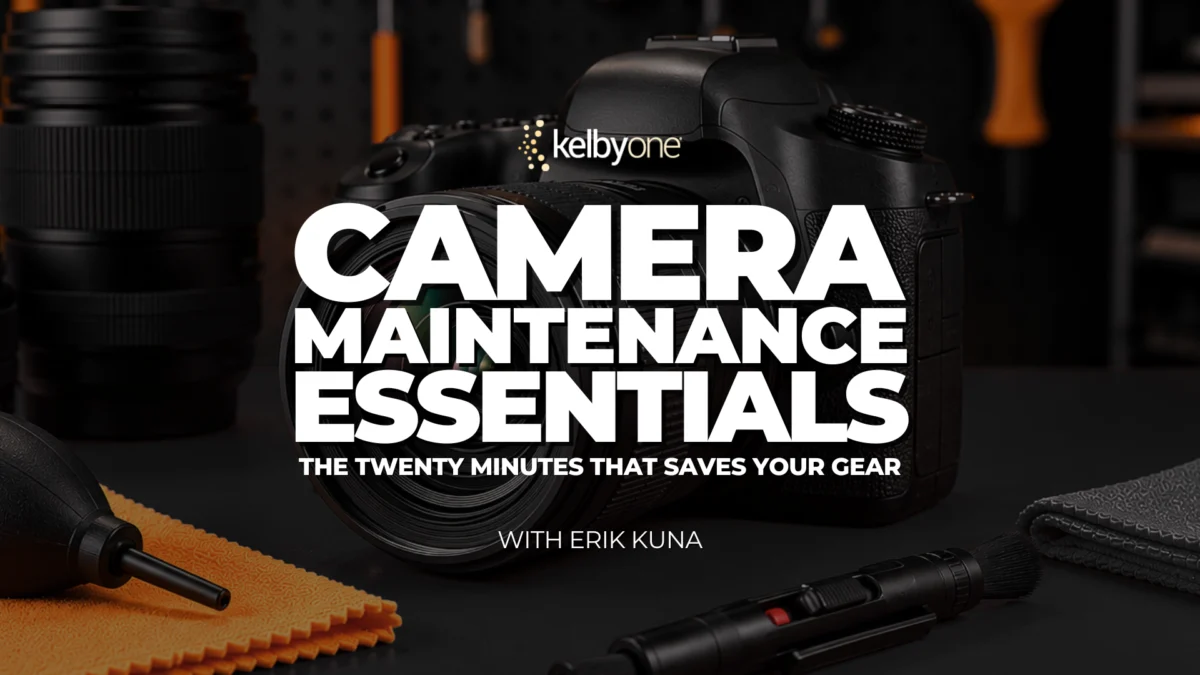
Maintaining camera gear is often relegated to an afterthought by many photographers, a task postponed until visible degradation in image quality, such as persistent sensor dust, or mechanical malfunction necessitates intervention. This common oversight can lead to premature wear, costly repairs, and compromised photographic output. Addressing this crucial yet frequently neglected aspect of photography, renowned instructor Erik Kuna has unveiled a new comprehensive class designed to equip photographers with the knowledge and techniques for effective camera maintenance. His methodology, honed over 15 years of rigorous professional shooting, promises to demystify the process, making it accessible and safe for photographers of all levels.
The Crucial Role of Proactive Camera Maintenance
Photography equipment represents a significant financial investment for professionals and enthusiasts alike. High-end camera bodies can range from $2,000 to over $7,000, while specialized lenses often cost hundreds or even thousands of dollars each. Protecting this investment through regular, proper maintenance is not merely advisable; it is essential for ensuring longevity, optimal performance, and consistent image quality. Without a structured maintenance routine, dust, grime, and environmental contaminants can gradually degrade equipment, leading to diminished optical clarity, sensor performance issues, and potential mechanical failures. The average cost of professional sensor cleaning, for instance, typically ranges from $50 to $150 per session, a recurring expense that can quickly accumulate if not mitigated by self-sufficiency.
Erik Kuna: A Master of Meticulous Care
Erik Kuna brings to this educational initiative a wealth of practical experience, having navigated the demanding world of professional photography for over a decade and a half. His career has seen him operate in a diverse array of challenging environments, from the dusty arenas of live events to the humid conditions of outdoor shoots, and the often chaotic settings of commercial assignments. It is in these "tough conditions" that the resilience and reliability of gear are truly tested, and where meticulous maintenance transitions from a best practice to an absolute necessity.
A testament to his expertise, Kuna has personally performed more than 1,000 sensor cleanings without a single instance of damage to a camera sensor. This remarkable track record underscores not only his proficiency but also the safety and efficacy of the techniques he employs and advocates. His approach is rooted in precision, patience, and a deep understanding of camera mechanics and optics, allowing him to confidently tackle one of the most delicate tasks in camera maintenance.
Demystifying Sensor Dust: The Invisible Foe
Sensor dust is perhaps the most common and frustrating issue faced by digital photographers. These microscopic particles, which can include everything from environmental dust and pollen to fabric fibers from clothing or camera bags, and even metallic fragments from lens mounts, adhere to the surface of the camera’s imaging sensor (or more accurately, the filter stack covering the sensor). They typically become visible in images as dark, soft-edged spots or smudges, particularly noticeable against uniform backgrounds like clear skies or studio backdrops, and especially when shooting at narrower apertures (higher f-numbers).
The ingress of dust is often unavoidable. Each time a lens is changed, the camera’s internal cavity is exposed to the ambient environment. The zooming action of lenses can also create a bellows effect, drawing air and airborne particles into the camera body. Over time, these particles settle on the sensor. Distinguishing between dry dust and more stubborn contaminants like oil smears or dried water spots is crucial, as each requires a different cleaning approach. Kuna’s class provides a systematic method for accurately identifying the type of contamination, a critical first step towards effective cleaning.
The Perils of Improper Cleaning and the Value of Education
The fear of damaging a sensitive and expensive camera sensor often deters photographers from attempting DIY cleaning, leading many to either tolerate dust spots or incur professional cleaning costs. This apprehension is not unfounded; improper cleaning techniques can indeed lead to irreparable damage. Using abrasive materials, incorrect cleaning solutions, or applying excessive pressure can scratch the sensor’s optical filter, smear contaminants, or even damage the delicate electronic components. Household products, readily available but ill-suited for precision optics, pose significant risks. For instance, common alcohol wipes may leave residues, and paper towels can scratch surfaces, while breathing on a lens can deposit saliva and moisture, creating new problems.
Kuna’s new class, titled "Camera Maintenance Essentials: The Twenty Minutes That Saves Your Gear," directly addresses these concerns by providing a structured, step-by-step guide to safe and effective maintenance. Available through KelbyOne, a leading online platform for creative education, the course is designed to empower photographers with the confidence and skills needed to perform routine maintenance themselves, thereby saving time, money, and preventing potential equipment damage.
A Structured Approach to Gear Longevity: The Course Curriculum
The class content is meticulously structured to cover all essential aspects of camera care, focusing on practical application and preventative measures:
-
Spotting Sensor Dust: Kuna guides students through a simple yet effective technique to identify sensor dust. This typically involves shooting a plain, evenly lit white or light-colored surface (like a wall or a piece of paper) at a narrow aperture (e.g., f/16 or f/22) and then examining the resulting image for tell-tale dark spots. Understanding where and how dust manifests is the first step toward remediation.
-
Step-by-Step Sensor Cleaning: This is the core of the class. Kuna breaks down the sensor cleaning process into manageable, safe steps. This includes:
- Pre-cleaning with a blower: Utilizing a specialized air blower (not canned air, which can leave propellant residue) to dislodge loose, dry dust without physical contact.
- Wet cleaning techniques: For more stubborn particles or oil smears, Kuna demonstrates the proper use of specialized sensor cleaning swabs and solutions. He emphasizes the correct application of solution, the direction and pressure of swiping, and the importance of using fresh, individually sealed swabs to prevent cross-contamination.
- Post-cleaning inspection: Methods for re-checking the sensor after cleaning to ensure all contaminants have been removed without introducing new ones.
-
Proper Lens Care: Lenses are equally susceptible to dust, smudges, and environmental damage. The class covers:
- Exterior cleaning: Safely cleaning the front and rear elements of lenses using appropriate cloths, solutions, and techniques to avoid scratching anti-reflective coatings.
- Lens body maintenance: Cleaning the barrel, focus, and zoom rings to prevent grime buildup that can impede smooth operation.
- Storage and handling: Best practices for storing lenses when not in use, using lens caps, and transporting gear to minimize exposure to dust and impact.
-
Avoiding Everyday Products That Damage Equipment: A critical segment of the course focuses on debunking common misconceptions and warning against the use of inappropriate cleaning agents. Kuna details why certain household items can be detrimental, reinforcing the need for specialized photographic cleaning products. This includes explaining the chemical properties of solutions and the material composition of cleaning tools that are safe for delicate optics and electronics.
The Chronology of an Effective Maintenance Routine
An ideal camera maintenance routine, as implicitly outlined by Kuna’s class, follows a logical progression:
- Regular (e.g., weekly or bi-weekly) Visual Inspection: A quick check of external camera body, lens elements, and LCD screen for visible dust or smudges.
- Post-Shoot Basic Cleaning: After each significant shoot, especially in challenging environments, a quick wipe-down of the camera exterior, lens barrels, and blower application to the front lens element.
- As-Needed (When Dust Appears) Sensor Check: Performing the "white wall test" whenever dust spots are suspected in images.
- Sensor Cleaning (When Necessary): Following Kuna’s detailed steps for dry or wet cleaning based on the type of contamination detected.
- Pre-Travel/Storage Maintenance: A thorough cleaning before storing equipment for extended periods or before major trips, ensuring everything is in prime condition.
- Annual Deep Clean: Even with regular maintenance, an annual comprehensive cleaning of all gear might be beneficial.
Broader Impact and Implications
The introduction of Erik Kuna’s "Camera Maintenance Essentials" class holds significant implications for individual photographers and the broader photography community.
- Empowerment and Confidence: By providing clear, expert guidance, the course empowers photographers to take control of their gear maintenance. This self-sufficiency translates into increased confidence, reducing anxiety about potential damage and fostering a proactive approach to equipment care.
- Improved Image Quality: Properly maintained gear, especially a clean sensor, directly leads to superior image quality, free from distracting dust spots that would otherwise require tedious post-production removal. This allows photographers to focus more on their creative vision and less on remedial tasks.
- Extended Gear Lifespan and Cost Savings: Consistent and correct maintenance can significantly extend the operational life of expensive camera bodies and lenses. By avoiding premature wear and tear, and by eliminating the recurring need for professional cleaning services, photographers can realize substantial long-term cost savings. Over the lifespan of a camera, these savings can amount to hundreds, if not thousands, of dollars.
- Reduced Downtime: Waiting for professional cleaning services or sending equipment for repair can result in significant downtime, which is particularly costly for professional photographers. The ability to perform quick, effective maintenance in-house minimizes these interruptions.
- Raising Industry Standards: Courses like Kuna’s contribute to a higher standard of practice within the photography community. They educate photographers on the importance of responsible gear ownership, promoting a culture where maintenance is seen as an integral part of the photographic workflow, rather than an optional chore.
KelbyOne’s decision to feature such a specialized and practical course underscores their commitment to providing comprehensive education that goes beyond mere creative techniques, addressing the fundamental operational aspects of photography. A representative from KelbyOne might comment, "Our mission is to equip photographers with every tool they need to succeed, and that includes mastering the often-overlooked but vital skill of equipment maintenance. Erik Kuna’s class fills a critical gap, offering accessible, expert guidance that will undoubtedly benefit thousands of our members."
In essence, Erik Kuna’s "Camera Maintenance Essentials" is more than just a cleaning tutorial; it’s an investment in the longevity of photographic careers and the preservation of creative tools. It champions the idea that a small, consistent effort—the "twenty minutes that saves your gear"—can yield profound long-term benefits, ensuring that photographers spend more time creating stunning images and less time battling equipment issues. The class is now available for streaming on KelbyOne, offering photographers the opportunity to transform a daunting task into a simple, routine part of their craft.