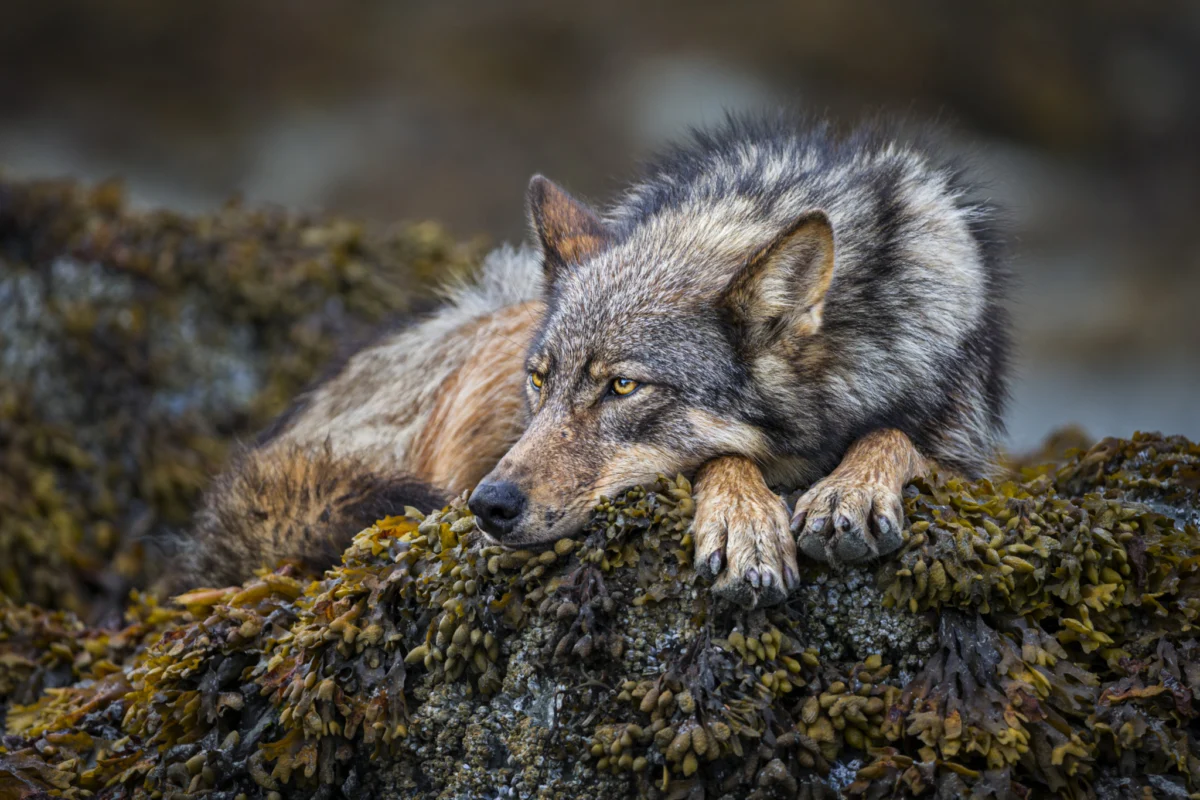
Thirty years ago, an expedition into the remote Canadian wilderness, specifically the Barren Grounds just 300 miles north of the Arctic Circle, marked a profound turning point in one individual’s understanding of the natural world. Over three months, this solo adventurer traversed more than 600 miles on foot and canoed over 2,000 miles, driven by a desire to test personal limits and document tundra wolves. The initial objective, seemingly a quest for photographic evidence, evolved into a deep immersion into the intricate dynamics of the Arctic ecosystem. After weeks of patient observation, a solitary wolf was finally spotted, an encounter that underscored the creature’s elusive nature and the dedication required to witness it. This initial experience, though focused on survival and observation, laid the groundwork for a career dedicated to understanding and advocating for the vital role of predators.
The author’s subsequent encounters with numerous wolf packs, including instances of close proximity and apparent acceptance, have served as an ongoing, intensive education in patience and interspecies trust-building. Wolves, as observed, are inherently cautious, exhibiting a natural inclination to avoid human contact. Scientific data corroborates this, with documented attacks on humans in North America being exceptionally rare, numbering only a handful within the last century. Despite this ecological reality, the archetype of the "big bad wolf" remains deeply entrenched in human culture, perpetuated through fiction, film, and enduring folklore. This persistent cultural narrative, while entertaining, has significant implications for wildlife conservation efforts.
The Enduring Power of Folklore and its Ecological Consequences
The pervasive image of the wolf as a villain, cultivated through generations of storytelling, continues to shape public perception. Fairy tales such as Little Red Riding Hood, while seemingly innocuous, contribute to an ingrained fear that often overlooks the wolf’s actual ecological function. In an era of unprecedented biodiversity loss across the continent, this ingrained fear can lead to the scapegoating of apex predators. When populations of prey species, such as deer or elk, experience declines, wolves are frequently the primary suspects, often without comprehensive investigation into the multifaceted causes of these changes.
This pattern of assigning blame overlooks the ancient presence of wolves in North America. Scientific evidence suggests wolves have inhabited the continent for an estimated 30,000 to 50,000 years, a span predating human arrival by tens of millennia. Their evolutionary history is deeply interwoven with the North American landscape, and their presence has historically played a crucial role in maintaining ecosystem health and stability.
Environmental Degradation vs. Predatory Impact: A Stark Contrast
The narrative that often demonizes wolves as the primary agents of ecological imbalance stands in stark contrast to the documented impacts of human-driven environmental degradation. Activities such as widespread deforestation, extensive road construction, and the extraction of natural resources through mining and drilling have inflicted far more profound and widespread damage on wildlife habitats and populations than wolves ever have. The scale of disruption caused by these human endeavors is on a different order of magnitude, fundamentally altering ecosystems and driving species towards extinction.
Despite this demonstrable reality, a prevailing belief persists that the solution to restoring nature lies in controlling and eliminating its natural inhabitants, particularly predators. This mindset often leads to government-sanctioned wolf culls, presented as necessary methods of wildlife "management." These programs, however, often fail to address the root causes of ecological disruption and can have cascading negative effects on the broader ecosystem.
A particularly concerning example of this approach is the Canadian government’s initiative to cull approximately 4,000 wolves in British Columbia. This taxpayer-funded program, justified under the guise of wildlife management, highlights a continued reliance on reactive, often counterproductive, measures. Simultaneously, corporate entities continue to pursue resource extraction activities like oil dredging and copper mining, further contributing to habitat fragmentation and pollution, often with less public scrutiny than the management of wolf populations. The dissonance between the perceived threat posed by wolves and the actual, large-scale environmental damage caused by industrial activities remains a significant challenge in achieving effective conservation.
The Ecological Imperative of Apex Predators
The role of apex predators like wolves in maintaining ecosystem health is well-documented in scientific literature. Their presence influences the behavior and distribution of prey species, preventing overgrazing and promoting vegetation diversity. This, in turn, supports a wider array of plant and animal life, contributing to a more resilient and balanced ecosystem. The removal or significant reduction of wolf populations can trigger trophic cascades, leading to unpredictable and often detrimental ecological consequences. For instance, studies in Yellowstone National Park following the reintroduction of wolves have demonstrated how their presence has led to the recovery of willow and aspen stands, which in turn has benefited beaver populations and increased biodiversity along riparian areas.
A Call for Accountability and a Shift in Perspective
The author’s intention in sharing intimate encounters with wolves is to foster a deeper appreciation for their intrinsic value and their critical role in the natural world. Perpetuating the villainization of predators that have, for millennia, served as vital regulators within their ecosystems only serves to deepen a cycle of environmental destruction. Every species, regardless of its perceived threat or the misunderstandings surrounding it, contributes to the rich tapestry of our planet’s biodiversity.
The path forward requires a fundamental shift in our collective perspective. Instead of focusing on the often-mythologized threat of predators, humanity must direct its attention and resources towards addressing the systemic threats that truly endanger our planet. This includes mitigating climate change, halting deforestation, reducing pollution, and implementing sustainable land-use practices. By holding our own species accountable for the true extent of the damage inflicted upon natural landscapes, we can begin to rectify past mistakes and forge a more harmonious relationship with the natural world. The persistent myth of the "big bad wolf" serves as a potent metaphor for our tendency to project our fears onto the natural world, deflecting from the more complex and urgent challenges we ourselves have created. Addressing these broader systemic threats is the crucial first step towards confronting the truth and embarking on the essential process of healing our fractured connection with nature.
Looking Ahead: Reconciling Human and Natural Systems
The ecological ramifications of misinterpreting the role of predators are significant. When wolf populations are reduced or eliminated, prey species may experience unchecked population growth, leading to overgrazing, soil erosion, and habitat degradation. This can negatively impact a wide range of other species that depend on these habitats. Furthermore, the economic costs associated with managing the consequences of trophic imbalances, such as increased agricultural damage from overabundant herbivores, can be substantial.
The scientific community has increasingly advocated for evidence-based wildlife management strategies that prioritize ecosystem integrity. This includes understanding the complex interdependencies within food webs and recognizing the essential contributions of all species, including predators. The reintroduction of wolves in various regions, when undertaken with careful planning and community engagement, has often demonstrated the positive ecological impacts of restoring natural predator-prey dynamics.
Moving forward, a greater emphasis on education and public outreach is vital to dismantle outdated stereotypes and foster a more nuanced understanding of wildlife. By promoting ecological literacy and highlighting the interconnectedness of all living things, we can cultivate a society that values conservation and stewardship over fear and eradication. The ongoing work of conservation organizations, researchers, and dedicated individuals who advocate for the preservation of predators and their habitats is crucial in this endeavor. Their efforts to gather data, educate the public, and influence policy are instrumental in shifting the narrative from one of conflict to one of coexistence. The future of our planet’s biodiversity hinges on our ability to embrace a more holistic and ecologically informed approach to conservation, one that recognizes the indispensable role of every creature, including the wolf.