The whispered warnings about venturing to the "end of the road" on Oahu’s West Side were a siren song to Cristina Mittermeier and Paul Nicklen, a renowned photographic duo with a penchant for uncovering the authentic heart of a place. Their assignment for National Geographic, coupled with a looming deadline, propelled them towards Makaha, a community often shrouded in an aura of exclusivity and apprehension for outsiders. Far from the anticipated suspicion, their journey into this vibrant enclave revealed a profound wellspring of generosity, a deeply rooted cultural heritage, and an unwavering spirit of aloha that has endured through generations.
The Allure of the Forbidden: A Journey to Makaha
Driven by the instinct that compelling narratives often lie beyond the beaten path, Mittermeier and Nicklen disregarded the cautionary advice. Their rental car, laden with expensive camera equipment, became a vessel for exploration into one of Hawaii’s last significant bastions of traditional Hawaiian culture. They braced themselves for a reception colored by wariness, perhaps even hostility, as repeatedly forewarned. However, the reality they encountered was a stark and beautiful contrast. What unfolded was an immersion into a community that, despite its guarded exterior, welcomed them with open arms, forging bonds that would last a lifetime. This initial encounter laid the groundwork for a deeper understanding of Makaha, a place where the rhythm of the ocean dictates life and ancient traditions are not merely preserved, but actively lived.
Dawn Patrol and Deep Roots: The Fabric of Makaha Life
Mornings in Makaha commence long before the sun graces the horizon. The pre-dawn stillness is broken by the quiet gathering of surfers, their silhouettes moving with purpose towards the water. As they paddle out to the legendary surf breaks, the rest of the island begins to awaken. The air fills with the aroma of brewing coffee, the vibrant pulse of local music, and the steady hum of vehicles navigating the single, often patched, road. This road serves as the lifeline for residents, transporting them to their daily jobs and children to school. Amidst this daily rhythm, makeshift tent communities stir to life, and the crowing of roosters echoes along the beach. It was in this setting, under the shade of a palm tree, that Mittermeier and Nicklen found themselves in conversation with Brian Keaulana, a figure of celebrity status in the surfing world, a seasoned stuntman, and a respected member of one of Hawaii’s most esteemed families.

Keaulana, a pivotal figure in Makaha’s cultural landscape, embodies the deep connection the community shares with the ocean. He represents a lineage of watermen and women whose ancestral ties to the land and sea are as profound as the tides themselves. In Makaha, the craft of surfboard shaping is not a mere industry but a sacred tradition, with artisans meticulously passing down their knowledge, resisting the impersonal tide of mass production. This commitment to heritage extends to the revival of wayfinding, where individuals are learning to navigate by the stars, mirroring the skills of their ancestors. For the predominantly Polynesian descendants who call Makaha home, surfing is more than a sport or a lifestyle; it is an intrinsic part of their identity, woven into the very fabric of their being.
Guardians of Tradition: Encounters with Makaha’s Heroes
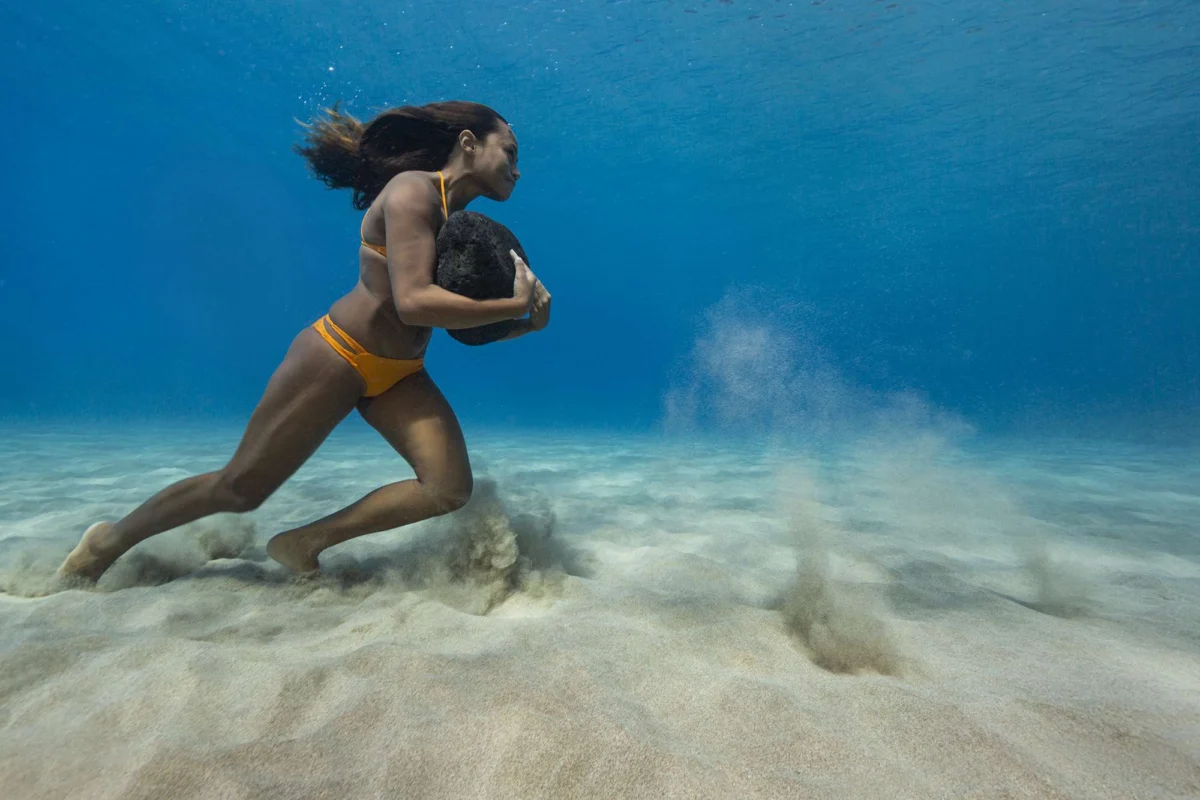
With Brian Keaulana’s invaluable guidance, Mittermeier and Nicklen were granted access to some of the island’s most remarkable individuals. They spent significant time with Ha’a Keaulana, Brian’s daughter and a burgeoning surfing prodigy, granddaughter to the legendary Buffalo Keaulana. Her training regimen was a testament to the rigorous discipline instilled in the younger generation. Ha’a’s daily routine included carrying a 50-pound boulder underwater, with fellow surfers clinging to her waist in a disciplined line, a powerful demonstration of strength and commitment. This practice not only builds physical prowess but also fosters a deep understanding of the ocean’s weight and power.
Their encounters also extended to Sulu’ape Keone Nunes, a master traditional tattoo artist. Nunes shared the intricate meanings embedded within each design, illustrating how Hawaiians proudly wear their ancestral stories and cultural narratives on their skin. These tattoos are not mere adornments but living chronicles, each line and symbol a testament to lineage, achievements, and spiritual beliefs. The more Mittermeier and Nicklen delved into the community’s history and traditions, the more they comprehended the fierce protectiveness the residents held for their heritage. This understanding provided critical context for the initial warnings they had received.
Historical Underpinnings: The Legacy of Resilience
The historical trajectory of Hawaii offers crucial context for understanding the guarded nature of communities like Makaha. Following the official annexation of Hawaii by the United States in 1898, the Native Hawaiian population had been drastically reduced, with estimates suggesting only around 40,000 individuals remained. This demographic decline was largely attributed to the devastating impact of introduced diseases and the violent conflicts that arose during the period of foreign influence and territorial expansion. Over the subsequent century, the surviving Hawaiian communities, particularly those residing in more remote areas, dedicated themselves to preserving the fragile connections to their ancestors and ancestral lands. This intergenerational transmission of cultural knowledge and identity became paramount, a sacred duty passed from one generation to the next.

The Makaha communities, in particular, have faced and overcome significant socio-economic challenges. Issues such as addiction, violence, and homelessness have, at times, deeply impacted families and strained the social fabric. Yet, amidst these struggles, the core of the community’s identity remains inextricably linked to the ebb and flow of the sea. This deep connection to the natural world provides a source of strength and resilience, a constant that has guided them through adversity. Their guardedness, therefore, is not born of animosity but of a profound understanding of the value and vulnerability of what they possess – a living culture, a sacred land, and a profound sense of identity.
A Decade Later: The Enduring Embrace of Aloha
Many weeks later, when Mittermeier and Nicklen departed from Oahu, they left with heavy hearts and a heartfelt promise to their newfound Makaha family to return. Just recently, they had the profound opportunity to fulfill that promise. As their car crossed the bridge and approached the familiar coastline, it felt as though they were traversing back in time. The scene was a vibrant tableau of local surfers and beachgoers, their laughter mingling with the infectious rhythms of music carried on the golden shores.
Nicklen recalled mentioning to Cristina how, in the past, the locals seemed to possess an intuitive awareness of their presence, always ensuring a parking space was reserved for them. As if on cue, Moki, a dear friend and long-time resident, emerged onto the road, his baby stroller strategically placed to guard a parking spot. Ten years had passed, yet the gesture of warmth and recognition remained unchanged. The moment they stepped out of their car, they were enveloped in a cascade of "Alohas," warm embraces, joyful laughter, and genuine smiles, all beneath the iconic lifeguard station of 47B. This scene underscored the enduring power of the aloha spirit, a testament to the community’s capacity for profound kindness and compassion.
The Unwavering Aloha Spirit: A Beacon of Generosity
The enduring generosity of the Makaha community, even in the face of hardship, is a powerful illustration of the aloha spirit. To possess the courage and strength of heart to remain welcoming and inclusive, to ensure that every visitor feels a sense of belonging, and to offer a shaded place to rest and a saved parking spot – these are the tangible manifestations of a spirit that transcends material wealth or ease. It is a spirit that values human connection, mutual respect, and the shared experience of life.
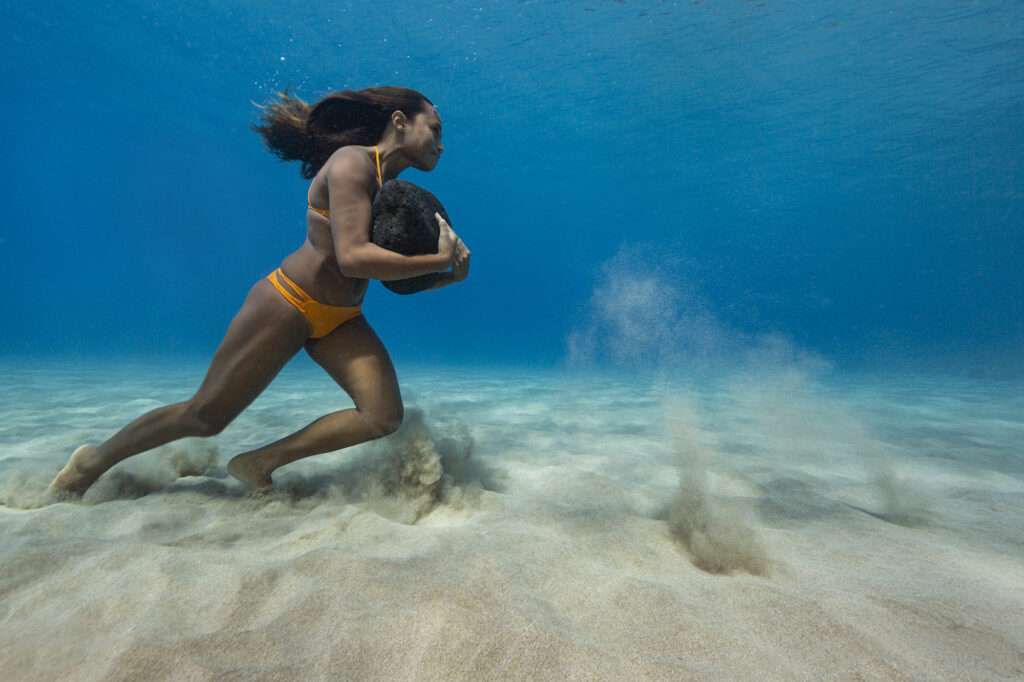
The photographic work of Mittermeier and Nicklen, as showcased in their fine art collections like "Pipeline Poetry" and "Below the Storm," often captures moments of profound connection between humanity and the natural world. Their images from Makaha, such as "Rock Runner," serve not only as artistic representations but as vital documentation of a culture that continues to thrive against the odds. These visual narratives reinforce the article’s central theme: that true wealth lies not in material possessions but in the strength of community, the preservation of heritage, and the boundless capacity for aloha. The story of Makaha, as experienced by Mittermeier and Nicklen, is a potent reminder that some of the most valuable treasures are found not at the end of the road, but at the heart of the people who call it home.