The professional archives of veteran photographer Art Meripol have recently revealed a compelling visual narrative of a journey through Northern Italy, captured during the early 2000s. This expedition, conducted on behalf of a prominent regional magazine based in the American South, serves not only as a technical showcase of medium-format film photography but also as a historical record of personal and political significance. Utilizing the now-legendary Mamiya 7 II system and Kodak Plus X black-and-white film, the collection offers a granular look at the landscapes of Cortina d’Ampezzo, the urban complexity of Venice, and the poignant, post-war history of Trieste.
The Professional Context: Documenting the Atlanta Ski Club
The genesis of the trip was a feature assignment focusing on the Atlanta Ski Club, recognized as the largest organization of its kind in the United States. Founded in 1964, the club has historically served as a major hub for winter sports enthusiasts in the Southeast, organizing large-scale international excursions. Meripol was joined by staff writer Mark for a multi-day documentation of the club’s activities in Cortina d’Ampezzo, a renowned resort town in the Dolomites.
Cortina d’Ampezzo, which hosted the Winter Olympics in 1956 and is slated to do so again in 2026, provided a stark, high-altitude environment for the assignment. Meripol’s work during this phase was characterized by the challenges of extreme cold and the logistical demands of professional film photography in a mountainous region. The technical choice of Kodak Plus X—a medium-speed film with a fine grain structure and a nominal ISO of 125—was particularly bold given the harsh, high-contrast light often found in alpine settings.
A Personal Pilgrimage: The Geopolitics of Trieste
Following the completion of the magazine’s primary coverage, the team transitioned from a professional assignment to a personal historical inquiry. The writer, Mark, sought to visit his birthplace in Trieste, a city with a unique and turbulent mid-20th-century history. This segment of the journey highlighted the intersection of personal biography and international diplomacy.
Mark’s father had served as a commander at a United Nations military base in the region following World War II. The historical context of this deployment is rooted in the 1947 Treaty of Peace with Italy, which established the Free Territory of Trieste (FTT). This independent territory was created to resolve territorial disputes between Italy and Yugoslavia. Under the terms of the permanent statute, the FTT was placed under the direct responsibility of the UN Security Council.
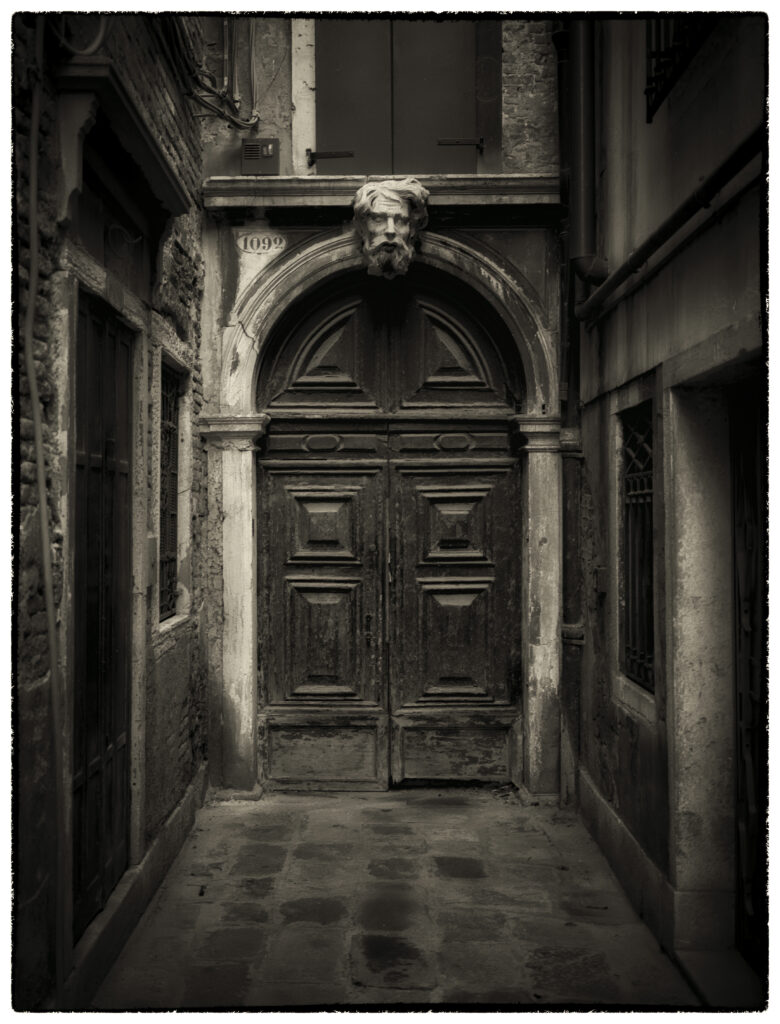
According to historical protocols, the territory was divided into two zones: Zone A, administered by British and United States forces, and Zone B, administered by the Yugoslav People’s Army. The presence of 5,000 troops from each of the participating nations—the United Kingdom, the United States, and Yugoslavia—created a cosmopolitan but tense military environment. It was within this specific geopolitical framework that Mark was born, making his return decades later a significant act of reclamation.

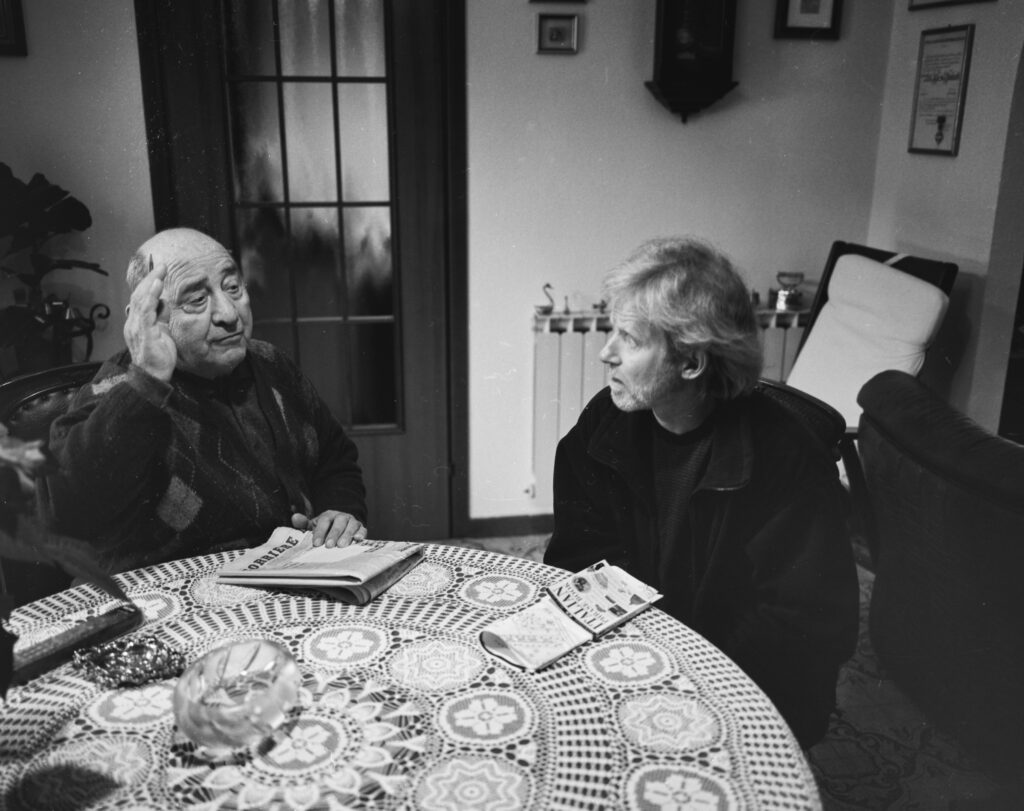
The search for Mark’s childhood home in Trieste involved collaboration with local municipal officials. Despite linguistic barriers—navigating a blend of Italian and Slovenian dialects—the team successfully located the residence. The current occupants, an elderly Italian couple, welcomed the Americans, facilitating a cross-cultural exchange that culminated in the opening of a long-preserved bottle of Johnnie Walker Black Label. This interaction, described by Meripol as a "special moment" shared across three languages, underscores the enduring human connections that persist despite the shifting borders of the Cold War era.
The Venetian Interlude: Light, Speed, and Technical Constraints
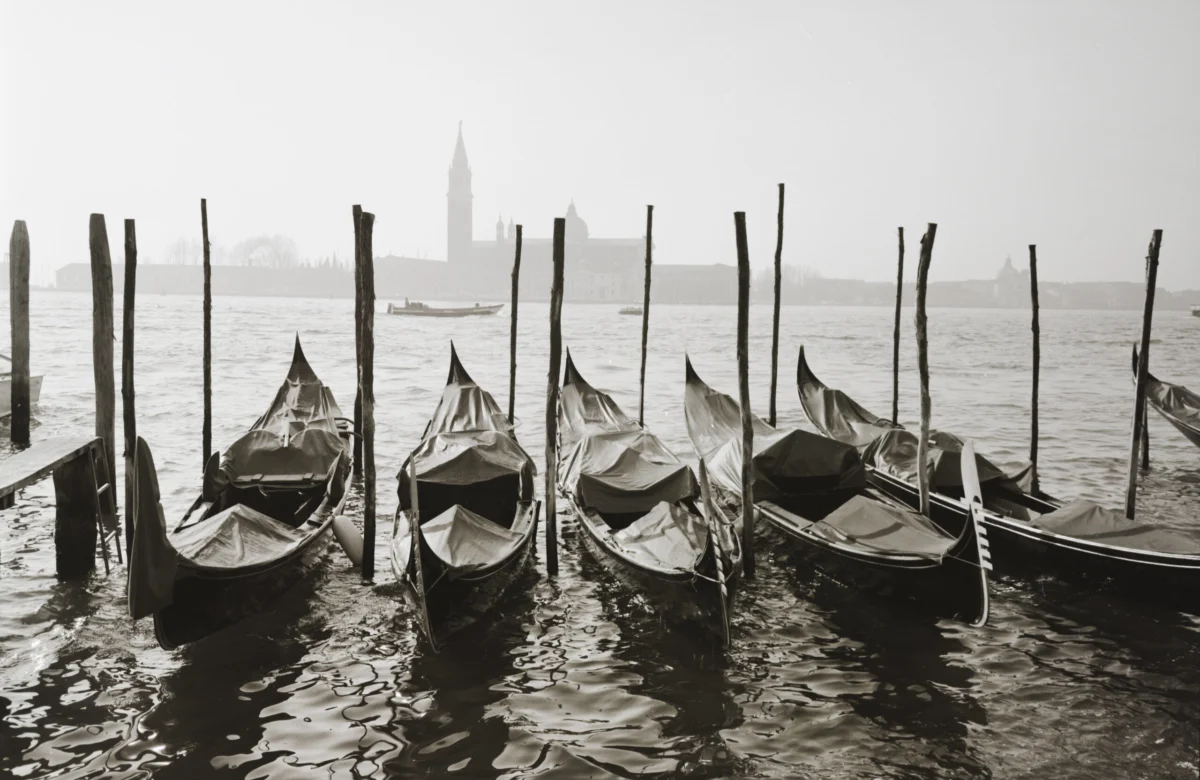
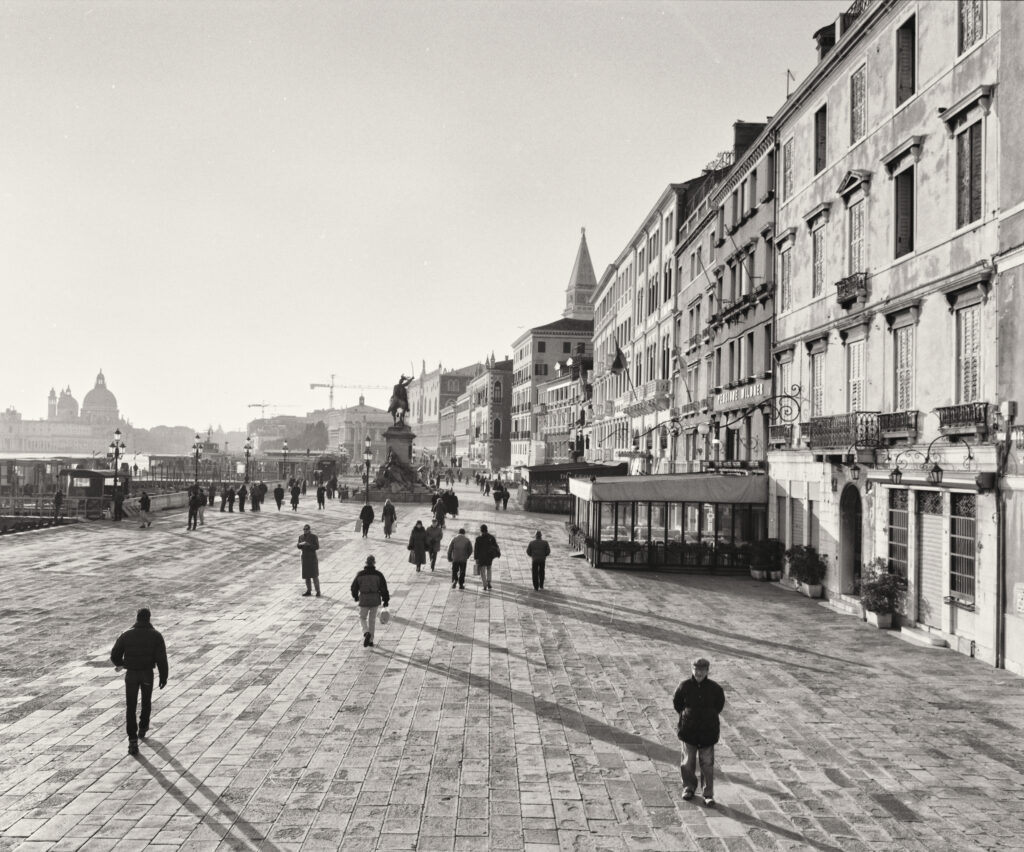
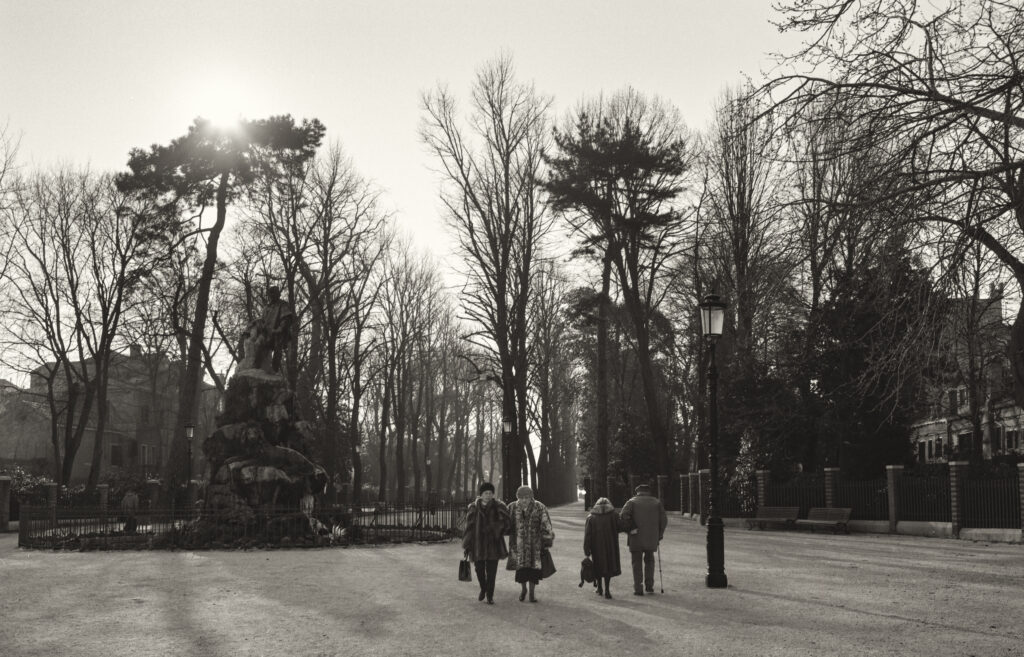
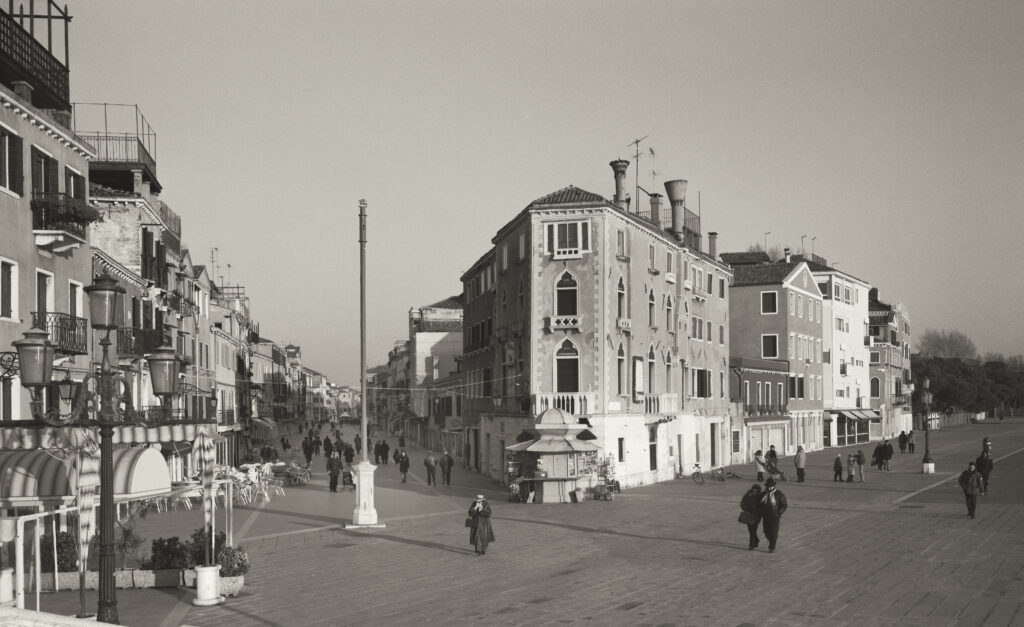
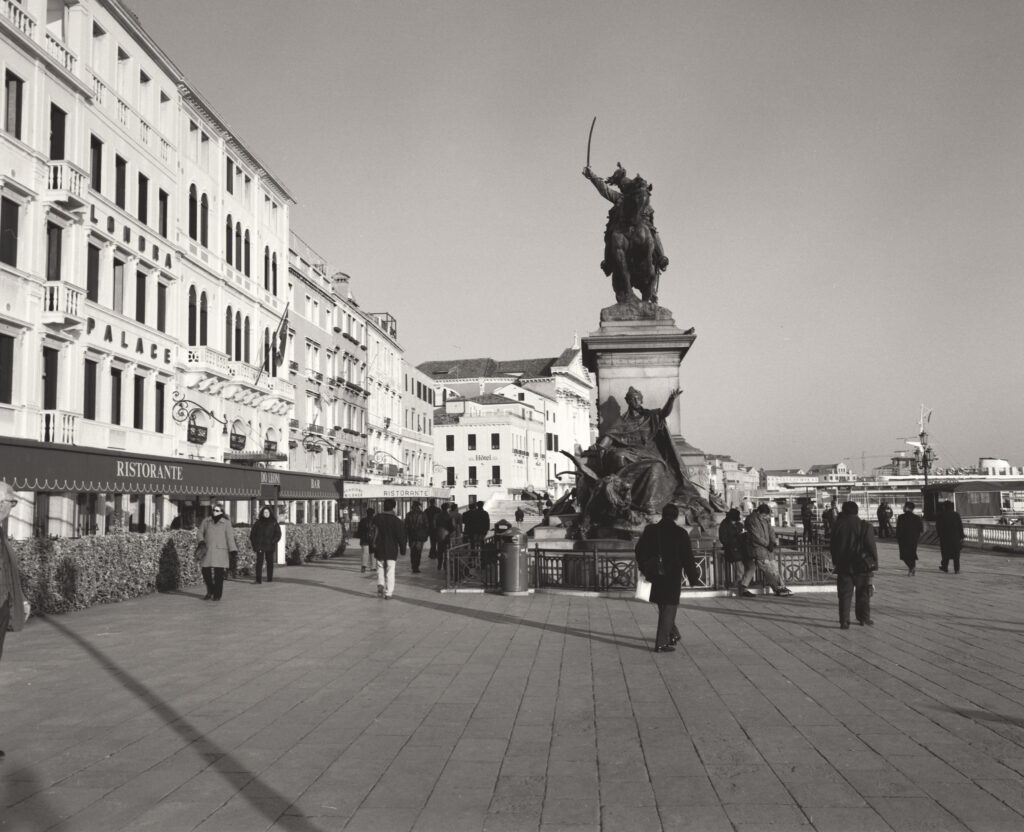
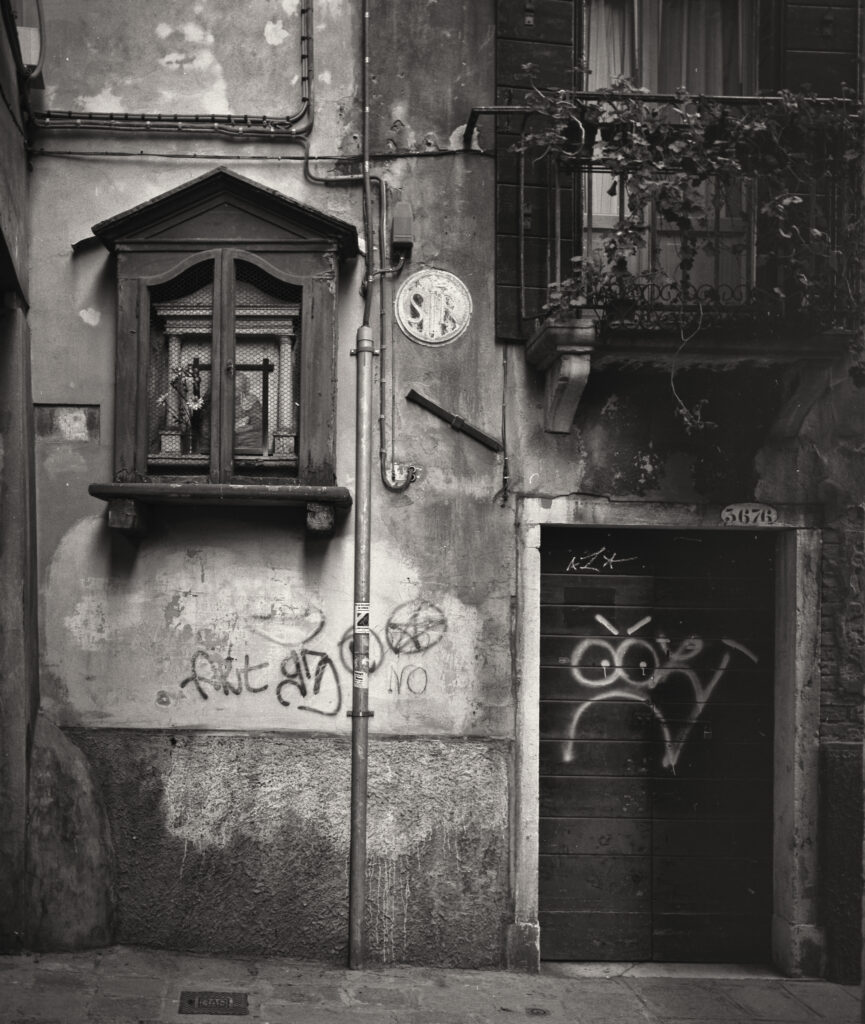
En route to Trieste, the team conducted an overnight stop in Venice. This leg of the trip produced some of the most striking imagery in the collection, born from a period of intense creative output. Arriving in the late afternoon with only three hours of daylight remaining and temperatures hovering around 30 degrees Fahrenheit, Meripol engaged in what he described as a "whirlwind of a visual fantasy."
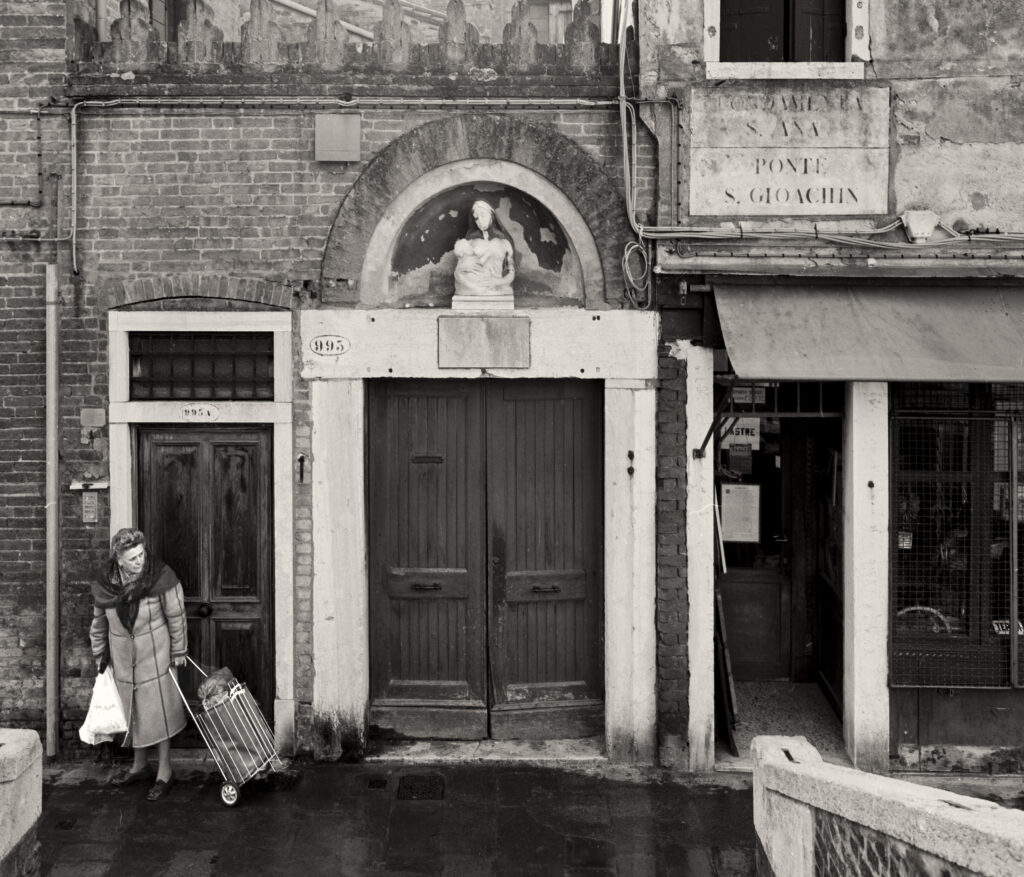
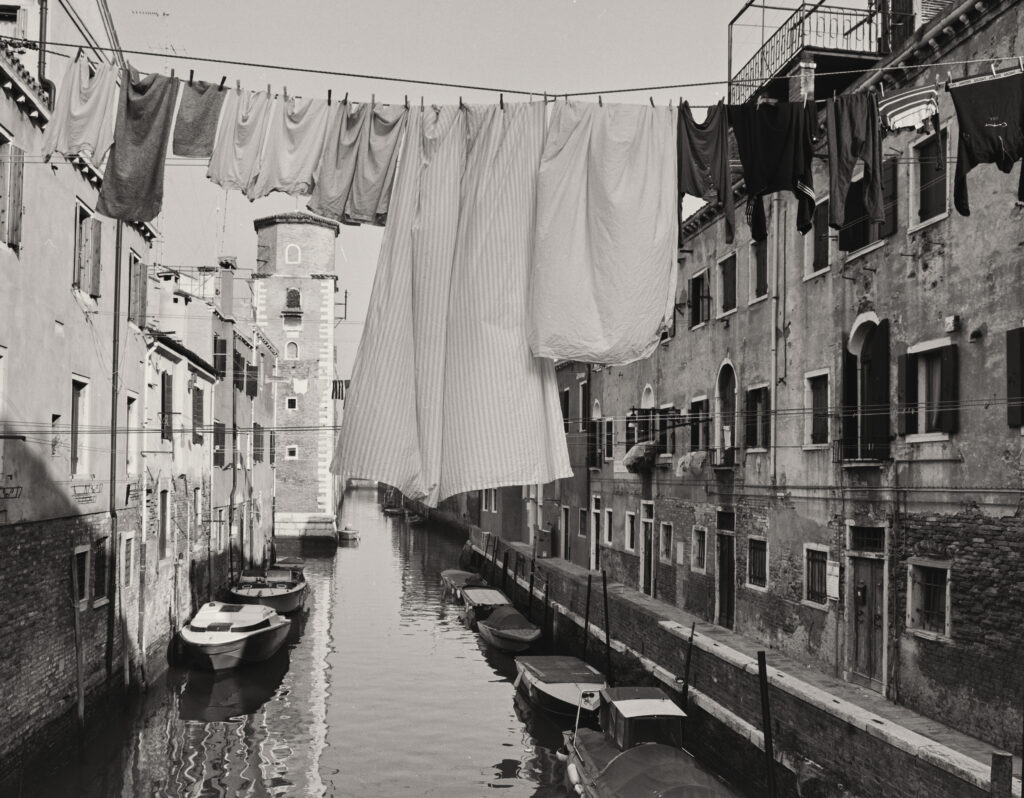
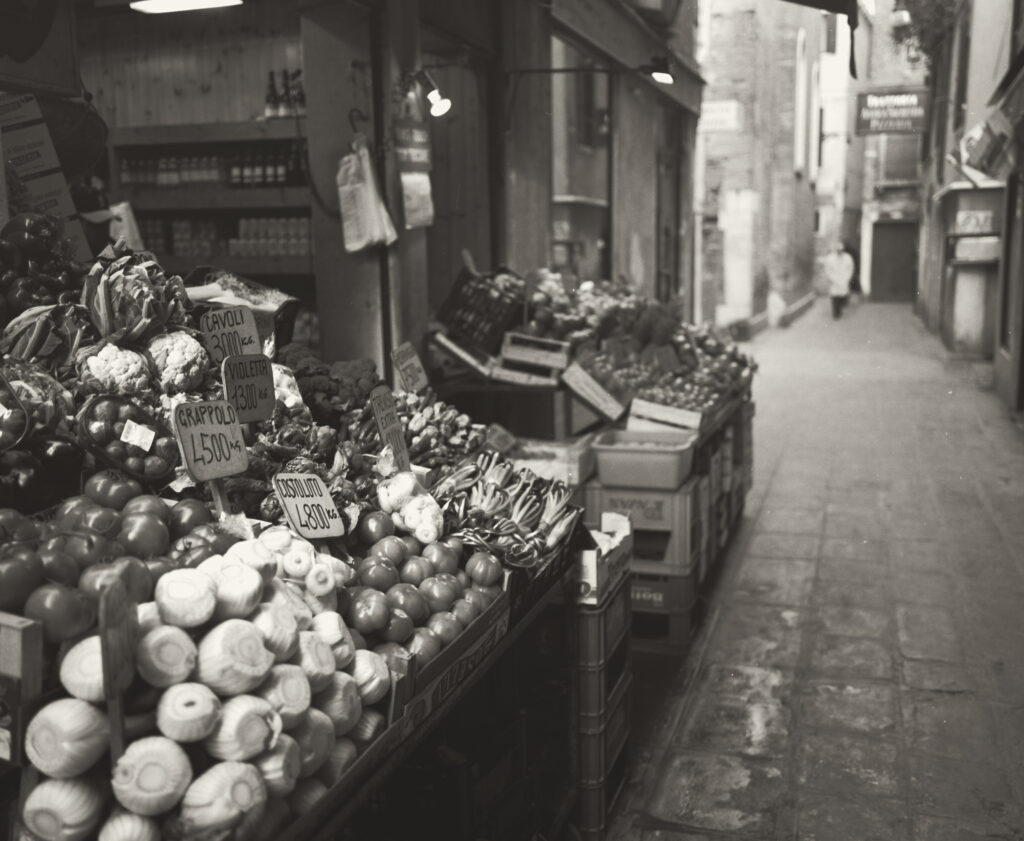
The photography in Venice was conducted without a tripod, a factor that necessitated careful management of the available light. Because Kodak Plus X is a relatively "slow" film, the diminishing dusk forced an end to the session as the shutter speeds required for sharp handheld images became untenable. The resulting photographs capture the "cold hard light" of a Venetian winter, featuring the city’s ubiquitous laundry lines, the fogged windows of pasta shops, and the historical architecture of the Jewish Ghetto.
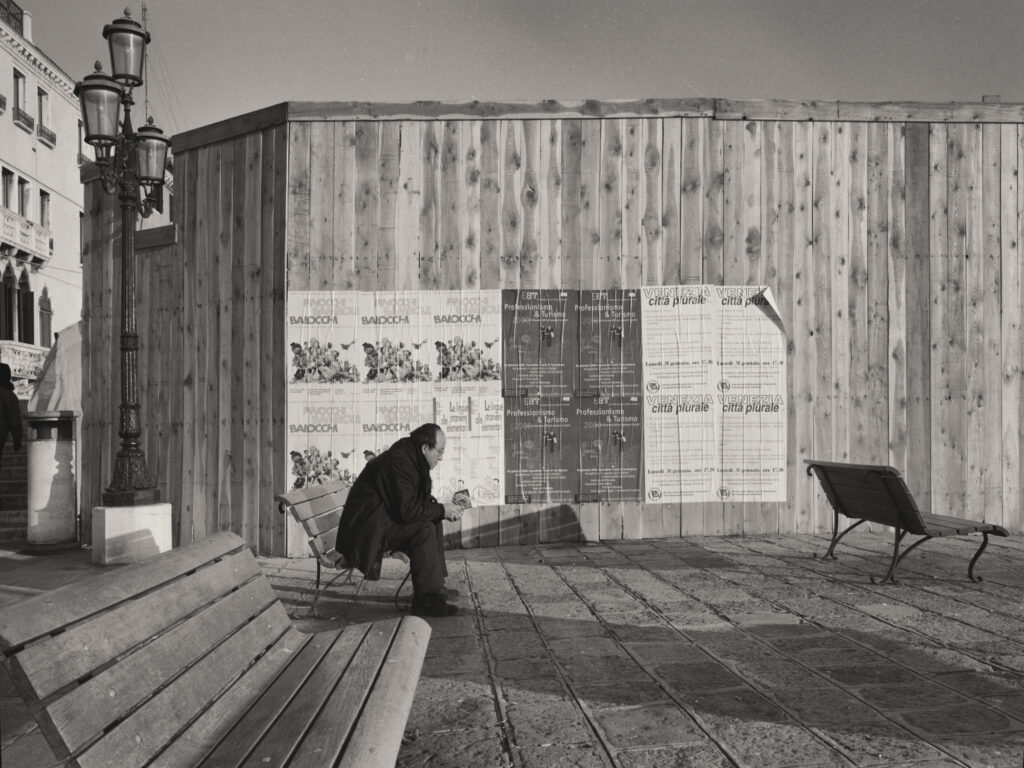
The mention of the Venetian Ghetto carries significant historical weight. Established in 1516 by the government of the Venetian Republic, it was the area to which Jews were restricted. The English word "ghetto" is etymologically derived from the Venetian "ghèto," referring to the copper foundry that previously occupied the site. Meripol’s images of the Ghetto’s entrance serve as a somber reminder of this forced segregation and its lasting impact on European urban history.
Technical Analysis: The Mamiya 7 II and the Legacy of Analog Film
From a technical perspective, this retrospective highlights the capabilities of the Mamiya 7 II, a camera frequently cited as one of the finest medium-format rangefinders ever produced. Introduced in 1999 as an update to the original Mamiya 7, the system is celebrated for its compact design and the exceptional sharpness of its leaf-shutter lenses.
The Mamiya 7 II produces a 6×7 cm negative, which is roughly four times the size of a standard 35mm frame. This large surface area allows for immense detail and smooth tonal transitions, qualities that Meripol notes were particularly evident when shooting transparency (slide) film, which he compared to "stained glass windows." The lenses—ranging from ultra-wide to short telephoto—are often described by optical experts as having near-perfect correction for distortion and chromatic aberration.
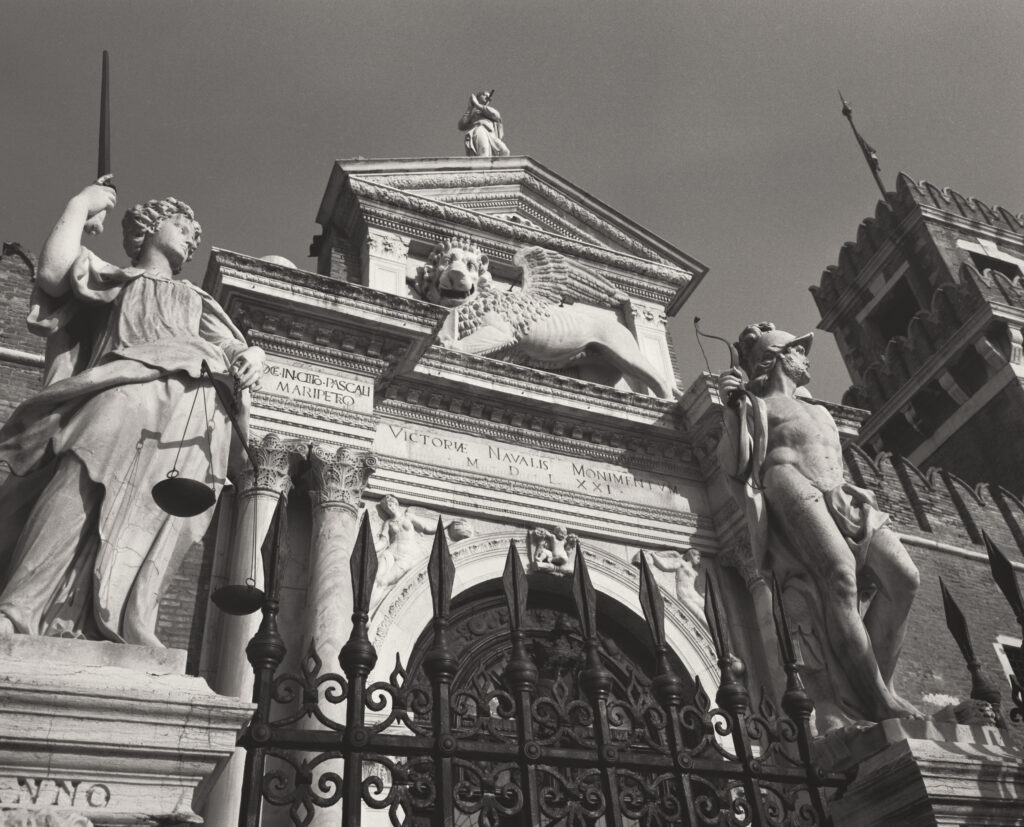
The choice of Kodak Plus X (PX) for this journey is also noteworthy for film historians. Discontinued by Eastman Kodak in 2011, Plus X was a staple of professional photography for decades. Known for its "classic" look, characterized by a gentle highlight roll-off and a distinctive grain structure, it provided a different aesthetic than the more modern T-Grain films like T-Max 100. The preservation of these negatives allows for contemporary high-resolution scanning, though Meripol acknowledges that the depth achieved by master darkroom printers using traditional chemical toning remains difficult to replicate digitally.
Market Trends and the Valuation of Vintage Equipment
The retrospective also touches upon the shifting economic landscape of photography. In the years following the digital revolution, many professionals, including Meripol, divested themselves of analog equipment as magazines and commercial clients transitioned to all-digital workflows. At the time of his departure from the magazine industry, Meripol sold his Mamiya system—including two bodies and four lenses—for a fraction of its original cost.
However, the current market for such equipment has seen a dramatic resurgence. As of the mid-2020s, the Mamiya 7 II has become a "cult classic" among a new generation of film enthusiasts and fine-art photographers. Prices for a well-maintained body and a single lens often exceed several thousand dollars, driven by the scarcity of the hardware and the unique "look" of medium-format film that remains difficult to emulate with digital sensors. This appreciation in value reflects a broader cultural trend: a return to tactile, intentional processes in an increasingly automated world.
Broader Implications: The Preservation of Memory
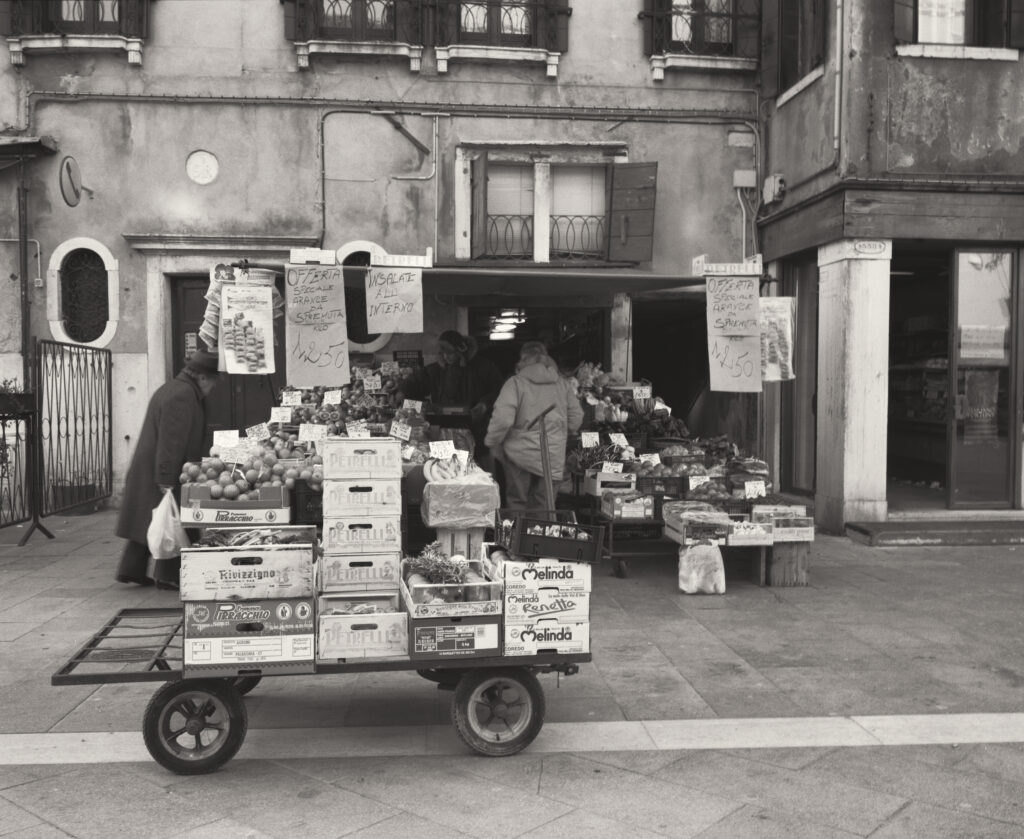
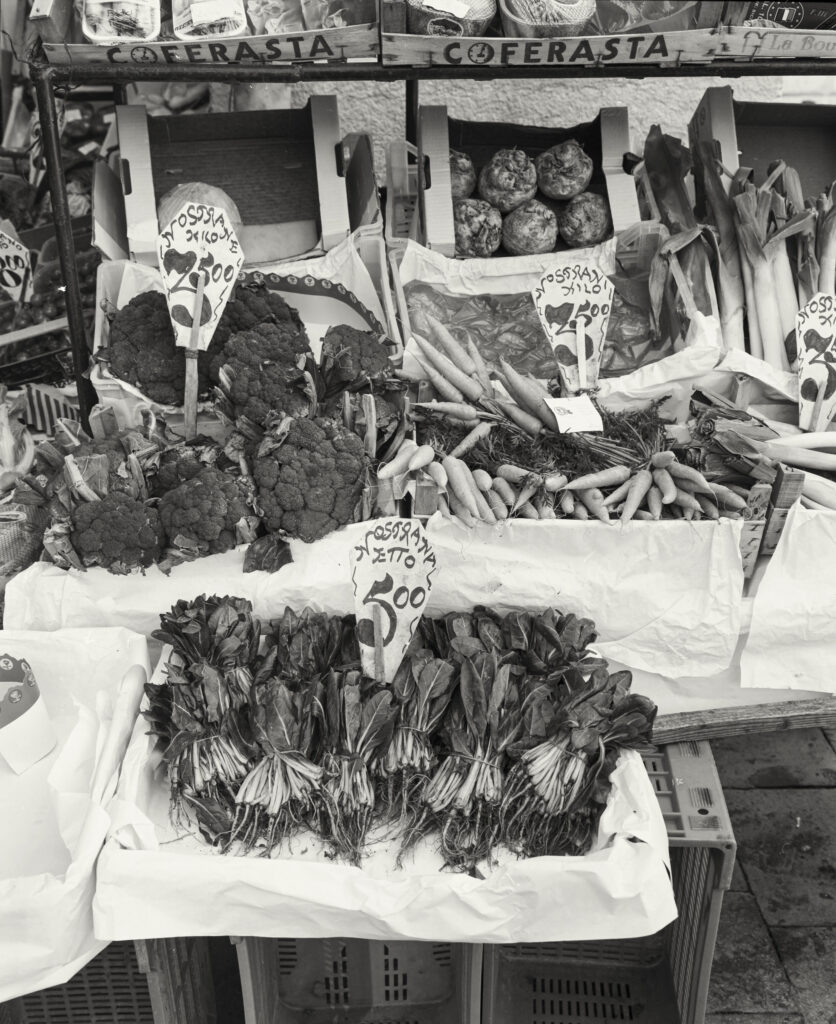
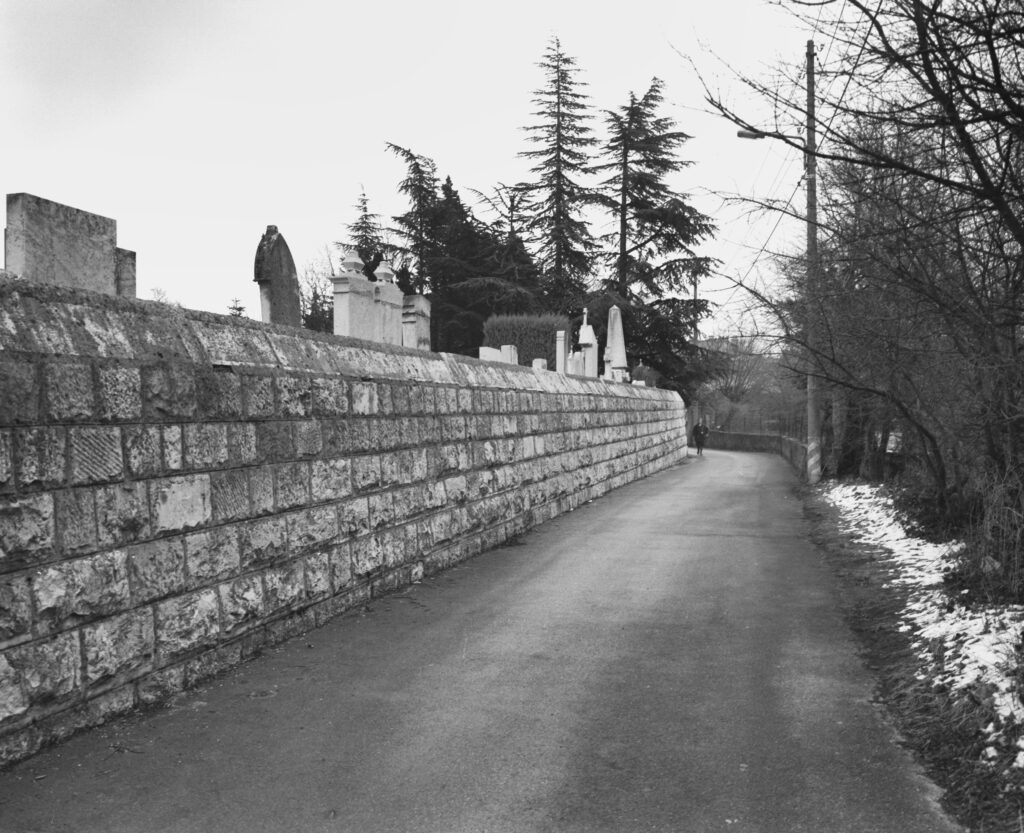
The rediscovery of these files from the early 2000s serves as a case study in the longevity of the photographic medium. While digital files are subject to bit rot, format obsolescence, and the ephemeral nature of cloud storage, physical negatives remain a robust archive of human experience. The images of the Trieste cemetery, the fresh vegetable carts in Venice, and the shared whiskey in a Slovenian-Italian household represent more than just professional output; they are artifacts of a specific historical window.
As Meripol’s work is now framed and displayed, it transitions from the pages of a regional magazine to the realm of personal and artistic heritage. The collection stands as a testament to the importance of the "photographic journey"—the idea that the act of seeing and recording is as vital as the destination itself. In an era where images are often captured and discarded instantly, the enduring nature of the Mamiya-shot negatives provides a compelling argument for the continued relevance of analog documentation in the 21st century.