
The contemporary photographic landscape often sees images that are technically flawless—correctly exposed, sharply focused, and well-composed—yet lack the profound visual impact that captivates an audience. This phenomenon highlights a pervasive challenge for photographers: bridging the gap between mere technical proficiency and compelling artistry. The distinction frequently lies in the application of nuanced, often overlooked, finishing touches during post-processing. While initial capture sets the foundation, it is the strategic refinement of an image’s underlying elements, particularly color and tone, that transforms a good photograph into an exceptional one. This critical phase of image creation has gained increasing prominence, driven by both technological advancements in editing software and a heightened demand for visually sophisticated content across all platforms.
The journey of photographic post-processing, from the meticulous darkroom techniques of the analog era to today’s sophisticated digital workflows, underscores a continuous quest for control and artistic expression. Early pioneers in photography experimented with chemicals, dodging, and burning to manipulate light and shadow, understanding that the final print was as much an interpretation as a direct capture. With the advent of digital photography and software like Adobe Photoshop in the late 20th century, the darkroom moved onto the computer screen, offering unprecedented levels of precision and non-destructive editing. Tools for adjusting exposure, contrast, and color balance became standard. However, as these tools grew more powerful, so did the potential for over-processing, leading to images that appeared artificial or detached from reality. The challenge shifted from merely correcting technical flaws to enhancing the emotional and narrative qualities of a photograph without compromising its authenticity. This evolution has led to a focus on more refined, subtle adjustments, where the goal is to unlock the inherent beauty of an image rather than impose an entirely new aesthetic.

In this evolving context, specialized software solutions have emerged to address the growing demand for sophisticated yet intuitive editing capabilities. Skylum’s Luminar Neo, for instance, represents a significant step forward, integrating advanced computational photography with user-friendly interfaces. Among its powerful arsenal, the "Color Harmony" feature, often situated discreetly within its Professional Tools section, stands out as a prime example of a tool designed for such nuanced enhancement. Unlike broader saturation or vibrance sliders that can quickly push an image into an artificial realm, Color Harmony offers granular control over how colors interact and influence the overall mood, contrast, and balance of a photograph. Its development reflects a broader industry trend towards intelligent, context-aware editing that empowers photographers to achieve highly specific artistic visions without requiring extensive technical expertise in color theory.
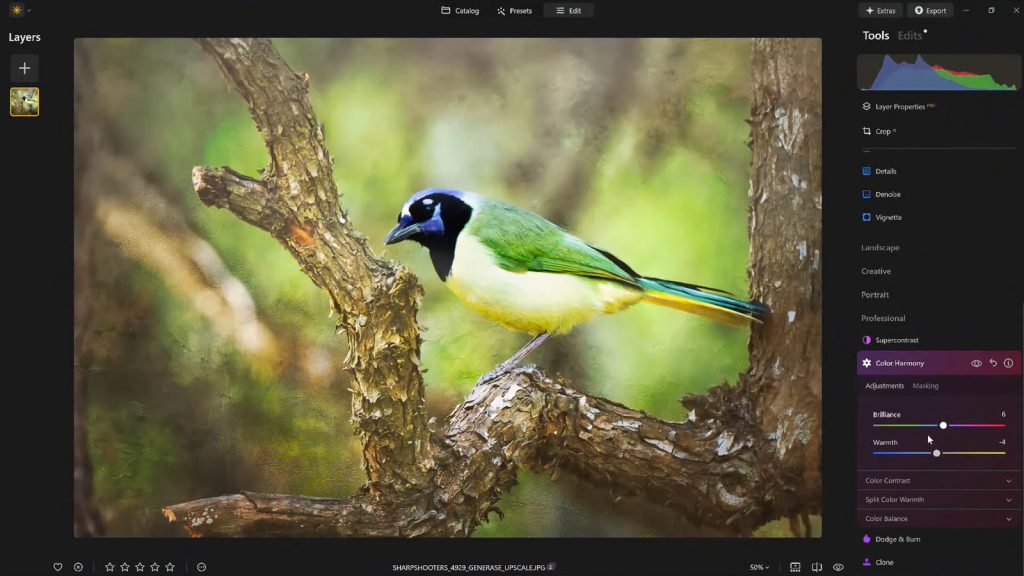
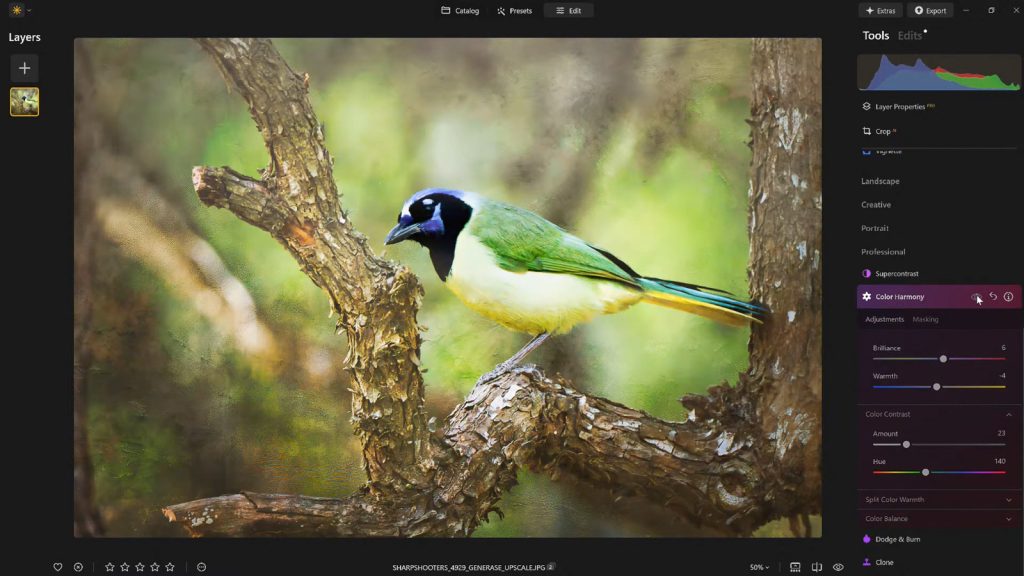
Color Harmony operates not on broad strokes, but through precise, interconnected adjustments that allow photographers to fine-tune the visual relationships within an image. The tool encompasses several distinct sliders: Brilliance, Warmth, Color Contrast, Split Warmth, and Color Balance. Each component is engineered to provide targeted control, enabling an editor to guide the viewer’s eye, emphasize key subjects, and cultivate a cohesive aesthetic that aligns with the scene’s inherent mood and lighting conditions. This level of detail distinguishes it from simpler, more generalized color adjustments, allowing for a more deliberate and impactful artistic intervention. The psychological impact of color in photography cannot be overstated; hues evoke emotions, direct attention, and establish a narrative tone. Tools that provide precise control over these elements are therefore invaluable for photographers aiming to create deeply resonant work.
Beginning with Brilliance, this adjustment offers a refined alternative to conventional saturation controls. While saturation globally intensifies all colors, Brilliance works more subtly, enhancing the vividness and richness of colors without the risk of creating garish or artificial-looking tones. A slight increase in Brilliance can imbue colors with a deeper, more luxurious quality, maintaining natural detail and preserving the organic feel of the original scene. Conversely, excessive application can still lead to an unnatural appearance, underscoring the principle that a light, judicious touch typically yields the most impactful and believable results. This nuanced approach aligns with the preferences of many professional photographers who prioritize realism and subtle enhancement over dramatic, artificial transformations.

Warmth similarly provides a delicate means of adjusting an image’s chromatic temperature. Shifting the slider to the right introduces a gentle golden hue, imbuing the photograph with a sense of warmth, comfort, or nostalgia, often mimicking the light of a sunset or a cozy indoor setting. Moving it to the left, conversely, cools the image, lending it a more serene, dramatic, or even melancholic quality, reminiscent of dawn light or an overcast day. The critical aspect of using Warmth effectively lies in matching the adjustment to the emotional tone and narrative context of the photograph. Subtle warmth can significantly deepen the atmosphere and add perceived depth, allowing the scene to breathe without overpowering the viewer with an overtly manipulated feel. This sensitivity to the subject’s emotional resonance is a hallmark of sophisticated photo editing.
The Color Contrast feature introduces a different dimension of control by increasing the visual separation and tension between distinct color ranges, particularly those present in highlights and shadows. When applied judiciously, this tool can dramatically enhance perceived depth and make specific elements within the image stand out more prominently. This is achieved not through a global contrast boost, which can flatten an image, but by intelligently increasing the difference between adjacent color values. The result is a more dynamic and three-dimensional appearance, where elements pop without appearing overprocessed or harsh. For landscape photographers, for instance, Color Contrast can help delineate the boundary between a vibrant sky and a lush foreground, enhancing the overall compositional strength.
Split Warmth offers an even more specialized form of temperature control, allowing for independent adjustments of warm and cool tones across different parts of the image. This granular control becomes particularly valuable in complex lighting scenarios, such as mixed lighting conditions where both warm and cool light sources are present, or in creating intentional color separation within layered compositions. For example, a photographer might wish to introduce a subtle cool tone into the shadows of an urban landscape while preserving the natural warmth of the sunlight illuminating the highlights. While not universally necessary for every image, Split Warmth provides a powerful means for advanced users to achieve highly specific color grading effects, allowing for precise artistic expression in challenging photographic situations. Its utility underscores the trend towards segmenting color adjustments to provide maximum flexibility.

Perhaps one of the most sophisticated aspects of Color Harmony is Color Balance, which grants independent control over the color tones specifically within the shadows, midtones, and highlights of an image. This capability enables highly targeted adjustments that can profoundly influence the overall atmosphere and mood. For instance, a subtle shift in the midtones towards warmer hues can make a portrait feel more inviting and natural, while cooling the shadows can add a sense of calm or mystery to a landscape. The power of Color Balance lies in its ability to refine the perceived light quality of a scene without distorting other tonal regions. This level of precise control is indispensable for professional color grading, allowing photographers to establish consistent color palettes across an entire series of images, thereby ensuring visual continuity and a strong signature style. Mastering Color Balance is often seen as a hallmark of advanced photo editing proficiency.
Beyond color adjustments, the strategic application of vignettes serves as a powerful compositional tool to guide the viewer’s eye. Once the color work is complete, a carefully crafted vignette subtly darkens the edges of the frame while often adding a touch of "Inner Light" to the center. This technique creates a visual spotlight, naturally drawing attention towards the main subject without the need for complex masking or localized adjustments. The psychological effect is to contain the viewer’s gaze within the frame, enhancing focus and minimizing distractions from the periphery. When executed effectively, vignetting supports the narrative of the image without overtly calling attention to itself, becoming an integral part of the storytelling rather than a mere decorative effect. It’s a quiet but profoundly effective way to direct the viewer’s experience, often contributing significantly to the overall impact and emotional resonance of a photograph.
A crucial aspect of an efficient and consistent post-processing workflow, particularly when utilizing tools like Color Harmony, is the ability to save custom presets. Once a photographer has meticulously dialed in a specific look, saving these adjustments as a preset ensures stylistic consistency across multiple images, especially those from the same series or shoot. This practice not only streamlines the editing process but also preserves the ability to revisit and refine the aesthetic at a later stage. For professional photographers, presets are indispensable for maintaining brand identity and delivering a cohesive body of work. Furthermore, saving presets offers a critical advantage for iterative refinement. It is common for photographers, after spending significant time on an edit, to step back and re-evaluate their work with fresh eyes. Often, after a break, it becomes apparent that certain adjustments might have been applied too aggressively. With a saved preset, the effect can be easily reapplied at a reduced strength (e.g., 70-80%), allowing for fine-tuning while preserving the core aesthetic vision. This iterative process is a cornerstone of professional editing, preventing over-processing and ensuring the final image is perfectly balanced.
The overall impact of these subtle, yet powerful, finishing touches cannot be overstated. What distinguishes a truly compelling image from a merely acceptable one is rarely a single dramatic alteration. Instead, it is the accumulation of carefully considered enhancements—the precise control offered by Color Harmony, the strategic guidance of a subtle vignette, and the disciplined workflow enabled by custom presets. These elements collectively contribute to an image’s depth, emotional resonance, and overall cohesion, elevating it from a simple visual record to a captivating piece of art. The emphasis on subtle control, rather than overt manipulation, aligns with the preferences of a growing segment of photographers and viewers who value authenticity and artistic nuance.
For photographers aiming to infuse their work with a professional polish without resorting to heavy-handed processing, Luminar Neo’s suite of tools, particularly Color Harmony, offers an ideal balance of intuitive control and creative potential. This approach democratizes advanced color grading techniques, making them accessible to a wider audience, from seasoned professionals to enthusiastic hobbyists. The availability of such sophisticated yet user-friendly software contributes to a broader trend in the photography industry: the empowerment of individual creators to realize their unique artistic visions with efficiency and precision. As the demand for high-quality visual content continues to soar across digital platforms, the ability to consistently produce stunning, emotionally resonant images through intelligent post-processing becomes not just an artistic pursuit, but a strategic imperative.
Skylum’s Director of Education, Vanelli, an accomplished photographer, educator, and author based in Florida, exemplifies this philosophy. His transition from a "Triple Crown Karate champion" to a leading voice in visual arts underscores a dedication to precision and mastery, principles he now applies to photo editing education. Vanelli’s work, including developing educational content and courses for photo editing and hosting the acclaimed Luminar Coffee Break show, consistently emphasizes the transformative power of subtle adjustments. His insights reinforce the notion that true mastery in photography often lies in the nuanced control of light and color, guiding photographers to achieve impactful results through thoughtful, measured interventions rather than dramatic overhauls. His perspective aligns with the broader industry understanding that the most effective editing often goes unnoticed, seamlessly enhancing the natural beauty and narrative strength of an image.
As a gesture to the photography community, Skylum is currently offering a special discount. Photographers interested in exploring these advanced capabilities can receive 10% off Luminar Neo by using the code NATURETTL at checkout. This initiative further supports the accessibility of professional-grade editing tools, enabling more creators to elevate their photographic endeavors.