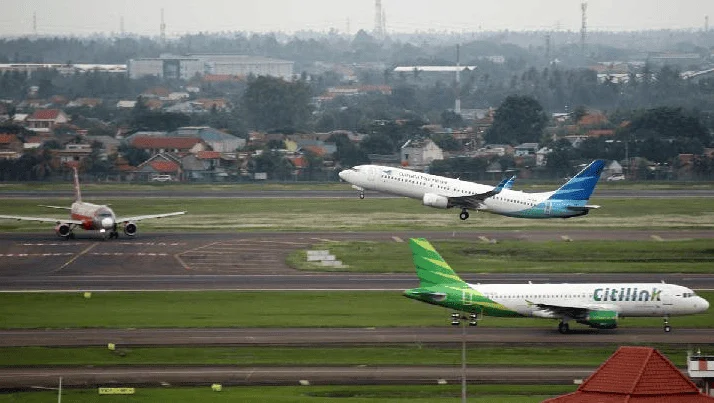
The Indonesian aviation sector is bracing for a significant surge in activity as the annual Eid al-Fitr homecoming season, locally known as Mudik, approaches, with industry experts and government officials identifying March 22 and March 28, 2025, as the primary peak periods for aircraft movement. This massive logistical undertaking reflects the deep-seated cultural tradition of millions of Indonesians returning to their ancestral hometowns to celebrate the end of Ramadan with family. As the archipelago prepares for one of the largest annual human migrations on the planet, the Ministry of Transportation, airport operators, and national carriers are synchronizing their efforts to ensure safety, efficiency, and comfort amidst an unprecedented volume of air traffic.
The anticipation of these peak dates is grounded in a combination of the national holiday calendar and historical travel patterns. March 22 is projected to be the zenith of the departure flow, as travelers look to maximize their time in their hometowns ahead of the Eid celebrations. Conversely, March 28 is expected to witness the peak of the return flow, as the workforce prepares to resume professional activities in major urban centers like Jakarta, Surabaya, and Medan. This concentrated window of travel places immense pressure on the nation’s aviation infrastructure, necessitating a level of coordination that begins months in advance.
A Detailed Chronology of the 2025 Eid Flight Season
The timeline for the 2025 Eid flight season is characterized by several distinct phases. The "pre-peak" period is expected to begin approximately ten days before the actual Eid date, with a steady climb in passenger numbers starting mid-March. During this phase, airlines typically begin activating their "extra flight" schedules to accommodate early travelers and students.
By March 20 and 21, the volume is expected to reach critical levels, culminating in the first major peak on March 22. On this day, every available slot at major hubs like Soekarno-Hatta International Airport (CGK) is expected to be utilized. Following the initial surge, a brief plateau occurs during the Eid days themselves, as most travelers have reached their destinations. The cycle then resets for the return flow, which is forecasted to build rapidly from March 26, reaching its absolute maximum on March 28. This second peak is often more challenging for airport authorities as it involves a simultaneous convergence of passengers from hundreds of smaller domestic airports back into the primary economic hubs.
Statistical Forecasts: Soekarno-Hatta as the Epicenter
Soekarno-Hatta International Airport, serving the Greater Jakarta area, remains the focal point of Indonesia’s aviation network. For the 2025 season, the airport is projected to handle upwards of 23,000 aircraft movements during the peak period. This figure represents a significant increase compared to standard operational days and a notable growth trajectory from the previous year’s statistics. To put this in perspective, the airport will likely manage an average of over 1,000 take-offs and landings per day during the height of the season, testing the limits of runway capacity and air traffic control systems.
Beyond Jakarta, other "primary" airports are also expecting record-breaking numbers. Juanda International Airport in Surabaya, I Gusti Ngurah Rai in Bali, and Sultan Hasanuddin in Makassar are projected to see a 15% to 20% increase in traffic compared to non-holiday periods. The Ministry of Transportation’s Data and Information Center suggests that the total number of domestic air travelers across the country could exceed 10 million during the 15-day monitoring period surrounding the holidays.
Stakeholder Synergy: Preparations by Airport Operators and Airlines
In response to the "Puncak Pergerakan Pesawat Lebaran 2025," Angkasa Pura (the state-owned airport operator) has initiated a comprehensive readiness program. This includes the establishment of Integrated Eid Command Posts (Posko Terpadu) across all major airports. These posts serve as nerve centers where representatives from the military, police, health ministry, and aviation authorities collaborate to monitor real-time data and respond to emergencies.
Airlines, including flag carrier Garuda Indonesia and its subsidiary Citilink, as well as the Lion Air Group and Indonesia AirAsia, have begun the process of filing for "extra flight" slots. The Ministry of Transportation has indicated a flexible but strict approach to these requests, ensuring that while demand is met, the safety margins of the air traffic system are never compromised. To support this, AirNav Indonesia, the country’s air traffic service provider, has upgraded its flow management systems to optimize the intervals between departures and arrivals, thereby reducing potential airborne holding patterns.
Ground handling services are also scaling up. Increased staffing for check-in counters, baggage handling, and security screening is being implemented to prevent bottlenecks in the terminal buildings. Furthermore, technical readiness is being prioritized, with "ramp checks" or intensive inspections of aircraft being conducted to ensure that every plane in the fleet is airworthy and capable of high-frequency cycles during the peak week.
Economic and Policy Drivers Behind the Surge
Several factors contribute to the anticipated spike in air travel for 2025. First is the continued economic recovery and the growth of the Indonesian middle class, which increasingly views air travel not as a luxury but as a necessary efficiency for long-distance travel across the archipelago. The geographical reality of Indonesia, spanning over 17,000 islands, makes aviation the only viable option for many who wish to avoid days-long journeys by sea or land.
Government policy also plays a role. The Ministry of Transportation maintains a "Tarif Batas Atas" (Upper Limit Price) policy to prevent airlines from excessive price gouging during periods of high demand. While tickets are undeniably more expensive during the Eid season, these regulations ensure they remain within a structured range, allowing a broader segment of the population to book flights. Additionally, the synchronization of collective leave (Cuti Bersama) by the government has created a clear "travel window," which concentrates the movement of people into the specific dates of March 22 and 28.
Safety, Security, and Public Health Considerations
Safety remains the "zero-accident" mandate of the Indonesian aviation industry. During the Puncak Pergerakan Pesawat Lebaran 2025, security protocols will be heightened. This includes more frequent patrols by aviation security (Avsec) and the use of advanced screening technology to detect prohibited items. In light of global health trends, airports also maintain a level of vigilance regarding communicable diseases, ensuring that thermal scanners and sanitation stations remain operational throughout the high-traffic period.
The psychological pressure on flight crews and ground staff is another area of focus. Airlines are mandated to strictly adhere to Flight Time Limitations (FTL) to ensure that pilots and cabin crew are well-rested, despite the grueling schedules required to meet passenger demand. Mental health support and fatigue management programs are being highlighted as essential components of the 2025 operational plan.
Strategic Advice for Travelers
For the millions of passengers contributing to the Puncak Pergerakan Pesawat Lebaran 2025, the government and airlines have issued several strategic recommendations to mitigate the stress of holiday travel:
- Early Booking and Digital Integration: Travelers are urged to secure their tickets at least two months in advance. Furthermore, utilizing airline mobile apps for online check-in is highly recommended to bypass long queues at the airport.
- Arrival Lead Times: Given the expected congestion on roads leading to airports and within the terminals, passengers are advised to arrive at the airport at least three to four hours before domestic departures.
- Baggage Management: To expedite the boarding process, travelers should adhere strictly to cabin baggage weight limits and minimize checked luggage where possible.
- Document Readiness: Ensuring that national ID cards (KTP) and digital boarding passes are easily accessible will help maintain the flow at security checkpoints.
Implications for the Future of Indonesian Aviation
The successful management of the 2025 Eid peak will be a litmus test for Indonesia’s maturing aviation sector. It highlights the urgent need for continued investment in airport infrastructure, such as the ongoing expansion of Terminal 3 at Soekarno-Hatta and the development of secondary airports in provincial capitals. The "Lebaran Peak" is no longer just a holiday phenomenon; it is a critical stress test that drives innovation in air traffic management and passenger service technology.
As March 2025 approaches, the eyes of the nation will be on the skies. The logistical orchestration required to move millions of people across thousands of miles in a matter of days is a testament to the resilience and growth of the Indonesian transport network. While challenges such as weather variability and technical delays are always a possibility, the proactive measures taken by the government and private sector aim to ensure that the Puncak Pergerakan Pesawat Lebaran 2025 is remembered for its connectivity and celebration rather than its congestion.
In conclusion, the projected peaks on March 22 and 28 represent more than just numbers on a flight radar; they represent the heartbeat of a nation in motion. Through meticulous planning, data-driven forecasting, and a commitment to passenger safety, Indonesia is set to navigate this high-altitude challenge, reinforcing the vital role of aviation in the country’s social and economic fabric. Travelers are encouraged to remain informed and prepared, ensuring that their journey home is as seamless as the operations supporting it.