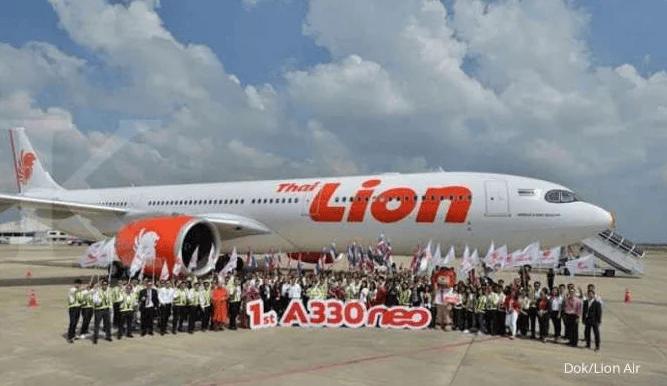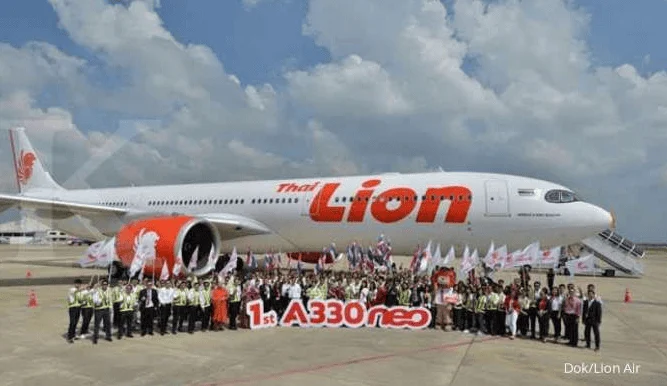
The arrival of the first two Airbus A330neo aircraft at Don Mueang International Airport in Bangkok marks a transformative era for Thai Lion Air, a prominent low-cost carrier within the Lion Air Group. On October 7, 2021, the airline officially took delivery of these state-of-the-art wide-body vessels, which arrived directly from the Airbus manufacturing headquarters in Toulouse, France. This strategic acquisition is not merely a fleet expansion but a calculated move to bolster the airline’s presence in the long-haul international market and the burgeoning air cargo sector. The welcoming ceremony was a high-profile event, attended by distinguished guests including the French Ambassador to Thailand and the Head of Airbus Thailand, signaling the international importance of this bilateral industrial milestone. The aircraft, specifically the A330-900 model, are designed to offer a blend of operational efficiency and enhanced passenger experience, positioning Thai Lion Air to compete more effectively in the post-pandemic aviation landscape.
Technical Specifications and the Evolution of the A330neo
The Airbus A330neo (New Engine Option) is the latest iteration of the highly successful A330 wide-body family. It incorporates several technological advancements that distinguish it from its predecessors, the A330-200 and A330-300. At the heart of the A330neo’s efficiency are the Rolls-Royce Trent 7000 engines. These powerplants are engineered to deliver a significant reduction in fuel consumption—approximately 14% per seat compared to previous generations—while also drastically lowering noise signatures. The engines utilize a high bypass ratio and advanced materials that allow for higher operating temperatures and pressures, translating into better performance and lower maintenance costs over the aircraft’s lifecycle.
Beyond the engines, the A330neo features a redesigned wing with an increased span of 64 meters, up from the 60.3 meters of the original A330. This expansion is complemented by the addition of "Sharklets"—composite wingtip extensions inspired by the A350 XWB technology. These aerodynamic enhancements improve lift and reduce drag, further contributing to the aircraft’s overall fuel efficiency and range capabilities. For Thai Lion Air, these technical improvements mean the ability to fly longer routes with a full payload, making destinations in North Asia, Australia, and potentially Europe more economically viable.
Cabin Innovation: The Airspace by Airbus Experience
For the passenger, the induction of the A330neo introduces the "Airspace by Airbus" cabin concept, which focuses on four key pillars: Comfort, Ambiance, Service, and Design. Thai Lion Air has configured these aircraft in a high-density, single-class layout capable of accommodating up to 436 passengers. While this configuration maximizes the low-cost carrier model, the Airspace cabin mitigates the density with several ergonomic improvements. The cabin features larger overhead bins, allowing for more carry-on luggage and reducing boarding congestion. The sidewall panels have been redesigned to provide more shoulder room for passengers in window seats, and the latest LED lighting technology allows for customizable "mood lighting" that helps reduce jet lag on long-haul flights.
Furthermore, the A330neo is equipped with advanced Fourth Generation In-Flight Entertainment (IFE) systems and high-speed Wi-Fi connectivity options. Even in a high-density configuration, the cabin’s air filtration system, which refreshes the air every two to three minutes using HEPA filters, ensures a high level of hygiene and comfort. This focus on the "passenger journey" is a critical component of Thai Lion Air’s strategy to transition from a primarily domestic and regional carrier to a respected player in the international long-haul segment.
Strategic Context: Navigating the Post-Pandemic Recovery
The timing of the A330neo delivery is particularly significant given the global aviation climate of late 2021. The COVID-19 pandemic caused an unprecedented disruption in air travel, with Thailand’s tourism-dependent economy being hit especially hard. The arrival of these aircraft served as a beacon of optimism for the Thai aviation industry. As the Thai government began implementing "sandbox" schemes and gradual reopening phases for international tourists, Thai Lion Air positioned itself to capture the pent-up demand for travel.
The dual-purpose nature of the A330neo also allows Thai Lion Air to pivot toward cargo operations. During the pandemic, when passenger numbers plummeted, the demand for air freight skyrocketed due to disruptions in maritime shipping and the need for rapid transport of medical supplies and e-commerce goods. The A330neo offers substantial underfloor cargo capacity, allowing the airline to generate revenue even when passenger load factors are fluctuating. This flexibility is a cornerstone of the airline’s resilience strategy, ensuring that the fleet remains productive regardless of the volatility in the tourism sector.
Chronology of Delivery and Operational Integration
The journey of the A330neo fleet began long before the October 2021 arrival. The Lion Air Group had placed significant orders for the A330-900 to modernize the fleets of its various subsidiaries, including Thai Lion Air and Indonesia’s Lion Air. The ferry flight from Toulouse to Bangkok was a meticulously planned operation, involving a multi-hour transcontinental journey that tested the aircraft’s long-range performance. Upon landing at Don Mueang International Airport, the aircraft underwent a traditional water salute and a religious blessing ceremony. In Thai culture, such ceremonies are vital for ensuring the safety and prosperity of the new fleet.
Following the arrival, the aircraft entered a phase of rigorous inspection by the Civil Aviation Authority of Thailand (CAAT) to ensure compliance with local safety regulations and to finalize the inclusion of the new type in the airline’s Air Operator Certificate (AOC). Pilots and cabin crew underwent specialized training for the A330neo, focusing on the differences between the neo and the classic A330 variants. This transition was facilitated by the high degree of "cross-crew qualification" and "commonality" that Airbus designs into its aircraft families, allowing for a smoother and more cost-effective integration into the existing fleet.
Economic and Environmental Implications for Thailand
The introduction of more efficient aircraft like the A330neo has broader implications for Thailand’s national goals regarding sustainability and economic development. The aviation industry is under increasing pressure to reduce its carbon footprint. By operating the A330neo, which emits significantly less CO2 per passenger kilometer than older wide-body models, Thai Lion Air is aligning with global aviation sustainability targets. This is particularly important for maintaining the "green" credentials of Thailand’s tourism industry, as environmentally conscious travelers increasingly consider the carbon impact of their flights.
Economically, the expansion of Thai Lion Air’s international reach supports the recovery of the hospitality and service sectors. By offering low-cost, long-haul options, the airline makes Thailand more accessible to a wider demographic of international travelers. Furthermore, the use of Don Mueang International Airport as a hub for these wide-body operations helps alleviate pressure on Suvarnabhumi Airport and promotes the dual-airport strategy of the Airports of Thailand (AOT). This distribution of traffic is essential for the long-term infrastructure planning of the Bangkok metropolitan area.
Official Responses and Industry Outlook
The French Ambassador to Thailand, during the ceremony, highlighted the delivery as a symbol of the strong industrial ties between France and Thailand. As Airbus is a European consortium with major production facilities in France, the deal represents a significant export success and a testament to the quality of European aerospace engineering. The Head of Airbus Thailand echoed these sentiments, noting that Thai Lion Air’s choice of the A330neo reinforces the aircraft’s status as the preferred choice for low-cost long-haul operations in the Asia-Pacific region.
Industry analysts suggest that Thai Lion Air’s move is a direct challenge to other regional low-cost giants. By operating a modern, fuel-efficient fleet, the airline can offer competitive pricing while maintaining healthier margins than competitors using older, less efficient aircraft. The expansion into cargo also provides a buffer against the seasonal nature of Thai tourism. Looking ahead, the airline’s ability to successfully deploy these aircraft on routes to China and Japan—traditionally the largest sources of tourists for Thailand—will be the ultimate litmus test for the success of this investment.
Conclusion: A New Horizon for Thai Lion Air
The acquisition of the Airbus A330neo represents a bold step forward for Thai Lion Air. It signifies a transition from a regional low-cost carrier to a sophisticated international airline capable of providing high-capacity, long-distance services with modern standards of efficiency and comfort. While the challenges of the global economy and the lingering effects of the pandemic remain, the strategic advantages provided by the A330neo—ranging from fuel savings to enhanced cargo capabilities—provide Thai Lion Air with the tools necessary to navigate an uncertain future. As these aircraft begin their scheduled service from Bangkok, they carry with them the hopes of a recovering industry and the promise of a more connected, efficient, and sustainable aviation landscape in Thailand. The roar of the Trent 7000 engines over Don Mueang is not just the sound of a new plane; it is the sound of a new chapter in Thai aviation history.