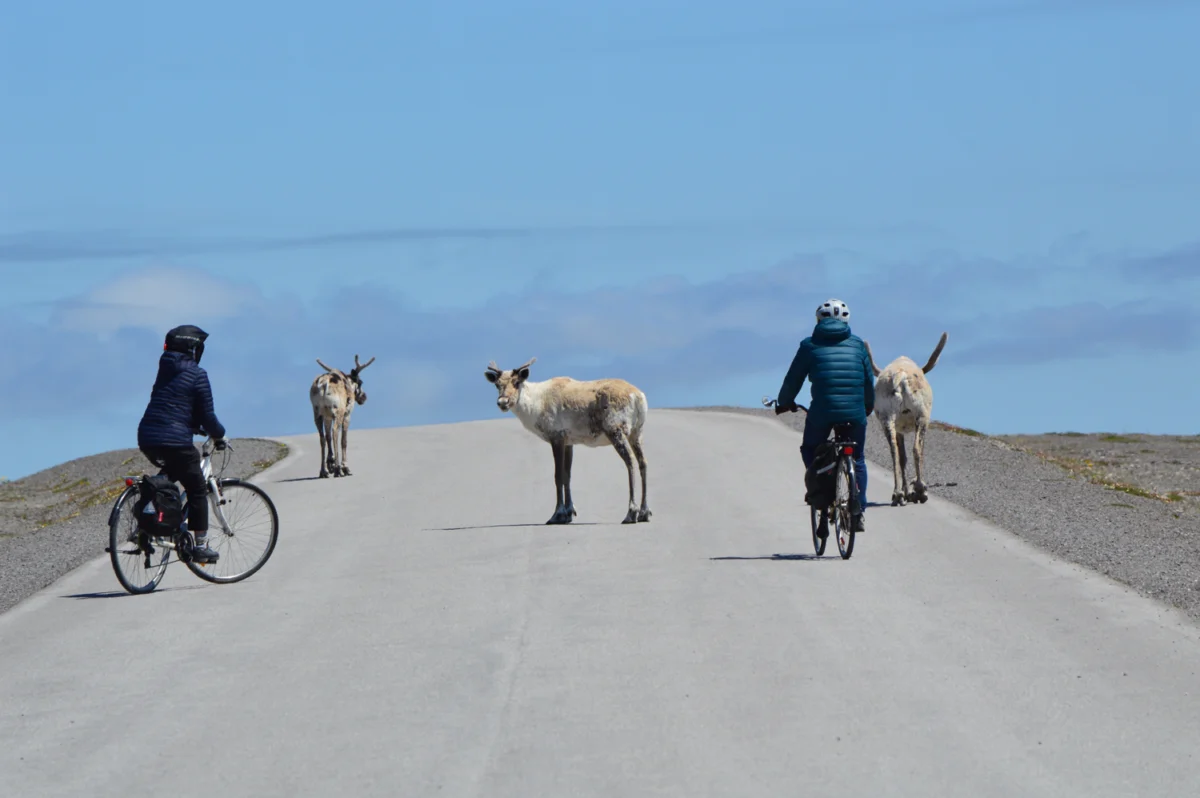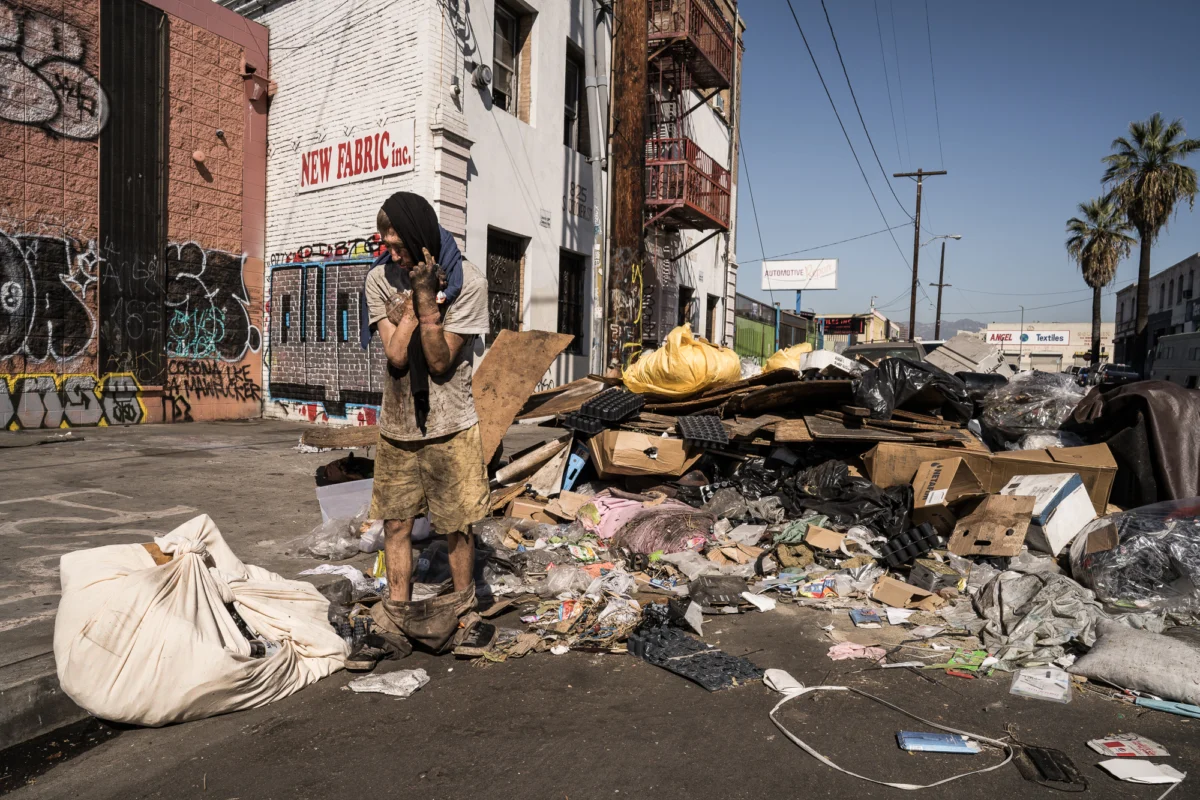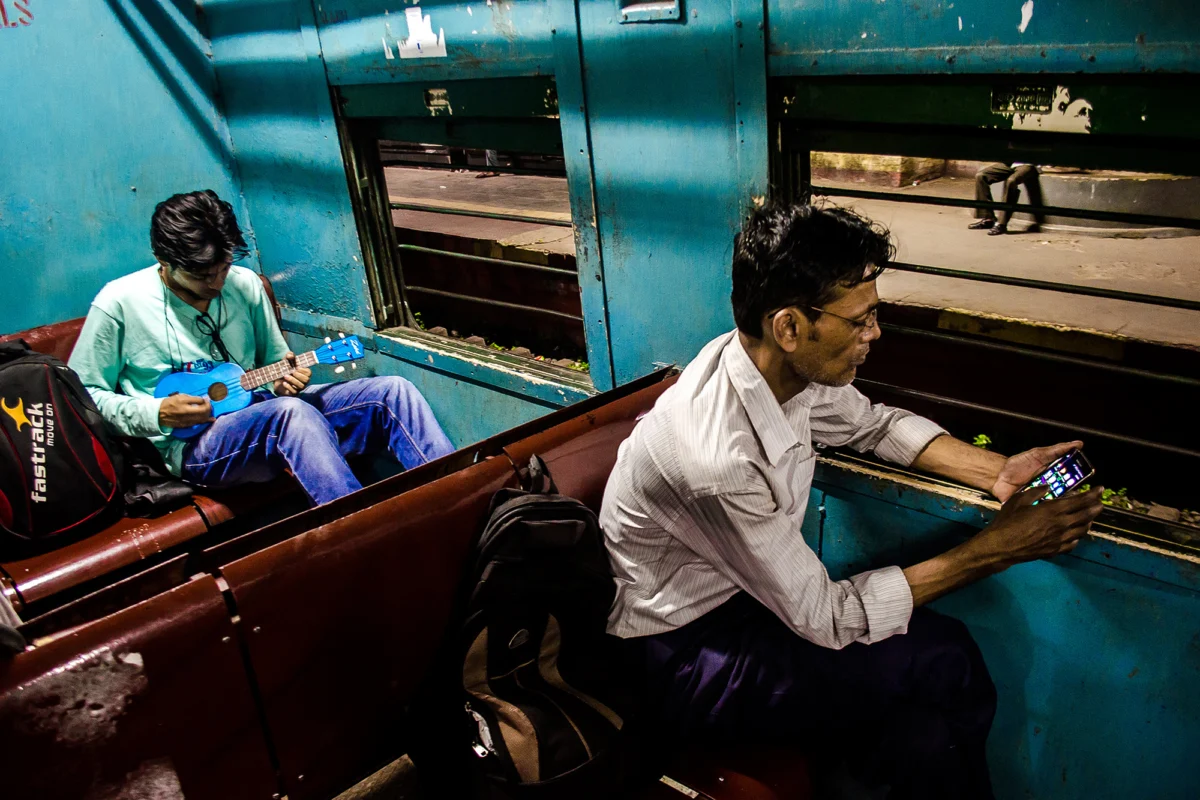
Photojournalism and street photography, while sharing common ground in their reliance on candid observation and a keen eye for the decisive moment, represent fundamentally distinct approaches to visual storytelling, each with its own purpose, methodology, and ethical framework. Photojournalism is rooted in the imperative to inform, to document news and events with an unwavering commitment to accuracy and contextual clarity, often serving as the eyes of media outlets for a global audience. Its primary duty is factual storytelling, aiming for an unambiguous representation of reality, adhering to stringent ethical standards that emphasize objectivity and a minimal degree of manipulation. In contrast, street photography is characterized by its focus on candid, often artistic interpretations of everyday life and urban landscapes. It thrives on capturing mood, exploring composition, highlighting humor and juxtaposition, and seizing spontaneous, ephemeral moments that frequently invite ambiguity and provoke questions rather than offer definitive answers.
The distinction lies not in the act of capturing an image, but in the intent behind it. While both genres depend on observational prowess, quick reflexes, and the ability to anticipate and seize fleeting instances, their ultimate goals diverge significantly. Photojournalists are driven by the mission to inform audiences and to preserve a record of events, acting as visual historians for contemporary society. Their work is often commissioned and bound by editorial guidelines that prioritize factual reporting and public interest. Street photographers, on the other hand, are primarily motivated by personal vision, aesthetic expression, and a desire for social commentary. Their art is infused with a broader palette of elements, including subtle or overt humor, deliberate ambiguity, and striking juxtapositions, all aimed at eliciting a personal response from the viewer.
This divergence in intent naturally leads to different practical and ethical considerations. Photojournalists operate within established editorial frameworks that often involve guidelines regarding consent, particularly when dealing with sensitive stories or vulnerable individuals. Their work is subject to the scrutiny of editors and the public, demanding a high degree of accountability for accuracy. Street photographers, while not immune to ethical considerations, navigate a more fluid landscape of privacy norms and artistic freedom. Their practice is largely self-regulated, relying on the photographer’s personal judgment and a nuanced understanding of social context.
The intersection of these two genres is not uncommon. A street photograph, captured with an artist’s sensibility, might unexpectedly document a newsworthy event, thus taking on a photojournalistic quality. Conversely, a photojournalistic image, while factually driven, may possess an aesthetic that resonates with the principles of street photography, employing strong composition, dramatic lighting, or unexpected juxtapositions. Understanding the fundamental goals of each genre is crucial for clarifying the approach, the responsibility, and the audience’s expectations.
The Art of the Fleeting Moment: Serendipity and Skill in Street Photography
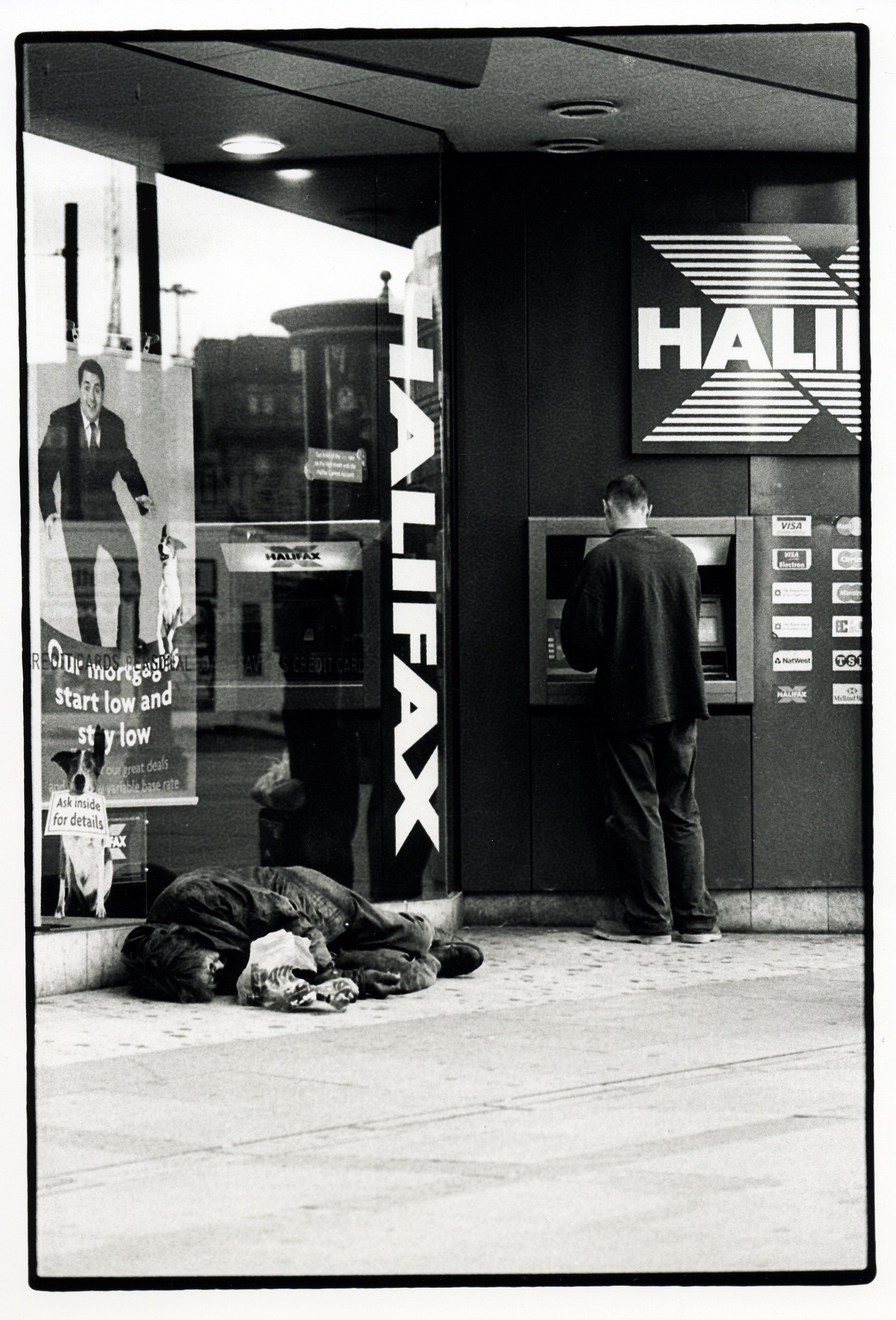
Great street photography is often the product of serendipity and impeccable timing. It requires capturing fleeting, unplanned moments where composition, light, and human expression coalesce perfectly. This demands constant presence in public spaces, the agility of quick reflexes, and a significant element of luck. The street photographer is a perpetual observer, always ready to translate the ephemeral into a lasting image. Unlike photojournalism, which can often be planned around known events and predictable schedules, street photography thrives on the unpredictable rhythm of daily life. A street photographer must, in a single frame, achieve a delicate balance between narrative cohesion and strong visual design. This includes mastering composition, contrast, and mood, while simultaneously imbuing the image with implied storytelling. The viewer is left to piece together the narrative, to infer meaning from the visual cues provided.
The Imperative of Truth: Objectivity and Context in Photojournalism
Photojournalism, by its very nature, is tethered to the factual. Its purpose is to report, to inform, and to provide context. While a street photographer might seek ambiguity and artistic interpretation, a photojournalist strives for clarity and accuracy. The narrative in photojournalism is often built across a series of images, supported by captions that provide essential details, names, dates, and locations. This sequential approach allows for a more comprehensive and unambiguous presentation of events. The ethical compass of photojournalism is calibrated towards truthfulness and minimizing harm. Images are rarely manipulated in ways that distort reality; rather, they are selected and sequenced to best convey the factual narrative.
Navigating the Ethical Tightrope: Different Responsibilities, Different Standards
The ethical considerations for street photographers and photojournalists, while both requiring awareness, differ in their enforcement and scope. Photojournalism operates under the umbrella of established journalistic ethics, often reinforced by institutional policies and professional bodies. The obligation to truth and the avoidance of harm are paramount, with severe consequences for breaches. This often translates to a more cautious approach when photographing individuals, especially in sensitive situations.
Street photography, however, is largely a self-regulated domain. The photographer must personally balance the drive for artistic expression with respect for the privacy and dignity of the subjects. While there are no institutional bodies dictating rules, a strong sense of self-governance is essential. The ethics of street photography involve a nuanced understanding of public versus private space, the impact of an image on an individual, and the potential for misinterpretation. The debate around the ethics of photographing strangers in public is ongoing, with varying perspectives on where the line between artistic freedom and personal intrusion lies.
Judging Excellence: Subjectivity Versus Objectivity in Evaluation
The criteria for judging "greatness" also diverge significantly between the two disciplines. Street photography is heavily reliant on personal vision, originality, and emotional resonance. This inherent subjectivity makes it challenging to establish universal standards of excellence. What one viewer finds profound, another might overlook. The "greatness" of a street photograph often lies in its ability to evoke a personal connection or spark a unique interpretation.
Photojournalism, conversely, has more clearly defined factual and editorial criteria that guide successful outcomes. Accuracy, relevance, timeliness, and the clarity of the narrative are paramount. A photojournalistic piece is judged on its effectiveness in informing the public about an event or issue. While aesthetic quality can enhance a photojournalistic image, it is secondary to its informational value and factual integrity.
The Evolving Landscape: When Genres Intersect and Influence
The boundaries between street photography and photojournalism are not always rigid. A powerful street photograph can gain significant traction in the news cycle if it captures a moment of societal importance. For example, images from street photographers documenting protests or social movements can become invaluable historical documents, fulfilling a photojournalistic role. Similarly, photojournalists often employ aesthetic techniques honed in street photography to make their factual narratives more compelling and engaging. The use of dramatic lighting, dynamic composition, or capturing candid, unposed moments can elevate a news photograph beyond a mere factual record.
The ongoing dialogue between these two visual disciplines enriches the broader landscape of photographic practice. Street photographers continue to push the boundaries of artistic expression and social commentary through their candid observations of urban life. Photojournalists remain the custodians of factual record, ensuring that important events are documented with accuracy and integrity. As technology evolves and the ways in which we consume visual information change, understanding the distinct intentions and ethical frameworks of both street photography and photojournalism becomes increasingly vital for both creators and audiences. The power of the still image, whether intended to provoke thought or to inform, continues to shape our understanding of the world around us.
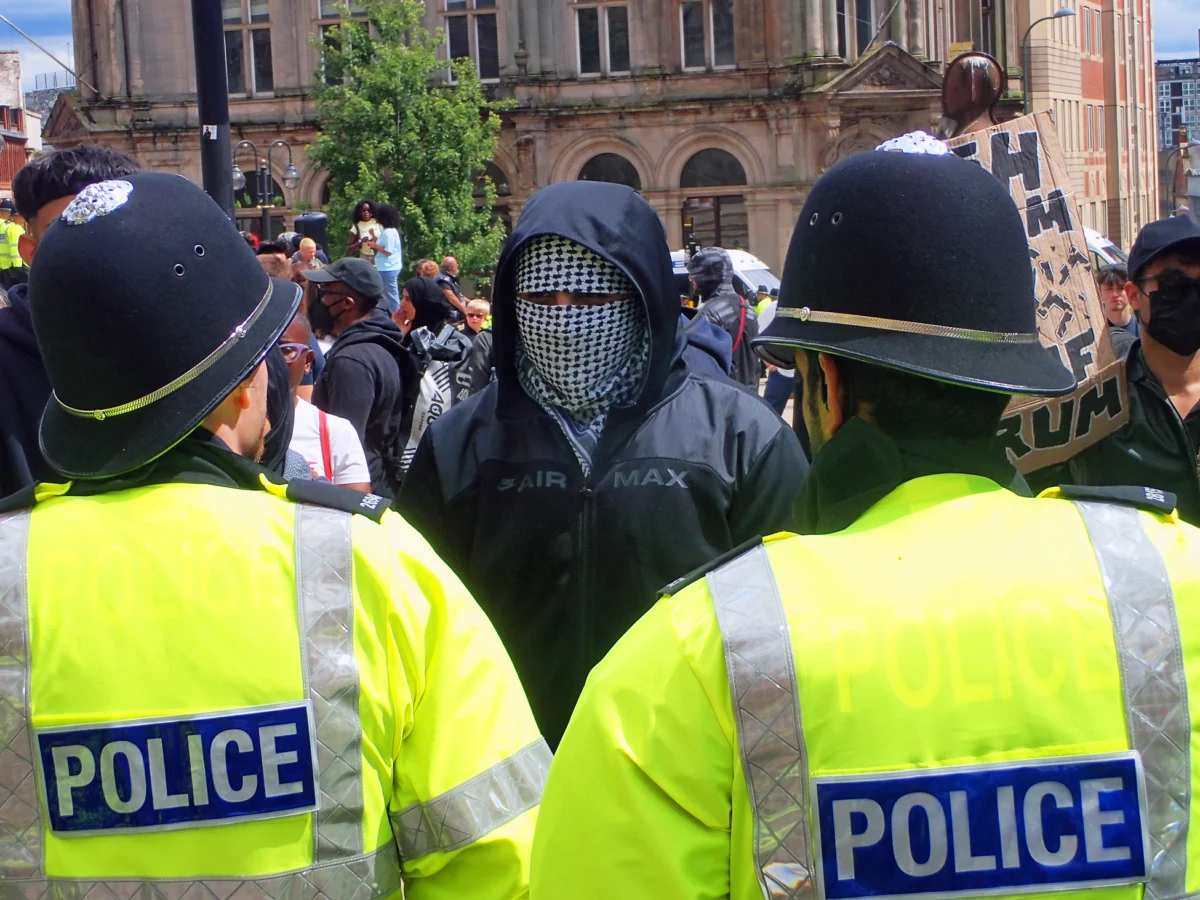
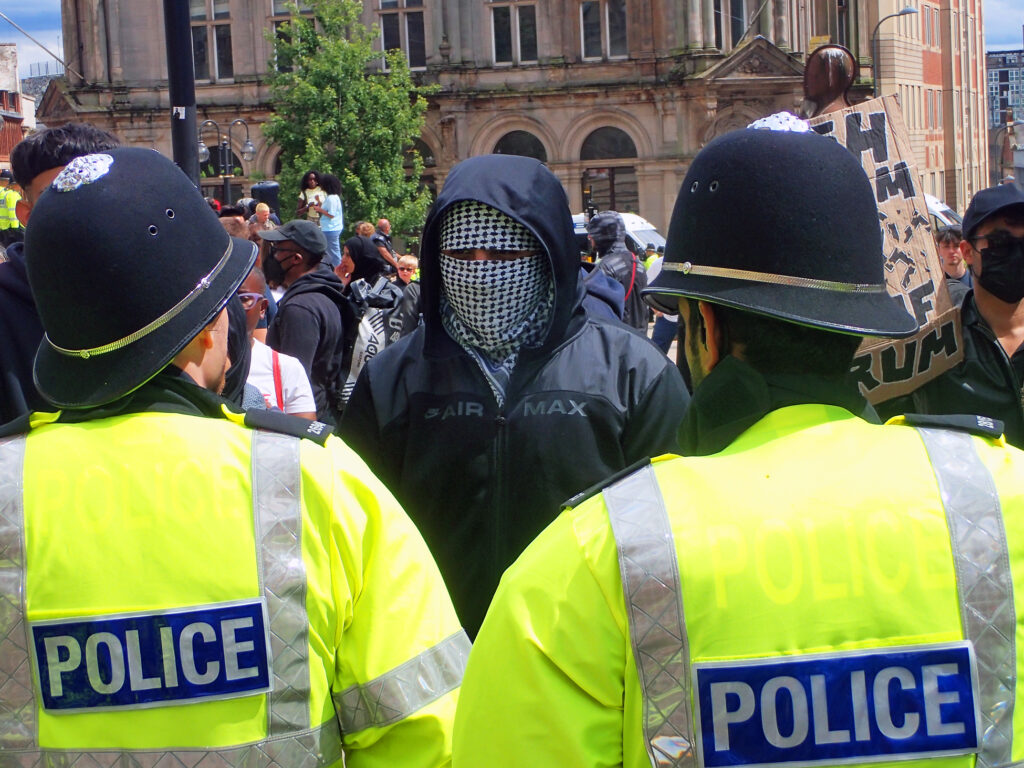
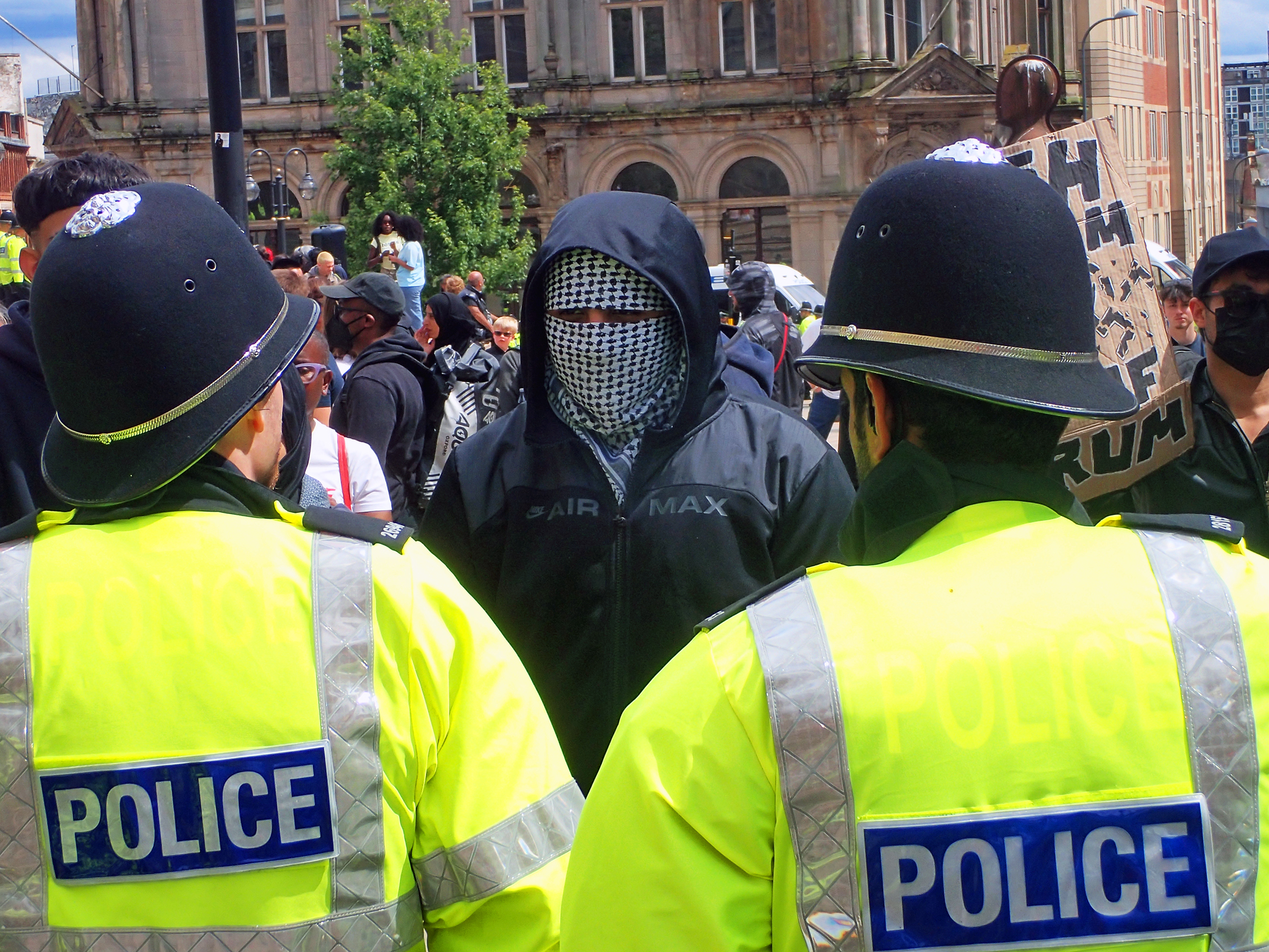
The image of a demonstration, for instance, could be interpreted through either lens. A photojournalist would focus on capturing the key figures, the scale of the event, and the clear messaging of the placards, aiming to convey the factual context of the protest. They might seek interviews, gather statements, and ensure the imagery aligns with the reported facts. The resulting photographs would serve to illustrate a news report, providing visual evidence for a documented event. The ethical considerations here would involve ensuring the safety and anonymity of participants if necessary, and accurately representing the motivations and actions of those involved.
A street photographer, however, might approach the same demonstration with a different objective. They might be drawn to the expressive faces of the protestors, the serendipitous juxtaposition of a banner against a weathered building, or the fleeting interaction between individuals within the crowd. The emphasis would be on the mood, the human element, and the visual poetry of the scene, rather than a comprehensive factual account. The resulting image might be abstract, evocative, or even humorous, inviting the viewer to ponder the broader human experience within the context of the protest, rather than to understand the specific political demands. The ethical considerations would revolve around capturing authentic moments without sensationalizing or exploiting the individuals involved, respecting their presence in a public space while exercising artistic license.
The copyright information associated with the provided images, attributing them to Johnny Mobasher, underscores the role of the individual artist in both disciplines. Whether the intent is to document a news event or to capture an artistic interpretation of everyday life, the photographer’s vision and ethical compass are central. In the realm of street photography, the "self-regulated" nature means that the photographer is the sole arbiter of ethical conduct, making personal judgments about what is appropriate to capture and how it is presented. This places a significant responsibility on the individual to act with integrity and respect, even in the absence of external oversight. For photojournalism, institutional guidelines and professional standards provide a framework, but ultimately, the individual photojournalist must uphold these principles in their daily work. The visual narratives created by both street photographers and photojournalists contribute to our collective understanding and memory of the world, each in their own unique and valuable way.