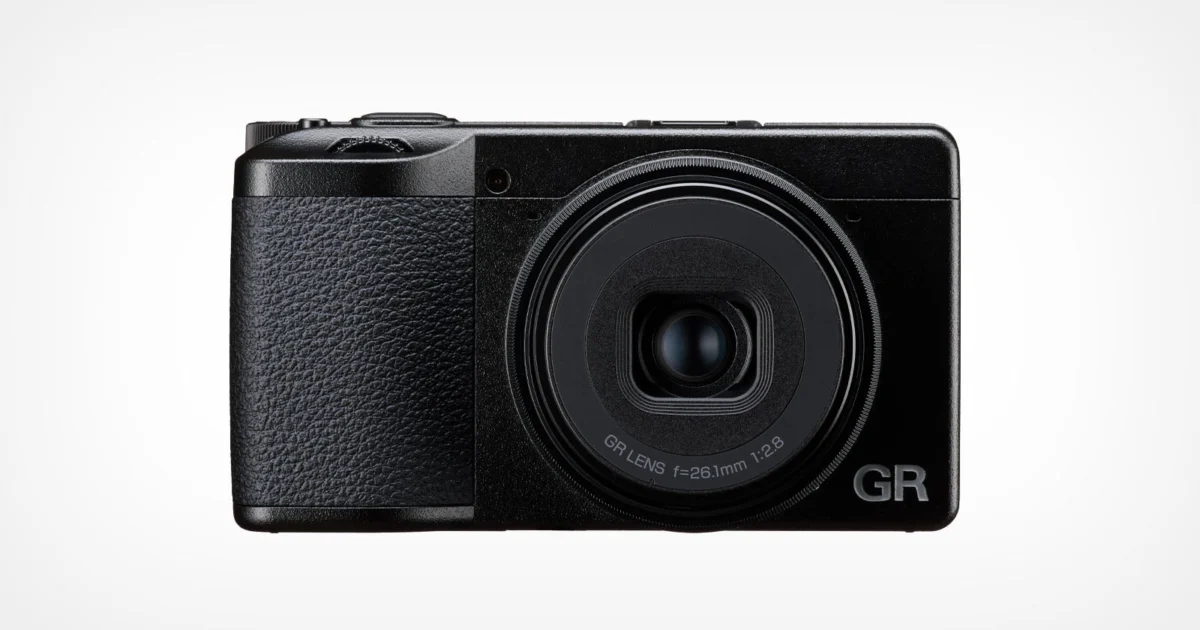
Ricoh has officially announced the development of the GR IVx, an eagerly anticipated variant building upon the recently introduced GR IV compact camera platform. This new model will retain the high-resolution 25.7-megapixel sensor found in its predecessor but distinguishes itself with a completely newly developed optic, offering a 40mm equivalent focal length. This strategic move by Ricoh underscores its commitment to expanding the renowned GR series, particularly during its significant 30th-anniversary celebration, by providing photographers with diverse focal length options within its revered high-performance compact camera line. The announcement, while light on immediate availability details, signals a clear direction for the future of Ricoh’s fixed-lens compact segment, coinciding with the expected conclusion of production for the current GR IIIx models.
The GR IVx: A Deeper Dive into Specifications
The core of the GR IVx’s appeal lies in its distinct optical configuration, setting it apart from the 28mm equivalent wide-angle lens of the standard GR IV. Ricoh has confirmed that the GR IVx will feature a freshly engineered GR lens, explicitly designed to enhance the expressive capabilities of the GR IV’s advanced sensor. This is a crucial detail, as it indicates a purpose-built optical system rather than a mere adaptation of an existing design, such as the lens from the GR IIIx. The decision to develop a new lens underscores Ricoh’s dedication to optimizing image quality and performance for the specific 40mm perspective, ensuring it aligns with the GR series’ reputation for exceptional sharpness, contrast, and rendition.
The new GR lens boasts a sophisticated construction comprising eight elements arranged in six groups, a design choice that often signifies careful management of optical aberrations and a pursuit of high resolving power. Notably, the inclusion of three aspherical elements within this configuration is a key highlight. Aspherical lens elements are meticulously crafted to correct spherical aberration and other optical distortions, allowing lens designers to create optics that are simultaneously sharper, more compact, and capable of delivering superior image quality across the entire frame, even at wider apertures. This technical detail suggests that Ricoh is investing significant resources to ensure the GR IVx’s lens meets the exacting standards expected by discerning GR users.
With a true focal length of 26.1mm, the lens achieves a 40mm equivalent field of view in the 35mm format, thanks to the camera’s APS-C sized sensor. This particular focal length has been strategically chosen by Ricoh to offer an angle of view that closely approximates the natural perspective of human vision. This characteristic provides a unique balance, offering a slightly tighter composition than the traditional 28mm wide-angle, which is a hallmark of the GR series, yet remaining broader than a conventional 50mm standard lens. This "normal" perspective is celebrated by many photographers for its versatility, making it adept for a wide range of subjects from street photography and candid portraits to environmental shots and everyday documentation, without introducing the dramatic distortion often associated with ultra-wide lenses or the compression of telephoto optics.
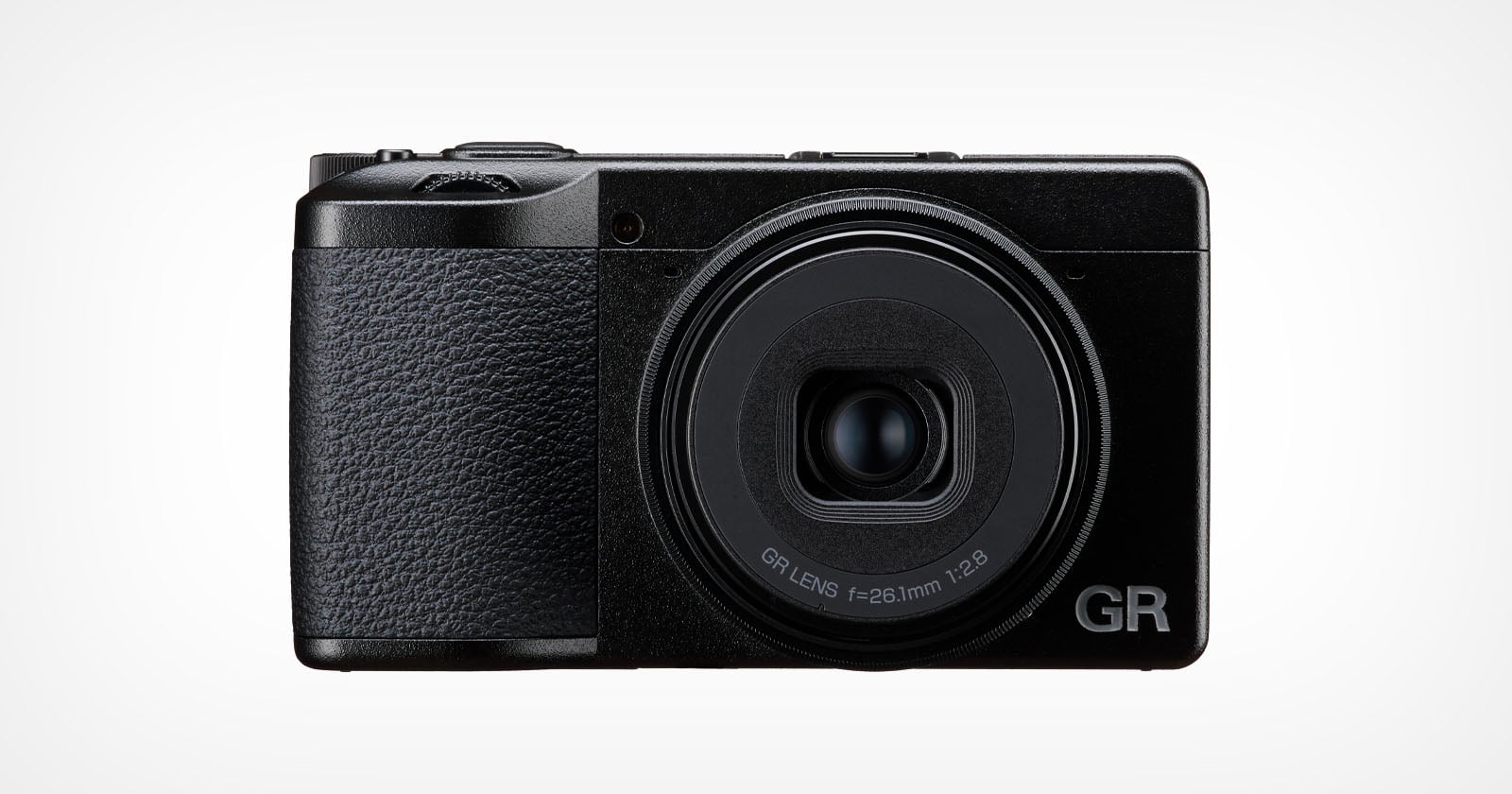
The lens features an aperture range of f/2.8 to f/16. An f/2.8 maximum aperture is a common and highly practical choice for premium compact cameras, providing sufficient light-gathering capability for low-light conditions while also allowing for pleasing background blur (bokeh) when desired. The ability to stop down to f/16 offers extensive depth of field for landscapes or intricate scene work. Furthermore, the GR IVx will incorporate a built-in two-stop Neutral Density (ND) filter. This integrated feature is invaluable for photographers, enabling them to use wider apertures in bright lighting conditions to achieve shallower depth of field or to employ longer shutter speeds for creative motion blur effects, such as smoothing water or capturing light trails, without needing external filter attachments. Ricoh’s past actions with the GR IV HDF (Highlight Diffusion Filter) variant suggest a potential for future alternative filter options to be made available, offering even greater creative control to users.
The Enduring Legacy of the Ricoh GR Series: A Chronological Perspective
The announcement of the GR IVx is particularly timely, as Ricoh is currently commemorating 30 years since the inception of the GR series. This significant milestone, which commenced in April, provides a rich historical context for the latest development. The Ricoh GR line has cultivated a legendary status among photographers, particularly those specializing in street and documentary work, for its unwavering commitment to a core philosophy: combining exceptional image quality, rapid response, and ultimate portability in a discreet, fixed-lens form factor.
The GR journey began in 1996 with the introduction of the Ricoh GR1, a 35mm film compact camera that quickly garnered critical acclaim for its superb 28mm f/2.8 GR lens, robust build quality, and intuitive controls. This film era saw subsequent iterations like the GR1s and GR1v, each refining the formula and solidifying the GR’s reputation as a serious tool for serious photographers.
The transition to digital photography marked a new chapter for the series, beginning with the GR Digital I in 2005. These early digital models, though featuring smaller sensors, maintained the core principles of the film cameras, offering a 28mm equivalent lens and a focus on speed and image quality. The GR Digital II, III, and IV followed, each incrementally improving upon sensor performance, processing speed, and user interface.
A pivotal shift occurred with the launch of the Ricoh GR in 2013, which introduced an APS-C sized sensor into the compact body. This was a game-changer, elevating the GR’s image quality to professional levels, rivaling larger interchangeable lens cameras, while maintaining its signature pocketability. The GR II (2015) refined this formula, adding Wi-Fi and NFC connectivity.
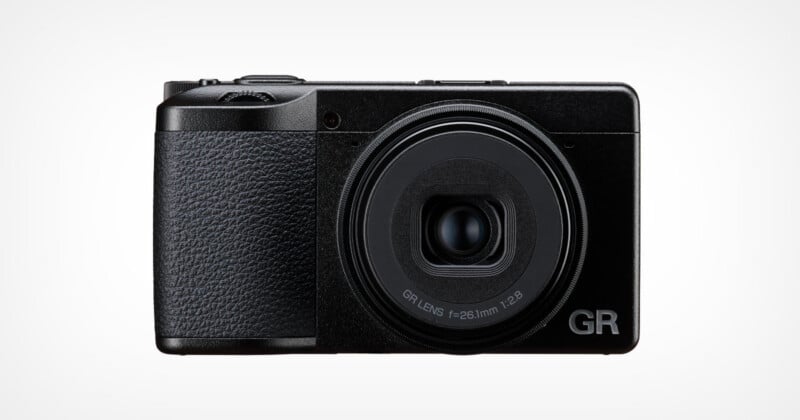
The GR III, released in 2019 after a four-year hiatus, represented a significant overhaul, featuring a new 24.2-megapixel APS-C sensor, in-body sensor-shift image stabilization (IBIS), and a revamped control scheme. Building on this success, Ricoh introduced the GR IIIx in 2021, which diverged from the traditional 28mm focal length by offering a 40mm equivalent lens. This "x" variant was a direct response to user demand for a different perspective, demonstrating Ricoh’s willingness to innovate within its established framework. The GR IIIx, along with its special editions like the HDF and Urban Edition, proved the viability and popularity of the 40mm focal length within the GR ecosystem.
The recently announced GR IV, a direct successor to the GR III, further refined the 28mm experience, likely with an updated 25.7-megapixel sensor and enhanced processing capabilities. The GR IVx now follows this trajectory, applying the advancements of the GR IV to the increasingly popular 40mm equivalent perspective, thus offering a contemporary and technologically superior successor to the GR IIIx. This strategic staggered release ensures that Ricoh caters to both traditional GR purists who favor the 28mm view and those who prefer the more natural 40mm perspective, all while keeping the product line fresh and competitive.
Strategic Implications and Market Analysis
The development announcement for the GR IVx carries significant strategic implications for Ricoh and the compact camera market. Crucially, Ricoh explicitly stated that the production of the current GR IIIx, GR IIIx HDF, and GR IIIx Urban Edition models is "expected to conclude" once the existing batch, slated to finish shipping in October, is depleted. This definitive statement serves as a clear indicator that the GR IVx is intended as a direct and immediate replacement for the GR IIIx lineage. Such a phased transition ensures that RicRicoh can streamline its production while simultaneously offering an upgraded product to maintain market presence.
The timing of this announcement, coupled with the discontinuation of the GR IIIx, suggests that Ricoh is keen to introduce the GR IVx into the market sooner rather than later. Given the ongoing 30th-anniversary celebrations for the GR series, which began in April and have so far only seen the release of a special edition GR IV, it is highly plausible that the GR IVx will be officially unveiled and made available before the celebratory year concludes. This would allow Ricoh to capitalize on the anniversary momentum and present the GR IVx as a flagship product celebrating the series’ enduring legacy and future direction.
In a camera market increasingly dominated by advanced smartphones and high-end mirrorless systems, the niche for premium fixed-lens compacts remains robust, albeit specialized. Cameras like the Ricoh GR series, and its primary competitor, the Fujifilm X100 series, cater to a discerning segment of photographers who value portability, discreet operation, tactile controls, and uncompromising image quality in a single, perfectly integrated package. The GR IVx, with its newly designed 40mm lens and updated sensor, positions Ricoh strongly within this segment. It offers a compelling alternative to those who might find the 28mm too wide or the 50mm too tight, thereby expanding the GR’s appeal to an even broader audience of enthusiasts and professionals seeking a versatile everyday carry camera.
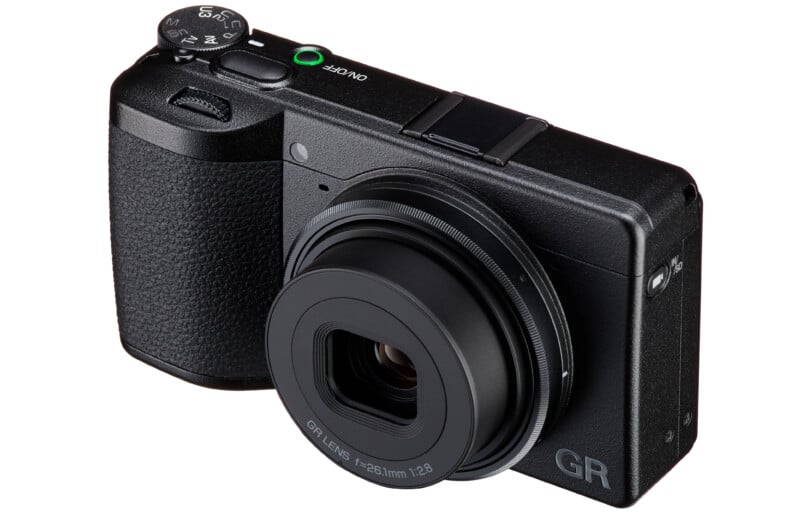
The decision to develop a completely new 40mm lens, rather than porting the GR IIIx optic, suggests a commitment to optimizing performance for the GR IV’s updated sensor and processing engine. This dedicated engineering effort is likely to result in superior optical characteristics, potentially reducing aberrations, improving corner-to-corner sharpness, and enhancing micro-contrast, thus further solidifying the GR’s reputation for outstanding image quality. This iterative refinement is a hallmark of Ricoh’s development strategy for the GR series, ensuring each new generation offers tangible improvements that resonate with its dedicated user base.
Anticipated Reception and Future Outlook
While Ricoh has not yet provided specific details regarding the full announcement date or commercial availability, the photographic community is already buzzing with anticipation. The GR series has cultivated a fiercely loyal following, and any new iteration is met with intense scrutiny and excitement. The introduction of the 40mm equivalent focal length in the GR IIIx was largely well-received, demonstrating a significant demand for this perspective alongside the traditional 28mm. The GR IVx is expected to build on this success, offering improved performance and the latest technological advancements from the GR IV platform.
Industry analysts will be closely watching Ricoh’s pricing strategy and marketing efforts for the GR IVx. Given the premium positioning of the GR series, the GR IVx is expected to command a price point reflecting its advanced features, newly developed optics, and high-quality construction. Its success will likely depend on its ability to deliver a noticeable improvement in image quality and user experience over its predecessor, the GR IIIx, justifying the upgrade for existing users and attracting new ones.
Looking ahead, Ricoh’s strategy with the GR IVx reinforces its commitment to offering specialized tools that cater to specific photographic needs. The company’s willingness to diversify focal lengths within the same core camera body (28mm in GR IV, 40mm in GR IVx) demonstrates a flexible approach to product development. This dual-focal-length strategy allows Ricoh to capture a wider segment of the enthusiast market without compromising the fundamental principles of the GR series. As the 30th anniversary celebrations continue, the GR IVx stands as a testament to Ricoh’s enduring vision for the ultimate compact camera, promising to continue the legacy of high image quality, quick response, and unparalleled portability for another generation of photographers. The market will be eagerly awaiting further details and the eventual release of this intriguing new chapter in the storied history of the Ricoh GR.