Located in the heart of Dunedin’s historic precinct adjacent to the Queen’s Gardens, Toitu Otago Settlers Museum stands as a premier repository of Southern New Zealand’s social history and cultural evolution. As one of the country’s oldest and most significant historical institutions, the museum serves as a narrative bridge between the arrival of the earliest Māori settlers and the modern technological age. The facility’s physical structure is as much a part of the exhibit as the artifacts within, comprising a tripartite architectural assembly that reflects the city’s growth over three distinct eras. This complex includes a state-of-the-art modern extension, a Classical Revival central wing, and a repurposed Art Deco New Zealand Railways (NZR) coach depot. Together, these spaces house a collection that documents the struggles, triumphs, and daily lives of the people who shaped the Otago region.
Architectural Evolution and Institutional History
The history of Toitu Otago Settlers Museum is inextricably linked to the identity of Dunedin. Founded in 1898 by the Otago Early Settlers’ Association, the museum was established to commemorate the 50th anniversary of the arrival of the first European ships, the John Wickliffe and the Philip Laing, in 1848. Over the subsequent century, the institution expanded its scope from purely European pioneer history to a more inclusive narrative that encompasses the Kāi Tahu whānui, the indigenous Māori people of the region, whose presence in the area dates back to the 12th century.
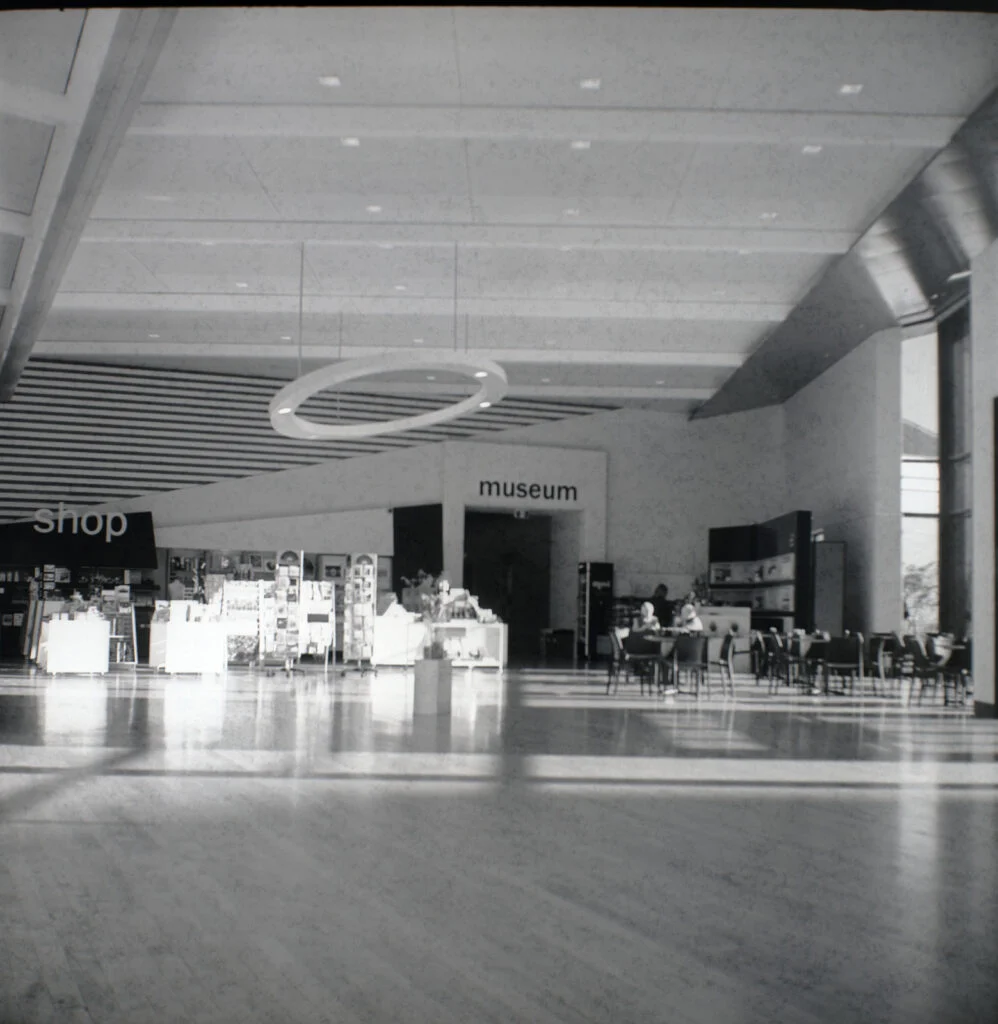
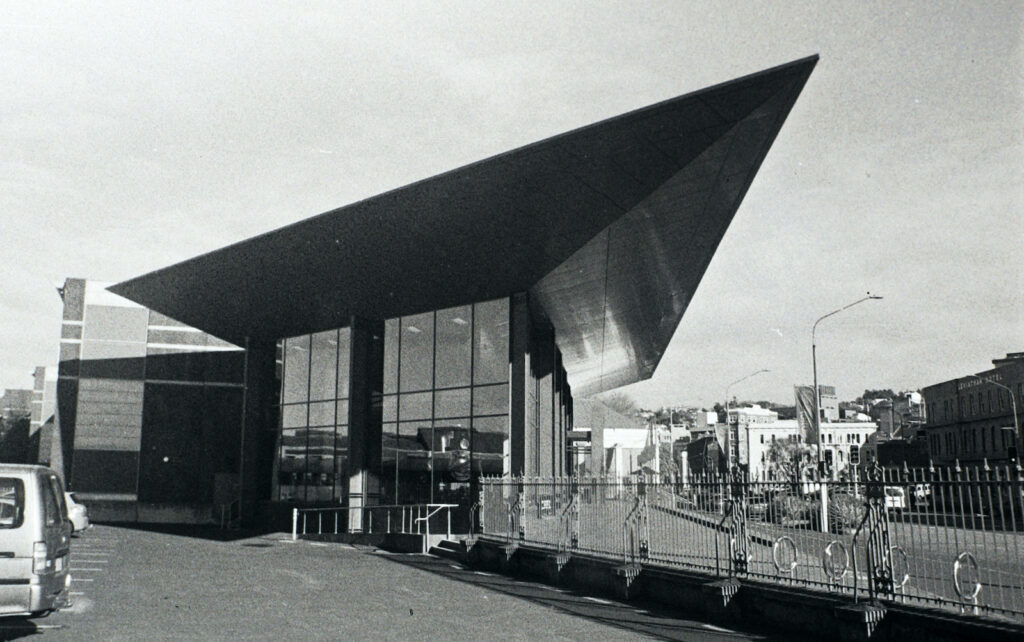
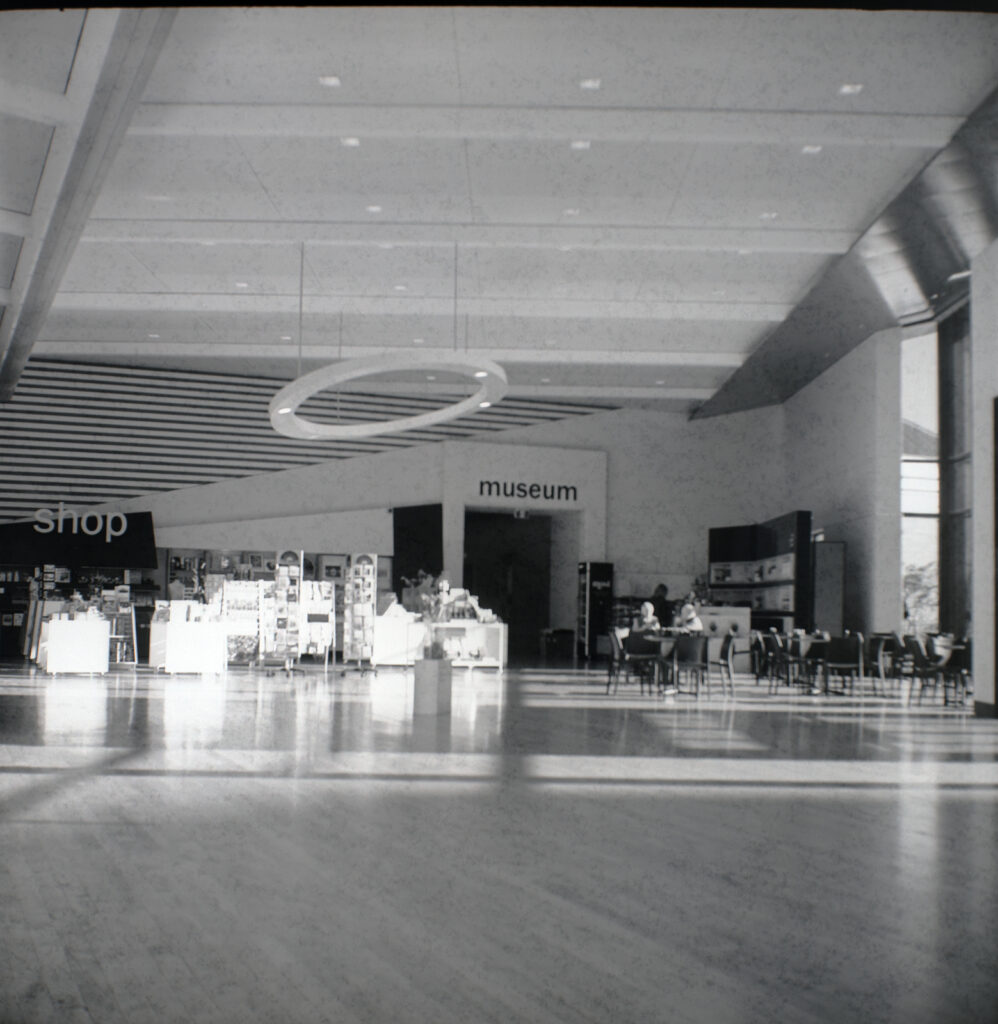
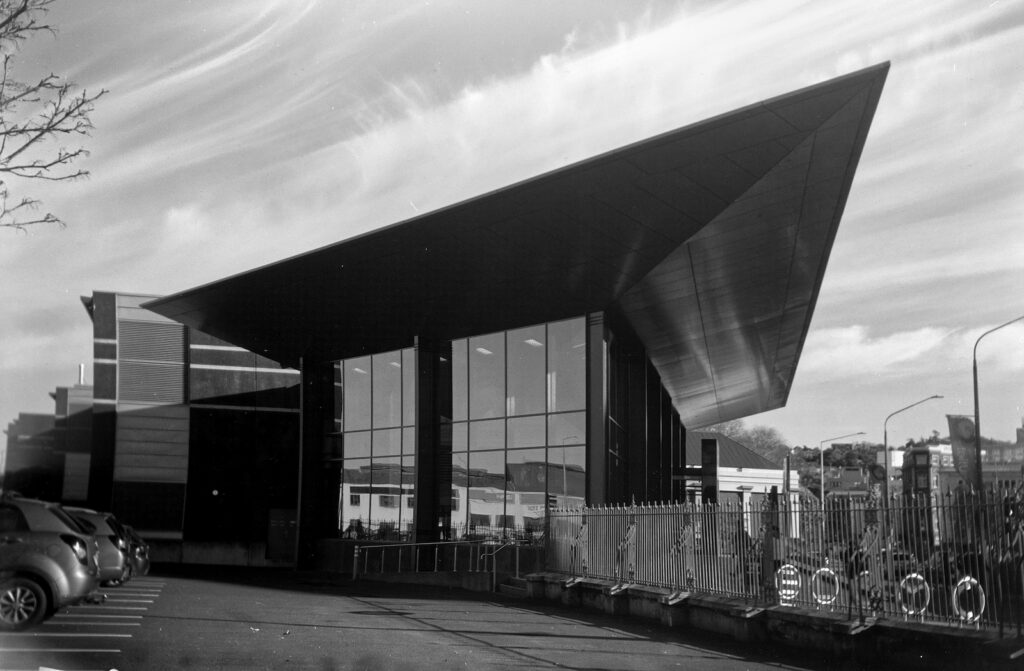
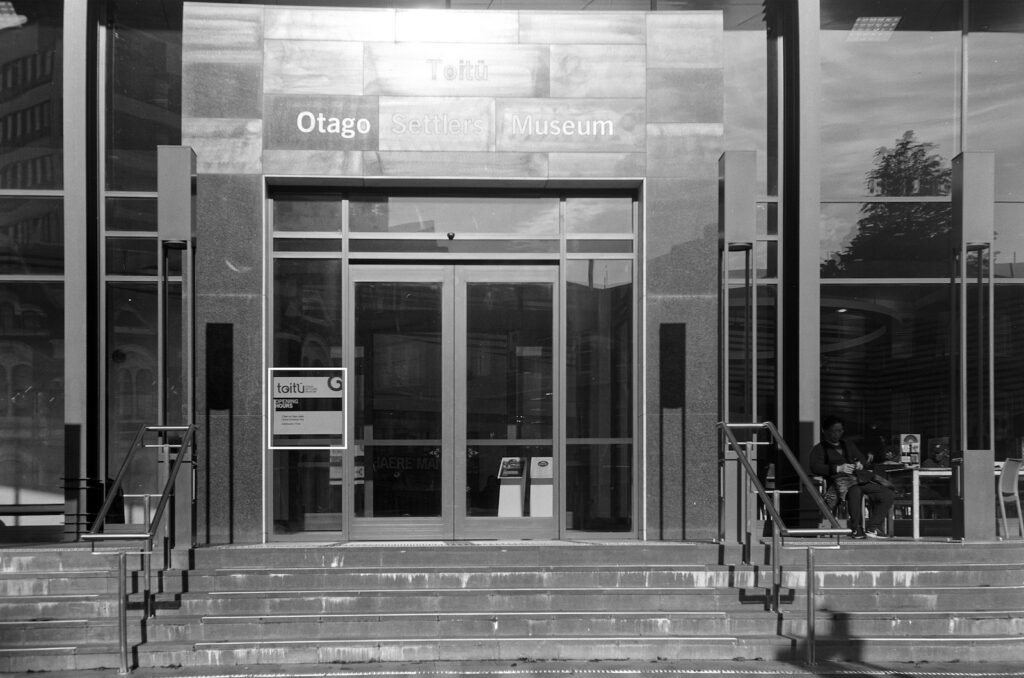
The museum’s current architectural footprint is the result of a significant NZ$37.5 million redevelopment project completed in late 2012. This expansion introduced a 1,500-square-meter modern entrance foyer that serves as a glass-fronted hub for visitors. This contemporary space contains the main reception, activity zones, a retail shop, and a café, providing a stark but harmonious contrast to the older sections of the site.
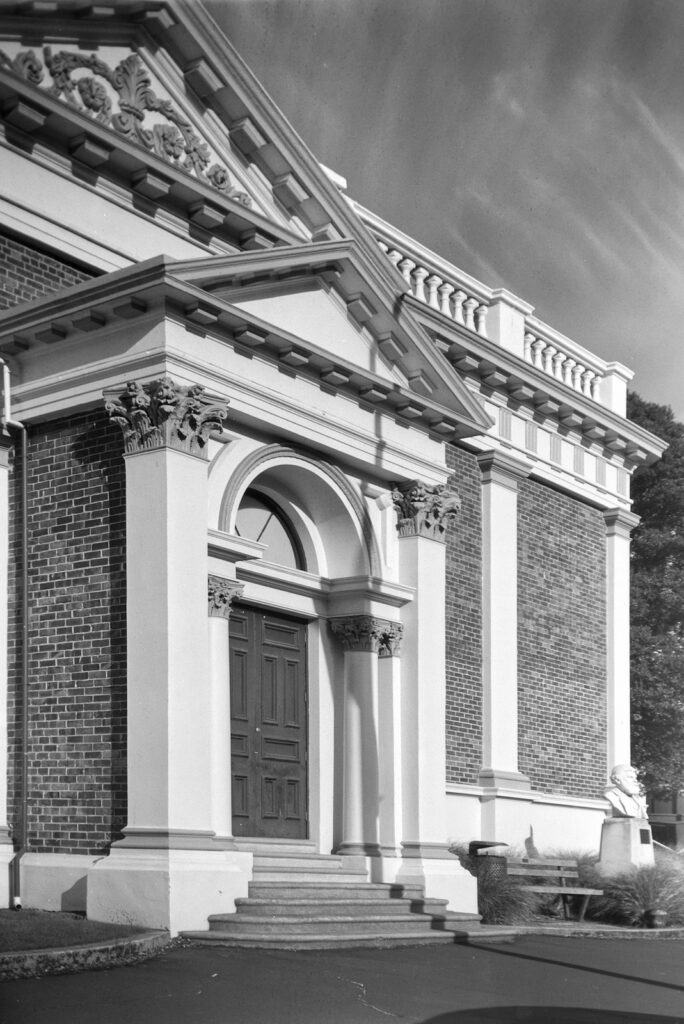
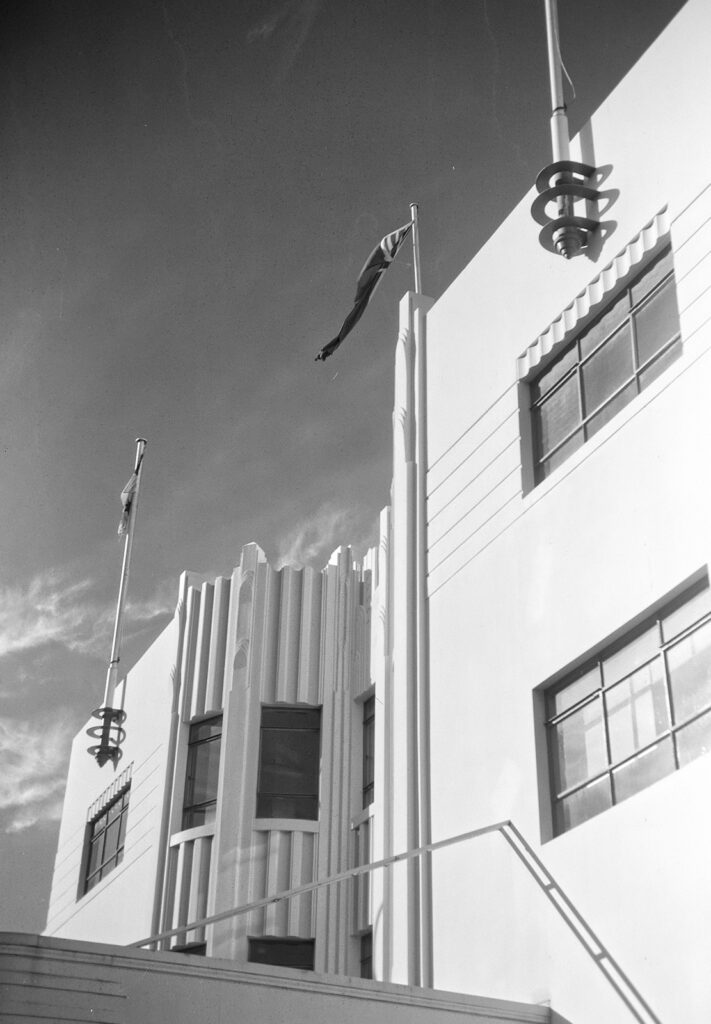
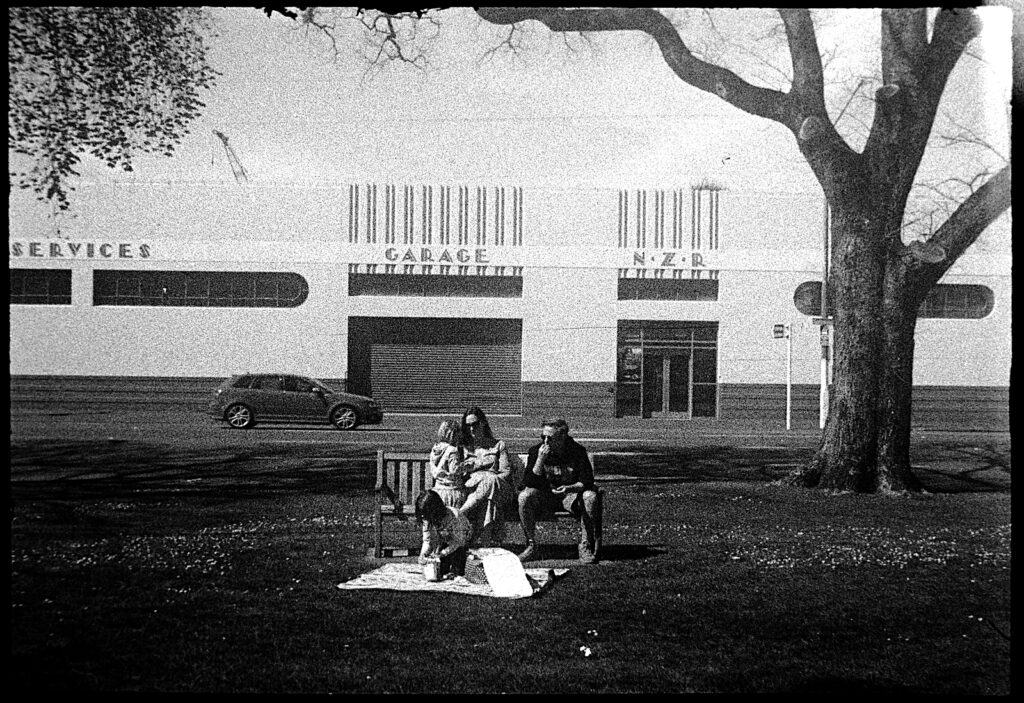
Adjacent to the modern foyer lies the original museum building, designed in the Classical Revival style. This section reflects the civic pride of early 20th-century Dunedin, featuring a grand portico and formal galleries. The third component of the complex is the former New Zealand Railways road services bus station. Built in 1939, this Art Deco masterpiece was once the primary terminus for passengers transitioning from rail to road transport. Its preservation and integration into the museum represent a successful instance of adaptive reuse, where the "concourse" layout has been maintained to evoke the atmosphere of a mid-century transit hub.
The Chronology of Settlement: From Māori Origins to European Whaling
The museum’s internal narrative begins with the "Tangata Whenua" gallery, which utilizes multimedia displays and traditional artifacts to trace the 12th-century arrival of Māori. This section emphasizes the deep connection between the people and the land (Toitu), highlighting the navigational prowess required to traverse the Pacific.
The chronology then shifts to the late 18th and early 19th centuries, an era dominated by the arrival of European whalers and sealers. This period marked the first sustained contact between Māori and Europeans, leading to the establishment of shore-based whaling stations along the Otago coast. The exhibits detail the rugged life of these maritime pioneers, showcasing the tools of the trade and the burgeoning economic exchange that preceded formal colonization.
By the mid-1800s, the focus transitions to organized settlement. The museum provides an exhaustive look at the "First Four Ships" era and the subsequent influx of migrants seeking a new life in the southern hemisphere. Domestic life is meticulously reconstructed through period rooms, clothing displays, and personal effects, allowing visitors to visualize the transition from makeshift sod huts to the Victorian elegance of a prospering colonial city.
Industrial Heritage and the Golden Age of Rail
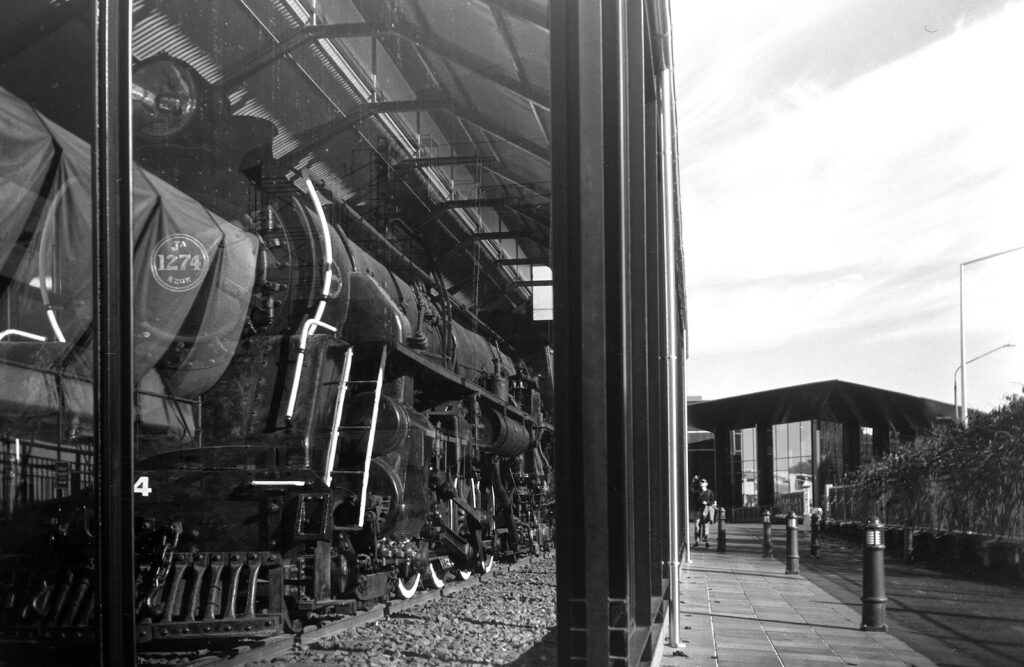
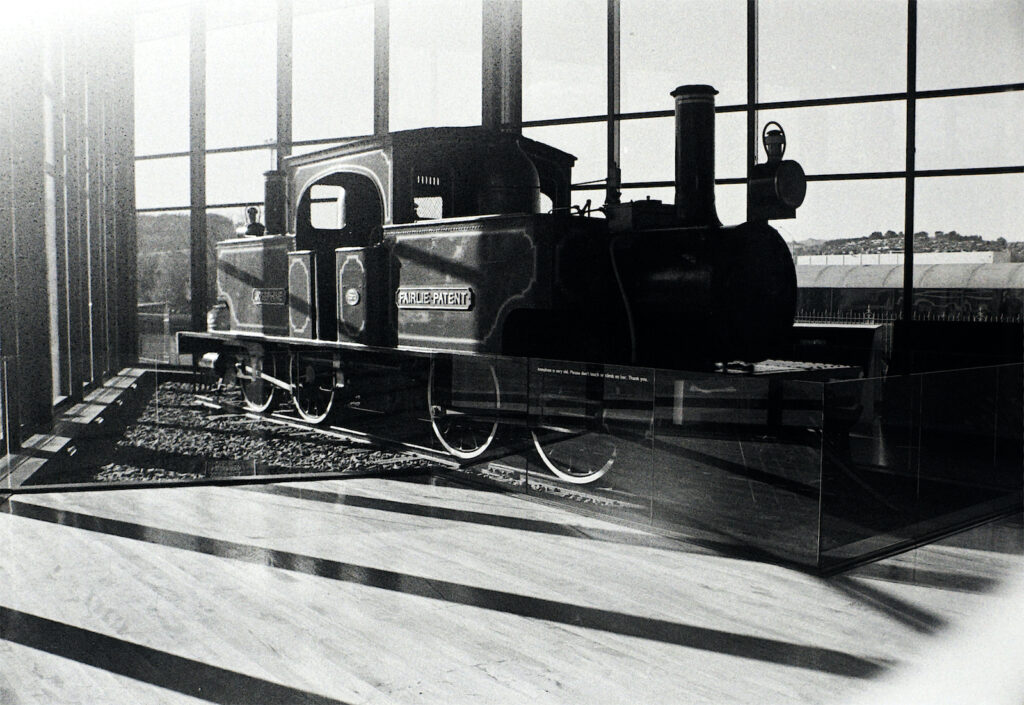
A centerpiece of the museum’s collection is its extensive transport and industrial section, which underscores Dunedin’s former status as New Zealand’s commercial capital during the 1860s gold rush. Dominating the main foyer is "Josephine," a Double Fairlie steam locomotive built in 1872 by the Vulcan Foundry in England. As the first of its kind to operate on New Zealand’s railways, Josephine was designed to navigate the steep gradients and sharp curves of the local terrain. Her presence in the museum serves as a testament to the engineering feats required to connect the rugged Otago hinterland with the port.
Furthermore, the museum grounds house a mainline New Zealand Railways locomotive, situated in a dedicated glass pavilion between the Dunedin Railway Station and the museum’s main entrance. This placement creates a continuous "heritage corridor" that links the city’s operational rail history with its preserved past. The inclusion of early motor vehicles, including a vintage Motor Club car, provides a broader context for the evolution of personal and public transport in the region.
The Portrait Gallery: A Visual Census of the Past
One of the most emotionally resonant spaces within Toitu is the Smith Gallery, popularly known as the Portrait Gallery. This hall contains several thousand framed photographs and paintings of early settlers. To be eligible for inclusion in the original collection, individuals had to have arrived in Otago before 1864.
This gallery functions as a visual census, offering a face to the names found in historical ledgers. The sheer volume of portraits creates an immersive environment, where the stern gazes of Victorian pioneers provide a silent commentary on the passage of time. For many local families, this gallery remains a place of pilgrimage, allowing them to connect directly with their ancestors. The preservation of these images, many of which were captured using early daguerreotype and tintype processes, highlights the historical importance of photography in documenting the human experience.
Technical Documentation and Visual Preservation
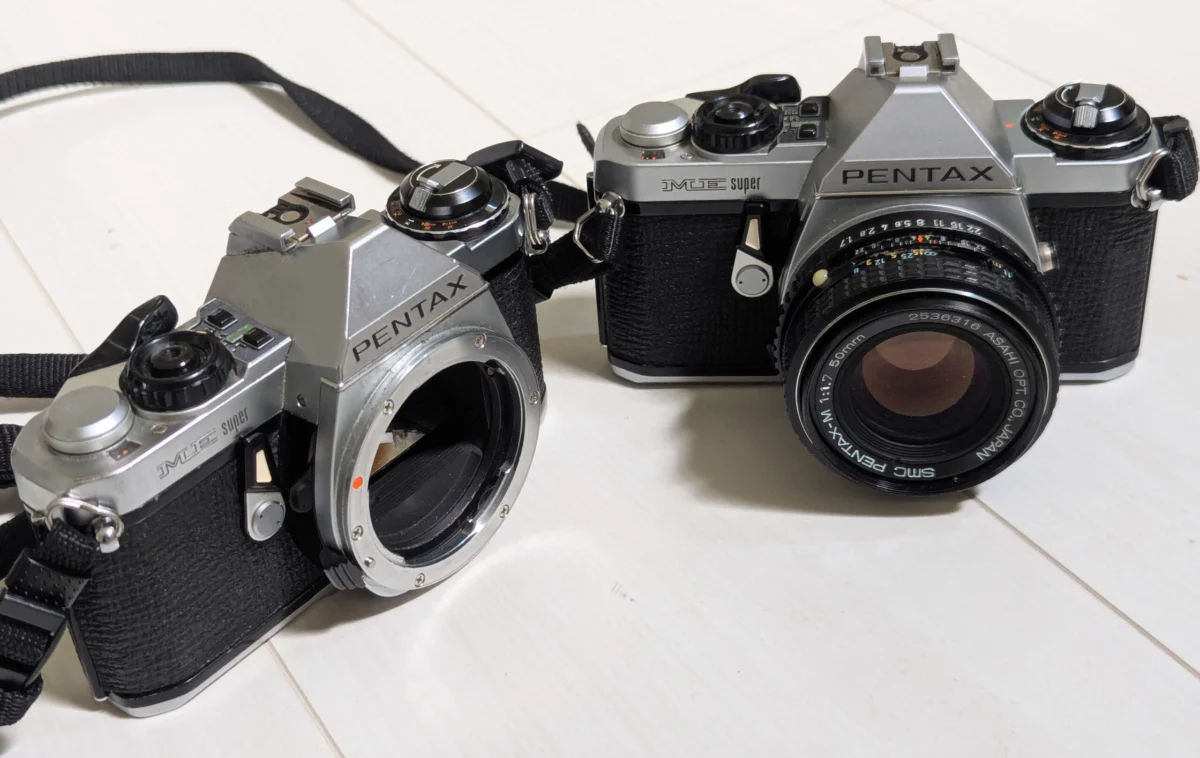
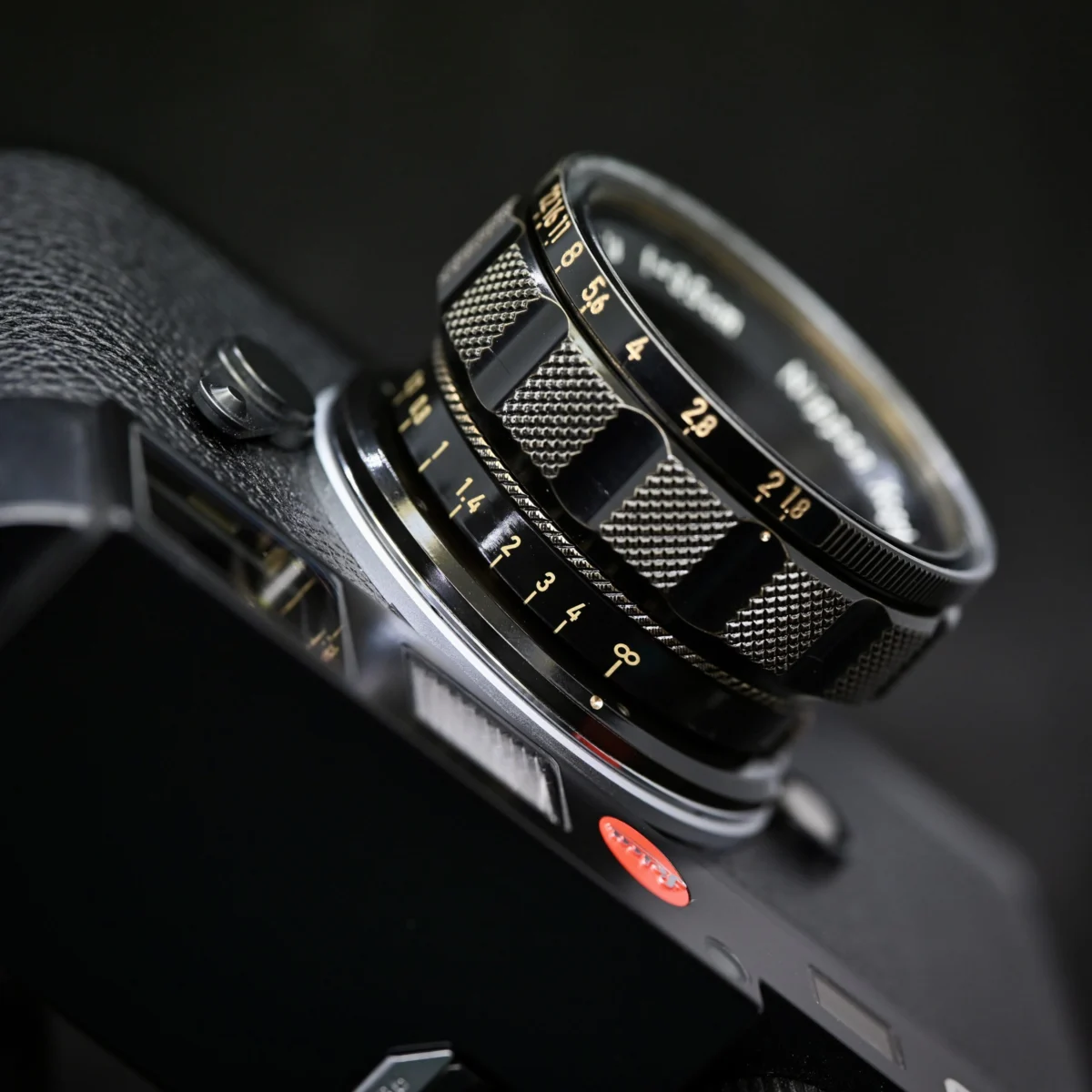
In a contemporary context, the documentation of Toitu Otago Settlers Museum often involves the use of both modern digital and historical analog technologies. Recent photographic surveys of the site have utilized a variety of vintage cameras to mirror the museum’s own chronological depth.
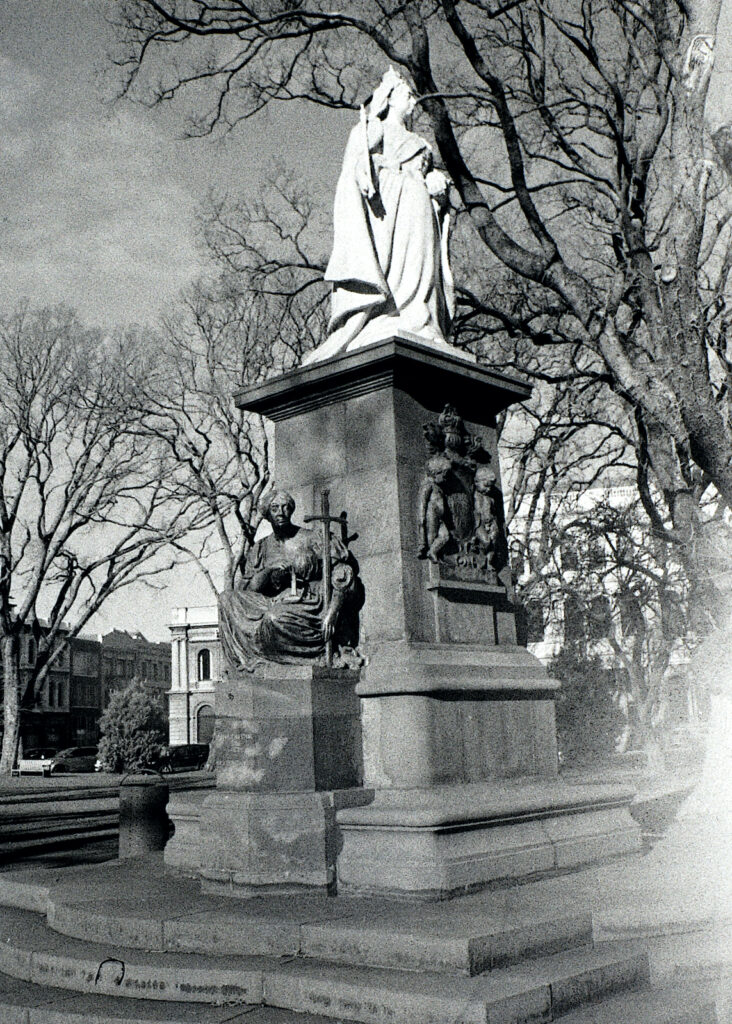
For instance, documentation efforts have employed the Zeiss Box Tengor, a medium-format camera from the mid-20th century, to capture the grand architecture of the Classical Revival wing. The use of Ilford Ortho Plus film in these cameras provides a high-contrast, grain-heavy aesthetic that aligns with the visual language of the museum’s early 1900s exhibits. Similarly, the sub-miniature Pentax Auto 110 system has been used to document the museum’s interior spaces. Despite the technical challenges associated with 110-format film, such as light leaks in recycled cartridges, the resulting images offer a unique perspective on the "Josephine" locomotive and the Art Deco concourse.
These documentation projects serve a dual purpose: they provide a modern record of the museum’s state while paying homage to the optical history that allowed the settlers’ lives to be recorded in the first place. The transition from early chemical photography to modern digital sensors mirrors the museum’s own transition from 19th-century artifacts to 21st-century interactive displays.
Socio-Economic Impact and Educational Significance
Toitu Otago Settlers Museum is not merely a static collection; it is a vital economic and educational driver for the city of Dunedin. As a free-entry institution (supported by the Dunedin City Council), it attracts over 200,000 visitors annually, making it one of the most visited cultural sites in the South Island.
For the educational sector, the museum provides a curriculum-linked resource for schools across the region. Students engage with history through hands-on activities in the dedicated education suites, learning about Māori weaving, Victorian school life, and the impact of the gold rush on New Zealand’s economy. This engagement ensures that the "settler spirit"—defined by resilience and adaptation—is communicated to younger generations.
From an urban planning perspective, the museum’s location in the Queen’s Gardens area anchors the city’s heritage tourism strategy. By linking the museum with the nearby Lan Yuan Chinese Garden and the Dunedin Cenotaph, the city has created a walkable historical circuit that encourages longer tourist stays and supports local hospitality businesses.
Broader Implications: The Role of Regional Museums
The success of Toitu Otago Settlers Museum illustrates the evolving role of regional museums in the 21st century. No longer confined to being "dusty storehouses," these institutions have become dynamic community hubs that facilitate difficult conversations about colonialism, indigenous rights, and environmental change.
The integration of the Art Deco bus depot and the modern glass foyer reflects a broader trend in global museology: the move toward "transparency" and "connectivity." By making the museum’s collection visible from the street and providing high-quality public spaces (like the café and shop), Toitu has successfully demystified the museum experience.
In conclusion, Toitu Otago Settlers Museum remains a cornerstone of New Zealand’s cultural landscape. Through its unique blend of architecture, industrial heritage, and personal narratives, it provides a comprehensive look at the forces that shaped Otago. Whether viewed through the lens of a vintage Zeiss camera or the eyes of a modern visitor, the museum offers a profound reminder that the present is built upon the foundations of the past. As the institution continues to expand its digital archives and interactive capabilities, it ensures that the stories of Dunedin’s early inhabitants remain accessible and relevant for centuries to come.