The conclusion of 2025 brings with it a comprehensive look at the purchasing habits within the photography and videography industries, as revealed by Lensrentals’ annual data. Following its customary release of rental trends, which serve as a critical barometer for emerging interests and short-term project demands, the company has now unveiled its sales figures, offering a deeper insight into long-term customer commitment and perceived value in professional-grade equipment. This dual data set provides an unparalleled perspective on the lifecycle of gear, from initial exploration through rental to eventual acquisition, painting a nuanced picture of market health and strategic investment decisions by creatives and production houses alike.
Lensrentals, while primarily known for its extensive inventory of rental equipment, also operates a unique "Keeper program" that allows customers to purchase gear they’ve rented and loved, often with rental costs credited towards the purchase price. This mechanism transforms the rental experience into a sophisticated ‘try-before-you-buy’ model, making the resulting purchase data particularly insightful. Unlike traditional retail sales, which might be influenced by promotional pricing or impulse buys, Lensrentals’ purchase data often reflects gear that has been rigorously tested in real-world scenarios, indicating a high degree of satisfaction and practical utility. The 2025 figures underscore several key shifts and enduring preferences, highlighting the evolving landscape of imaging technology and the strategic choices made by professionals.
The Foundation of Investment: Essential Accessories Dominate Volume Purchases
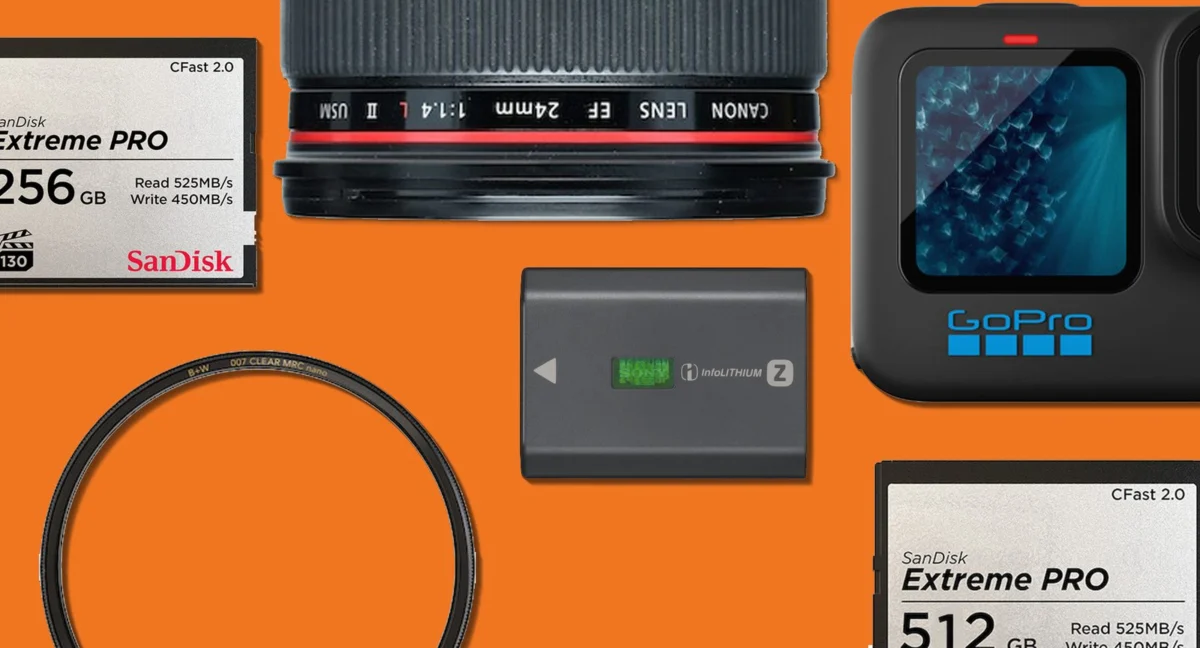
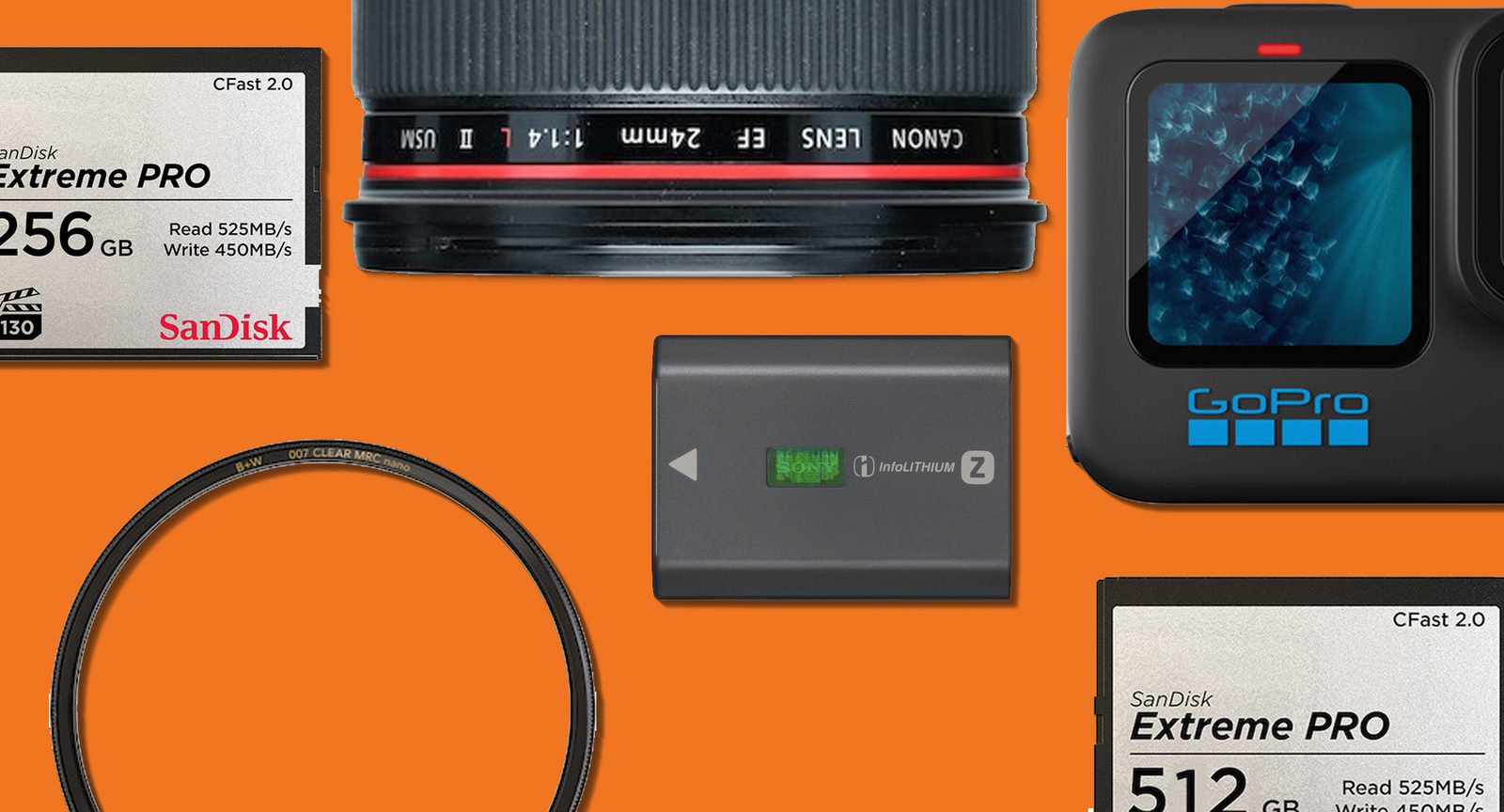
A granular examination of the most common customer purchases by quantity reveals a predictable yet telling trend: complementary products and essential accessories form the bulk of transactions. Items such as CFast cards, camera batteries, and UV filters consistently rank at the top of the purchase list. This phenomenon is logical and reflects the operational realities of professional photography and videography. CFast cards, for instance, are critical for high-resolution video capture and rapid-fire photography, and their perceived lifespan and performance make ownership a practical necessity rather than a luxury. Professionals often require multiple cards for different projects or as backups, making their purchase a frequent occurrence.
Similarly, camera batteries are consumables essential for uninterrupted workflow. While rental kits often include basic battery sets, professionals frequently invest in additional batteries to extend shooting times, especially on location or during demanding production schedules. The decision to purchase these items directly from Lensrentals, often after renting the primary equipment, suggests a desire for seamless integration and trusted compatibility. UV filters, acting as protective elements for expensive lenses, represent a cost-effective insurance policy against scratches and dust, underscoring the pragmatic approach many users take to safeguard their investments. These high-volume, lower-value purchases collectively indicate a market that prioritizes preparedness, reliability, and protection of core assets.
The Enduring Appeal of a Workhorse: Canon EF 24-70mm f/2.8L II Leads High-Value Acquisitions
Moving beyond essential accessories, the data identifies the Canon EF 24-70mm f/2.8L II as the most-purchased high-value item. This lens’s consistent appearance at the top of both rental and purchase lists is a testament to its legendary status as a versatile workhorse zoom. Renowned for its exceptional optical quality, robust build, and fast f/2.8 constant aperture, it remains a go-to lens for a wide array of photographic and videographic applications, from photojournalism and event coverage to studio portraiture and documentary filmmaking.
The sustained demand for this EF-mount lens in 2025 is particularly noteworthy given Canon’s aggressive pivot towards its mirrorless RF-mount system. As Canon continues to expand its native RF lens lineup, the EF ecosystem, while still widely supported, has seen a stabilization in pricing, making high-quality EF lenses like the 24-70mm f/2.8L II an increasingly attractive bargain. For professionals who own Canon DSLRs or utilize EOS R-series mirrorless bodies with EF-to-RF adapters, these lenses offer unparalleled performance and value. This trend suggests a strategic decision by many users to capitalize on the mature and competitively priced EF market, leveraging existing investments in camera bodies or securing top-tier glass at a more accessible price point than their newer RF counterparts. The "try-before-you-buy" model of Lensrentals’ Keeper program likely reinforces this, allowing users to experience the lens’s performance firsthand before committing to a purchase that represents significant long-term value.
Brand Market Share by Revenue: A Dynamic Landscape
The analysis of brand market share by revenue for 2025 reveals a dynamic competitive landscape, with notable shifts from previous years. This data offers a crucial perspective on which brands are successfully converting short-term rental interest into long-term customer loyalty and investment.
Canon’s Resilient Dominance: For yet another year, Canon maintained its position as the leading brand in customer purchases, securing 23.55% of the market share by revenue. This represents a modest increase from 22.99% in 2024, signaling a stabilization and slight rebound after a dip from 28.43% in 2023. Canon’s enduring strength in the purchase market can be attributed to several factors. Its long-established professional ecosystem, extensive range of reliable equipment, and perceived brand trustworthiness continue to resonate with users. The aforementioned strategic value of its EF lenses, coupled with a steady adoption of its RF mirrorless system for those ready to upgrade, ensures a broad appeal across different segments of the market. This consistent performance underscores Canon’s ability to retain its loyal customer base while slowly adapting to new technological paradigms.
Sony’s Significant Retreat: In stark contrast to Canon’s stability, Sony experienced a substantial decline in purchase market share, falling to 16.60% in 2025 from 21.60% in 2024 and 28.83% in 2023. This significant 5% drop year-over-year is one of the most striking findings. While Sony has been a formidable innovator in the mirrorless segment and often shows strong rental numbers, its diminishing share in the purchase market from Lensrentals suggests a potential shift in how customers perceive the long-term investment value of its products, or perhaps a saturation point in its rapid growth phase. Industry observers might speculate that intense competition, particularly from Canon and Nikon’s maturing mirrorless offerings, combined with potentially higher price points for new Sony gear, could be influencing purchase decisions. It’s also possible that customers are renting Sony gear for specific projects but opting to purchase alternative, perhaps more value-driven, systems for their permanent kits.
DJI’s Surprising Ascent: Perhaps the most unexpected revelation of the 2025 purchase data is DJI’s emergence as the third-most-popular customer purchase brand, capturing 9.95% of the market share. This figure places DJI ahead of traditional camera giants like Nikon and Fujifilm, marking a significant milestone for a company primarily known for drones and gimbals. DJI’s consistent growth, from 7.22% in 2023 and 10.04% in 2024, reflects the undeniable integration of aerial cinematography and stabilized video capture into mainstream production workflows. The demand for DJI products underscores the evolving definition of "photography and videography gear," encompassing not just cameras and lenses, but also sophisticated motion platforms and stabilization systems. This trend highlights the increasing number of hybrid shooters and filmmakers who view drones and gimbals as indispensable tools, worthy of permanent investment.
Nikon’s Steady Progress: Nikon demonstrated steady growth in 2025, reaching 4.90% market share, up from 4.69% in 2024 and 3.93% in 2023. This incremental but consistent increase suggests a positive trajectory for the brand, likely driven by the continued maturation and market acceptance of its Z-series mirrorless cameras and lenses. After a challenging period, Nikon appears to be gradually regaining trust and market share, indicating that its recent product releases are resonating with a segment of professionals seeking reliable, high-performance alternatives.
Specialized Brands and Niche Growth: The remainder of the list showcases a fascinating mix of specialized brands experiencing marginal gains and losses, reflecting diverse needs within the industry.
- Blackmagic Design saw a notable increase to 3.43% (from 2.58% in 2024), indicative of the growing demand for its cinema cameras which offer exceptional value for high-quality video production.
- Leica also showed strong growth, rising to 3.25% (from 2.39% in 2024), underscoring its enduring appeal in niche luxury and high-end professional photography markets, often associated with specific aesthetic and build quality preferences.
- Fujifilm recorded 3.24% (up from 2.80% in 2024), suggesting its mirrorless systems, particularly those catering to specific photographic styles and aesthetics, continue to find a dedicated and growing customer base.
- Aputure (lighting) and SmallHD (monitors) both saw healthy figures at 3.01% and 2.83% respectively, reflecting the critical importance of high-quality auxiliary equipment in modern film and video production.
- Panasonic maintained a stable presence at 2.76% (from 2.20% in 2024), indicating a consistent demand for its hybrid mirrorless cameras, particularly among videographers.
- Sigma experienced a slight dip to 2.42% (from 2.50% in 2024), but its presence remains strong, affirming its position as a go-to provider of high-quality, often more affordable, third-party lenses.
- Teradek made a significant leap to 2.83% (from 0.92% in 2024), highlighting the surging importance of wireless video transmission solutions in professional environments.
The Cutting Edge: New Product Purchases Highlight Workflow Evolution
The final segment of the 2025 purchase data focuses on gear that entered Lensrentals’ inventory within the year and quickly became popular purchases. Topping this list is the Teradek 6G V Antenna, a specialized component crucial for advanced wireless video transmission. This item’s prominence, coupled with the Teradek Wireless Antenna for Bolt 500/1000/3000 Rx taking second place among overall most popular purchases by quantity, emphatically signals a major industry trend: the increasing mainstream adoption and critical importance of fast, reliable wireless transfer on film and video sets.
Wireless video transmission systems have become indispensable for modern productions, enabling directors, cinematographers, and other crew members to monitor footage remotely, ensure real-time collaboration, and maintain agile workflows. The high purchase rate of these antennas suggests that professionals are not just renting these systems for one-off projects but are actively investing in owning the components necessary for seamless integration into their permanent production kits. This trend reflects the industry’s continuous drive towards efficiency, mobility, and sophisticated on-set monitoring solutions, underscoring that technological advancements in workflow tools are just as vital to professionals as the core cameras and lenses themselves.
Implications for the Industry and Future Outlook
The 2025 purchase data from Lensrentals provides a rich tapestry of insights for manufacturers, retailers, and end-users alike. For manufacturers, it serves as a crucial feedback loop on product longevity, perceived value, and brand loyalty beyond initial hype cycles. Canon’s sustained lead, for example, suggests that despite the mirrorless revolution, a robust legacy system and strategic pricing can maintain significant market share. Sony’s decline in purchases, despite strong innovation, might prompt a reevaluation of pricing strategies or long-term value propositions for its customers. DJI’s meteoric rise signals that the boundaries of "camera gear" are expanding, compelling traditional manufacturers to consider broader ecosystem plays that include drones and gimbals.
For retailers, the data emphasizes the importance of complementary products and the "try-before-you-buy" model. Stocking essential accessories and offering flexible purchase options for tested rental gear could be key strategies. The enduring appeal of older, high-quality lenses also suggests a robust secondary market and the value of supporting hybrid systems.
For photographers and videographers, these trends offer guidance on strategic investments. The data reaffirms the value of versatile workhorse lenses, the growing necessity of advanced workflow tools like wireless transmission, and the increasing integration of specialized equipment like drones. It encourages a thoughtful approach to gear acquisition, balancing the allure of the newest technology with the proven performance and value of established equipment.
In conclusion, Lensrentals’ 2025 purchase report illustrates a dynamic and evolving market. While traditional brands like Canon continue to demonstrate remarkable resilience, the landscape is increasingly shaped by technological integration, the pursuit of workflow efficiencies, and a diversified definition of essential professional gear. The insights gleaned from these purchase trends, especially when viewed alongside rental data, offer a holistic perspective on where the industry is heading and what truly matters to those capturing the world through lenses.