Waking before dawn on the SeaLegacy 1, the vessel that had become our mobile home during the Pacific crossing from Mexico to Tahiti, had become a routine. However, this particular morning was different. A palpable energy buzzed through the crew and myself as we prepared for what was anticipated to be the most extraordinary dive of our expedition. Under a sky illuminated by a full moon, we donned our masks and submerged into the inky blackness of the ocean depths. Initially, the underwater world was deceptively tranquil, but soon, the waters began to stir, heralding the commencement of one of the ocean’s most awe-inspiring natural dramas.
The Fakarava Atoll: A Biodiversity Hotspot
Fakarava, an atoll located approximately 700 nautical miles north of Papeete in French Polynesia, is renowned for its pristine lagoons, picturesque beaches, and vibrant coral reefs that teem with an astonishing array of marine life. For much of the year, this sanctuary provides a relatively peaceful environment for countless species of fish, seabirds, sharks, sea turtles, and majestic manta rays. Yet, the ecological equilibrium of Fakarava transforms dramatically during the warmer months with the annual aggregation of thousands of resident groupers for their spawning ritual.
The Annual Grouper Spawning: A Biological Countdown
As the warmer season progresses, an increasing number of groupers, their bodies heavy with developing eggs, converge. The males, poised for their reproductive roles, join them, forming a massive congregation at the mouth of the channel that connects the atoll’s lagoon to the open sea. This critical area, spanning roughly 10 by 30 nautical miles, is subject to a powerful tidal cycle. Every six hours, the deep, clear waters of the ocean surge into the lagoon, followed by an equal period of outflow. This natural pulse not only facilitates nutrient dispersal into the wider ocean but also provides the ideal conditions for the dispersal of the groupers’ eggs. As the tide reaches its zenith around the full moon, the stage is set for one of nature’s most significant reproductive events. However, this biological imperative also attracts a formidable audience: hundreds of sharks, who patrol the reefs with the predatory precision of an organized fleet.

A Symphony of Predation and Reproduction
Our team had strategically positioned ourselves at the atoll’s edge, securing a clear vantage point. As we descended along the drop-off at the channel’s entrance, we observed thousands of groupers nestled amongst the coral formations. Their strategy for survival was evident: remaining motionless, relying on their natural camouflage to evade detection. Each grouper occupied its own coral outcrop, their large eyes swiveling to track the movements of the patrolling sharks. The serene silence was periodically punctuated by the sharp crack of a predator’s bite, immediately followed by the chaotic thrashing of hundreds of sharks as they engaged in their hunt.
Approximately 100 feet below the surface, the climax of this natural drama unfolded. The female groupers began to release their eggs, transforming the surrounding waters into a vortex of activity. With each ascent of a female to release her spawn, a swarm of males would follow, fertilizing the eggs with their milt. In unison, thousands of groupers initiated this vital cycle of life, a breathtaking race against the swift descent of hundreds of sharks. This spectacular display, orchestrated by nature’s hand, is a testament to the intricate web of life in the ocean. The scene was simultaneously awe-inspiring and poignant, a fleeting moment that concluded as swiftly as it began.
Ecological Equilibrium: The Role of Apex Predators
Many of the vital cycles observed in nature can appear bewildering, even violent, to human observers, prompting questions about their purpose. However, it is crucial to understand the millennia of evolutionary development that have led these ecosystems to their delicate state of equilibrium. Every element, from the subtle mottling of a grouper’s scales to the fate of each individual egg—whether fertilized or consumed—plays a critical role in maintaining this balance. Apex predators like sharks are not merely consumers; they are integral components of this system, facilitating nutrient distribution across the reef and playing a pivotal role in regulating populations.
The observation of sharks during such events is not merely a thrilling encounter; it is a profound indicator of a healthy, functioning ecosystem. As conservationist Eugenie Clark wisely stated, "When you see a shark underwater, you should say, ‘How lucky I am to see this beautiful animal in his environment.’" This perspective shifts the human-animal dynamic from one of fear to one of reverence and appreciation for the intrinsic value of these creatures and their habitats.

Beyond Coexistence: The Interdependence of Life
The notion of "learning to live" with sharks and other wildlife is, in many ways, a mischaracterization of our relationship with the natural world. We exist because of these species, and specifically, because of the indispensable roles they have fulfilled within our oceans for millennia, long before human intervention, such as commercial fishing, began to exert its influence. The profound impact of these creatures on the health and stability of marine environments cannot be overstated.
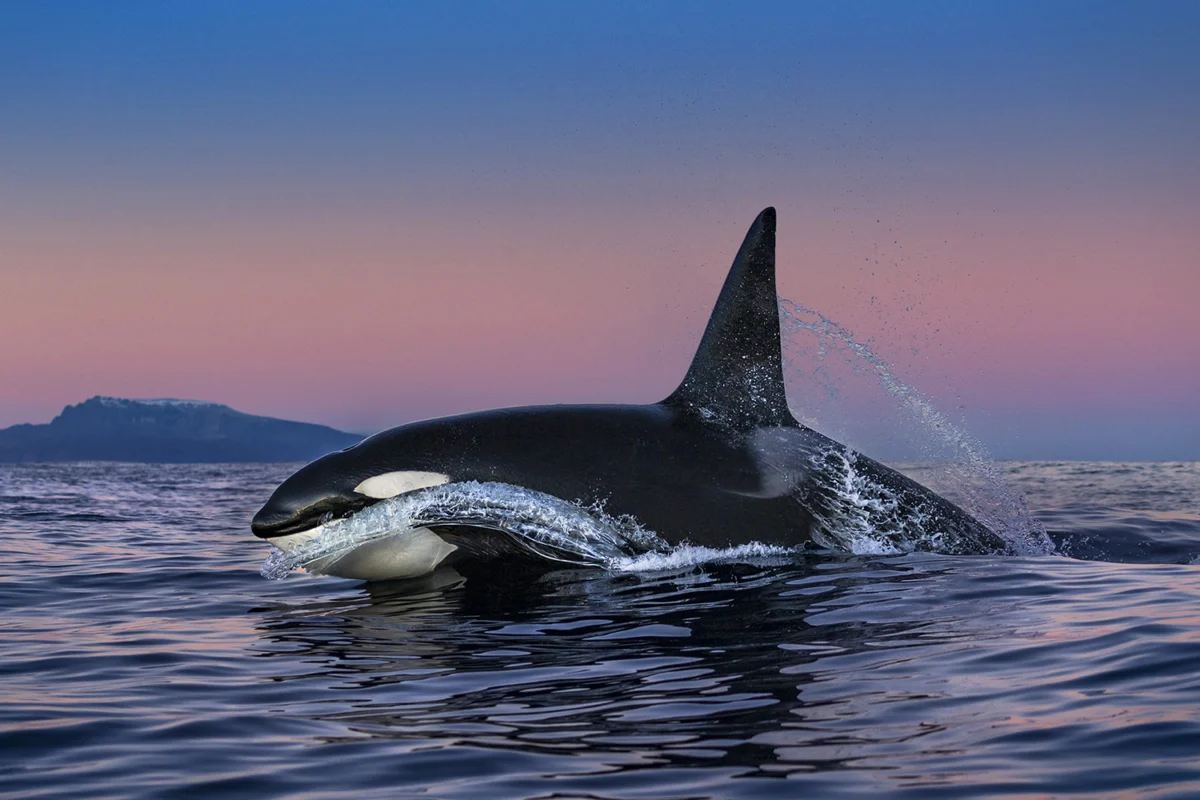
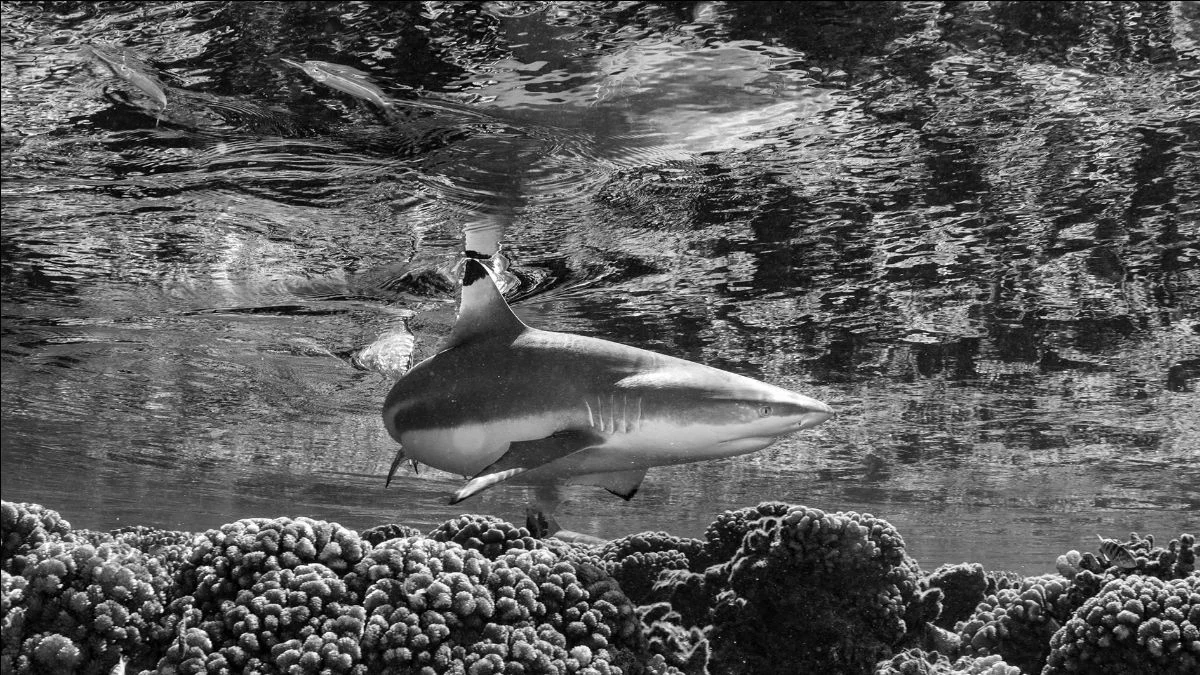
The photographic series "Prism and Blues" by Paul Nicklen, which captures moments of shark encounters, serves as a powerful visual narrative emphasizing this interconnectedness. The accompanying caption poignantly states, "There is no such thing as ‘learning to live’ with sharks and other wildlife. We live because of them. or more specifically, because of the vital role they have served within our ocean for millennia." This sentiment underscores the urgent need for a paradigm shift in our understanding and treatment of marine ecosystems.
Implications for Conservation and Future Generations
The dramatic events witnessed at Fakarava serve as a stark reminder of the fragility of these vital marine ecosystems. The disruption of such critical spawning aggregations, whether through habitat degradation, overfishing of prey species, or direct harm to predators, can have cascading negative effects throughout the food web. For instance, the decline in grouper populations, driven by overexploitation, could significantly impact the delicate balance of the Fakarava atoll, potentially leading to a reduction in shark populations that rely on this abundance for sustenance.
The ongoing efforts to protect such wild and vital ecosystems are paramount. The hope is that by documenting and sharing the wonder, drama, and sheer beauty of places like Fakarava, global awareness can be heightened, thereby inspiring robust local and international conservation initiatives. Protecting these natural spectacles is not merely an environmental concern; it is an investment in the long-term health of our planet and the well-being of future generations who deserve to witness the same awe-inspiring displays of nature’s power and resilience. The work of organizations and individuals dedicated to marine conservation, often working in challenging conditions and facing significant obstacles, is crucial in safeguarding these irreplaceable natural treasures. Their commitment ensures that the intricate dance of life in our oceans can continue for centuries to come.

With gratitude and hope for the future,
[Paul Nicklen’s Signature Image]