The intersection of personal history and professional photojournalism often produces the most enduring visual archives. For veteran photographer Art Meripol, a routine assignment for a prominent regional magazine in the American South during the early 2000s evolved into a profound exploration of geopolitical history and the ephemeral nature of the analog medium. Utilizing the now-iconic Mamiya 7 II system and Kodak Plus X film, Meripol captured a series of images that serve as both a technical testament to medium-format rangefinders and a historical record of the Free Territory of Trieste and the timeless corridors of Venice.
The Professional Context and the Atlanta Ski Club Assignment
The journey began as a feature story for a large regional publication focused on the Atlanta Ski Club. Established in 1964, the Atlanta Ski Club eventually grew to become the largest organization of its kind in the United States, reflecting the post-war boom in recreational travel and the increasing accessibility of international alpine destinations for American enthusiasts. Meripol, accompanied by a writer named Mark, was tasked with documenting the club’s excursion to Cortina d’Ampezzo, a dolomitic resort town in Northern Italy renowned for hosting the 1956 Winter Olympics.
The assignment required capturing the social dynamics and athletic activities of the club against the backdrop of the Italian Alps. However, the technical demands of the shoot were heightened by the extreme weather conditions. With temperatures dropping well below freezing, the mechanical reliability of the equipment became paramount. Meripol opted for the Mamiya 7 II, a 6×7 medium-format rangefinder lauded for its portability and the exceptional resolving power of its leaf-shutter lenses.
Historical Foundations The Free Territory of Trieste
Following the completion of the ski club coverage, the narrative shifted from recreation to heritage. The team traveled northeast to Trieste, a city with a complex administrative history that directly shaped the life of the writer, Mark. To understand the significance of this visit, one must look to the 1947 Treaty of Peace with Italy, which established the Free Territory of Trieste (FTT).
The FTT was envisioned as an independent, sovereign state under the direct responsibility of the United Nations Security Council. This geopolitical arrangement was a response to the competing claims of Italy and Yugoslavia over the ethnically diverse port city. Under the terms of the protocol, the territory was divided into two administrative zones: Zone A, governed by the United Kingdom and the United States, and Zone B, governed by Yugoslavia. Each of the three nations was authorized to station 5,000 troops within the territory.
Mark’s father served as a commander at a UN military base during this provisional period, explaining why Mark was born in a city that was, at the time, an international protectorate. This status remained in effect until 1954, when the London Memorandum resulted in the formal division of the territory between Italy and Yugoslavia. The visit to Trieste was, therefore, an attempt to locate a physical connection to a political entity that no longer appeared on modern maps.

Chronology of the Journey and the Venice Interlude
The expedition followed a structured timeline that transitioned from professional obligation to personal discovery:
- Arrival in Cortina d’Ampezzo: Several days were spent documenting the Atlanta Ski Club in sub-zero temperatures.
- Transit to Venice: En route to Trieste, the team made an unplanned overnight stop in Venice.
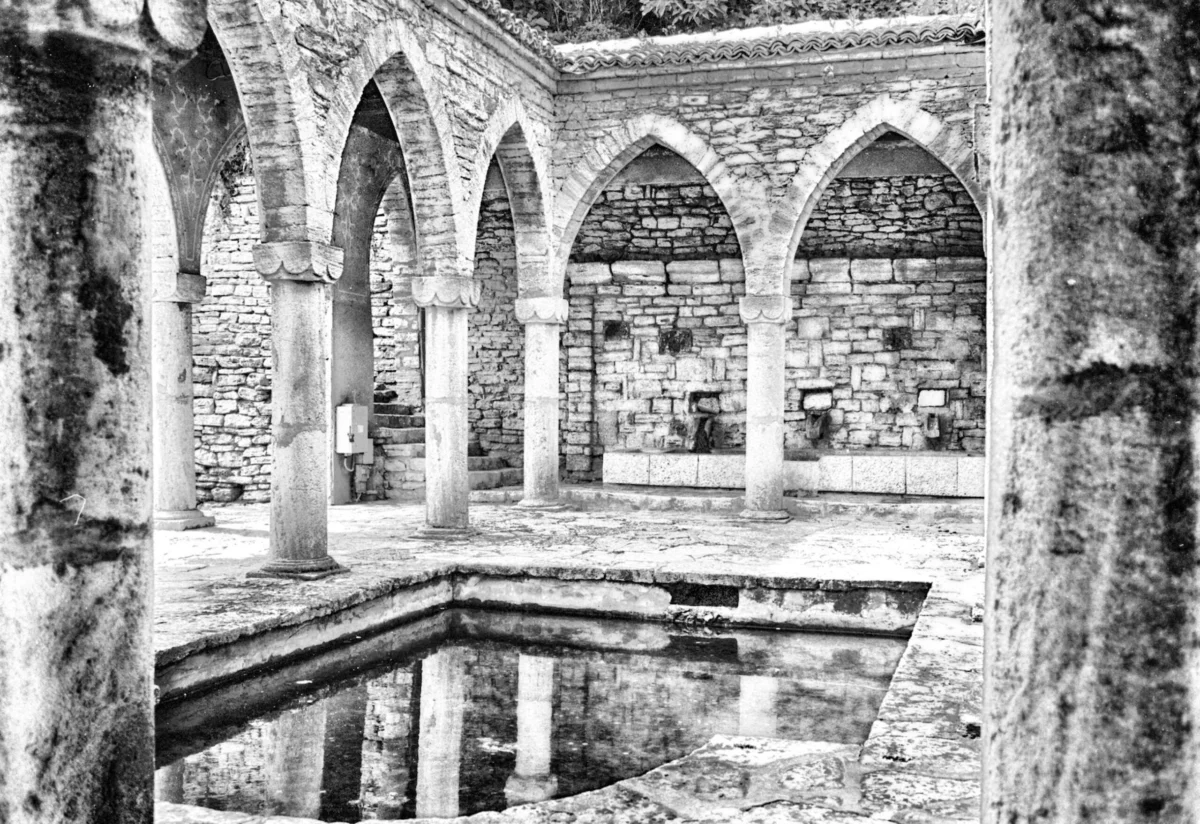
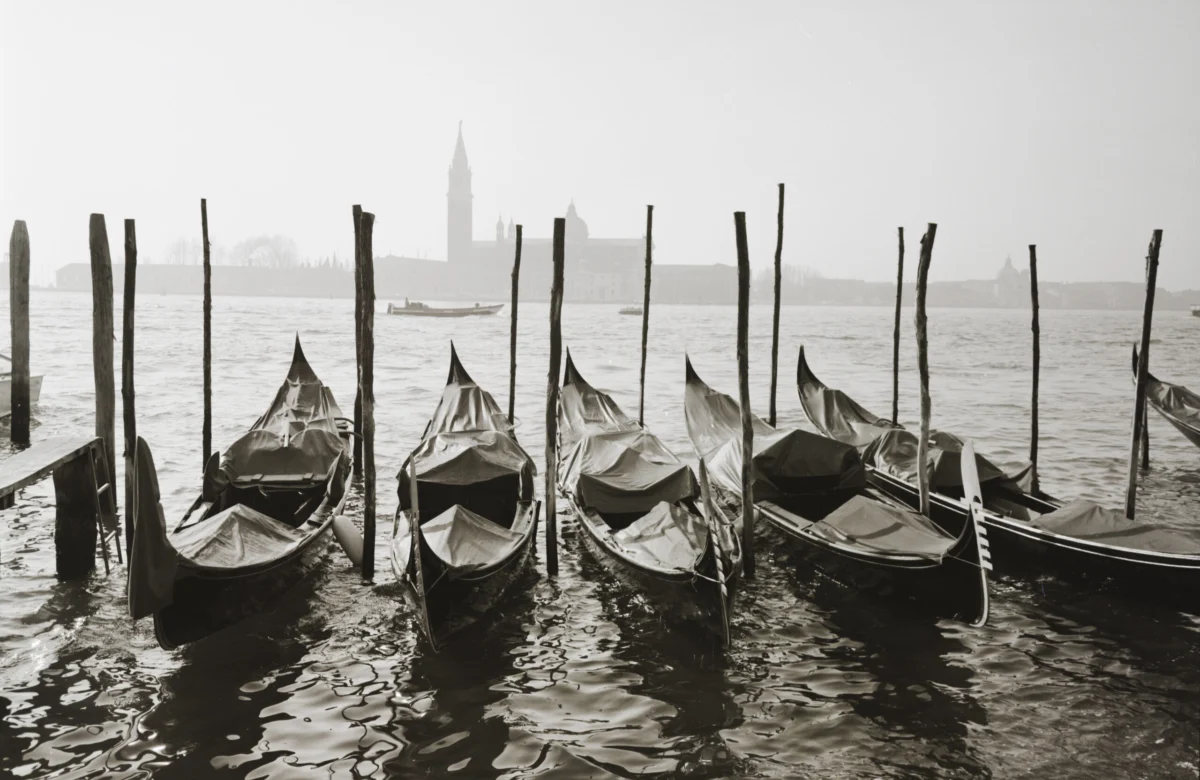
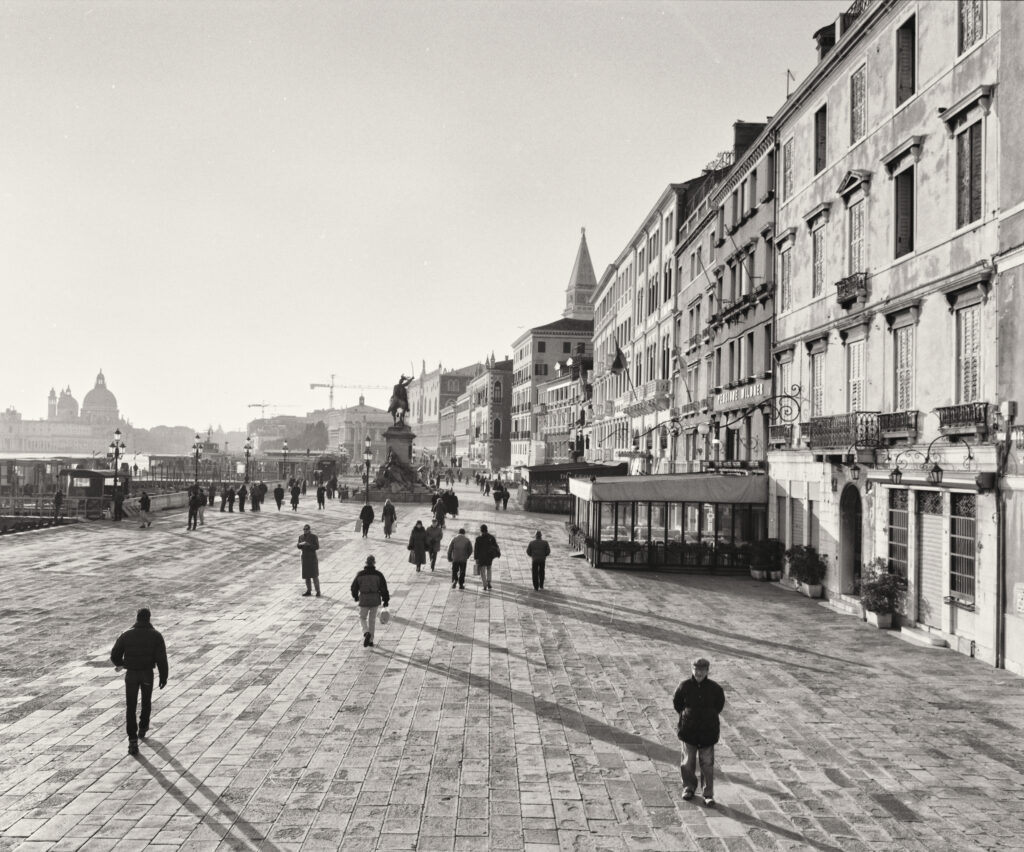
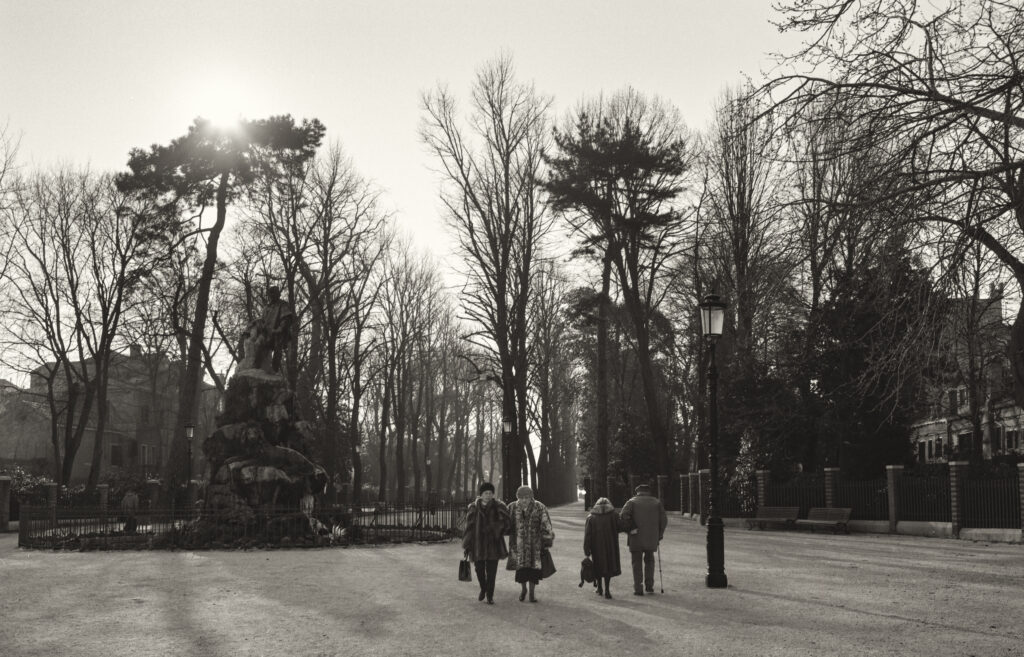
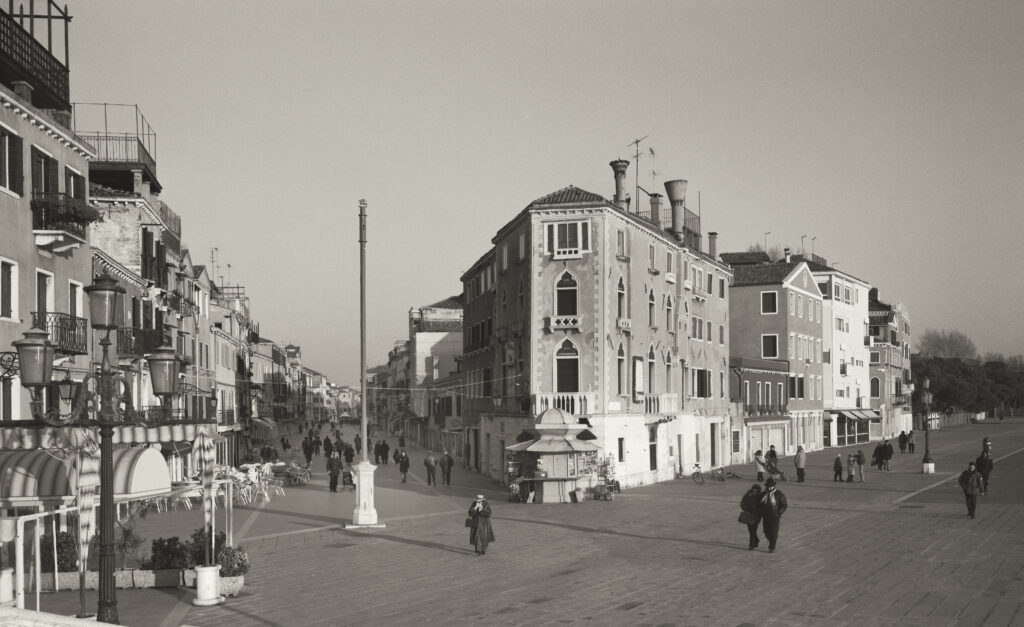
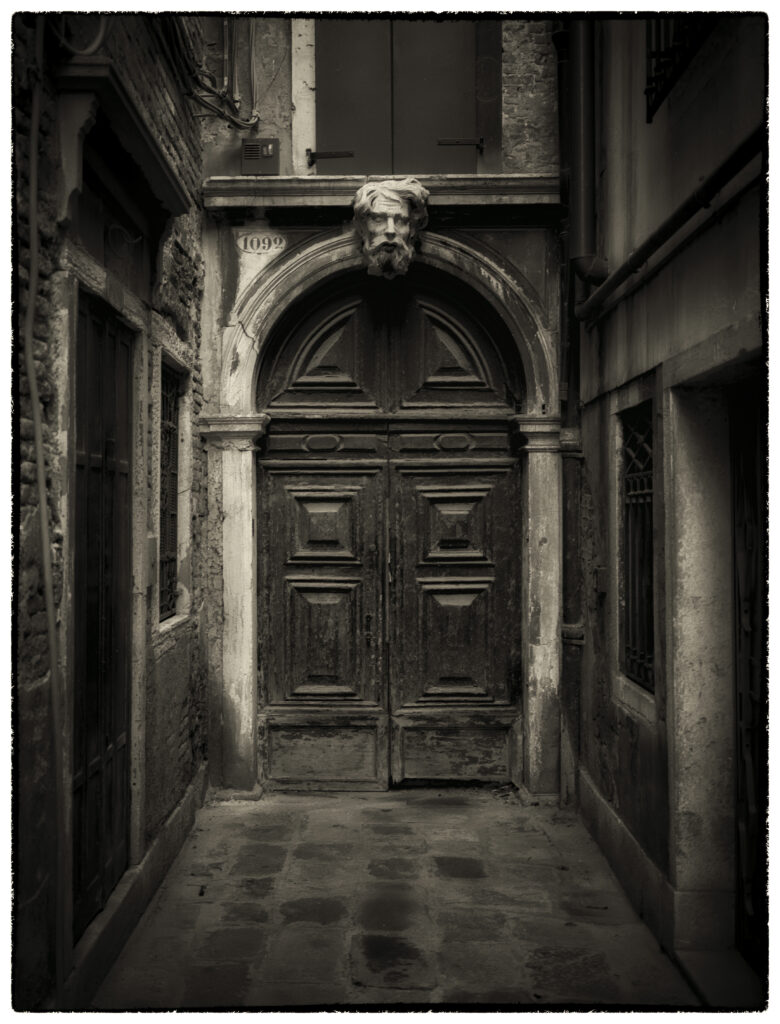
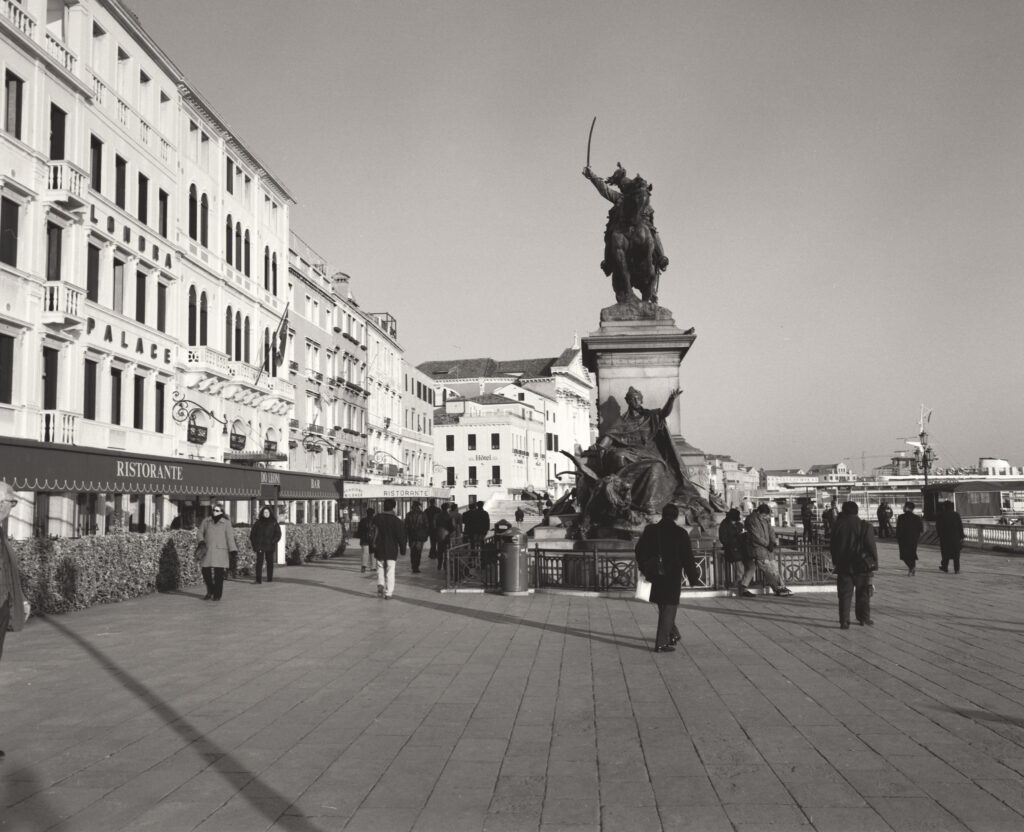
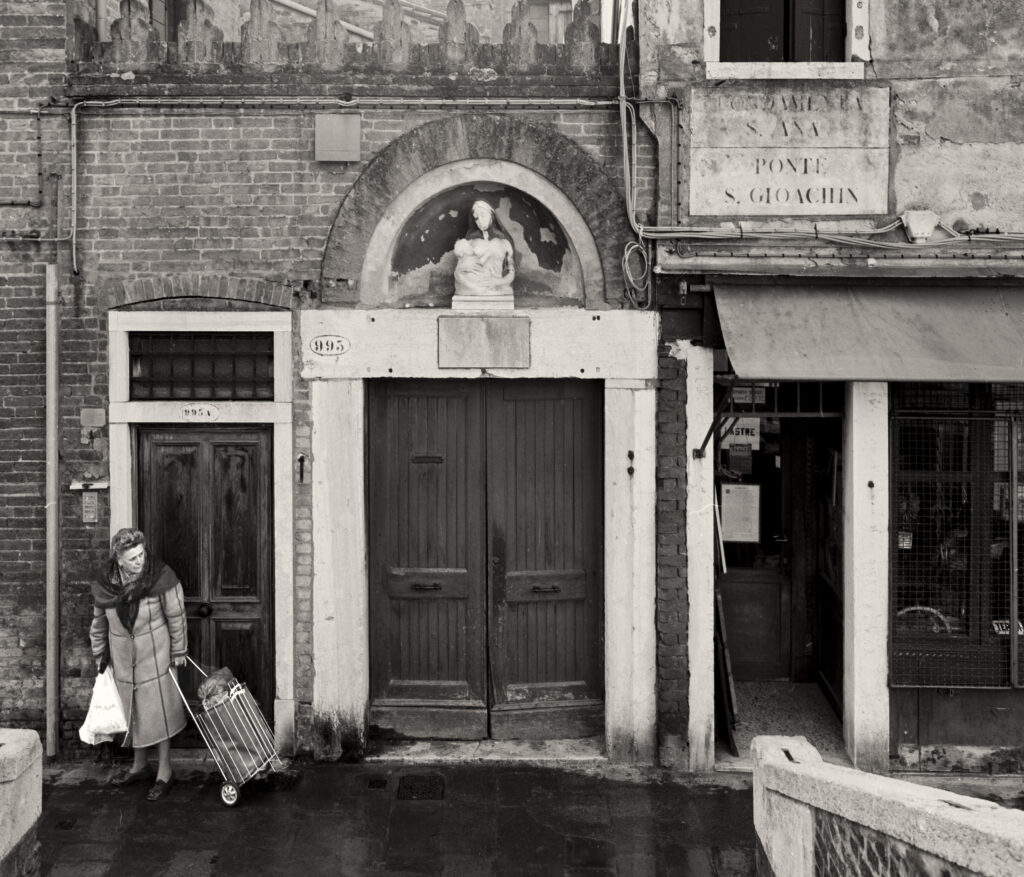
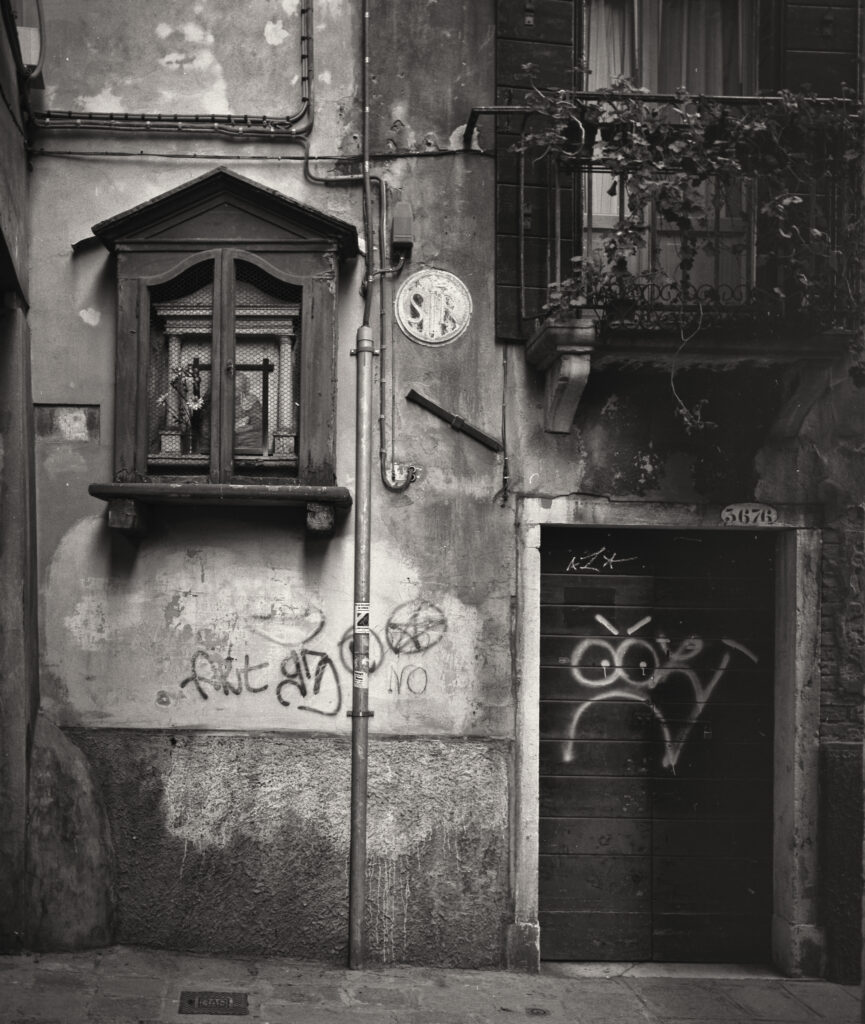
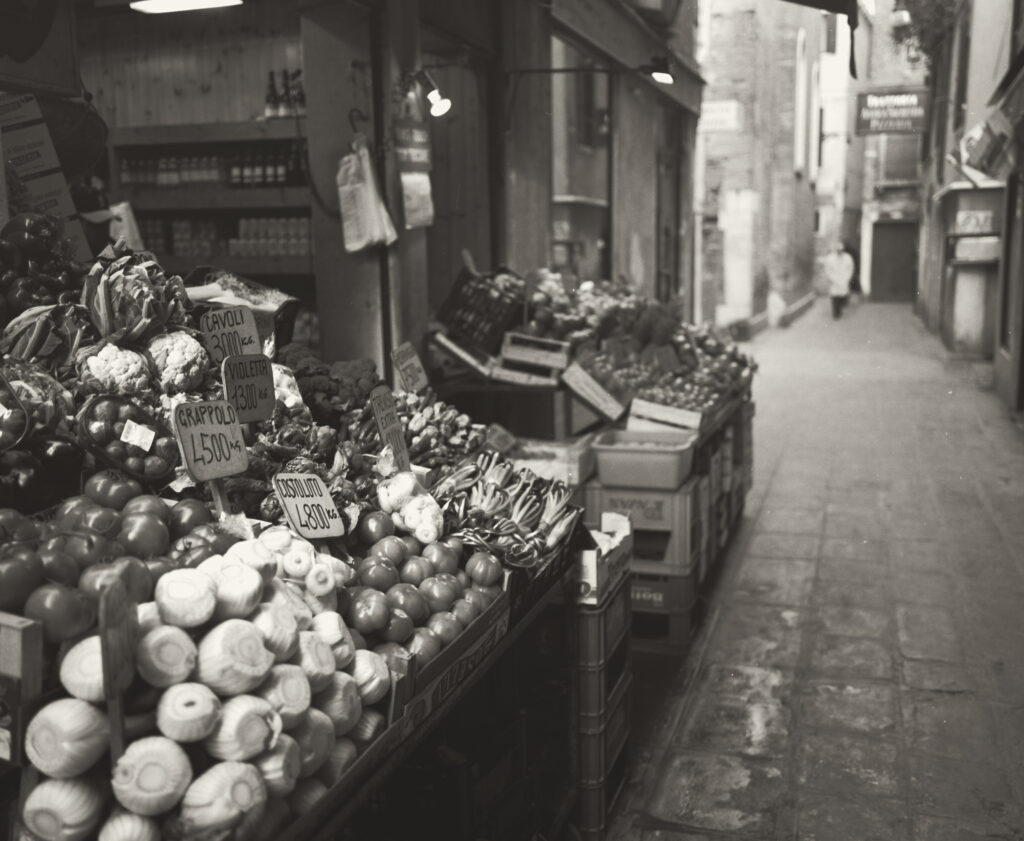
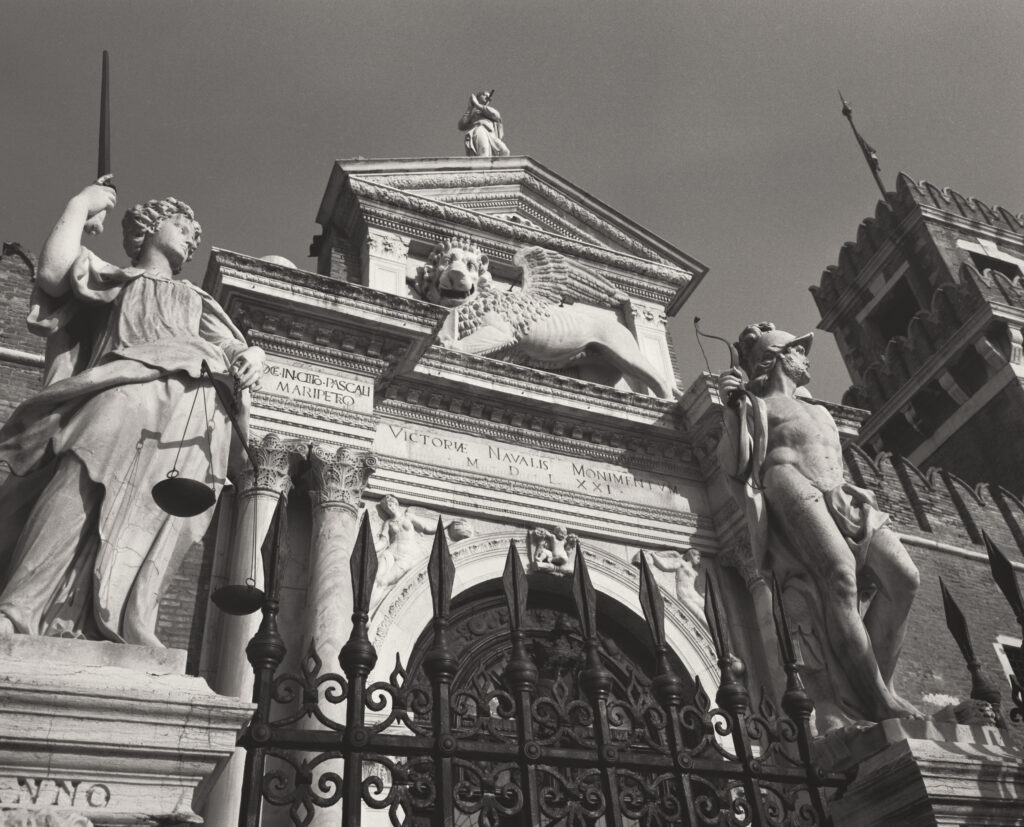
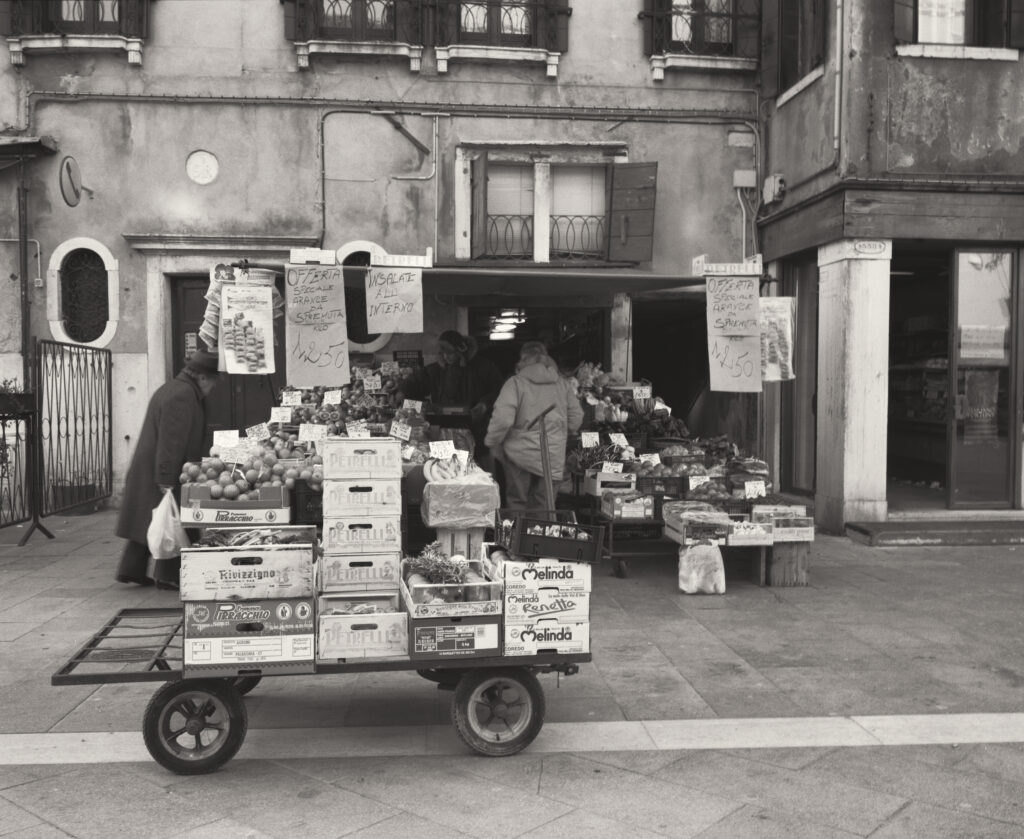
- The Venice "Photogasm": Arriving in the late afternoon with only three hours of daylight remaining, Meripol engaged in a rapid, unstructured photography session through the city’s streets.
- Arrival in Trieste: The following morning, the team reached Trieste to begin the search for Mark’s ancestral home.
- The Municipal Search: With the assistance of a local official speaking a Slovenian dialect, the team successfully located the residence where Mark’s family lived during the UN administration.
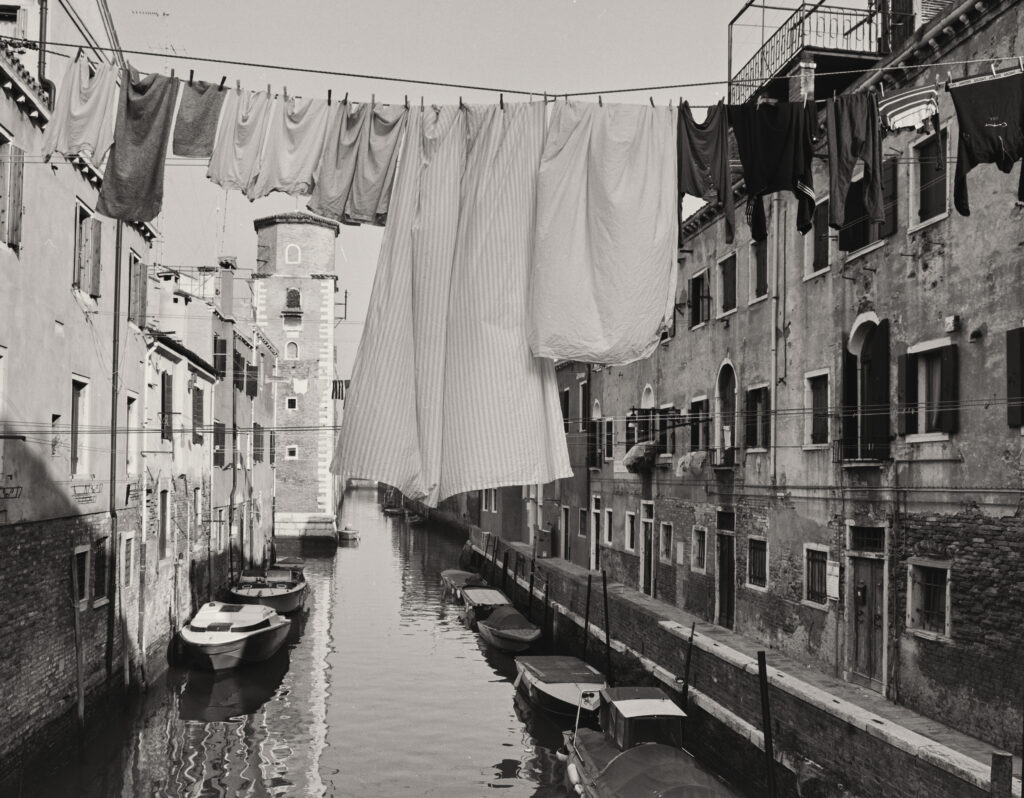
The stop in Venice remains a focal point of Meripol’s retrospective. Operating without a tripod and limited by the ISO 125 speed of Kodak Plus X film, the photographer navigated the city in what he described as a "visual fantasy." The resulting images captured the stark, "cold hard light" of a 30-degree winter day. Notably, the collection includes documentation of the Venetian Ghetto, the area where the Venetian Republic forced Jewish residents to live beginning in 1516. The term "ghetto" itself is derived from the Venetian word ghèto, referring to the copper foundry that previously occupied the site.
Technical Analysis Mamiya 7 II and Kodak Plus X
The aesthetic quality of the images is inextricably linked to the equipment and materials used. The Mamiya 7 II, released in 1999, is often cited by enthusiasts as one of the finest travel cameras ever manufactured. Unlike traditional medium-format SLRs, which are bulky and suffer from significant mirror slap, the Mamiya 7 II uses a rangefinder design and a leaf shutter. This allows for exceptionally sharp handheld exposures at lower shutter speeds, a critical advantage during Meripol’s dusk-hour trek through Venice.
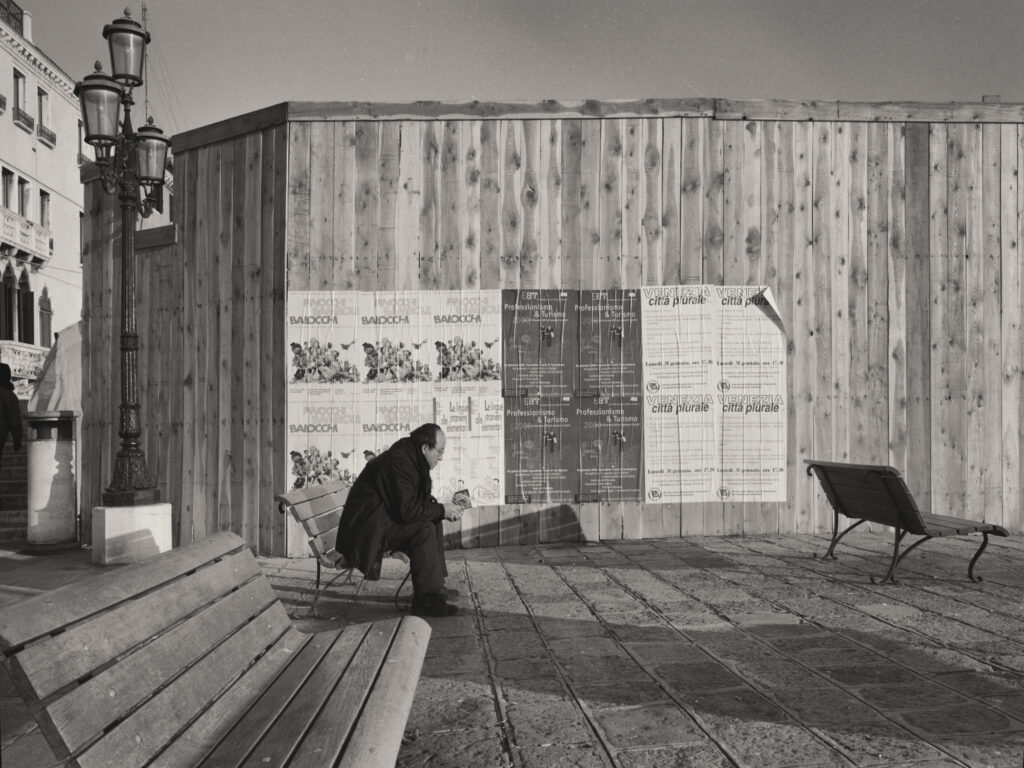
The 6×7 negative provides approximately 4.5 times the surface area of a standard 35mm frame, offering a level of detail and tonal gradation that Meripol compares to "stained glass windows" when used with transparency film. In this instance, the choice of Kodak Plus X—a film known for its fine grain and classic contrast profile—allowed for the rendering of "ubiquitous drying laundry" and "fresh pasta in a fogged window" with a tangible, tactile quality.
Despite the technical success of the shoot, the transition to digital photography in the mid-2000s led many professionals, including Meripol, to divest from their analog systems. The Mamiya 7 II, once sold for "pennies" on the used market, has since seen a dramatic resurgence in value. Current market data indicates that a Mamiya 7 II body with a standard 80mm lens can command prices exceeding $4,000 USD, driven by a global revival in film photography and the limited supply of high-end mechanical cameras.
Cultural Exchange and the Trieste Homecoming
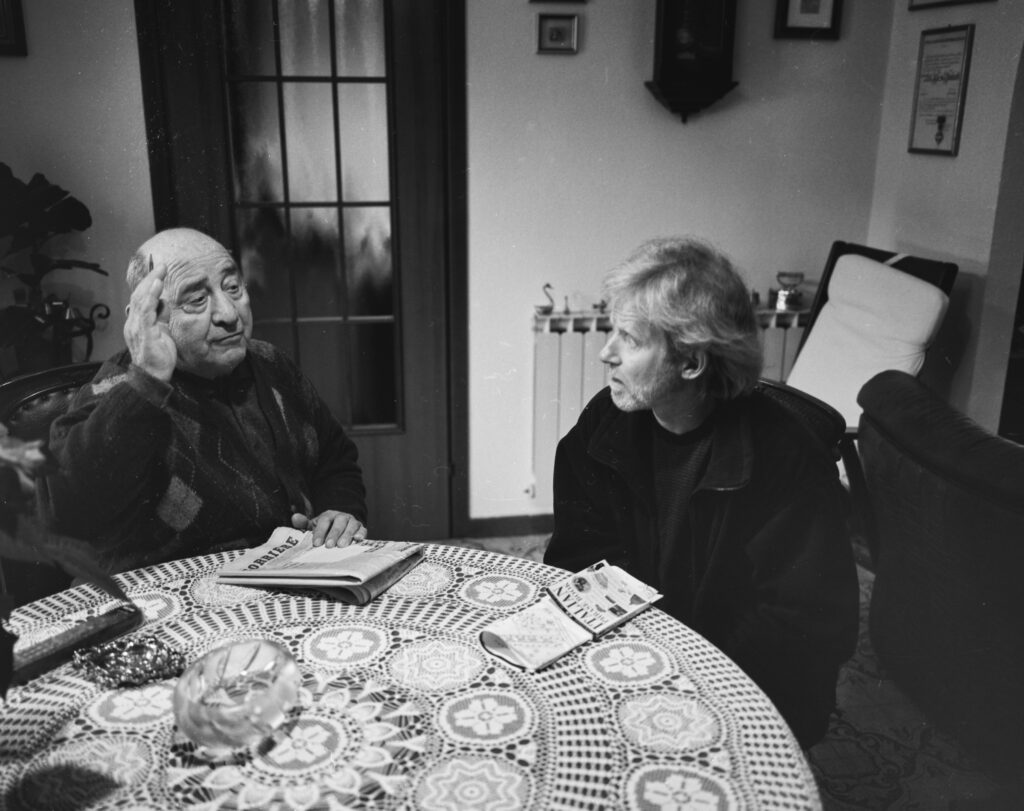
The climax of the Trieste visit occurred at a private residence now occupied by an elderly Italian couple. The encounter highlights the power of shared history to bridge linguistic barriers. While the municipal official spoke a Slovenian dialect and the homeowners spoke Italian, the group communicated through a mixture of broken phrases and shared intent.
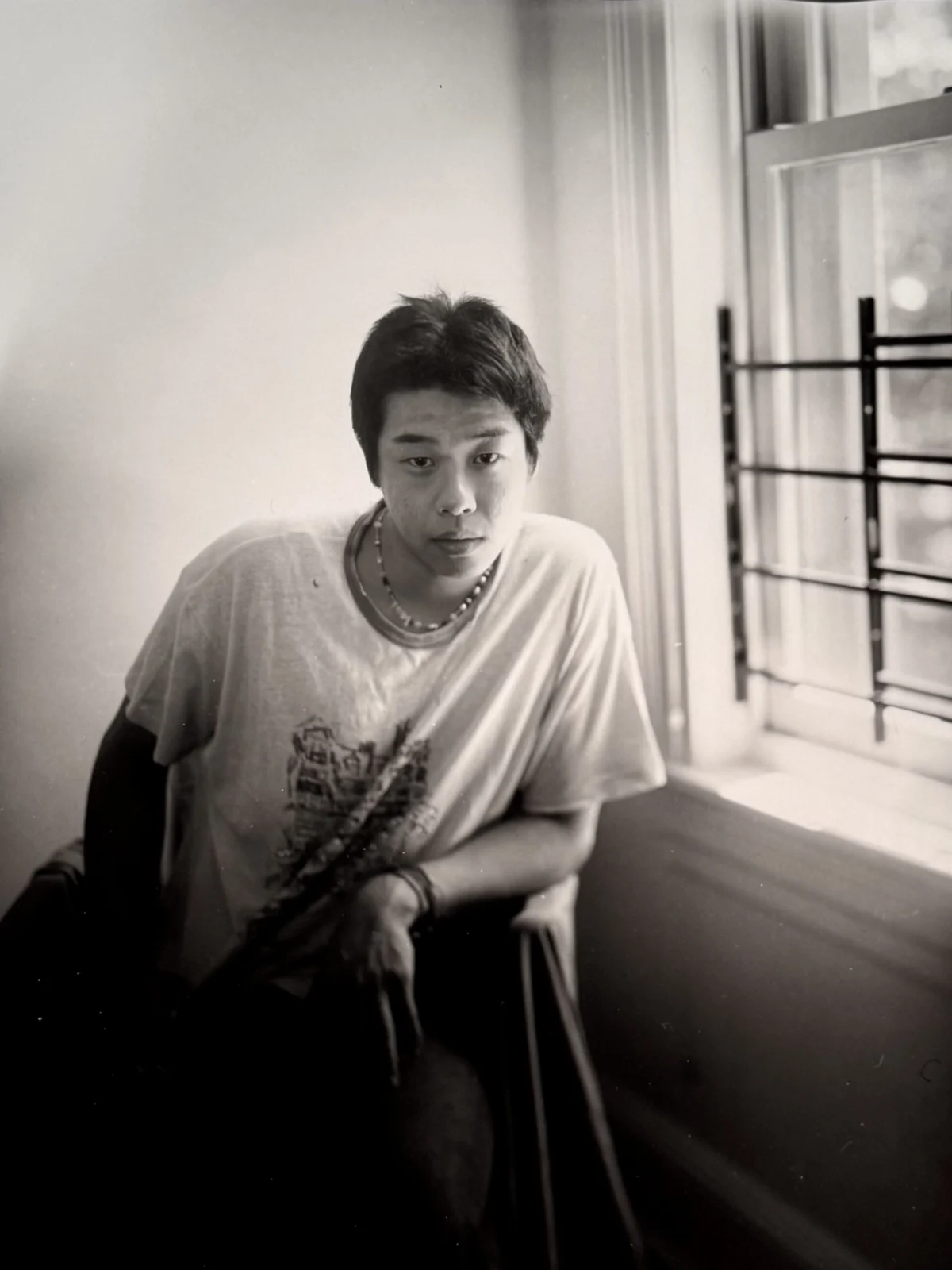
The hospitality shown by the Italian couple—inviting the Americans into their kitchen and opening a long-saved bottle of Johnny Walker Black—underscores a cultural tradition where rare commodities are reserved for "special moments." The presence of a UN commander’s son decades after the dissolution of the Free Territory of Trieste constituted such a moment. Meripol’s photograph of Mark with the homeowner serves as a bridge between the military history of the post-war era and the civilian reality of the present day.
Broader Impact and the Legacy of the Physical Print
The preservation of these images highlights a critical discussion within the photographic community: the archival superiority of physical negatives. While the magazine industry has largely shifted to digital workflows, the negatives from this early 2000s trip remain viable for high-resolution scanning and darkroom printing.
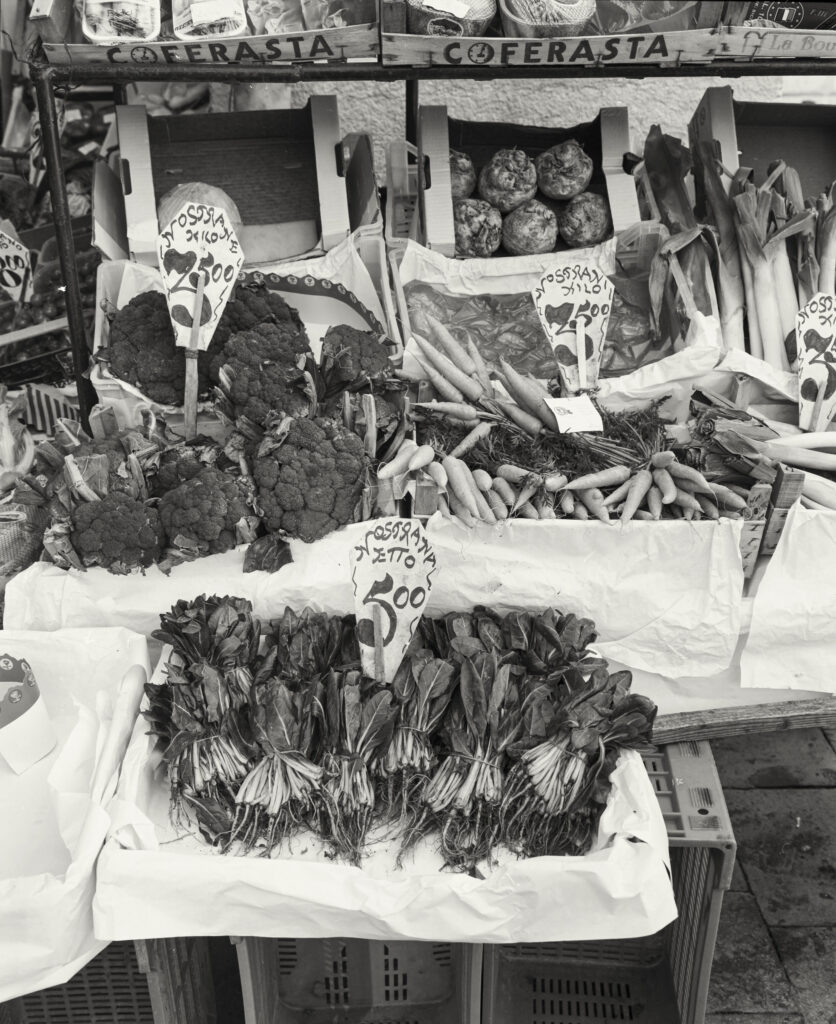
Meripol notes that a colleague, a master printer, produced a series of toned darkroom prints from the Venice and Trieste negatives. These physical artifacts now reside in the photographer’s home, representing a level of "rich beauty and depth" that modern digital toning often struggles to replicate. The process of scanning these negatives with a modern Canon digital camera for digital archival purposes further illustrates the hybrid nature of contemporary photography, where old media is revitalized through new technology.
The retrospective of Art Meripol’s Italian journey serves as a reminder that the value of a photograph often increases with the passage of time. What began as a commercial assignment for a regional magazine has become a significant personal and historical document, capturing the intersection of a forgotten UN territory, the architectural endurance of Venice, and the pinnacle of 20th-century camera engineering. As analog equipment becomes increasingly scarce and expensive, these archives stand as a testament to a specific era of photojournalism defined by patience, mechanical precision, and the unpredictable nature of the "decisive moment."