The intersection of global health crises, digital exhaustion, and a shifting philosophical approach to human interaction has catalyzed a significant movement within the world of contemporary photography. Central to this evolution is a growing rejection of the "snapshot" culture—characterized by rapid-fire digital acquisition—in favor of a slower, more deliberate practice known as relational photography. This shift is best exemplified by the multi-year project "Don’t Talk To Strangers," a photographic and sociological endeavor that utilizes mid-century analogue technology to bridge the gap between the observer and the observed in a world still reeling from the social distancing mandates of Covid-19.
The Technological Pivot: From Megapixels to Mechanical Precision
For decades, the trajectory of professional photography was defined by what industry analysts call the "digital ladder." This involved a continuous cycle of upgrading hardware to achieve higher megapixel counts, faster autofocus, and superior low-light performance. However, recent market data suggests a counter-trend. According to reports from major film manufacturers and specialized retailers like Kamerastore, there has been a documented 25% year-on-year increase in the demand for vintage medium-format cameras among professionals.
This resurgence is not merely nostalgic; it is a reaction to "digital fatigue"—a state of sensory overload caused by the ephemeral nature of digital files. Many photographers have expressed concern that images stored on volatile digital media are prone to "digital rot," disappearing alongside the obsolete hardware they were created on. In contrast, the mechanical reliability of cameras like the Rolleiflex f3.5 Tessar and the Mamiya C330s offers a tangible, archival alternative. The "Don’t Talk To Strangers" project began with the acquisition of these specific tools, marking a departure from the high-speed Sony Alpha systems that dominate the modern market. The transition required a "relearning" of the craft, forcing a return to manual metering with tools like the Sekonic L398 and a renewed focus on the physical chemistry of film, such as Ilford black and white and C41 color stocks.
The Covid-19 Catalyst and the Crisis of Human Contact
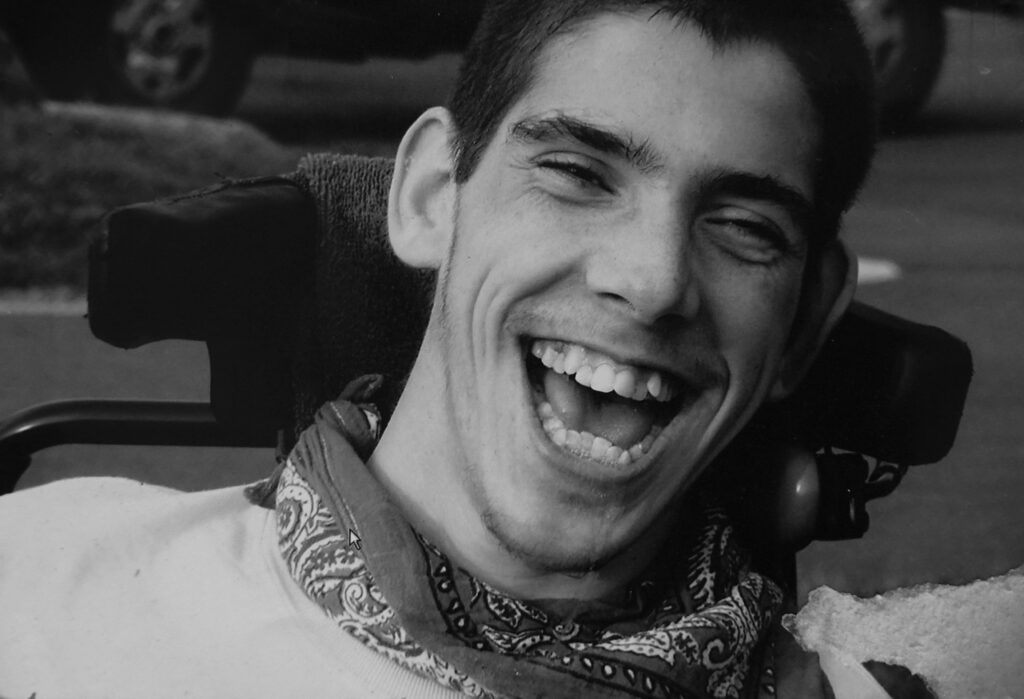
The global pandemic served as the primary existential catalyst for this shift in practice. The implementation of "Keep Your Distance" protocols and the ubiquitous presence of social masks fundamentally altered the landscape of public interaction. For street photographers, the pandemic exacerbated the "objectification" of the subject. Traditional street photography often relies on the "stolen moment"—capturing individuals without their knowledge or consent. In a post-pandemic world, this approach has been increasingly criticized as a form of "innocuous violence," where the subject is commodified for social media engagement without ever being acknowledged as a human being.
The "Don’t Talk To Strangers" project was born out of a desire to do the exact opposite of what society had mandated during the lockdowns. Instead of crossing the street to avoid others, the practitioner began to use the camera as a tool for re-engagement. This "relational" approach sought to replace the anonymity of the street with the "epiphany of the face," a concept derived from the ethical philosophy of Emmanuel Levinas.
Chronology of an Evolving Practice
The development of this photographic philosophy can be traced through several distinct phases of the practitioner’s life and the broader historical context of the medium:
- The Formative Sketching Era (1970s-1980s): Initial forays into capturing human likeness occurred through sketching on London’s iconic Routemaster buses. These interactions were brief and often private, mirroring the "abstract" view of strangers as shapes rather than individuals.
- The Digital Ascent (2000s-2015): A period defined by technical obsession, where the focus remained on sharpness, bokeh, and the promise of digital improvements.
- The 2008 Indian Ashram Encounter: A pivotal moment occurred in India when a grieving American father asked the photographer to document a cremation. This encounter highlighted the power of photography to serve as a bridge during moments of profound human vulnerability, though the photographer at the time felt limited by technical uncertainty.
- The Pandemic Pivot (2020-2022): The collective shock of Covid-19 led to a period of "existential anxiety" and a questioning of the "social masks" worn by both the teacher and the artist.
- The Analogue Epiphany (2023-Present): The formal launch of "Don’t Talk To Strangers." This phase involved selling modern digital gear to fund the acquisition of Mamiya and Rolleiflex systems, moving toward a practice that prioritizes conversation over the shutter click.
Philosophical Underpinnings: Husserl, Levinas, and Lefebvre
The "Don’t Talk To Strangers" project is unique in its heavy reliance on phenomenological and ethical theory to justify its methodology.
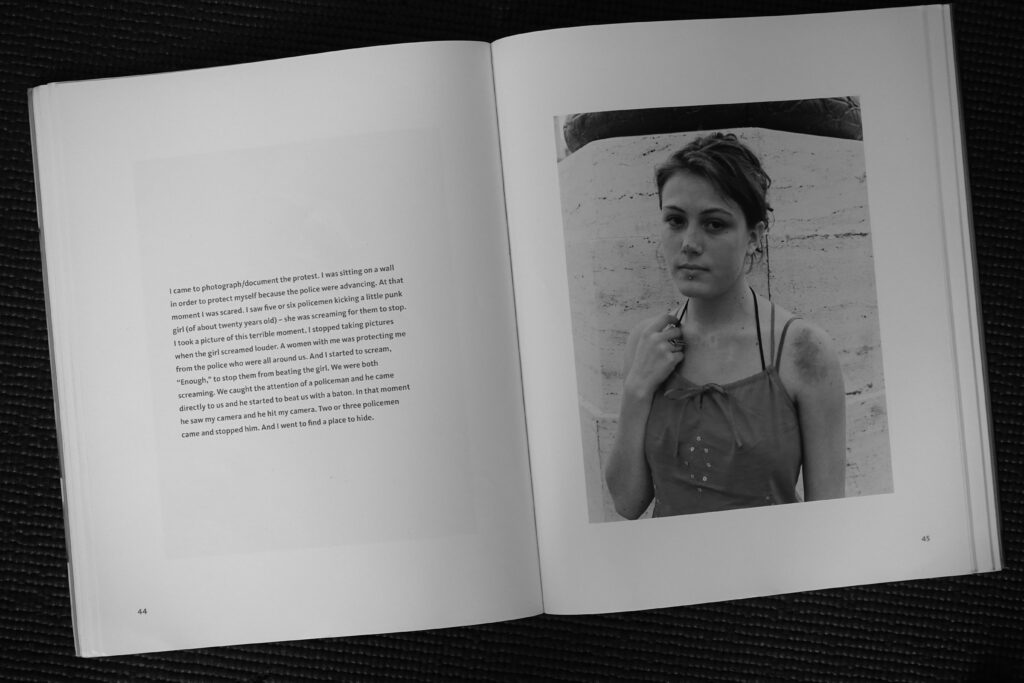
Edmund Husserl and Phenomenology: The project adopts Husserl’s motto, "Back to the things themselves!" By "bracketing" or suspending prior judgments about strangers, the photographer attempts to see the world as the subject sees it. This requires a rejection of the "predatory" nature of traditional street photography.
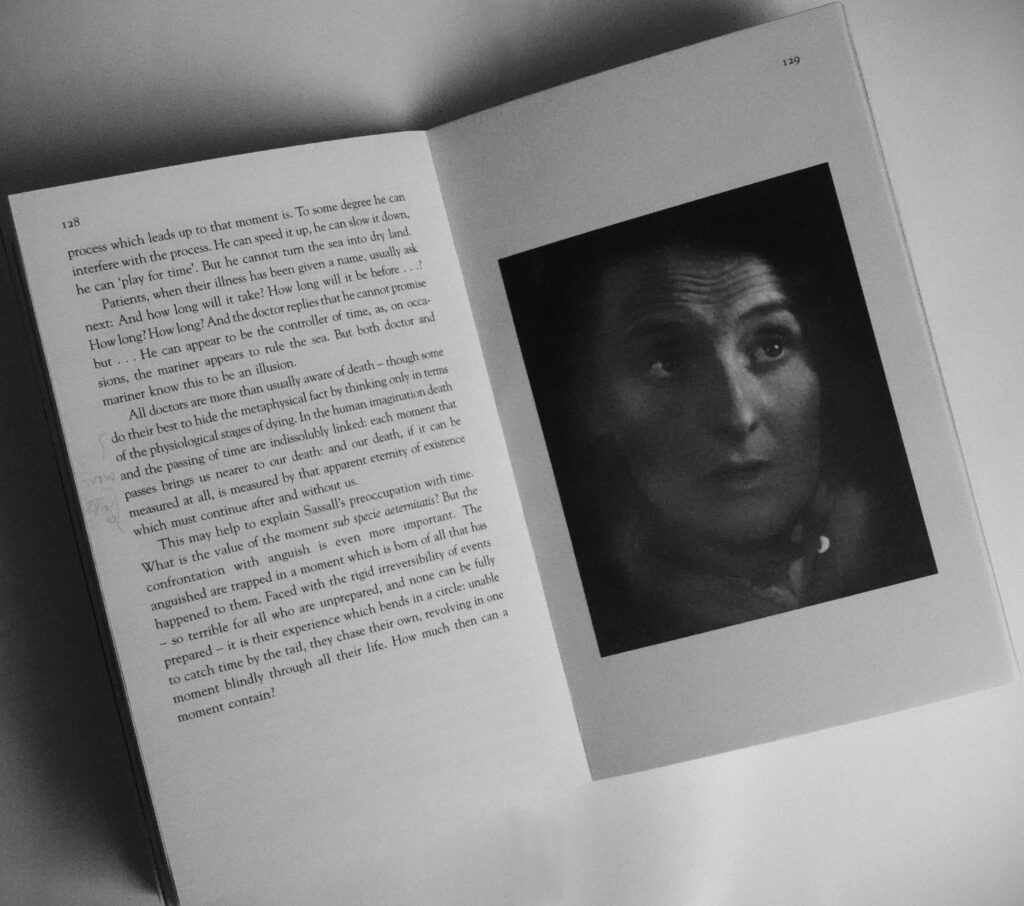
Emmanuel Levinas and the Ethics of the Other: Levinas argued that the "Face of the Other" carries an ethical demand. In this project, the portrait is not an end in itself but a record of a "shared existence." The practitioner acknowledges the "paradox of failure"—the idea that a photograph can never truly capture the full alterity of a human being—yet insists on the attempt as a means of breaking the "solipsism of selfhood."
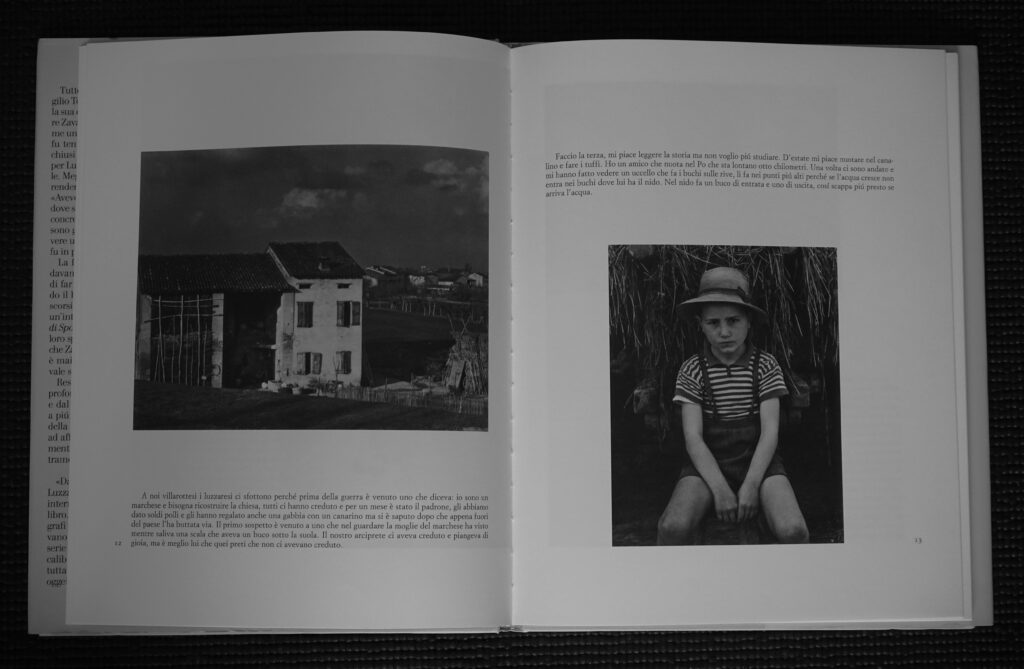
Henri Lefebvre and the Production of Space: The project views the "encounter" as a physical space produced by two people. According to Lefebvre’s theories in The Production of Space, social space is a social product. By stopping to talk, the photographer and the stranger co-create an ephemeral, concrete space that exists outside the geometric abstraction of the city street.
Case Studies in Relational Portraiture
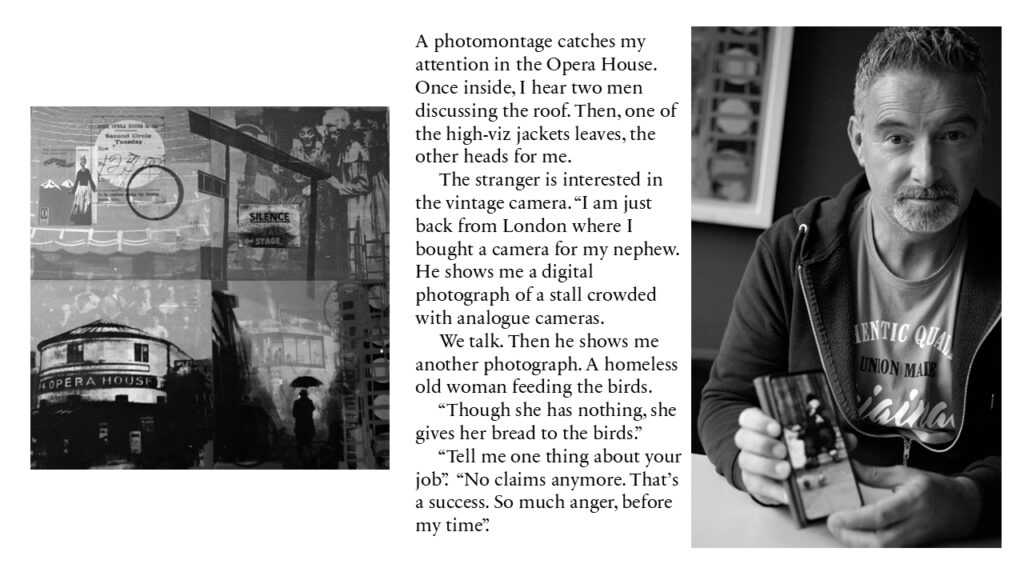
The efficacy of this approach is evidenced by the over 70 analogue portraits collected over the past two years. Two specific encounters illustrate the project’s departure from standard street photography:
- The Killarney Encounter (Padraig): While searching for ancient yew trees in Killarney National Park, the photographer encountered Padraig, an 80-year-old farmer and poet. Instead of a quick candid shot, the interaction resulted in a portrait that framed Padraig himself as the "ancient yew"—a living testament to the changing seasons and local history.
- The Cork City Encounter (Tahlya): A chance meeting on North Main Street led to a deep conversation with Tahlya, a sociology student and youth worker. The resulting photo-story combined images of Tahlya with her personal narrative of "disadaptive daydreaming" and her struggles for self-extrication from a difficult childhood. This interaction moved beyond the visual, involving an exchange of academic recommendations regarding Alfred Schutz’s The Phenomenology of the Social World.
Technical Methodology and Curatorial Challenges
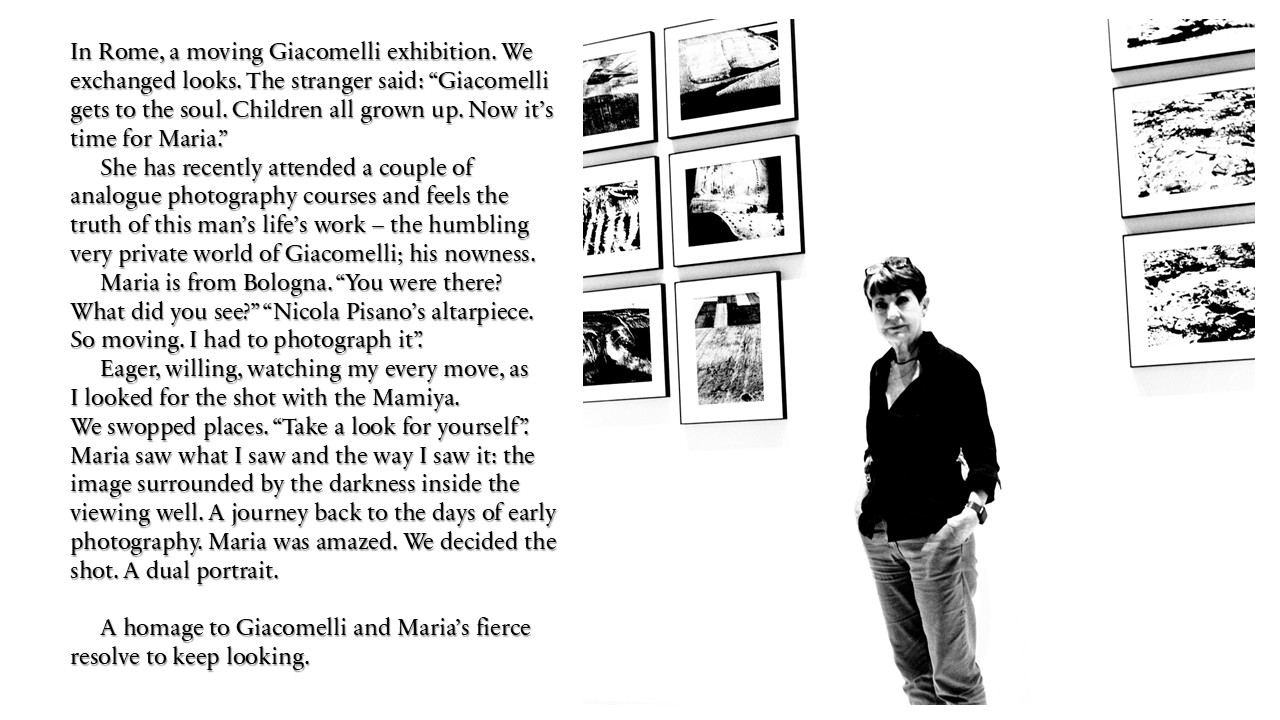
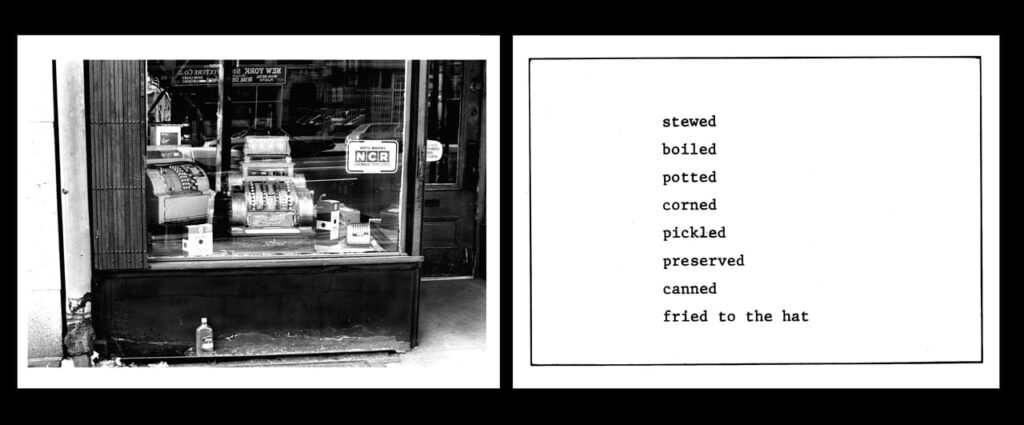
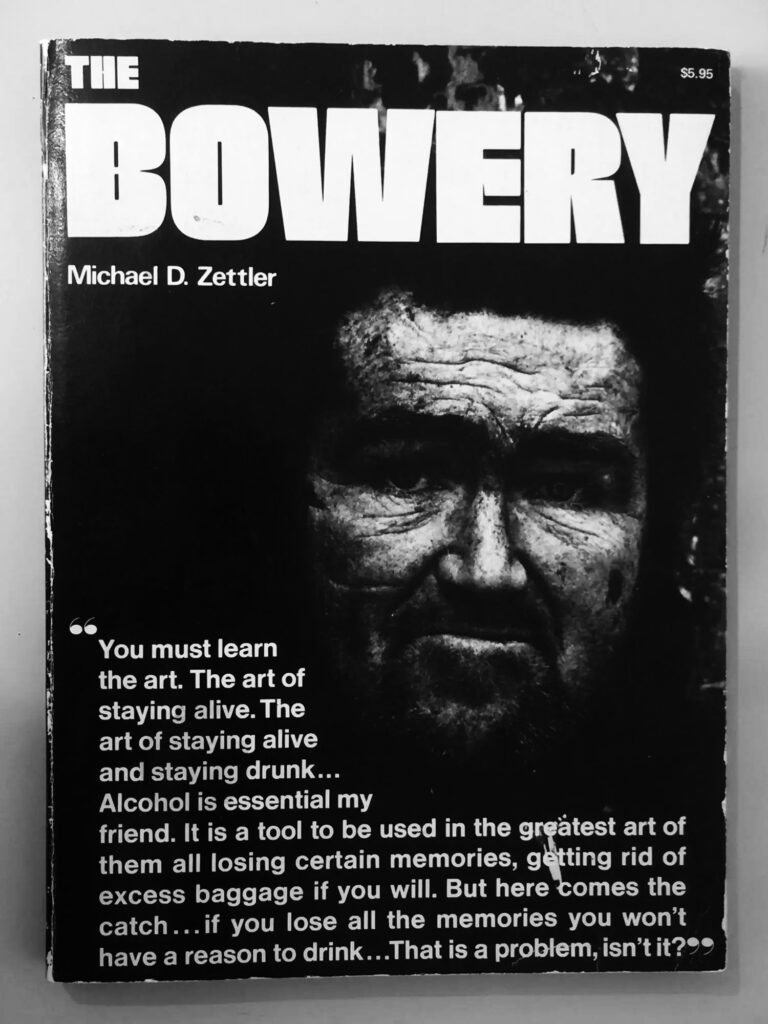
The project utilizes a specific workflow designed to maintain the integrity of the relational encounter. Using the Mamiya C220f or C330s, the photographer invites the stranger to look through the waist-level viewfinder, effectively demystifying the photographic process and turning it into a collaborative act. The use of an Epson 800 scanner allows for high-resolution digital preservation of the negatives, which are then paired with extended captions—a technique inspired by Martha Rosler’s The Bowery in two inadequate descriptive systems (1979).
However, this approach faces resistance within the traditional art world. Curators for the upcoming "Urban Lives Exhibition" (scheduled for January 2027 at The Handbag Factory, London) initially requested "lone" iconic photographs rather than the integrated photo-stories. This tension highlights a broader conflict in cultural politics: the preference for "aesthetic" shots that can be commodified versus "relational" images that require the viewer to engage with the subject’s story.
Broader Impact and Future Implications
The "Don’t Talk To Strangers" project serves as a critical case study for the future of documentary and street photography. In an era where Artificial Intelligence can generate hyper-realistic "human" faces, the value of the photograph increasingly lies in the authenticity of the encounter rather than the image itself.
Industry analysts suggest that the "phenomenological attitude" in photography may become a necessary ethical standard as privacy concerns and digital skepticism grow. By prioritizing "incarnated being" over "anonymous being," projects like this challenge the entertainment-driven norms of social media. The future of the medium may well depend on this return to "the things themselves," where the camera serves not as a barrier, but as a catalyst for human connection in an increasingly fragmented society.
As the project moves toward its 2027 exhibition, it remains a defiant rejection of the "Don’t Talk To Strangers" mantra, suggesting instead that our collective integrity depends on our willingness to be seen, to listen, and to connect with the "Other" in the shared spaces of our cities.