The curtain has fallen on the 2026 FIFA World Cup, an event that not only delivered a cascade of thrilling matches and indelible sporting moments but also fundamentally redefined the global football viewing experience through an extraordinary deployment of cutting-edge technology. From the initial whistle to the final triumphant roar, every pass, tackle, and goal was captured and analyzed with a precision and immersive quality previously unimaginable, setting a new benchmark for major international sporting broadcasts. This technological leap, meticulously planned and executed by FIFA and its partners, transformed the tournament into a truly interactive and data-rich spectacle, offering fans unparalleled access and insight into the beautiful game.
A New Era of Broadcast Innovation
The 2026 World Cup, hosted across multiple nations for the first time in its expanded 48-team format, presented unique logistical and technological challenges. However, these were met with an ambitious vision to leverage advancements in camera systems, artificial intelligence, and data analytics to elevate the fan experience. Host Broadcast Services (HBS), the long-standing partner responsible for producing the international television and radio coverage, spearheaded this initiative, integrating a suite of sophisticated tools that blurred the lines between live sport, cinematic production, and tactical analysis. The overarching goal was to provide minute-by-minute updates, dynamic perspectives, and detailed insights that would resonate with both seasoned football enthusiasts and new audiences.
Dynamic Aerial Perspectives: The Evolution of Spidercam
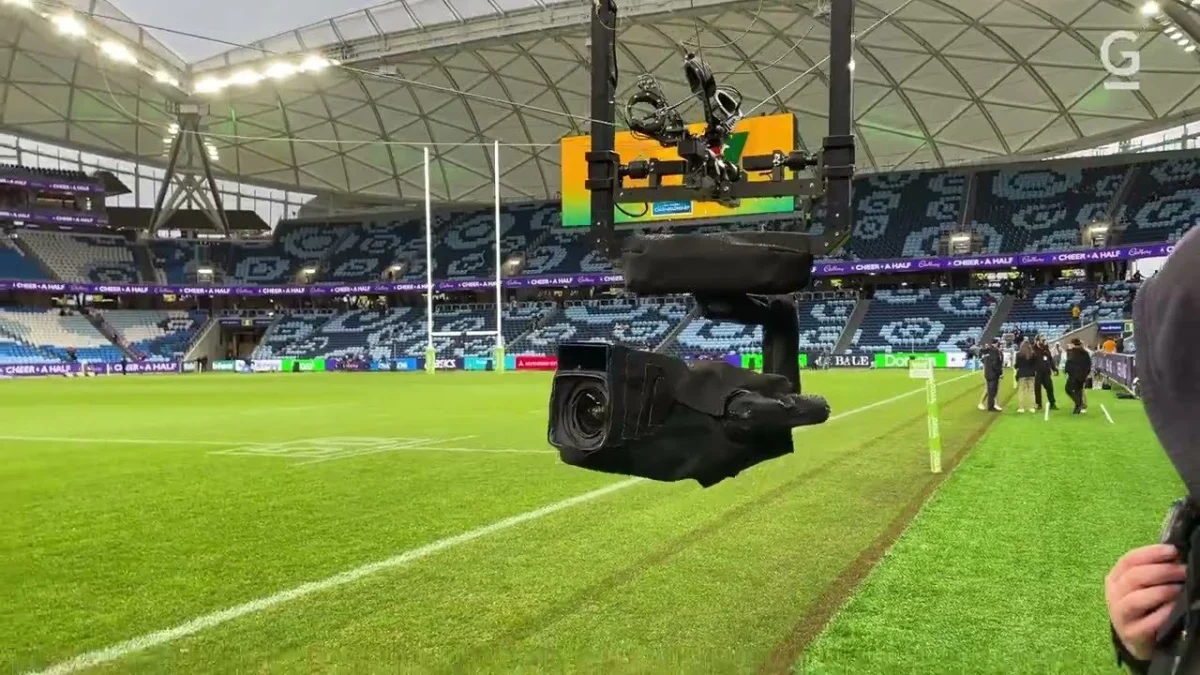
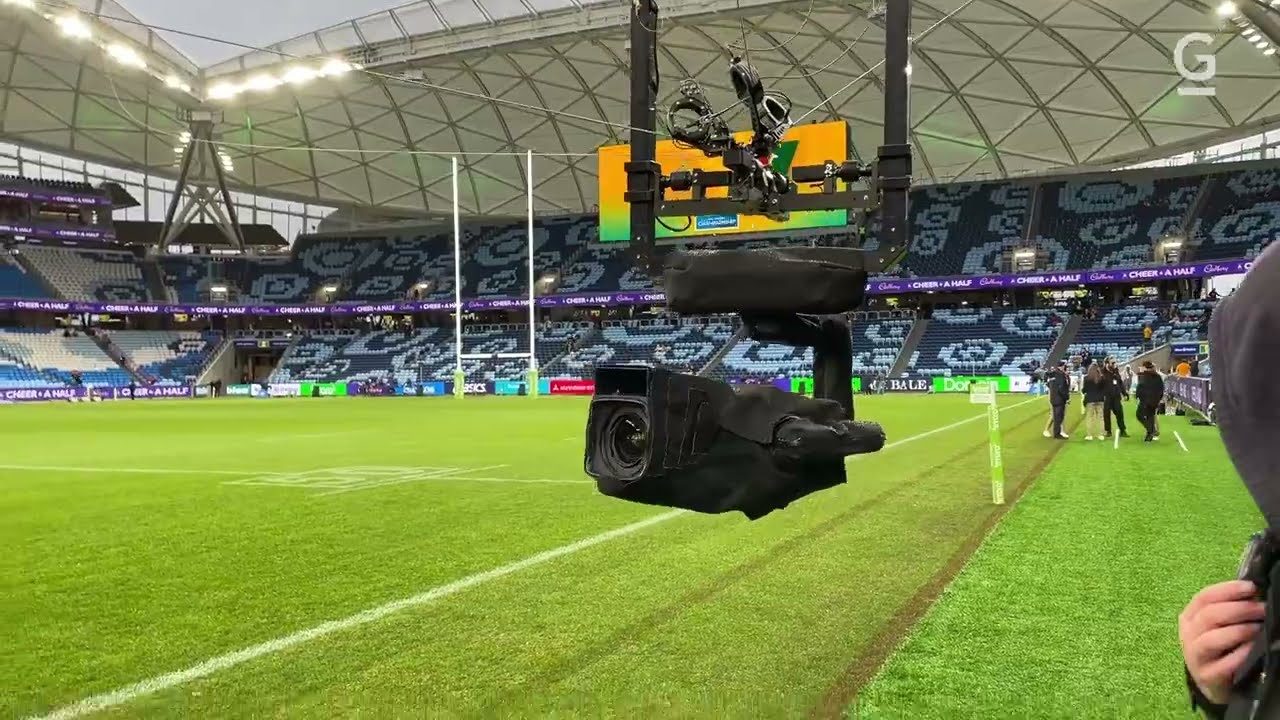
Among the most visually striking technological advancements was the significantly enhanced deployment of the Spidercam system. While cable-suspended cameras have been a fixture in major sporting events for years, their integration at the 2026 World Cup marked a paradigm shift. No longer confined to pre-match warm-ups, halftime shows, or post-goal celebrations, these high-tech, stabilized camera rigs, suspended by motorized Kevlar cables, were actively integrated into live play.
This enhanced operational capability was a direct result of rigorous testing, including successful trials at the 2025 Club World Cup Final, where HBS began deploying multiple cablecam systems per venue. At select marquee stadiums, alongside the traditional 4-point Spidercam offering full three-dimensional movement, a secondary, high-speed point-to-point cable camera was introduced. This parallel system, often running along the touchline, enabled simultaneous, multi-angle aerial tracking of fast-break counters and intricate midfield plays, providing a tactical overview previously reserved for video game simulations.
Advanced software zoning was critical to this in-play integration. This sophisticated programming ensured the camera rig maintained a strict safe altitude, dynamically adjusting its position to remain above the ball’s trajectory and away from players, thereby mitigating safety concerns and potential distractions. During penalty shootouts, a broadcast first for the tournament, these cameras were positioned dynamically behind or slightly above the kicker. This unprecedented intimacy captured the immense psychological tension, the subtle movements of the goalkeeper, and the precise trajectory of the ball, offering viewers a visceral understanding of these high-stakes moments.
Furthermore, these next-generation rigs were outfitted with ultra-lightweight 4K HDR broadcast cameras, paired with real-time augmented reality (AR) graphics tracking. This allowed for the seamless, low-latency overlay of live statistics, player speeds, tactical grids, and heat maps directly onto the aerial feed. The result was a viewing experience that transcended traditional sports broadcasting, blending the strategic clarity of a video game with the high-stakes drama and visual grandeur of a cinematic blockbuster. Pundits and commentators frequently utilized these AR overlays to dissect plays in real-time, offering unprecedented clarity on tactical formations and player movements.
Referee’s Eye View: The Revolutionary RefCam

Perhaps the most talked-about innovation of the 2026 World Cup was the official global deployment of the RefCam. This small, high-definition camera, mounted discreetly onto each referee’s headset, provided a literal first-person perspective of the match. Developed through a joint initiative by FIFA’s football technology team and their refereeing department, with advanced AI stabilization technology provided by Lenovo, the RefCam delivered footage unlike anything fans had ever witnessed.
The technology’s journey to the World Cup began with extensive testing. It was successfully trialed at the 2025 Club World Cup and gained prominence in European leagues, notably the Premier League, where Australian referee Jarred Gillett became the first to wear one in a competitive match in 2024. Its global rollout across all 104 matches of the 2026 tournament marked a significant milestone.
RefCam plunged viewers directly into the heart of the action, showcasing the blistering speed at which players close space, the chaotic intensity of a crowded penalty box scramble, and the intense, split-second nature of officiating decisions. This intimate viewpoint offered unprecedented insight into the challenges faced by referees, fostering a deeper understanding of their roles and the immense pressure under which they operate. For the first time, fans could truly empathize with the official’s perspective, observing incidents as they unfolded from the most crucial vantage point on the pitch. This transparency was lauded by many as a step towards demystifying refereeing decisions and enhancing accountability.
The Cinematic Touch: Elevating Visual Storytelling
Building on foundations laid at the 2022 World Cup in Qatar, FIFA further integrated high-end cinema cameras into its live broadcasts for 2026. These are the same sophisticated cameras and lenses used in Hollywood feature films and high-budget music videos, offering a distinct aesthetic that traditional broadcast cameras cannot replicate. The key differentiator is their ability to produce a super-shallow depth of field, rendering stunning, razor-sharp focus on a subject while elegantly blurring the background.
This cinematic quality was extensively used to capture the emotional essence of the tournament. Gorgeous close-ups of players’ faces, revealing their focus, exertion, and elation, became a signature visual element. Dramatic shots of coaches pacing the sidelines, their every stress and strategic thought etched on their faces, provided narrative depth. Equally compelling were the intimate reactions of fans in the stands—joy, despair, anticipation—all captured with an artistic sensibility that transformed raw emotion into powerful visual storytelling.
These cine camera rigs were a permanent fixture at every match of the 2026 World Cup. They meticulously documented pre-game tunnel walks, capturing the quiet intensity and camaraderie of teams before battle. They provided moody, evocative close-ups during national anthems, emphasizing the pride and passion of the players. The deployment of equipment typically reserved for major commercial productions underscored FIFA’s commitment to making the World Cup a total blockbuster experience, not just a sporting event.
Precision Officiating: Semi-Automated Offside Technology and Sensor-Equipped Ball
Beyond the visual spectacle, technological advancements also played a crucial role in ensuring fair play and accurate decision-making. The 2026 World Cup saw the refinement and widespread application of Semi-Automated Offside Technology (SAOT), initially introduced at the 2022 tournament. This system utilizes 12 dedicated tracking cameras, strategically mounted beneath the stadium roof, to track 29 data points on each player’s body, 50 times per second. This data is processed by advanced AI algorithms to precisely determine the moment the ball is played and the exact position of players in relation to the offside line.
Upon detecting a potential offside incident, the SAOT system generates a 3D animation, reconstructing the play in vivid detail for near-immediate playback. This interactive visualization is then relayed to the Video Assistant Referee (VAR) room, allowing for rapid and highly accurate review. Within seconds, a decision can be confirmed, and the 3D animation displayed on stadium screens and broadcast channels, offering fans and commentators an undeniable visual explanation of the call. This significantly reduced the time taken for offside decisions and minimized controversial calls, enhancing the flow of the game and public trust in officiating.
Complementing SAOT was the official match ball, equipped with an internal measurement unit (IMU) sensor. This sensor, placed at the heart of the ball, transmitted real-time spatial position data to the VAR operations room. This data was invaluable for determining the precise moment of contact for offside decisions, but also provided a wealth of statistical information. Broadcasters could display near real-time stats on ball speed, spin rate, trajectory, and even impact points, offering fans deeper insight into the physics of powerful shots, intricate passes, and crucial deflections. This fusion of body-tracking and ball-tracking data represented a holistic approach to real-time analysis, transforming how the game is understood and discussed.
Behind the Scenes: The Production Backbone
Bringing a global spectacle like the World Cup to life requires not just innovative front-end technology but also a robust, high-performance production infrastructure. While the specific details of client rental orders are generally kept confidential, the partnership between FIFA, the US Soccer team, and tech-obsessed companies provided a glimpse into the sophisticated equipment forming the backbone of this year’s broadcast.
A significant portion of the production relied on high-quality digital cinema cameras such as the RED Komodo-X 6K, often paired with versatile lenses like the Canon RF 24-105mm f/2.8L. These combinations were crucial for capturing the cinematic shots discussed earlier, providing flexibility for various focal lengths while maintaining exceptional image quality.
On the data ingestion and recording side, numerous BlackMagic Design HyperDeck Studio 4K Pro systems were deployed. These professional video recorders are essential for ingesting high-resolution footage from multiple sources, ensuring reliable capture of every moment. To connect these systems across vast stadium environments, a significant network of Belden 12G-SDI BNC cables, extending up to 150 feet, was utilized, ensuring high-bandwidth, low-latency video transmission. The logistical scale also necessitated an army of complementary gear, including various camera cages for rigging, robust tripods for stable shots, and countless RED Digital Cinema Micro-V Mount batteries to power equipment throughout long match days and demanding production schedules. This behind-the-scenes infrastructure is a testament to the immense planning and technical expertise required to manage a production of this magnitude.
Implications and Future Outlook
The technological integration at the 2026 World Cup sparked widespread discussion among fans, pundits, and players. Proponents lauded the advancements for enhancing immersion, providing unprecedented data, and offering captivating new perspectives that were previously impossible. The ability to revisit contentious decisions with transparent 3D visualizations, or to experience the referee’s perspective, was seen as a significant step forward in clarity and fairness.
However, a segment of fans and traditionalists expressed concerns that the increasing reliance on technology might detract from the "purity" and natural flow of the sport, potentially over-analyzing moments and disrupting the human element. The debate between technological enhancement and preserving the organic nature of the game is likely to continue as innovation progresses.
Regardless of individual stances, the 2026 World Cup unequivocally demonstrated that technology is not just finding its way into major sporting events but is rapidly becoming an indispensable component. The advancements showcased this year represent a significant leap, offering more insight into the game, enabling previously impossible camera angles, and providing a richer, more engaging experience for billions worldwide. As technology continues to evolve, future tournaments will undoubtedly push these boundaries further, potentially integrating AI-driven commentary, personalized viewing experiences, and even more advanced biometrics to continue redefining the global spectacle of football. The 2026 World Cup will be remembered not just for its thrilling matches, but as a pivotal moment in the technological evolution of sports broadcasting.