Raja Ampat, an archipelago celebrated globally as the premier destination for underwater photography and marine biodiversity, continues to captivate scientists, conservationists, and enthusiasts alike. Situated off the northwest tip of West Papua’s Bird’s Head Peninsula, this remote region presents an extraordinary spectacle of lush, jungle-covered islands emerging from pristine turquoise waters, concealing an underwater realm unparalleled in its richness.
Geographical and Ecological Significance
Often referred to as "The Last Paradise," Raja Ampat comprises over 1,500 islands, cays, and shoals, surrounding the four main islands of Waigeo, Batanta, Salawati, and Misool. Its strategic location within the heart of the Coral Triangle, a marine region recognized as the global center of marine biodiversity, is the primary driver of its astonishing ecological wealth. The Coral Triangle encompasses the waters of Indonesia, Malaysia, Papua New Guinea, the Philippines, Solomon Islands, and Timor-Leste, boasting the highest diversity of corals and reef fish on Earth.

Within Raja Ampat’s boundaries, an astounding 75% of the world’s known coral species thrive, a figure that underscores its critical importance to global marine ecosystems. This vibrant utopia is home to more than 1,000 species of fish, 540 distinct strains of coral, and over 700 types of mollusks. Beyond these staggering numbers, divers frequently encounter iconic marine megafauna, including majestic manta rays, various species of sharks (such as the endemic wobbegong shark), sea turtles, dugongs, and even saltwater crocodiles in certain mangrove-lined areas. This confluence of life solidifies Raja Ampat’s reputation as the ultimate mecca for scuba diving and underwater photography.
The unparalleled biodiversity here is largely attributed to the intricate system of strong, nutrient-rich currents flowing through the Dampier Strait and other passages within the archipelago. These currents act as a superhighway, delivering a constant supply of food and larvae, fostering an environment where marine life can flourish with exceptional vigor. The convergence of Pacific and Indian Ocean water masses also plays a crucial role, creating unique ecological conditions that support such a vast array of species.

Planning an Expedition to Raja Ampat
Accessing this pristine marine wonderland requires dedication, reflecting its remote and unspoiled nature. Travelers typically embark on a multi-leg journey, often involving international flights into major Indonesian hubs like Jakarta or Makassar, followed by domestic flights to Sorong, West Papua. From Sorong, the gateway to Raja Ampat, the journey continues with a ferry ride to Waisai, the capital of Raja Ampat regency. Further travel to specific islands or liveaboard embarkation points often involves speedboats or local transport, adding to the adventurous spirit of the trip. For Australian travelers, the journey might involve several flights, lengthy layovers, and subsequent local transfers, underscoring the remoteness that has largely protected its ecosystems.

For optimal exploration and photographic opportunities, particularly for covering the vast and expansive region, booking a liveaboard dive trip is highly recommended. Liveaboards offer the advantage of visiting numerous dive sites, including the more remote southern islands like Misool, which is celebrated for its exceptionally pristine reefs and unique underwater topography. Misool, in particular, stands out as one of the rare places globally where marine biodiversity is not merely stable but actively improving, a testament to successful conservation initiatives. Alternatively, travelers can opt for day trips from Waisai to nearby dive sites or arrange stays at eco-resorts and homestays on various islands, allowing for a more localized experience and access to stunning house reefs.
Underwater Photography Opportunities and Essential Gear

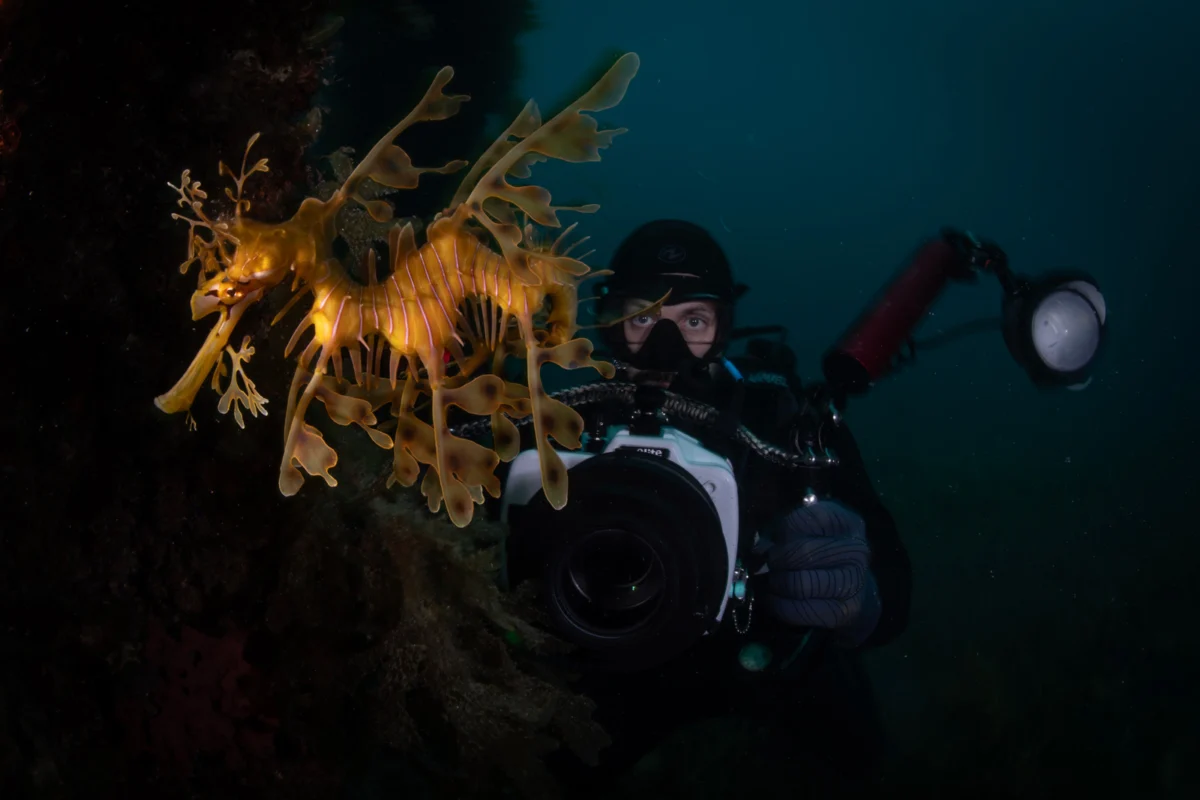
Raja Ampat offers an astonishing breadth of photographic subjects, catering to every underwater photographer’s preference. The majestic reef systems, characterized by their unimaginable size, vibrant colors, and intricate structures, provide a spectacular backdrop for wide-angle photography. Photographers can capture expansive reefscapes teeming with schooling fish, graceful manta rays gliding through cleaning stations, elusive wobbegong sharks resting on the seabed, and serene sea turtles navigating the corals. For these grand compositions, a wide-angle lens such as a 16-35mm is ideal, though opportunities for Close Focus Wide Angle (CFWA) shots also abound, allowing for dramatic close-ups of subjects against a wide, vibrant background.
Beyond the expansive vistas, Raja Ampat is a macro photographer’s dream. The cracks and crevices of its breathtaking reef systems harbor an incredible array of tiny, bizarre, and beautiful creatures. Essential macro lenses like the 60mm are suitable for mid-range subjects, but for the truly minute critters, a 90mm or 120mm macro lens, coupled with an external diopter, is indispensable. The diligent photographer will be rewarded with encounters with pygmy pipehorses perfectly camouflaged in gorgonian fans, iridescent mantis shrimps, cryptic leaf scorpionfish, artfully disguised frogfish, a diverse range of cephalopods including octopuses and cuttlefish, delicate ghost pipefish, and numerous species of blennies and nudibranchs.

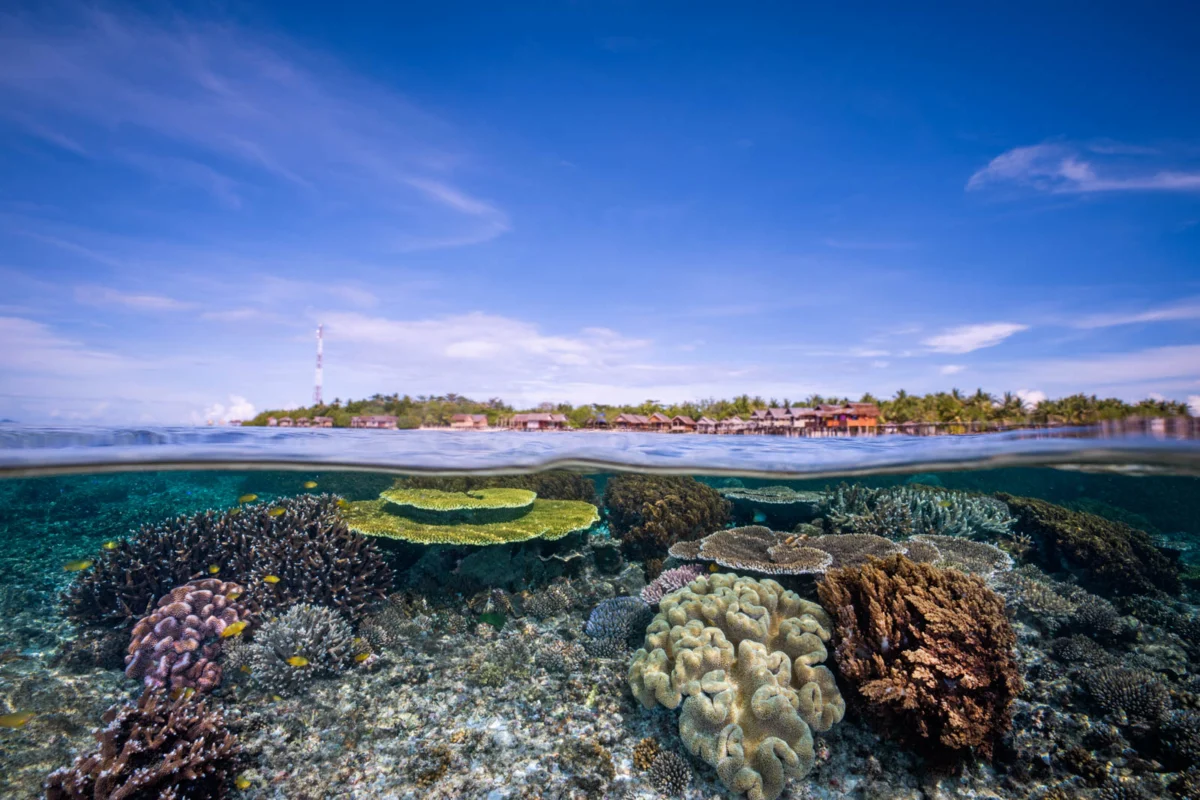
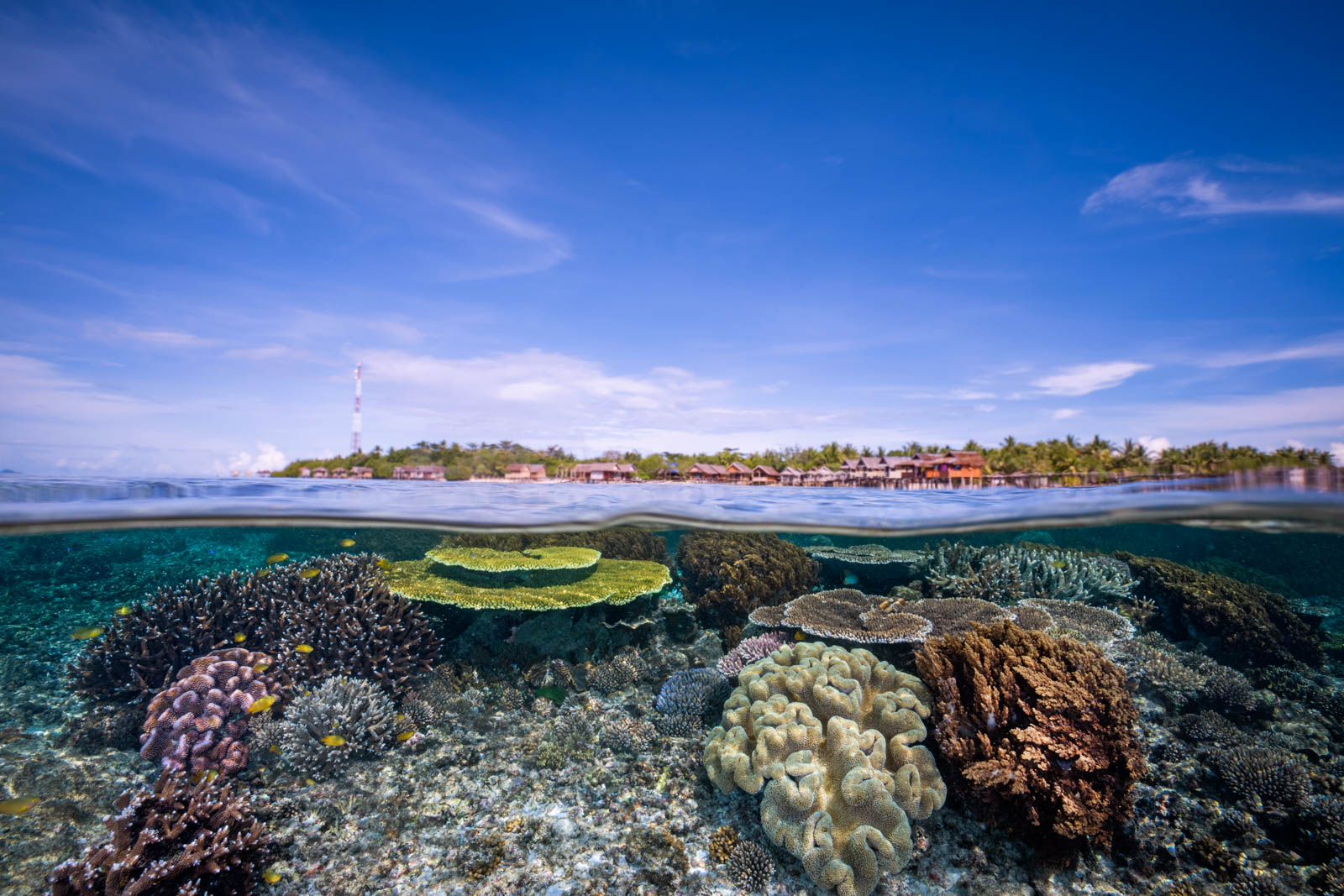
The region also offers superb conditions for over-under or "split shots," capturing both the vibrant underwater world and the stunning topside scenery of jungle-clad limestone karsts and crystal-clear lagoons. Many island house reefs provide easy access to shallow areas perfect for these shots, especially during the golden hours of sunrise and sunset. When choosing a homestay, selecting one with a healthy and accessible house reef is paramount for maximizing these unique photographic opportunities.
Challenges and Considerations for Photographers

While Raja Ampat offers unparalleled photographic potential, it also presents unique challenges. The very nutrient-rich waters that fuel its immense biodiversity can sometimes lead to reduced visibility. This can complicate wide-angle photography, necessitating meticulous strobe positioning to minimize backscatter and enhance clarity and color in images.
Furthermore, the strong currents, particularly prominent in areas like the Dampier Strait, are a double-edged sword. While they are a primary factor in attracting large aggregations of marine life, they can pose significant difficulties for divers, especially those carrying heavy underwater photography equipment. Divers must be prepared for dives where merely holding onto a sturdy rock or reef section becomes the priority, making active photography challenging. Dive guides typically provide warnings about current strength, and it is often advisable to leave the camera behind during exceptionally strong currents to prioritize safety and avoid potential damage to expensive gear. Securing cameras with reliable lanyards and having comprehensive camera insurance are prudent precautions.

Iconic Dive Sites for Photographers
Several dive sites stand out as particularly rewarding for underwater photographers:

- Melissa’s Garden: A true coral enthusiast’s delight, this wide-angle site immerses divers in vast fields of healthy coral plates. Its elegant topography provides a perfect stage for capturing schooling batfish, barracuda, snappers, lionfish, and angelfish against a vibrant coral backdrop.
- Batu Rufus: This hidden gem near the Fam Islands features a crystal-clear emerald lagoon encircled by towering limestone formations. While its outer slopes offer opportunities for manta and shark sightings, the true photographic magic lies within the lagoon’s shallow, astonishingly clear waters. A large swim-through, adorned with giant coral fans and majestic rock structures, leads into a natural pool where photographers can spend hours capturing flourishing reef systems with natural light, making it ideal for freediving photography and stunning split shots with the dramatic karsts.
- Cape Kri: Perhaps the most famous dive site in Raja Ampat, Cape Kri once held the world record for the highest number of fish species spotted on a single dive. Its immense biodiversity offers a dual appeal for both wide-angle and macro photography. Strong intersecting currents bring schooling barracuda, turtles, mantas, and various pelagic species, while the sloping reefs and coral gardens are saturated with exotic macro life, including the highly sought-after pygmy seahorse, often found camouflaged in Muricella gorgonians, alongside octopus, flatworms, nudibranchs, and shrimps.
- Manta Ridge: Located between Mansuar and Airborei Islands, Manta Ridge is a renowned cleaning station and feeding ground for schooling manta rays. While encounters can be unpredictable, when the ocean gods are favorable, divers are surrounded by these gentle giants. Photographers must be mindful of the often-powerful currents and potential down currents at this site, prioritizing safety and respectful interaction with the mantas.
- Citrus Ridge: Near the Gam Islands, Citrus Ridge is celebrated for its exceptionally colorful reef systems, making it an excellent location for wide-angle shots that showcase the kaleidoscope of corals. However, this T-shaped dive site is also a hotspot for macro life, offering endless opportunities for underwater detective work. Wobbegongs, various sharks, turtles, and schooling pelagics coexist with an astonishing array of macro critters, providing a vibrant coral backdrop for detailed close-ups.
Conservation and Future Outlook
Raja Ampat’s status as a global biodiversity hotspot is intrinsically linked to ongoing, robust conservation efforts. Local communities, supported by international non-governmental organizations like Conservation International (CI) and the World Wide Fund for Nature (WWF), have been instrumental in establishing and managing marine protected areas (MPAs) across the archipelago. These MPAs enforce strict regulations on fishing practices, marine resource extraction, and tourism activities, aiming to preserve the delicate balance of its ecosystems. The success of these initiatives, particularly evident in the improving health of reefs in areas like Misool, serves as a global benchmark for marine conservation.

The growth of sustainable ecotourism plays a crucial role in funding these conservation programs and providing alternative livelihoods for local communities, reducing reliance on potentially destructive practices. Visitors are encouraged to engage with local initiatives, adhere to responsible diving and photography guidelines, and minimize their environmental footprint.
In conclusion, Raja Ampat offers an unparalleled experience for dedicated ocean lovers and underwater photographers. The sheer diversity of marine life, the vibrant coral reefscapes, and the dramatic island topography provide endless photographic possibilities. The most challenging aspect of a trip often becomes the choice between wide-angle and macro setups, as both offer equally compelling subjects. However, by respecting the powerful ocean currents, understanding the fragility of the underwater ecosystems, and committing to responsible practices, photographers can capture breathtaking images while contributing to the preservation of this irreplaceable "Last Paradise."