The Islamic Republic of Iran has intensified its campaign against independent journalists and artists, with two female photographers, prominent photojournalist Yalda Moaiery and 18-year-old artist Shaghayegh Afshar Najafi, receiving lengthy prison sentences totaling 24 years. These sentences underscore a widening net of repression targeting individuals who document and disseminate images of social and political events within the country, particularly in the wake of widespread anti-government protests.
The Cases in Detail: Two Photographers, Two Harsh Sentences
The judiciary’s decisions have drawn sharp criticism from human rights organizations and press freedom advocates globally. Yalda Moaiery, a seasoned photojournalist with a distinguished career covering numerous social and political developments, has been sentenced to 15 years in prison. Concurrently, Shaghayegh Afshar Najafi, a young artist from Qazvin, faces a nine-year sentence, five years of which are reportedly enforceable under Iranian law. Both individuals stand accused of charges broadly related to "national security," a common legal instrument used by the Iranian authorities to silence critics and control information flow.
Yalda Moaiery: A Veteran’s Defiance in the Face of Repression
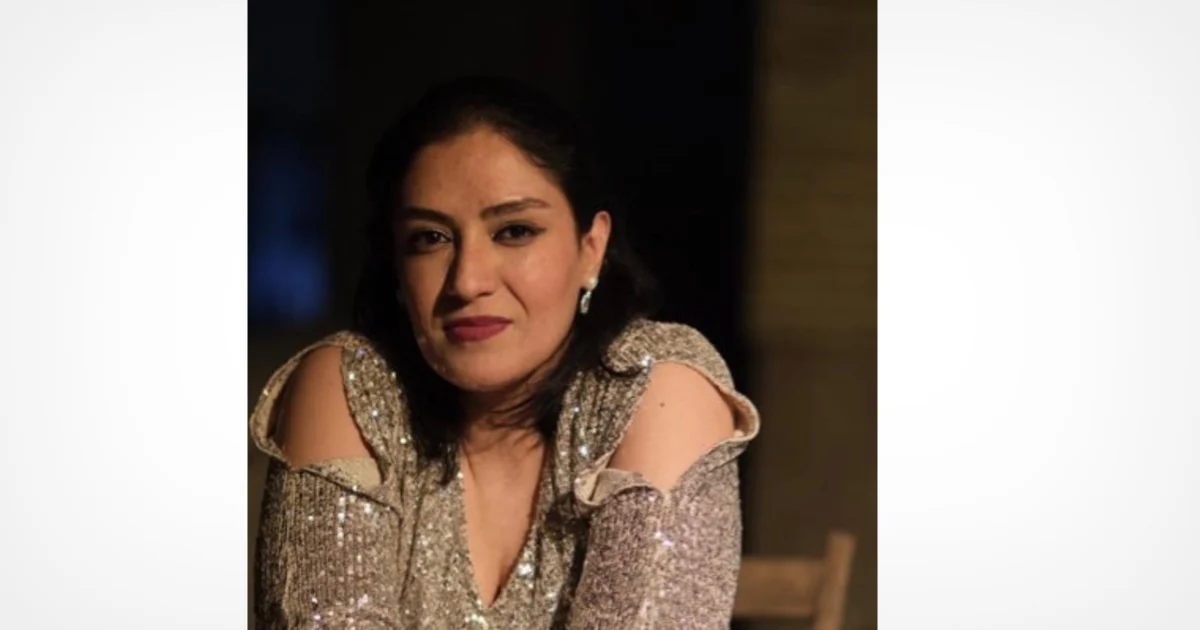
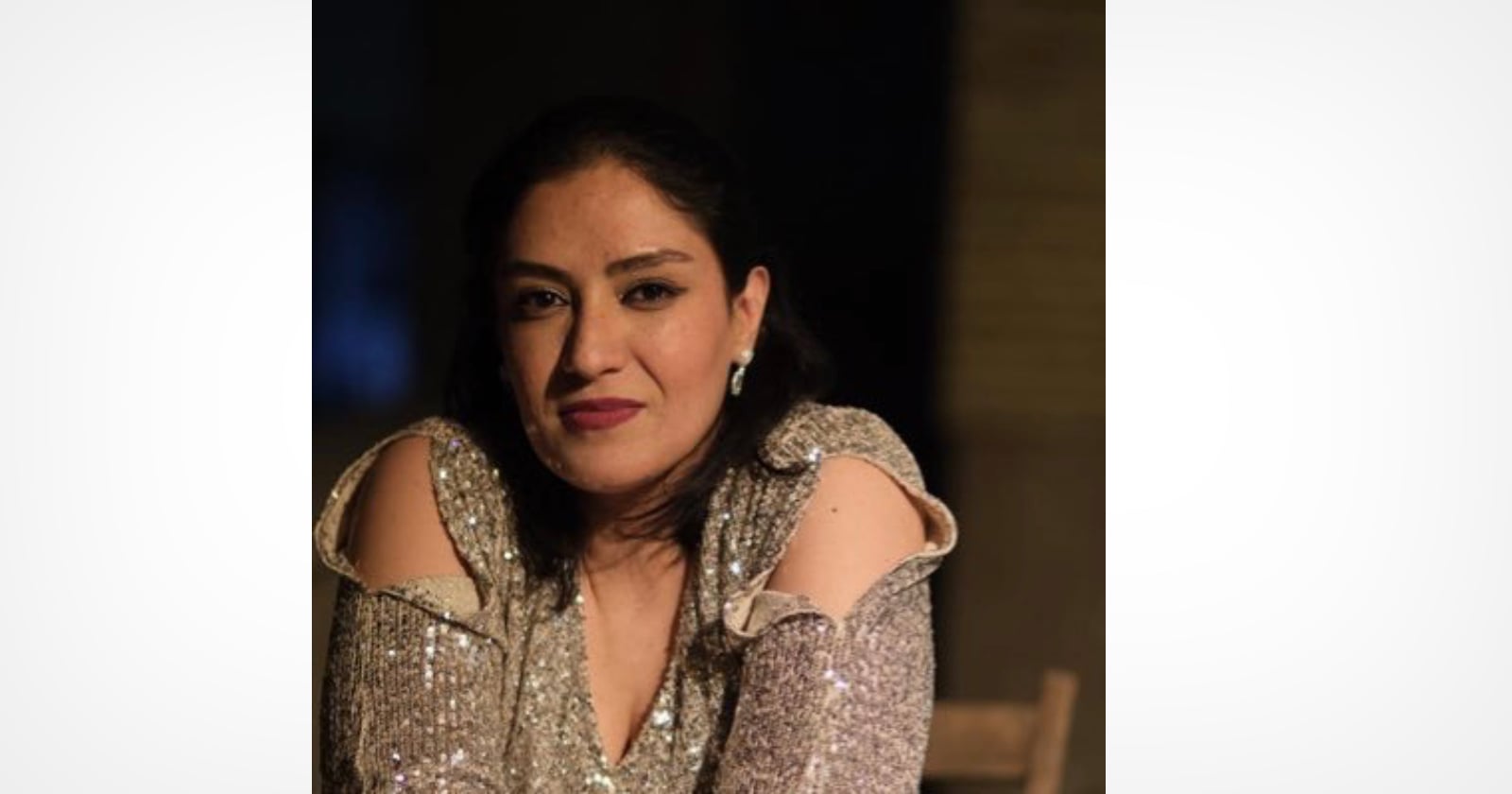
Yalda Moaiery is not merely a photographer; she is a chronicler of Iran’s contemporary history, her lens capturing moments of both everyday life and profound upheaval. Her work has consistently focused on social and political events, often providing an unfiltered glimpse into the realities faced by ordinary Iranians. Her photographs have been published by major international news outlets, including the prestigious French newspaper Le Monde, which featured her images from the significant January 8 and 9 protests. It was shortly after this international exposure that the state’s apparatus moved against her.
According to reports from Iran Wire, Iranian security agents raided Moaiery’s home days after her work appeared in Le Monde. This raid, which occurred in March and April, resulted in the confiscation of her camera and other electronic devices – essential tools of her trade. On August 8, Moaiery was formally informed of her 15-year prison sentence. The charges leveled against her were vaguely defined as "activities against national security," a broad category frequently employed to stifle journalistic inquiry and artistic expression deemed critical of the state. In addition to the lengthy incarceration, Moaiery has been subjected to a ban on all media activities, effectively silencing her professional voice.
This is not Moaiery’s first encounter with the Iranian legal system. In January 2023, she was also sentenced to imprisonment and additional penalties, notably including performing unpaid public service as a street cleaner. This earlier sentence, viewed by many as a degrading and punitive measure designed to break her spirit, highlights a pattern of persistent harassment against her. Despite these mounting pressures, Moaiery has maintained a remarkable resolve. In an interview with Iran Wire, she expressed a profound sense of having "nothing left to lose," declaring her unwavering intention to continue documenting and narrating the stories of the Iranian people for as long as she possibly can. Her powerful statement, "My colleagues aren’t even taking photos anymore, let alone publishing them with or without a name. It is very sad and, in my view, a kind of betrayal; but regardless, it’s a personal decision, and everyone must answer to their own conscience and history, not to me," reveals the immense pressure on her peers and her own steadfast commitment. She added, "As for myself, I have reached a stage where I perhaps have nothing left to lose. I only have one life left, and if they want to take that too, what value does it have compared to these thousands of people, many of whom were the age of my child? Even if they kill me, what will happen? So, until the moment I am here, I will try to narrate." This defiance is a testament to the courage of many Iranian journalists who continue their work under extreme duress.
Shaghayegh Afshar Najafi: The Plight of a Young Artist
The case of Shaghayegh Afshar Najafi casts a particularly chilling shadow, given her youth. At just 18 years old, Najafi, a photographer residing in Qazvin, has been handed a nine-year prison sentence. Her alleged offense, according to the Iranian judiciary, was "assembly and collusion against national security," stemming from her act of sending photographs and video footage to the news outlet Iran International.
The chronology of her arrest is swift and stark. On February 14, Iranian security forces apprehended Najafi at her home. The following day, she was transferred to Choubindar Prison in Qazvin. The specific content of the photos and videos she allegedly shared has not been detailed by state media, but Iran International is a London-based Persian-language news channel critical of the Iranian government, and any cooperation with it is viewed by the authorities as a hostile act. The Hengaw Organization for Human Rights, a group monitoring human rights abuses in Iranian Kurdistan, was among the first to report on Najafi’s arrest and subsequent sentencing. The distinction that five years of her nine-year sentence are "enforceable" under Iranian law means she will serve at least that duration, highlighting the severity of the charges despite her age. Her youth and the harshness of the sentence underscore the regime’s determination to suppress any form of dissent, regardless of the individual’s background or intent.
Context of Crackdown on Dissent: A Broader Campaign Against Freedom of Expression
These sentences are not isolated incidents but rather part of a broader, intensified crackdown on freedom of expression in Iran, particularly following the nationwide "Woman, Life, Freedom" protests that erupted in September 2022. These protests, sparked by the death of Mahsa Amini in morality police custody, quickly evolved into a powerful movement challenging the fundamental tenets of the Islamic Republic. The government responded with a brutal suppression campaign, involving mass arrests, violent dispersal of demonstrations, and severe penalties for perceived dissidents.
Journalists, photographers, and artists have been at the forefront of this repression because of their crucial role in documenting and disseminating information that challenges the state’s narrative. The Iranian authorities view independent reporting and artistic depictions of unrest as attempts to destabilize the regime and spread "propaganda." Organizations like the Committee to Protect Journalists (CPJ) have consistently ranked Iran among the worst jailers of journalists globally. Before the Mahsa Amini protests, Iran already had a concerning record, but the post-protest period has seen a dramatic escalation. Hundreds of journalists, photographers, and activists have been arrested, detained, or sentenced. Many face charges similar to Moaiery and Najafi, such as "assembly and collusion against national security" or "spreading propaganda against the system."
The case of acclaimed photographer Tahmineh Monzavi further illustrates this alarming trend. As reported previously, Monzavi was sentenced to 74 lashes for taking a striking portrait of a singer in a black dress with her hair uncovered – an act deemed a violation of strict Islamic dress codes and an affront to public morality. Such punishments, combining physical brutality with judicial decrees, aim to instill fear and enforce compliance.
International Condemnation and Calls for Release
While official statements from specific international bodies on these particular sentences are still emerging, the broader pattern of repression in Iran has consistently drawn condemnation from human rights organizations, press freedom advocates, and democratic governments worldwide. Organizations such as Amnesty International, Reporters Without Borders (RSF), and Human Rights Watch have repeatedly called on the Iranian government to release arbitrarily detained journalists and respect fundamental human rights, including freedom of expression and assembly.
These groups argue that the charges of "national security" are often baseless and serve merely as a pretext for silencing critical voices. They emphasize that documenting protests, sharing information with international media, or creating art that reflects social realities are internationally recognized human rights, not criminal acts. The United Nations Special Rapporteur on the situation of human rights in the Islamic Republic of Iran has frequently highlighted the systematic suppression of civil liberties in the country, including the targeting of journalists and human rights defenders. The international community often urges sanctions against officials involved in human rights abuses and calls for the immediate and unconditional release of those unjustly imprisoned.
The Broader Implications for Freedom of Expression and Society
The imprisonment of Yalda Moaiery and Shaghayegh Afshar Najafi sends a chilling message to other journalists, photographers, and artists within Iran. Such harsh sentences are designed to create a climate of fear, discouraging any independent reporting or creative expression that might deviate from the state-sanctioned narrative. This "chilling effect" leads to increased self-censorship, where individuals preemptively avoid sensitive topics or withdraw their work from public view to avoid legal repercussions.
For Iranian society, this crackdown means a further tightening of the information landscape. With independent voices silenced or driven underground, citizens have fewer reliable sources of information about events within their own country. The regime’s control over media and public discourse becomes more absolute, making it harder for accurate accounts of protests, human rights abuses, or social grievances to emerge. This not only deprives Iranians of their right to information but also creates a distorted reality where official narratives dominate unchallenged.
Moreover, the targeting of an 18-year-old like Shaghayegh Afshar Najafi highlights the regime’s intent to crush dissent at its nascent stages and prevent a new generation from engaging in activism or critical expression. It signals that even young individuals using digital platforms to share information are not immune from severe state retribution. This approach risks alienating a significant portion of the youth population, who are increasingly connected to global information flows and less tolerant of restrictions on their freedoms.
The role of photography in documenting social unrest and human rights issues is particularly vital in authoritarian contexts. Images often transcend language barriers and provide undeniable evidence of events that might otherwise be denied or downplayed by state propaganda. By targeting photographers, the Iranian government seeks to blind the world to its internal realities and control the visual narrative. However, as Yalda Moaiery’s defiant stance suggests, the human spirit’s desire to "narrate" and bear witness remains a potent force, even in the face of extreme adversity. The struggle for freedom of expression in Iran continues, with photographers and journalists at its perilous forefront.