Lighting in photography stands as one of the most vital elements for any practitioner to master, frequently marking the distinction between a merely competent photograph and a truly spectacular one. This fundamental principle, often understated in its complexity, is the bedrock upon which compelling visual narratives are built, dictating mood, dimension, texture, and emotional resonance within an image. From the earliest daguerreotypes to the latest digital captures, the manipulation of light has been, and continues to be, the paramount skill that elevates a photographer from technician to artist.
The history of photography is, in essence, a chronicle of humanity’s evolving relationship with light. Early pioneers were entirely dependent on natural illumination, meticulously positioning their subjects to harness available sunlight. As technology progressed, so too did the capacity to control and create light, moving from rudimentary flash powder to sophisticated strobes and continuous lighting systems. This evolution underscores a continuous quest: to understand light’s intrinsic properties—its direction, quality, color, and intensity—and to wield them with deliberate intent. Mastery of these elements allows photographers to sculpt forms, enhance textures, and guide the viewer’s eye, transforming a two-dimensional capture into a multi-dimensional experience. The impact of this mastery is evident across all genres, from the vast expanses of a landscape to the intricate details of a macro subject, and the dynamic movements of wildlife, both above and beneath the waves.

The Foundational Principles: Decoding Light’s Language
At its core, photographic lighting can be broken down into several key characteristics, each playing a crucial role in the final image. The direction of light determines how shadows fall, influencing the perceived shape and volume of a subject. Frontal lighting flattens, side lighting accentuates texture and depth, and backlighting creates dramatic silhouettes or ethereal halos. The quality of light refers to its hardness or softness, dictated by the size of the light source relative to the subject and its distance. Hard light, typically from a small, direct source like the midday sun, creates sharp, defined shadows and high contrast, often used for dramatic effect. Soft light, emanating from a large, diffused source like an overcast sky or a studio softbox, produces gentle transitions between light and shadow, resulting in a more flattering and subtle rendition.
Color temperature, measured in Kelvin, defines the warmth or coolness of light. The "golden hour" shortly after sunrise or before sunset bathes scenes in warm, inviting tones (around 2000-3000K), while the "blue hour" following sunset or preceding sunrise casts a cooler, more enigmatic glow (around 9000-10000K). Understanding and managing color temperature is vital for conveying mood and ensuring accurate white balance. Finally, intensity dictates the overall brightness of the scene and is directly linked to exposure. Balancing highlights and shadows, especially in high-contrast situations, requires careful consideration of light intensity and the camera’s dynamic range. These principles are not merely theoretical; they form the practical toolkit that photographers deploy to translate their artistic vision into tangible images.

Genre-Specific Illumination: Tailoring Techniques for Diverse Subjects
The application of lighting principles becomes uniquely challenging and rewarding when adapted to specific photographic genres. Each domain presents its own set of environmental variables and subject characteristics that demand a specialized approach to illumination.
Lighting in Wildlife Photography: Capturing the Elusive Glow

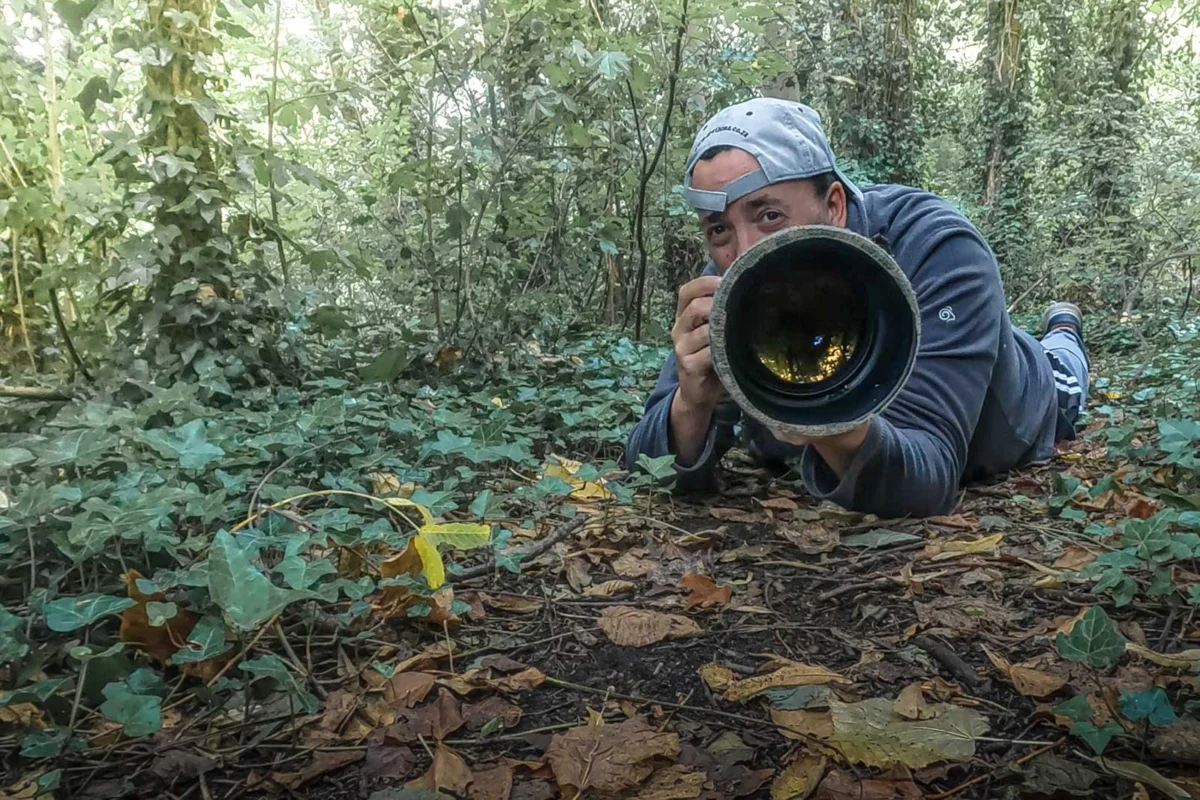
In wildlife photography, where subjects are often unpredictable and environments are dynamic, understanding how light interacts with animals is paramount for creating truly outstanding images. The challenge lies in harmonizing the often-uncontrollable natural light with the swift, spontaneous movements of creatures. Effective lighting in this field goes beyond mere exposure; it involves revealing the texture of fur or feathers, creating captivating catchlights in the animal’s eyes to establish an emotional connection, and separating the subject from a potentially distracting background. Backlighting, when executed skillfully with a setting sun, can outline an animal with a striking halo, adding drama and depth. According to a recent survey conducted among professional wildlife photographers affiliated with NatureTTL, approximately 65% of respondents identified optimal lighting as the single most critical factor in elevating a wildlife image from good to gallery-worthy. Techniques often involve anticipating the golden and blue hours, understanding how light falls on different animal anatomies, and occasionally employing subtle fill flash to lift shadows without startling the subject. The ability to "read" the light and adapt quickly to changing conditions is a hallmark of an expert wildlife photographer.
Lighting in Landscape Photography: Sculpting the Earth’s Canvas
For landscape photographers, mastering lighting extends far beyond mere exposure control. It is about identifying, planning for, and adapting to the ever-changing atmospheric conditions that define a scene. Light sculpts the topography, enhances depth, and imbues the landscape with a particular mood. The interplay of light and shadow can transform a mundane vista into a breathtaking tableau, highlighting contours, textures, and the sheer scale of the environment. The "golden hour" is legendary in landscape photography for its warm, soft light that brings out rich colors and long, flattering shadows. Conversely, dramatic, stormy skies can offer powerful, moody light that adds intensity to a scene. Analysis of images recognized in prestigious landscape photography competitions consistently demonstrates a strong correlation between innovative and masterful lighting application and critical acclaim. Judges frequently cite the photographer’s ability to "harness the power of light" as a distinguishing factor. Key techniques include meticulous planning based on sun position (using apps like PhotoPills), understanding how atmospheric elements like fog, clouds, or mist diffuse and reflect light, and the strategic use of graduated neutral density filters to balance the vast dynamic range between a bright sky and a darker foreground.

Lighting in Underwater Photography: Illuminating the Deep
The underwater realm presents some of the most formidable challenges for lighting. Water inherently absorbs light, especially red and yellow wavelengths, leading to a monochromatic blue or green cast at even moderate depths. Learning how to find, create, and effectively use light in this environment is perhaps the most essential and difficult skill for an underwater photographer to acquire, but one that undeniably makes their work stand out. Without artificial illumination, marine photography experts estimate that over 70% of natural colors are lost within the first 15-20 meters of depth, underscoring the indispensable role of strobes and video lights.
The primary goal is often to restore the vibrant colors lost to depth, illuminate subjects that would otherwise be shrouded in shadow, create separation from the background, and manage backscatter (light reflecting off particles in the water). Whether photographing colossal ocean giants on shallow dives where ambient light is more plentiful, or venturing deeper into the abyss for macro subjects, photographers must master the balance between artificial and ambient light. This involves precise strobe positioning, power control, and understanding how different water conditions (clarity, depth) affect light propagation. The evolution of compact, powerful, and waterproof lighting systems has revolutionized this genre, allowing for unprecedented visual storytelling from the planet’s submerged frontiers.

Lighting for Macro Photography: Unveiling Hidden Worlds
When photographing the intricate details of the natural world, from amphibians and insects up close to the delicate patterns of a fern, lighting remains an absolutely critical element in macro photography. The extreme magnification inherent in macro work means that even the slightest change in light direction or quality can drastically alter the image, revealing or obscuring vital textures and forms. Challenges include the extremely shallow depth of field, managing reflections on glossy surfaces (like an insect’s exoskeleton), and ensuring sharp focus while controlling contrast on minute textures.
The macro photography community frequently emphasizes lighting as paramount, with numerous workshops and online forums dedicating a significant portion of their curriculum to advanced lighting setups and techniques. This indicates the complex and critical nature of illumination in this specialized field. Techniques often involve specialized equipment such as ring flashes, twin flashes, diffusers, and small LED panels to provide controlled and soft illumination. Creative use of natural light, often diffused through leaves or translucent materials, can also produce stunning results, highlighting the delicate structures of tiny subjects without harsh shadows. Mastering these techniques allows photographers to transform the unseen into the spectacular, offering viewers a glimpse into worlds otherwise invisible to the naked eye.

The Broader Impact and Future Implications of Lighting Mastery
The ongoing pursuit of lighting mastery carries significant implications not only for individual photographers but also for the broader photography industry and visual communication as a whole. For individual photographers, honing their understanding of light invariably elevates their skill set, expands their creative possibilities, and significantly improves the overall quality and marketability of their portfolios. A photographer who can consistently produce compellingly lit images is highly valued across commercial, editorial, and fine art domains.
For the photography industry, this perpetual drive for better light has spurred continuous innovation in equipment. From advanced LED lighting systems that offer precise color and intensity control to sophisticated wireless triggers and an array of light modifiers, technological advancements are directly responsive to photographers’ demands for greater control and flexibility. This, in turn, fuels the development of rich educational content, such as comprehensive guides and tutorials, which democratize access to advanced lighting knowledge and foster a more skilled photographic community.

Beyond the immediate industry, the cultural impact of well-lit imagery is profound. Visually compelling photographs resonate more deeply with audiences, influencing perception in journalism, advertising, scientific documentation, and artistic expression. They contribute significantly to visual literacy, shaping how societies interpret and appreciate the world around them. As Dr. Elara Vance, a renowned photography historian, recently commented, "The evolution of photography is intrinsically linked to our understanding and manipulation of light. Modern comprehensive guides are not just instructional; they are cultural touchstones, reflecting and shaping how we see the world through a lens, pushing the boundaries of visual communication."
Looking ahead, the future of photographic lighting promises further integration with computational photography and artificial intelligence. AI-assisted lighting systems may soon offer real-time suggestions for optimal light placement or even automatically adjust light sources to achieve desired effects. Augmented reality tools could allow photographers to preview lighting scenarios before ever setting up their equipment. Despite these technological advancements, the fundamental principles of light—its direction, quality, color, and intensity—will remain timeless. The human eye’s perception of beauty and depth, and the emotional responses evoked by light, are deeply ingrained.
In conclusion, regardless of the subject or genre, lighting remains the quintessential element for crafting memorable and standout images. It is not merely a technical setting on a camera but an artistic tool, a language through which photographers communicate emotion, dimension, and narrative. The journey to master light is continuous, demanding observation, practice, and a deep understanding of its properties. By utilizing comprehensive resources and dedicated practice, photographers can harness the transformative power of lighting, taking their work to unprecedented levels of visual excellence and impacting how stories are told through the lens.