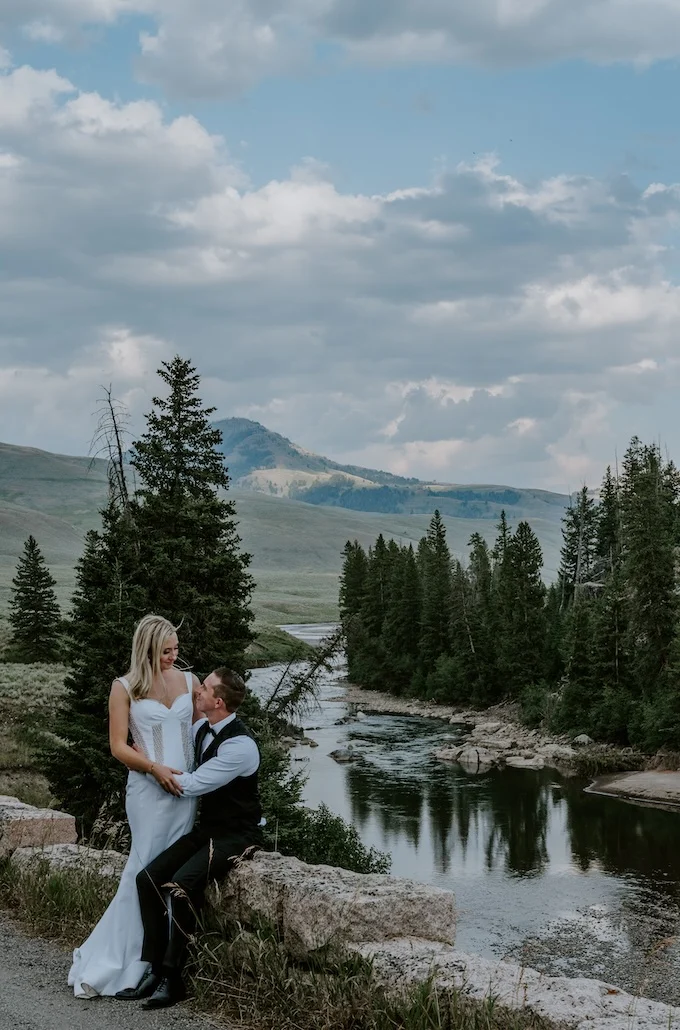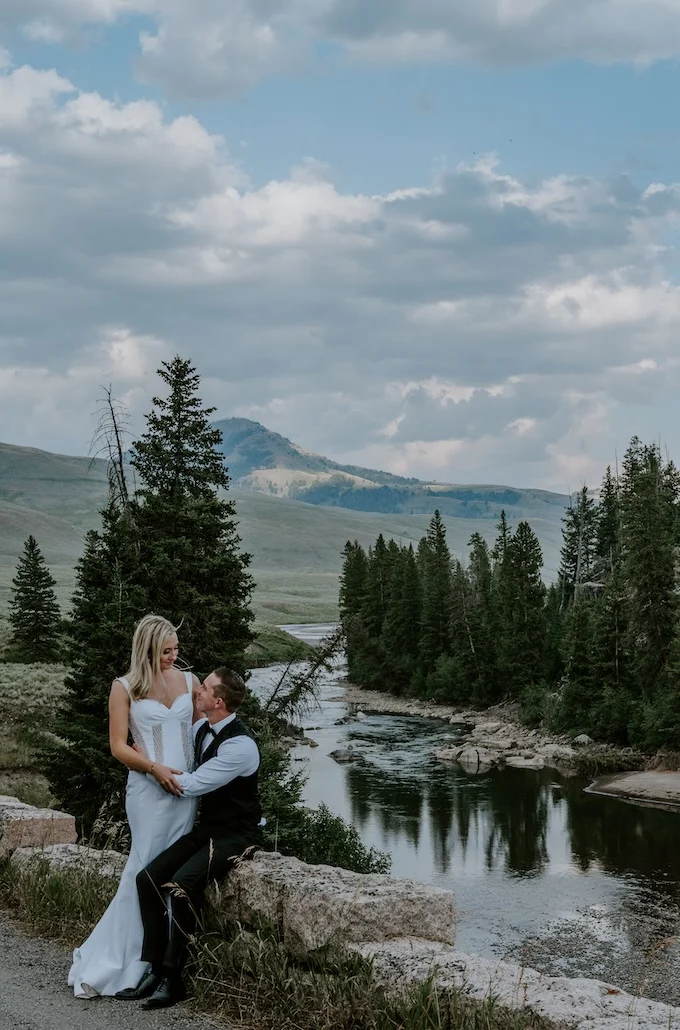
The allure of national parks as wedding and elopement destinations has surged in popularity over the past five years, a trend potentially influenced by popular culture, the centennial celebrations of parks like Yellowstone, and the post-pandemic surge in domestic travel. With 63 national parks across the United States, each offering a unique backdrop, accessible amenities, and natural beauty, couples are increasingly drawn to these iconic landscapes for their most significant celebrations. This rise in interest presents both opportunities and challenges for photographers specializing in wedding and elopement photography, particularly in navigating the logistical complexities of these protected natural environments.

The Growing Appeal of National Park Weddings
The recent explosion in national park weddings is not a singular phenomenon. Several factors contribute to this trend. The critically acclaimed television series "Yellowstone," which prominently features the dramatic landscapes of its namesake park, has undoubtedly amplified public interest and romanticized the idea of tying the knot amidst rugged wilderness. Beyond pop culture, national parks have also been engaging in significant milestone celebrations. Yellowstone National Park, for instance, marked its 150th anniversary in 2022, a landmark event that likely spurred increased visitation and awareness. Furthermore, the residual effects of the COVID-19 pandemic led to a significant rebound in tourism to these natural havens. As travel restrictions eased, national parks, including Yellowstone, experienced record-breaking visitor numbers, underscoring their appeal as accessible and desirable destinations. This confluence of cultural resonance, commemorative events, and a renewed appreciation for outdoor experiences has cemented national parks as prime locations for weddings and elopements.
Navigating the Landscape: A Photographer’s Perspective
Heather Woolery, a Northwest-based photojournalist renowned for her documentary style, has witnessed this trend firsthand. Her journey into national park wedding and elopement photography began in 2018 with a micro-wedding in Joshua Tree National Park. Since then, she has documented celebrations in eleven different national parks, with Yellowstone emerging as a particularly sought-after location.

"My first national park elopement was back in 2018 when I got hired by an Oregon couple to document their micro-wedding in Joshua Tree National Park and since then I’ve been all over visiting 11 of the parks for weddings and elopements, with Yellowstone being the number one park," Woolery stated in a recent interview.
Woolery’s deep personal connection to Yellowstone, having visited since childhood, has informed her professional approach. After photographing her first Yellowstone elopement in 2020, she began meticulously mapping the park, noting crucial details such as optimal times of day for photography, visitor density, and seasonal variations. This detailed approach allows her to go beyond the typical tourist experience and understand the park’s unique offerings for wedding photography.

"I have been visiting Yellowstone since I was a child and never thought I would be trekking all over the park in some of the most beautiful and enigmatic locations for couples on their wedding day. After getting to document my first Yellowstone elopement in 2020, I started collecting locations on a detailed map of the park, noting everything, from time of day at a location to how many park visitors were there and time of year. It was this that allowed me to start to understand the park less as a tourist and more concerning weddings. This allowed me to start serving my Yellowstone couples on another level."
The Essential Role of the Photographer
Unlike traditional wedding venues that often provide comprehensive planning services, officiants, and preferred vendor lists, national parks operate differently. Couples planning a wedding or elopement within these protected areas must navigate a complex web of regulations, permits, and logistical arrangements. This is where the expertise of an elopement photographer becomes indispensable, often extending beyond their primary role to include elements of planning assistance.

"Though we, the photographer, are most often are not also the wedding planner or day-of-coordinator, when it comes to couples getting married in these national parks, planning assistance becomes indispensable," Woolery explained. "National park wedding and elopement photography, though gaining popularity, is still a fairly new concept and couples are struggling to plan not only a wedding but also navigate the intricate details of park permits, transportation, experiences, and more to make their national park wedding visions a reality. This is where elopement photographers really can come into play and serve their couples on that higher level."
The absence of readily available on-site support means that photographers often become the primary resource for couples seeking to realize their national park wedding dreams. This requires a deep understanding of the specific park’s regulations, accessibility, and the ability to scout and recommend suitable locations that align with the couple’s vision while adhering to park guidelines.

Permitting and Regulations: A Crucial Hurdle
Navigating the permitting process is a critical aspect of national park wedding photography. While regulations can vary significantly between parks and even within different areas of a single park, securing the necessary permits is paramount. Historically, photographers operating commercially within national parks often needed to obtain a Commercial Use Authorization (CUA). However, some parks, like Yellowstone, have adapted their requirements.
"Though Yellowstone used to require photographers to obtain a CUA, Commercial Use Authorization, which was an extensive and costly process, they have recently moved away from this and now only require couples to obtain a SUP, Special Use Permit, for elopements, which also doubles as the photographer’s photo permit," Woolery noted. This shift simplifies the process for elopements but still emphasizes the need for compliance.

The Special Use Permit (SUP) ensures that commercial activities, including photography for weddings, do not negatively impact park resources or visitor experiences. This permit often dictates where photography can take place, the size of the group, and the duration of the activity. Photographers must diligently research and comply with these requirements to avoid penalties and ensure a smooth experience for their clients.
Managing Crowds and Timing: The Art of Seclusion
Yellowstone, as one of the most visited national parks in the United States, presents a unique challenge in terms of crowd management. Popular tourist hotspots like Old Faithful, Grand Prismatic Spring, and Mammoth Hot Springs can become overwhelmingly crowded, especially during peak seasons. For a wedding or elopement, achieving a sense of intimacy and capturing serene photographs requires careful planning and strategic timing.

"Yellowstone is not only the next seemingly hot spot to get married but also one of the most visited parks in the United States. This means couples and their photographers will really need to pay close attention to the time of year the couple wants to get married and alternative locations within the park for the ceremony and photos to avoid being surrounded by literally hundreds of park visitors. This frequently happens at popular tourist locations such as Old Faithful, Grand Prismatic, and Mammoth Hot Springs," Woolery emphasized.
Photographers often advise couples to consider off-season dates, weekdays, or very early morning or late evening times to avoid the busiest periods. Additionally, identifying less-trafficked areas within the park can provide more private and picturesque settings for ceremonies and photo sessions. This requires intimate knowledge of the park’s geography and a willingness to explore beyond the most well-known viewpoints.

The Pros and Cons of National Park Wedding Photography
The decision to pursue or book a national park wedding and elopement photography service involves weighing several advantages and disadvantages.
Pros:

- Unparalleled Natural Beauty: National parks offer breathtaking and diverse landscapes, from majestic mountains and serene lakes to dramatic canyons and geothermal wonders. These provide a stunning and unique backdrop for wedding photography that cannot be replicated in traditional venues. The sheer scale and grandeur of these natural settings can elevate the visual narrative of a couple’s special day.
- Unique and Memorable Experience: A national park wedding offers a truly distinctive and adventurous experience for the couple and their guests. It appeals to couples who value nature, outdoor activities, and a departure from conventional wedding traditions. The sense of adventure and connection to the natural world can create lasting memories.
- Cost-Effectiveness (Potentially): While permits and travel can incur costs, national park weddings and elopements can sometimes be more budget-friendly than elaborate destination weddings or large traditional ceremonies. The natural beauty itself serves as the primary décor, reducing the need for extensive floral arrangements and venue embellishments.
- Growth Opportunity for Photographers: The increasing demand for national park photography presents a niche market for photographers willing to invest in the necessary knowledge, permits, and equipment. Developing expertise in this area can lead to a specialized and sought-after service.
Cons:
- Logistical Complexity and Permitting: As detailed earlier, navigating park regulations, obtaining permits, and understanding specific rules can be time-consuming and complex. Failure to comply can result in fines or the cancellation of wedding plans.
- Weather Dependency: Outdoor weddings are inherently subject to weather conditions. National parks can experience unpredictable and extreme weather, ranging from snow and rain to high winds and temperature fluctuations. This requires flexibility and contingency planning.
- Accessibility Challenges: While many parks have paved paths, some of the most stunning locations may require hiking or specialized transportation, posing challenges for guests with mobility issues. Photographers also need to be prepared for physically demanding shoots.
- Crowd Management: Popular parks can be extremely crowded, making it difficult to find secluded spots for ceremonies and photos, especially during peak tourist seasons. This necessitates strategic planning and potentially compromising on specific desired locations.
- Limited Amenities: Unlike dedicated wedding venues, national parks do not typically offer on-site services such as catering, restrooms, or changing facilities. Couples and photographers must arrange for all necessary amenities separately.
- Environmental Responsibility: Photographers and couples must be acutely aware of Leave No Trace principles, ensuring their activities do not harm the delicate ecosystems within the parks. This includes proper waste disposal, respecting wildlife, and minimizing their environmental footprint.
The Enduring Value of a National Park Union
Despite the inherent challenges, the prevailing sentiment among those who have experienced it is that a national park wedding is a profoundly rewarding endeavor. The opportunity to exchange vows against a backdrop of unparalleled natural beauty offers a unique and deeply personal experience.

"Ultimately, call me biased, but I believe getting married in a national park is worth the planning. It offers couples endless opportunities and options to create a once-in-a-lifetime experience for their wedding day that is tailored to who they are all while being in some of the most stunning and diverse landscapes the United States has to offer," Woolery concludes.
The trend of national park weddings is likely to persist as couples continue to seek authentic, meaningful, and visually spectacular ways to celebrate their union. For photographers, this means a continued need for specialized knowledge, adaptability, and a genuine appreciation for the natural world they are documenting. The ability to blend photographic skill with an understanding of park logistics and environmental stewardship will be key to success in this burgeoning field. As the park system continues to inspire awe and wonder, so too will the stories of love unfolding within its magnificent boundaries.