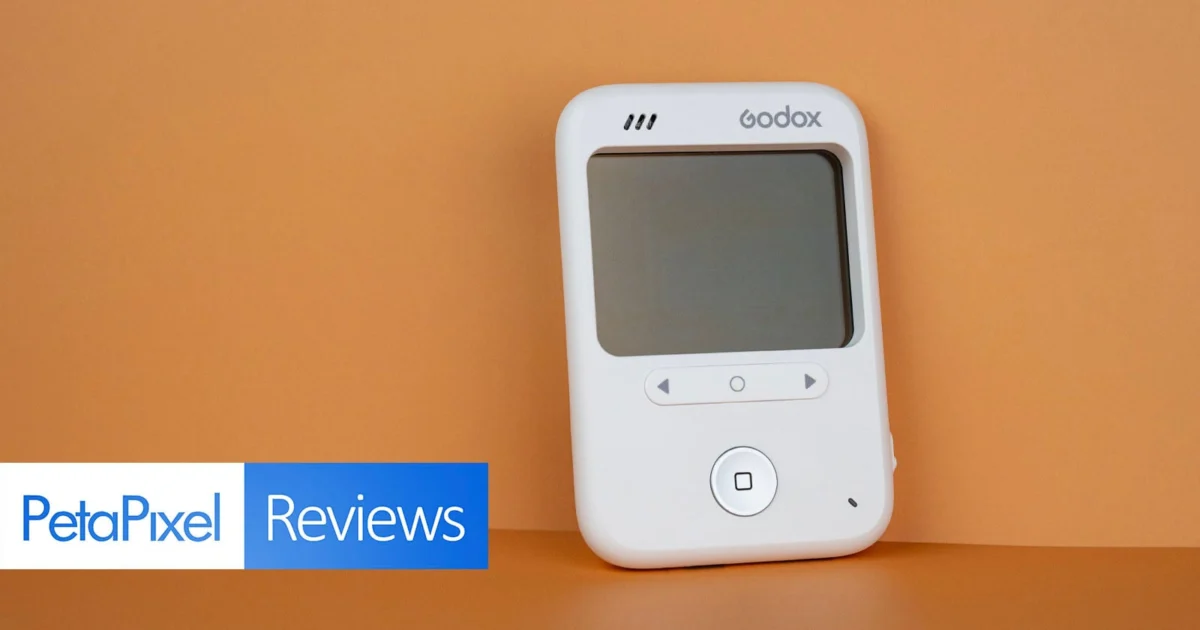
The market for entry-level digital cameras has long been characterized by a proliferation of devices often criticized for their subpar build quality, poor photographic output, and a host of frustrating compromises, frequently earning them the moniker "e-waste cameras." Against this backdrop, the unveiling of the Godox C100, priced at an accessible $45, initially piqued interest due to its distinctive design featuring a transparent viewfinder. This novel approach to composition suggested a potentially engaging shooting experience, offering a glimmer of innovation in an otherwise stagnant segment. However, a comprehensive review of the device reveals that its promising concept is ultimately overshadowed by significant operational and performance deficiencies, leading to a largely frustrating user experience.
A Market Saturated with Compromise: The Context of the Godox C100
For years, the sub-$100 camera market has struggled to carve out a distinct identity in the shadow of increasingly capable smartphone cameras. These inexpensive point-and-shoots, often employing basic optics and low-resolution sensors akin to those found in vehicle dashcams, typically deliver images marred by softness, noise, and limited dynamic range. They are frequently characterized by cheap plastics, unintuitive interfaces, and non-removable batteries that curtail their longevity, contributing significantly to electronic waste streams. This established pattern has cultivated a healthy skepticism among photography enthusiasts and critics alike towards any new, low-cost entrant.
Godox, a company renowned for its functional and affordable lighting equipment and camera accessories, has largely built a reputation for delivering reliable tools for photographers. Products like their IT32 flash unit exemplify this commitment to quality and value within their core competency. This established track record contributed to an initial sense of optimism regarding the C100, suggesting that Godox might leverage its design acumen to transcend the typical pitfalls of budget cameras. The C100’s distinct transparent LCD window, which promised an innovative method for framing shots, hinted at a playful, user-friendly device. However, this early promise quickly dissipated upon practical application, revealing that the C100’s primary innovation, its transparent viewfinder, is its most significant functional weakness.
Initial Impressions and Physical Design
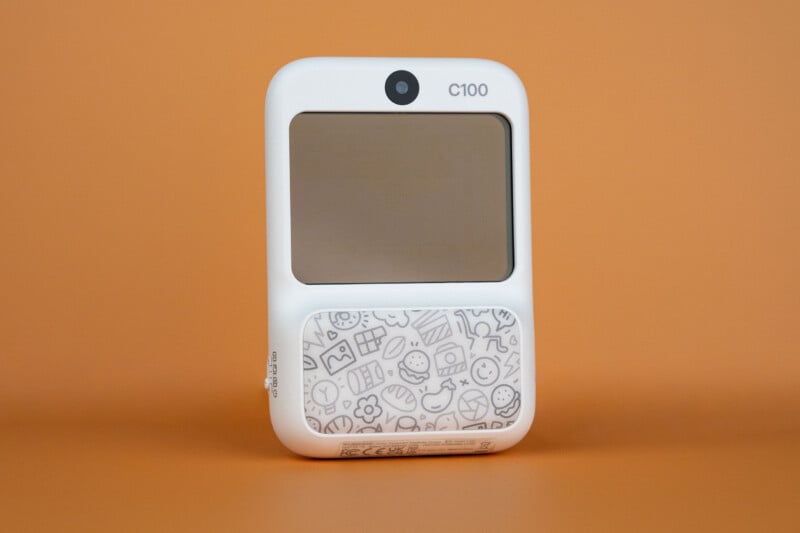
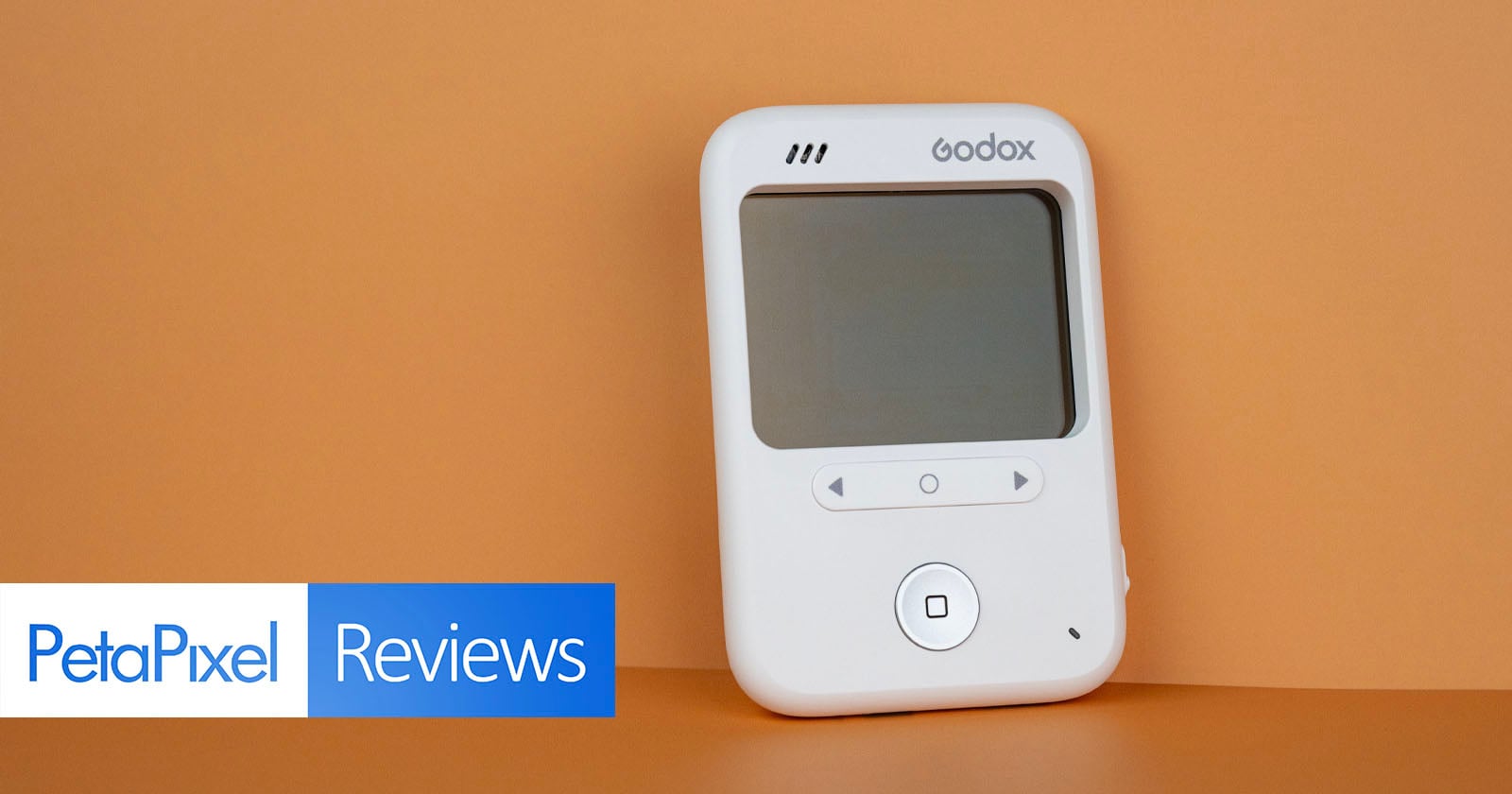
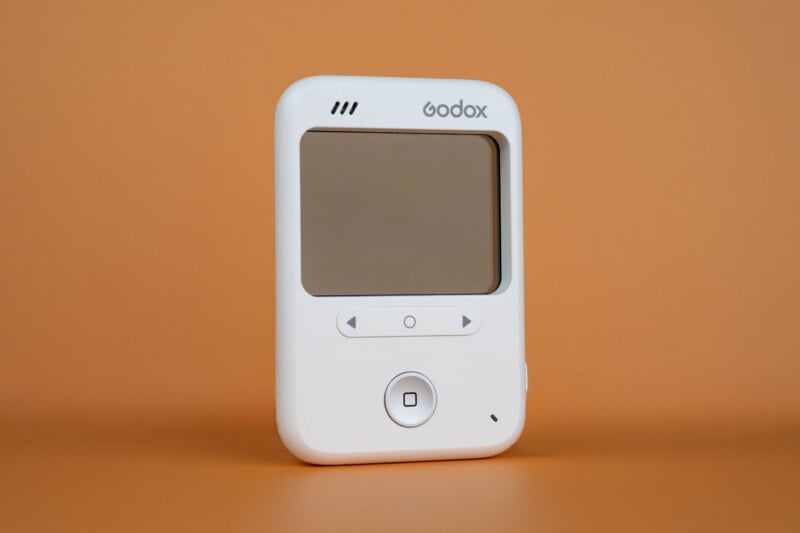
Upon first glance, the Godox C100 presents an appealing aesthetic. Its minimalist, rectangular form factor, weighing a mere 65 grams, renders it exceptionally pocketable and comfortable to hold. The exterior design is notably charming, diverging from the often utilitarian appearance of its budget counterparts. This portability and ergonomic simplicity initially fostered an expectation of a hassle-free, "grab-and-shoot" device, ideally suited for casual photography in everyday scenarios.
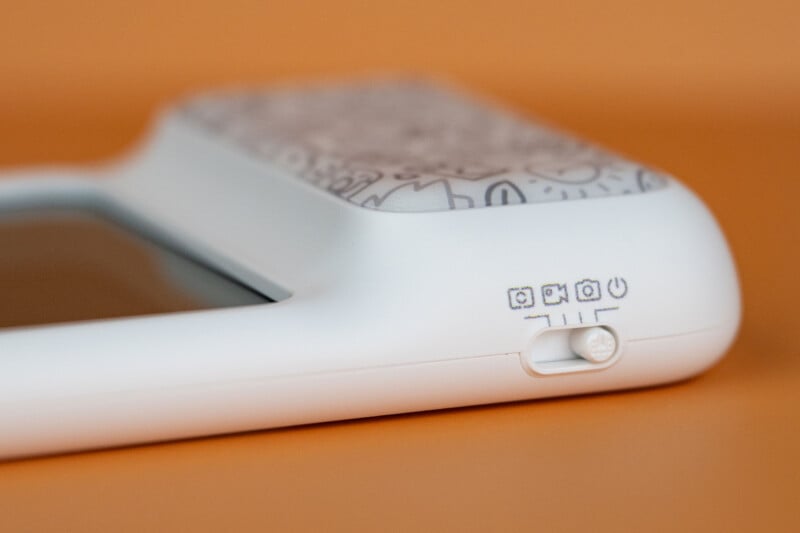
The camera’s controls are designed for simplicity, featuring a control bar positioned above a generously sized shutter button on the front face. A sliding switch on the side allows users to cycle between photo mode, video mode, and a light meter function. While the intention behind this straightforward interface is clear, its execution is flawed. The switch itself is difficult to manipulate with precision, often overshooting the desired mode and requiring multiple attempts to land correctly. This minor but persistent usability issue foreshadows the larger frustrations awaiting the user.
Power, Storage, and Durability Concerns
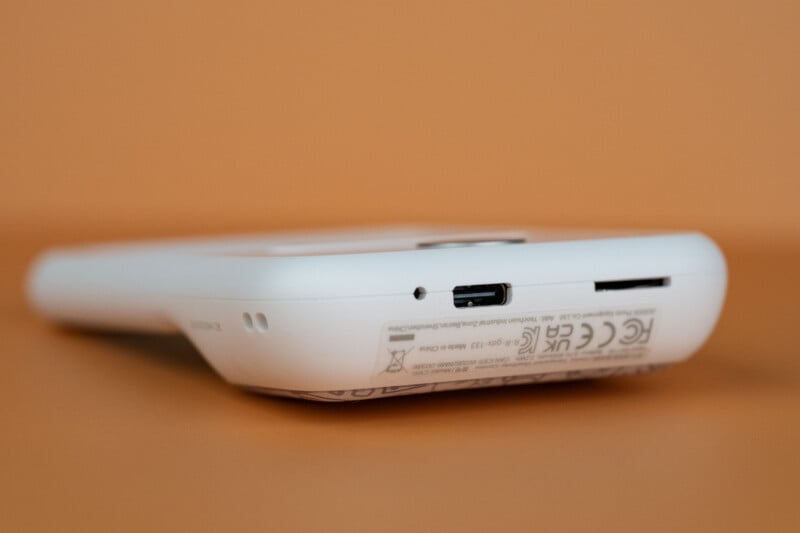
Internally, the C100 is powered by an integrated lithium battery. While such non-removable power sources are becoming increasingly common across various electronic devices, they inherently limit the device’s useful lifespan, as battery degradation over time often renders the entire unit obsolete. This design choice, though widespread, stands in contrast to the principles of sustainability and long-term utility. Furthermore, despite the integrated battery, the C100 lacks internal memory, necessitating the purchase and installation of a microSD card for all storage needs. This omission adds an extra layer of cost and inconvenience for the user.
Durability also emerges as a significant concern, particularly regarding the transparent viewing screen. Composed of two see-through plastic layers sandwiching an LCD display, this screen is highly susceptible to damage. Even after a few days of casual use, carrying the camera in a pocket resulted in noticeable scuffs and marks, undermining its aesthetic appeal and potentially impacting the viewing experience over time. This fragility contradicts the notion of a robust, everyday carry camera designed for spontaneous capture.
The Transparent Viewfinder: A Novelty Undermined by Parallax Error
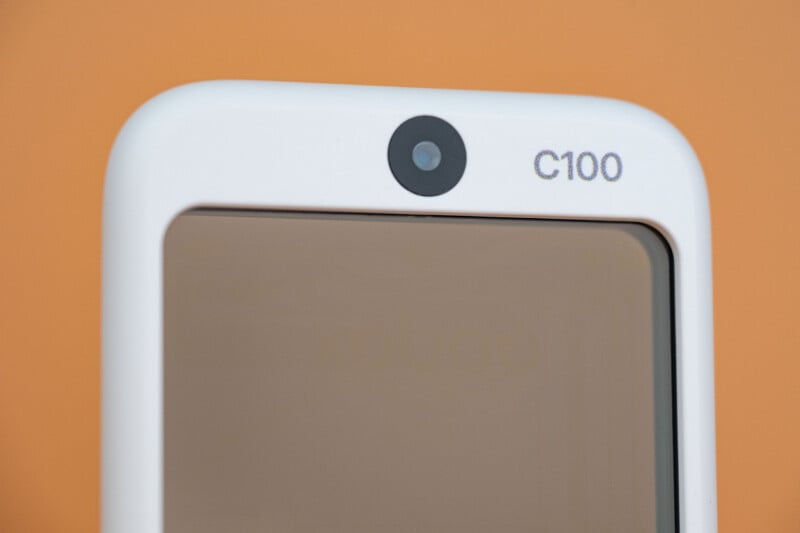
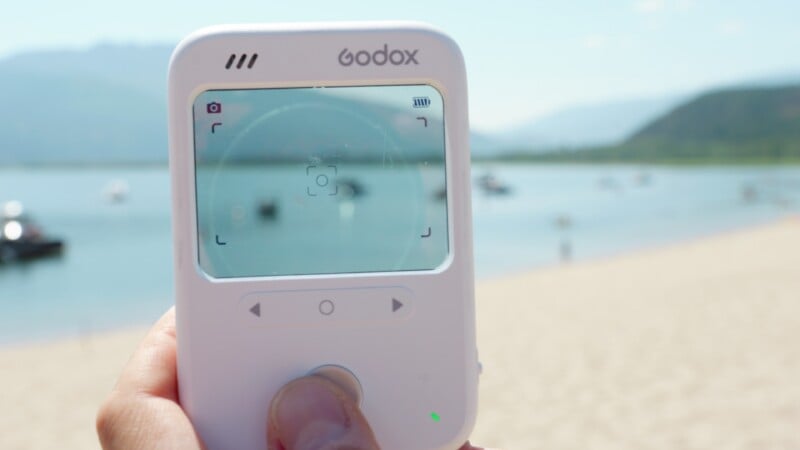
The core innovation of the Godox C100 lies in its transparent viewfinder, which displays essential information such as battery life, aspect ratio guidelines, and light meter readings directly over the real-world scene. While this concept offers an intriguing blend of digital information and direct optical viewing, its practical implementation is severely compromised by a fundamental optical issue: parallax error.
Marketing materials for the C100 prominently feature individuals happily composing shots at arm’s length, a natural and intuitive position for a compact point-and-shoot. However, in practice, this distance renders the viewfinder’s frame lines highly inaccurate. The camera’s lens captures a significantly wider field of view than indicated by the display, resulting in photographs that include substantial unintended elements beyond the framed subject. To achieve any semblance of framing accuracy, the reviewer found it necessary to press the camera uncomfortably close to the face, essentially mimicking the use of a traditional optical viewfinder. Even then, any slight deviation from a perfectly parallel alignment between the camera and the eyes would cause the shot to be misaligned horizontally. This profound discrepancy between what the user sees and what the camera records transforms the act of framing into a challenging and often futile exercise, eroding the very "fun" the transparent display was meant to provide.
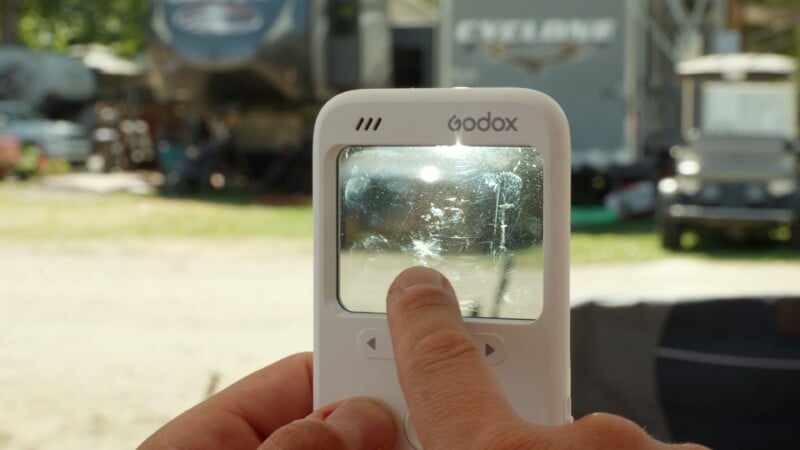
Further compounding the framing issues is the lens’s placement at the top of the screen, causing a consistent upward shift in composition when subjects are captured at close range. This lack of precise visual feedback fundamentally undermines the user’s ability to reliably compose images, a critical function for any camera.
Operational Frustrations and Image Inconsistencies
Beyond the viewfinder’s inaccuracies, the C100 introduces several other operational frustrations. A notable example is the camera’s handling of memory cards. Without any on-screen indicator or warning, an improperly formatted microSD card will lead the camera to simulate the act of taking photos – complete with audible cues – while failing to record any images. This design oversight can result in the disheartening loss of initial photographic attempts, a significant deterrent for new users. Once the correct exFAT format was determined, recording became possible, but the lack of user feedback remains a critical flaw. Given the camera’s modest 2-megapixel image resolution, high-capacity memory cards are largely unnecessary, though the choice of aspect ratios (16:9 native, with 3:2, 4:3, and 1:1 options) further reduces the already minimal resolution.
The image quality itself, as anticipated for a device in this category, is predictably poor. Photographs consistently exhibit pervasive softness, significant noise, and a severe lack of detail. The camera offers no manual exposure control, and the resulting files contain insufficient data to allow for meaningful post-production adjustments. Backlit subjects invariably plunge into deep shadow, and the absence of an integrated flash further limits shooting flexibility, confining users to ambient light conditions. While the camera is clearly intended for casual, uncritical "grab-shots" of friends, meals, and everyday scenes, even within this context, the visual quality falls short of modern expectations, particularly when compared to budget smartphones.

Adding to the list of irritations is the C100’s obnoxiously loud, non-disablable digital shutter sound, which draws unwanted attention and detracts from candid photography opportunities. While the camera boasts an immediate response time due to its fixed-focus lens, this advantage is negated by a narrow zone of focus. Subjects within arm’s reach or typical portrait distances frequently appear soft, necessitating an unnaturally long shooting distance for sharper results in common scenarios like group photos or food photography.
Video recording capabilities are equally disappointing. The C100 produces embarrassingly poor video quality, characterized by severe rolling shutter artifacts and a hollow, tinny sound captured by the internal microphone. These deficiencies render its video function largely impractical for any meaningful use.

The Light Meter: A Niche Utility
Despite its numerous shortcomings as a camera, the Godox C100 does include a functional light meter. In this mode, users can input ISO, shutter speed, and aperture settings, and the device will accurately calculate a proper exposure value. While the process of cycling through settings via button presses is somewhat convoluted, this feature offers a genuine utility for analog photographers who might be carrying a film camera alongside the C100. However, for most users, a dedicated smartphone app would offer a more convenient and often more comprehensive light metering solution. This niche functionality, while accurate, does little to redeem the C100’s overall performance as a primary imaging device.

Broader Implications and Market Alternatives
The Godox C100’s entry into the market highlights a persistent challenge within the budget camera segment: how to innovate and provide genuine value without simply repackaging existing low-cost components. While its transparent viewfinder concept was genuinely novel, its flawed execution transforms what could have been a differentiator into a primary source of frustration. This serves as a cautionary tale that innovative design must be paired with robust engineering and a deep understanding of user experience.

For consumers, the C100 ultimately fails to justify its purchase, even at a modest $45 price point. Its image quality is comparable to, or often worse than, the myriad of other "dashcam-equipped" point-and-shoots that populate the lower end of the market. Furthermore, its fundamental usability issues – particularly the inaccurate viewfinder and delicate screen – undermine the very casual, fun experience it attempts to offer. The camera’s likely trajectory, as an ultimately forgotten gadget destined for a landfill or a dusty box, underscores the critical importance of balancing novelty with practical functionality.
While the Godox C100 might be considered a pioneering attempt at a mass-produced camera with an active transparent LCD viewfinder, it is not entirely without precedent. The Escura InstantSnap, for example, previously explored a similar "screenless" concept, albeit with a passive, non-active display. This indicates a nascent interest in minimalist, lo-fi photographic experiences that prioritize simplicity and a unique aesthetic over technical perfection. However, for such devices to truly resonate with consumers, they must first deliver a fundamentally enjoyable and reliable shooting experience, a benchmark the C100 regrettably fails to meet.

Conclusion: A Flawed Experiment
The Godox C100 stands as a curious case of an ambitious concept undermined by critical flaws in execution. While its charming exterior, lightweight design, and the intriguing idea of a transparent viewfinder initially capture attention, the practical experience of using the camera is riddled with frustrations. From the imprecise mode switch and fragile screen to the profoundly inaccurate viewfinder, the unreliable focus, and the generally poor image and video quality, the C100 falls short on multiple fronts. Its sole redeeming feature, an accurate but cumbersome light meter, is insufficient to salvage the overall proposition. For consumers seeking a simple, enjoyable photographic tool, even at a low price point, the Godox C100 cannot be recommended. The promise of novelty is eclipsed by a deeply unsatisfying user experience, ensuring that this device will likely remain a footnote in the history of camera innovation rather than a beloved staple.