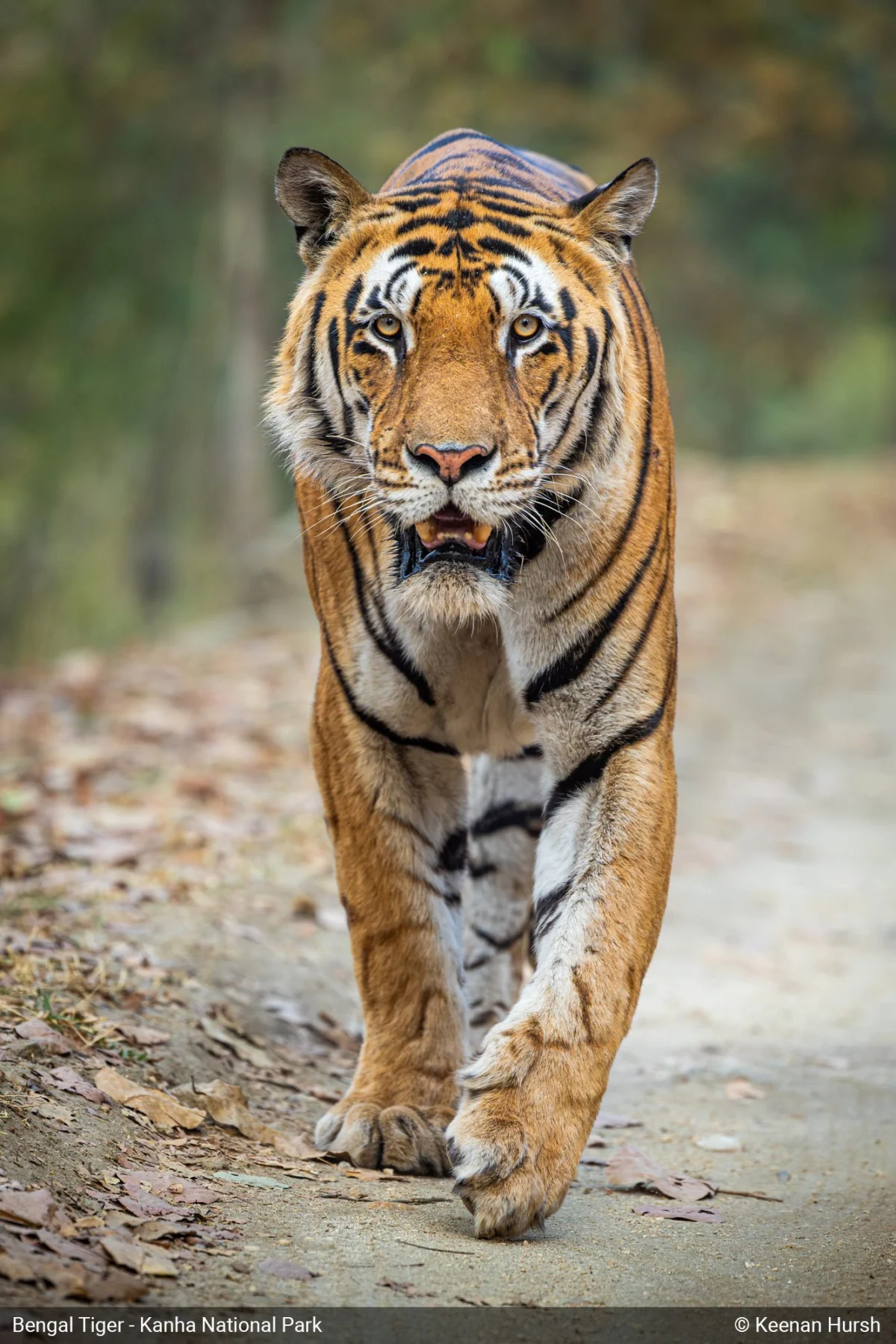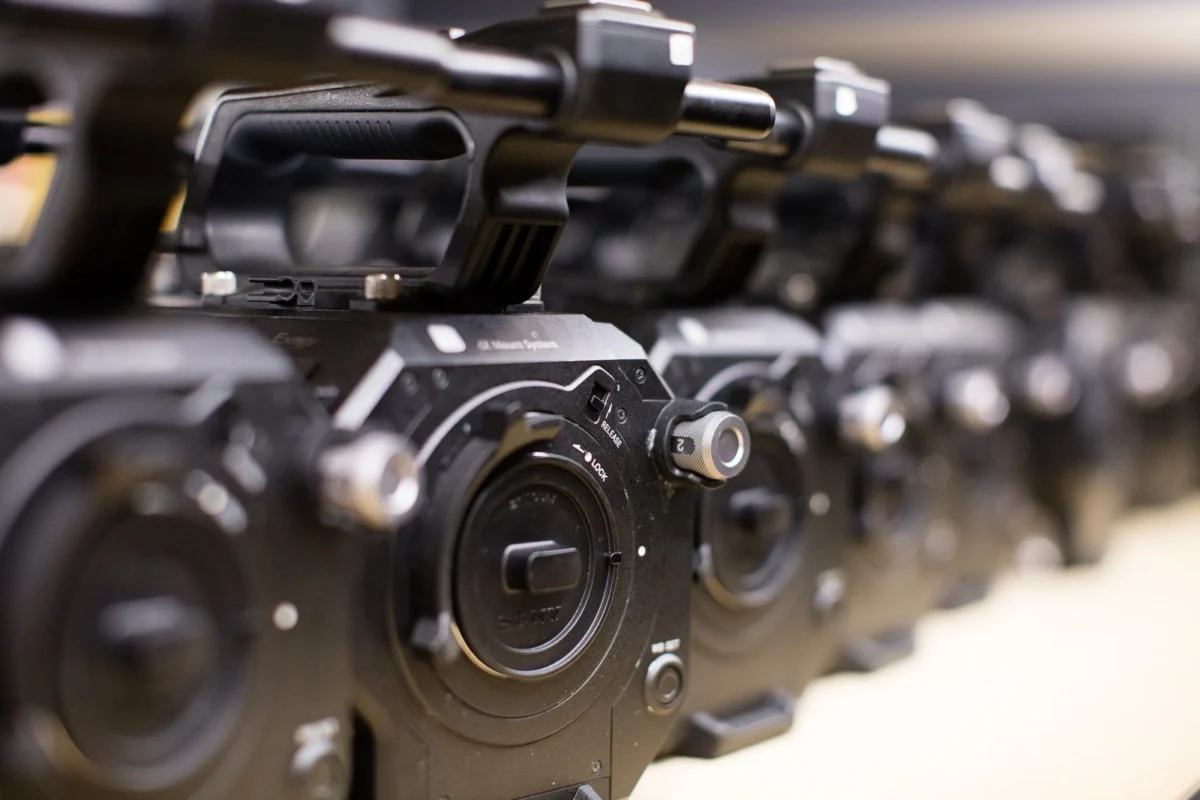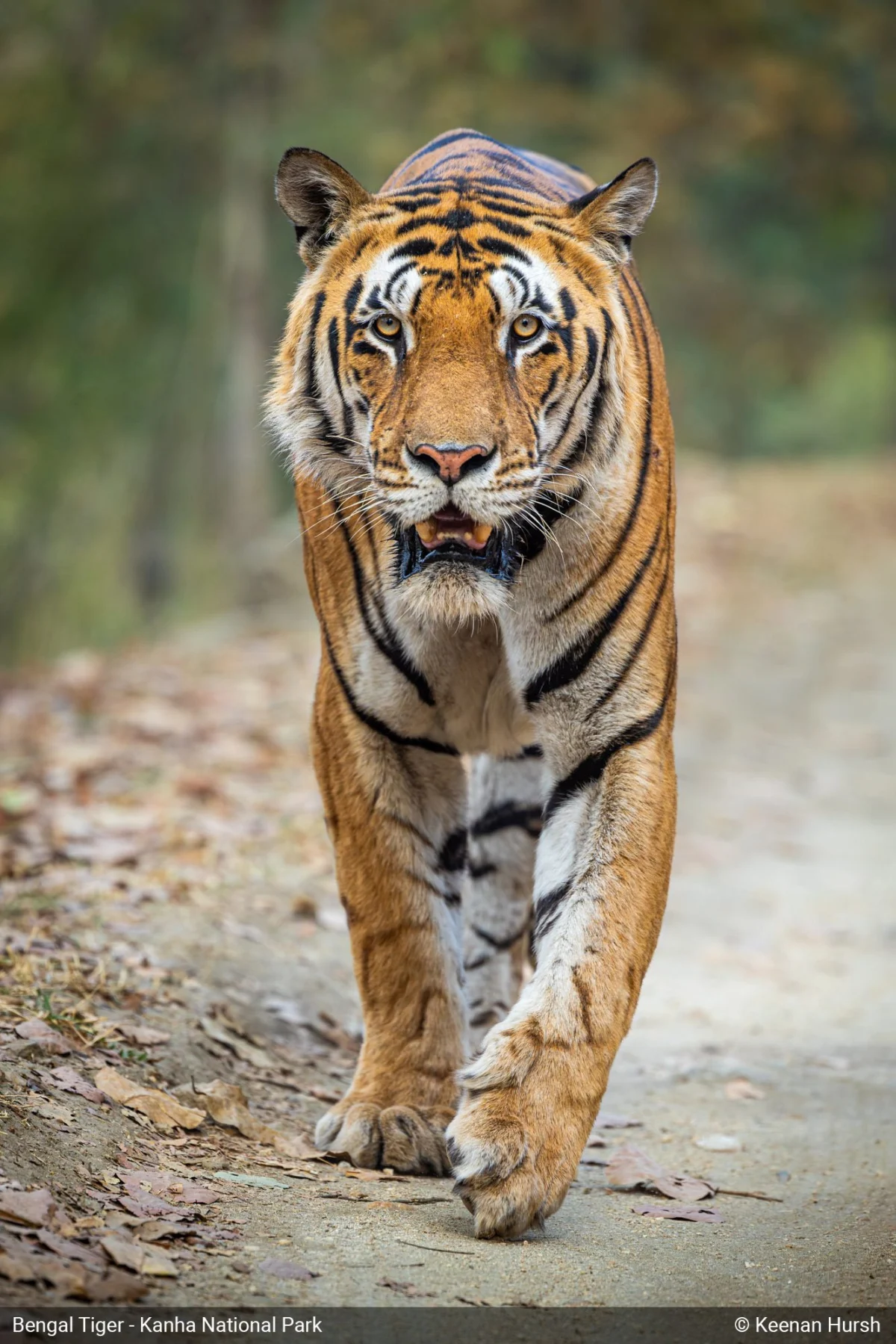
The dynamic realm of wildlife photography, an art form celebrated for its blend of patience, skill, and opportune moments, is undergoing a profound transformation driven by rapid advancements in camera technology. What was once considered a challenging pursuit, demanding immense luck alongside expertise, is increasingly becoming more accessible and rewarding thanks to sophisticated gear. This evolution was recently underscored during a significant wildlife photography expedition to India, where professional nature photographer Keenan Hursh conducted a rigorous real-world comparison between Canon’s acclaimed EOS R5 and its newer iteration, the EOS R5 Mark II. This comprehensive field test in the heart of India’s tiger country offered invaluable insights into how modern mirrorless cameras are empowering photographers to capture previously unattainable images.
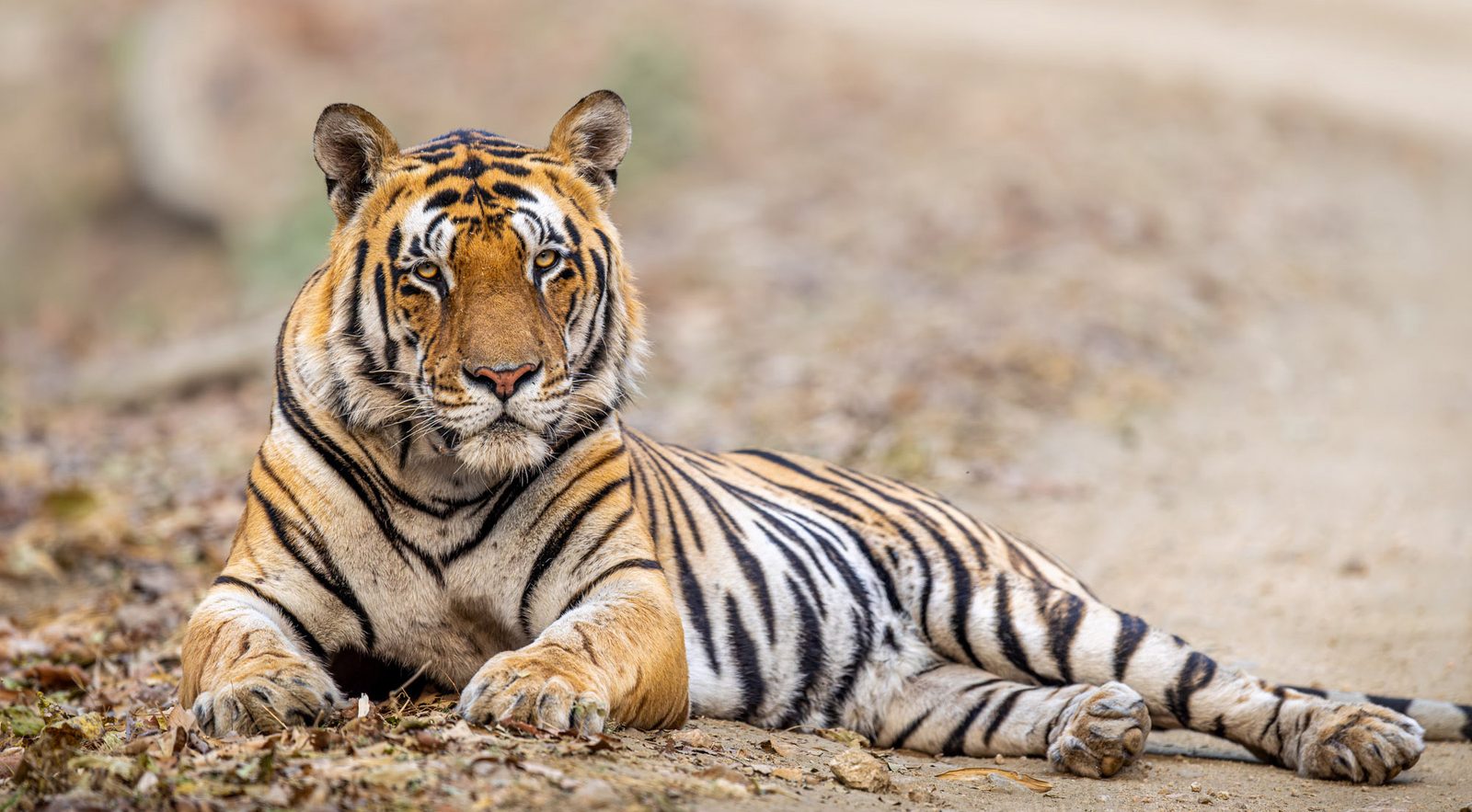
Keenan Hursh, a renowned nature photographer, guide, and writer affiliated with Backcountry Journeys, embarked on a 10-day "Tiger Safari" workshop, guiding a small group of photographers through Bandhavgarh and Kanha National Parks. These Madhya Pradesh reserves are globally recognized as prime habitats for Bengal tigers and a diverse array of other wildlife. The expedition served as an ideal proving ground for cutting-edge photographic equipment, allowing Hursh to evaluate the performance of the Canon EOS R5 Mark II against his long-standing workhorse, the original Canon EOS R5, in demanding, fast-paced environments. The objective was clear: to assess whether the incremental technological advancements in the Mark II translated into a demonstrably superior field experience for professional wildlife photography.
The Indian Safari: A Crucible for Camera Performance
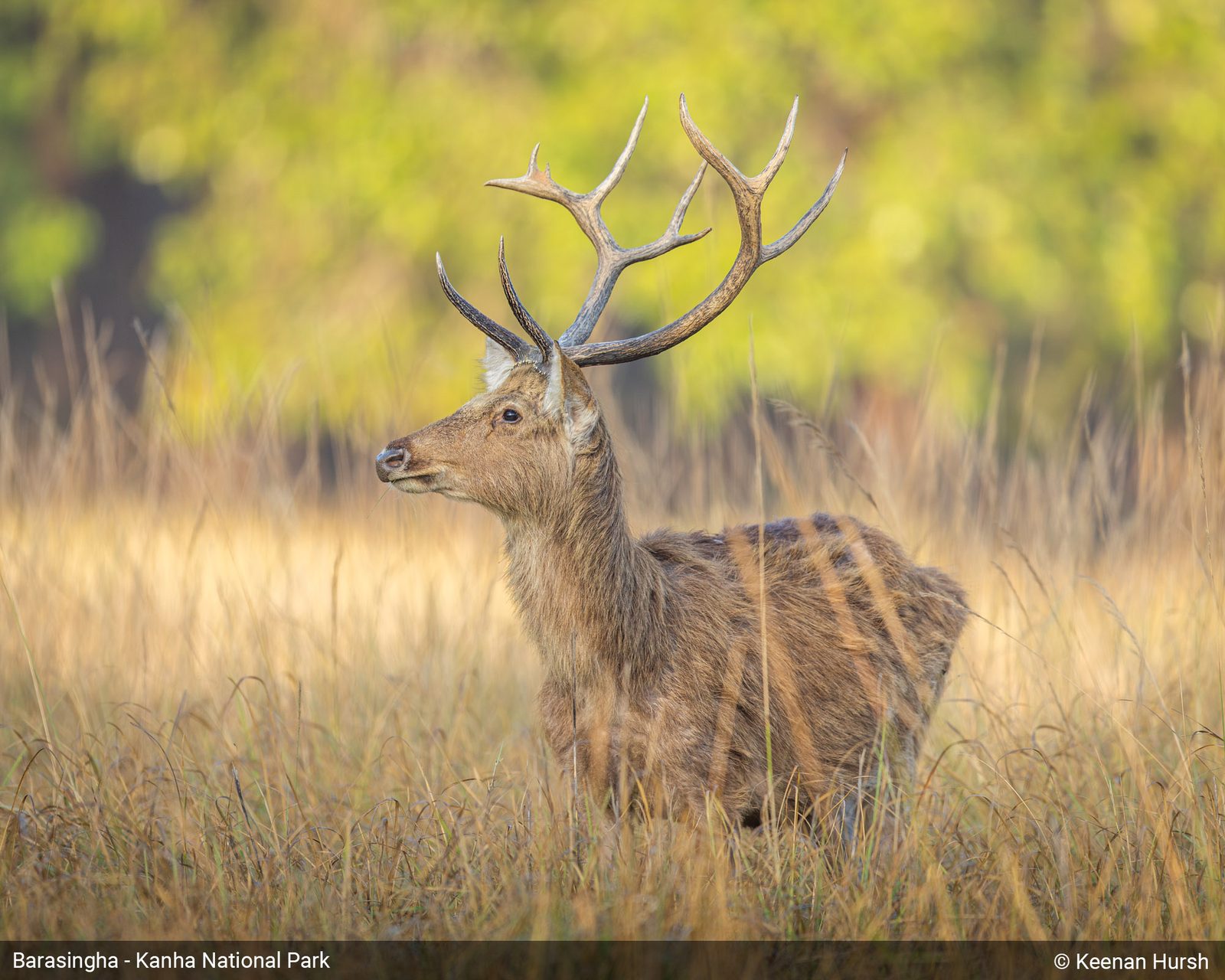
The journey commenced in Delhi, where Hursh met his workshop participants before proceeding to the wildlife-rich landscapes of Madhya Pradesh. The itinerary was meticulously planned to maximize photographic opportunities, beginning with Bandhavgarh National Park, renowned for its high tiger density, followed by a six-hour overland transfer to Kanha National Park, celebrated for its expansive meadows and diverse ecosystems. This structured approach allowed for varied photographic scenarios, from dense jungle encounters to open grassland pursuits, demanding adaptability from both photographers and their gear.
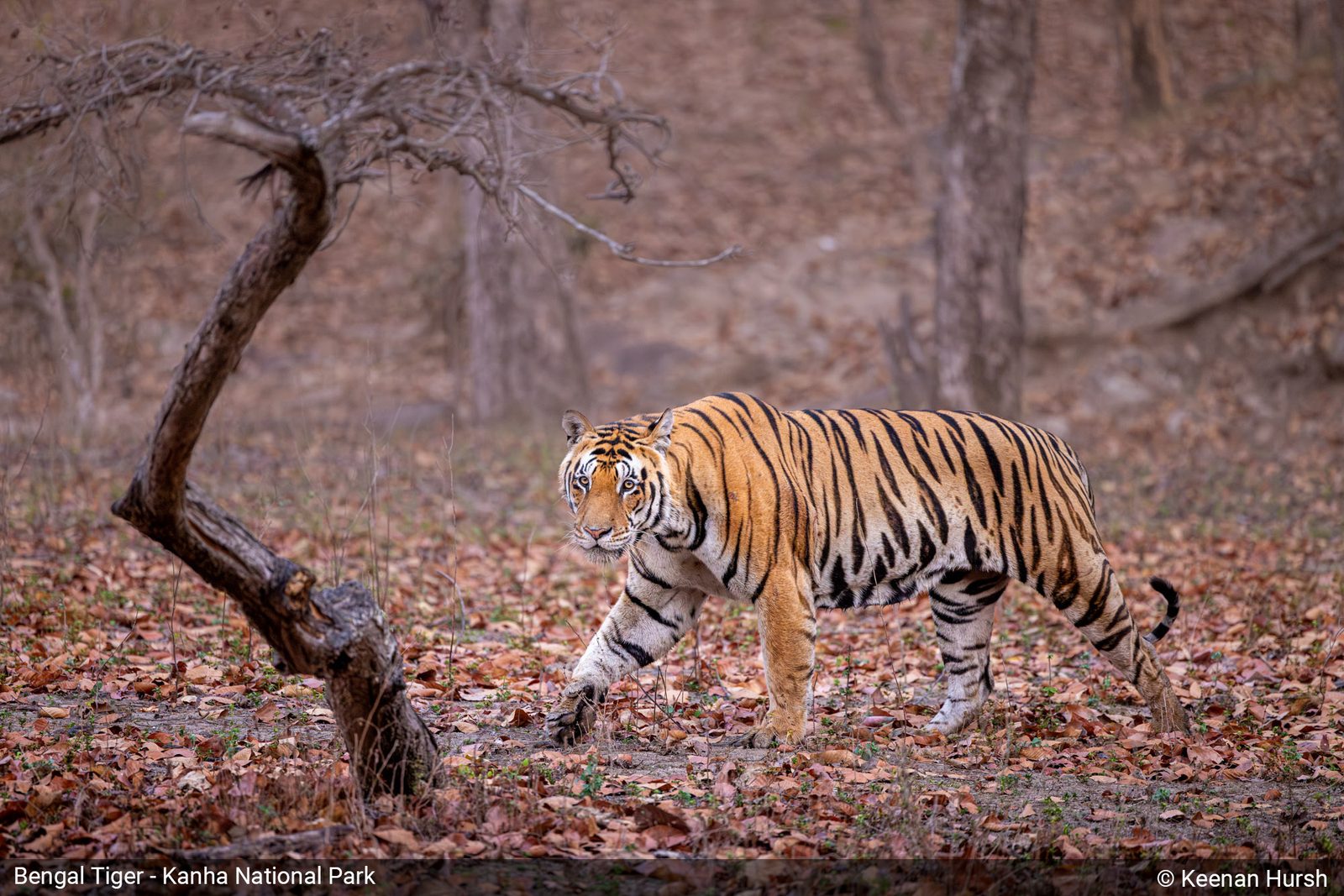
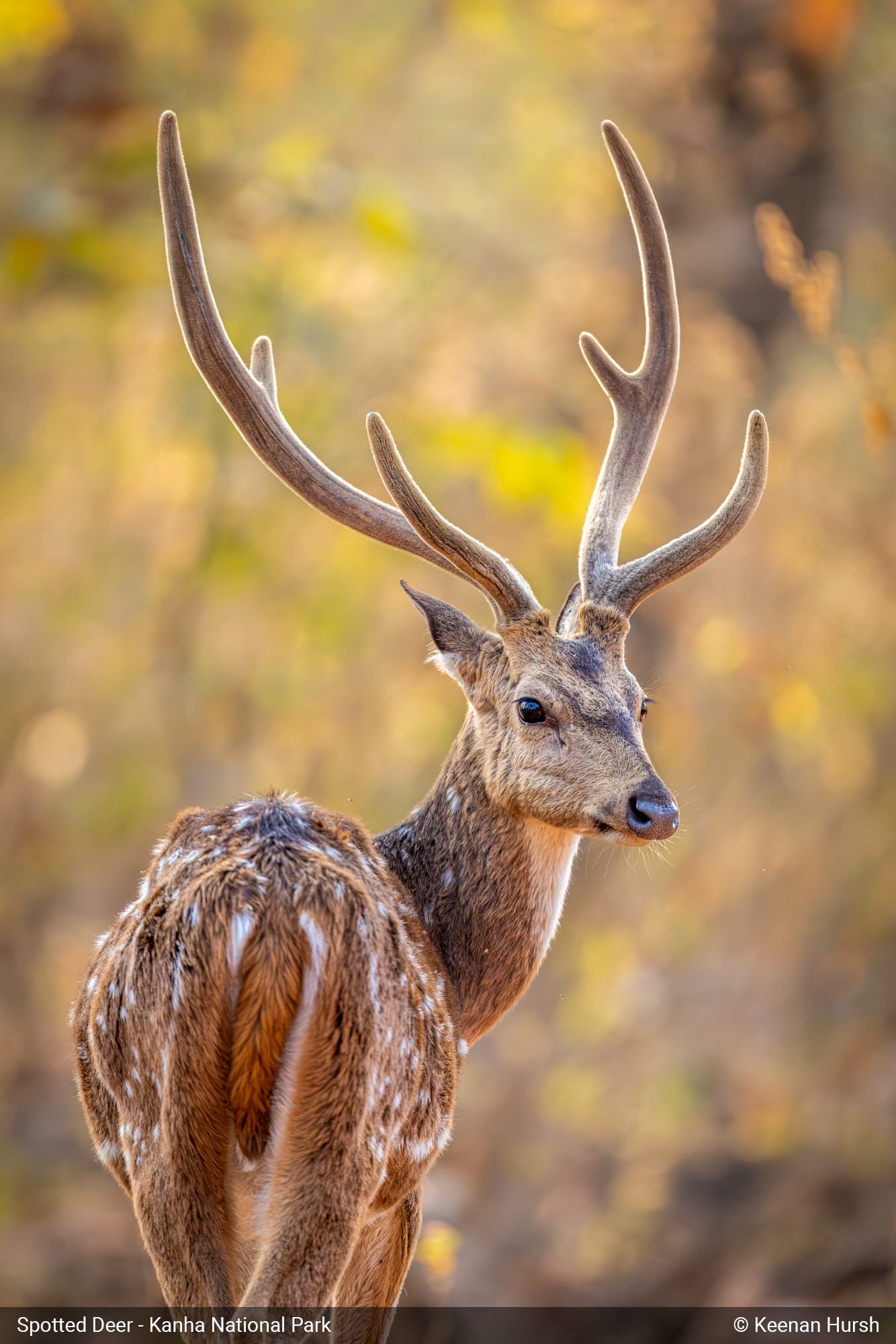
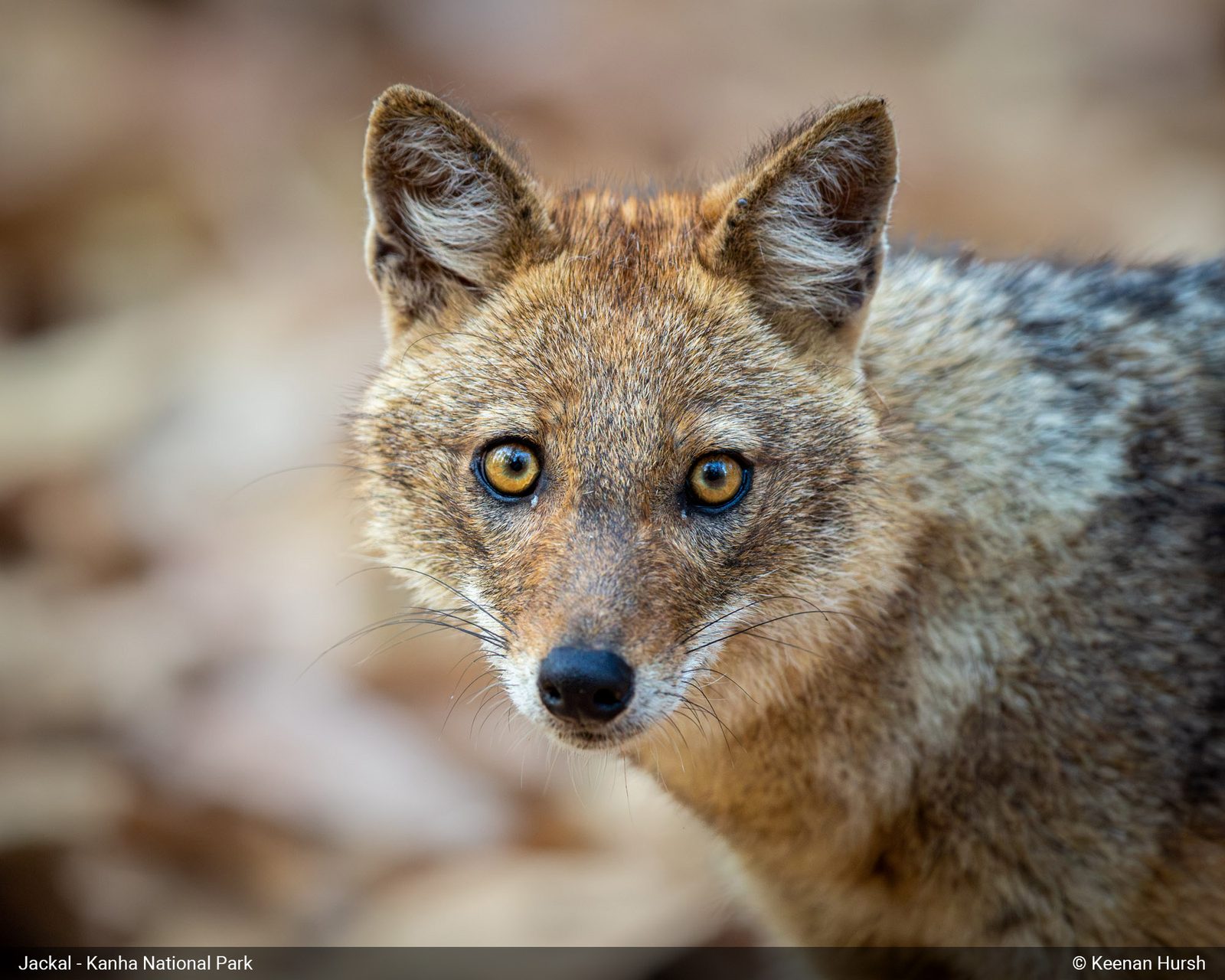
Over the course of the workshop, the group was fortunate to observe and photograph 15 individual tigers, exceeding initial expectations. Beyond the majestic big cats, the expedition yielded encounters with over 25 new species for Hursh, including various mammals and avian life, making it an exceptionally productive and memorable trip. Such immersive experiences highlight the critical role of reliable and high-performance camera equipment. In the unpredictable wilderness, the ability of a camera to swiftly acquire focus, perform optimally in challenging light, and sustain high burst rates can be the decisive factor between capturing an iconic moment and missing it entirely. Hursh emphasized that for a passionate nature and wildlife photographer, these parks offer unparalleled adventure and photographic potential, making them perfect for evaluating the nuances of camera performance.
Technological Leaps in Wildlife Photography
The last two decades have witnessed a staggering acceleration in camera technology, fundamentally reshaping the landscape of photography across all genres, but particularly in wildlife. The transition from traditional Digital Single-Lens Reflex (DSLR) cameras to advanced mirrorless systems has been a primary catalyst. Key innovations that have revolutionized wildlife photography include:
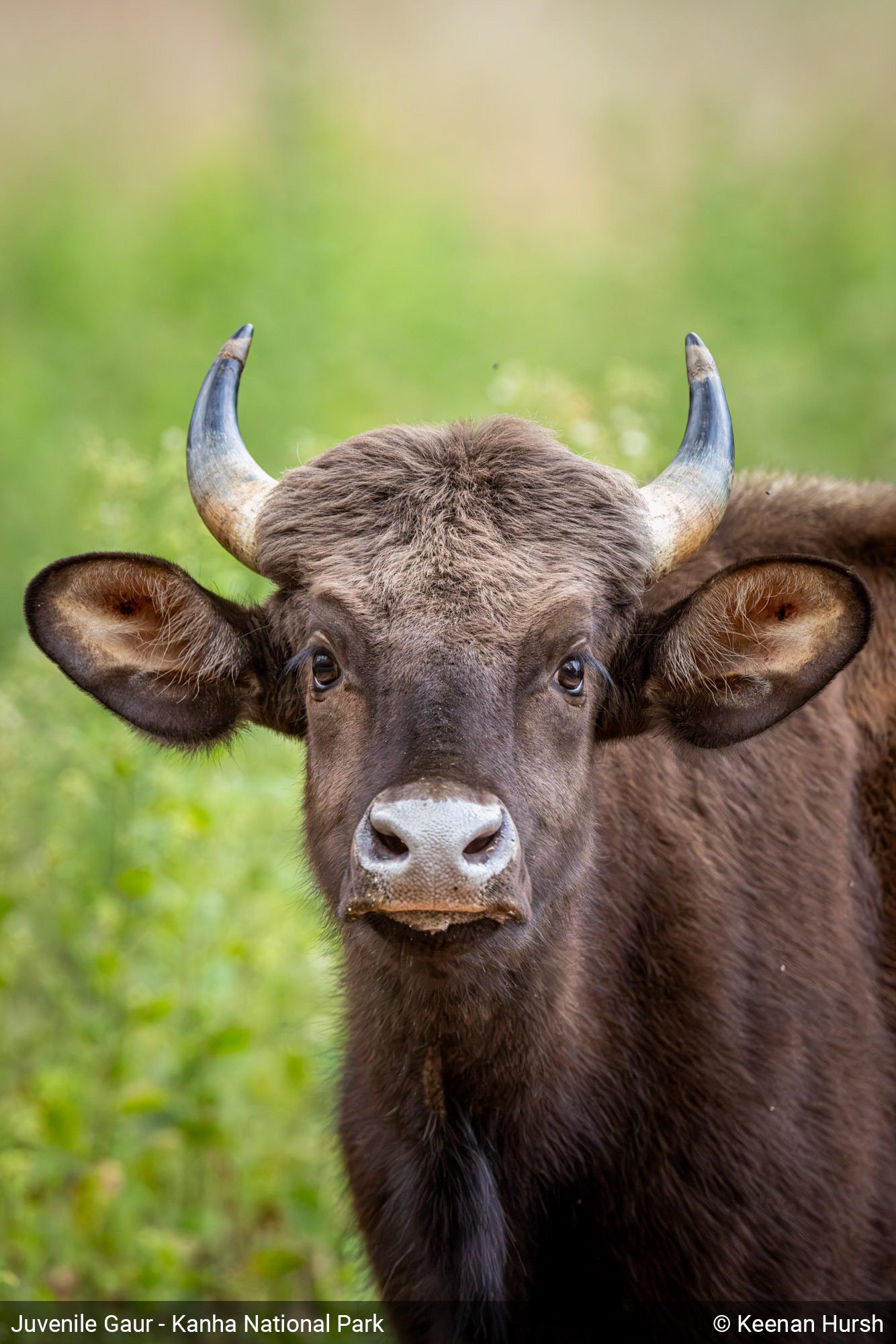
- Advanced Autofocusing Capabilities: Modern mirrorless cameras, especially those like the R5 series, leverage AI-driven subject detection and tracking. This allows cameras to identify and lock onto animals’ eyes or bodies with remarkable speed and accuracy, even when subjects are partially obscured or moving erratically. This contrasts sharply with older systems that often struggled with rapidly changing distances and complex backgrounds.
- Enhanced Low-Light Performance: Improvements in sensor design and image processing engines have drastically reduced digital noise at higher ISO sensitivities. This enables photographers to shoot in dim conditions, such as dawn, dusk, or dense forest canopies, without compromising image quality, thereby extending the window for capturing compelling wildlife behavior.
- Increased Burst Speeds: Electronic shutters now permit burst rates of 20 frames per second (fps) or even 30 fps in some professional models, far surpassing the mechanical shutters of DSLRs. This capability is crucial for freezing fleeting moments of action, like a bird taking flight or a predator in pursuit.
- Introduction of Pre-Capture: A revolutionary feature, pre-capture allows the camera to record images before the shutter button is fully pressed, effectively mitigating human reaction time. This is a game-changer for unpredictable wildlife behavior, ensuring critical moments are not missed.
- Electronic Viewfinders (EVFs) and Stacked Sensors: EVFs provide a real-time preview of the exposure and white balance, eliminating guesswork. When paired with stacked sensors, they offer a blackout-free shooting experience during high-speed bursts, allowing photographers to maintain continuous visual contact with their subject. Stacked sensors also significantly reduce rolling shutter effects and enable faster data readout.
These technological breakthroughs have collectively made it possible to capture images that were realistically unachievable just a few years ago, providing photographers with unprecedented creative control and success rates in the field.
The Canon EOS R5: A Benchmark in Mirrorless Technology
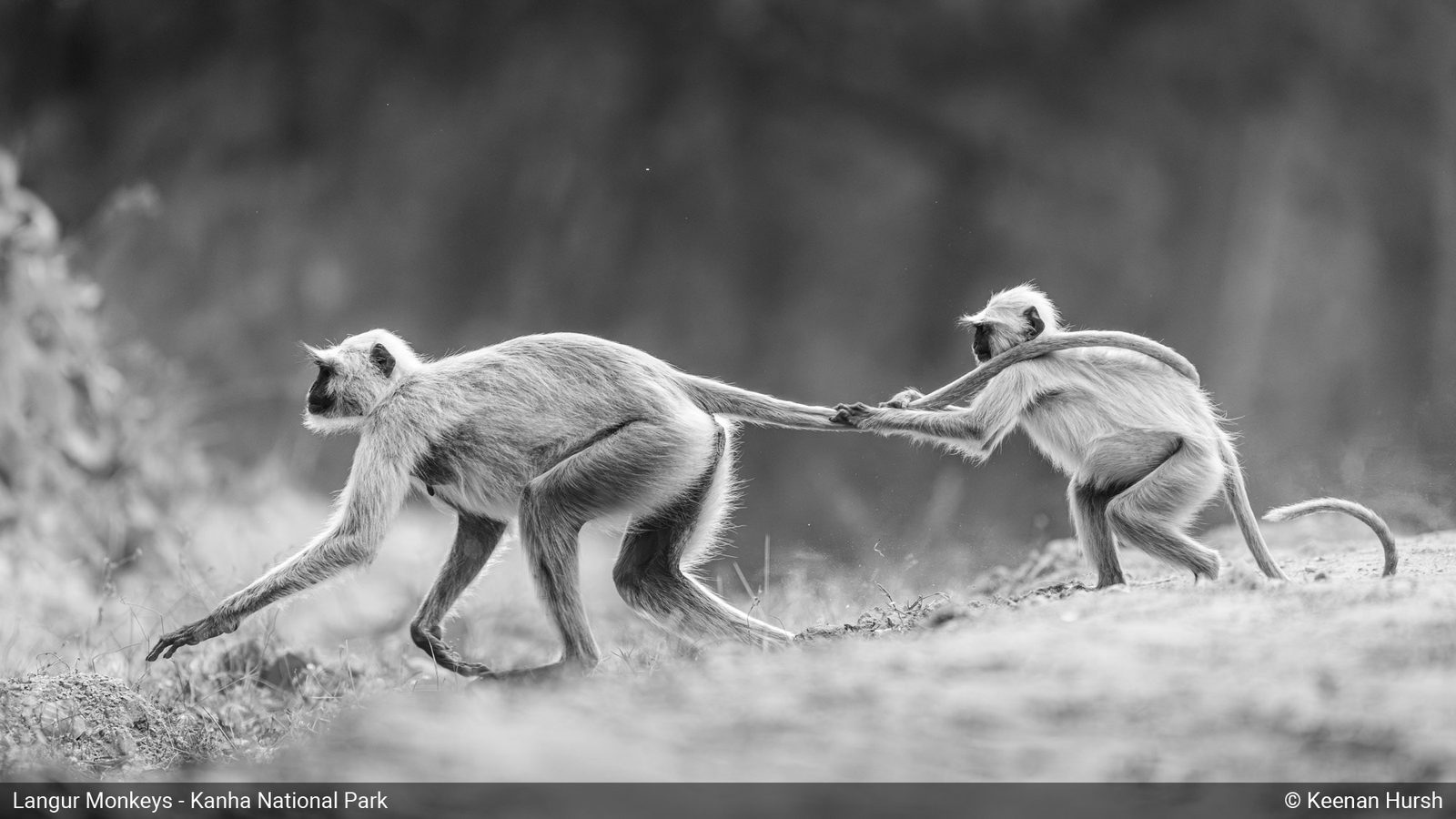
Upon its release, the Canon EOS R5 quickly established itself as a formidable contender in the mirrorless market, especially for wildlife and sports photographers. Keenan Hursh, having owned and extensively used two R5 bodies for several years, attests to its exceptional performance across diverse photographic challenges, from extreme temperatures to varied landscapes. He describes the R5 as a "phenomenal camera" that represented an "exponential upgrade" from his previous DSLR setup.
Key Strengths (as assessed by Hursh):
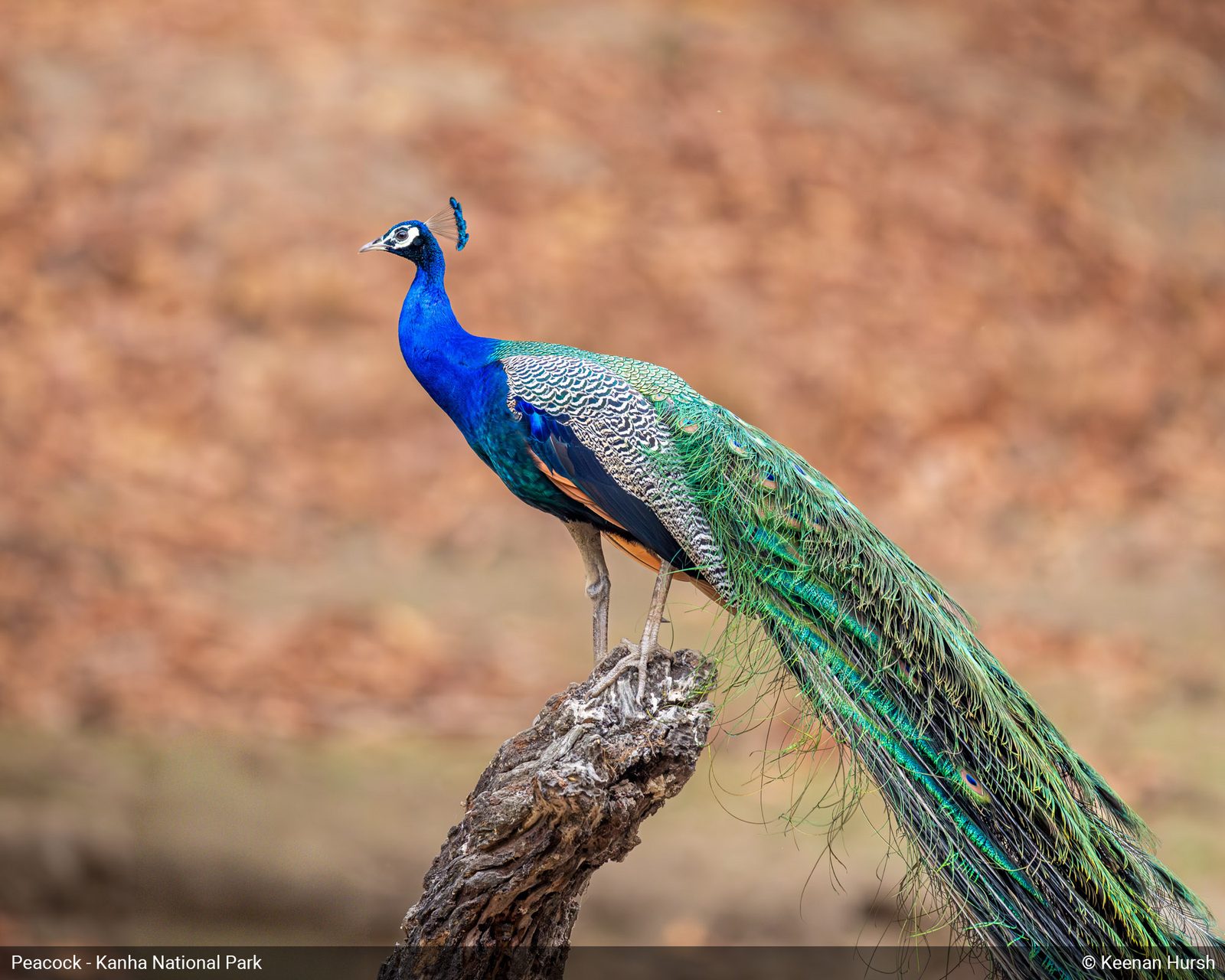
- AI-Assisted AF: The R5 features robust AI-assisted autofocus capabilities with capable and accurate subject and eye detection, a significant leap forward from previous generations.
- High-Speed Shooting: A maximum burst rate of 20 frames per second (fps) with the electronic shutter allows for effective capture of dynamic wildlife sequences.
- High-Resolution Sensor: Its 45-megapixel full-frame sensor delivers exceptional detail and image quality, offering ample cropping flexibility.
- Low-Light Performance: The camera exhibits solid low-light performance, handling high ISO values with commendable results.
- In-Body Image Stabilization (IBIS): Excellent IBIS provides up to 8 stops of stabilization, crucial for sharp images when shooting handheld with long telephoto lenses.
Despite its strengths, Hursh noted a few areas for improvement in the original R5. The process of switching between photo and video modes was described as cumbersome and inefficient, potentially leading to missed shots in time-sensitive wildlife scenarios. Furthermore, when using the electronic shutter, the lack of auditory feedback combined with brief blackout moments in the electronic viewfinder meant photographers weren’t continuously aware of capturing images or the subject’s movement, impacting the user experience during high-speed bursts. While the autofocus was generally good, it occasionally exhibited "jumpiness" or failed to identify subjects, leaving Hursh "wanting more." These were, however, considered minor complaints against an otherwise exceptional camera that has served him incredibly well.
Introducing the Canon EOS R5 Mark II: An Evolution for Wildlife Specialists
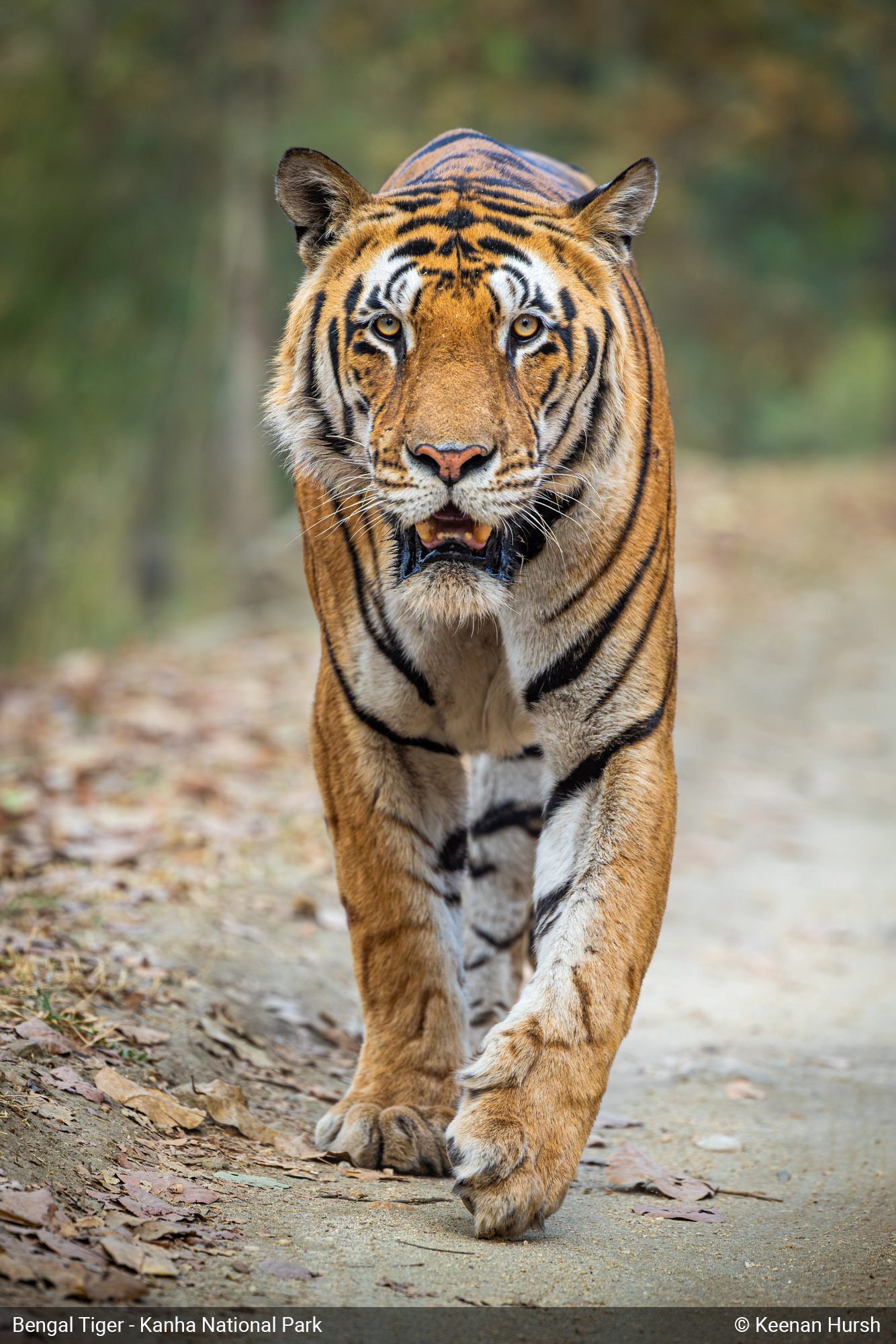
The Canon EOS R5 Mark II builds upon the strong foundation of its predecessor, delivering a refined and enhanced user experience, particularly for wildlife photography. Hursh’s week-long field test in India revealed the Mark II to be a "great plus," if not "exceptional," especially in the demanding context of capturing elusive wildlife. While the differences weren’t "stark as night and day," several key improvements significantly enhanced his shooting experience.
Key Advancements (as assessed by Hursh):
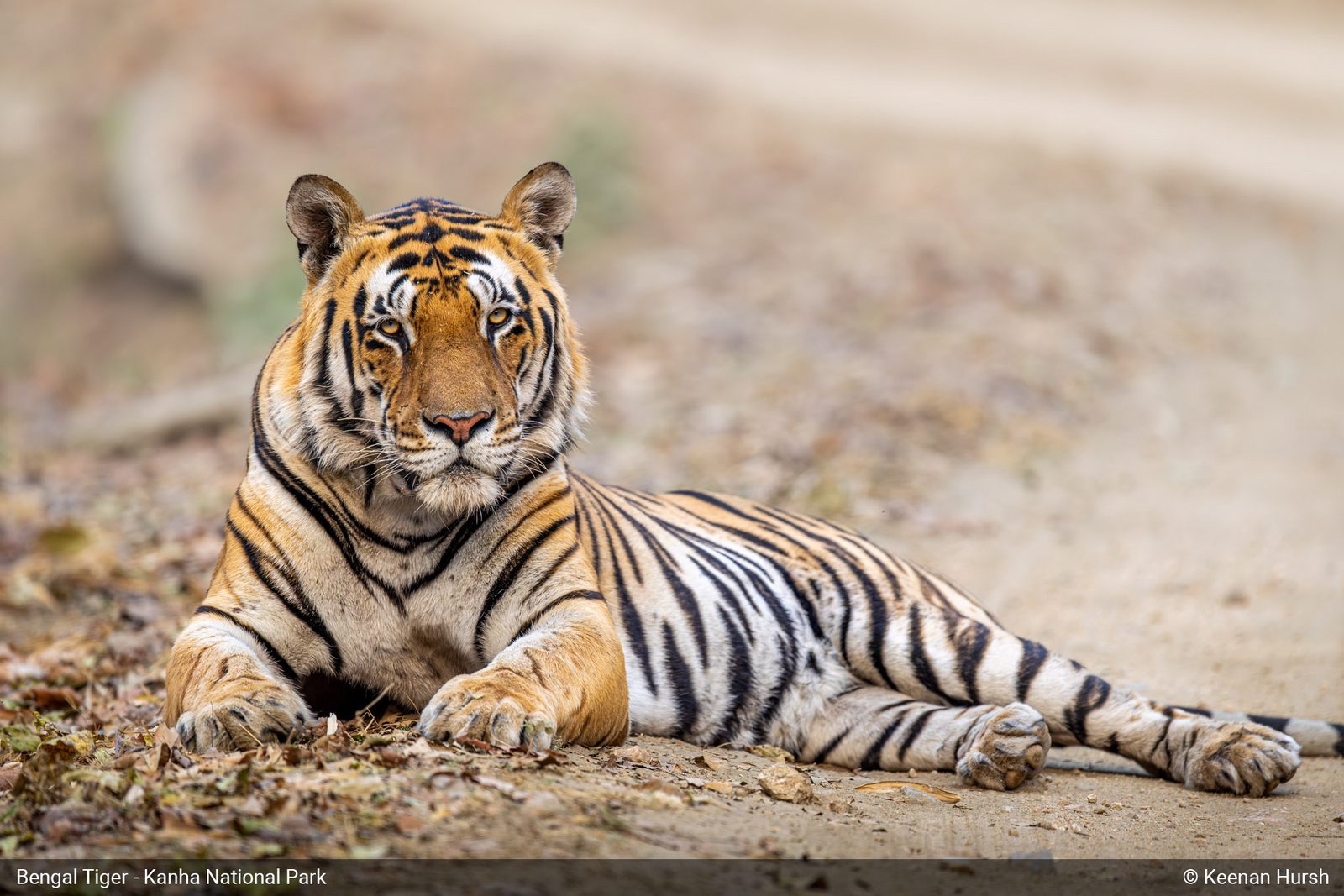
- Superior Autofocus: The most significant and appreciated upgrade is the substantial improvement in AF capabilities. The R5 Mark II’s autofocus is described as "faster, more accurate, more reliable, smoother, and overall just a better experience." It excels at acquiring and maintaining focus on subjects, even allowing seamless switching between multiple identified targets, with noticeably less "jumpiness" than the original R5.
- Game-Changing Pre-Capture: This feature, initially underestimated by Hursh, proved to be an "absolute game-changer" for specific scenarios, such as capturing small birds taking off from perches – shots previously deemed impossible.
- Dedicated Photo/Video Switch: The addition of a dedicated switch for photo/video modes addresses a previous ergonomic complaint, streamlining workflow for photographers who frequently alternate between stills and video.
- Revolutionary Stacked Sensor: The introduction of a new stacked sensor, while maintaining the same 45MP resolution, unlocks numerous benefits for the electronic shutter:
- Faster Burst Rate: Achieves 30 fps, a significant increase from the R5’s 20 fps, critical for capturing decisive moments in rapid action.
- 14-bit RAW Files: Maintains 14-bit RAW file capture even when using the electronic shutter, preserving greater dynamic range and color depth compared to the R5’s 12-bit compression.
- Blackout-Free EVF: The EVF now offers a completely blackout-free experience during continuous shooting, providing an uninterrupted, more natural view of the subject.
- Auditory Feedback for Electronic Shutter: The option to enable a customizable noise for the electronic shutter addresses Hursh’s previous annoyance with silent shooting, providing satisfying auditory confirmation of image capture.
Despite these substantial improvements, Hursh identified a few minor drawbacks. His primary concern revolved around the battery compatibility, noting that the R5 Mark II necessitates new, proprietary batteries to unlock its full capabilities. This poses a significant investment hurdle for existing R5 users with a substantial collection of older batteries. Additionally, the R5 Mark II showed a "slightly worse low-light performance," introducing a "tiny bit more noise at respective ISO values" compared to the original R5. This marginal trade-off is attributed to the new stacked sensor design, though Hursh considers it a small price to pay for the overall performance gains. Finally, he pondered whether the upgrade was substantial enough for every user, suggesting that for many, the cost-benefit analysis might lean towards retaining the original R5.
General Consensus: Which Camera for Which Photographer?
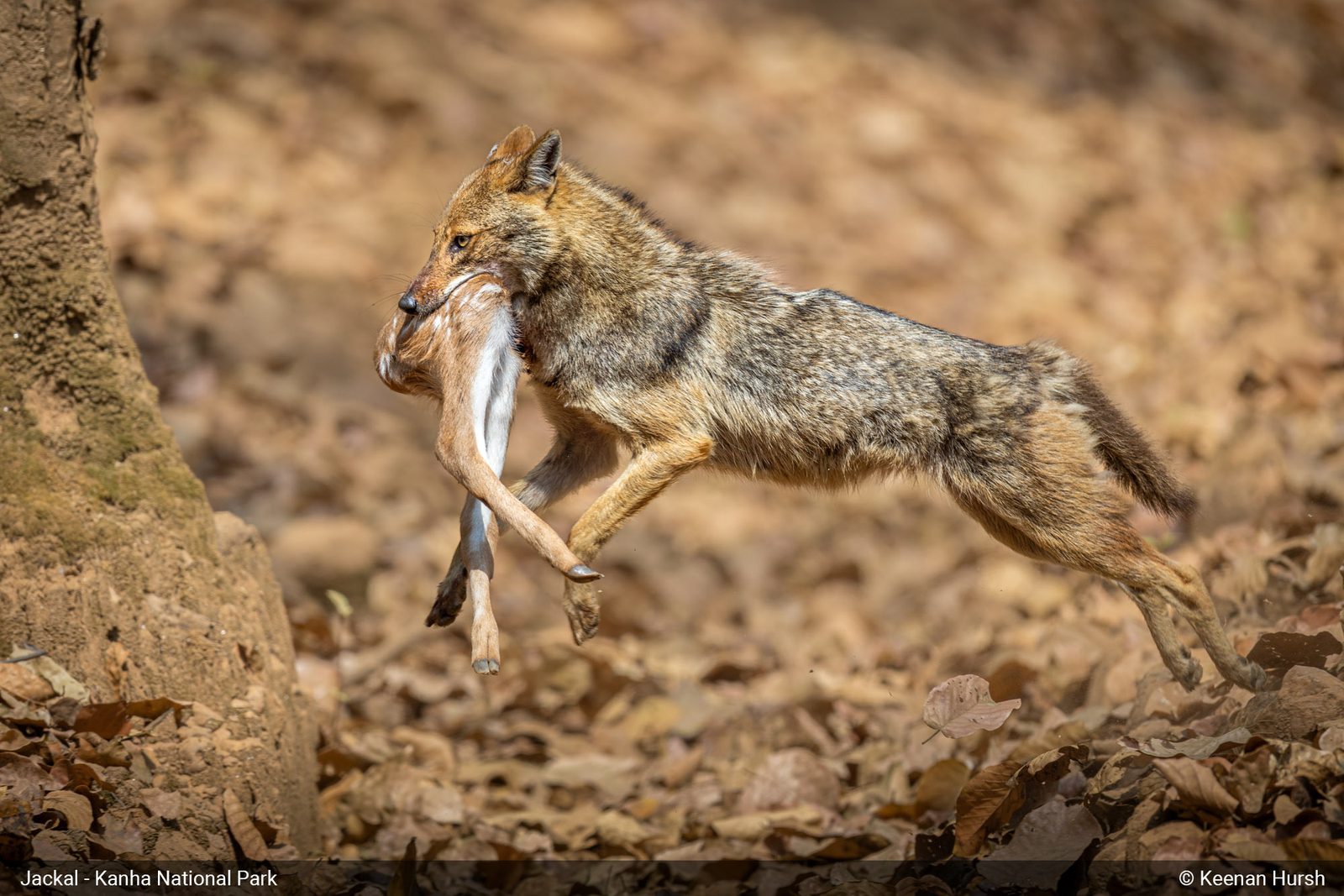
Hursh’s comprehensive comparison leads to a clear conclusion: the Canon EOS R5 Mark II is unequivocally a superior camera. While the margin of superiority might not be "huge," its enhancements are particularly impactful for specific photographic disciplines.
- For Wildlife and Sports Photographers: For professionals and serious enthusiasts whose primary focus is fast-moving subjects and who are not constrained by budget, the R5 Mark II represents a highly worthwhile upgrade. The advancements in autofocus, the higher burst rate, pre-capture capabilities, and the blackout-free viewfinder directly translate to a higher success rate and a more enjoyable shooting experience in these demanding genres. The extra $1,000 (at the time of writing) is justified by the tangible performance gains in critical moments.
- For Landscape and General Photographers, or Budget-Conscious Users: For those primarily focused on landscape photography, portraits, or slower-moving subjects where the extreme speed and advanced AF of the Mark II are less critical, the original Canon EOS R5 remains an outstanding camera. Its 45MP sensor, excellent IBIS, and robust build quality continue to deliver professional-grade results at a more accessible price point. The $1,000 price difference becomes a significant factor here, making the R5 a compelling value proposition.
For Keenan Hursh personally, as a professional wildlife photographer, the decision leans heavily towards the R5 Mark II. The improvements in AF alone – faster subject acquisition, more reliable tracking, and smoother operation – are sufficient to warrant the upgrade. Coupled with the benefits of the stacked sensor, including the 30 fps burst rate, 14-bit RAW with electronic shutter, and the blackout-free EVF, the Mark II offers a professional tool that significantly elevates his capability in the field.
Broader Impact: Photography, Conservation, and Technological Progress
The expedition to India’s tiger reserves, beyond its technical camera review, served as a powerful reminder of the intersection between advanced photography tools and wildlife conservation. High-quality imagery plays a crucial role in raising awareness, funding research, and advocating for the protection of endangered species like the Bengal tiger. The ability of modern cameras to capture stunning detail and dynamic action in challenging environments means conservationists and storytellers can present more compelling narratives to a global audience.
The continuous innovation in camera technology, exemplified by the progression from the R5 to the R5 Mark II, ensures that photographers are better equipped than ever to document the natural world. This technological race among manufacturers not only benefits professionals but also inspires enthusiasts, fostering a deeper appreciation for wildlife and wild places. The ability to rent specialized gear, as Hursh did with Lensrentals.com, further democratizes access to cutting-edge equipment, allowing photographers to test and adopt tools that best suit their evolving needs without immediate significant investment.
Ultimately, while the Canon EOS R5 and R5 Mark II both stand as exceptional cameras, the Mark II represents a strategic evolution tailored to the heightened demands of modern wildlife and action photography. Keenan Hursh’s adventure in India provided a vivid testament to how these technological refinements are not merely incremental but profoundly impactful, enabling photographers to push the boundaries of what is possible in the pursuit of the dream shot.