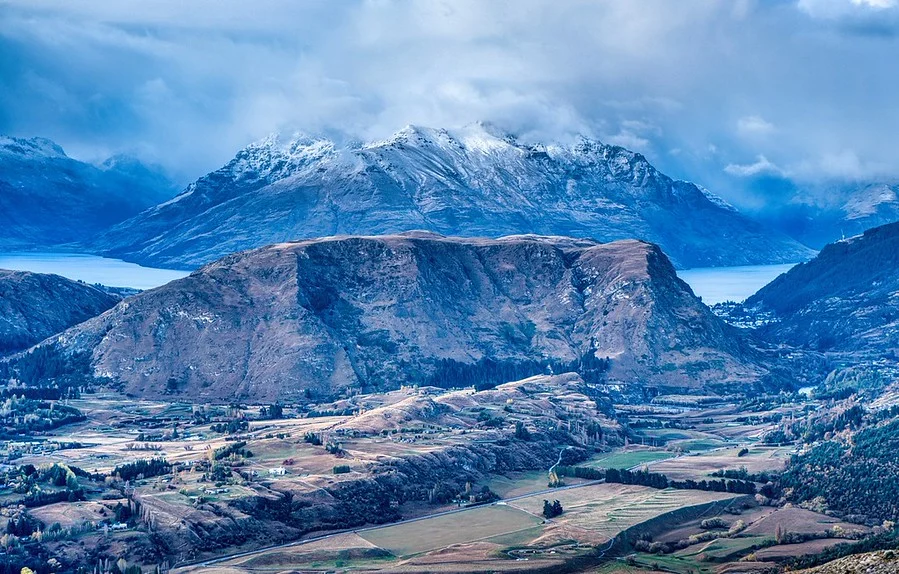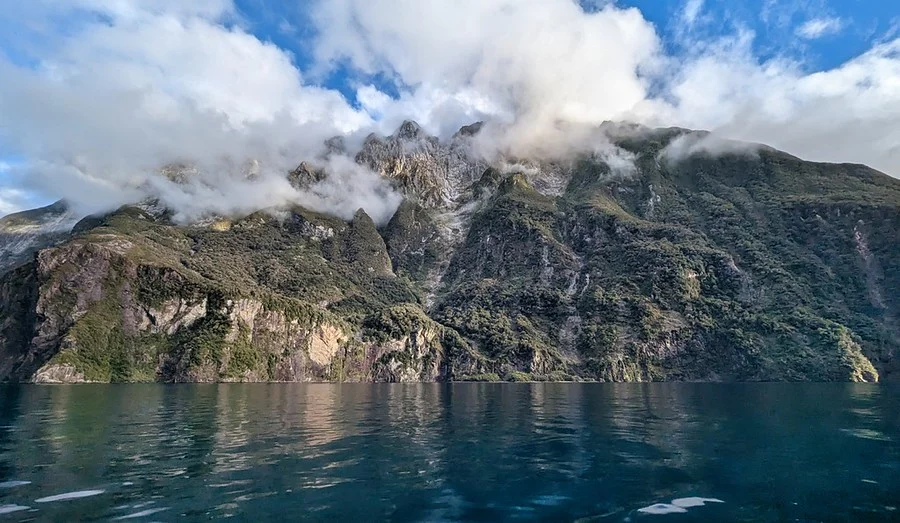
The scene that welcomes visitors upon entering Milford Sound, also known by its Māori name Piopiotahi, from the ocean is a breathtaking tableau of natural grandeur. This image captures a segment of that awe-inspiring vista, a visual prelude to the dramatic geological formations and cascading waterfalls that define this iconic New Zealand fiord. The entrance itself is not merely a geographical marker but an immersion into a landscape sculpted by millennia of glacial activity and shaped by the relentless power of the Tasman Sea. As vessels navigate the sheltered waters, they are met with sheer granite cliffs that rise vertically from the dark, inky depths, often shrouded in mist that adds an ethereal quality to the already dramatic scenery. This particular photograph, a "Daily Photo" from Stuck in Customs, serves as a digital postcard, offering a glimpse into the overwhelming scale and untamed beauty of this UNESCO World Heritage site.
The Majesty of Milford Sound: A Geological Marvel
Milford Sound is more than just a picturesque location; it is a testament to the dynamic geological processes that have shaped New Zealand’s South Island. Formed during the last ice age, approximately 20,000 years ago, the fiord was carved out by massive glaciers that scoured the landscape, leaving behind U-shaped valleys and steep, precipitous walls. The sheer scale of these cliffs, some reaching heights of over 1,200 meters, is a direct consequence of this glacial erosion. The water within the fiord is a complex mix of fresh rainwater, which forms a layer on the surface, and saltwater from the sea, creating unique ecological conditions. This stratification affects the light penetration, contributing to the dark, mysterious appearance of the water and supporting a distinct marine ecosystem.
The entrance to Milford Sound, as depicted in the photograph, is characterized by its dramatic opening to the Tasman Sea. This juxtaposition of the open ocean and the sheltered, deep waters of the fiord creates a powerful sense of transition. The rugged coastline surrounding the entrance is part of Fiordland National Park, a vast wilderness area renowned for its pristine natural beauty and biodiversity. The park itself encompasses over 1.2 million hectares and is one of the largest national parks in New Zealand. Milford Sound is one of its most accessible and famous features, drawing hundreds of thousands of visitors annually.
Historical and Cultural Significance
The name "Milford Sound" was given by Captain John Grono, a sealer, in 1812, and later surveyed by John Balleny in 1826. However, the area holds deep cultural significance for the Māori people, who have known it as Piopiotahi for centuries. According to Māori legend, the fiord was carved by Tane-rokore, a celestial craftsman, who used his adze to shape the land. The name Piopiotahi refers to a native bird, the piopio, which legend says was brought to the fiord by the demigod Maui. The enduring presence of Māori culture in this region is a vital part of its identity, with local iwi (tribes) having ancestral connections to the land and sea. Understanding these cultural narratives adds a profound layer of appreciation to the natural spectacle.
The history of human interaction with Milford Sound is also tied to exploration and resource gathering. Sealing and whaling were important activities in the early days of European exploration, but the remote and challenging nature of the fiord limited extensive settlement. Today, tourism is the primary economic driver, with a focus on preserving the delicate ecosystem while allowing visitors to experience its grandeur. The development of infrastructure, such as the Milford Road and the Homer Tunnel, has made the fiord more accessible, yet the commitment to conservation remains paramount.
The Journey into the Fiord: A Timeline of Experience
The experience of entering Milford Sound is often described as a journey of increasing wonder. For those arriving by sea, the initial approach from the Tasman Sea can be met with unpredictable weather. The West Coast of the South Island is known for its high rainfall, and Milford Sound is one of the wettest inhabited places on Earth, receiving an average of 6,500 millimeters (256 inches) of rain annually. This rainfall contributes to the dramatic waterfalls that cascade down the sheer cliffs, some of which are permanent, like Stirling Falls and Bowen Falls, while others appear only after heavy rain.
As a vessel moves past the entrance, the scale of the fiord begins to reveal itself. The towering Mitre Peak, a distinctive pyramid-shaped mountain that rises 1,692 meters directly from the water, becomes a focal point. The journey into the fiord typically takes visitors past several points of interest, each offering unique perspectives on the landscape. The sheer cliffs, often covered in dense rainforest, are home to a variety of birdlife, including the kea, the world’s only alpine parrot.
The duration of a typical boat cruise into Milford Sound can range from 1.5 to 2 hours, allowing ample time to witness the key features. Visitors often have the opportunity to see seals basking on rocks, and if they are fortunate, dolphins, fur seals, and even Fiordland crested penguins. The experience is dynamic, with the light and weather constantly shifting, creating new visual narratives.
Supporting Data and Ecological Context
Milford Sound’s unique environment supports a surprisingly diverse range of flora and fauna. The deep, dark waters are home to species that are typically found at much greater depths, such as black coral. This phenomenon is attributed to the tannins leached from the rainforest into the water, which create a permanently dark layer, allowing these deep-sea species to thrive closer to the surface. This has made Milford Sound a vital location for scientific research into marine biology.
The fiord’s ecosystem is also sensitive to environmental changes. The high rainfall, while contributing to its beauty, also means that the area is susceptible to landslides and erosion. The management of tourism is therefore crucial to minimize human impact. According to the Department of Conservation, which manages Fiordland National Park, visitor numbers are carefully monitored, and guidelines are in place to protect the natural environment. The park’s management plan emphasizes the preservation of biodiversity, natural processes, and cultural heritage.
Official Responses and Conservation Efforts
The New Zealand government, through the Department of Conservation (DOC), plays a pivotal role in managing and protecting Milford Sound. DOC is responsible for the conservation of the fiord’s natural and historic heritage and for providing visitor facilities and information. Their efforts include monitoring water quality, managing invasive species, and implementing sustainable tourism practices.
Tourism operators within Milford Sound are also required to adhere to strict environmental regulations. These regulations often include limits on vessel speed and proximity to wildlife, as well as waste management protocols. Companies operating cruises are actively involved in educating visitors about the importance of conservation and responsible tourism.
In recent years, there has been a growing recognition of the need for climate change adaptation in vulnerable natural environments like Milford Sound. While specific official statements on climate change impacts on the fiord are ongoing, the broader conservation strategies of DOC are increasingly incorporating resilience and adaptation measures. The extreme weather events that have impacted the region, including floods and landslides, underscore the urgency of these efforts.
Broader Impact and Implications
The preservation of Milford Sound has implications that extend beyond its immediate natural beauty. As a UNESCO World Heritage site, it is recognized for its outstanding universal value, making its protection a global responsibility. The continued health of the fiord’s ecosystem is vital for scientific research, contributing to our understanding of marine life and geological processes.
Economically, Milford Sound is a significant contributor to the regional and national economy through tourism. However, the reliance on tourism also presents challenges, particularly in balancing visitor numbers with environmental sustainability. The long-term viability of this industry depends on the continued pristine nature of the fiord.
The visual representation of Milford Sound, as seen in this "Daily Photo," plays a role in raising global awareness and appreciation for natural heritage. Images like this inspire travel and foster a sense of connection to the natural world, potentially encouraging greater support for conservation efforts worldwide. The enduring allure of places like Milford Sound highlights the critical need for responsible stewardship of our planet’s most extraordinary landscapes. The act of entering this fiord is not just a physical journey but an encounter with the profound power and delicate balance of nature, a reminder of the treasures that must be safeguarded for future generations.